

Railway stations are no longer just transit points or waiting areas: in recent decades, they have become true spaces for art and culture, capable of engaging with the city and with those who pass through them.
Monumental architecture, murals, and site-specific installations tell stories, reflect local identities, and enhance urban heritage, turning each station into a unique experience.
Here, art does more than accompany the movement of trains: it accompanies people, stimulating emotion, curiosity, and a sense of belonging, transforming a daily routine into a journey of discovery and beauty.
1 – Napoli Afragola Railway Station
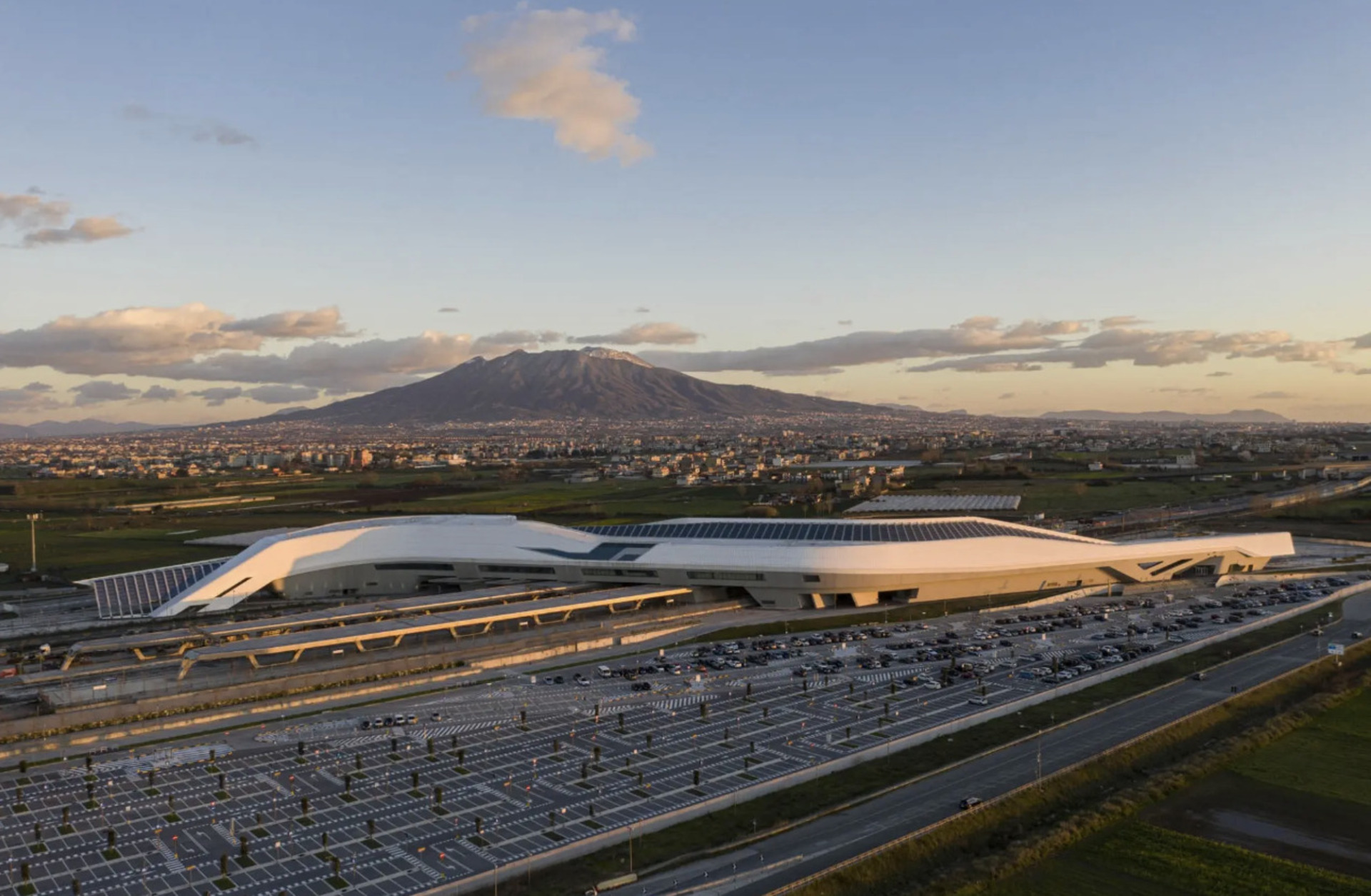
A striking example of how a railway station can be much more than a transit point is Napoli-Afragola High-Speed Railway Station, delivered by Webuild and designed by the renowned architect Zaha Hadid. The fluid, curvilinear building stretches like a bridge above the tracks, connecting neighborhoods and areas previously separated by the historic railway line.
Opened in 2017, the Afragola station is not only a key mobility hub for Naples public transport and high-speed connections, but also an architectural work recognized for its aesthetic and functional quality, enhancing both urban space and the traveler experience.
2 – Napoli Monte Sant’Angelo Station
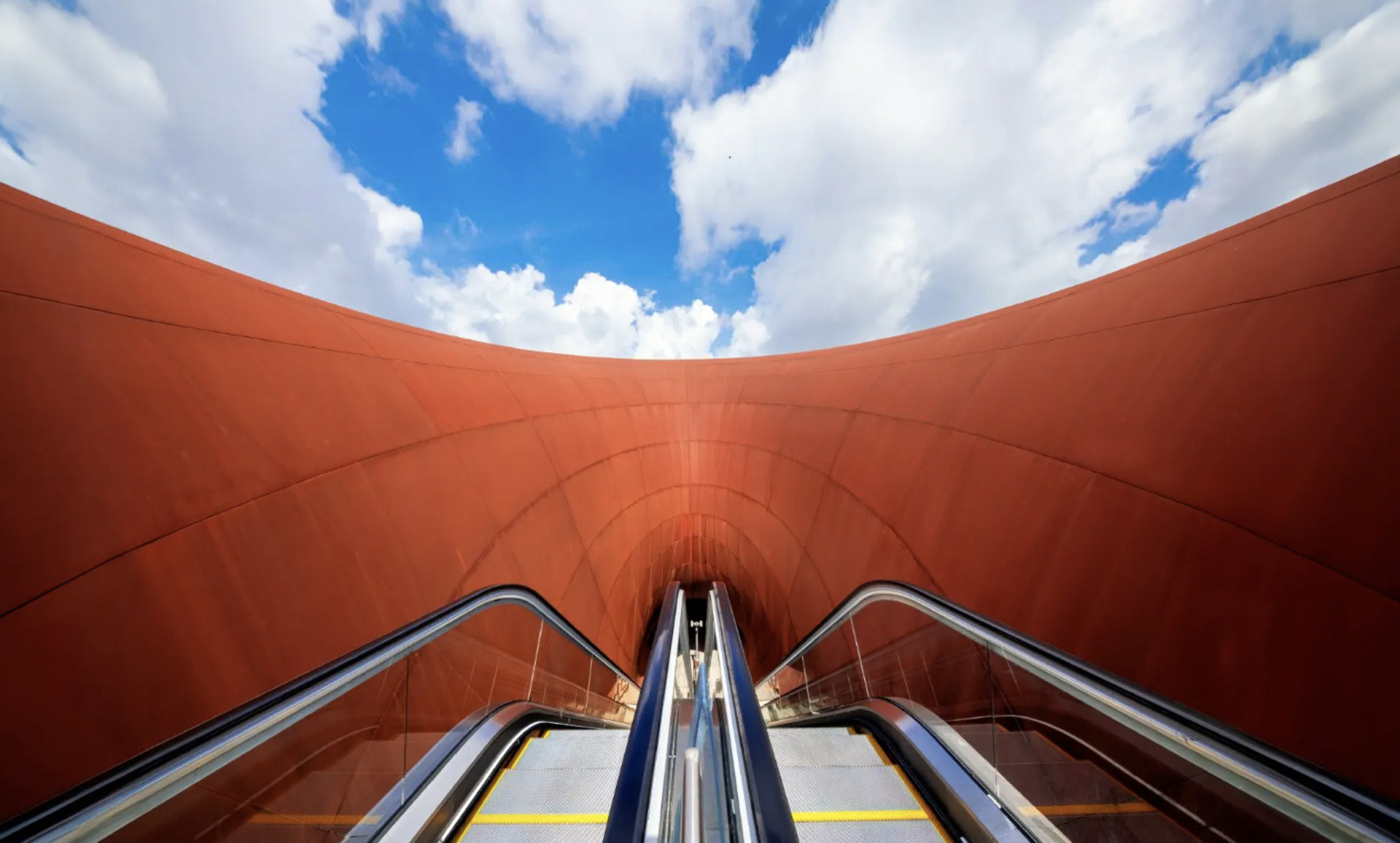
Another station where art and mobility merge in a surprising way is the “Station of Art” at Monte Sant’Angelo, recently opened on Naples Metro Line 7.
Delivered by Webuild on behalf of EAV and featuring artistic interventions by international artist Anish Kapoor, this Naples subway station hosts two large mouth-shaped installations that welcome passengers and guide them inside, transforming the station entrance into an immersive experience.
3 – New York’s Grand Central Terminal
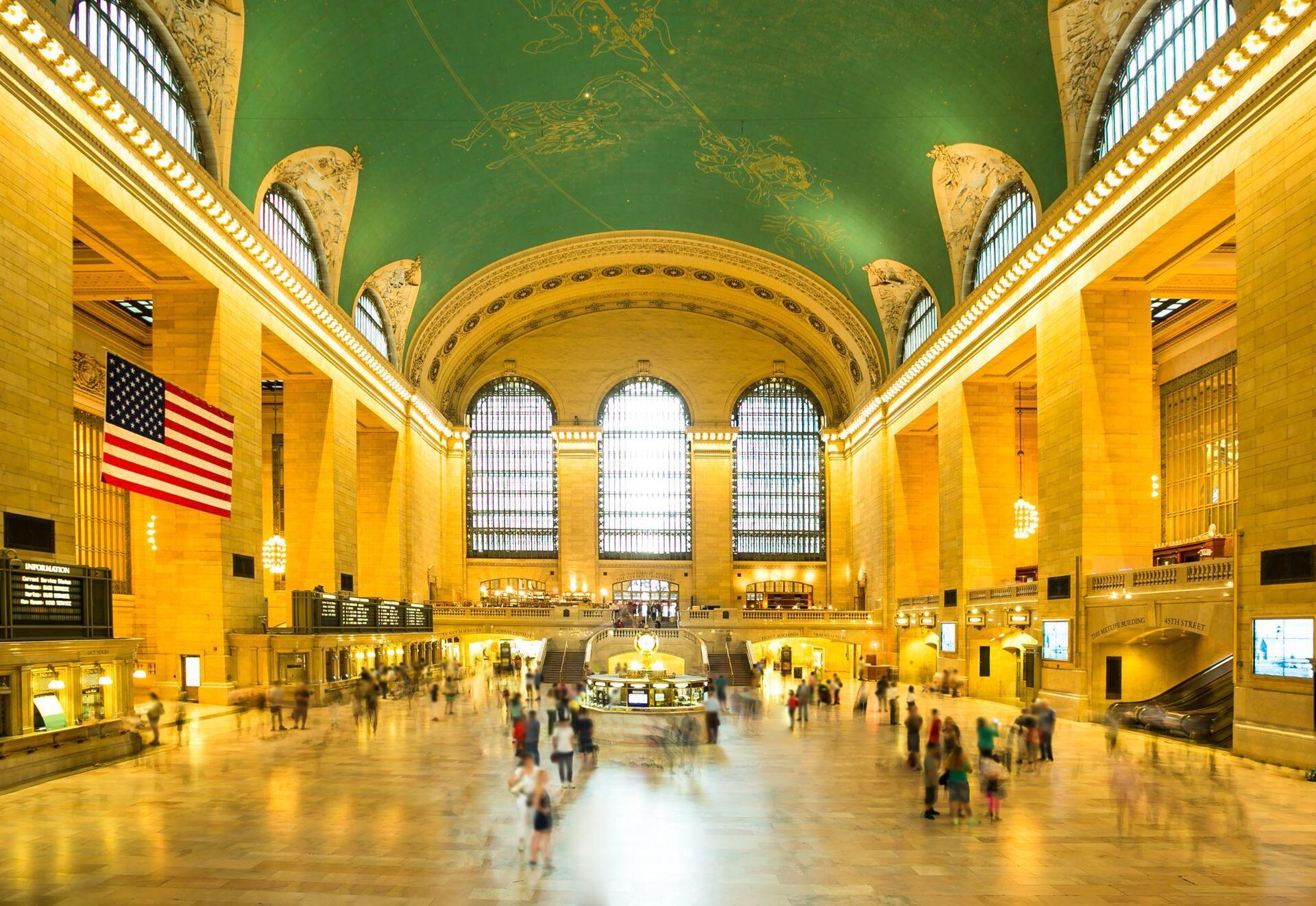
A legendary example of a station that has become more than a transit hub is New York City’s Grand Central Terminal, inaugurated in 1913 and now one of the world’s most admired buildings. Its majestic Beaux-Arts architecture turns the space into a visual and sensory experience beyond its railway function.
Over time, the Grand Central Station has become not only a major transport hub serving hundreds of thousands of passengers daily but also an urban meeting point, hosting cultural spaces, events, and art installations both within and around the terminal.
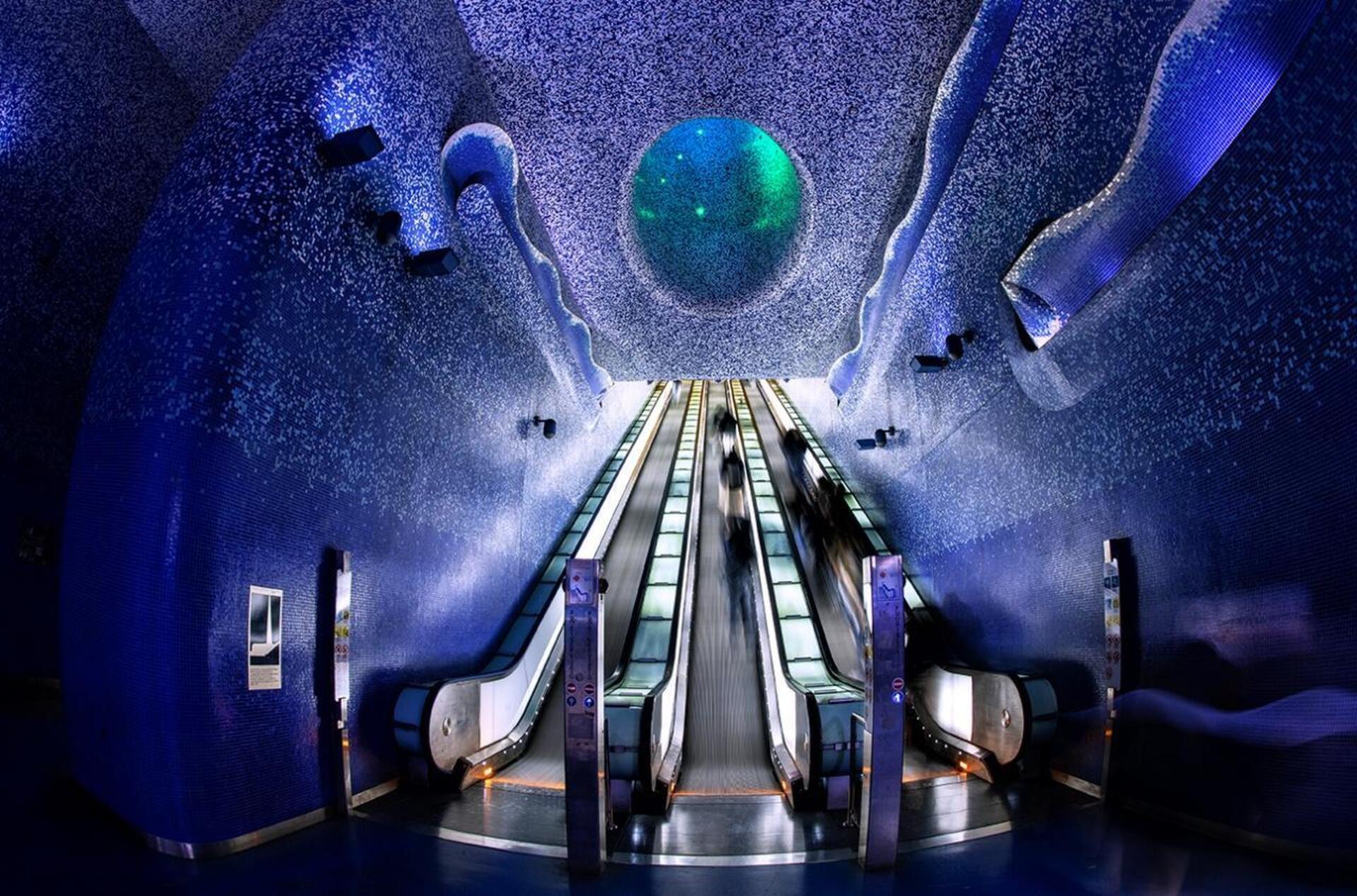
4 – Toledo Station (Naples)
Toledo Station is part of the Naples subway’s “Stations of Art” and is conceived as a true art gallery. The Catalan architect Oscar Tusquets Blanca transformed it into a stunning underwater-inspired scenario, exploring themes of light and the sea.
It is the deepest station on Naples Metro Line 1, and thanks to its extraordinary design, it has received prestigious awards: the Emirates Glass LEAF Award in 2013 and the ITA International Tunnelling Award in 2015 for its innovative use of underground space.
5 – St. Pancras International (London)
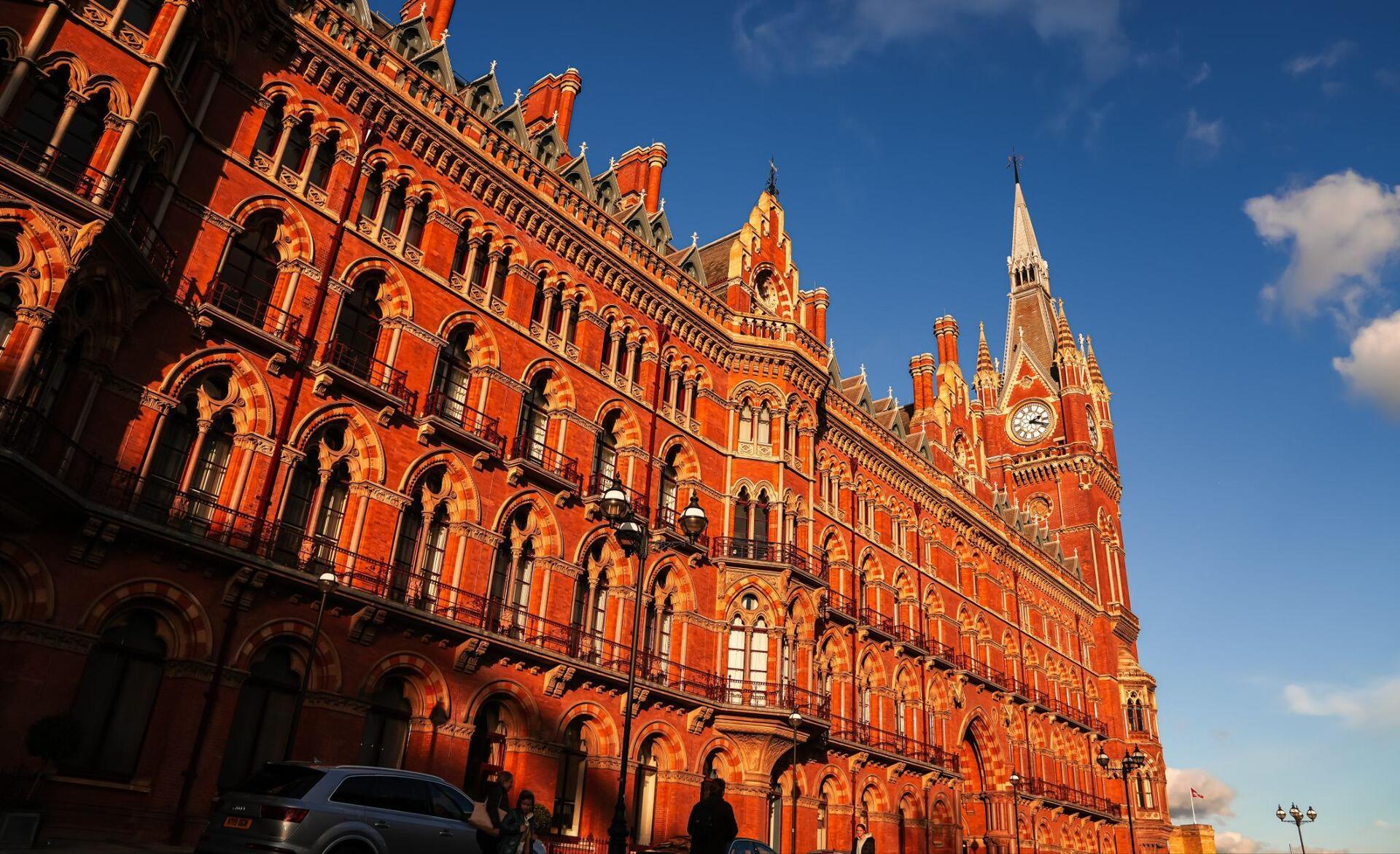
Among stations that turn travel into an aesthetic and cultural experience stands St. Pancras International Station, a jewel of Victorian architecture combining historical grandeur with contemporary art.
Opened in 1868 as the terminus of the Midland Railway, the St. Pancras station is famous for its imposing red-brick neo-Gothic façade and its large iron-and-glass roof, which envelops the tracks and passenger flows in extraordinary light.