

A country’s size does not always reflect its strategic importance. In many cases, it is the smallest nations that invest most decisively in infrastructure projects, turning geographic constraints and limited natural resources into drivers of competitiveness.
Ports, airports, energy networks, water systems, bridges, and international connections become essential tools for expanding access, attracting investment, and strengthening a country’s role on the global stage.
When territory is limited, infrastructure often makes the difference, allowing a small economy to exert influence far beyond their borders.
1 – Al Bayt Stadium, Al Khor (Qatar)
Qatar shows how even a relatively small nation can use infrastructure to strengthen its international presence. In Al Khor, north of Doha, stands Al Bayt Stadium, a major sports complex built by the Webuild Group and conceived as one of the landmark infrastructure projects in the country’s modernization journey.
With a capacity of around 60,000 spectators, a design inspired by traditional Bedouin tents, and advanced sustainability and energy-efficiency solutions, the stadium demonstrates how architecture, cultural identity, and major investment can turn infrastructure into a powerful tool of global positioning.

2 – Kárahnjúkar Hydroelectric Plant (Iceland)
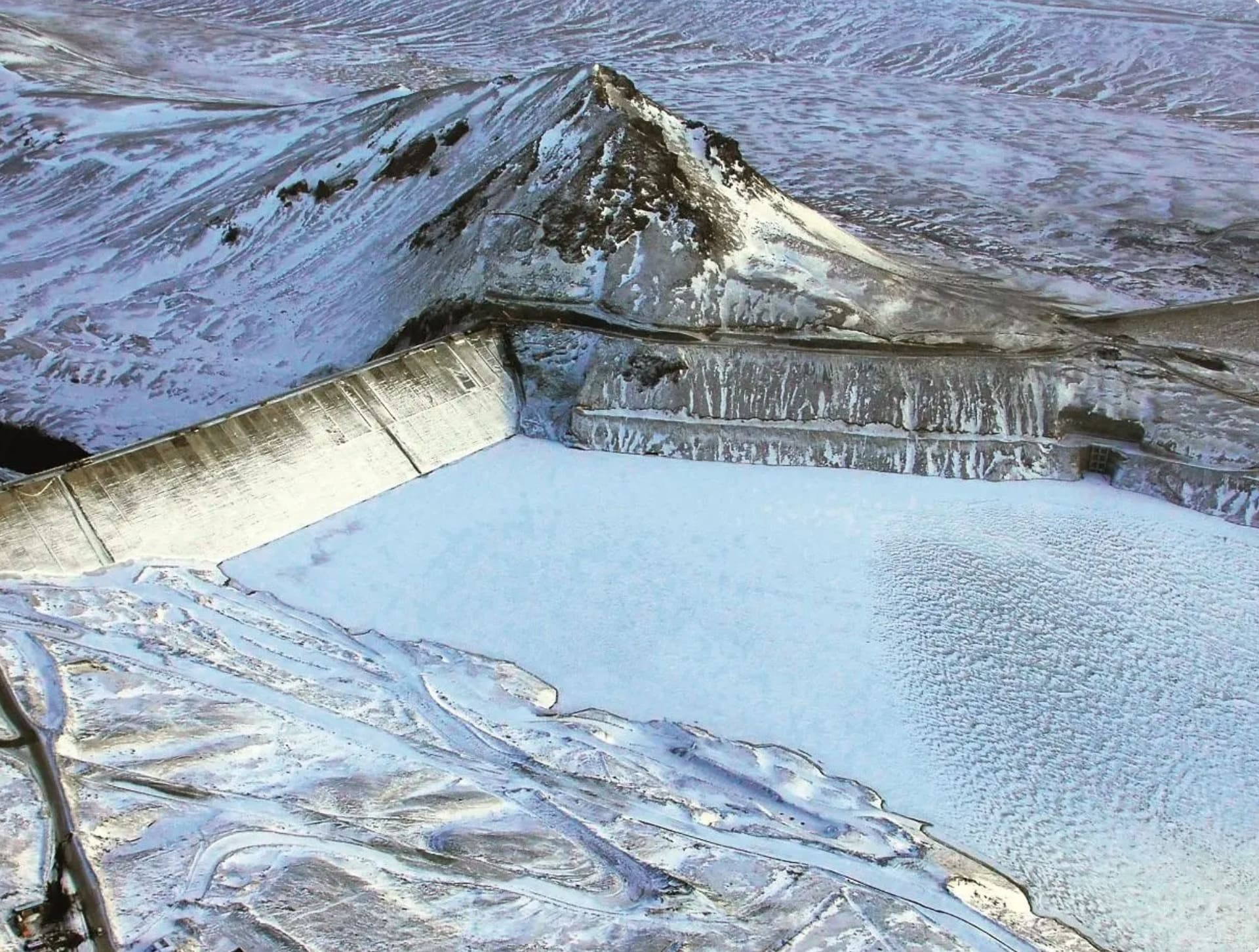
Iceland is one of the clearest examples of how a small state can amplify its economic weight through infrastructure. In the heart of a remote landscape rich in extraordinary natural and water resources, the Kárahnjúkar hydroelectric plant, developed by the Webuild Group, transformed hydropower into a strategic asset for national economy and growth.
The development includes a 193-meter-high dam — the tallest in the Nordic region — a network of underground tunnels stretching for dozens of kilometers, and a 690 MW power station fed by glacial waters.
It is a project that shows how even a country of modest scale can use complex infrastructure to enhance competitiveness, energy independence, and industrial capacity.
3 – King Fahd Causeway (Bahrain-Saudi Arabia)
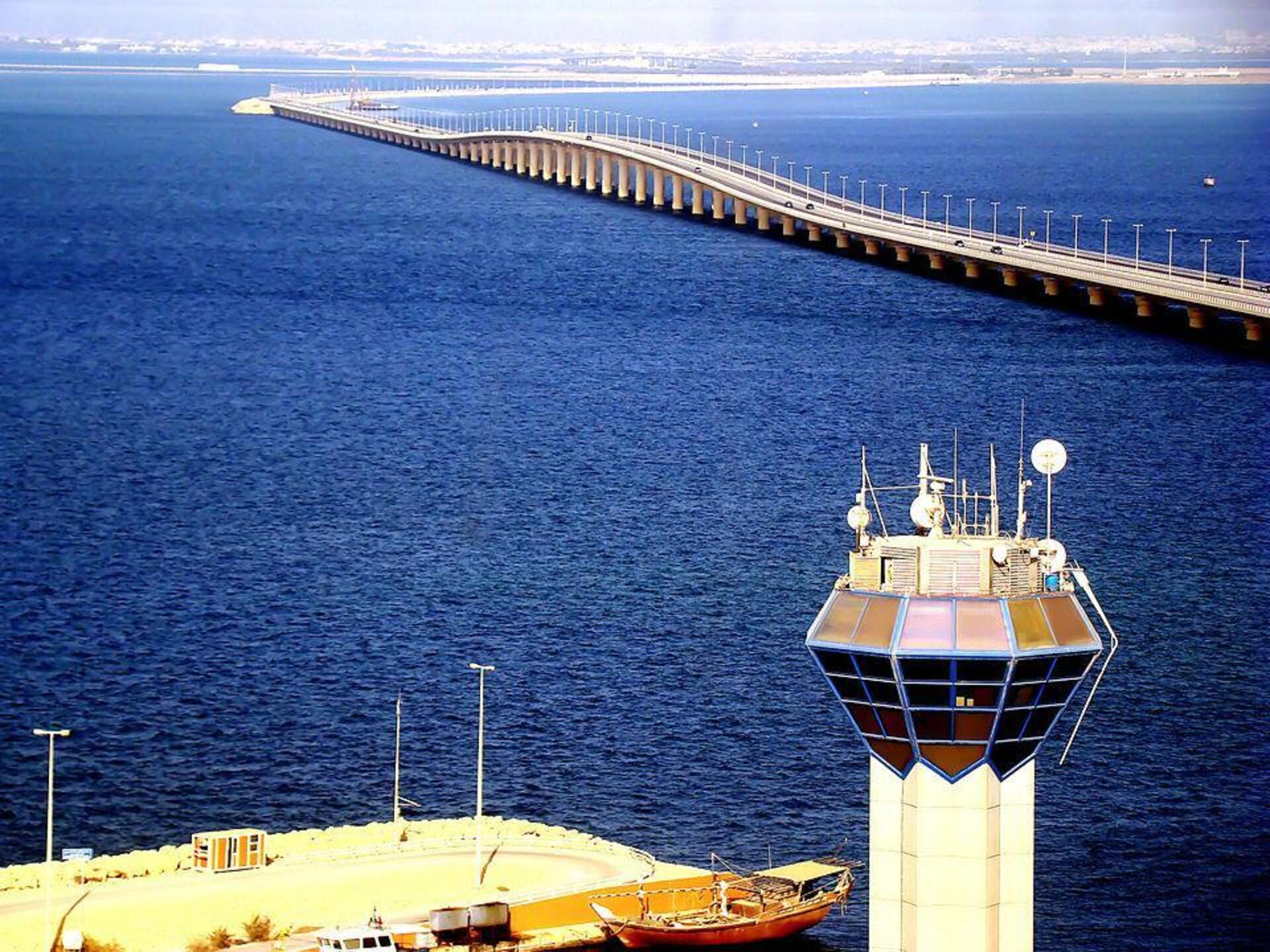
Connecting Saudi Arabia and Bahrain, the King Fahd Causeway illustrates how major transport infrastructure can redefine the role of a small nation. Opened in 1986, the approximately 25-kilometer connection links the Bahrain archipelago to the Arabian Peninsula through a sequence of bridges and embankments crossing the Gulf of Bahrain.
For the island kingdom, the King Fahd Causeway meant direct access to one of the Gulf’s largest markets, stronger economic integration, and a strategic connection that reinforced its commercial and geopolitical relevance far beyond the limits of its territory.
4 – Grand Duchess Charlotte Bridge (Known as Red Bridge, Luxembourg)
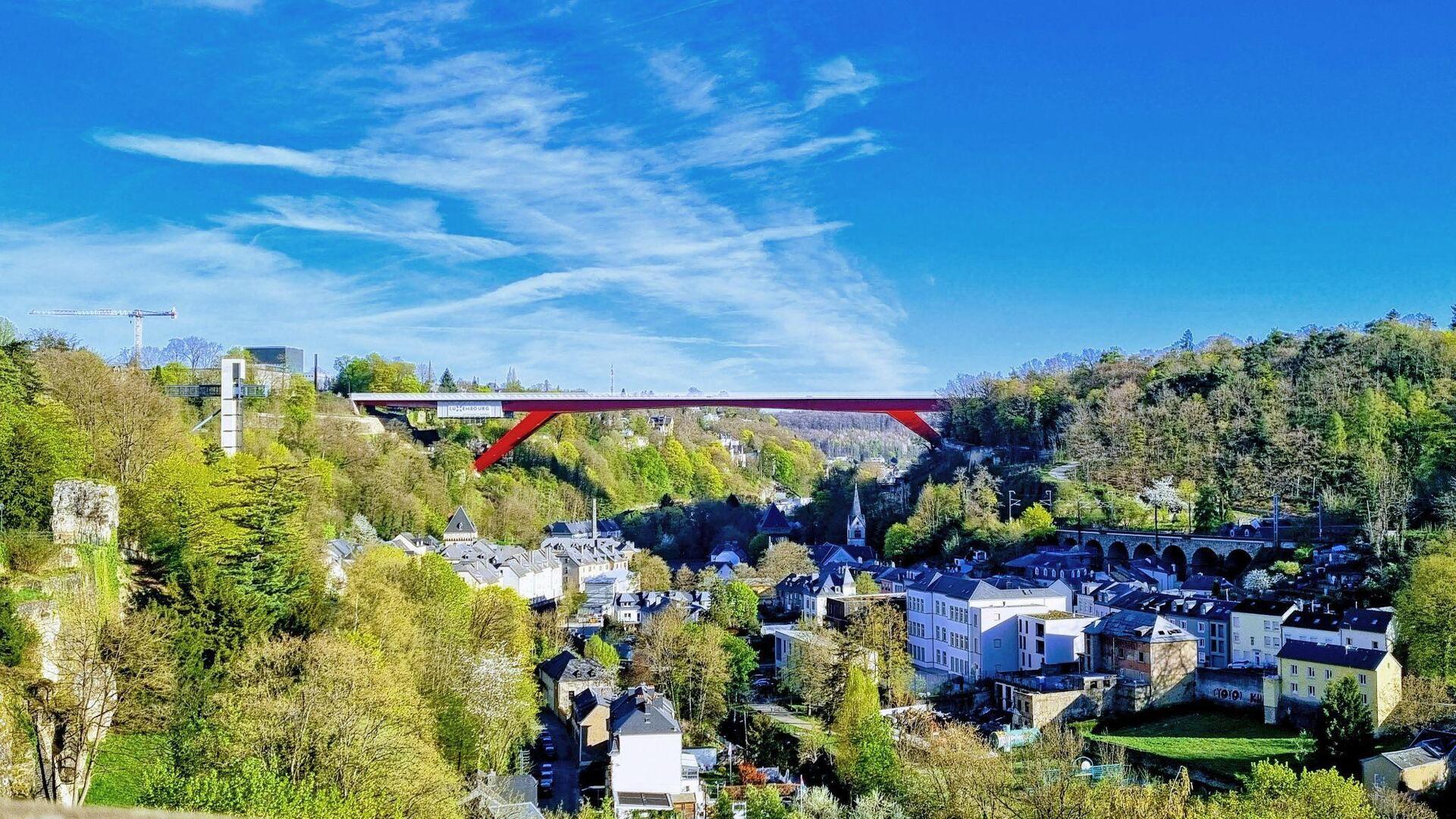
The Grand Duchess Charlotte Bridge, widely known as the Red Bridge, is one of the infrastructure projects that best represents Luxembourg’s ability to extend its influence beyond its physical size. Opened in 1966, it connects the historic center of the capital with the Kirchberg Plateau, now the country’s financial and European hub.
Stretching 355 meters and suspended 74 meters above the Alzette Valley, the Grand Duchess Charlotte Bridge was built to support the Grand Duchy’s urban and institutional expansion, facilitating transport and the development of the district, which now hosts numerous European Union institutions.
5 – Tuas Mega Port (Singapore)
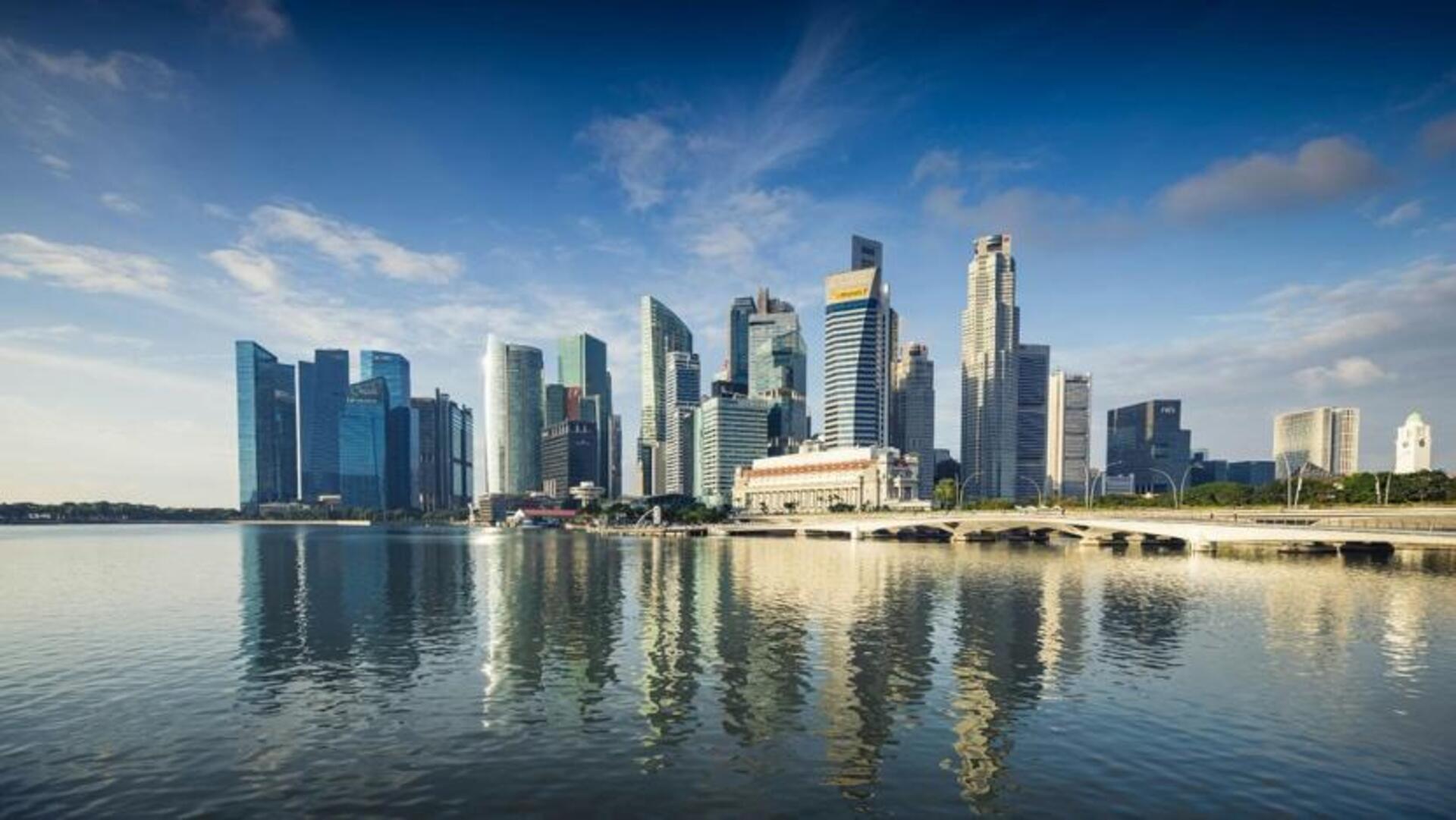
Singapore has long shown that territorial scale is no barrier when infrastructure becomes a national strategy. Tuas Mega Port, set to become the world’s largest fully automated port, is one of the country’s most ambitious infrastructure projects.
Developed in multiple phases and designed to reach a capacity of up to 65 million TEU per year, the new logistics hub will progressively consolidate the nation’s port activities into a single high-efficiency system.
Automation, digitalization, and advanced logistics connections are transforming this small island state into one of the most influential global trade hubs.