


Protecting Water Through Desalination: From the Persian Gulf to the World
Rising tensions between the United States and Iran have brought a new strategic front into focus: water security. In the Persian Gulf, where up to 90% of drinking water depends on desalination, more than 400 plants ensure the survival of entire cities.
Within this context, the role of the Webuild Group stands out: through its subsidiary Fisia Italimpianti, it has delivered key infrastructure across the Arabian Peninsula. A technology that is becoming increasingly central worldwide, set to grow as water demand rises and water itself becomes a strategic resource.


How valuable is water? And how valuable are the plants and infrastructure that safeguard, use and treat this “blue gold”?
A globally relevant issue that has become even more pressing following the crisis between the United States and Iran, and the now-withdrawn threat of an attack on desalination plants in the Arabian Peninsula—one of the regions where such infrastructure is both most strategic and most developed. Because targeting a desalination plant in the Gulf does not simply mean disrupting energy supply; it means interrupting the daily life of entire cities.
In the desert heart of the region, water does not come from rivers or aquifers—it comes from the sea. In Kuwait, Qatar and Bahrain, as well as in Dubai and Abu Dhabi, up to 90% of drinking water is produced through desalination. This is total dependence, which has turned these facilities into an invisible yet essential pillar of economic and social stability.
It is no coincidence that more than 400 plants operate along the Persian Gulf’s coastline, often clustered in large industrial hubs capable of exceeding one million cubic metres per day in production capacity.
Water Engineering: Webuild Desalination Plants in the Arabian Peninsula
It is precisely in the Arabian Peninsula that desalination has reached its highest level of industrial development.
The Middle East and North Africa currently account for more than 40% of global capacity, with production approaching 29 million cubic metres per day. Saudi Arabia alone represents around 22% of the global total, with nearly 10 million cubic metres per day.
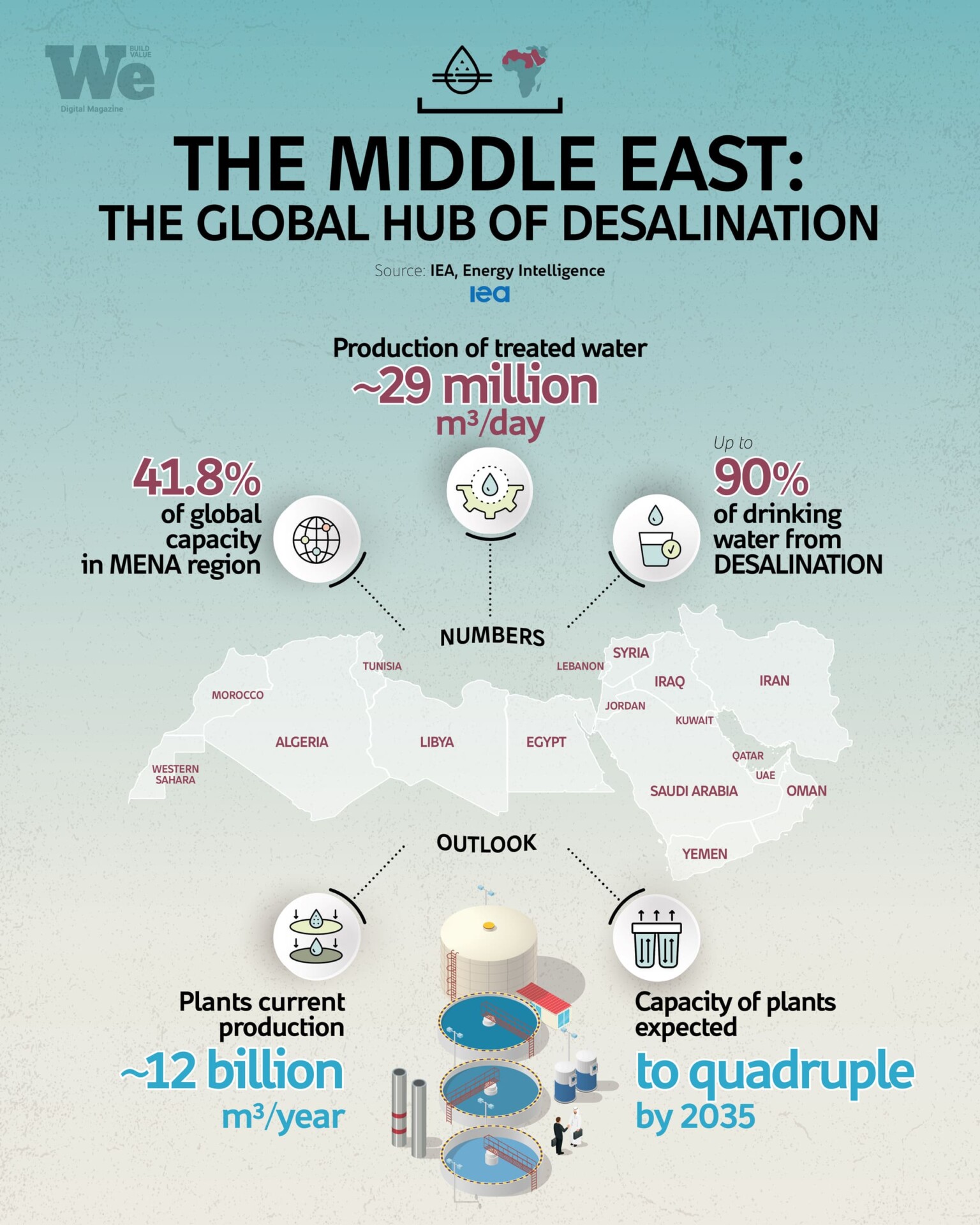
The crisis between the United States and Iran has brought attention to a new strategic target: Persian Gulf desalination plants—vital infrastructure on which up to 90% of drinking water depends
Behind these figures lies a clear strategy: investments exceeding 50 billion dollars over the past two decades, which could reach 100 billion by 2030.
The Webuild Group has contributed to the development of this technology. Through its subsidiary Fisia Italimpianti, it has taken part in the construction of some of the world’s major desalination plants, particularly across the Arabian Peninsula. It is here—between Saudi Arabia, the United Arab Emirates, Qatar and Kuwait—that the company has built a significant share of its infrastructure, helping to make some of the most arid areas on the planet habitable.
This is a long-standing presence. Fisia has been operating in the Middle East since the 1980s and has delivered more than 30 projects in the region, developing a total production capacity of around 4.8 million cubic metres of desalinated water per day—enough to serve more than 20 million people. This figure reflects the industrial scale of these infrastructure projects: not isolated plants, but a widespread system supporting entire urban economies in the desert.
More than 400 plants along the coastline produce water for entire cities, with capacities exceeding one million cubic metres per day in major industrial hubs
One of the most emblematic cases is the Shoaiba 3 Expansion II plant, on the western coast of Saudi Arabia. Here, reverse osmosis technology enables the production of up to 250,000 cubic metres of drinking water per day, ensuring water supply to over one million people in the cities of Jeddah, Mecca, and Taif.
It is a water infrastructure that directly transforms the sea into a daily resource, with an immediate impact on life in one of the country’s most densely populated areas.
The Group’s strong presence in the Persian Gulf is also reflected in other flagship projects, such as Jebel Ali M in the United Arab Emirates. At the time of its construction, it was the largest plant in the country, capable of producing vast volumes of water to support Dubai’s urban growth.
In a context where natural water is virtually non-existent, desalination plants represent the very condition for development.
Beyond the Persian Gulf: The World Turns Its Attention to Desalination
What is happening in the Persian Gulf is not an exception, but rather a preview of a global trend.
Over the past fifty years, desalination capacity has increased more than fiftyfold, reaching a current production of around 70.8 billion gallons per day. Between 150 and 200 million people worldwide already depend on this technology, and growth shows no sign of slowing: by 2030, capacity could double, driven by rising water demand, which is expected to increase by 25% by mid-century.
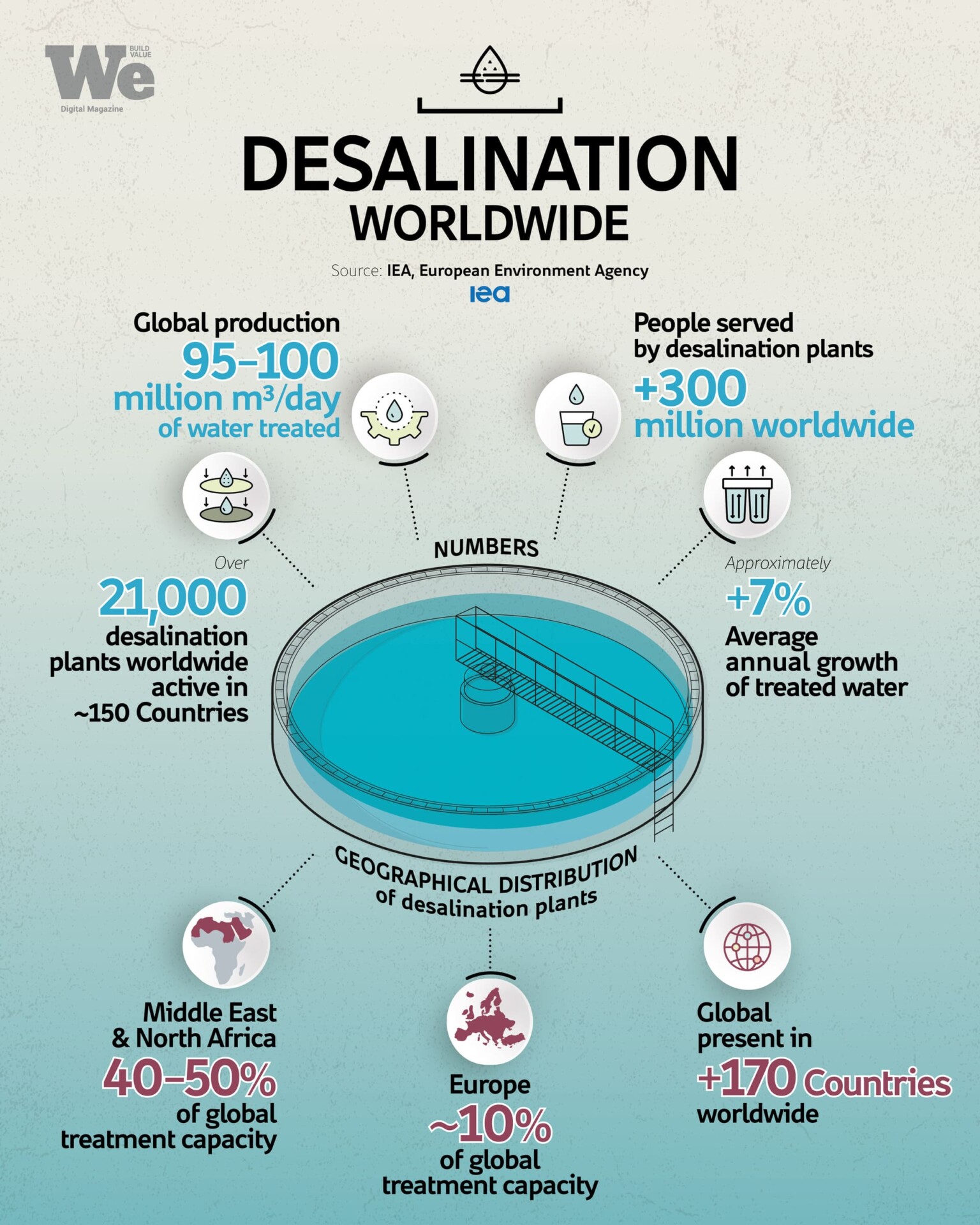
Fisia Italimpianti has delivered over 30 projects in the region, with 4.8 million m³ per day of capacity and water supply for more than 20 million people
From California to Spain, from Israel to Australia, desalination plants are becoming a structural component of water policy. No longer an emergency solution, but a fully-fledged infrastructure system.
And like all infrastructure, they bring complex challenges. The first is energy-related: producing water from the sea requires massive amounts of energy, so much so that in the Middle East, desalination accounts for up to 5% of total electricity consumption.
This is where the new technological challenge lies. Reverse osmosis, now dominant and responsible for about 70% of global capacity, has drastically reduced energy consumption compared to the thermal systems of the past.
Production capacity has increased fiftyfold in fifty years, reaching 71 billion gallons per day and serving up to 200 million people
At the same time, integration with renewable energy is increasing. In the United Arab Emirates, some plants already use significant shares of solar power, while more advanced projects aim for near-zero-impact systems. In this field too, Italian engineering plays a significant role.
In this context, the security alarm raised in the Persian Gulf takes on a broader meaning. It does not concern only one region, but foreshadows a global issue: the protection of water infrastructure.
Reverse osmosis dominates the sector and reduces consumption, while the challenge remains both energy-related and environmental, in a world where water is becoming strategic infrastructure
In a world where water stress is set to intensify and entire regions may reach critical conditions by 2050, water is becoming a strategic security factor, on a par with electricity. And protecting water today means protecting the future.
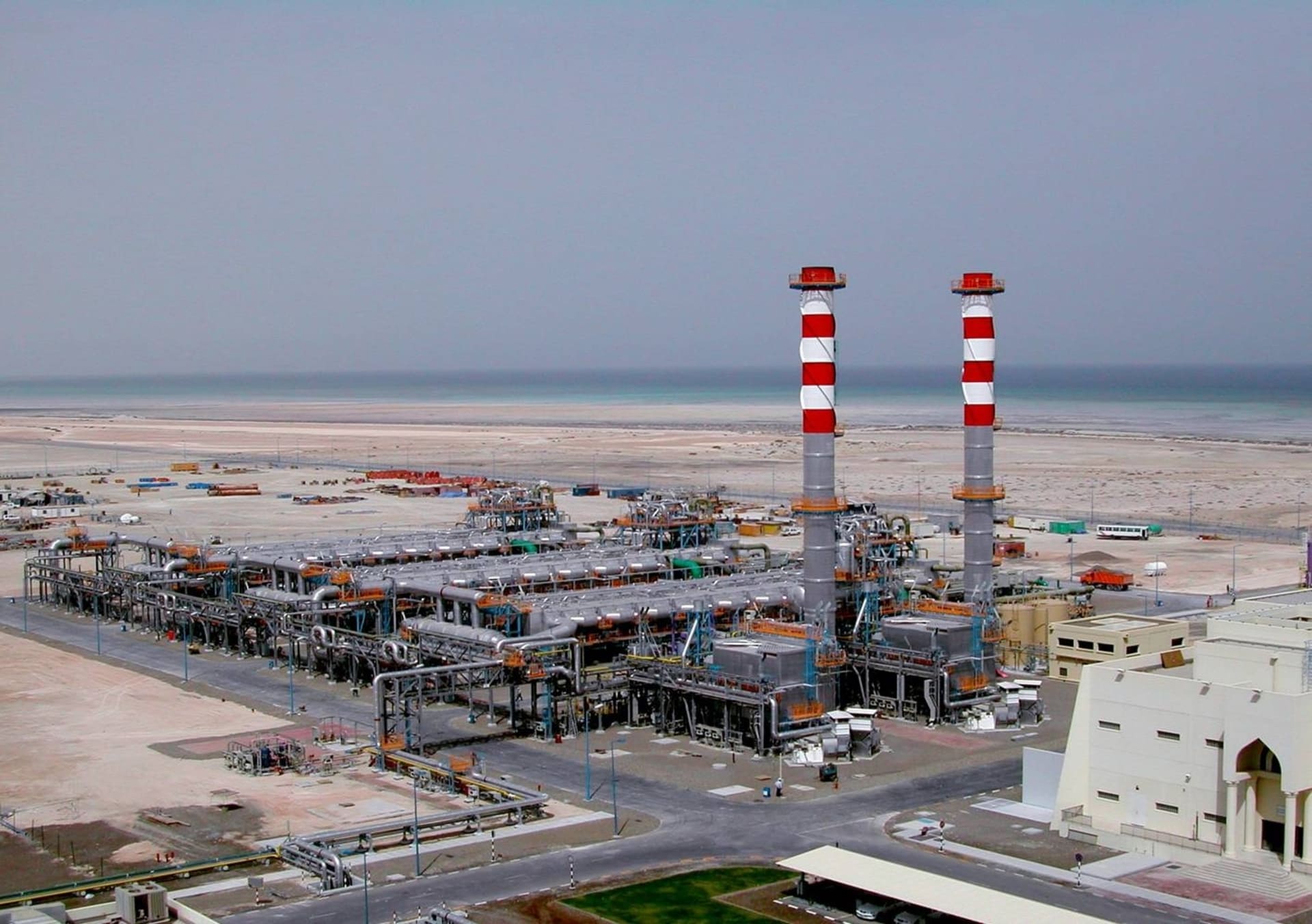 Mirfa desalination plant, Abu Dhabi, United Arab Emirates
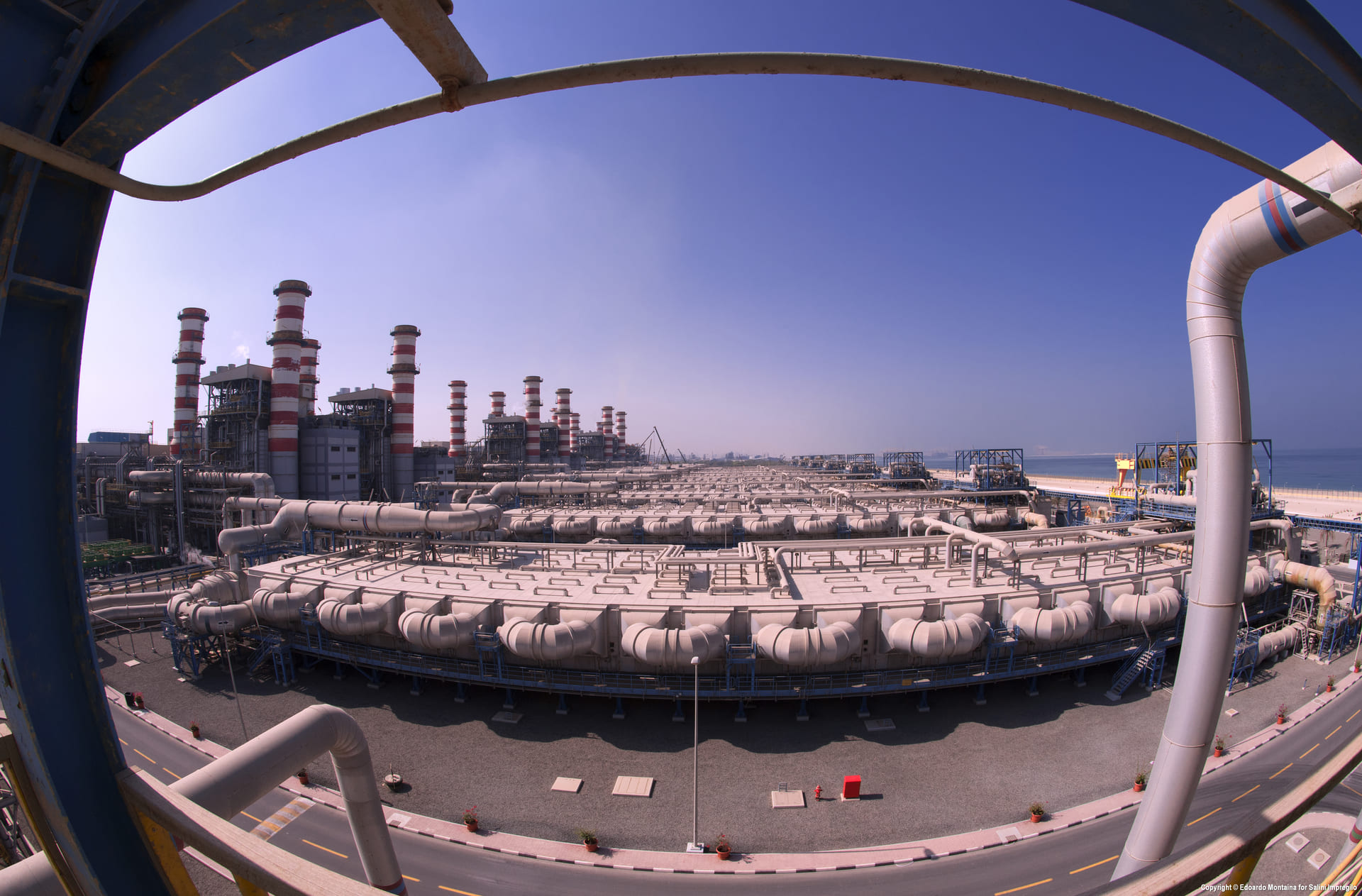 Jebel Ali M desalination plant, United Arab Emirates
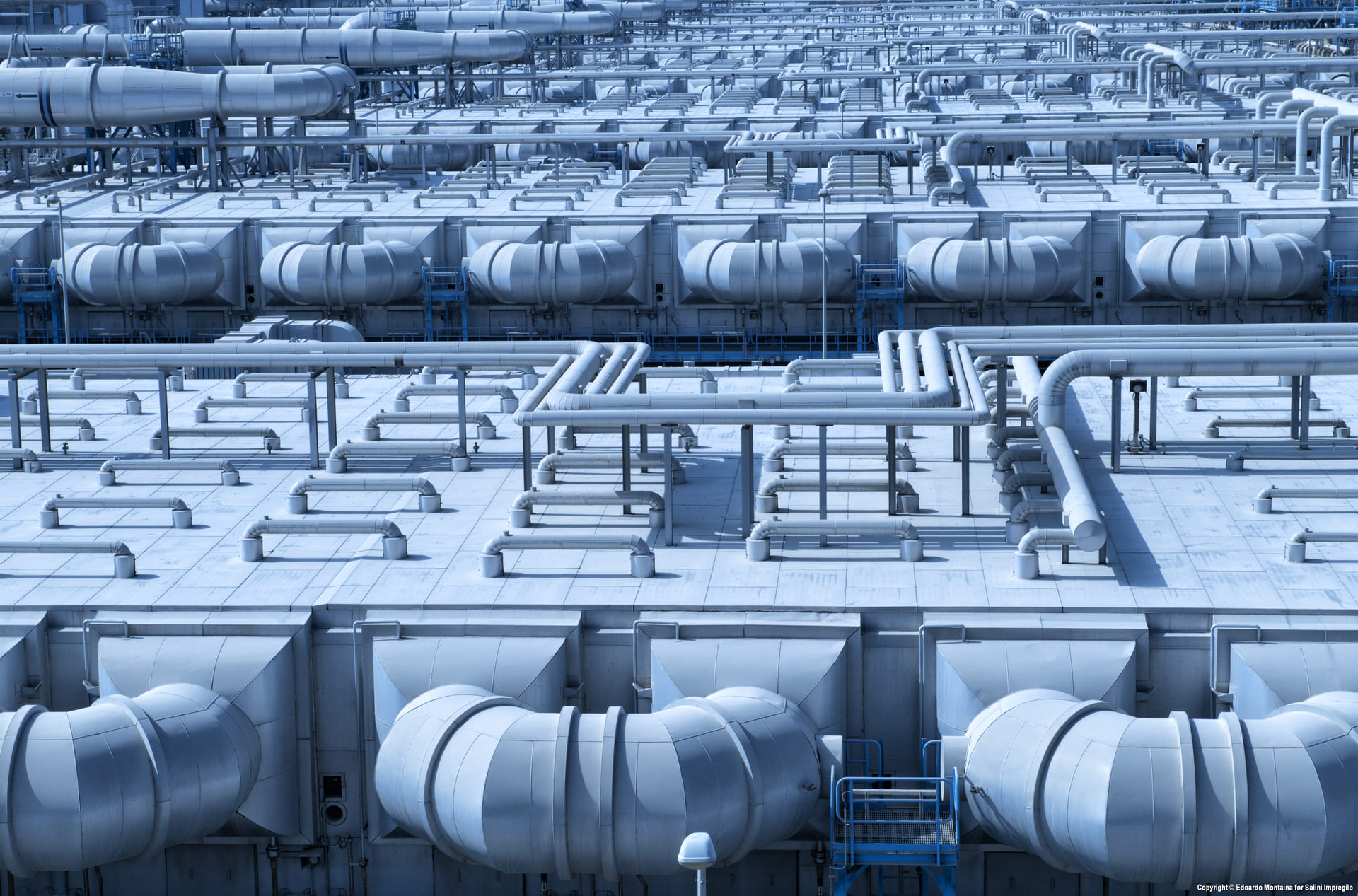 Jebel Ali M desalination plant, United Arab Emirates
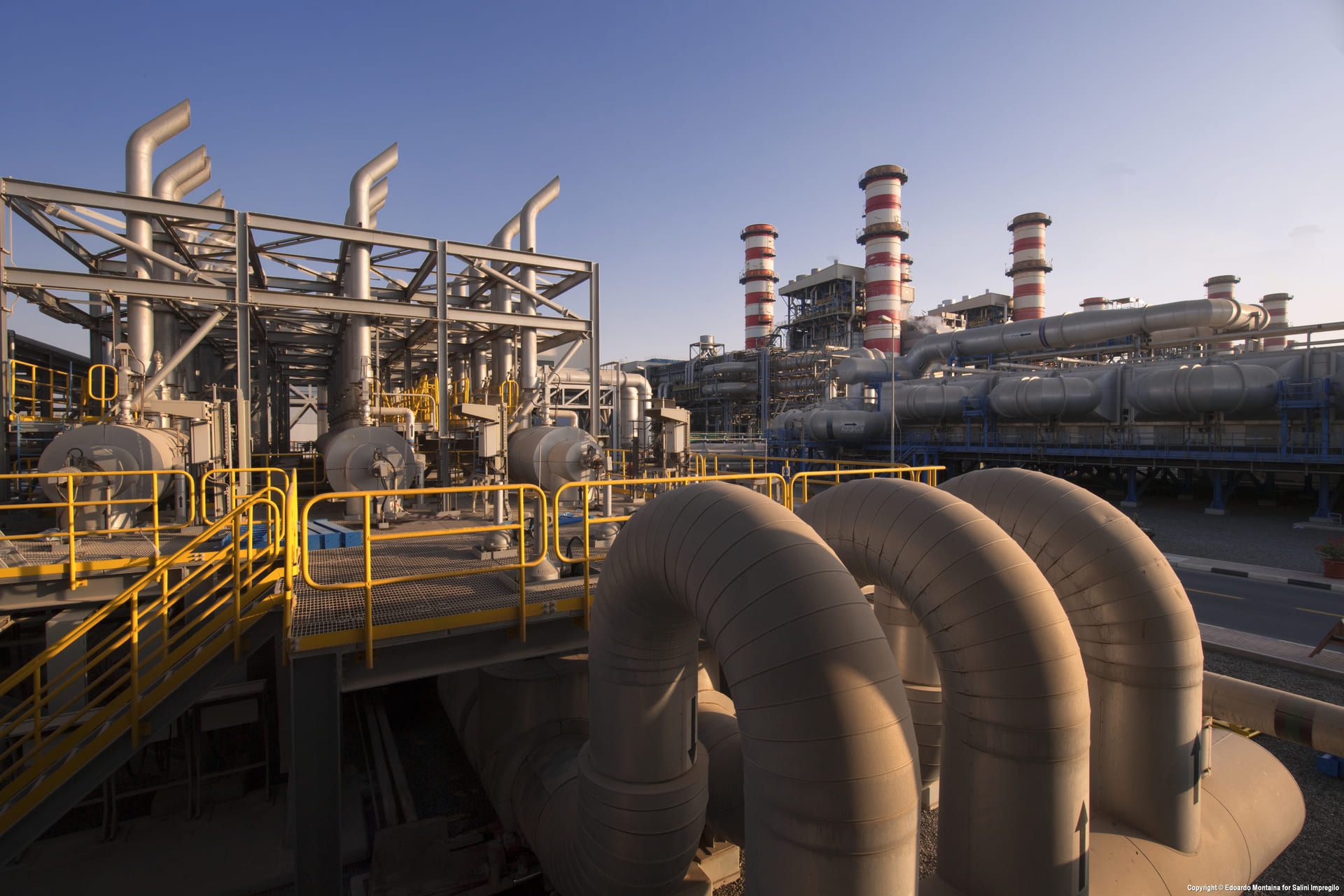 Jebel Ali M desalination plant, United Arab Emirates
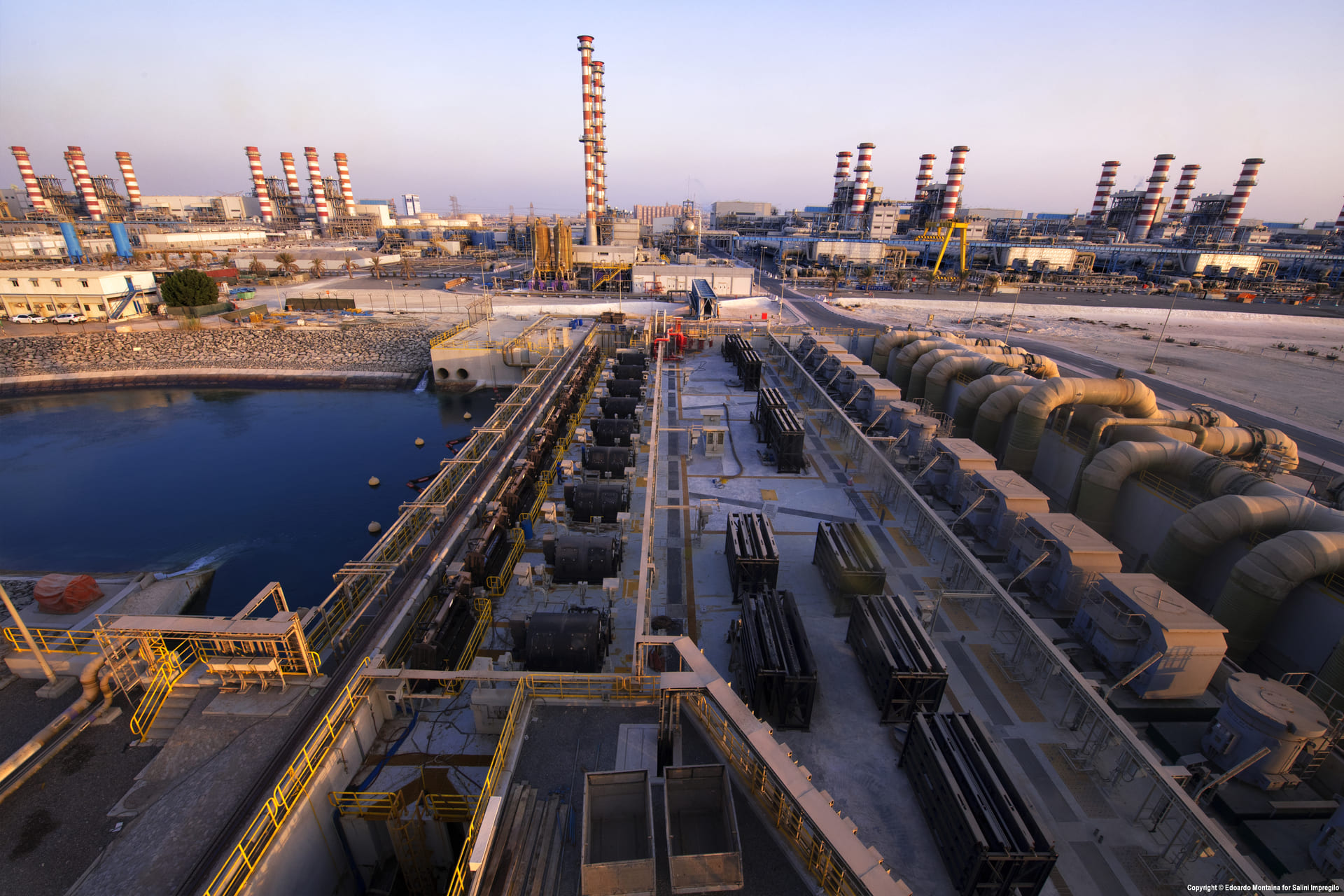 Jebel Ali M desalination plant, United Arab Emirates
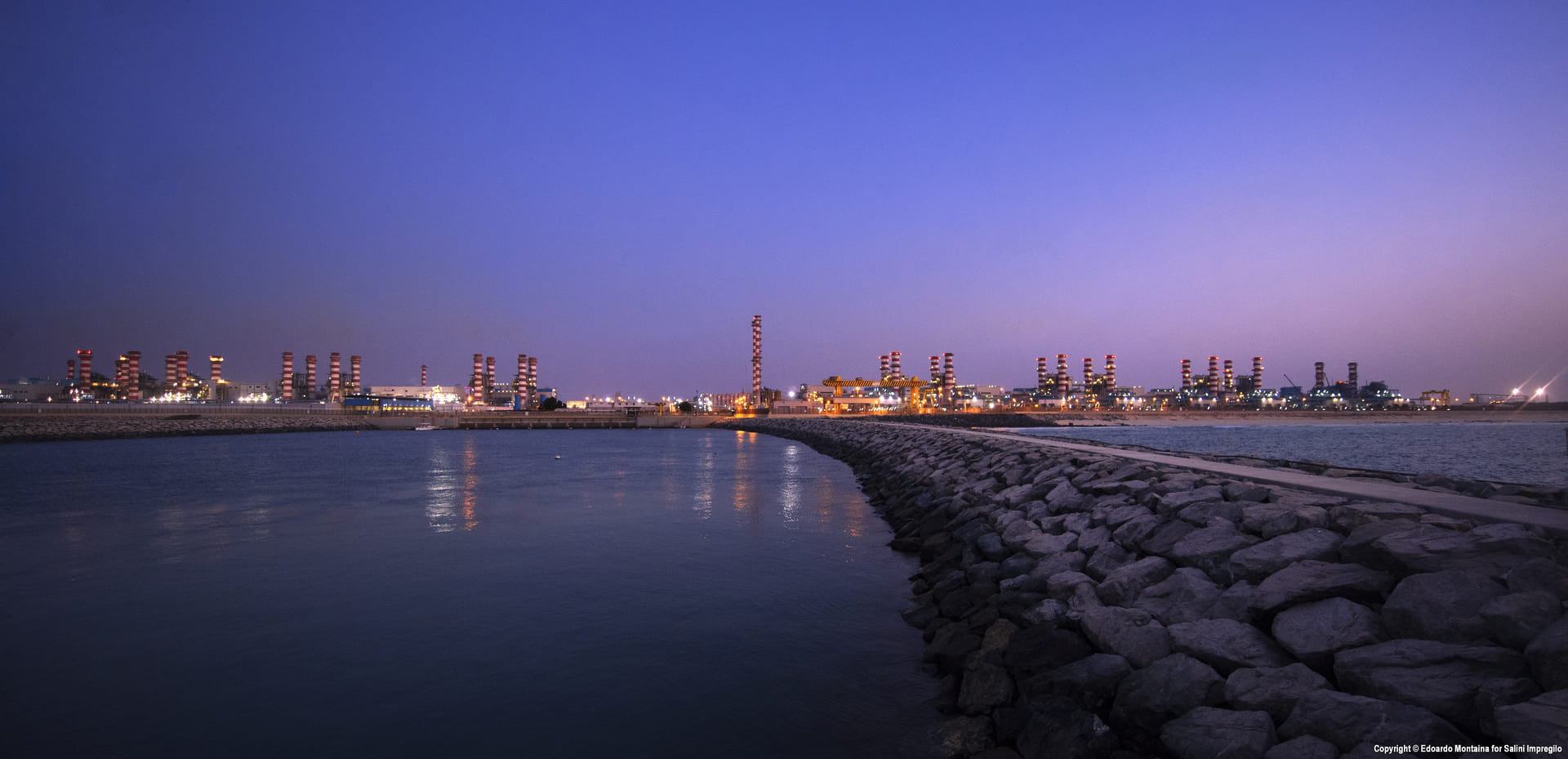 Jebel Ali M desalination plant, United Arab Emirates
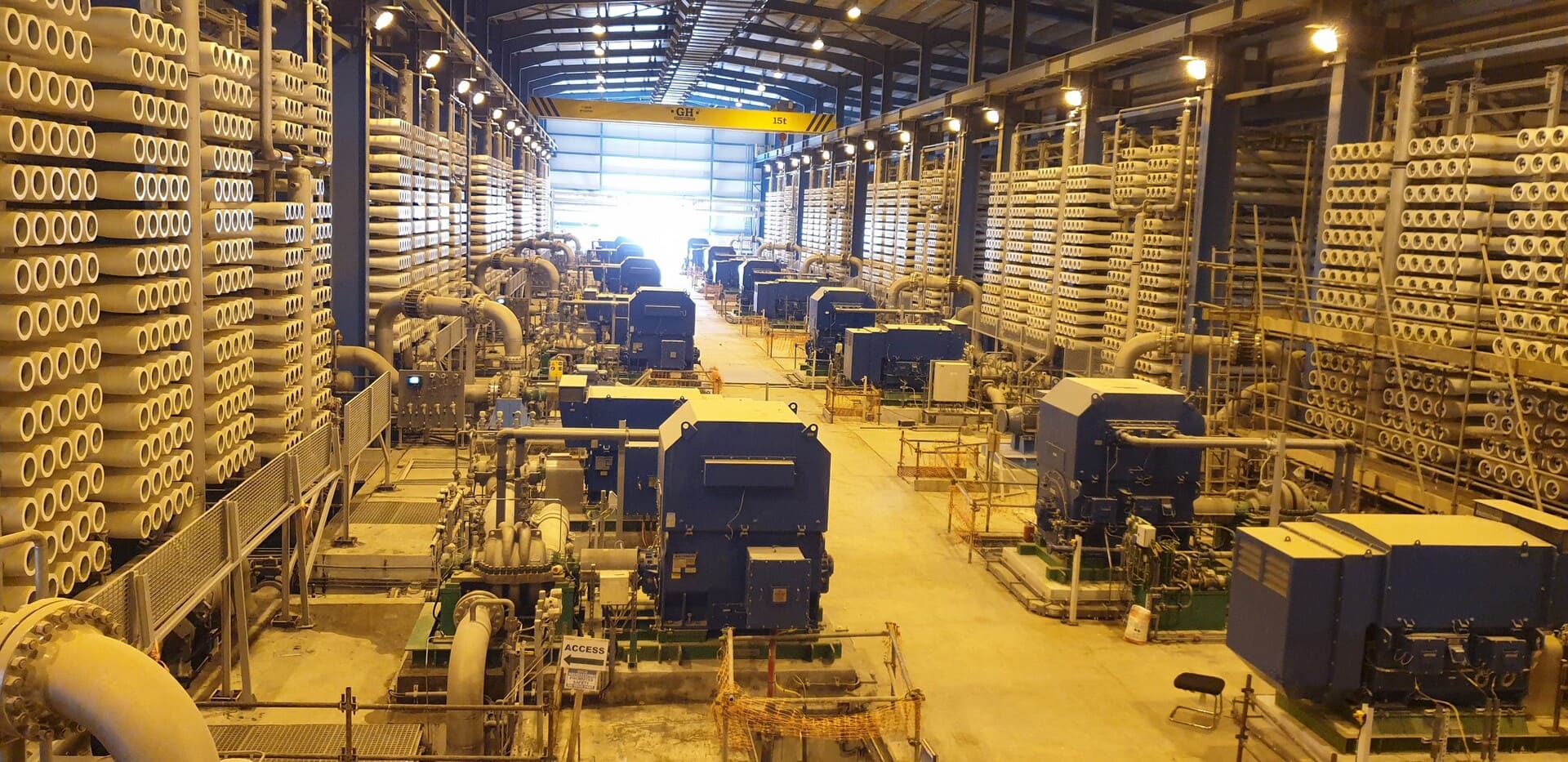 Shoaiba III desalination plant, Saudi Arabia
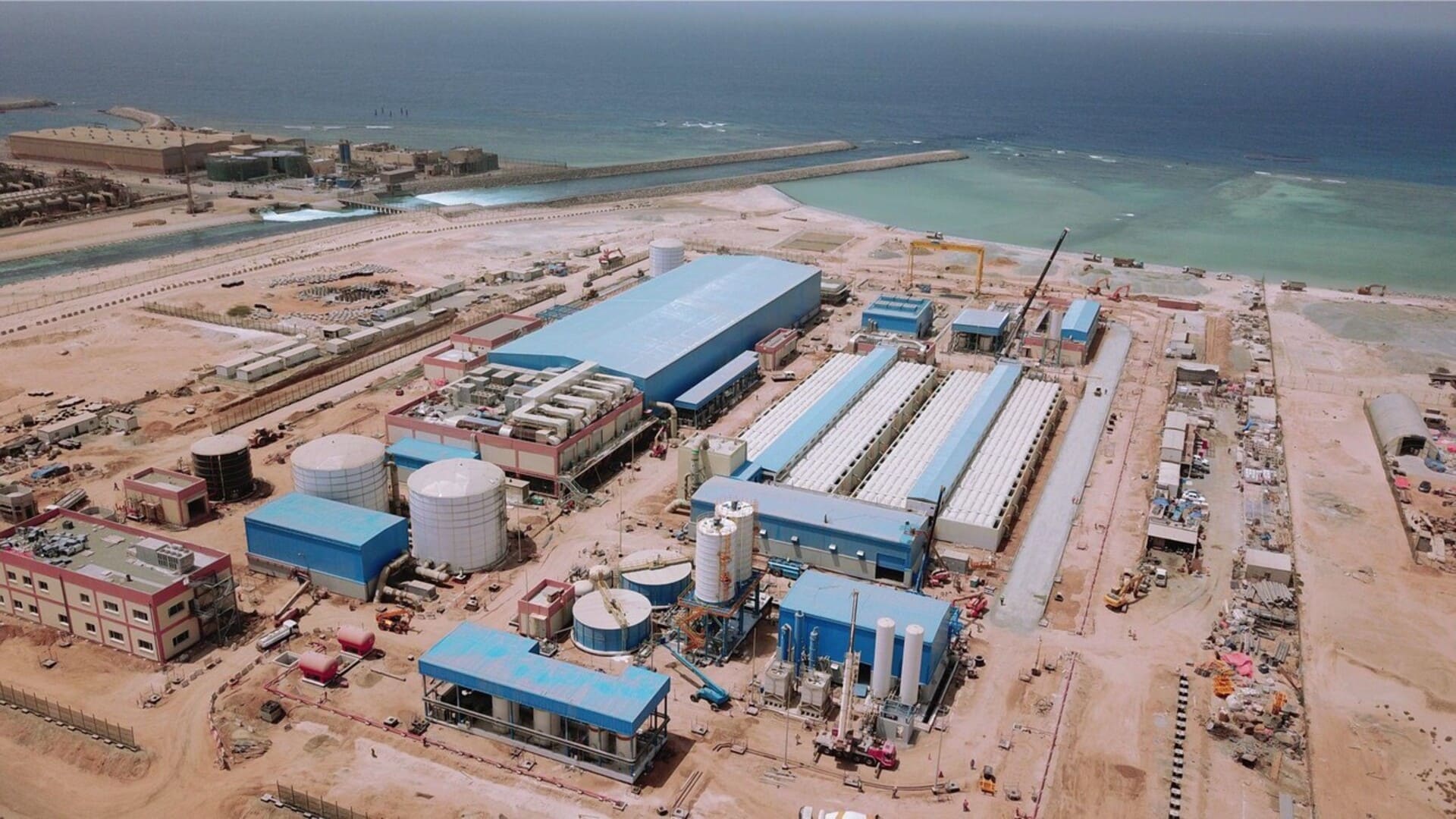 Shoaiba III desalination plant, Saudi Arabia
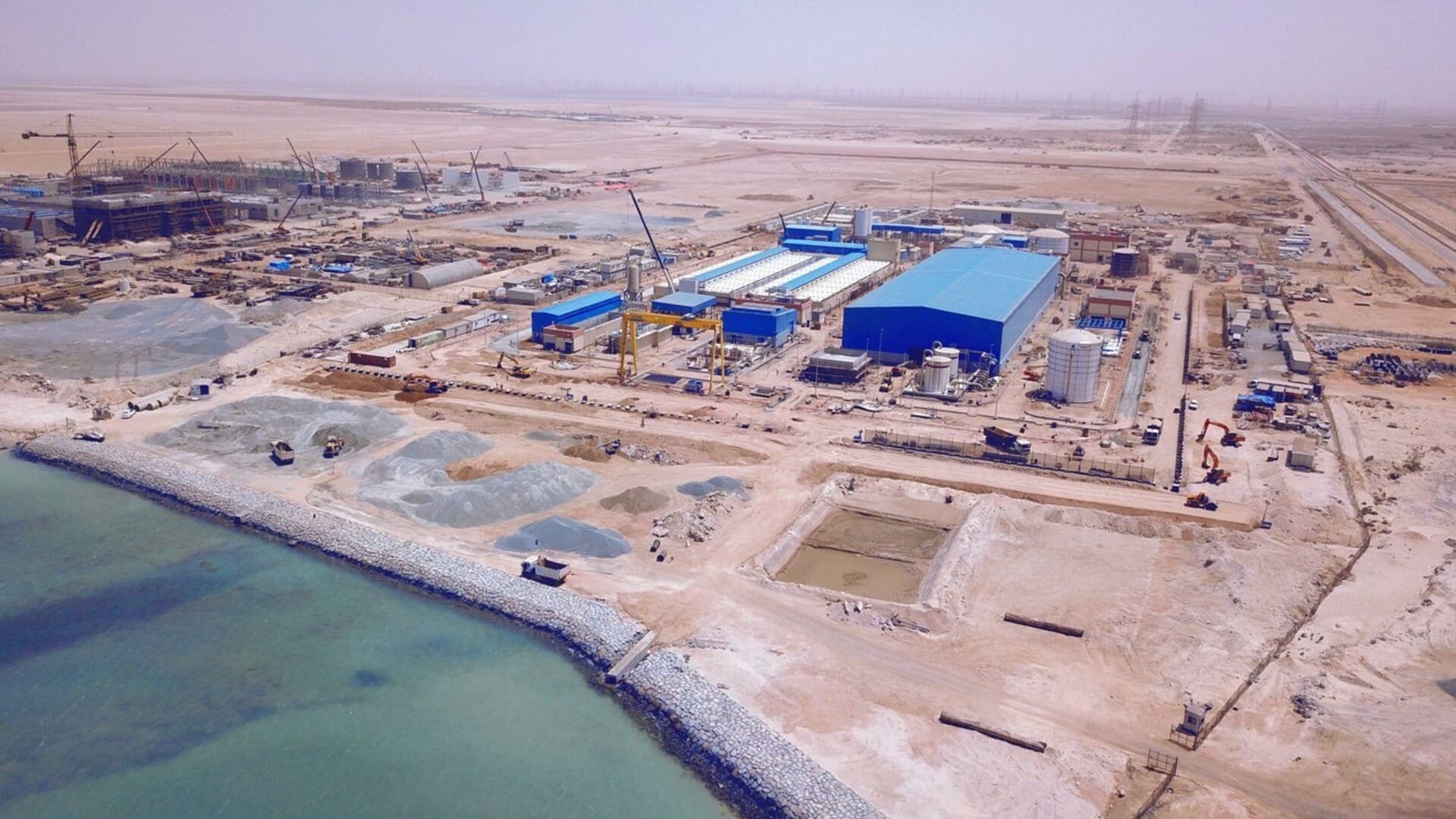 Shoaiba III desalination plant, Saudi Arabia
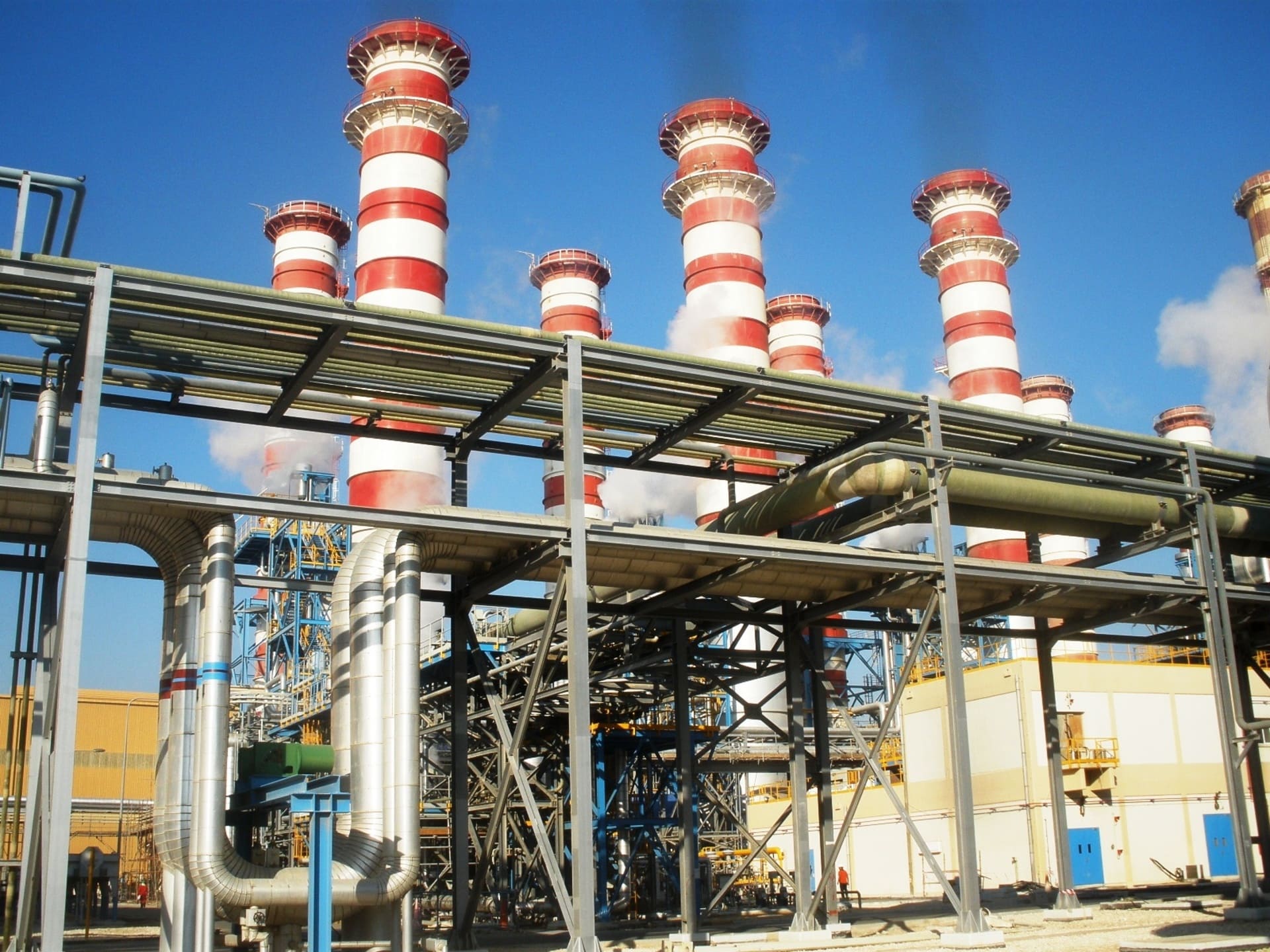 Ras Abu Fontas, A1 B2 Projects, Qatar
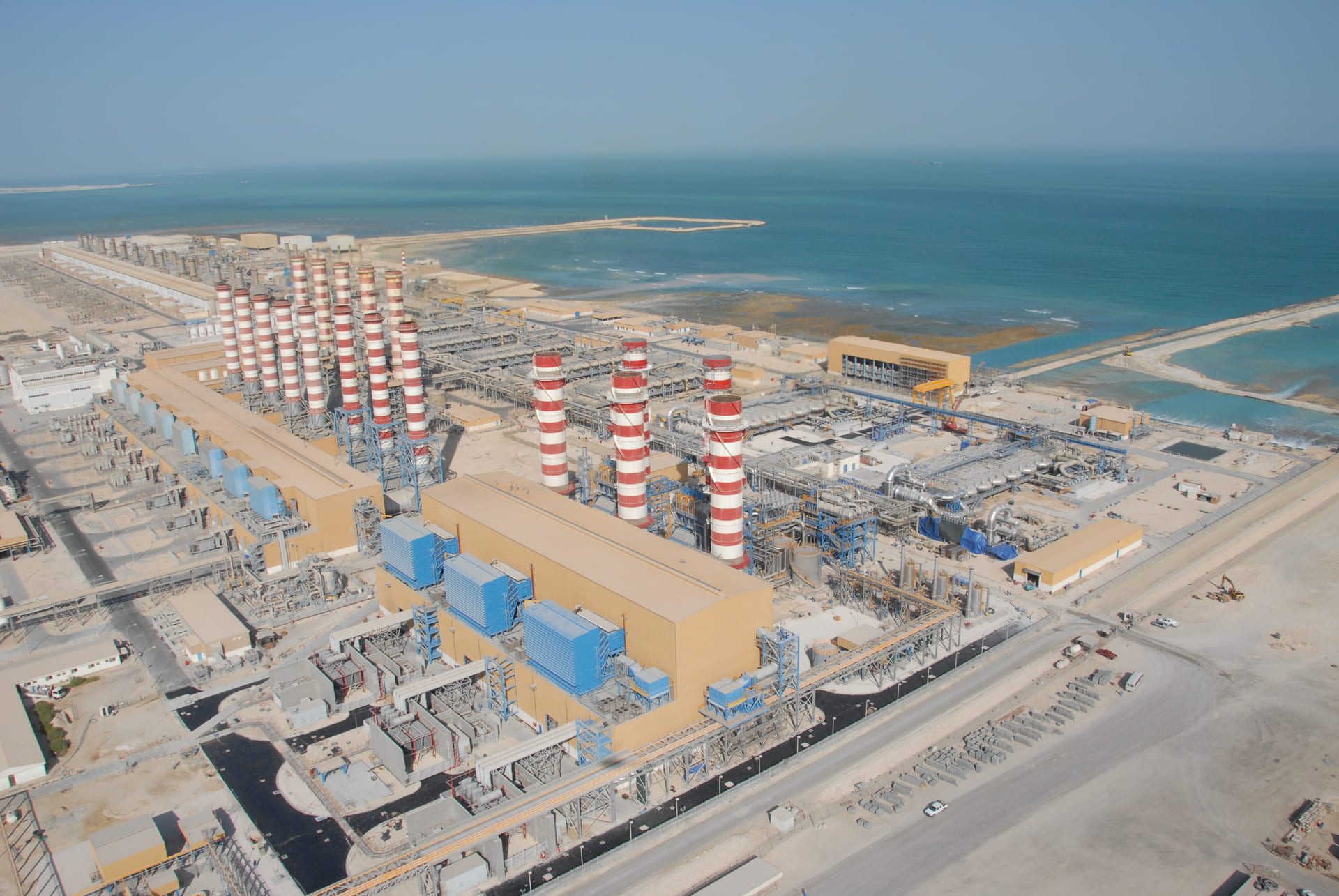 Ras Abu Fontas, A1 B2 Projects, Qatar
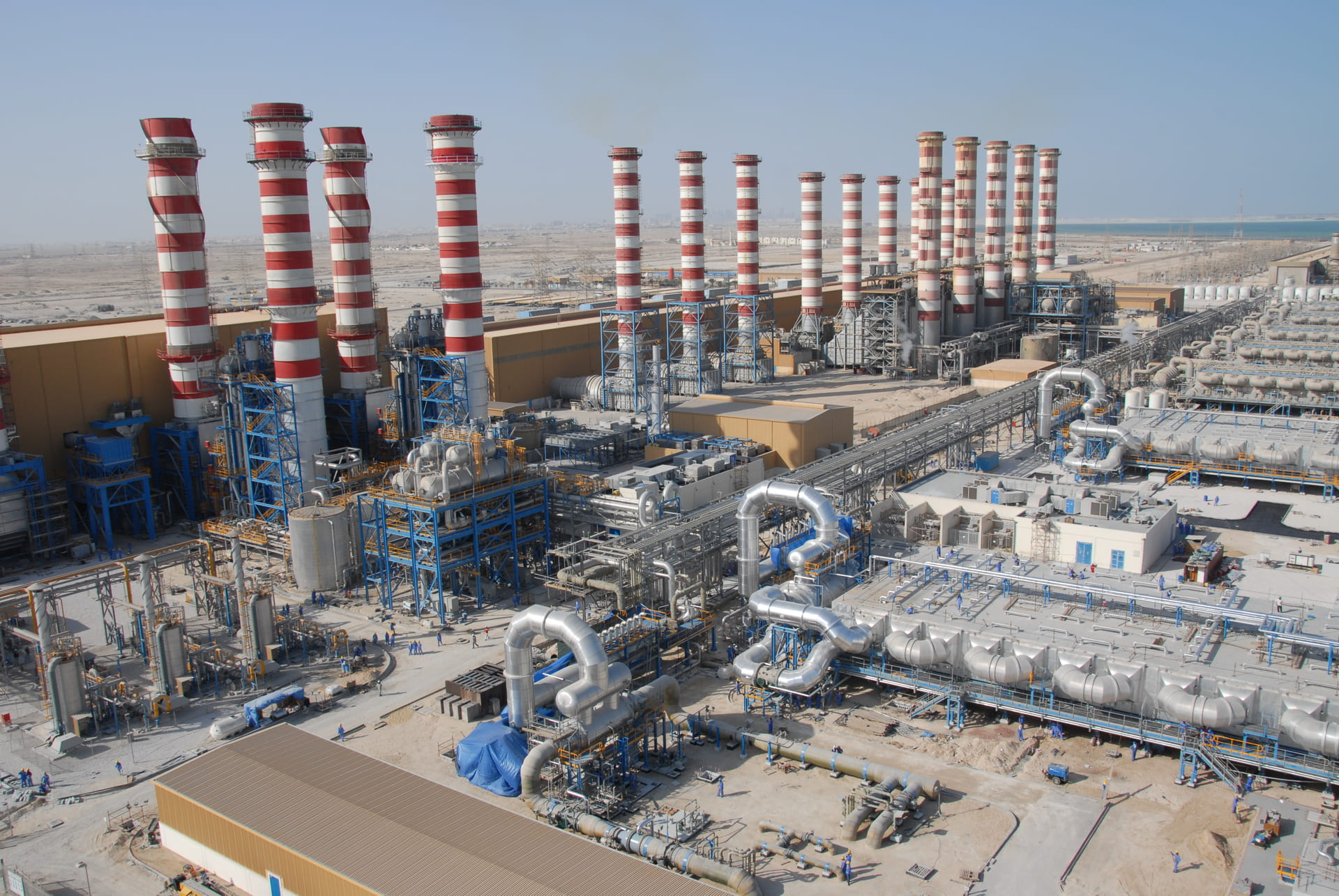 Ras Abu Fontas, A1 B2 Projects, Qatar
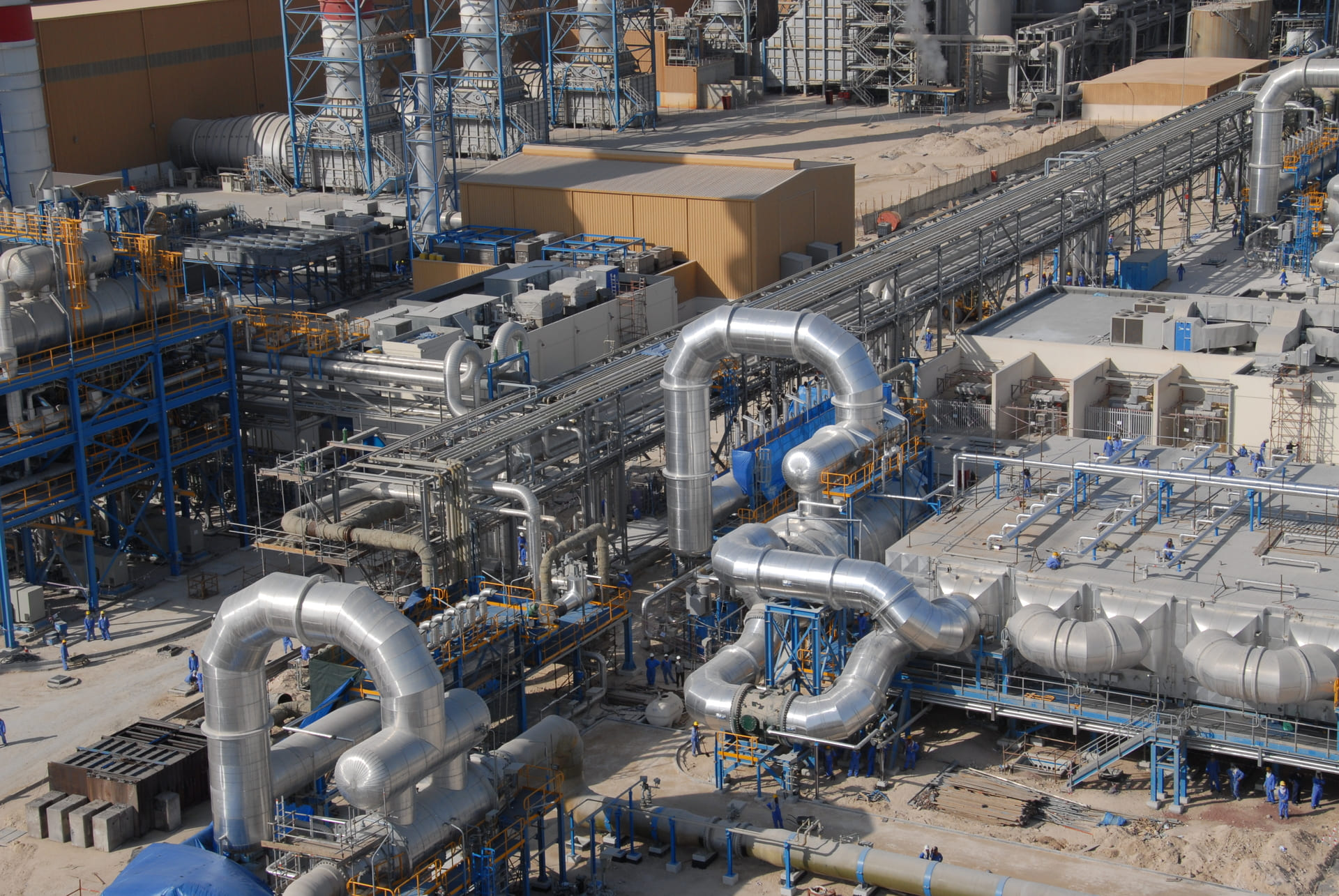 Ras Abu Fontas, A1 B2 Projects, Qatar
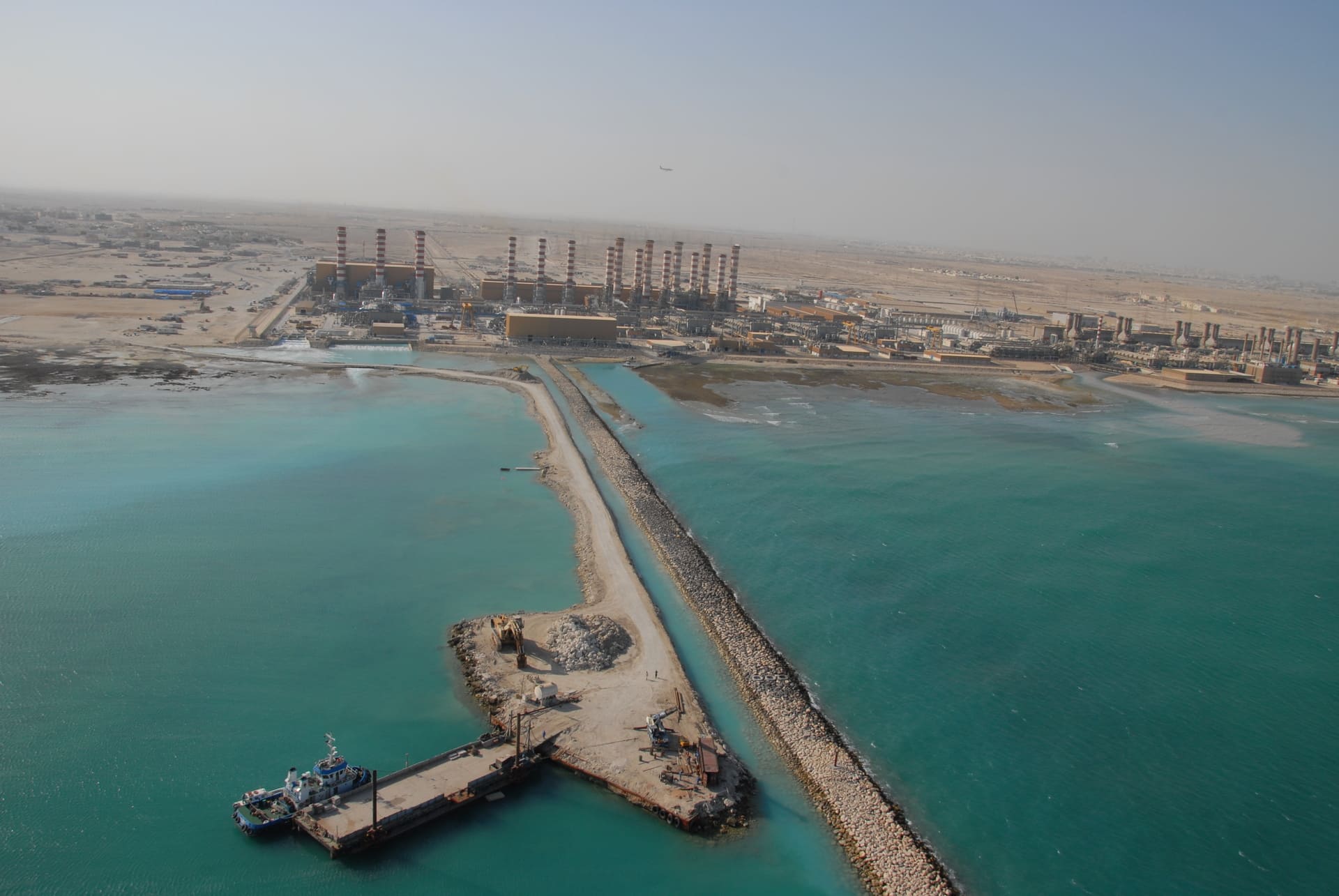 Ras Abu Fontas, A1 B2 Projects, Qatar
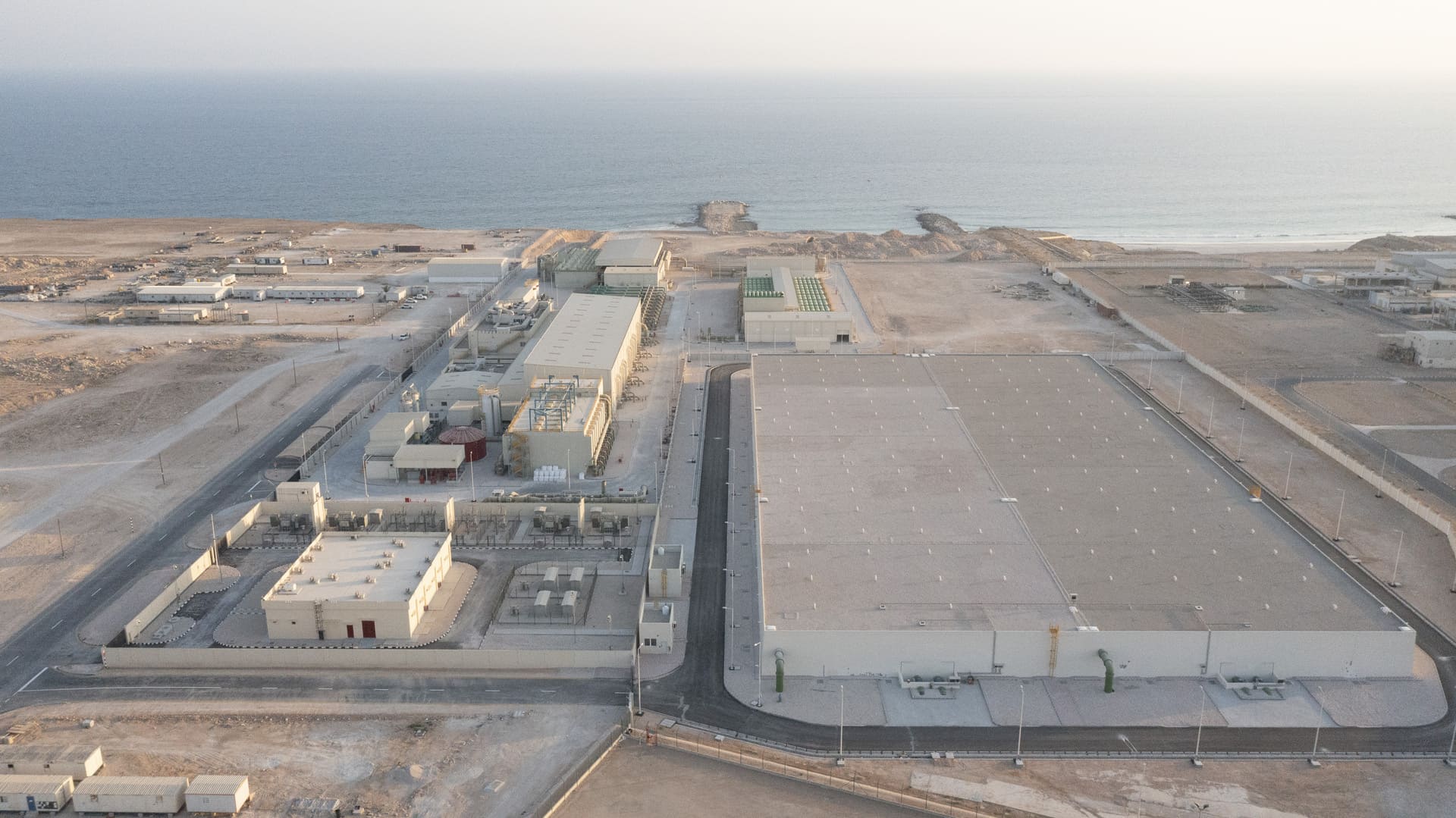 Salalah Independent Water Project - Oman
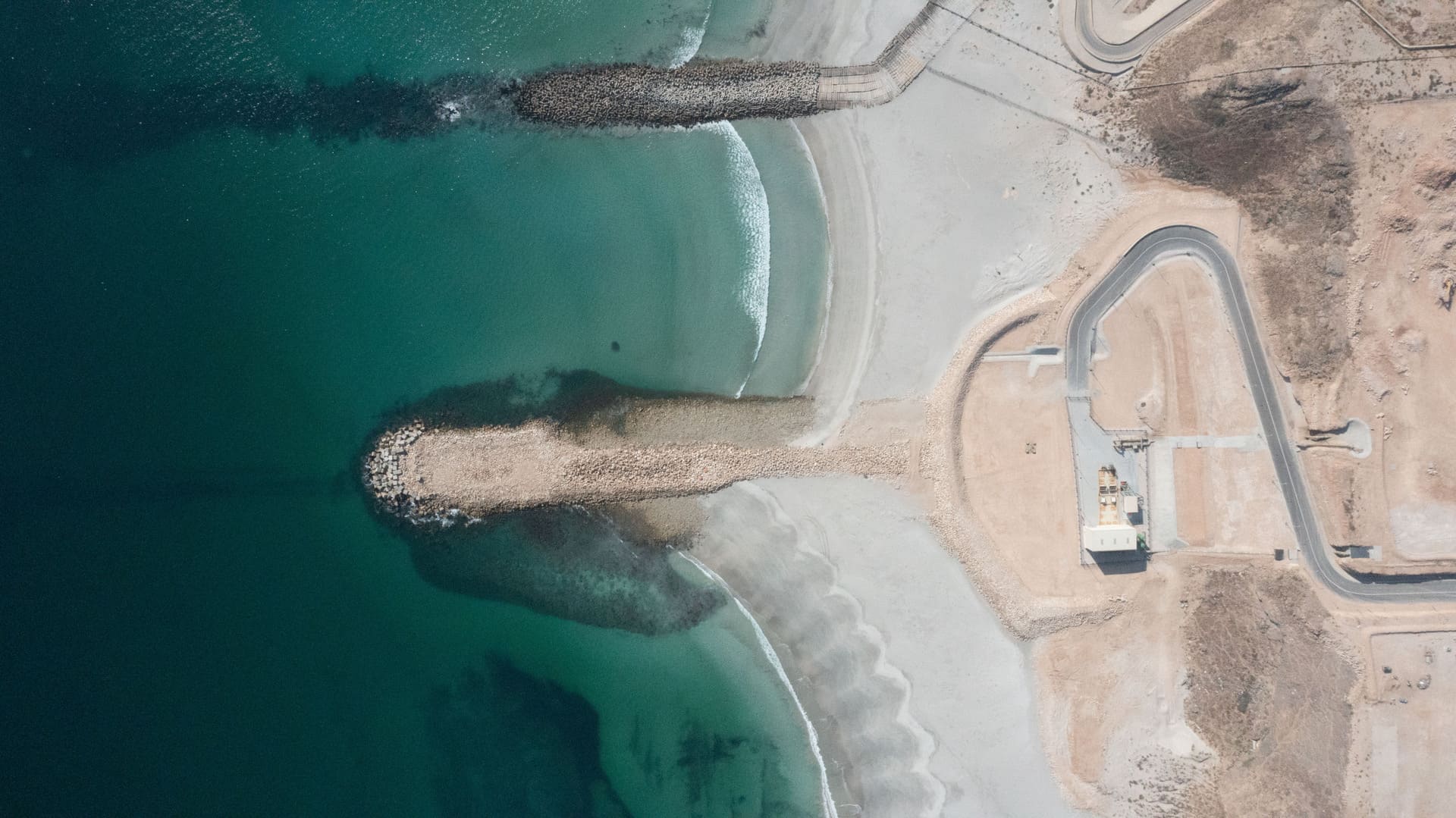 Salalah Independent Water Project - Oman
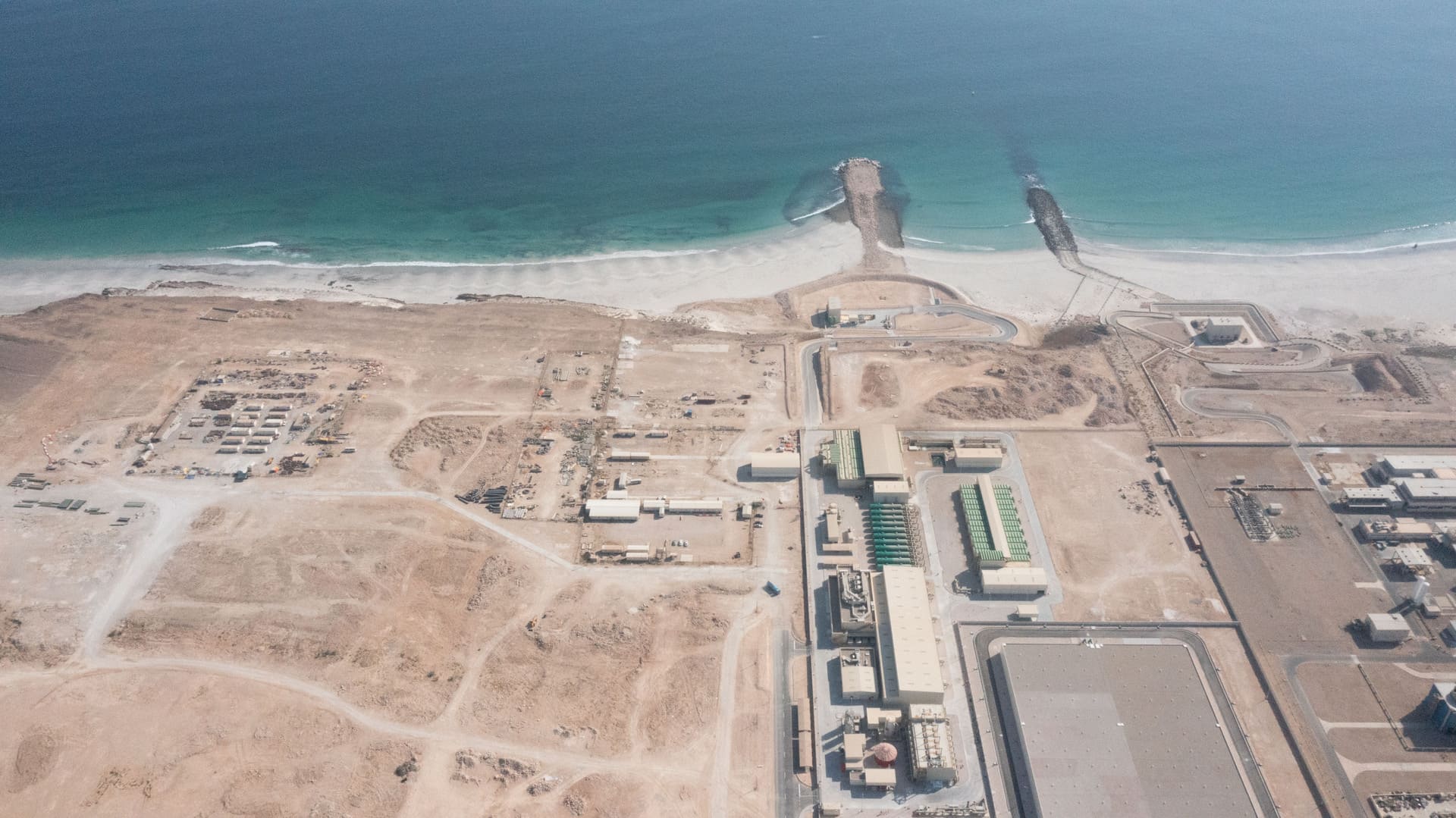 Salalah Independent Water Project - Oman
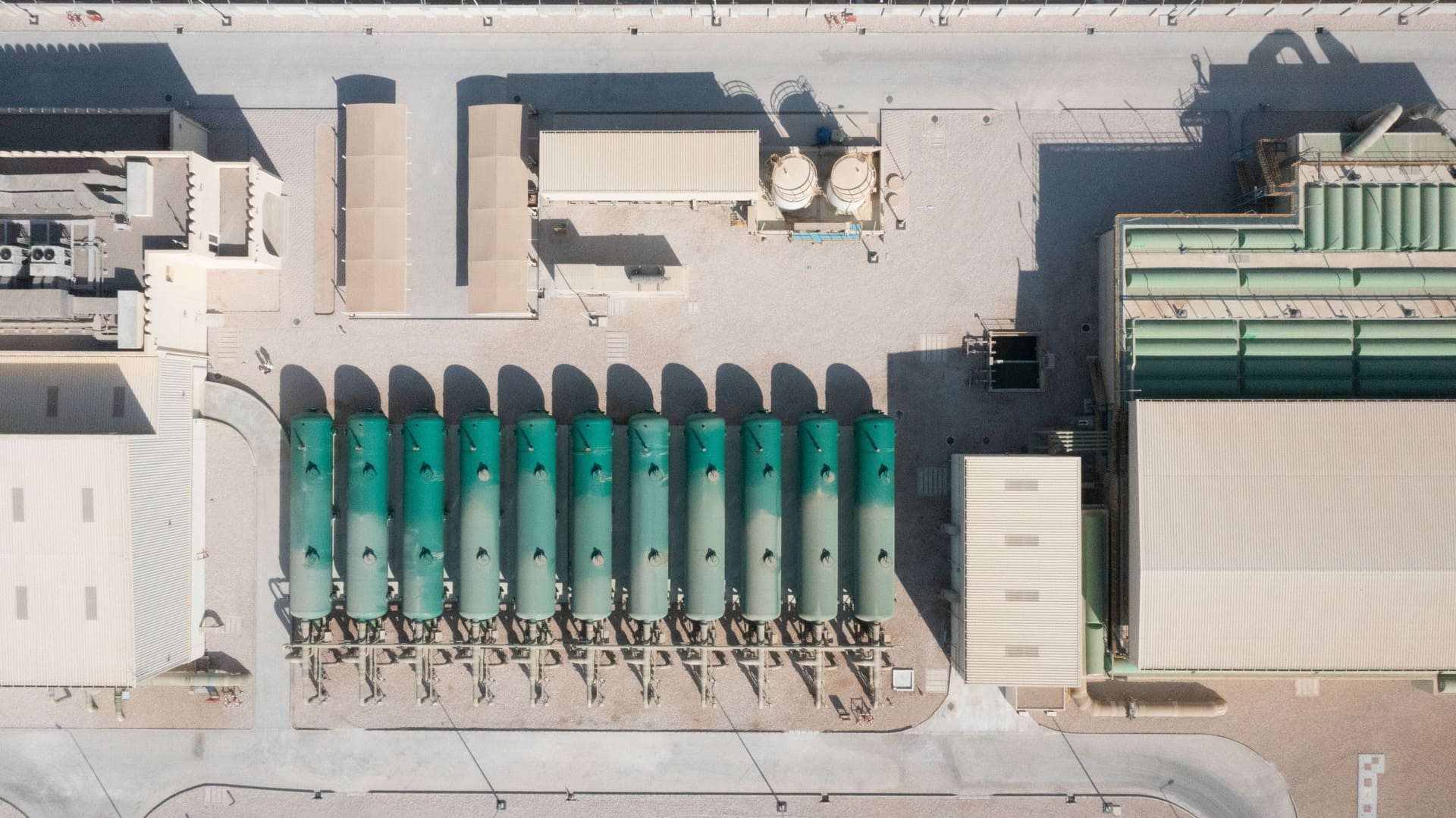 Salalah Independent Water Project - Oman