

When roads become synonymous with safety, infrastructure engineering takes on a role that goes beyond simply connecting places, becoming an essential tool for protecting people, ensuring territorial stability, and strengthening the resilience of mobility systems.
In this context, bridges, viaducts, highways, and other road arteries are not merely functional elements, but works designed to guarantee continuity even in complex conditions, meeting increasingly stringent requirements for durability, monitoring, and risk management.
Road safety thus becomes the guiding principle of design, where technological innovation, advanced materials, and construction expertise come together to create infrastructure projects capable of withstanding time, extreme events, and the growing pressure of contemporary mobility.
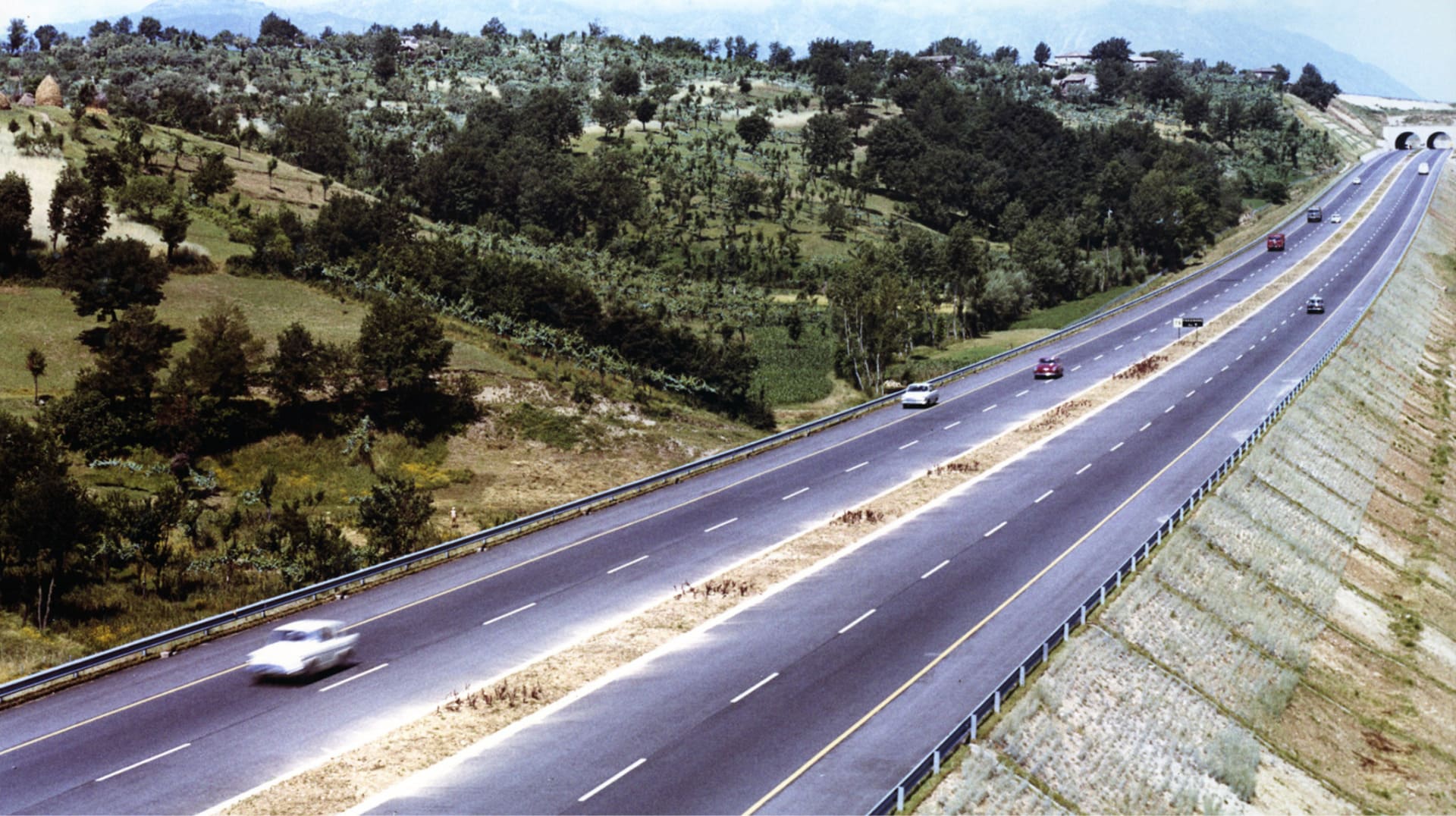
1 – Autostrada del Sole Motorway (A1), Milan-Naples
In this context, the Autostrada del Sole (A1), built with the contribution of the Webuild Group, stands as one of the symbolic works of post-war Italy’s engineering: approximately 760 kilometers crossing the peninsula from Milan to Naples along the Apennines, with a route shaped by viaducts, overpasses, and tunnels designed to navigate one of Europe’s most challenging terrains.
Inaugurated in 1964, the Milan-Naples highway drastically reduced travel times and redefined national mobility, becoming over time a true “backbone” of Italy, where the safety of travel is intertwined with the ability of engineering to adapt to the landscape and make it accessible in a stable and long-lasting way.
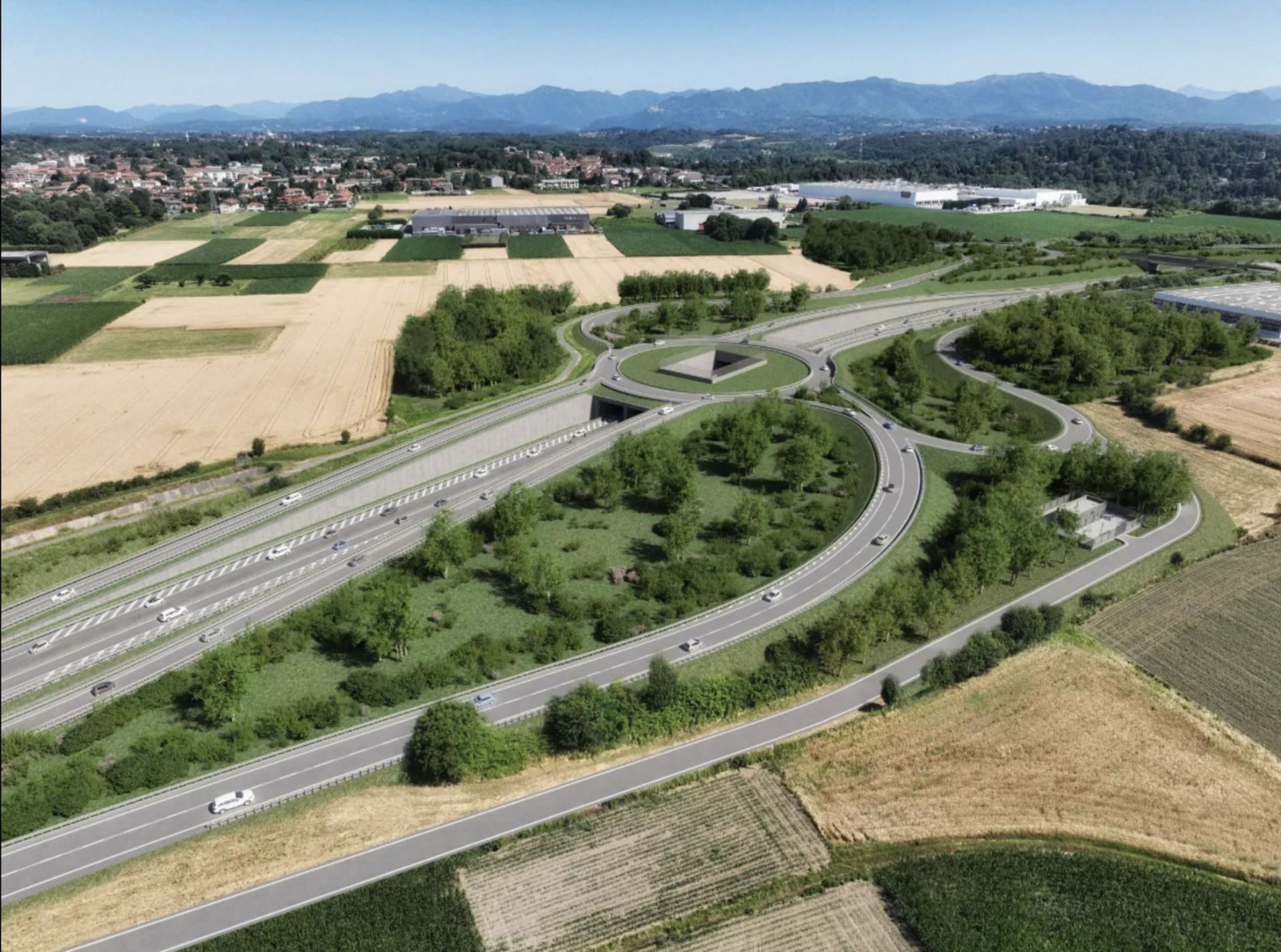
2 – Pedemontana Lombarda, Italy
The new sections of the Autostrada Pedemontana Lombarda, also built with the contribution of the Webuild Group, introduce an advanced model of road infrastructure in which road safety is directly integrated into design through smart road technologies and continuous monitoring systems.
The route, developed in the area between Varese, Como, Bergamo, and Milan, is designed to ease pressure on the existing network and improve traffic flow, while reducing the impact on urban centers thanks to a high percentage of tunnels and cut-and-cover sections.
Through the use of intelligent cooperative transport systems and structural sensors capable of detecting real-time traffic conditions, loads, and potential critical issues, the infrastructure becomes an asset in which safety is not only a final goal, but an active and constant component of mobility management.
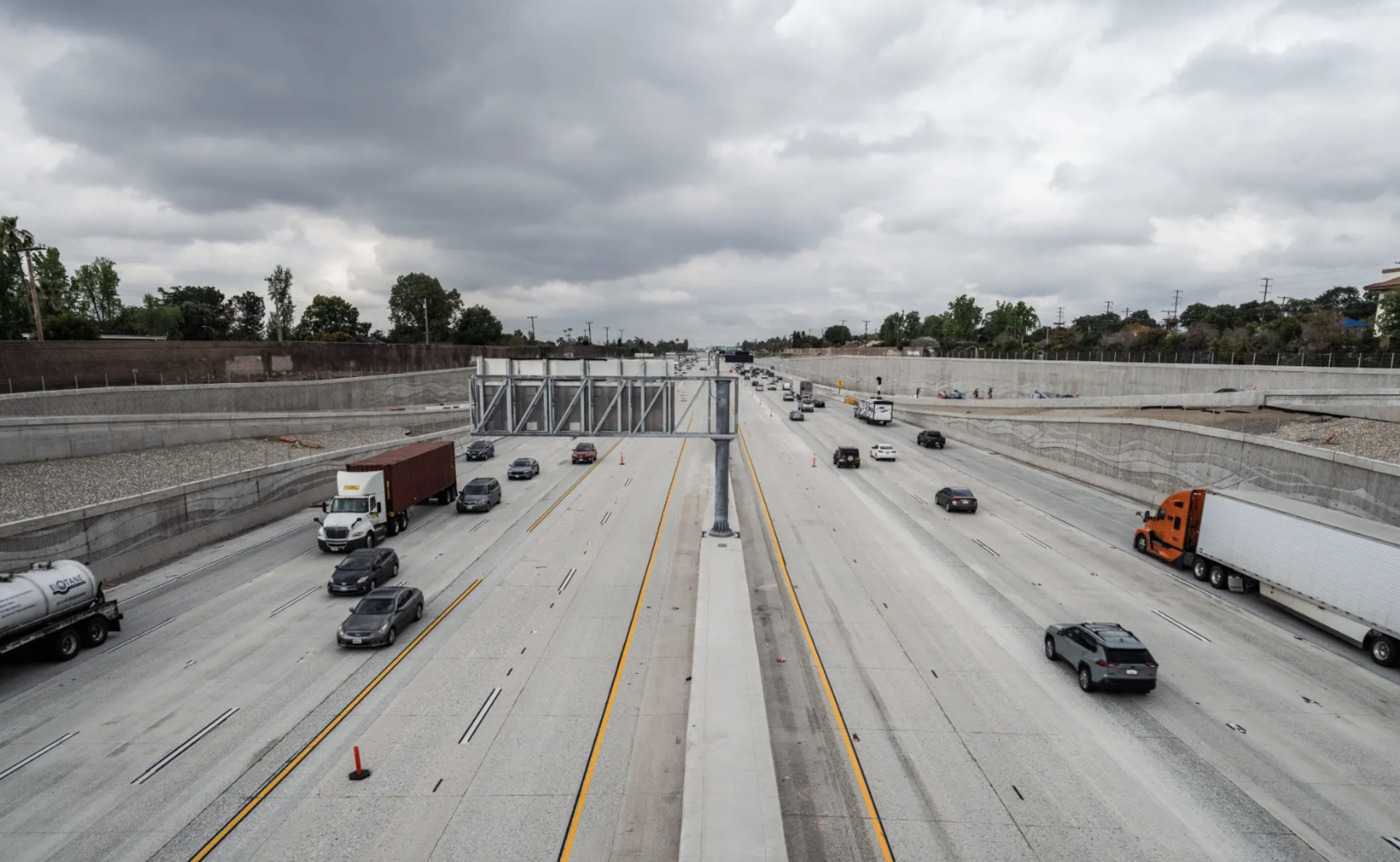
3 – I-10 Corridor Express Lanes, California
The I-10 Express Lanes corridor in California represents a large-scale infrastructure intervention where road safety and mobility management become central elements for the efficiency of one of the main transport axes connecting Los Angeles County with the Inland Empire logistics hub.
The I-10 project, also carried out with the contribution of the Webuild Group through its subsidiary Lane Construction, includes the expansion of approximately 11 miles of highway with the addition of new express lanes in both directions, designed to reduce congestion and improve travel time reliability along a corridor used daily by hundreds of thousands of vehicles.
In this high-traffic system, the road infrastructure operates as a continuous flow-regulating device, where interventions on bridges, interchanges, and drainage systems contribute to strengthening overall safety and the network’s ability to respond to population growth and increasing mobility demand.
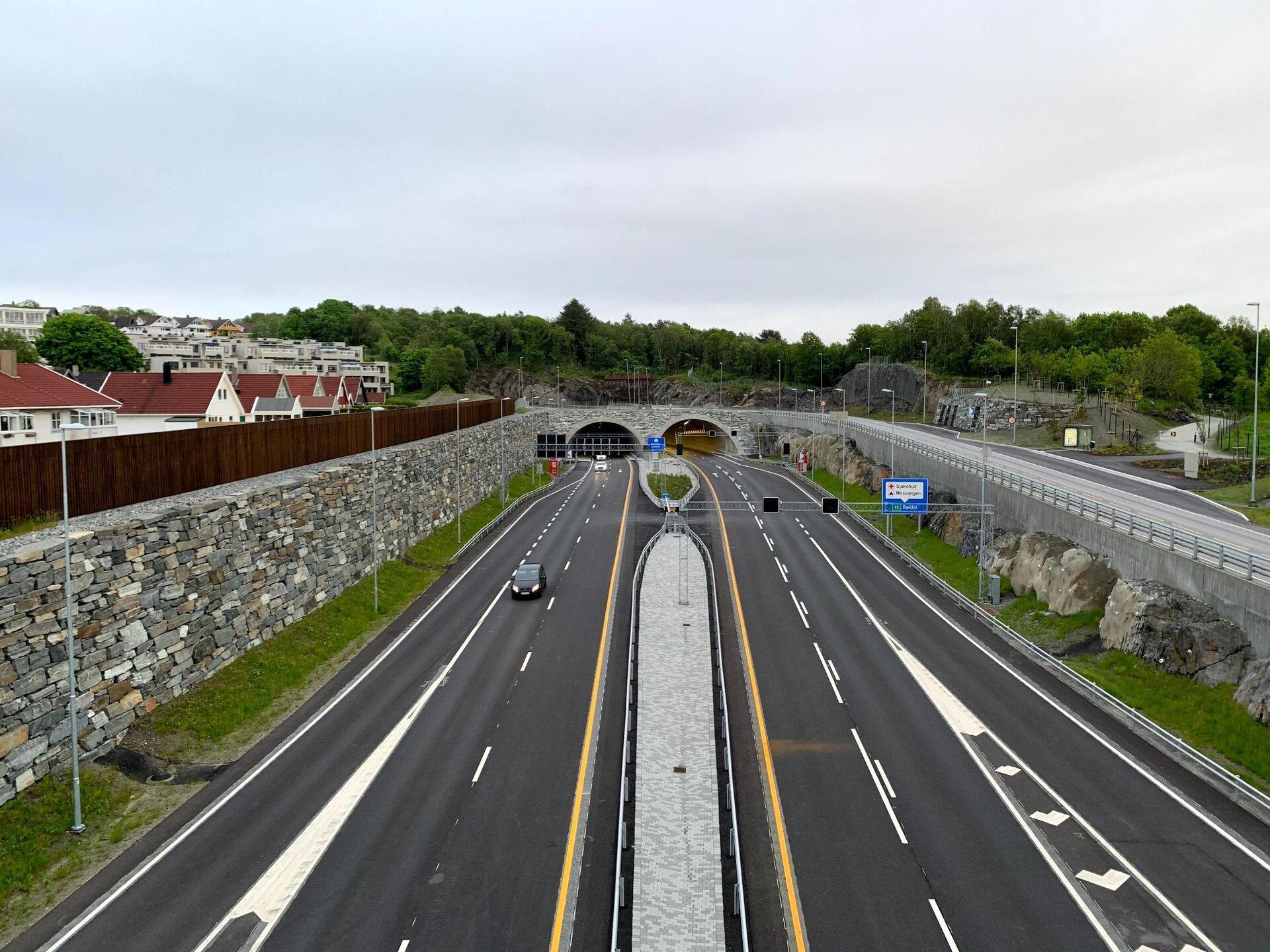
4 – E39 Coastal Highway, Norway
The E39 Coastal Highway project represents one of the most ambitious challenges in contemporary European mobility, where infrastructure safety intersects with the need to overcome a geography fragmented by deep fjords and extreme environmental conditions.
Stretching along approximately 1,100 kilometers of Norway’s coastline, the E39 project aims to eliminate existing ferry connections and replace them with new-generation bridges and fixed links designed to ensure travel continuity and greater reliability in all seasons.
In this scenario, road safety is not only a design feature, but the result of an integrated system where digitalization, advanced modeling, and intelligent construction technologies make it possible to tackle some of the most complex road infrastructure ever conceived.
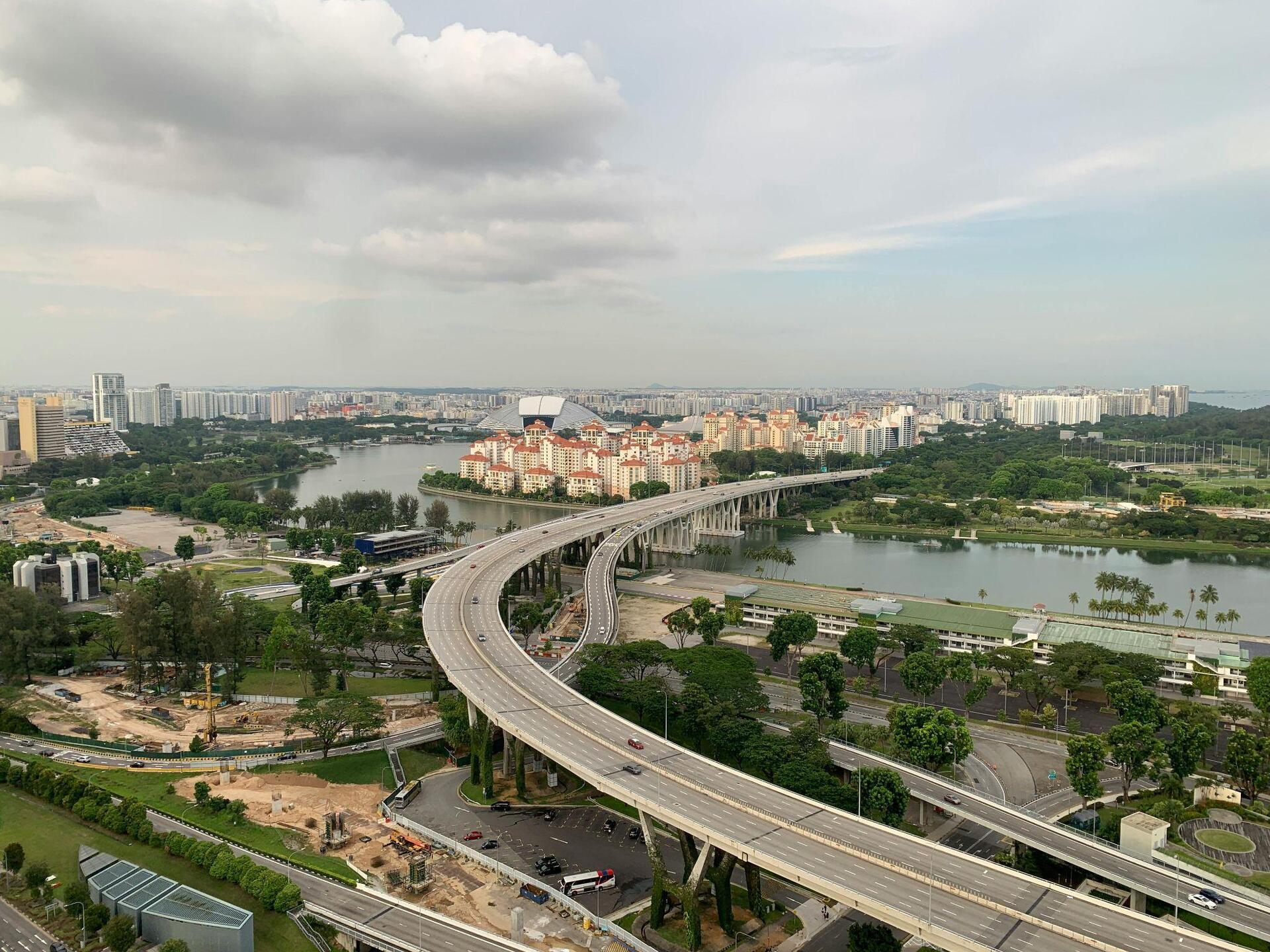
5 – Expressway No.5, Singapore
Expressway No. 5, one of the main arterial roads in Singapore’s highway network, is a strategic infrastructure where safety and urban mobility efficiency merge with highly advanced territorial planning.
Designed to quickly connect suburban areas with the city center and Changi Airport, the artery is part of a highly regulated road system where intense traffic flows are managed through multi-level interchanges, viaducts, and design solutions aimed at reducing congestion and conflict points.