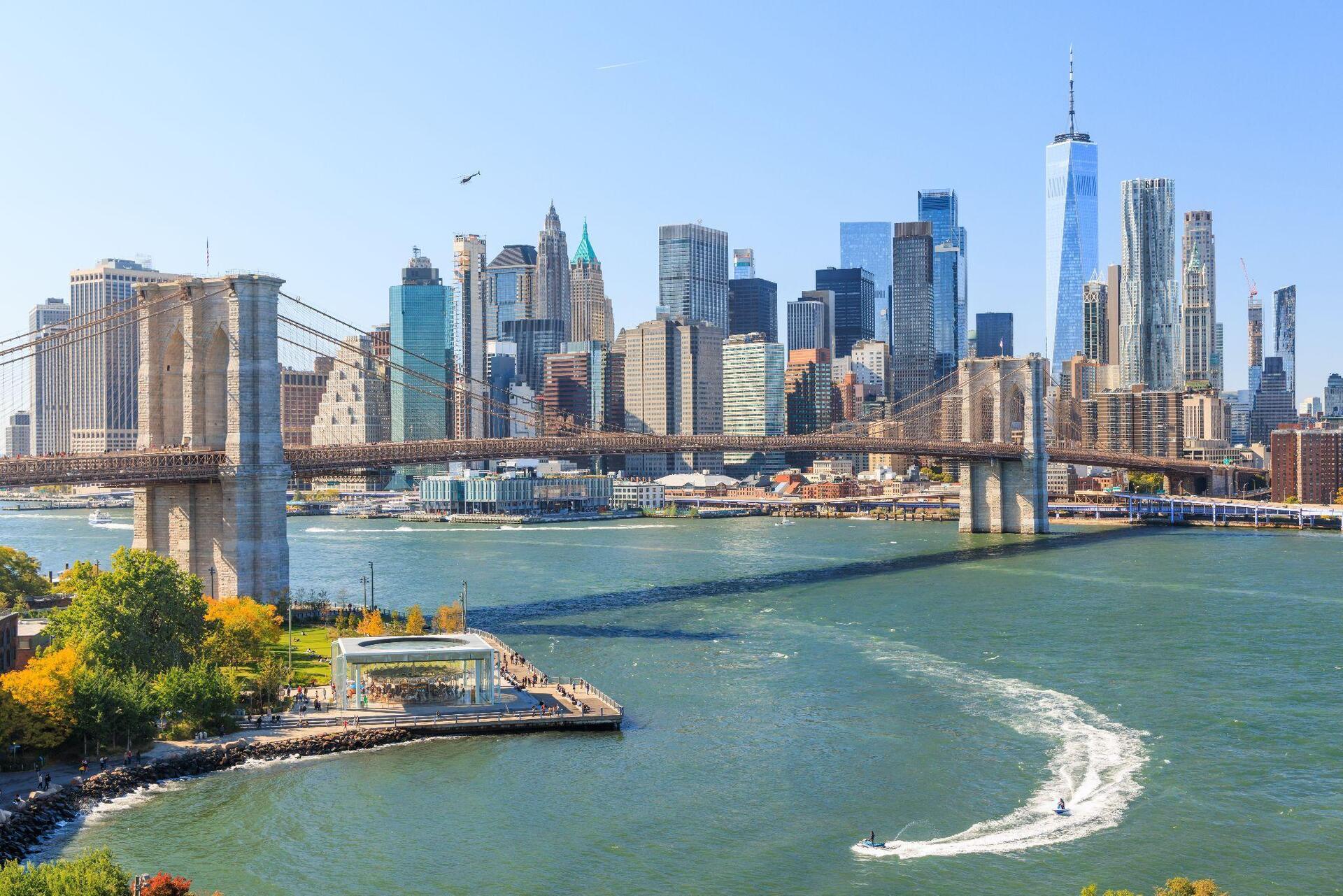


Underground rail networks are among the most strategic and, at the same time, least visible infrastructure projects of the contemporary world: true hidden arteries through which people, goods, and essential connections for metropolitan life and global economic systems flow every day.
Developed beneath the surface to free up space above ground and ensure continuity in mobility flows, these railway lines represent a fundamental component of modern cities, where engineering complexity is translated into highly integrated systems capable of operating under conditions of extreme urban density.
In this balance between invisibility and centrality, underground infrastructure projects become strategic not only for connecting places, but also for sustaining the very functioning of contemporary societies.
1 – Grand Paris Express, Paris Metro
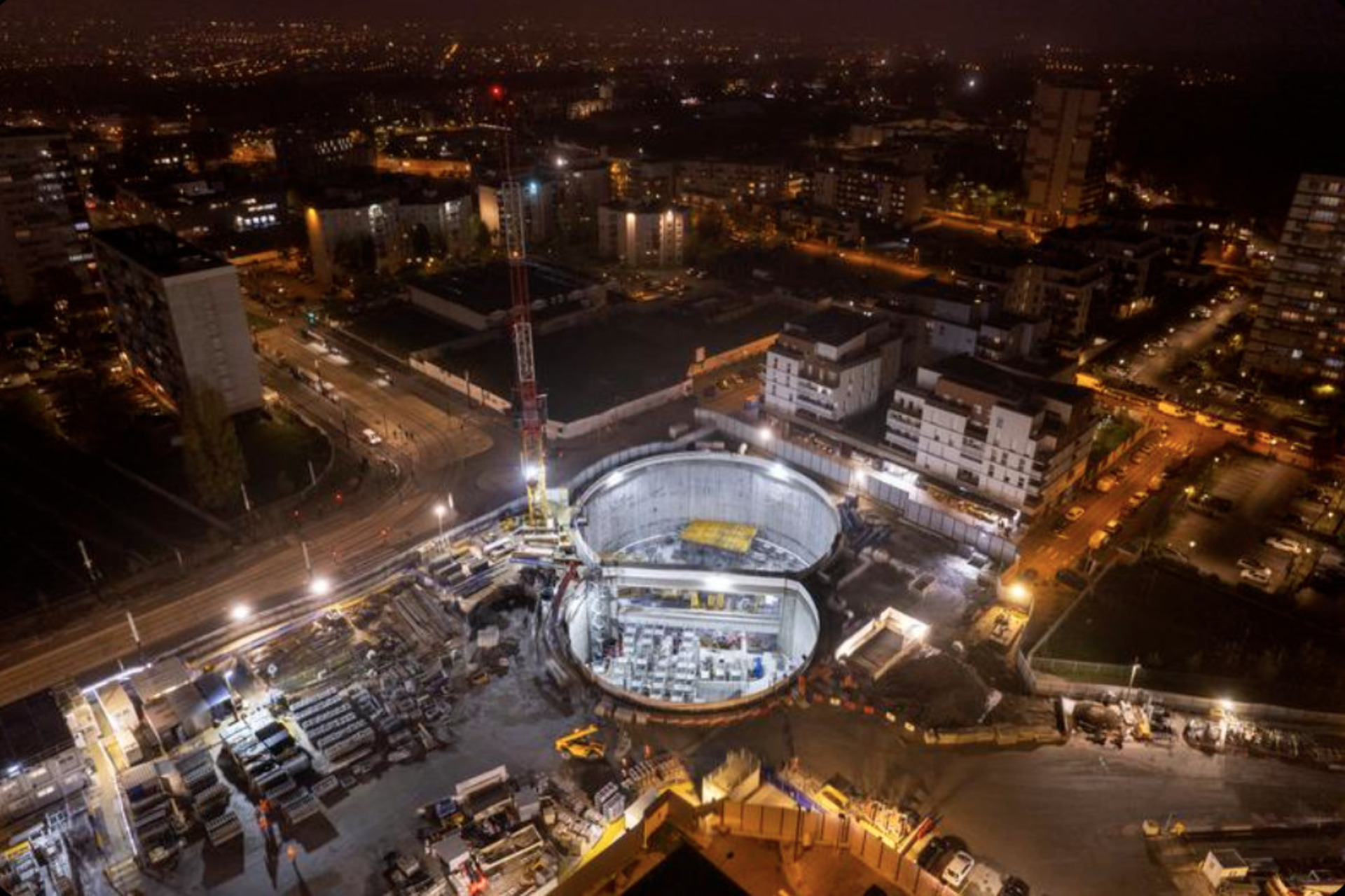
The Grand Paris Express is one of the largest underground mobility projects of the contemporary era, designed to profoundly reshape the entire Paris metropolitan area through a network of new high-capacity automated lines.
With approximately 200 kilometers of track and dozens of new stations built almost entirely underground, the new Paris subway system is intended to strengthen connections between suburbs and urban hubs, reducing dependence on routes through the city center and improving overall mobility flows across the Île-de-France region.
In this highly complex engineering context, Webuild is involved in the construction of major sections and stations, where mechanized excavation, execution precision, and integration with the urban fabric become essential elements in the creation of the future Paris underground metro network.
2 – Brenner Base Tunnel
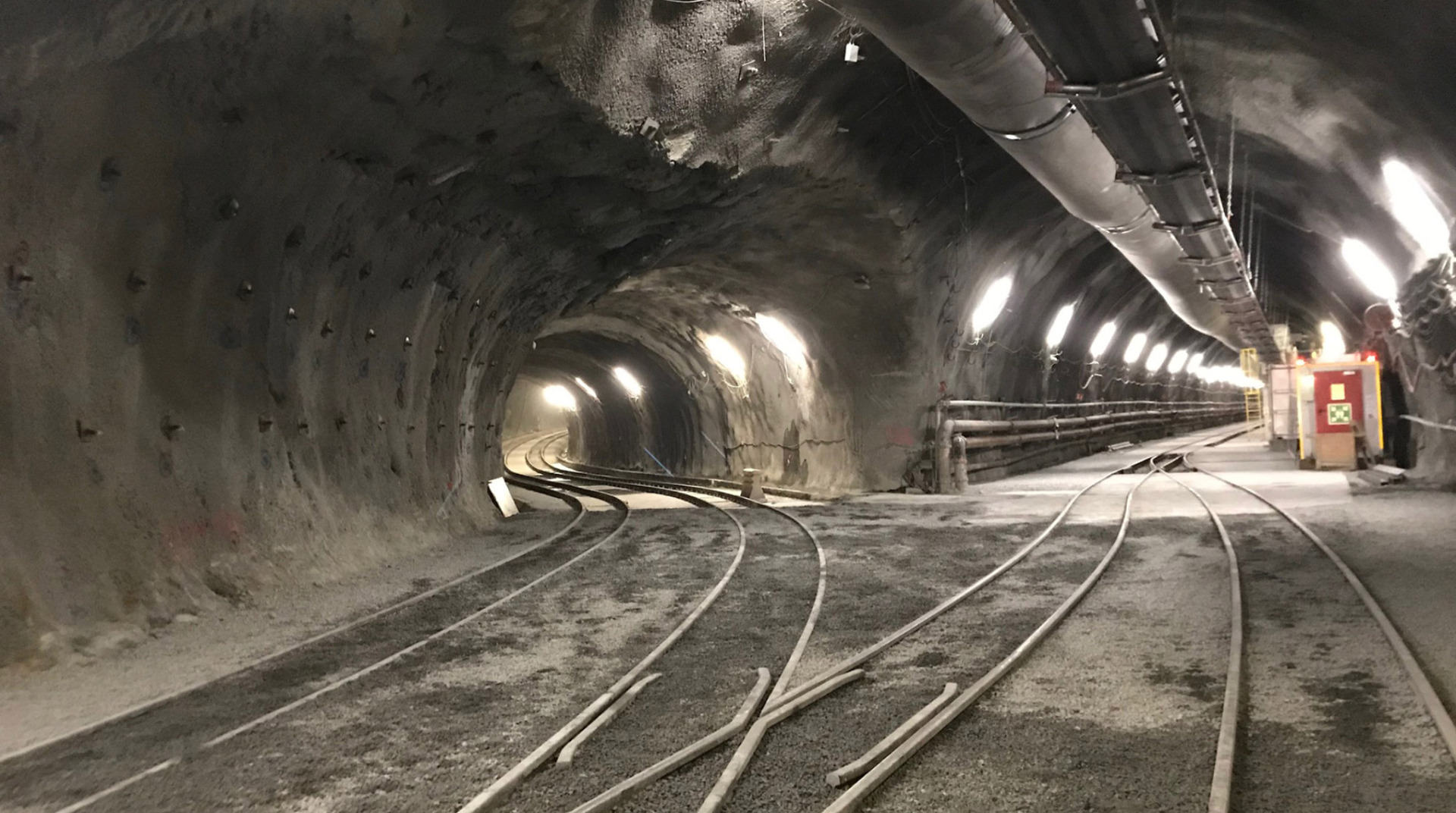
The Brenner Base Tunnel is one of Europe’s most ambitious railway projects, also developed with the contribution of the Webuild Group, and designed to overcome the natural barrier of the Alps along the Munich–Verona corridor, strengthening the connection between Italy and Austria.
Stretching for approximately 64 kilometers, the Brenner tunnel will become the world’s longest underground railway tunnel and one of the key elements of the TEN-T network, intended to shift freight and passenger traffic from the Brenner pass to the railway, improving the efficiency and sustainability of European mobility.
In this context of extreme geological complexity, Webuild is engaged in several sections of the infrastructure project, where deep excavation requires advanced technologies and ground consolidation solutions capable of ensuring safety even in the presence of aquifers and critical operating conditions.
3 – San Gotthard Base Tunnel
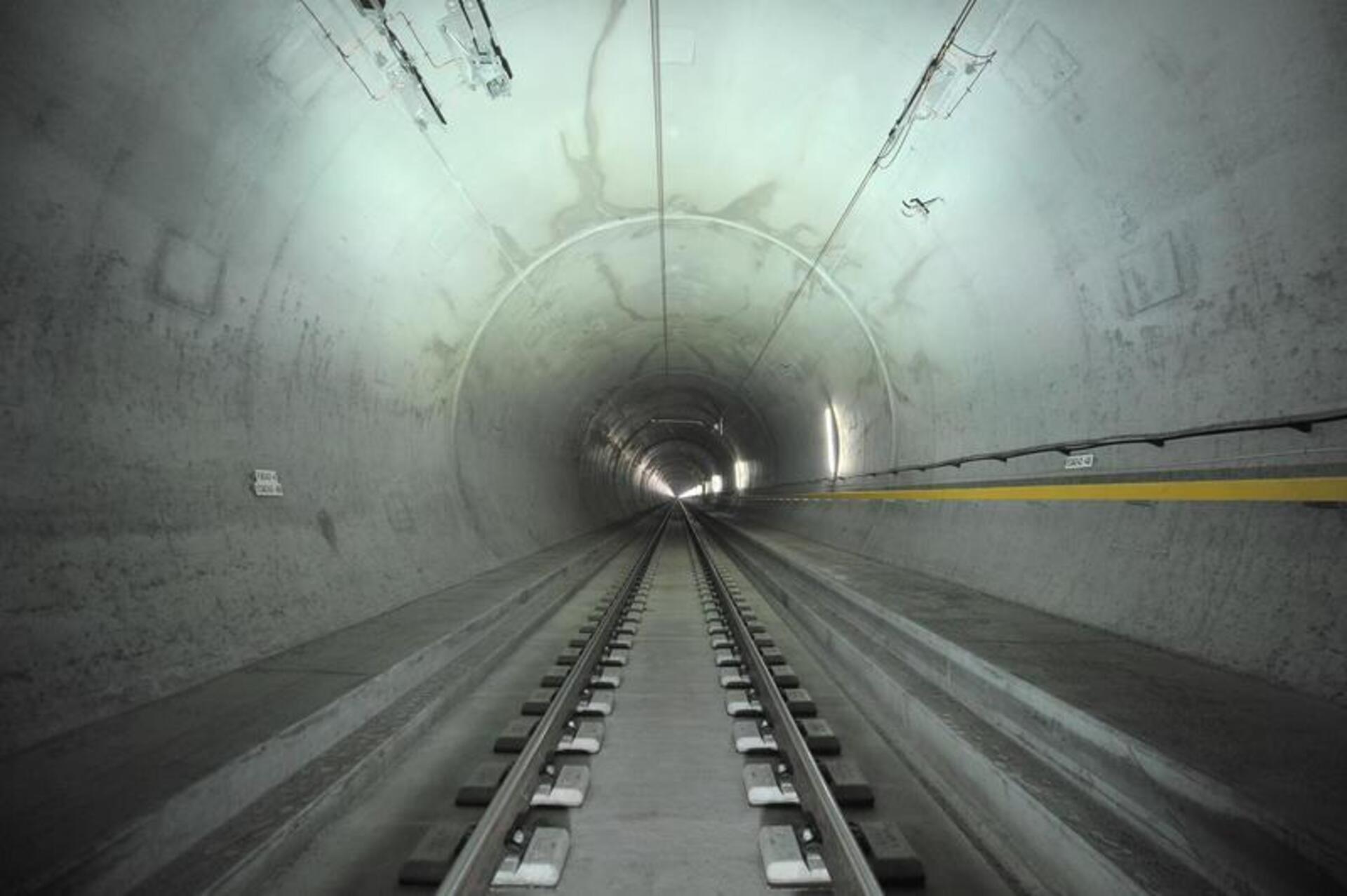
The Gotthard and Ceneri corridor represents one of the most important transformations of Alpine mobility in Europe, where major underground railway infrastructure projects have redefined traffic flows and reshaped the relationship between territories along the north–south axis.
Within this framework, the Bodio and Faido sections of the Gotthard tunnel project, developed by the Webuild Group, are key nodes within the railway tunnel system.
With the commissioning of the Gotthard–Ceneri system, crossing capacity has been significantly increased, encouraging the shift of traffic from road to the rail network and strengthening the connection between Switzerland and Italy.
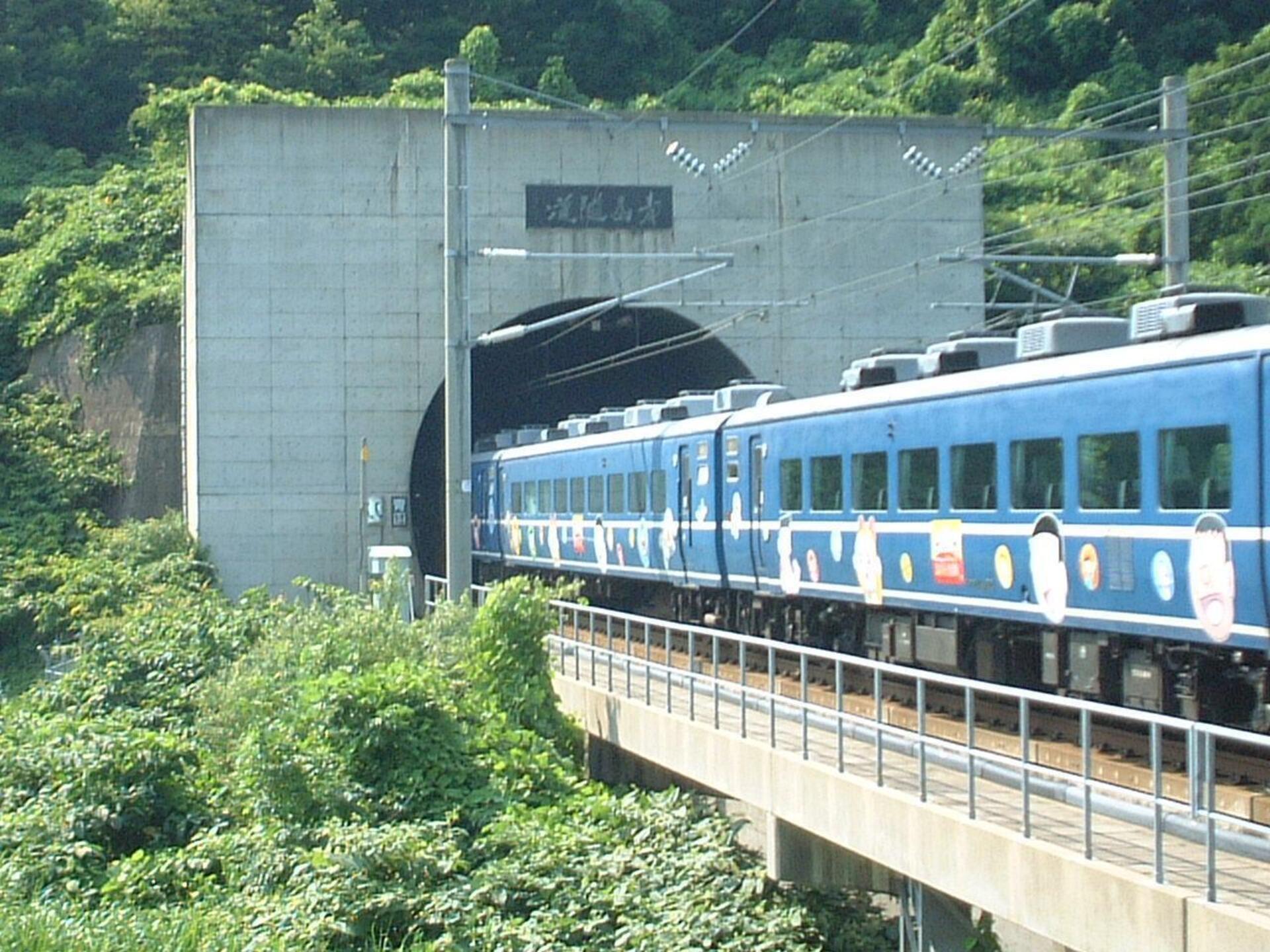
4 – Seikan Tunnel
The Seikan Tunnel is one of the world’s most extraordinary railway tunnels, designed to connect the islands of Honshū and Hokkaidō beneath the Tsugaru Strait and ensure continuity in the flow of people and goods in a geographical context dominated by the sea and extreme environmental conditions.
With a total length of over 53 kilometers, approximately 23 of which lie beneath the seabed, the tunnel extends to significant depths in an environment characterized by high pressure, water infiltration, and geological complexity, conditions that required decades of planning and construction.
5 – Hudson Tunnel Project
The Hudson Tunnel project, part of the Gateway Program, is part of the long historical evolution of the United States’ Northeast corridor, one of the country’s most important and heavily trafficked infrastructure axes, where for over a century the existing tunnels beneath the Hudson River have ensured the connection between New Jersey and Manhattan.
Opened in the early twentieth century, these crossings marked a decisive turning point in the economic and urban growth of the New York metropolitan area, supporting the development of rail mobility and consolidating the Northeast corridor’s role as the backbone of American transportation.