


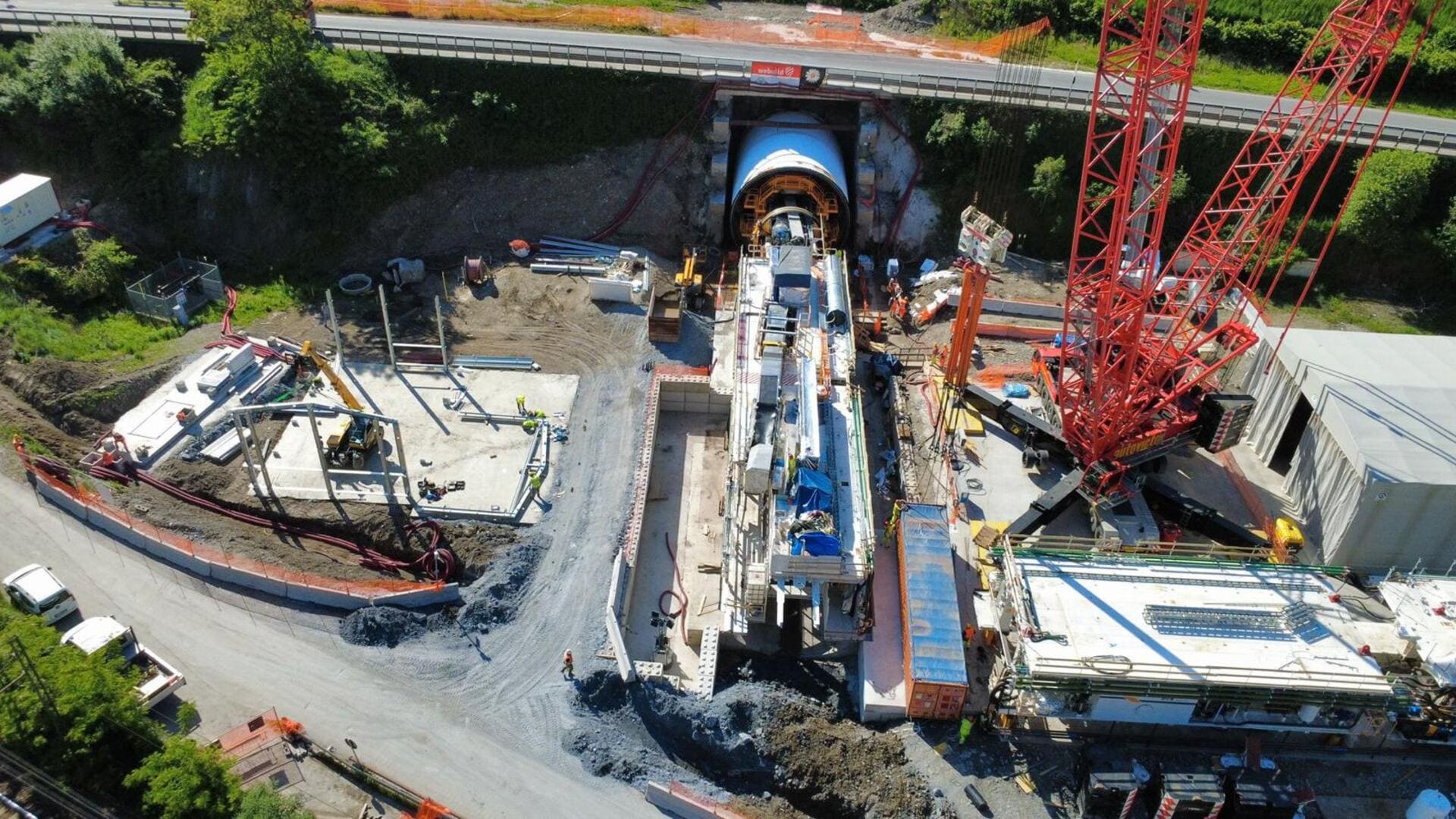
 Brenner Base Tunnel construction site
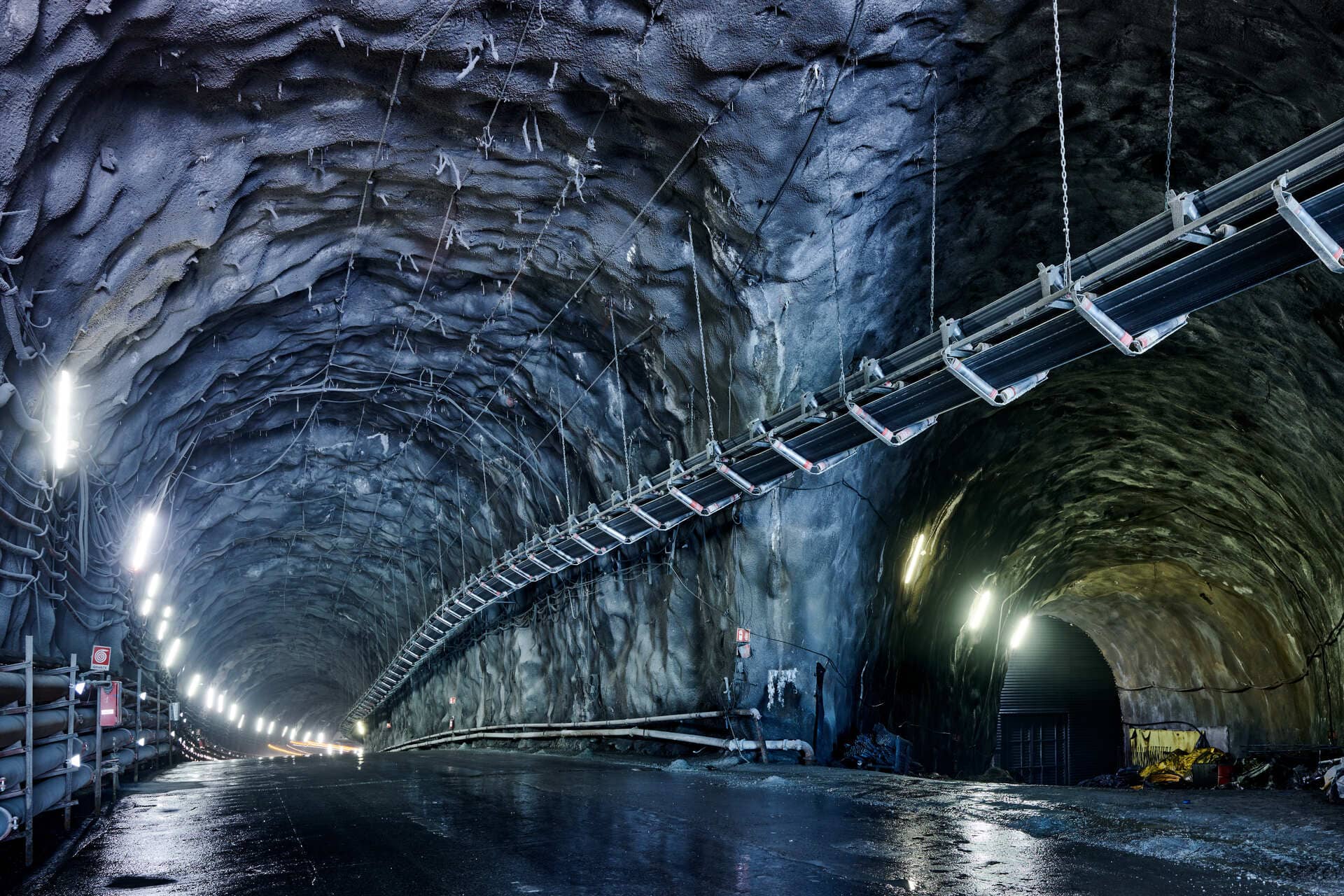 Brenner Base Tunnel construction site
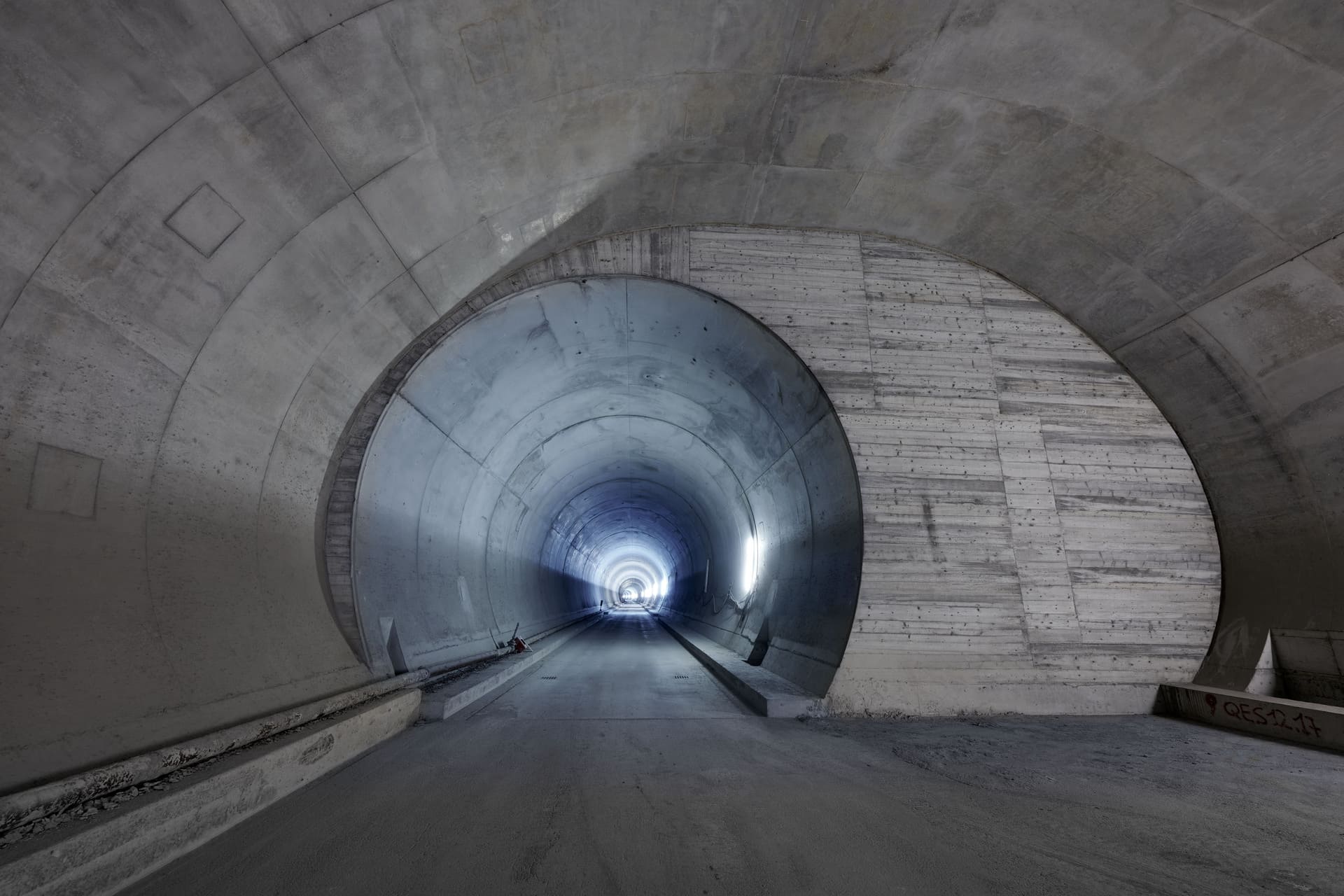 Brenner Base Tunnel construction site
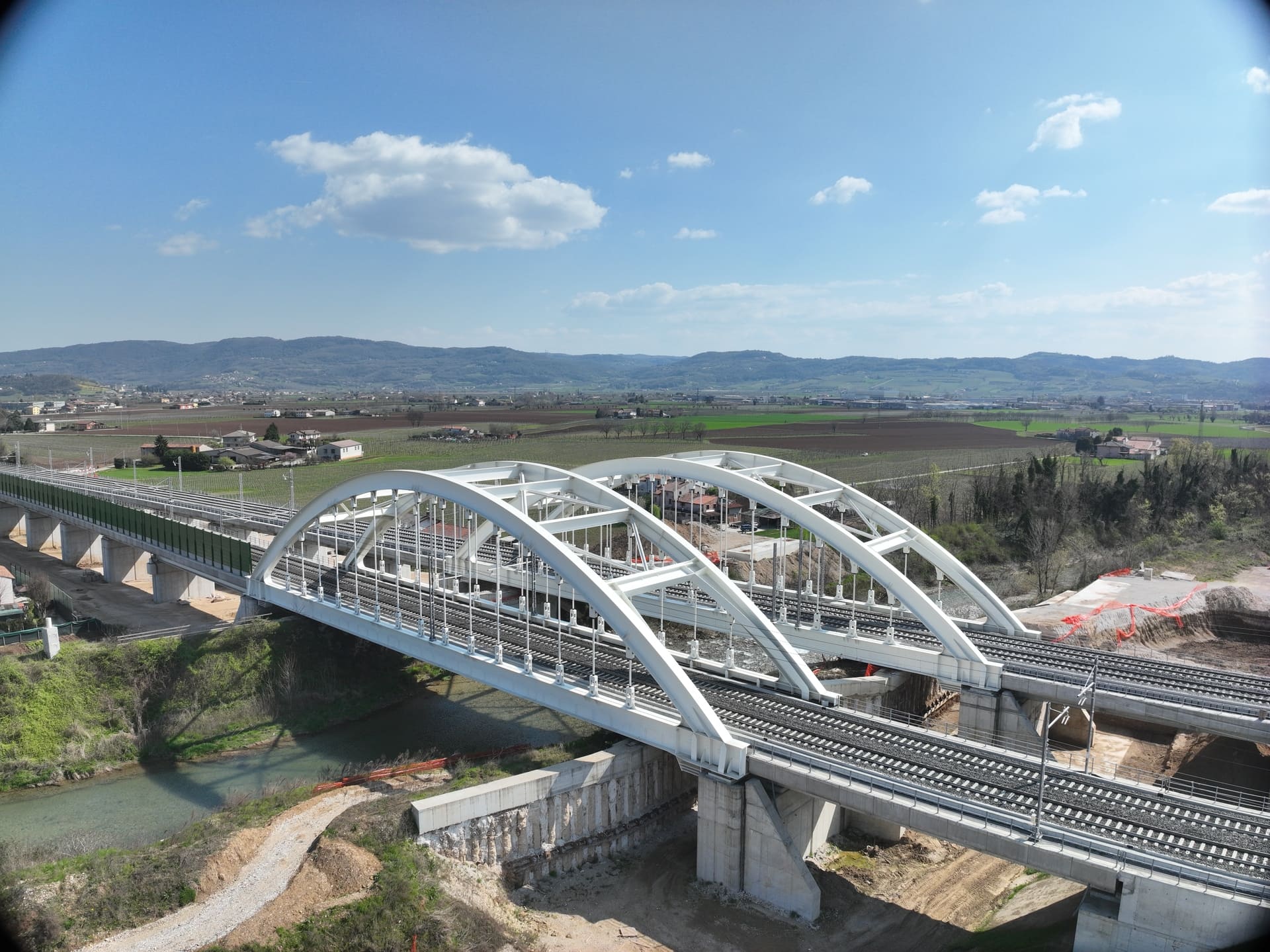 Verona-Padua High-Speed railway construction site
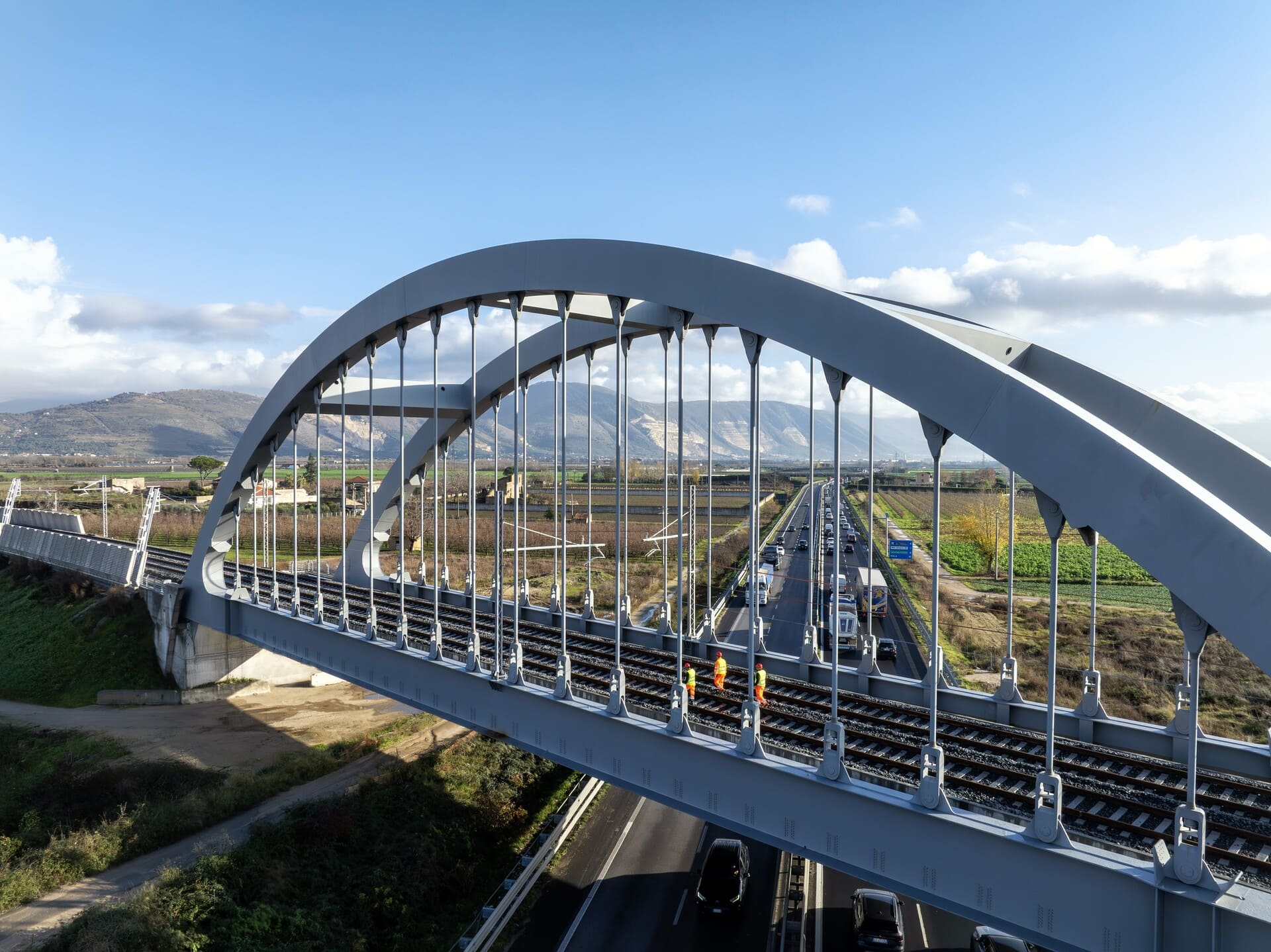 Napoli-Bari High-Speed Line construction site, Napoli-Cancello section
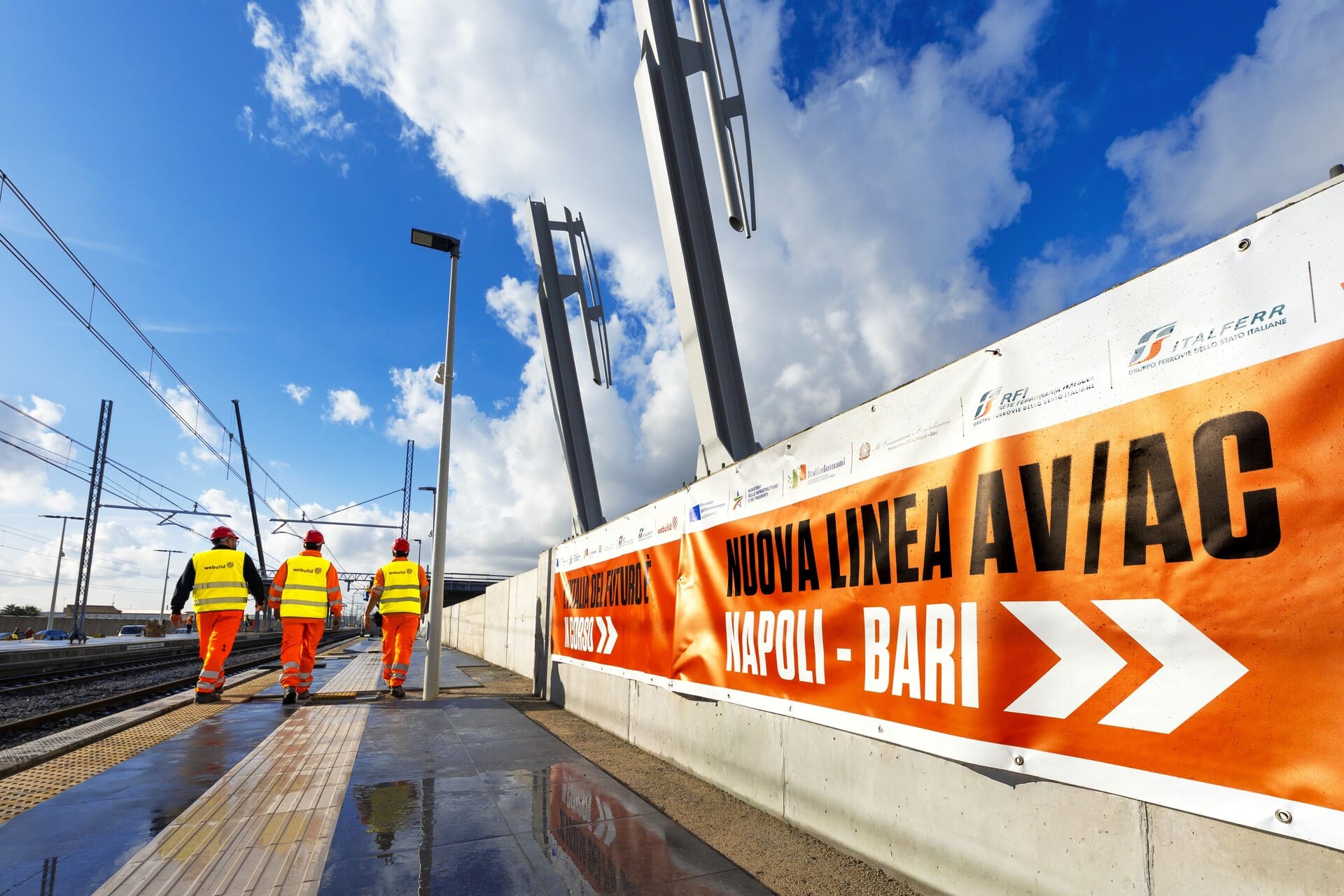 Napoli-Bari High-Speed Line construction site, Napoli-Cancello section
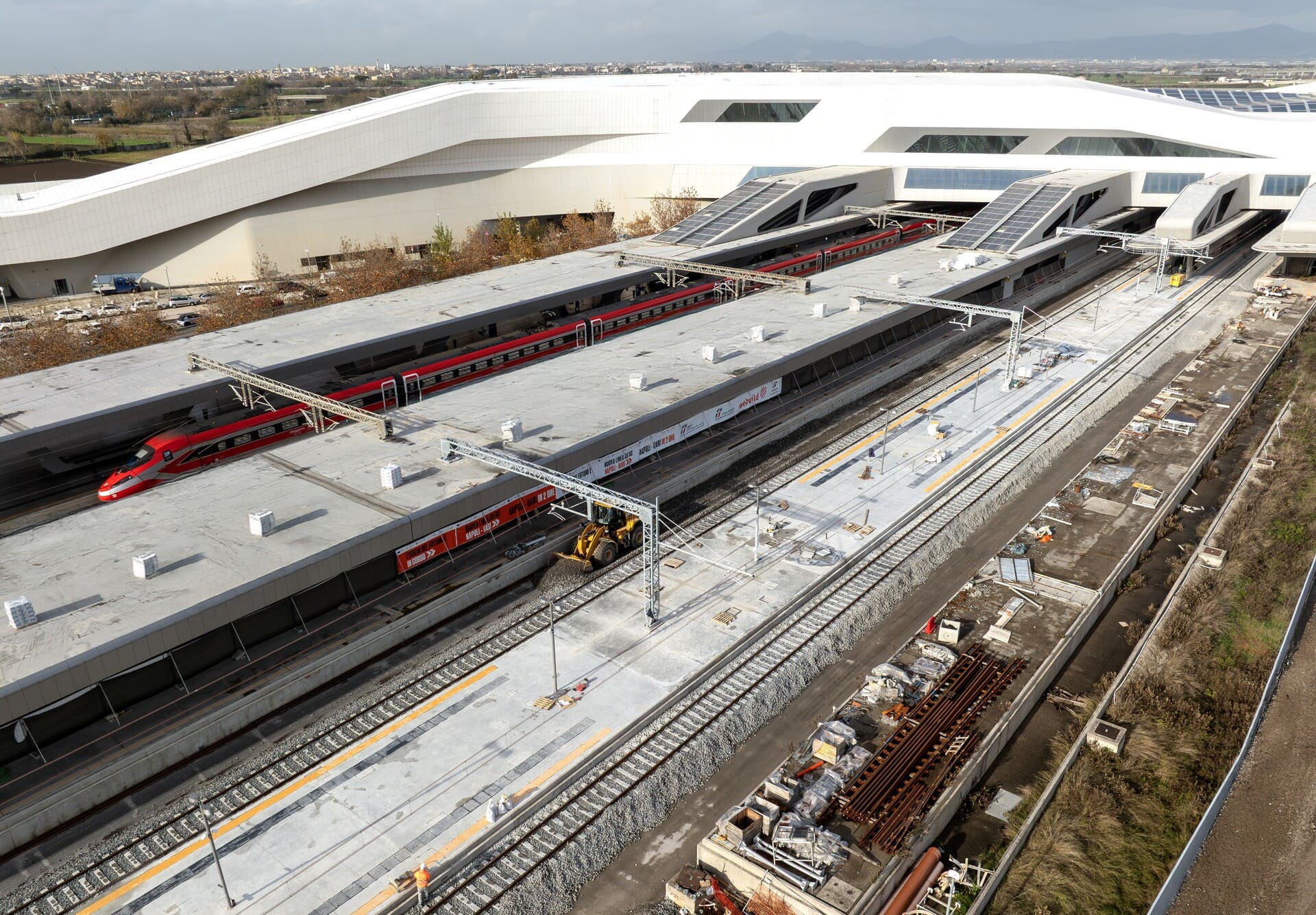 Napoli-Bari High-Speed Line construction site, Napoli-Cancello section
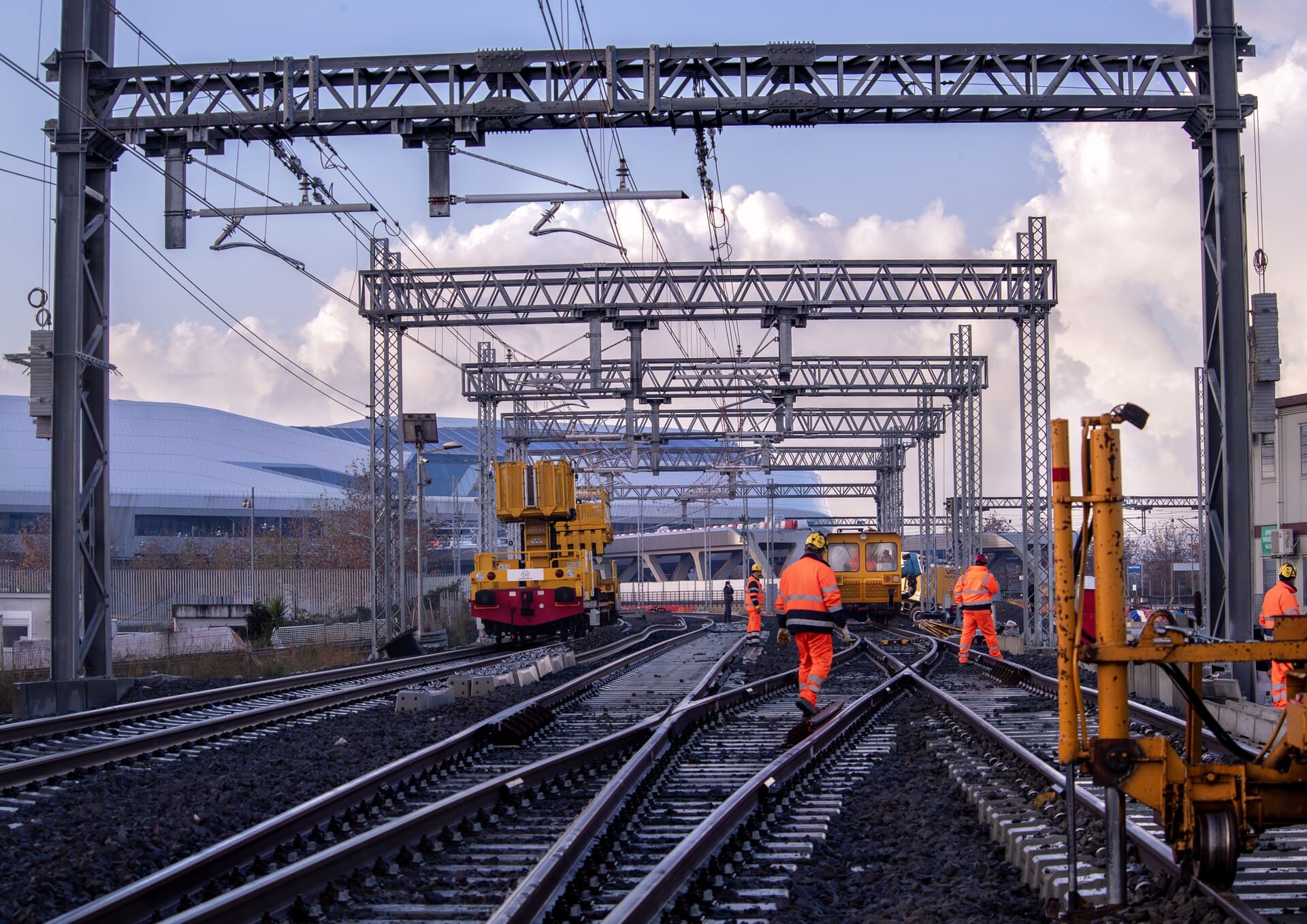 Napoli-Bari High-Speed Line construction site, Napoli-Cancello section
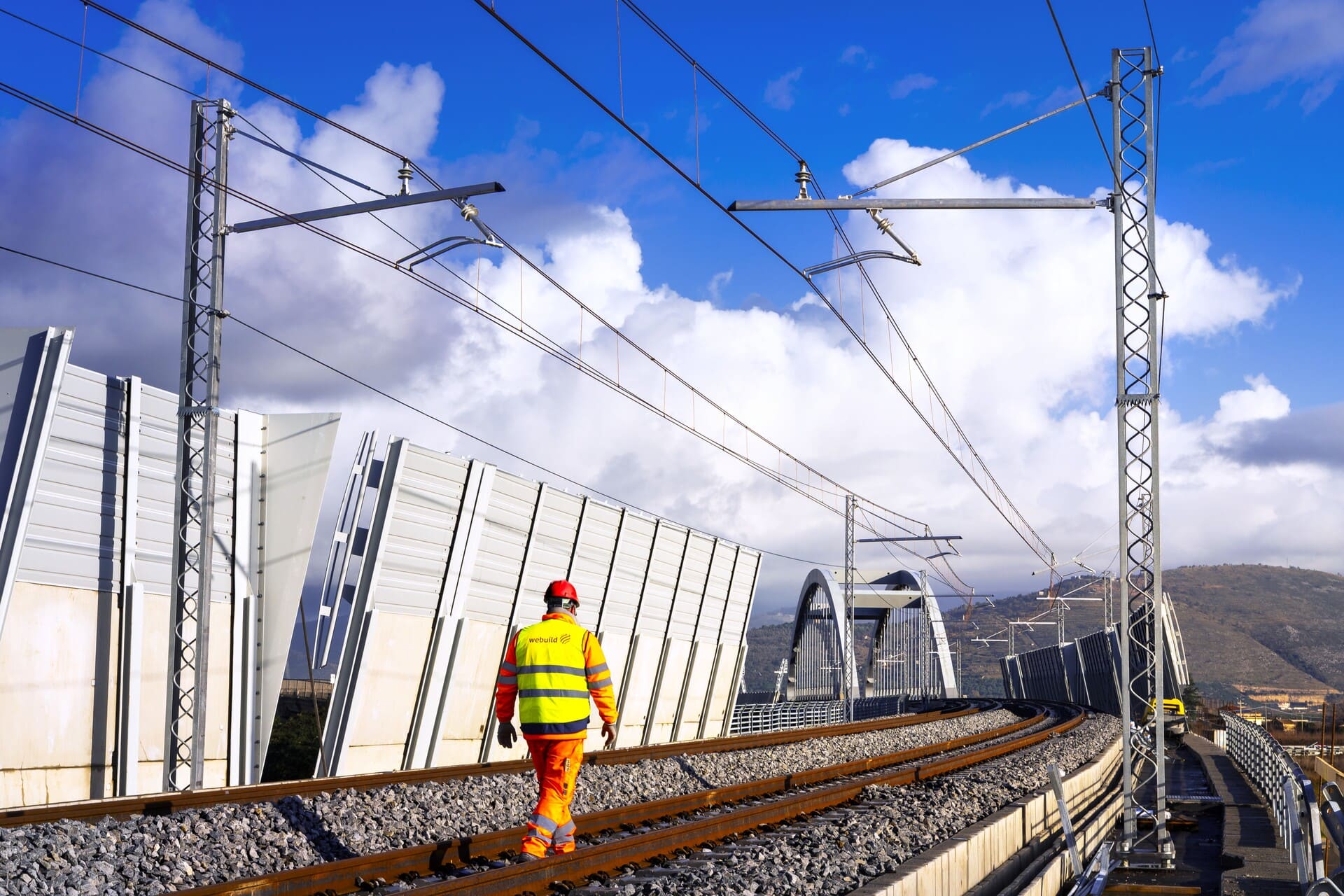 Napoli-Bari High-Speed Line construction site, Napoli-Cancello section
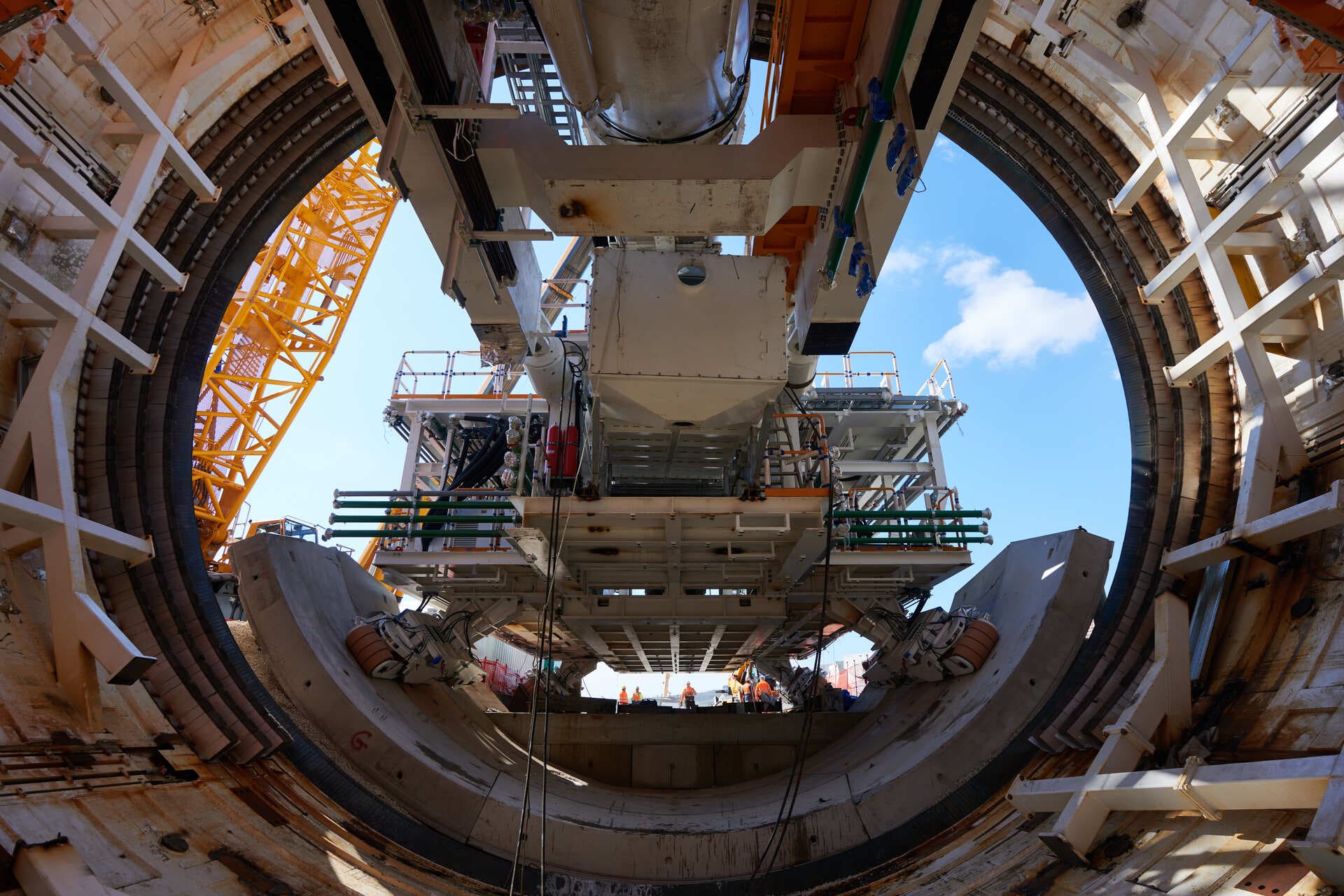 Salerno-Reggio Calabria High-Speed Line construction site, Battipaglia-Romagnano section
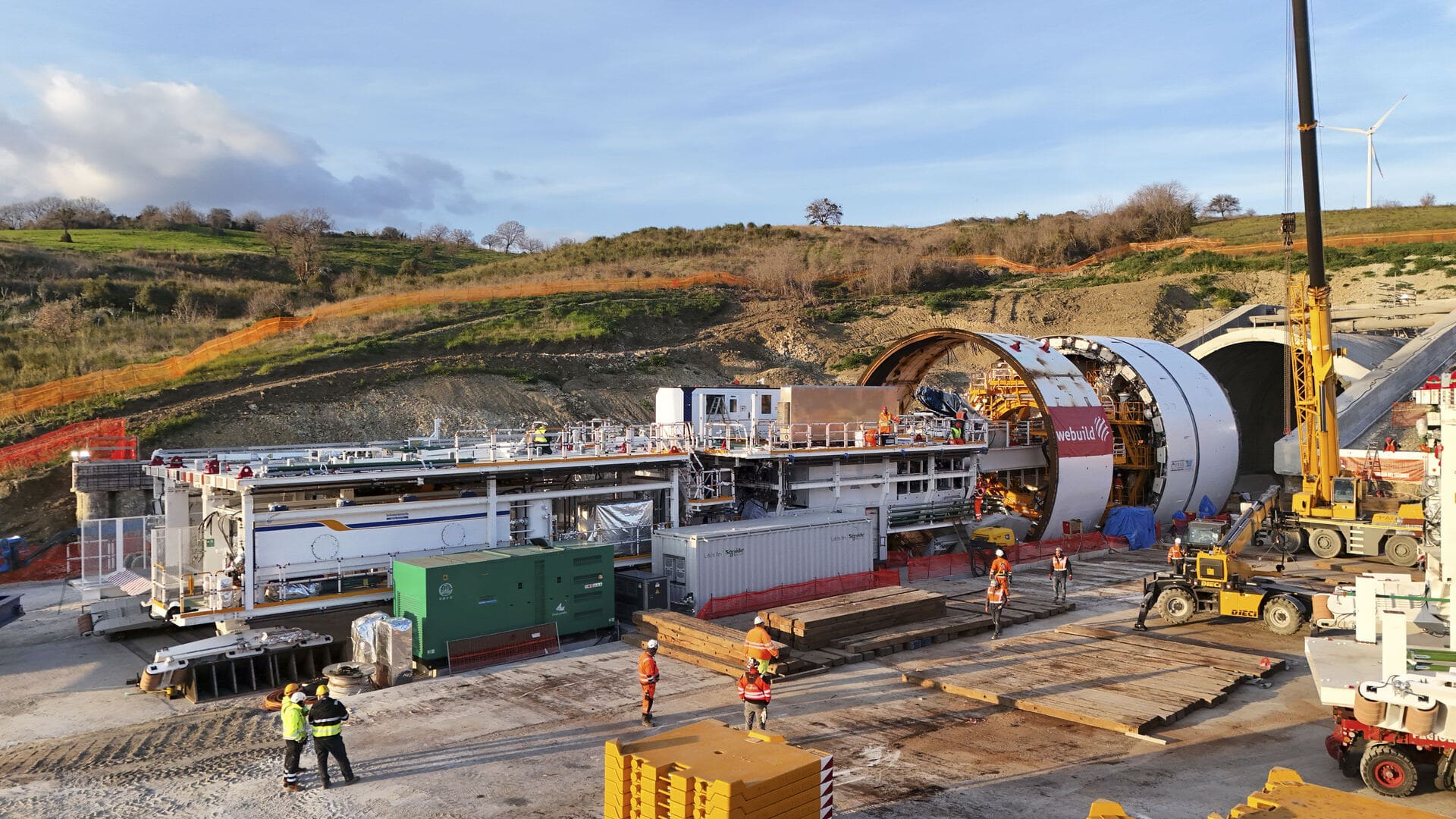 Salerno-Reggio Calabria High-Speed Line construction site, Battipaglia-Romagnano section
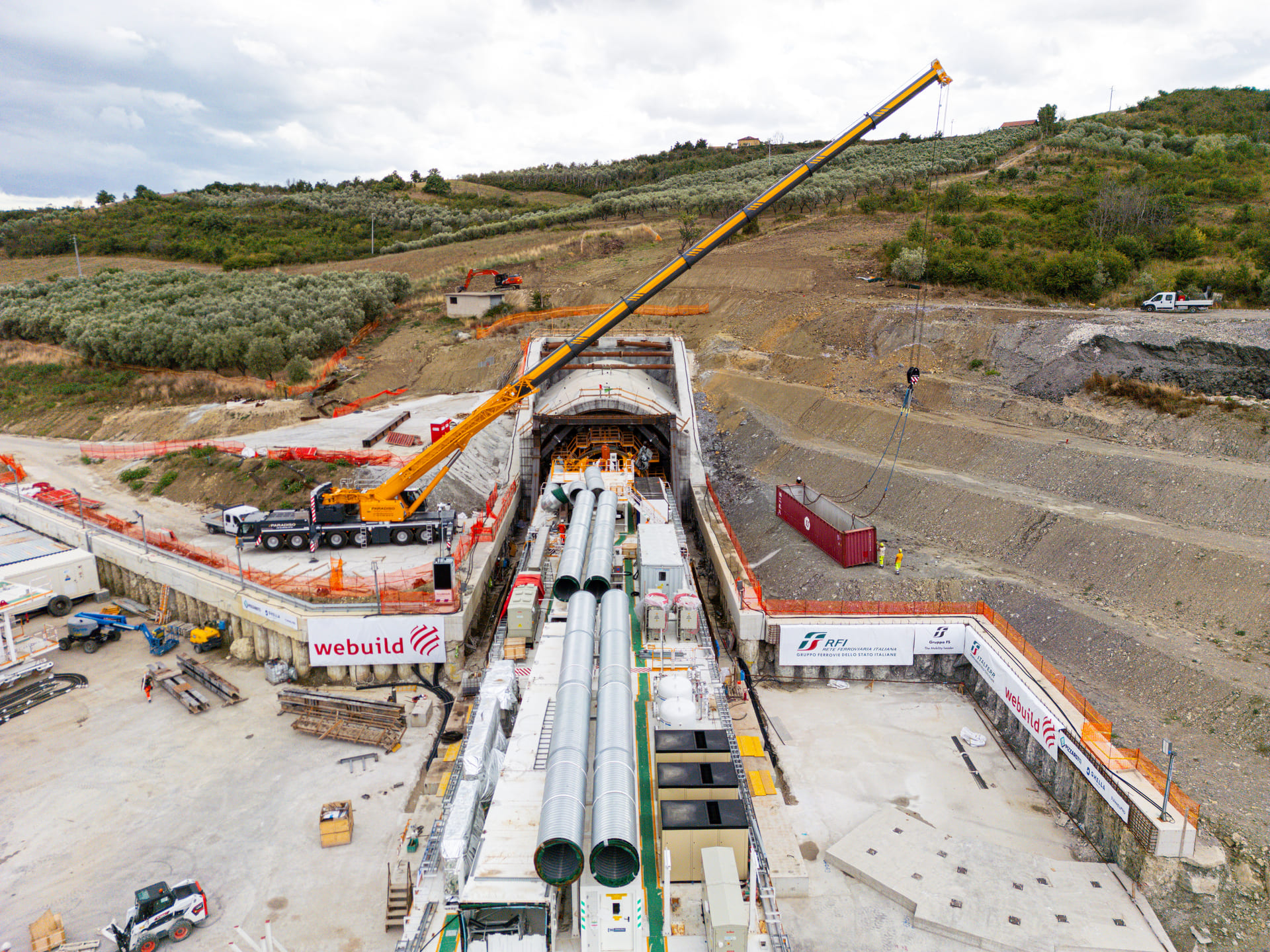 Salerno-Reggio Calabria High-Speed Line construction site, Battipaglia-Romagnano section
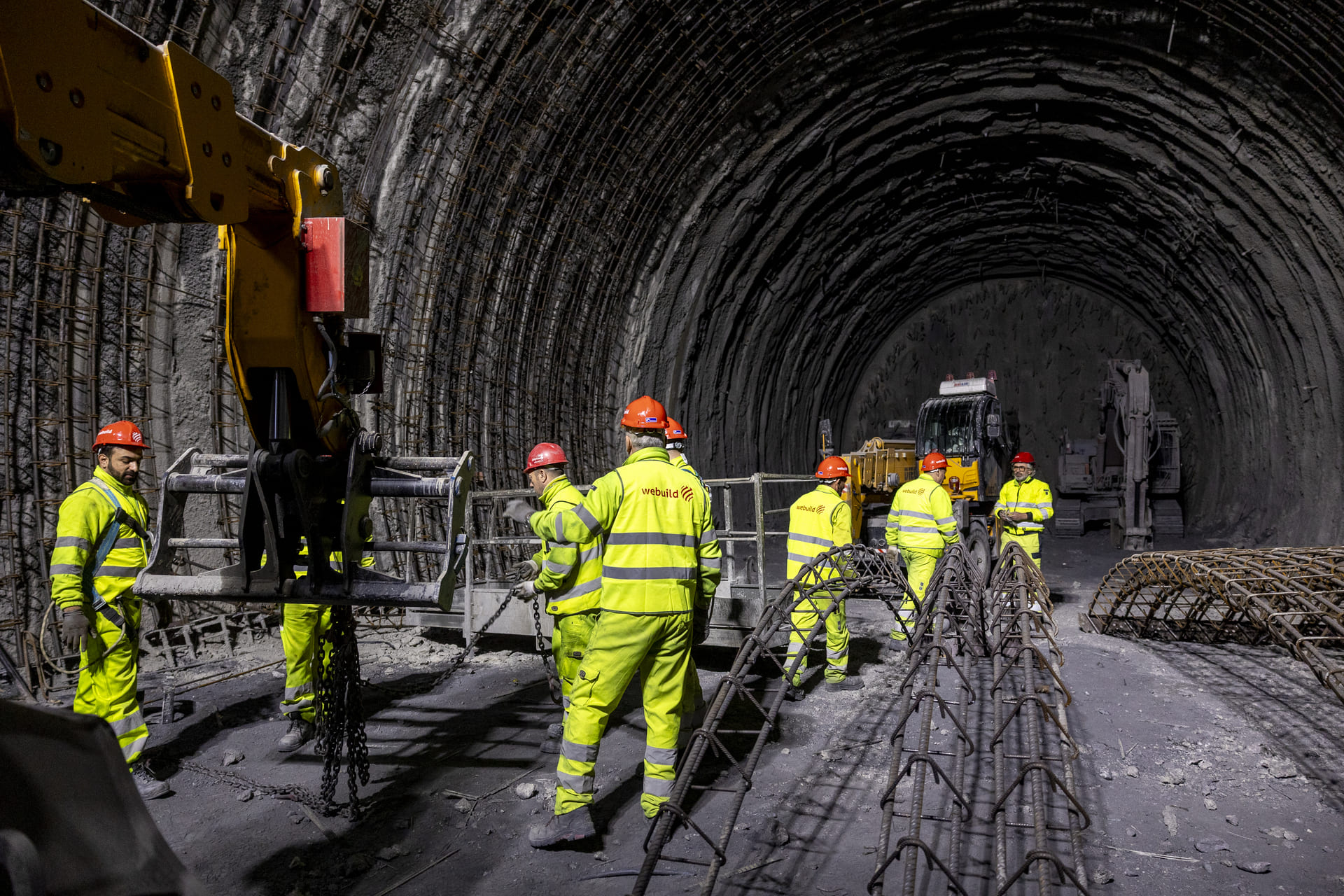 Terzo Valico dei Giovi construction site
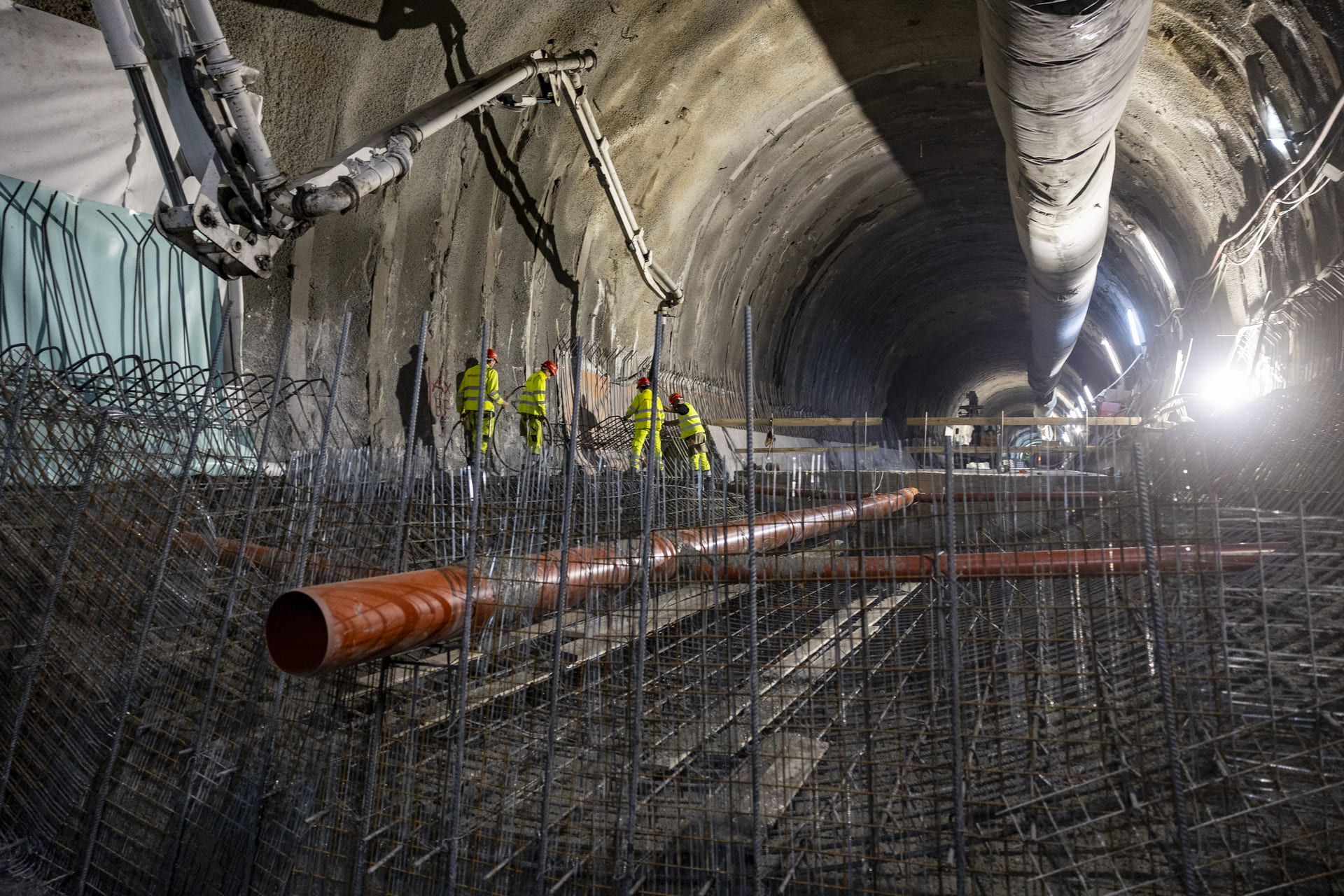 Terzo Valico dei Giovi construction site
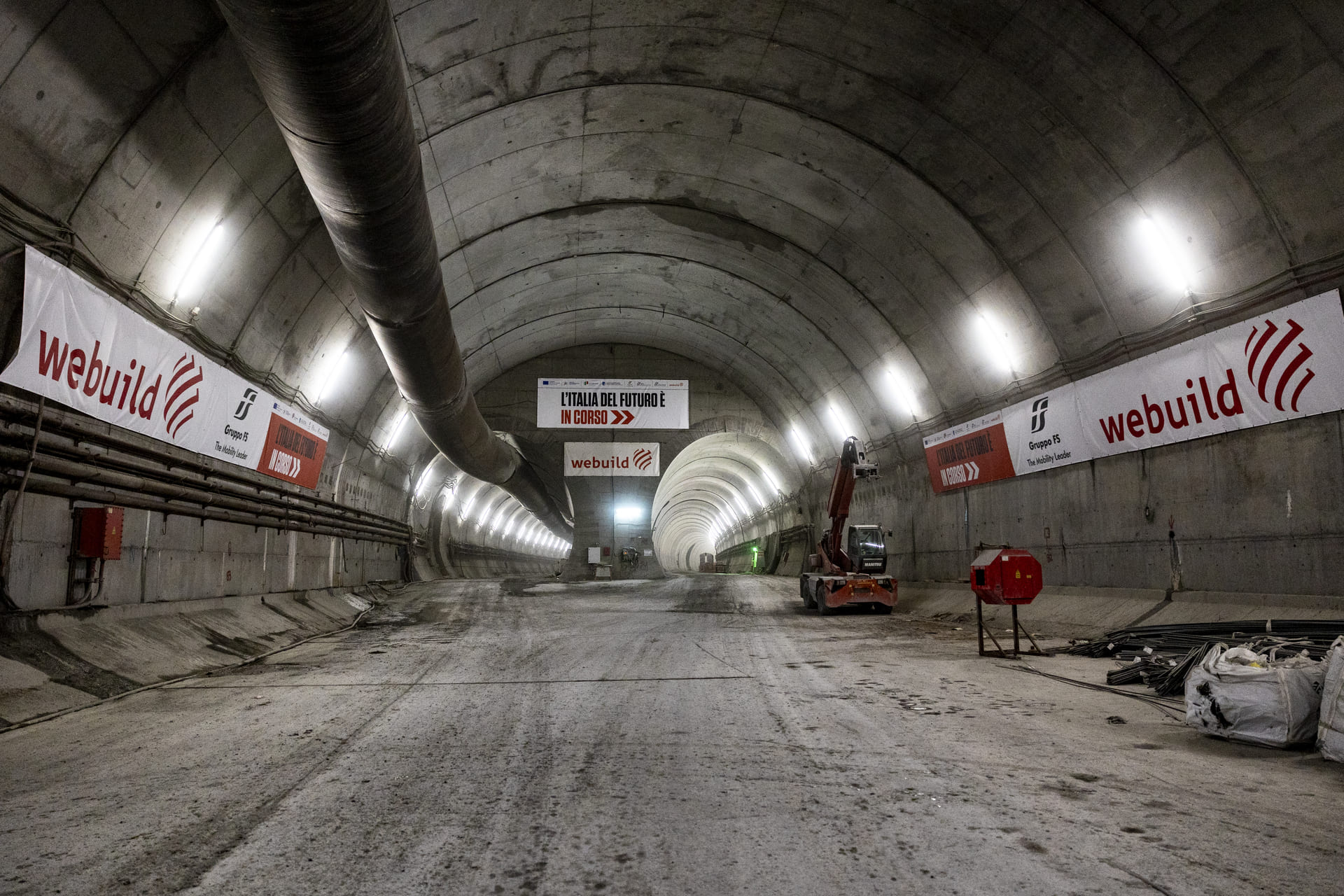 Terzo Valico dei Giovi construction site
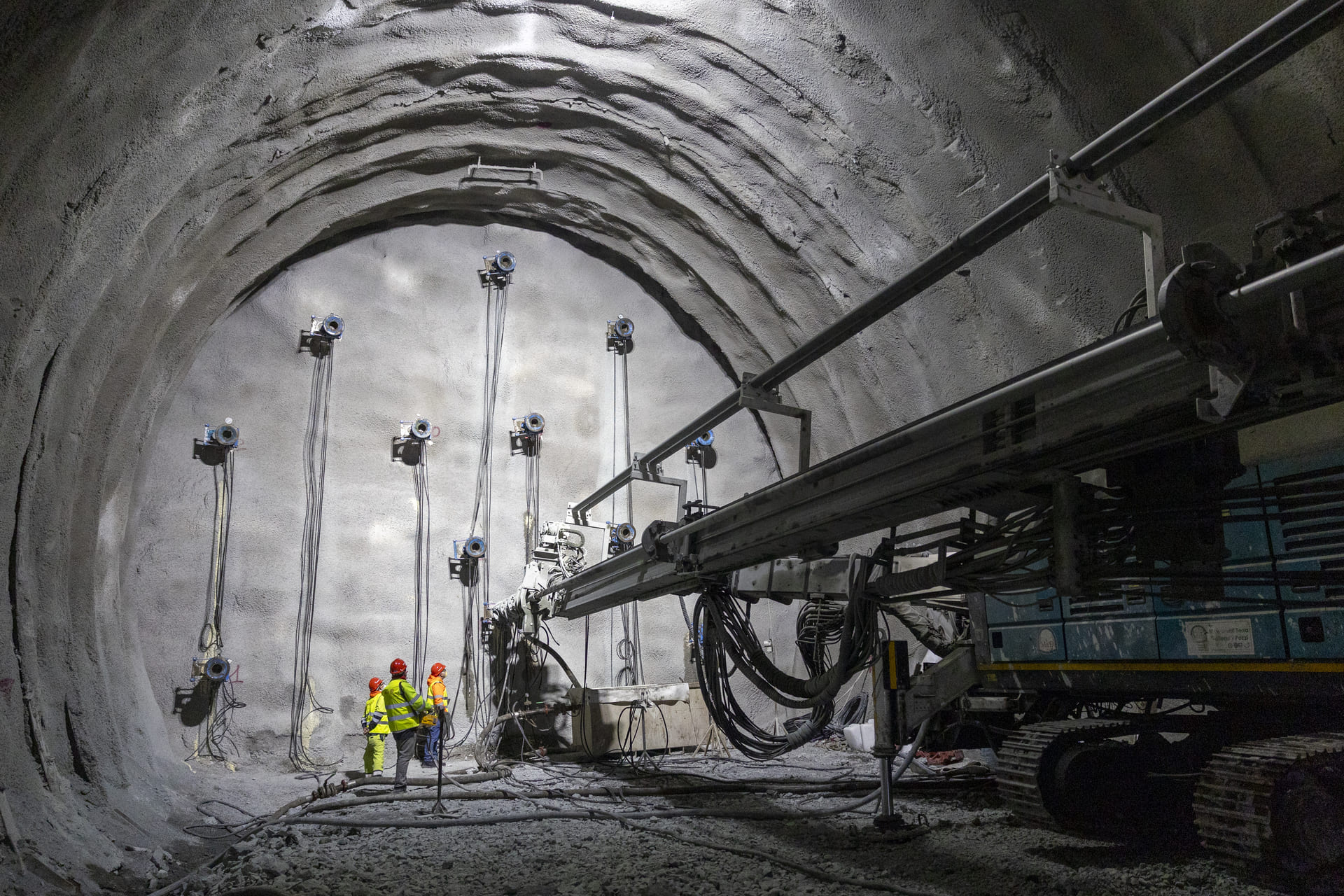 Terzo Valico dei Giovi construction site
- Italy accelerates along TEN-T corridors with more than 250 projects submitted worth €9.5 billion
- Major Alpine crossings are reshaping European flows: the Brenner (64 km) will be the longest railway tunnel in the world
- From Naples–Bari to Salerno–Reggio Calabria, the Scandinavia–Mediterranean network integrates southern Italy with Europe
- RFI has already awarded approximately €12.7 billion in PNRR works to modernise Italian infrastructure
- The ports of Genoa and Trieste are central to consolidating Italy’s role as a logistics hub


Between the Mediterranean, Alpine passes and major rail corridors, Italy is now more than ever the decisive transit point between southern traffic flows and the industrial heart of the continent. This centrality is not merely geographical, but built around infrastructure development and the launch of new construction sites capable of transforming a natural position into a genuine competitive advantage. It is precisely on this terrain that the new geography of the European infrastructure network is being defined.
In the new configuration of the European railway network, the country finds itself at the centre of a strategic game involving logistics, industry, mobility and economic policy alike. The Mediterranean is no longer simply a sea of transit, but the southern front through which Europe connects to global trade flows, and Italy is the territory more than any other that can convert this movement into value, industrial capacity and continental connectivity.
This issue lies at the heart of the special dossier of Aspenia, “Intelligent Infrastructure. A strategic vision for Italy’s development”, which reconstructs the role and figures of the TEN-T networks—the material backbone of a new European competitiveness.
The study reports that, in mid-July 2025, the Ministry of Infrastructure and Transport announced an additional €63 million in European co-financing for Italy, allocated to 15 TEN-T infrastructure projects, bringing the total allocation under the CEF Transport 2021–2027 programme to over €1.5 billion.
This figure confirms the country’s growing weight in European planning and sits within a broader context in which the Union continues to prioritise rail transport, interoperability and cross-border links as essential tools for competitiveness and decarbonisation.
The transformation is supported by unprecedented figures. In the past year alone, more than 250 infrastructure projects have been submitted under the Connecting Europe Facility for Transport programme, with a total value of €9.5 billion—clear evidence of rapidly growing infrastructure demand.
“In addition to the projects financed by the CEF for Transport programme,” the Aspenia special dossier notes, “further development projects are funded by the National Recovery and Resilience Plan (PNRR), of which the modernisation of the Italian railway network is one of the main pillars. According to RFI (the public company managing Italy’s railway network), the PNRR has financed the installation of the European Rail Traffic Management System (ERTMS) on 1,400 km of rail lines, with an investment of €2.5 billion.
This investment forms part of a programme that will cover more than 2,800 km by 2026, reducing bottlenecks and increasing safety and interoperability across both the national and European network. Overall, RFI has already awarded approximately €12.7 billion in PNRR works, out of a total of around €24 billion allocated to it, enabling the opening of key construction sites to strengthen the north–south axis and integrate Italy into the TEN-T Scandinavia–Mediterranean corridor.”
TEN-T Networks: Italian Infrastructure for the European Transport System
When observed closely, the TEN-T networks reveal a simple truth: Europe works if its connections work. And today, a decisive share of these connections runs through Italy.
The corridors crossing the country link the Ligurian and Adriatic port systems with Northern Europe, the South with the continental backbone, and the industrial hubs of the North with eastern and Balkan markets. It is here that construction sites take on a significance that goes far beyond the national scale.
The most emblematic case is the Terzo Valico dei Giovi, the high-speed railway line that will connect Genoa with Milan across 53 kilometres of track, 36 of which run through tunnels. The infrastructure project, carried out by the Cociv Consortium led by the Webuild Group, will open the Port of Genoa to major continental flows and strengthen the Rhine-Alps corridor – one of Europe’s most important freight transport axes.
The same logic applies along the Alpine front, where the Brenner Base Tunnel represents one of the most eagerly anticipated connections in the European rail network. This project, also entrusted to a consortium led by the Webuild Group, will deliver a 64-kilometre high-speed railway line, transforming the Brenner into the longest underground railway tunnel in the world and shortening the route between Fortezza and Innsbruck by around 20 kilometres.
Further north, construction is underway on the Verona–Padua rail line, one of the key sections for the North-East and for the entire Mediterranean corridor. The line will extend for 76.5 kilometres and is set to complete the high-speed railway connection between Milan and Venice while also strengthening the integration of European transport networks along the axis linking the Iberian Peninsula with Eastern Europe.
It is an infrastructure project that clearly illustrates the deeper nature of TEN-T: not merely connecting cities, but binding together production systems, logistics platforms, industrial territories and international gateways to the European market.
Infrastructure Projects in Southern Italy: Webuild’s Construction Sites and the Country’s New Backbone
If the North is the gateway to continental Europe, the South is the terrain on which Italy’s ability to become a truly unified platform is tested, rather than a sum of separate transportation networks. It is here that ongoing railway construction projects take on not only infrastructural but also political significance: uniting the country means strengthening Europe, because without continuity along the north–south axis, the TEN-T network remains incomplete.
The Naples–Bari line is one of the most representative projects of this transformation – a 145-kilometre high-speed railway route that will reshape the South’s logistical weight, reducing internal distances and reconnecting the Tyrrhenian and Adriatic sides of the peninsula. The Webuild Group is currently engaged on several sections, with a programme involving the construction of 9 tunnels, 25 viaducts and 16 new stations and stops.
Like the Naples–Bari rail line, the Salerno–Reggio Calabria project will also extend the TEN-T networks into southern Italy. To grasp the scale of this infrastructure project, it is sufficient to consider Lot 1A Battipaglia–Romagnano, built by Webuild, which stretches over 35 kilometres with a design speed of up to 300 km/h. Of these, around 18 kilometres run underground, while the plan includes the construction of 19 viaducts covering a total of approximately 6 kilometres, as well as the use of four TBMs to excavate the main tunnels.
This reflects a transport infrastructure designed to reshape mobility in the Mezzogiorno, bringing historically slower regions closer to major European transport corridors and integrating the South into the Scandinavia–Mediterranean corridor not as a peripheral appendage, but as an active part of the network.
In this sense, the value of the infrastructure project goes beyond – even if it includes – the crucial issue of reducing travel times: it concerns the rebalancing of the country and the possibility of making the South a fully-fledged component of Europe’s logistics network.
From Ports to Railways: Italy as a Logistics Hub for the New Europe
The real issue, however, is not only how many projects are underway, but what they will produce once integrated into a transport system. A railway line, taken in isolation, is simply infrastructure. Connected to ports, freight terminals, logistics hubs, urban nodes and international corridors, it instead becomes a machine for transforming the economy.
This is where the argument developed by Aspenia becomes central again. Italy can become the junction point between continental Europe, the Mediterranean and emerging global axes – but only if it succeeds in turning corridors drawn on maps into networks that are genuinely operational, continuous and interoperable.
For this reason, Italy now faces a decisive moment. On one side are the ports of Genoa and Trieste, already central to global trade routes and set to grow further if supported by adequate hinterland facilities and rail connections. On the other are the major railway construction sites that are stitching the country together along the north–south axis and across east–west routes. In between stand the companies capable of designing and building this new material backbone.
Ultimately, the TEN-T challenge is played out entirely here: in the transition from geographical centrality to constructed centrality. And in this transition, Italy now has a rare – perhaps unrepeatable – opportunity. Not merely to sit at the centre of the map, but to become the place where the new Europe of connections truly takes shape.