


Some infrastructure projects have not simply accompanied the growth of a country: they have defined the way people move, communicate and develop. Roads, high-speed rail lines and transport networks have transformed previously disconnected territories, brought cities and regions closer together, and supported Italy’s major phases of economic and social change.
From post-war reconstruction to industrial growth and the new demands of contemporary mobility, these projects have provided the physical foundation on which the country’s modernisation was built. In these works, engineering excellence intertwines with national history, as every connection created has helped reduce distances, generate new opportunities and support the evolution of Italy’s territories.
1 – Autostrada del Sole (A1 Motorway)
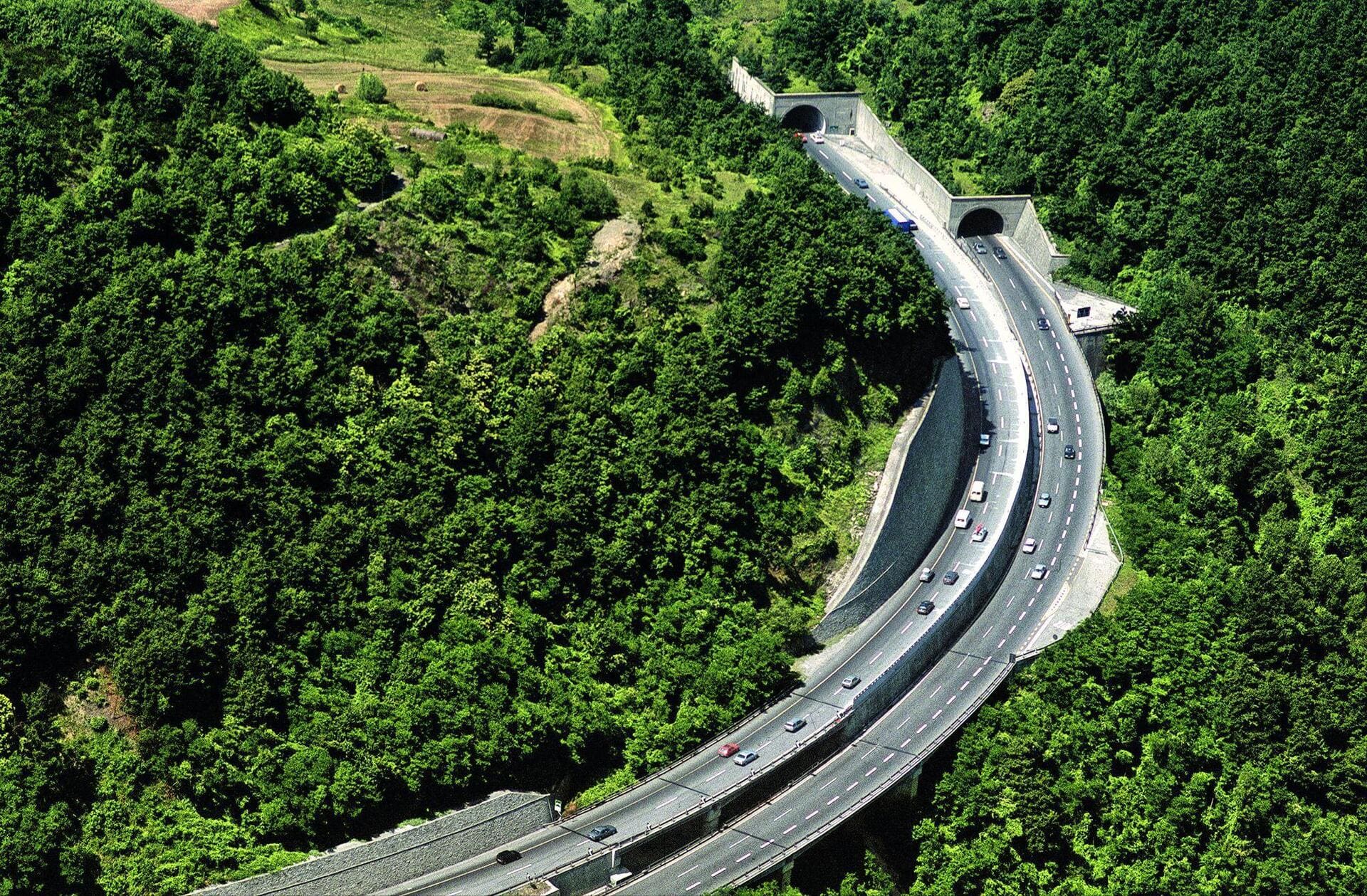
The Autostrada del Sole (A1) is one of the infrastructure projects that best represents Italy’s transformation after World War II, becoming the symbol of a country that was beginning to bring territories and communities closer together despite great distances.
Built between 1956 and 1964, the motorway crosses the peninsula from Milan to Naples for more than 750 kilometres, overcoming a complex landscape through viaducts, tunnels and major engineering works.
The Webuild Group also contributed to its construction through the companies that have been part of its history, taking part in the development of some of the infrastructure’s key sections.
More than just a motorway, the A1 has become a backbone of the country, supporting Italy’s economic growth and creating a new geography of national connections.
2 – Rome Metro – Line C
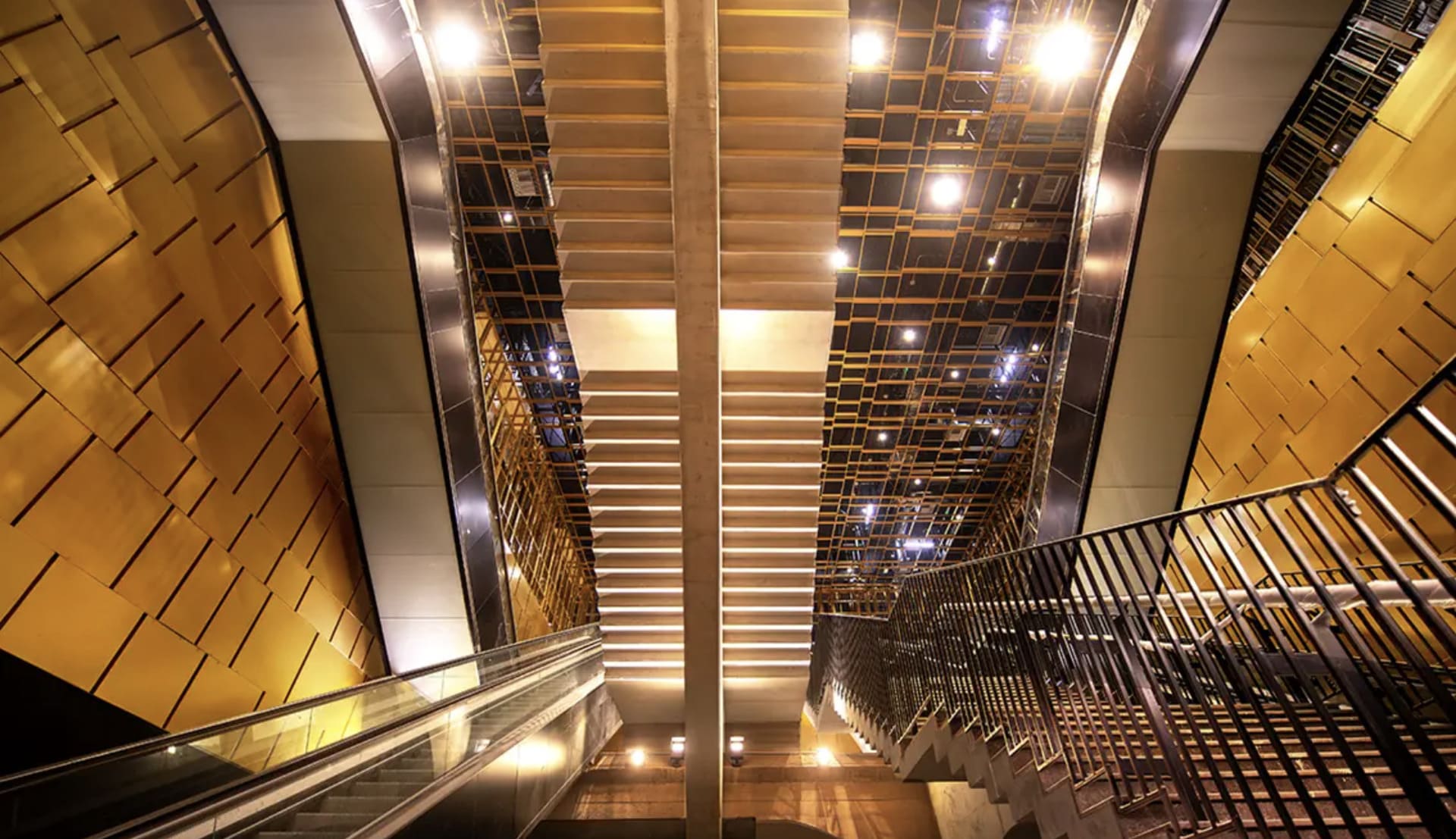
In the heart of the capital, Rome Metro Line C represents one of the most ambitious projects aimed at transforming urban mobility, combining innovation with the preservation of historical heritage.
Built with the contribution of the Webuild Group, the new Rome metro line runs beneath the city’s streets, connecting peripheral areas and the historic centre through an infrastructure designed to coexist with one of the world’s richest archaeological landscapes.
Between tunnels, new stations and solutions developed to protect traces of the past, the project demonstrates how major infrastructure can support the evolution of a centuries-old city without interrupting its history.
With its automated system and a route designed to expand and connect different areas of the capital, Rome Metro Line C represents a new way of experiencing the Italian capital: more connected and sustainable.
3 – Rome–Florence Direttissima High-Speed Rail Line
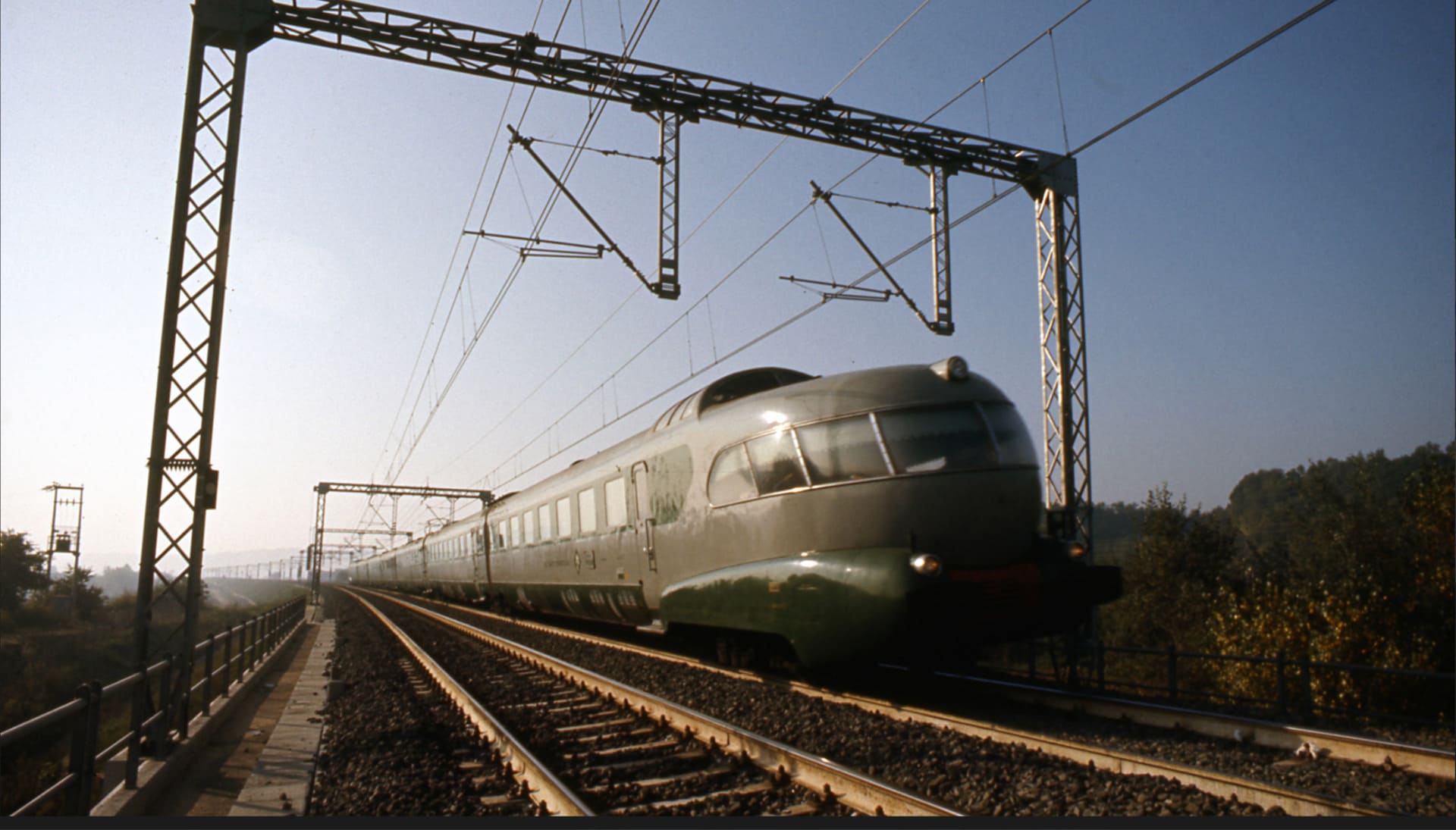
Between Rome and the Tuscany region, the Direttissima railway line represented a turning point in the history of Italian mobility, anticipating the modern concept of high-speed rail and radically reducing distances between two of the country’s most important cities.
Opened progressively from 1977 and completed in the following years, the line introduced a new railway model based on speed, capacity and greater efficiency, thanks to a more direct route than the historic line and numerous engineering works, including tunnels and viaducts.
The Webuild Group also contributed to its construction through the companies that have been part of its history over time, participating in a project that marked the evolution of Italy’s trains and railway transport system.
Today, the Rome–Florence Direttissima remains a strategic axis of the national and European network, connecting territories and people along one of the country’s main mobility corridors.
4 – Autostrada dei Laghi
Between Milan and the lakes of Lombardy, one of the ideas that anticipated the future of mobility was born: the Autostrada dei Laghi, considered one of the world’s first modern motorways designed exclusively for automobile traffic.
Opened in 1924, the project introduced a new approach to travel, with a dedicated route designed for speed and free from the typical intersections and disruptions of traditional roads.
Connecting Milan with Varese and Lake Como, it became a model that would influence the development of major motorway networks throughout the 20th century, transforming the car from an individual means of transport into a tool for connecting territories and communities.
5 – A4 Turin–Trieste Motorway
From Turin to Trieste, the A4 motorway crosses one of Italy’s most important economic corridors, connecting some of the country’s most dynamic industrial and productive areas along more than 500 kilometres of route.
Developed progressively from the 1930s and completed over the following decades, the “Serenissima” motorway supported the growth of Northern Italy, linking cities, industrial districts and territories at the heart of the country’s manufacturing system.
Over time, it has become one of the main arteries of Italian and European mobility, integrating with major continental transport networks and demonstrating how infrastructure can become a decisive factor for economic growth and territorial competitiveness.