


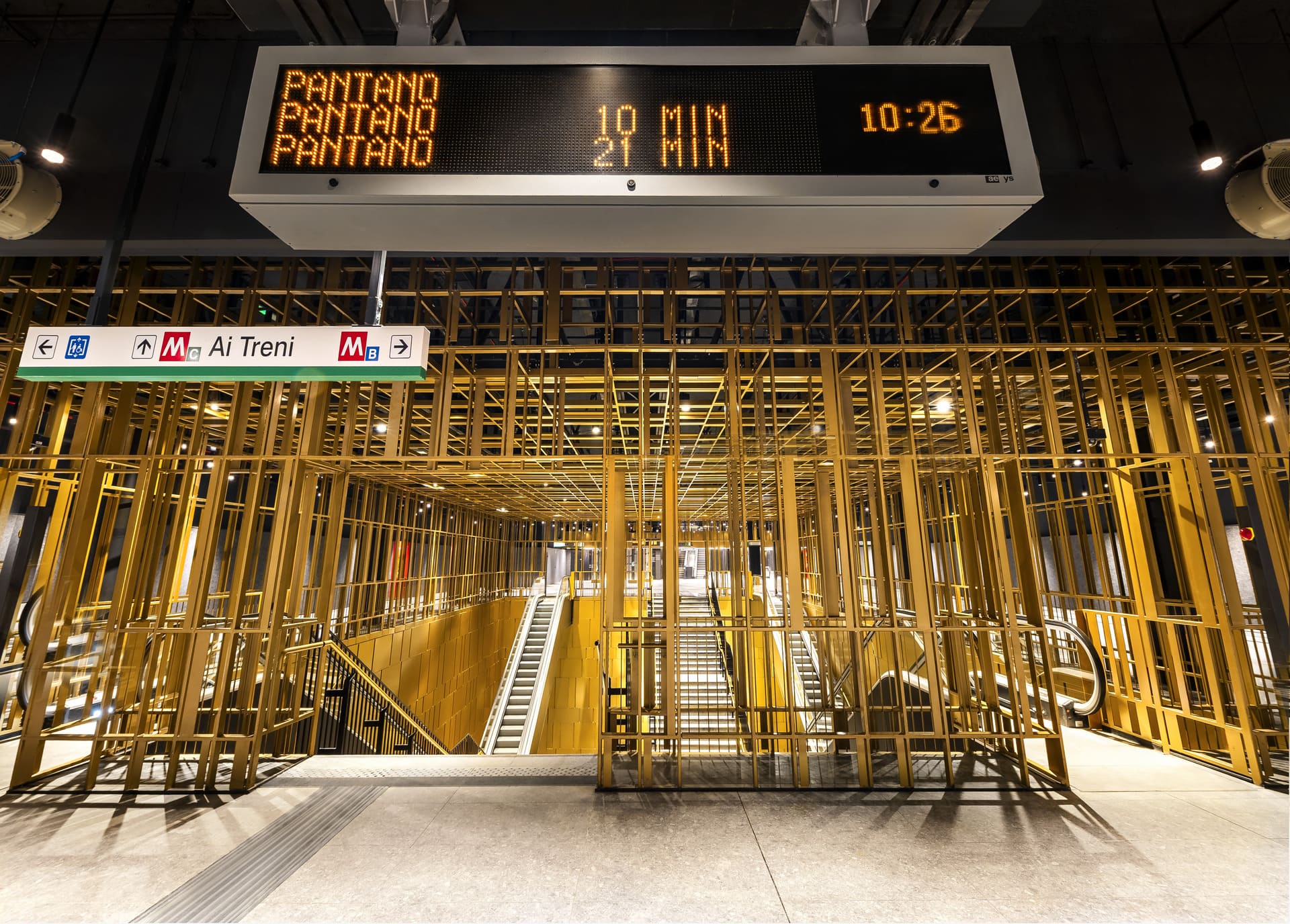
 Colosseo-Fori Imperiali Station, Line C, Rome
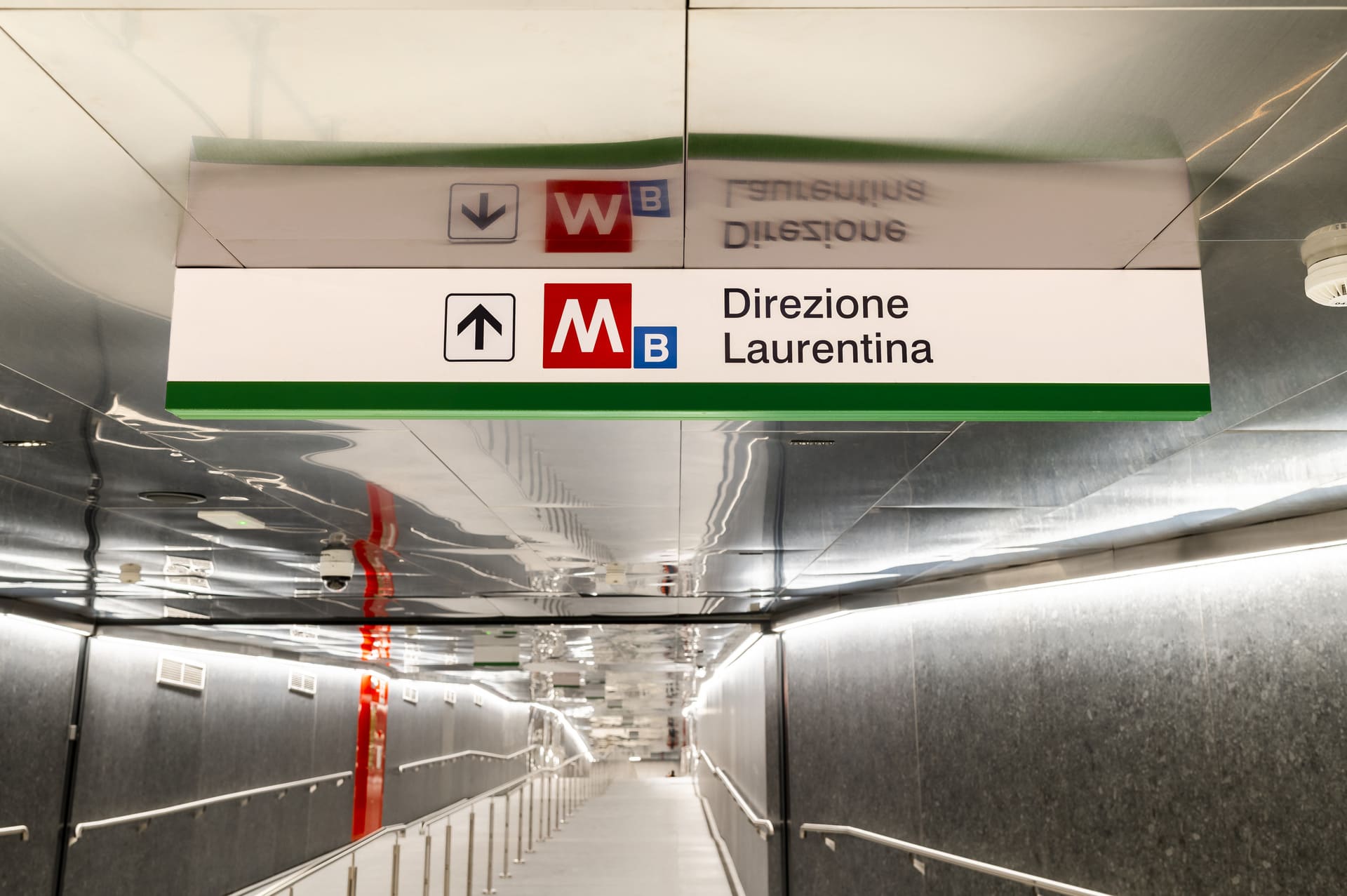 Colosseo-Fori Imperiali Station, Line C, Rome
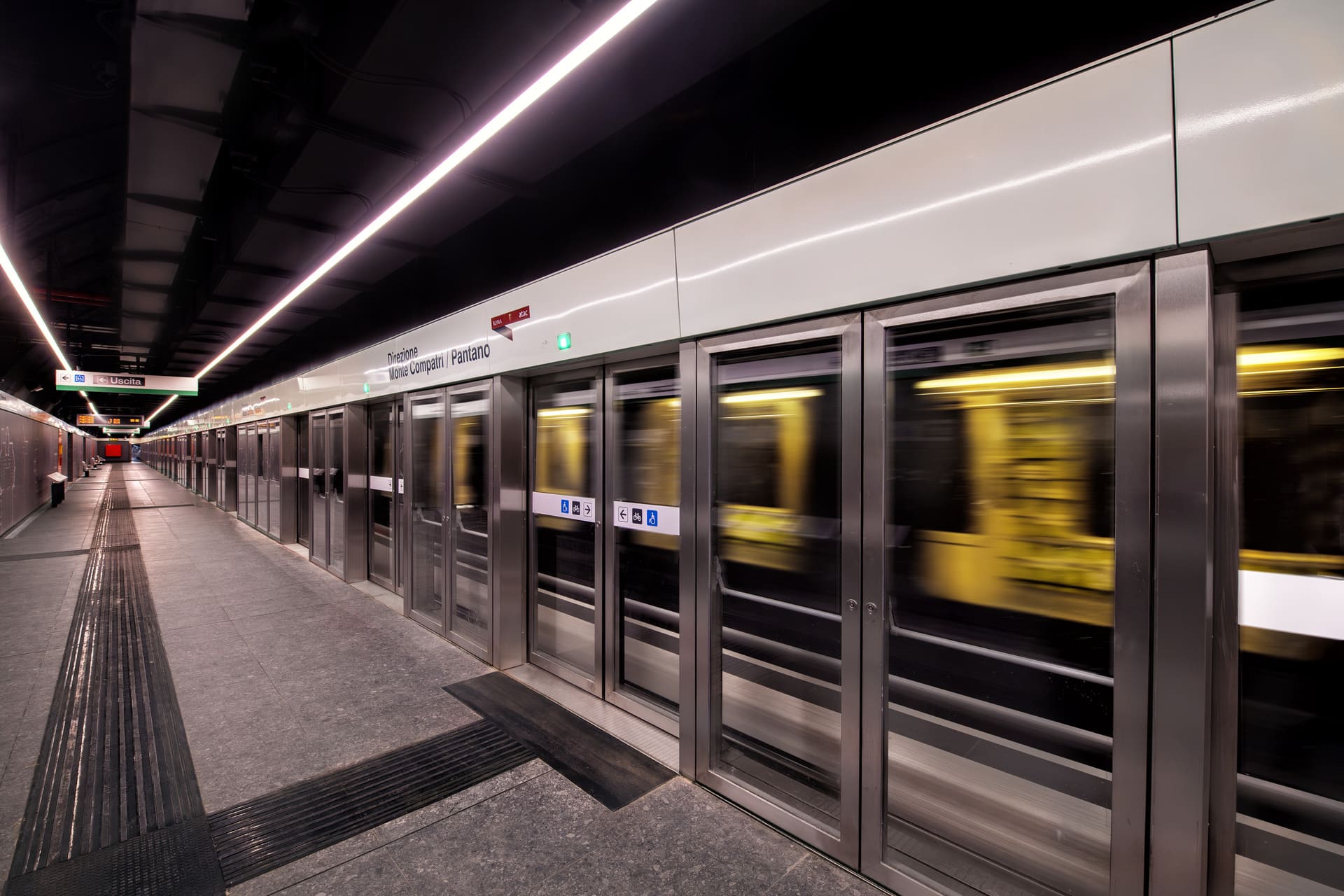 Colosseo-Fori Imperiali Station, Line C, Rome
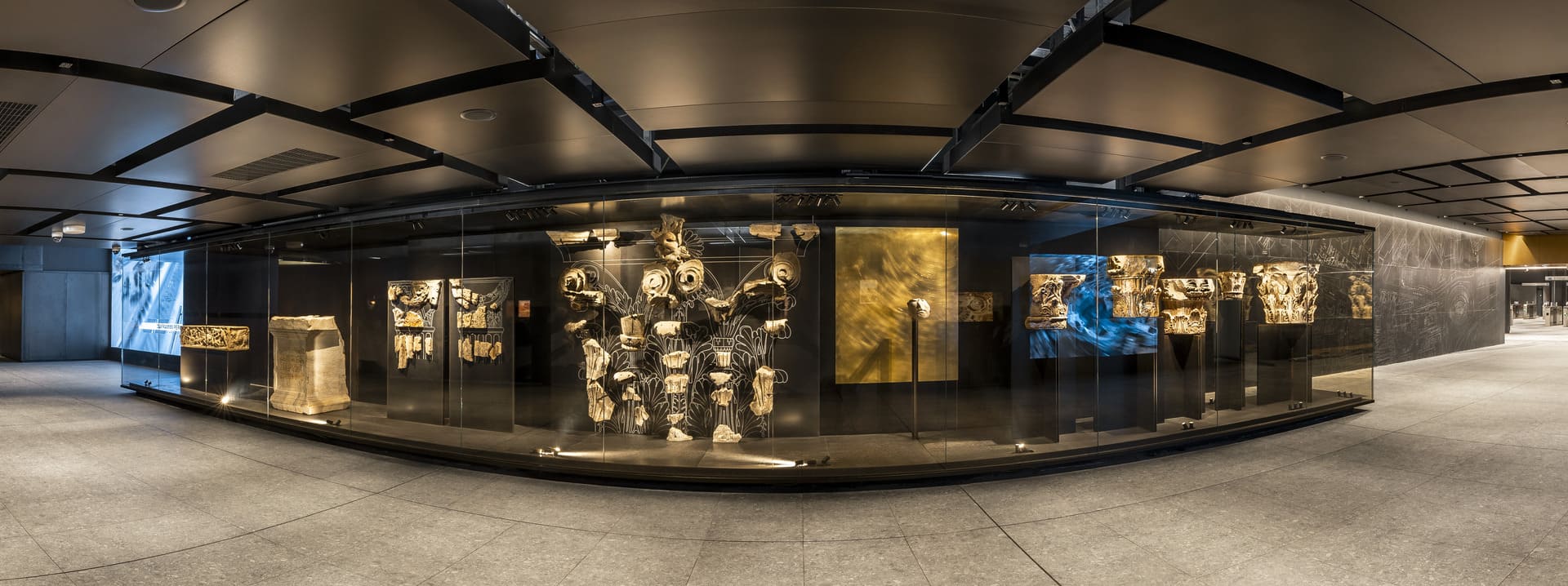 Colosseo-Fori Imperiali Station, Line C, Rome
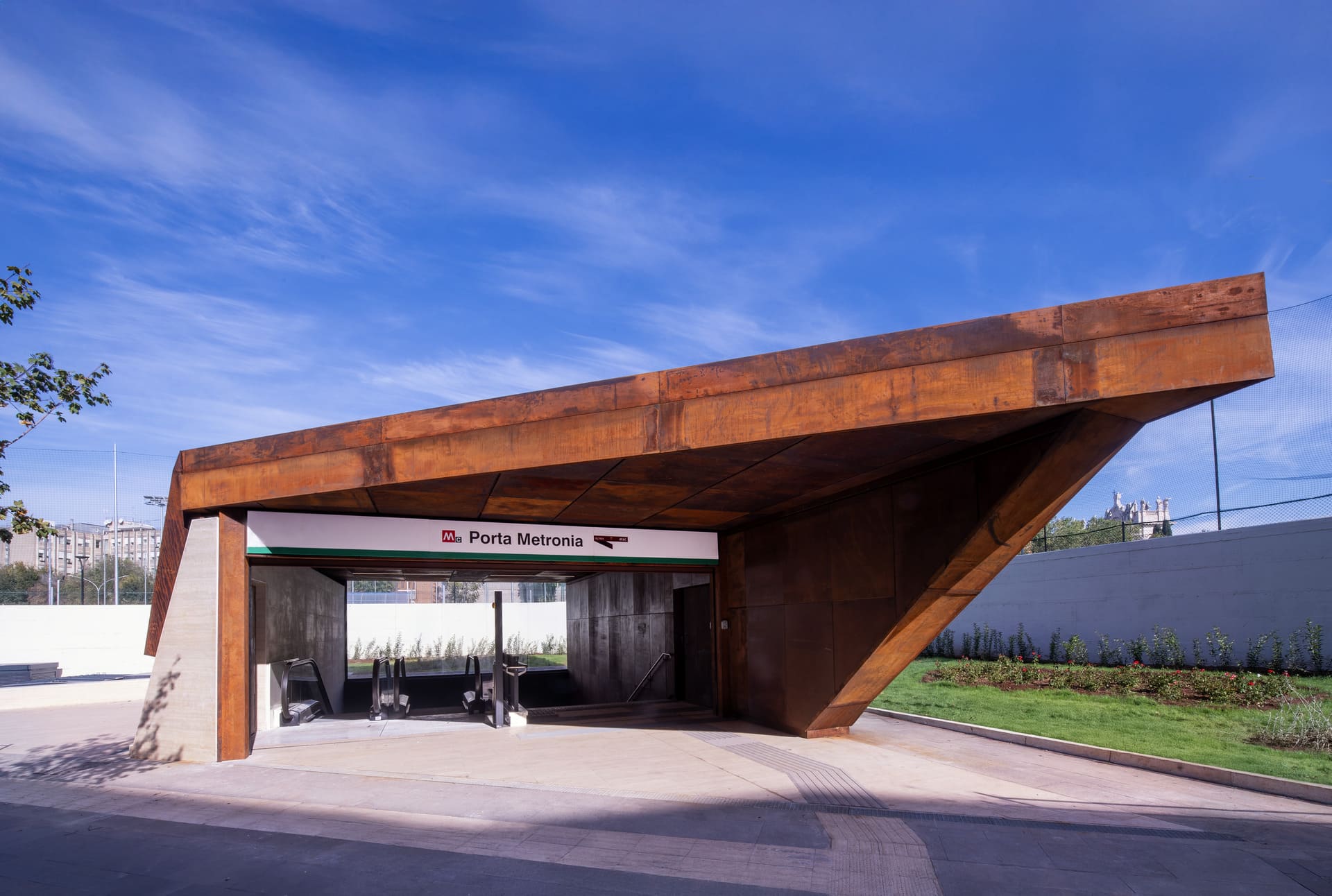 Porta Metronia Station, Line C, Rome
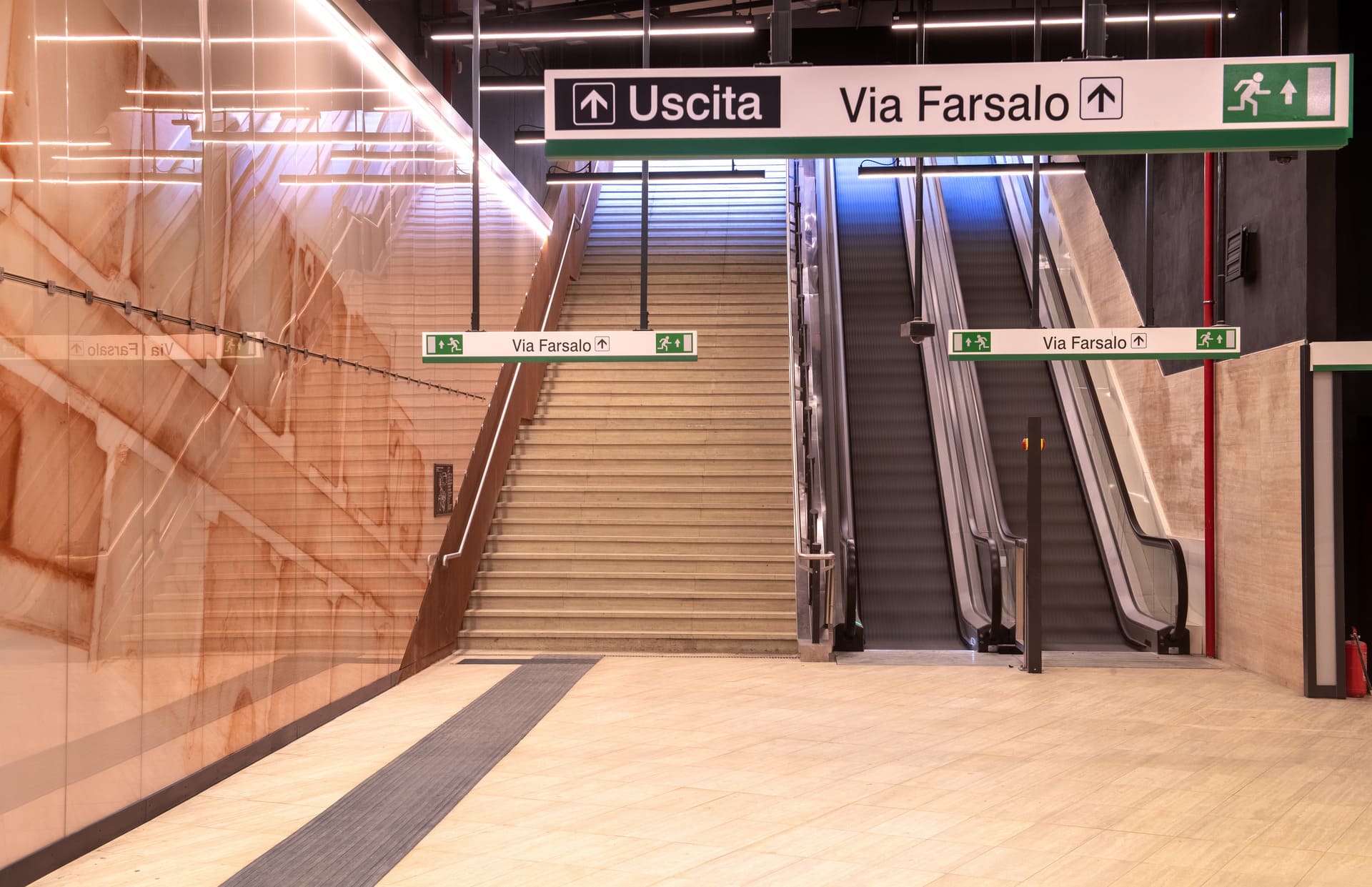 Porta Metronia Station, Line C, Rome
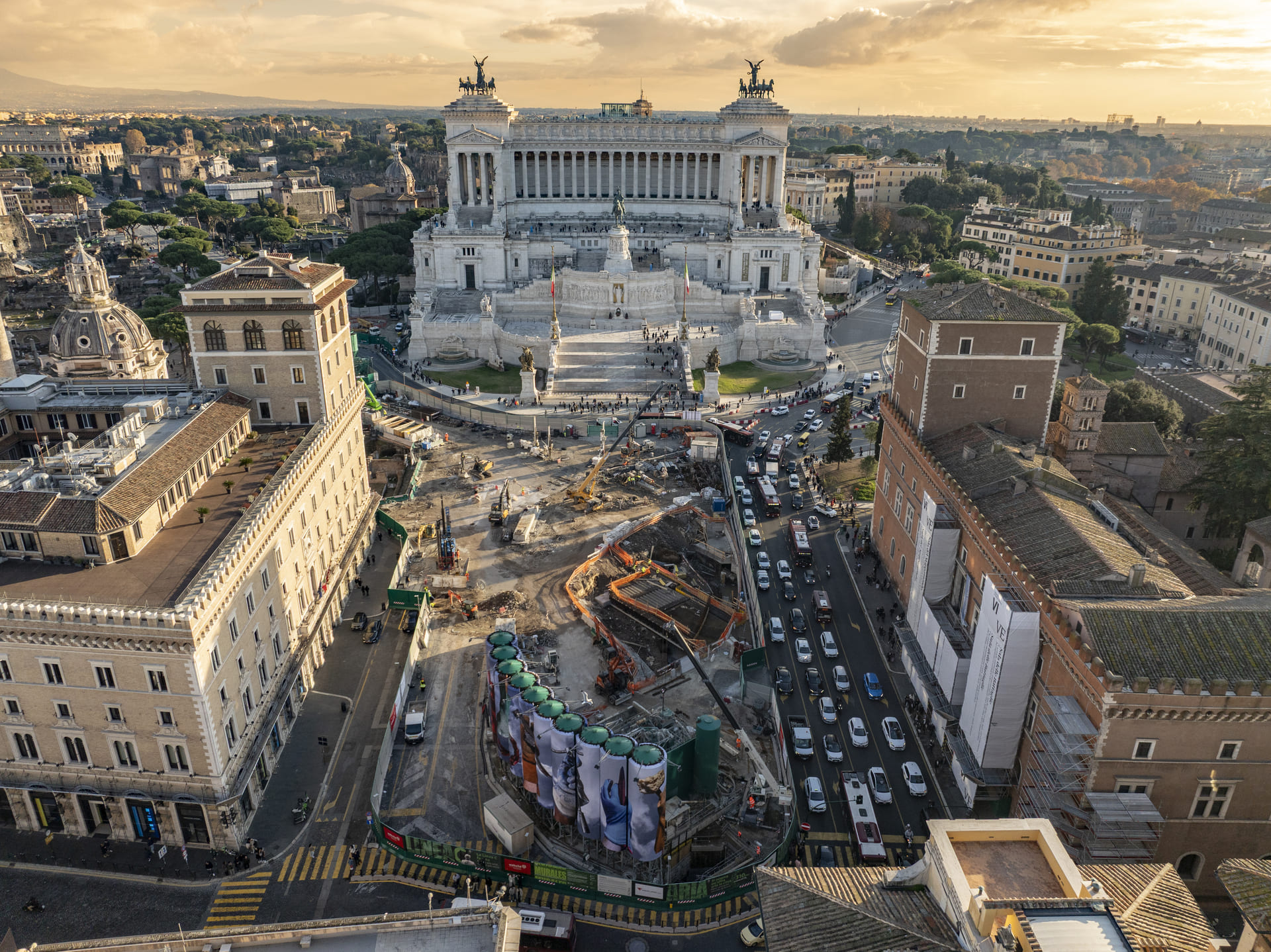 Piazza Venezia Line C Construction Site, Rome
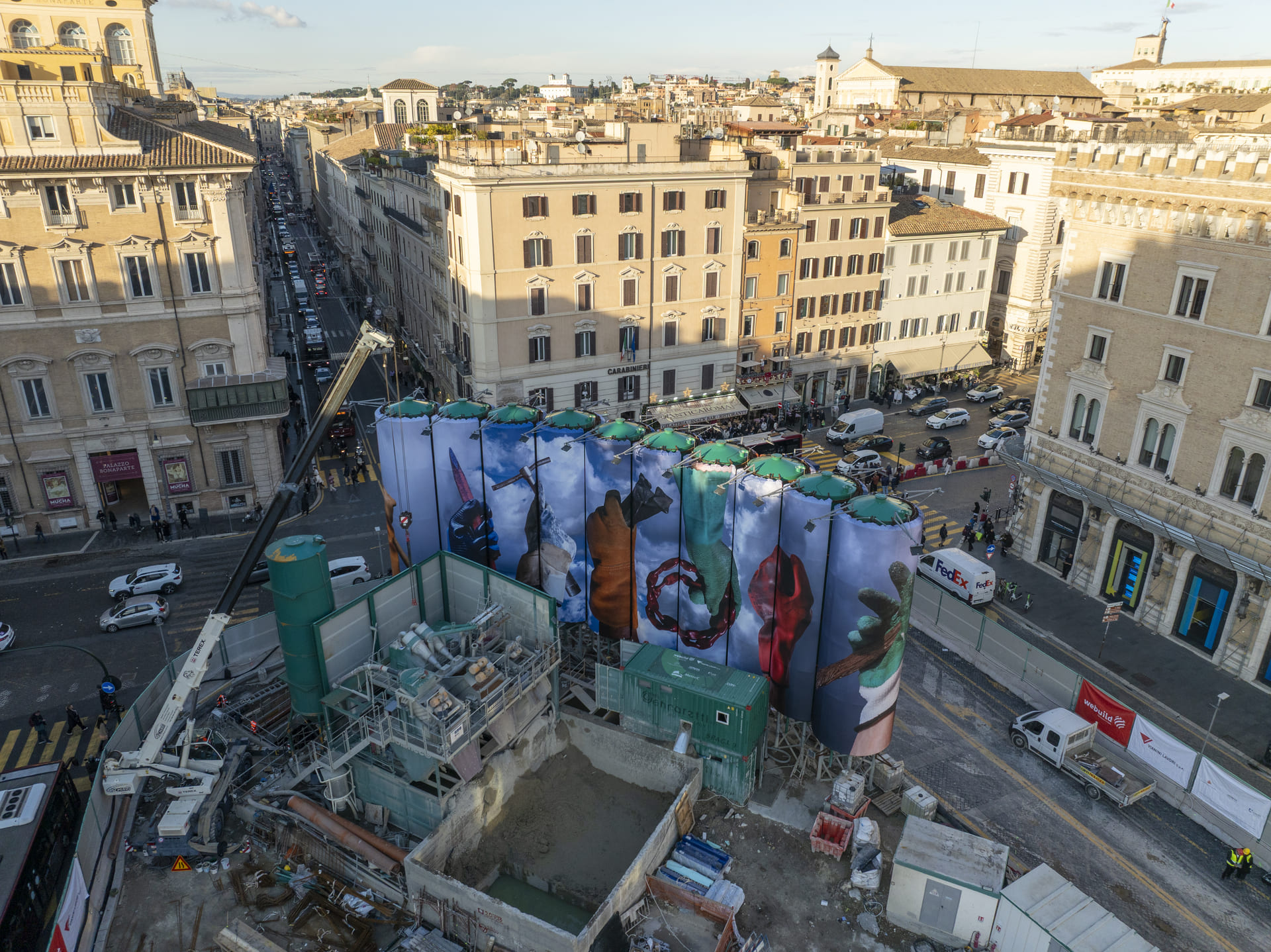 Piazza Venezia Line C Construction Site, Rome
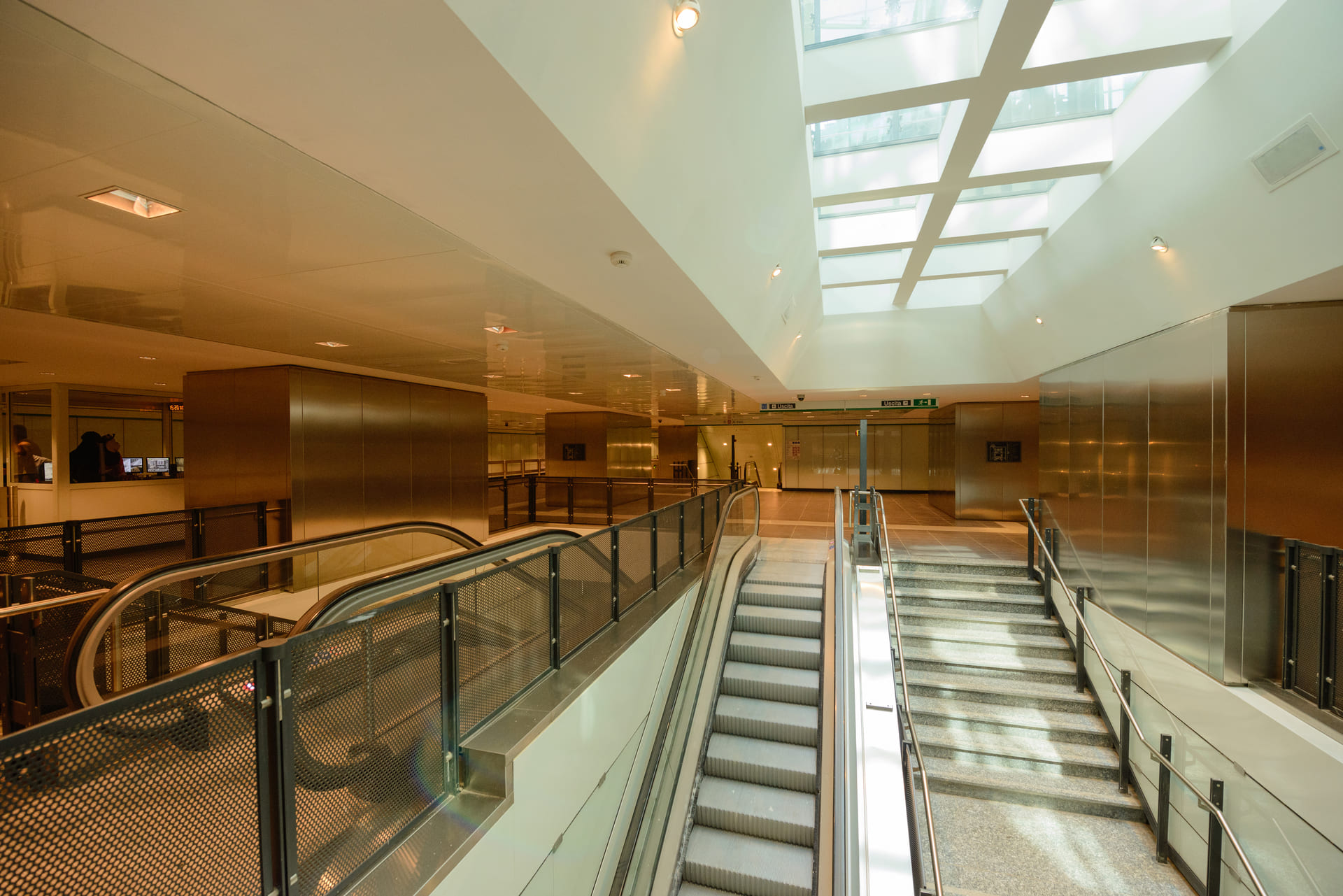 Interior of Malatesta Station, Line C, Rome
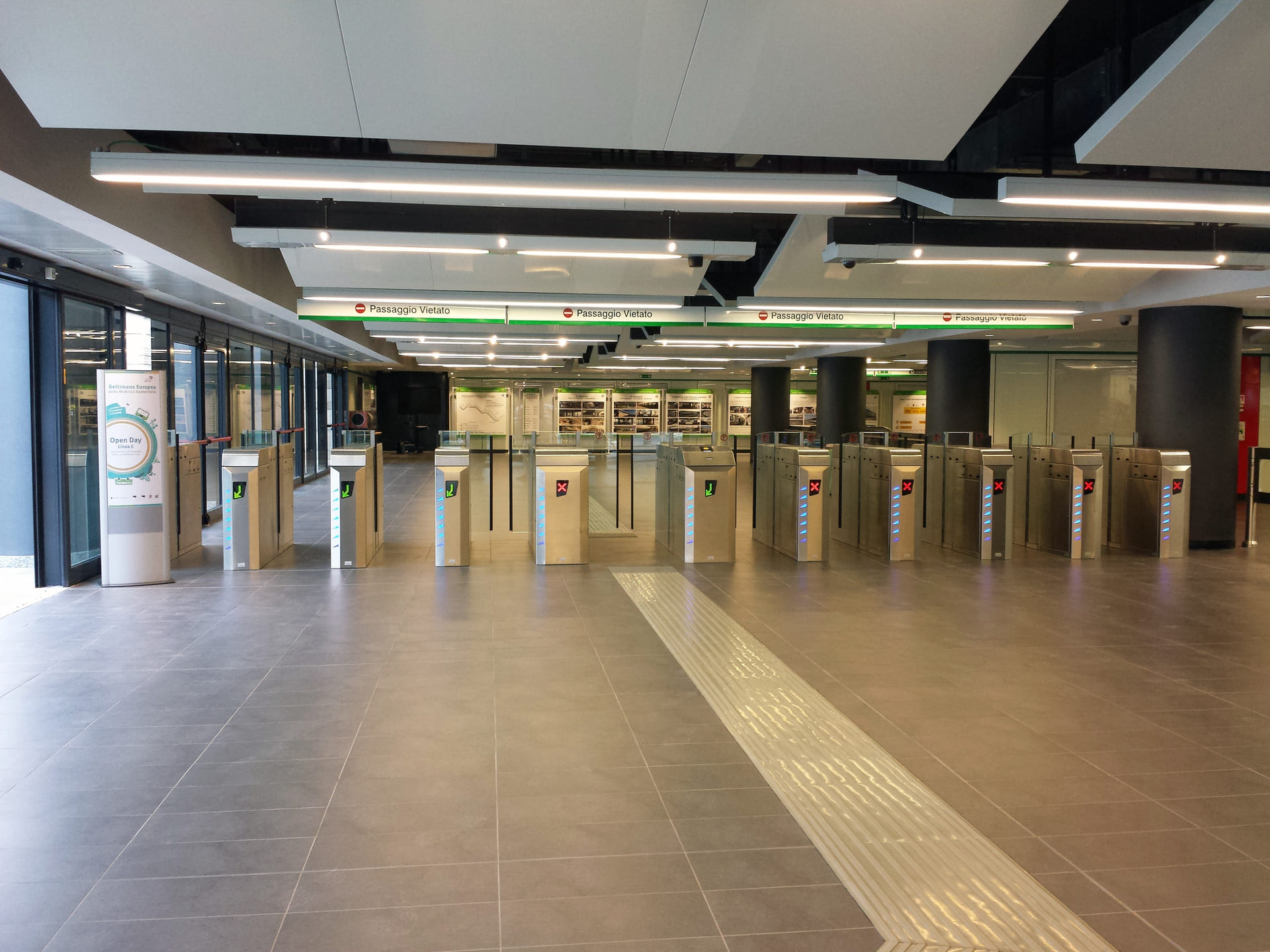 Interior of Parco di Centocelle Station, Line C, Rome
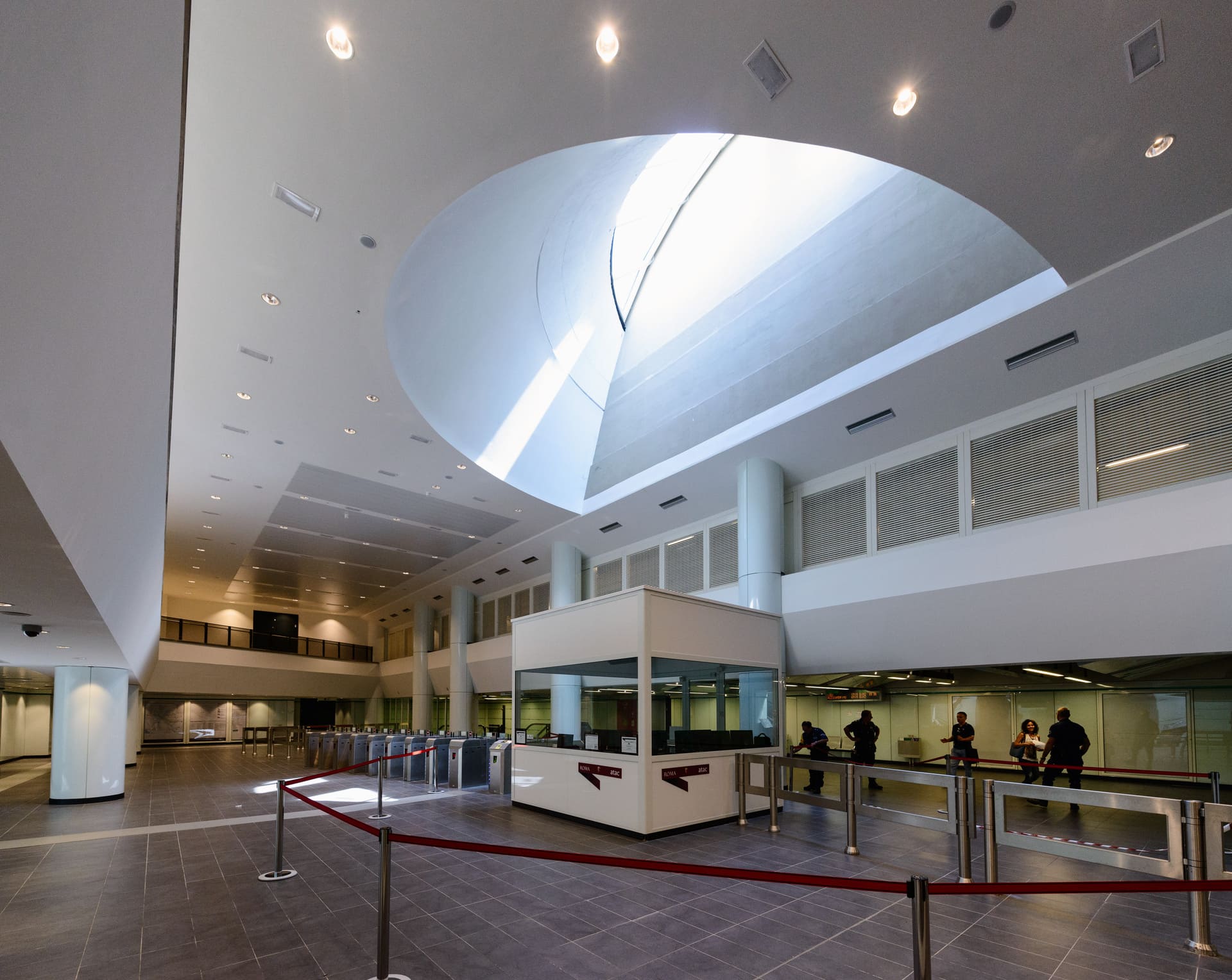 Interior of Pigneto Station, Line C, Rome
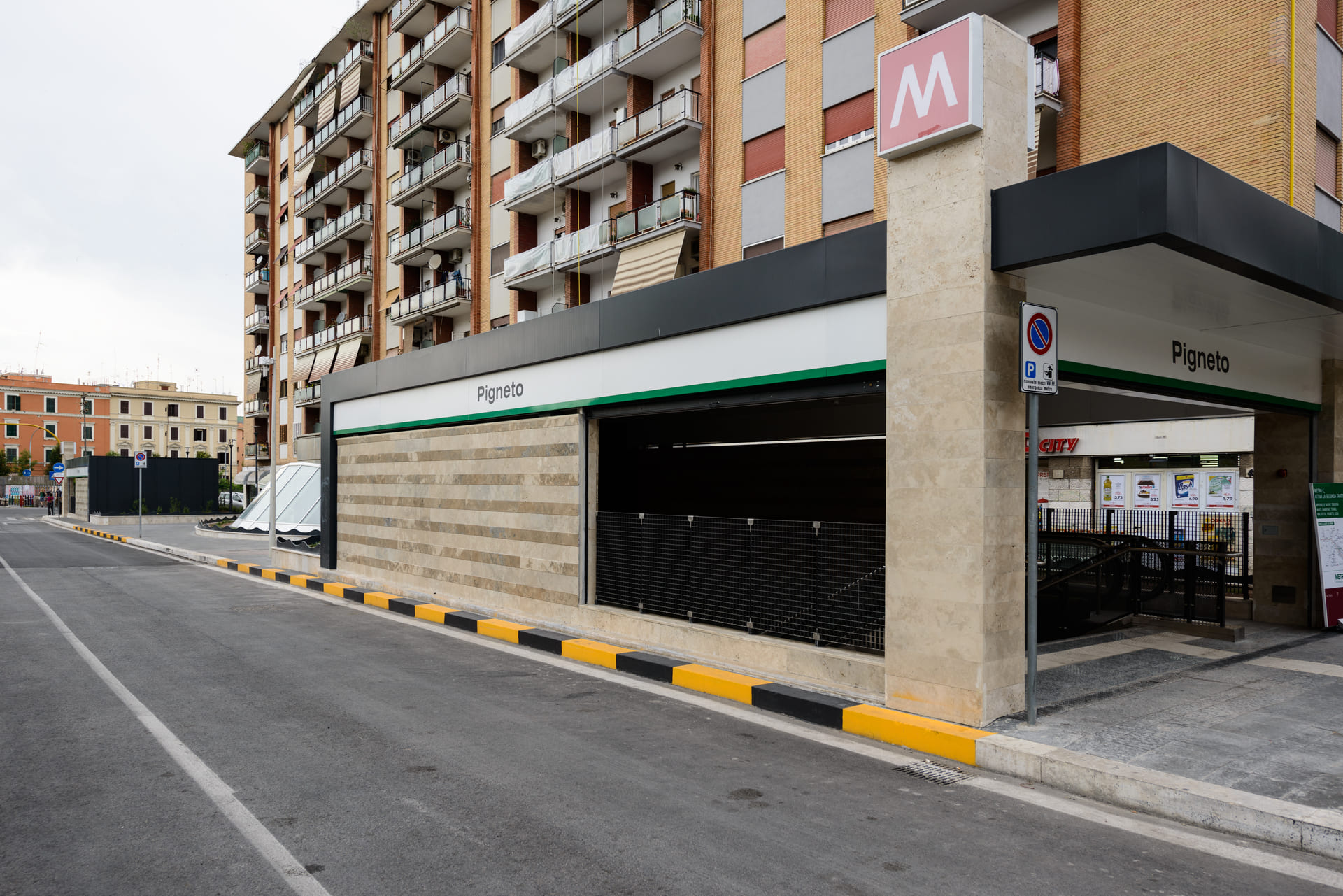 Pigneto Station, Line C, Rome
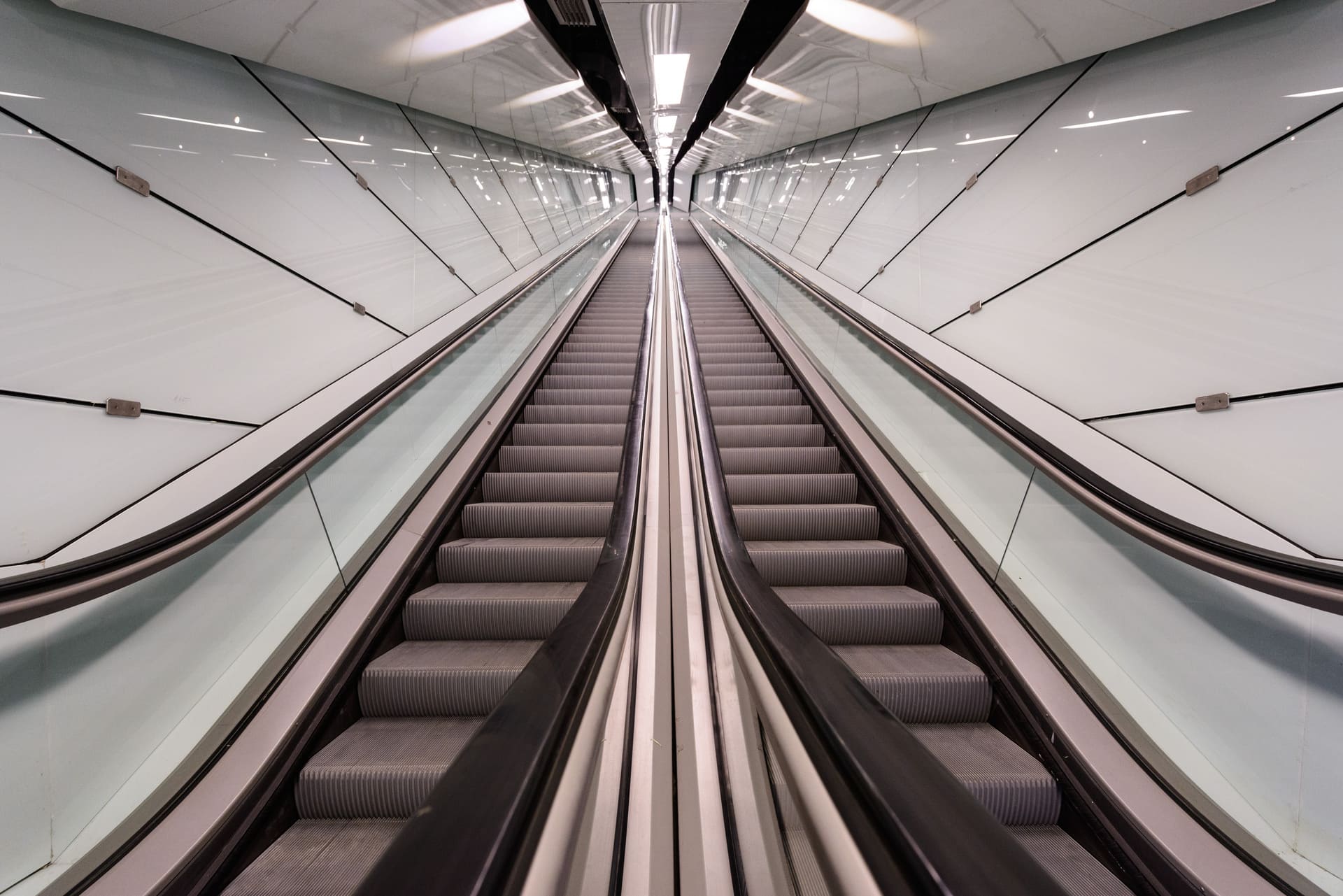 Gardenie Station, Line C, Rome
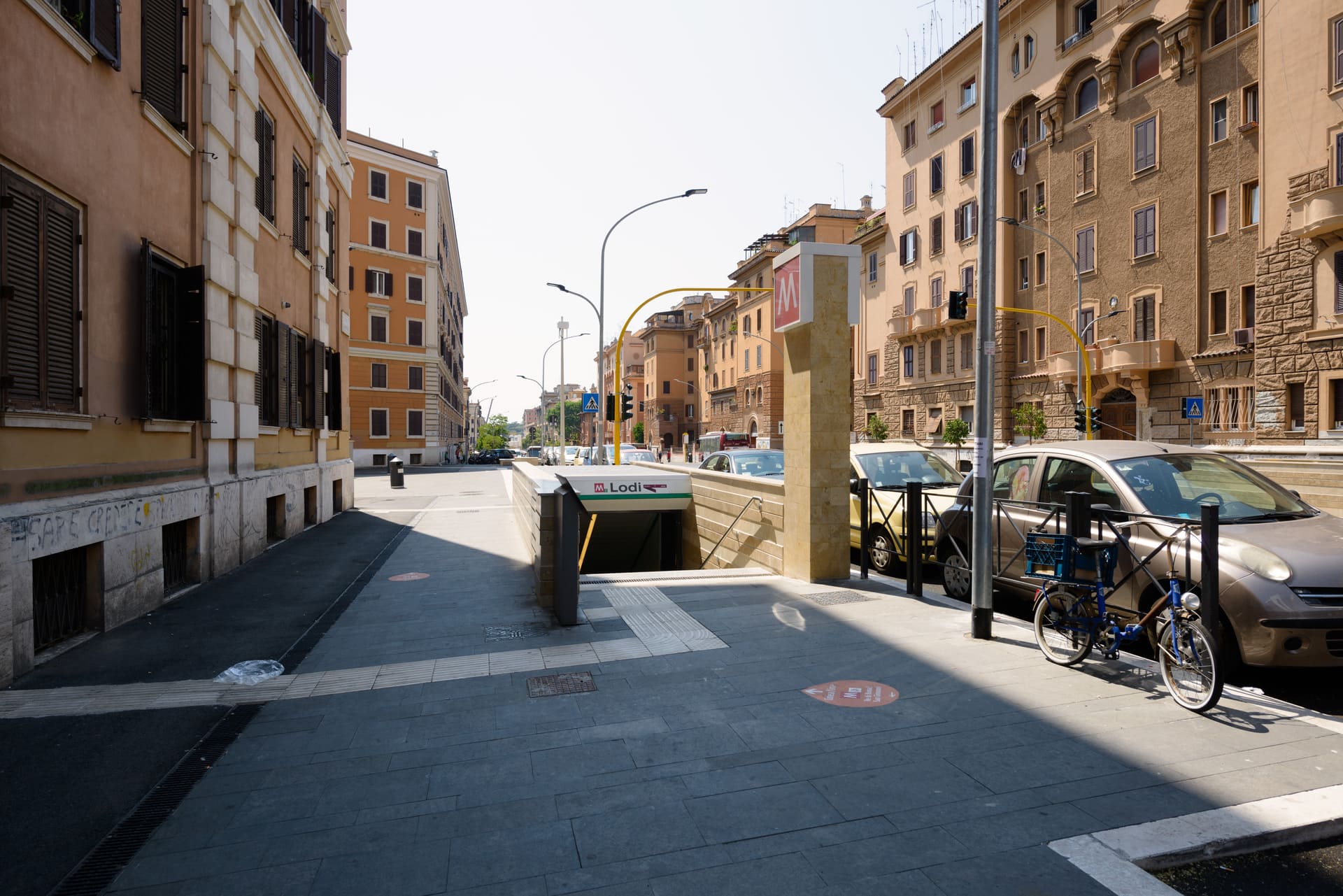 Lodi Station, Line C, Rome
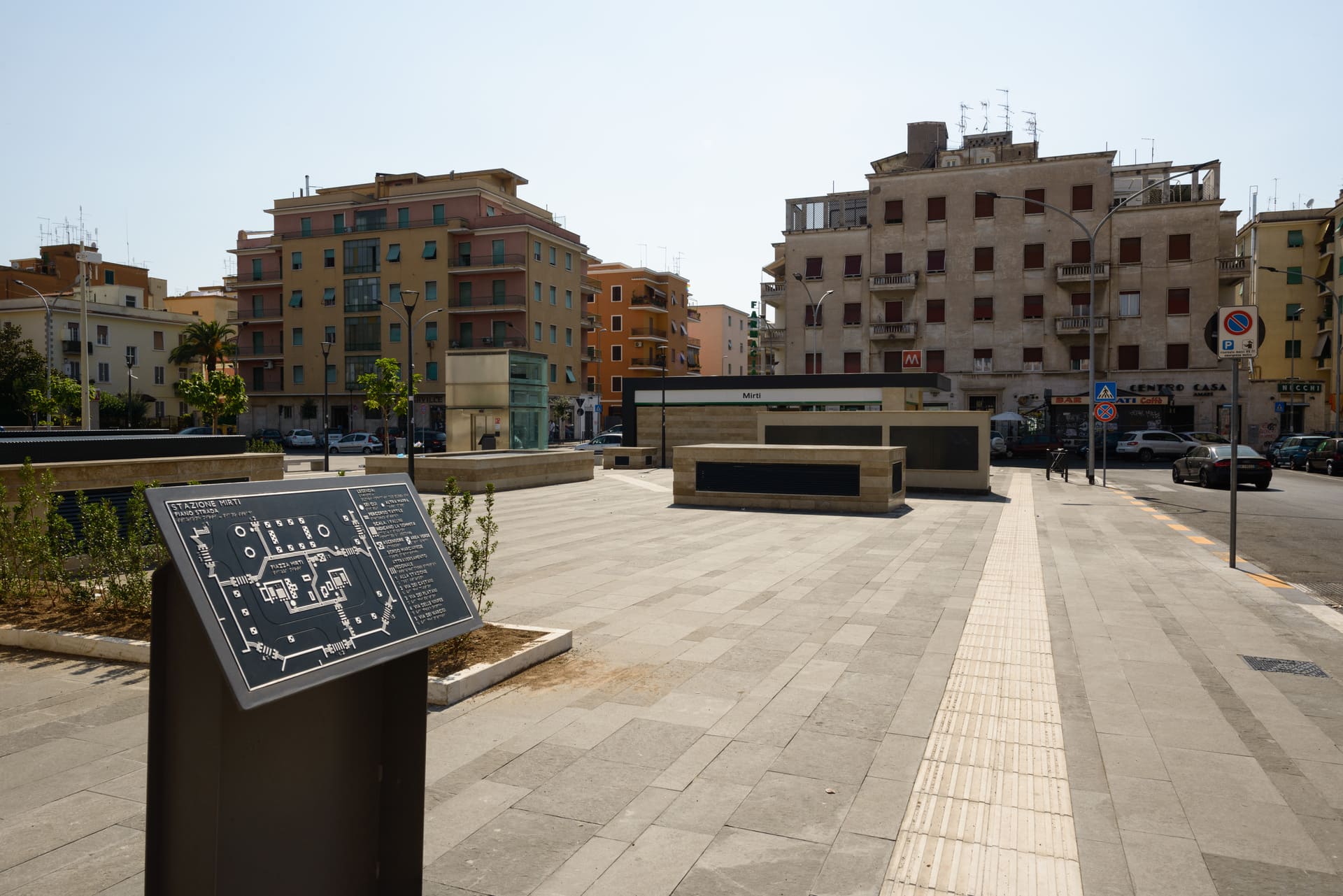 Mirti Station, Line C, Rome
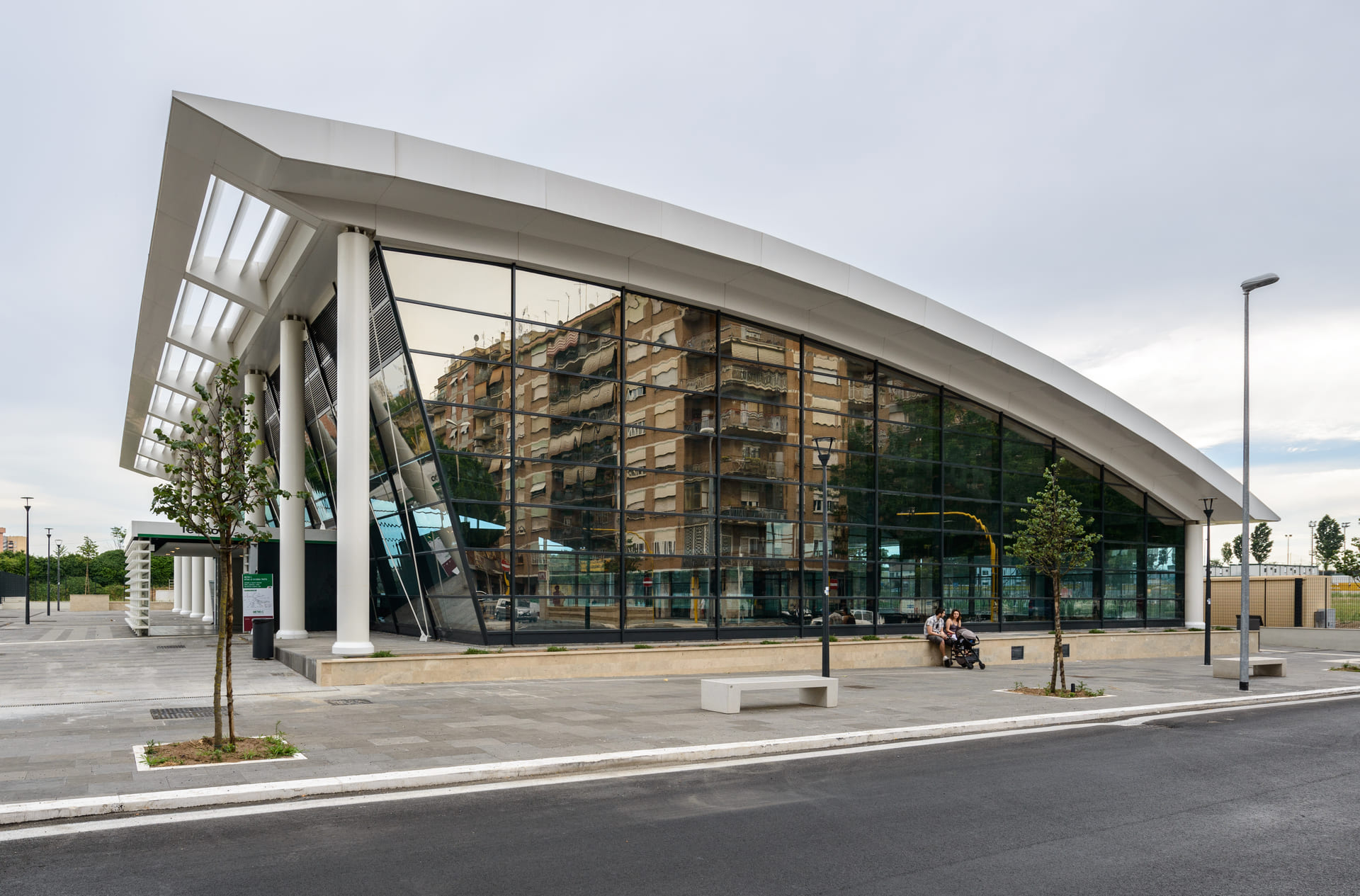 Teano Station, Line C, Rome
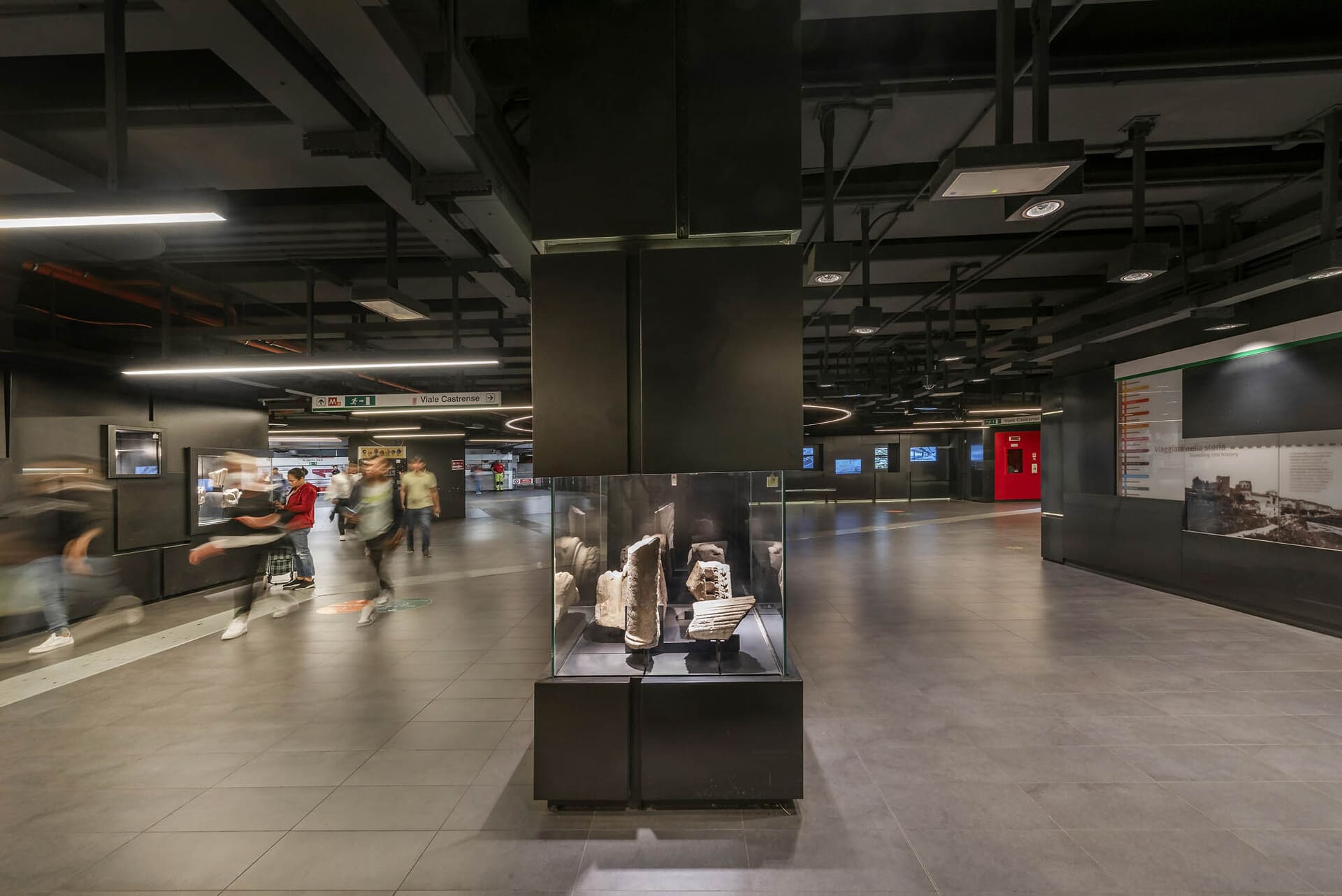 San Giovanni Station, Line C, Rome
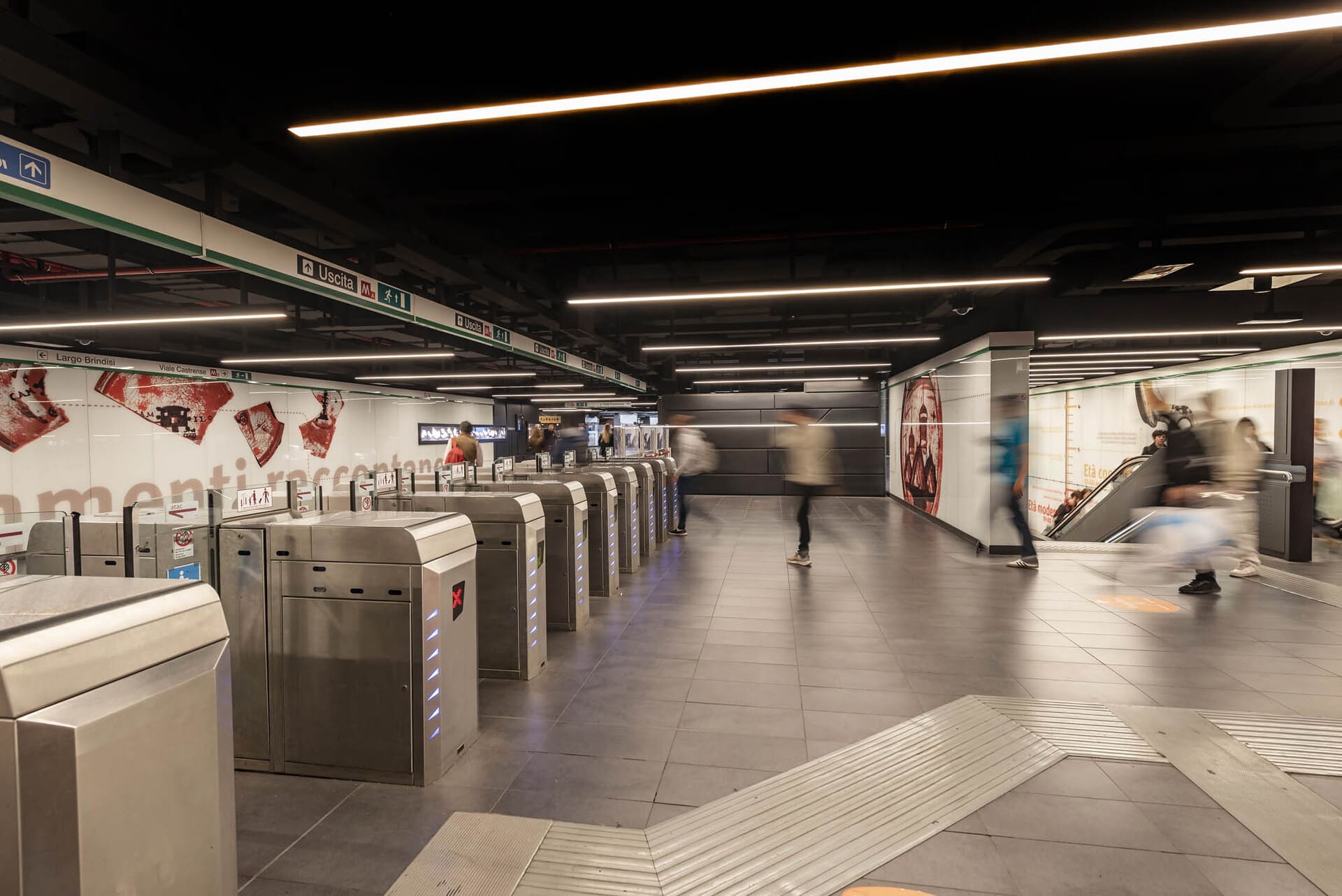 San Giovanni Station, Line C, Rome
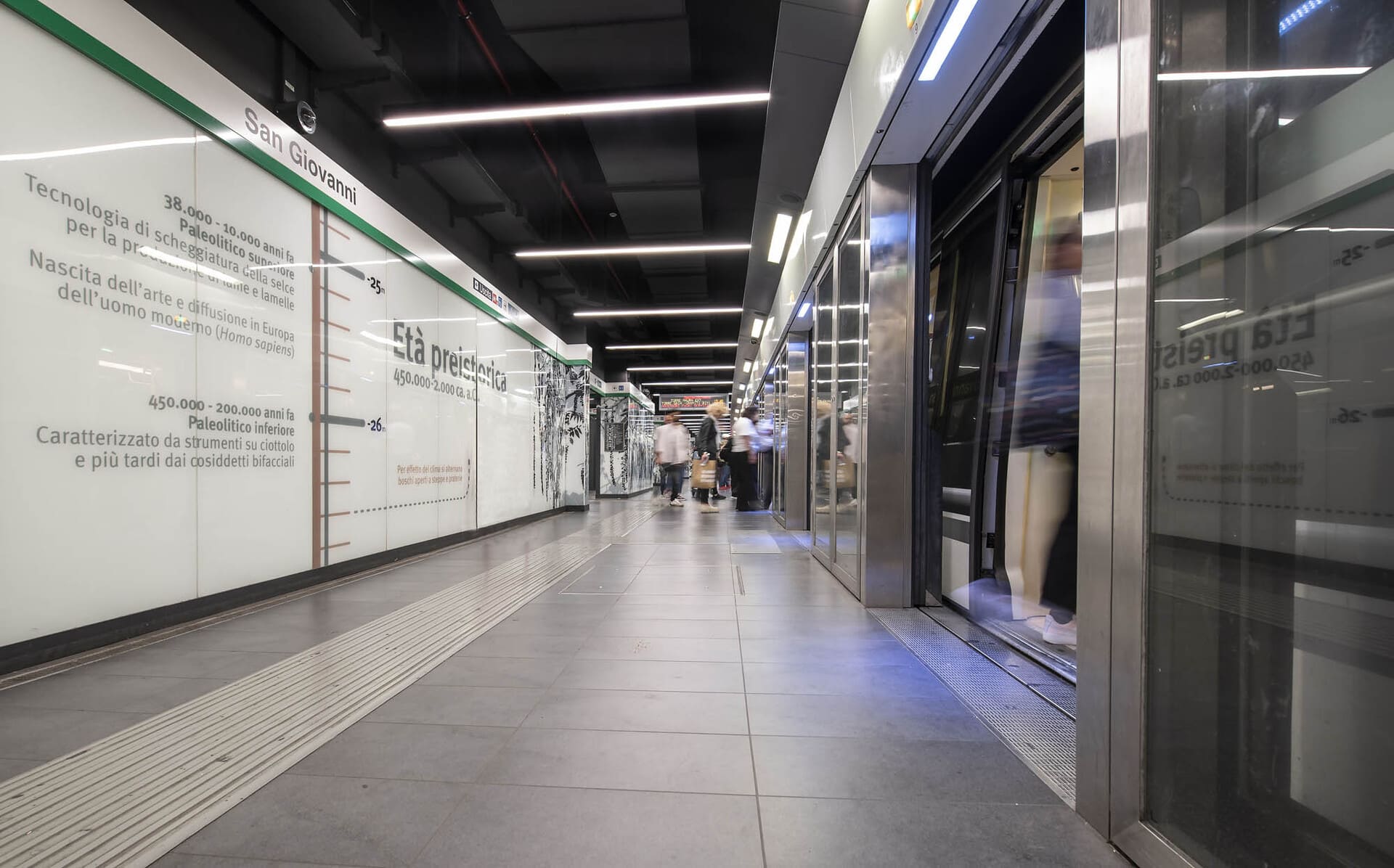 San Giovanni Station, Line C, Rome
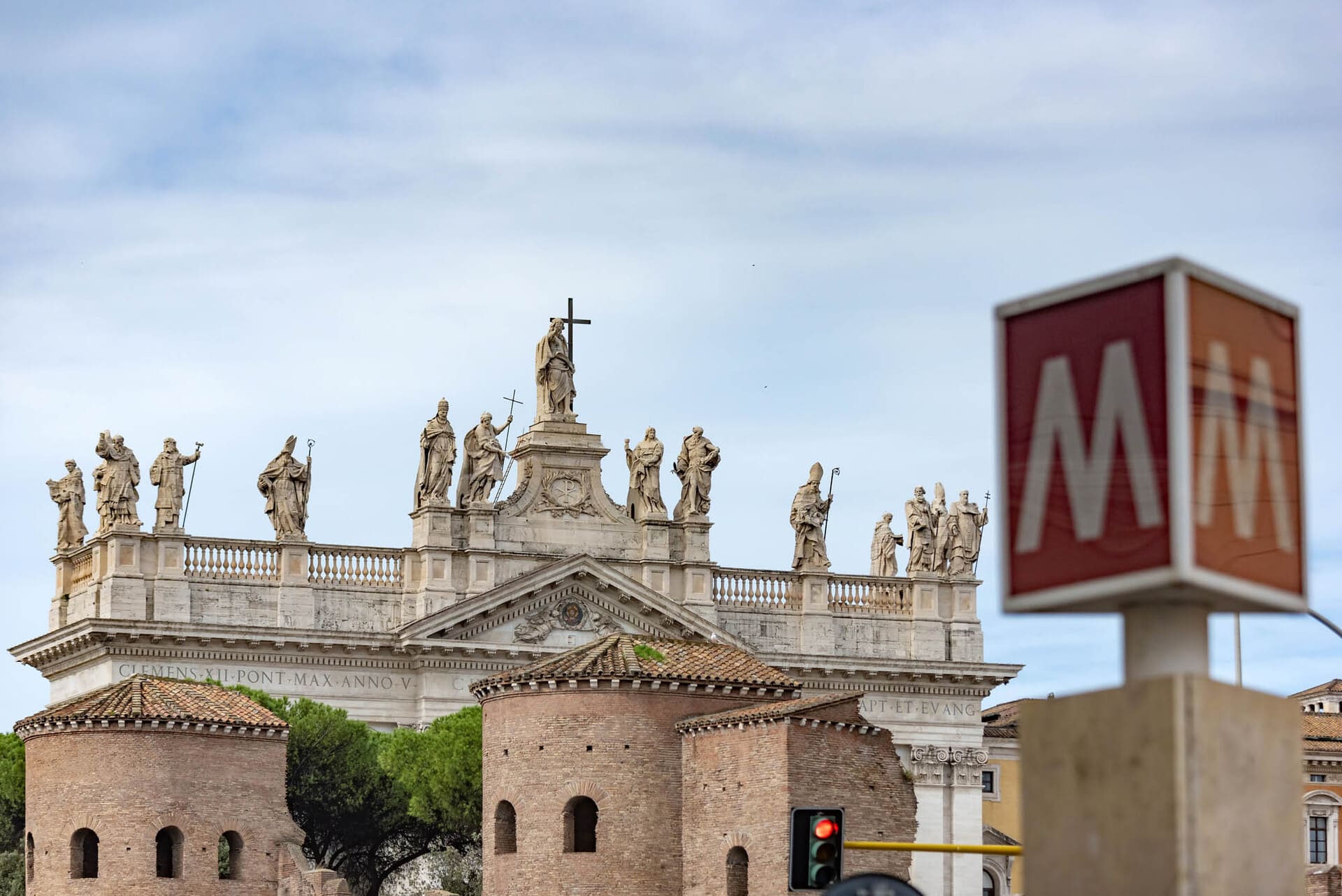 San Giovanni Station, Line C, Rome
- On 18 February the Mayor of Rome announced the start of works on the T2 section, a new strategic axis of the underground Line C
- The new route includes four kilometres of tunnels up to 48 metres deep linking Piazza Venezia to Viale Mazzini
- In recent weeks Line C inaugurated the two new museum-stations, Colosseo-Fori Imperiali and Porta Metronia
- Building the project in archaeological areas like Piazza Venezia requires diaphragm wall excavations reaching depths of up to 85 meters beneath one of the Capital’s most iconic and stratified locations
- Line C is already operational along a 21-kilometer route connecting Rome’s southeastern quadrant with the historic city center
read more

The future of mobility in Rome begins underground. On 25 February, work gets under way on the T2 section of Line C, the new stretch that will extend the Rome underground to Viale Mazzini, passing through the historic and institutional heart of the capital. It marks a decisive step for a public infrastructure project that is not merely a transport line, but one of the most complex infrastructure schemes ever undertaken in an archaeological city such as Rome.
The new section will run for around 4 kilometres and include four stations (Chiesa Nuova, Piazza Pia/Castel Sant’Angelo, Ottaviano and Mazzini), completing the so-called “Fundamental Route” of Line C, designed to connect the south-eastern quadrant of the city with the north-west.
To build it, engineers will excavate tunnels at depths of approximately 50 metres, even passing beneath the River Tiber at multiple locations, while the stations will reach levels of up to 48 metres below ground. It is an unprecedented infrastructural challenge, unfolding in one of the most layered urban contexts in the world, where every metre dug cuts through centuries of Ancient Rome history.
T2 Section: Rome Underground Passes Under the Center of Christianity
The T2 section represents the most delicate and symbolic stretch of the entire Line C. Commissioned by Roma Metropolitane on behalf of the Roma Capitale local government, the infrastructure construction has been entrusted to the Metro C Consortium (led by Webuild and Vianini Lavori), the same consortium that built the Colosseo-Fori Imperiali and Porta Metronia stations and is currently building the Piazza Venezia station.
The project involves crossing the city’s monumental quarter, encompassing Castel Sant’Angelo, St Peter’s and the Prati district, directly linking the Vatican to the modern underground network.
Beyond Piazza Venezia, the first stop will be Chiesa Nuova, located in the heart of the historic center within the prominent ‘Baroque Bend’ area along Corso Vittorio Emanuele II. The construction of this station presents a significant engineering challenge: the installation of diaphragm walls reaching depths of up to 80 meters below ground level.
The Piazza Pia / Castel Sant’Angelo station, situated to the west of the Castel Sant’Angelo fortress near Largo Giovanni XXIII and Lungotevere Vaticano, is set to be the deepest on this section, featuring eight underground levels. Its specific location is driven by technical requirements, allowing the tunnels to pass beneath the Tiber River at a depth of about 20 meters, between the riverbed and the top of the TBM (Tunnel Boring Machine) excavation.
Ottaviano station, meanwhile, will become a strategic interchange, creating a second direct connection with Line A and strengthening integration between the city’s different underground lines. Additional complexity will be encountered with the construction of Mazzini station in the Della Vittoria district, given the high urban density of the area.
Finally, following the model of the Line C stations at Colosseo-Fori Imperiali and Porta Metronia, two of the new four stations – the Chiesa Nuova and Piazza Pia / Castel Sant’Angelo stops – will be designed as “archaeo-stations”: places where artefacts uncovered during the archaeological excavations will be displayed and integrated into the architecture, transforming the network into a space that narrates the city’s millennia-old history.
Newly Opened Rome Metro Stations: Colosseo-Fori Imperiali and Porta Metronia
The new Rome underground line’s northward advance follows a crucial milestone: the opening of the new Colosseo-Fori Imperiali and Porta Metronia stations, which have extended the route into the monumental heart of the city.
Colosseo-Fori Imperiali station stands as one of the most symbolic points on the entire Rome underground network. Located beside the Flavian Amphitheatre (the Roman Colosseum), it creates a direct interchange with Line B.
Porta Metronia, a short distance away, is among the most innovative underground stations in terms of archaeology and engineering. Excavations brought to light artefacts of considerable historical value, which are incorporated into the station spaces, confirming Line C as one of the world’s foremost examples of integration between critical infrastructures and archaeological sites.
Piazza Venezia: The Impossible Underground Station, at the Heart of the History of Rome
The symbolic and engineering heart of the Rome metro’s Line C remains the Piazza Venezia station, currently under construction. Here due to the geological complexity of the soil and the integration with the planned future Line D, the station’s diaphragm walls will reach a depth of 85 meters below ground level. This feat of engineering makes the station’s structural partitions the deepest in Europe.
Constructing the Venezia station involves excavating beneath one of the city’s most complex locations, surrounded by landmarks of immense historical and artistic significance, including the Vittoriano (also known as the “Altare della Patria”), Palazzo Venezia, and the Imperial Forums. The station’s museum-style atrium will serve as a subterranean hub, linking all the historic buildings overlooking the square.
Beyond connecting the southeastern suburbs to the city’s ‘Tridente’ district, the completion of the station will offer a unique journey through history, showcasing archaeological finds uncovered during the excavation.
Today Line C is already operational for more than 20 kilometres, connecting the south-eastern quadrant of the city from Monte Compatri/Pantano to the Colosseum; it serves densely populated districts and areas that until only a few years ago lacked rapid links with the rest of the city. The underground line is fully automated, driverless, and represents one of the most modern systems in Europe.
In addition to the new T2 section, launching on February 25, this transportation infrastructure project also includes the construction of the T1 section – a further 2.9 kilometres and two stations (Auditorium and Farnesina) – which will complete the scheme. Works on this stretch are due to begin by July, following the final review and approval of the executive design by the client, Roma Metropolitane. The completion of these final stops will bring the infrastructure to a total of 31 stations, with the capacity to transport 24,000 passengers per hour in each direction.