


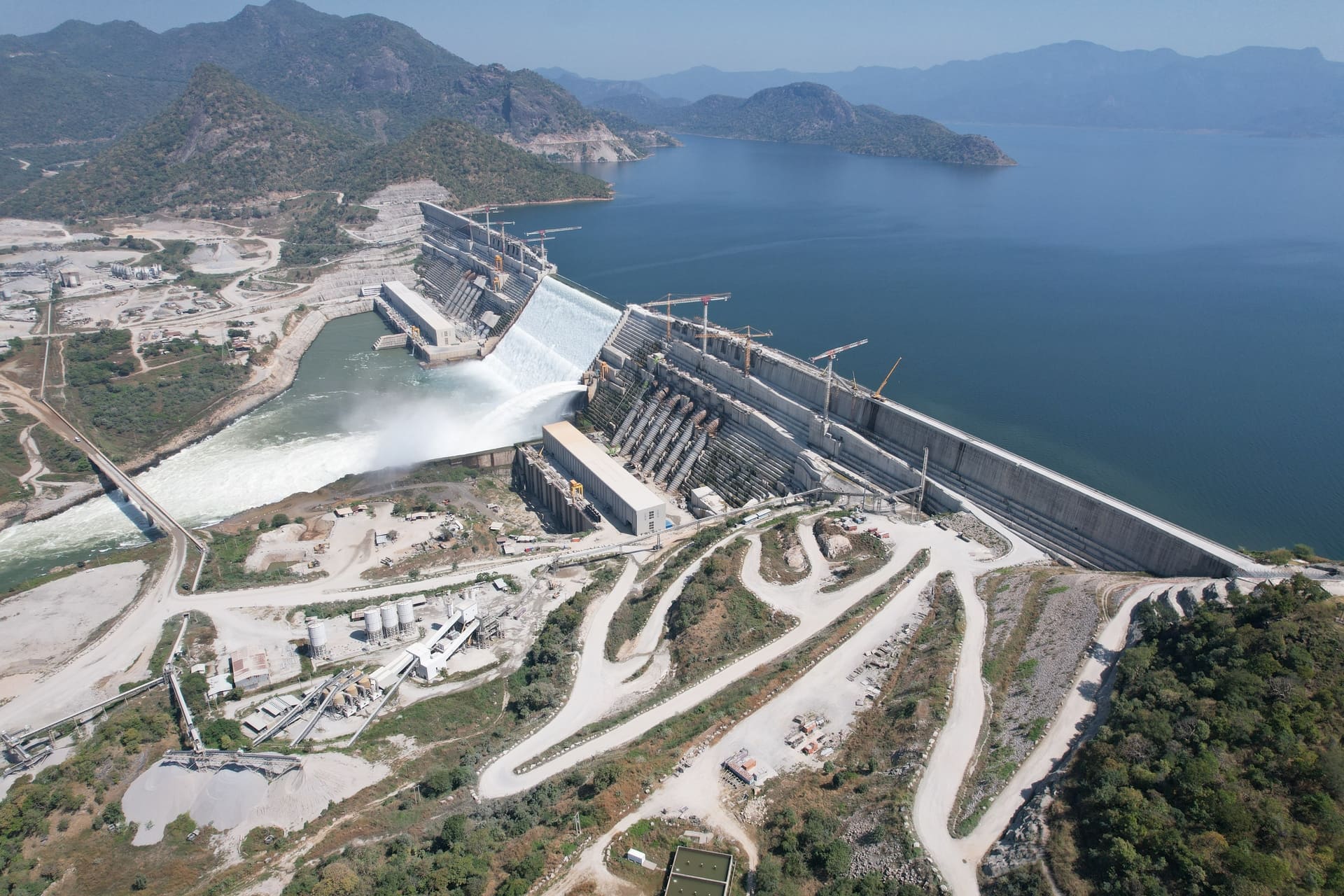
 GERD hydroelectric plant, Ethiopia
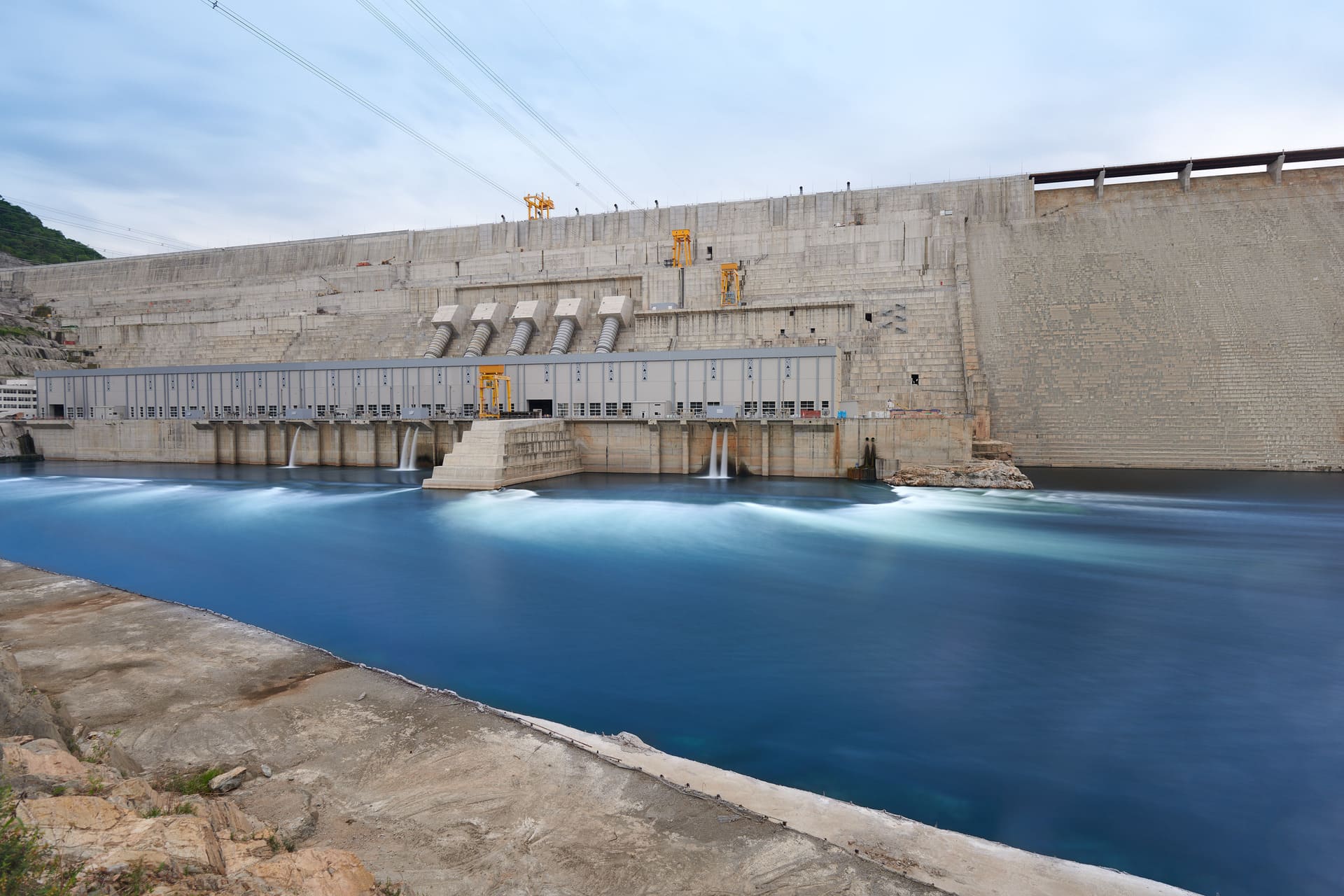 GERD hydroelectric plant, Ethiopia
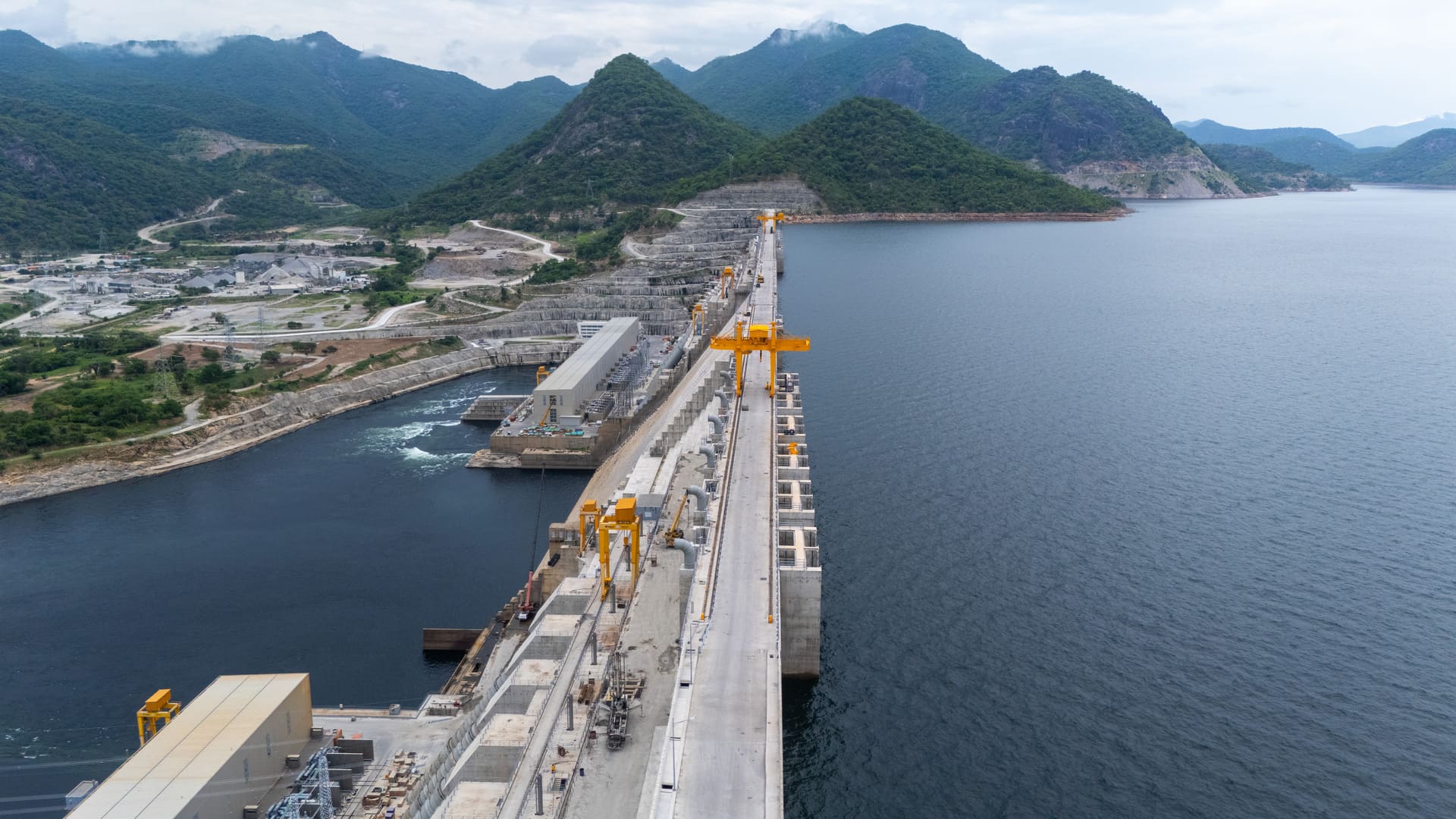 GERD hydroelectric plant, Ethiopia
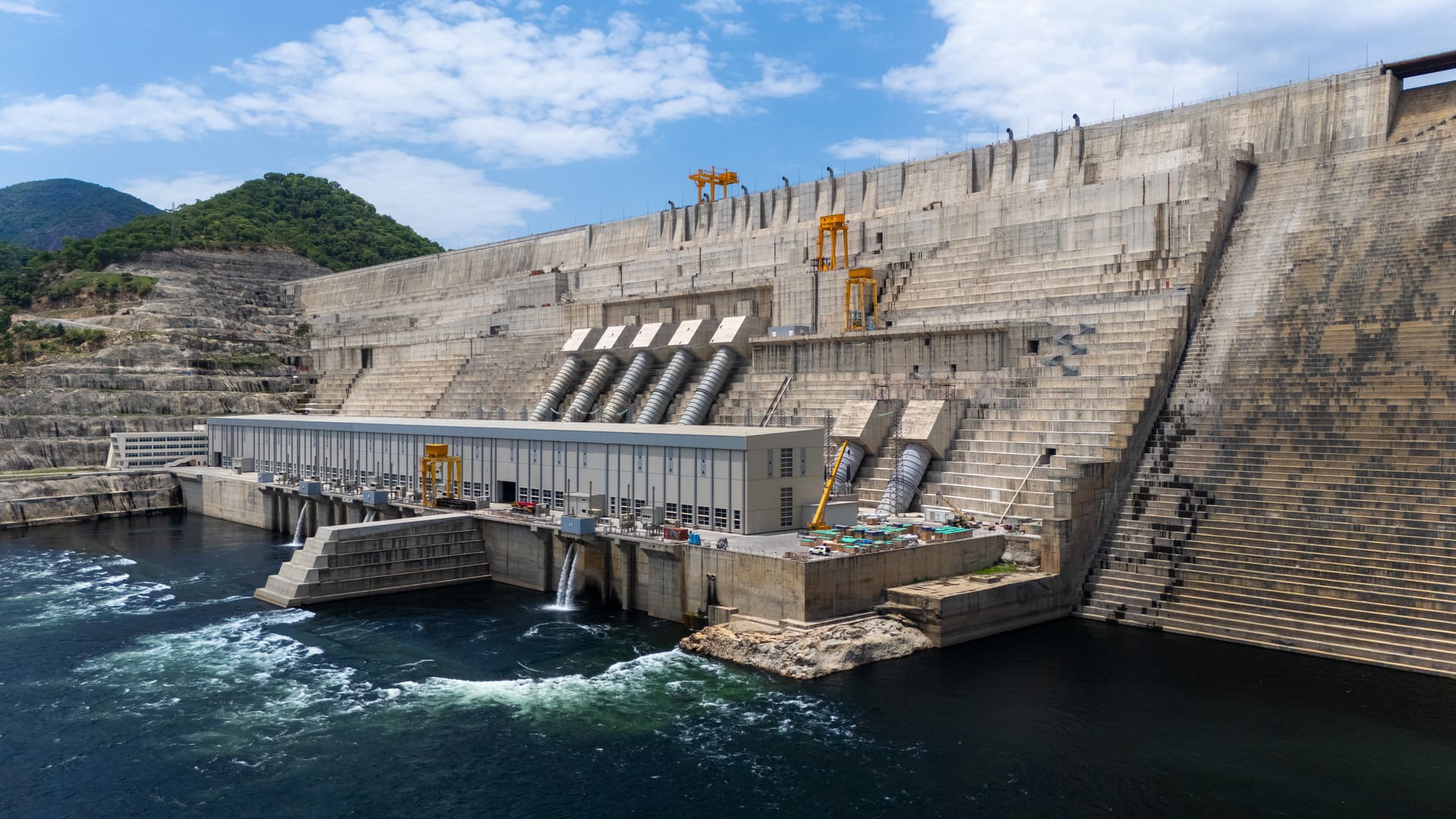 GERD hydroelectric plant, Ethiopia
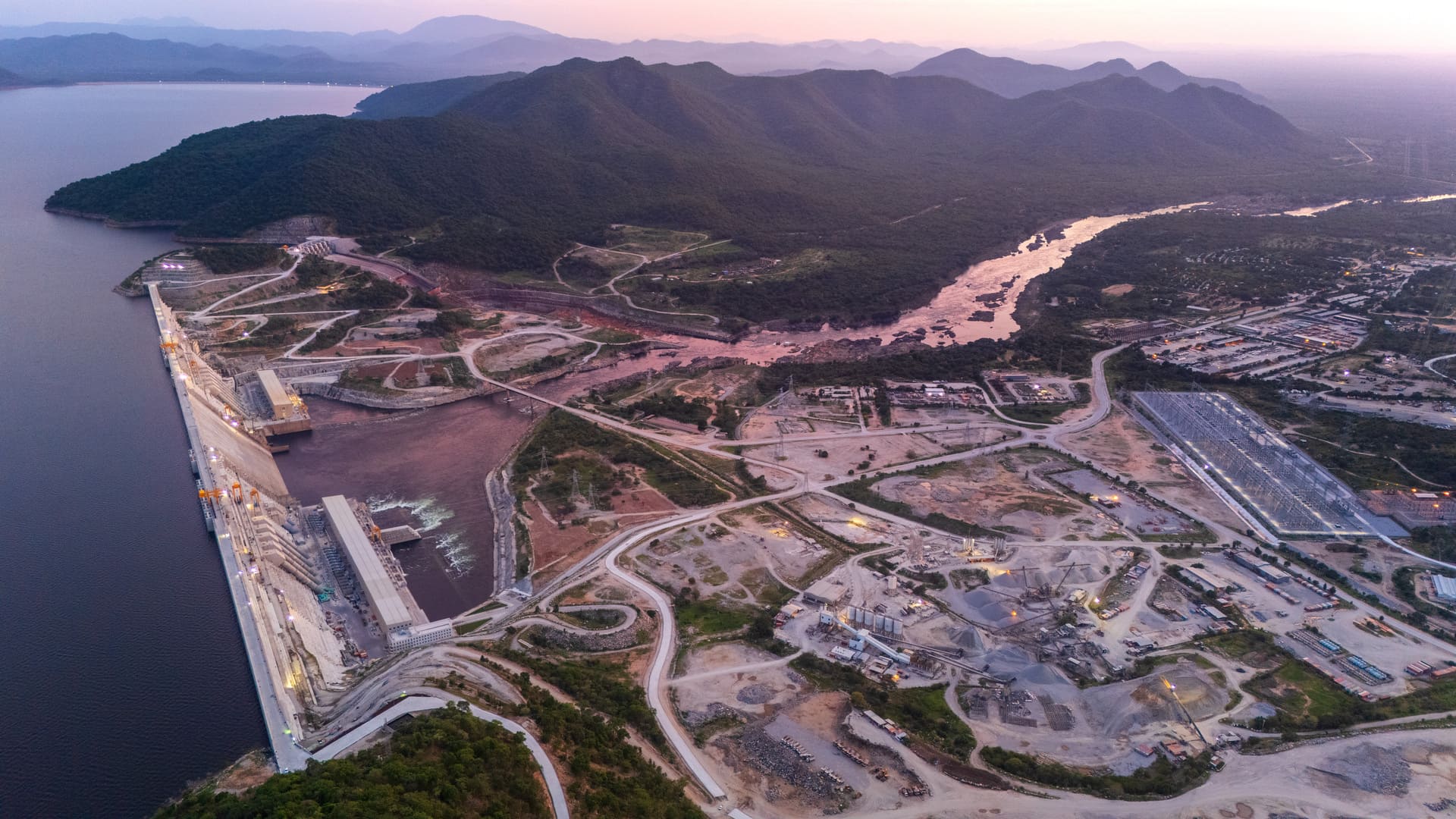 GERD hydroelectric plant, Ethiopia
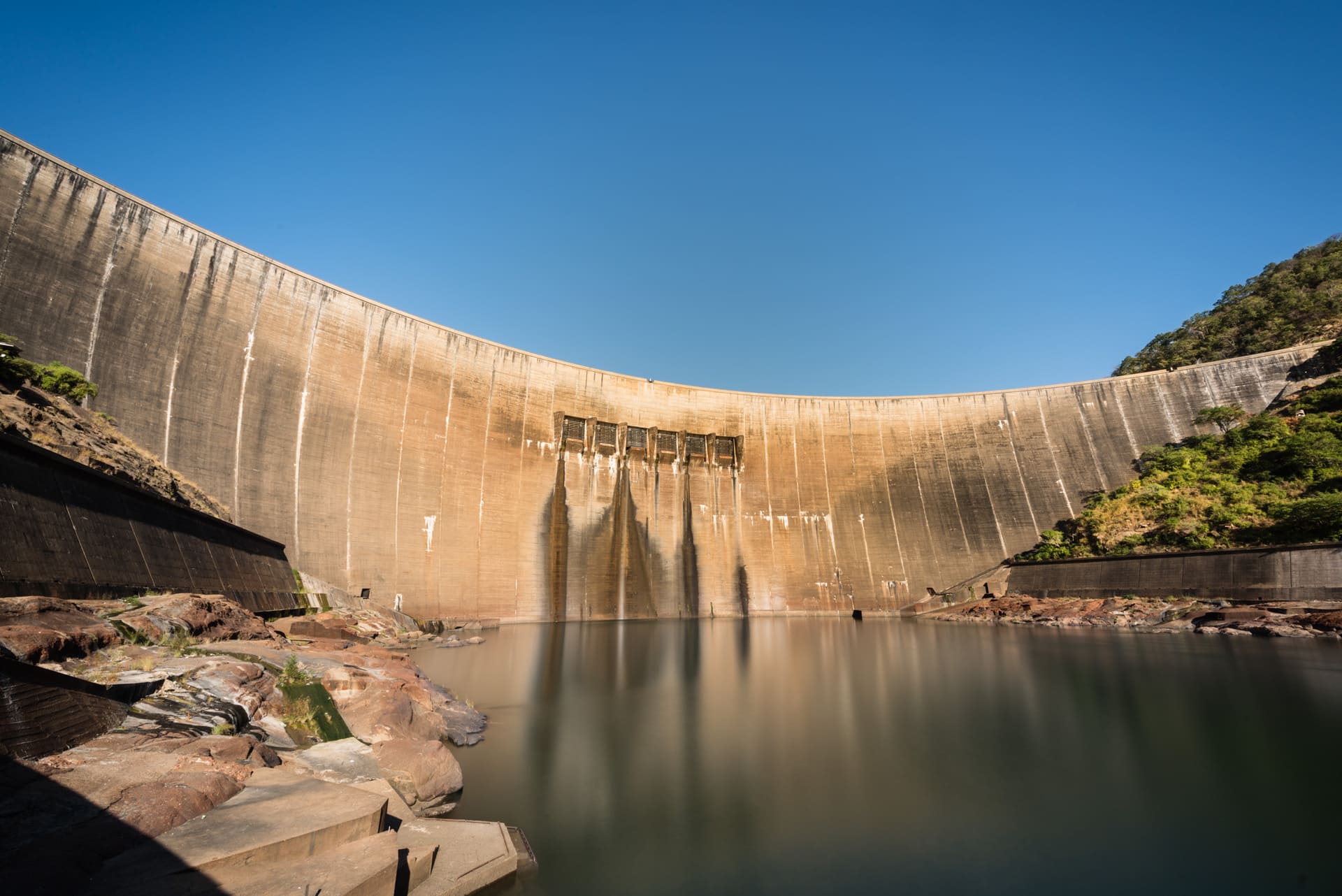 Kariba dam, Zambia-Zimbabwe
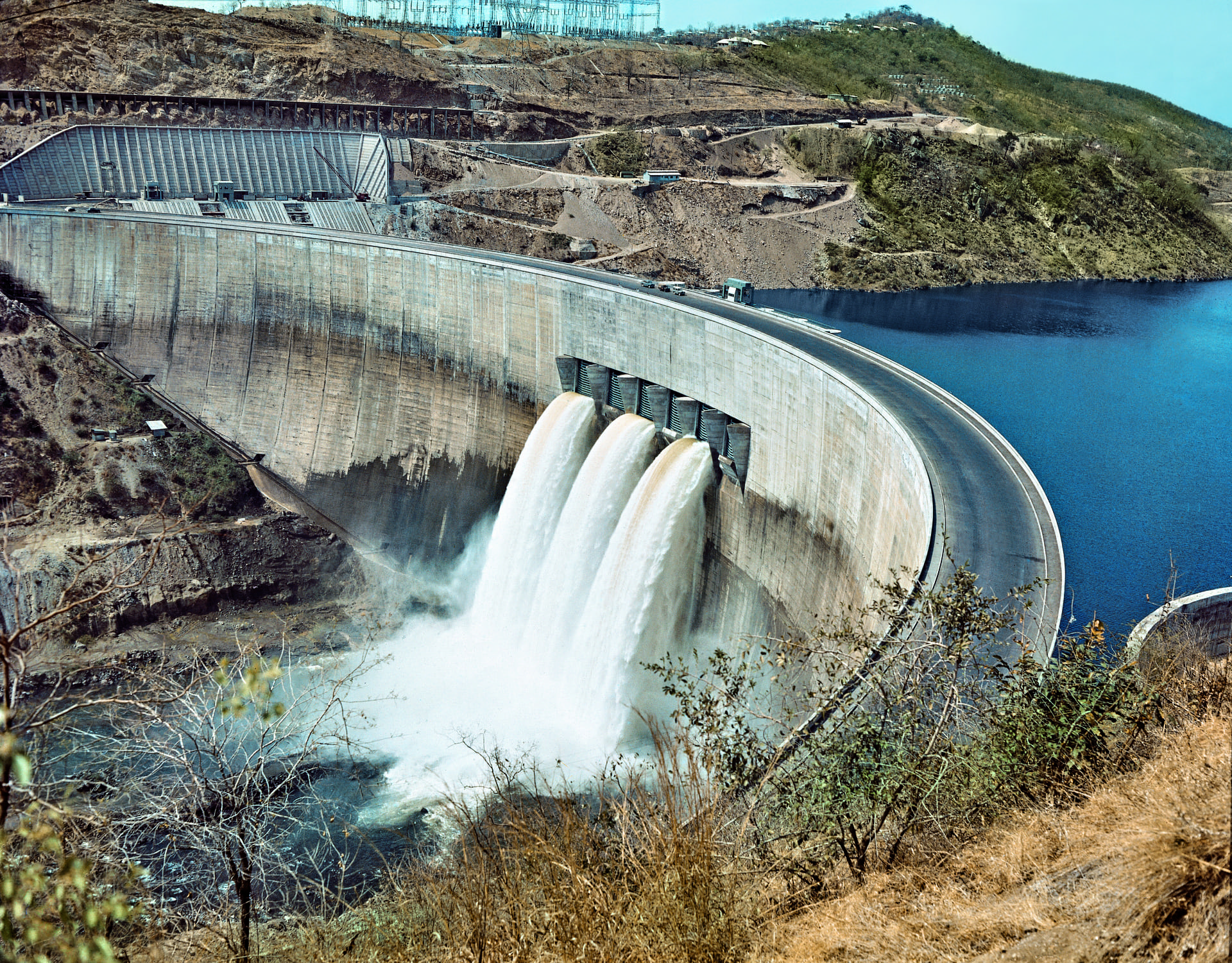 Kariba dam, Zambia-Zimbabwe
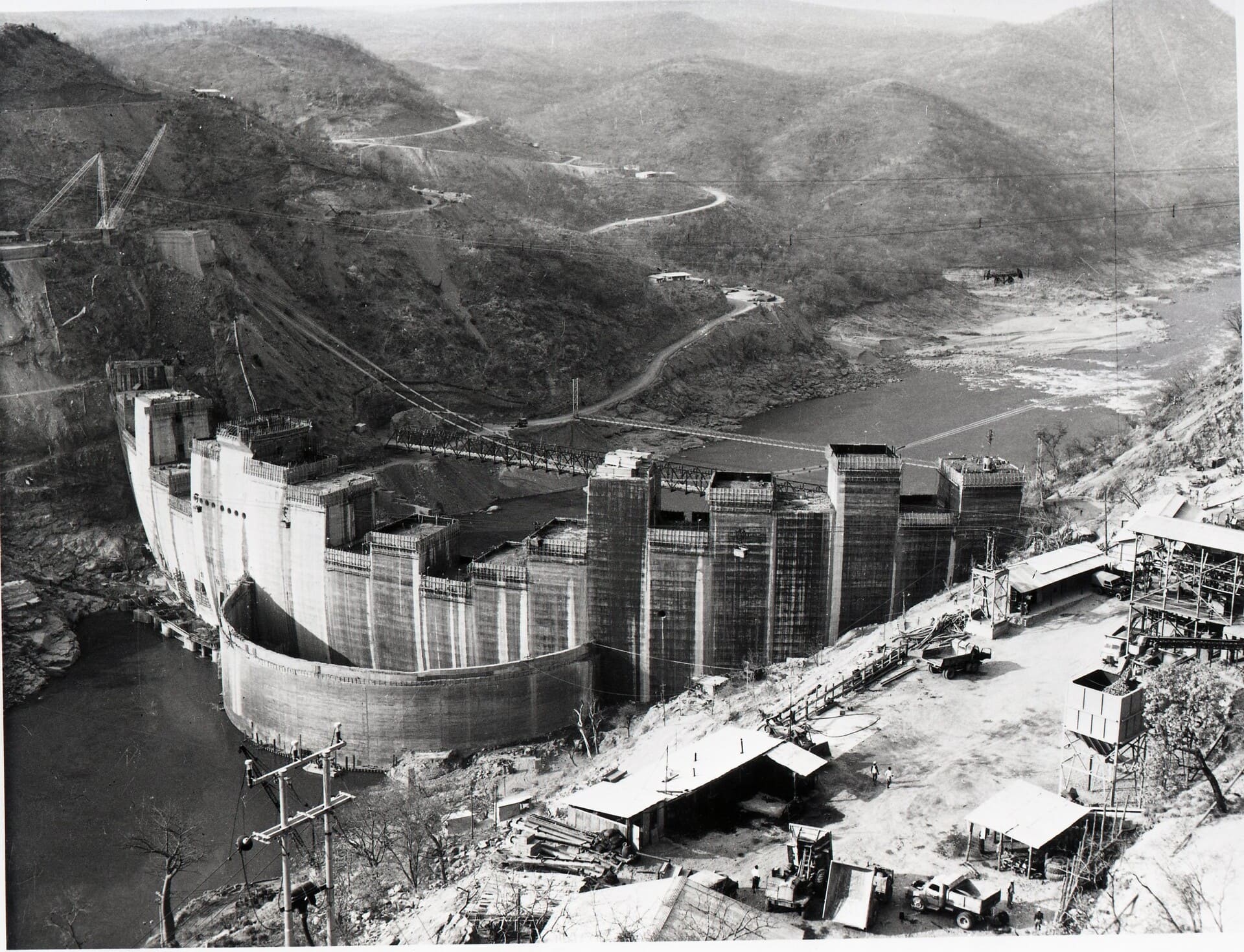 Kariba dam under construction, Zambia-Zimbabwe
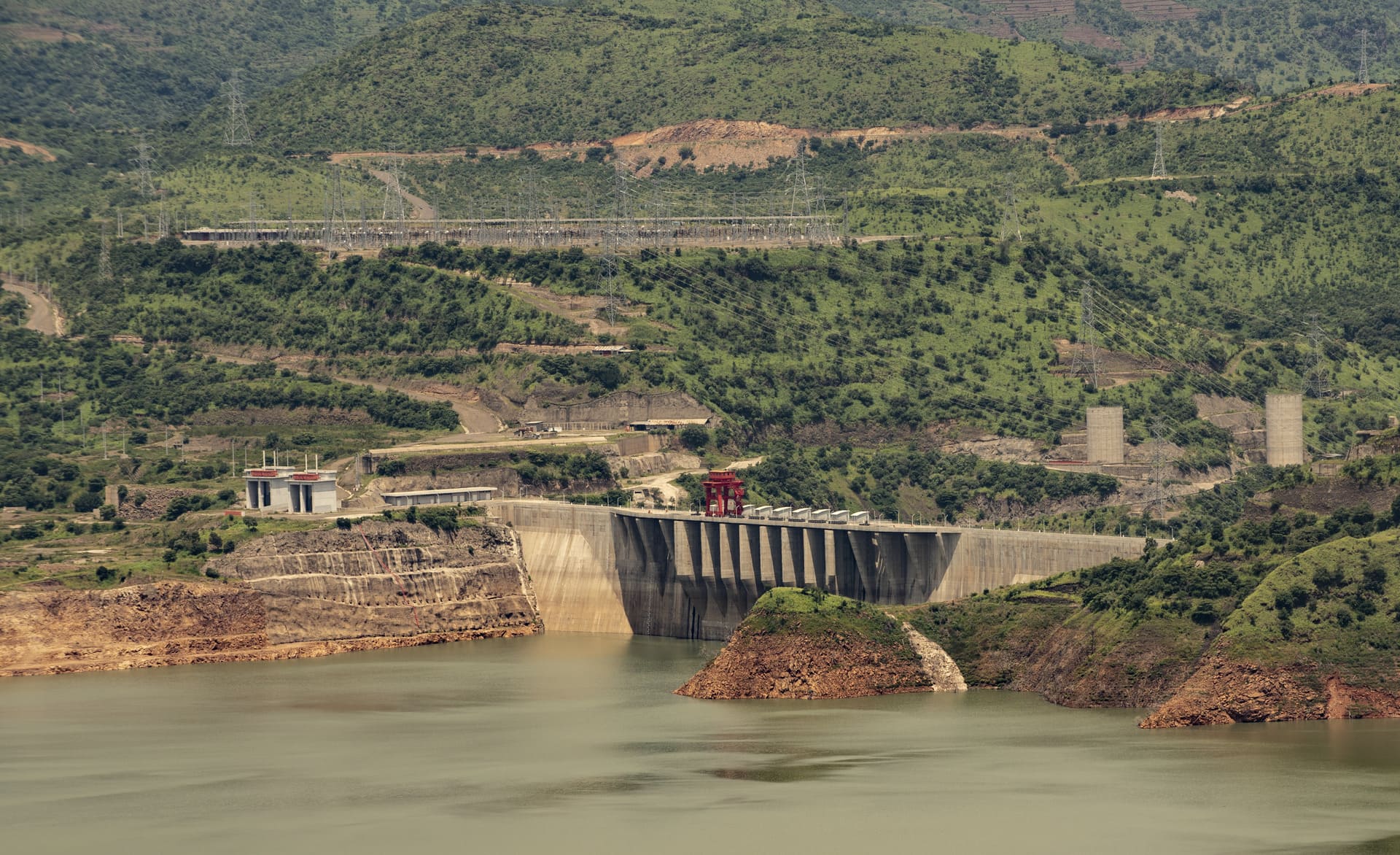 Gibe III hydroelectric plant, Ethiopia
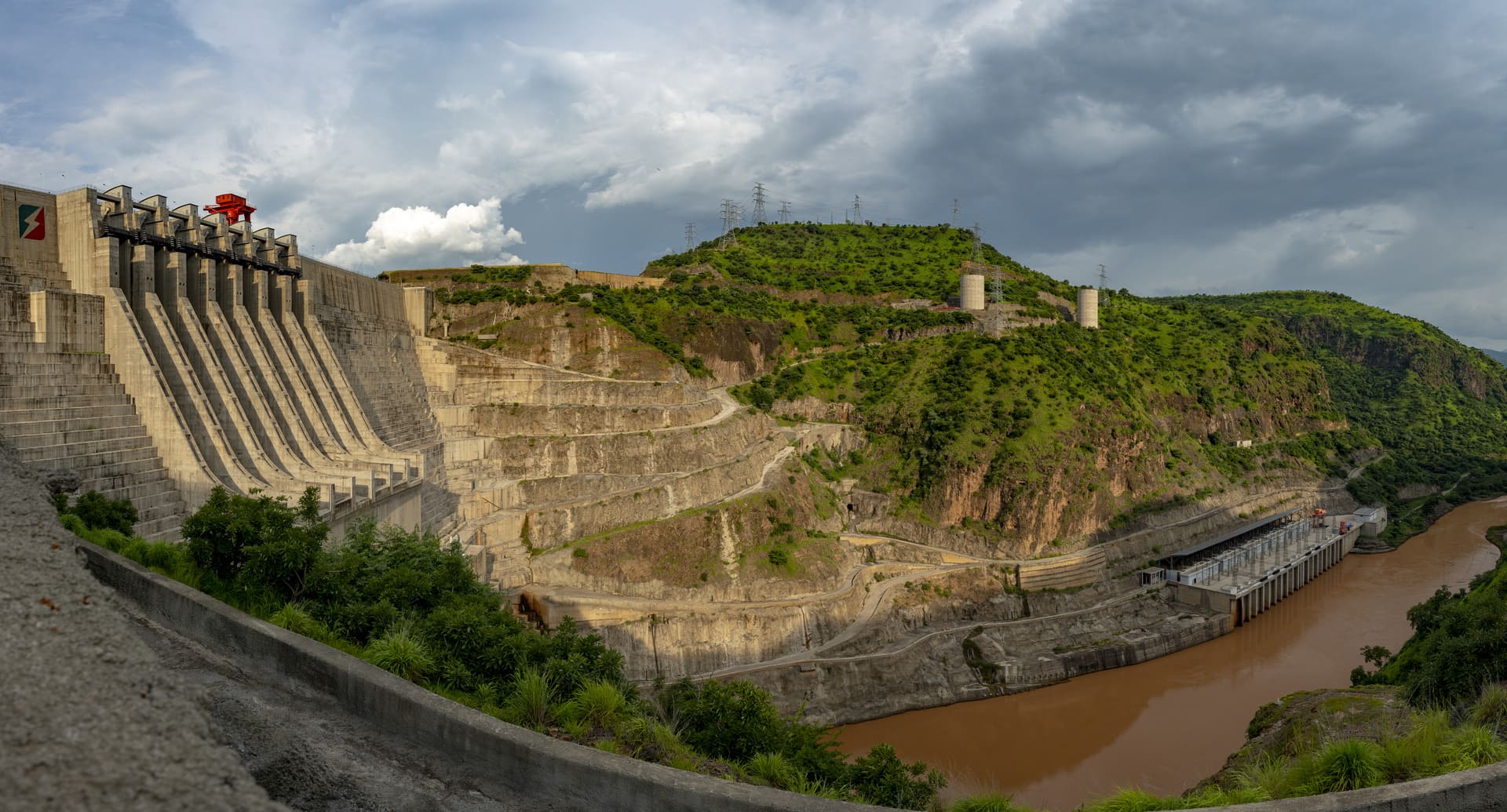 Gibe III hydroelectric plant, Ethiopia
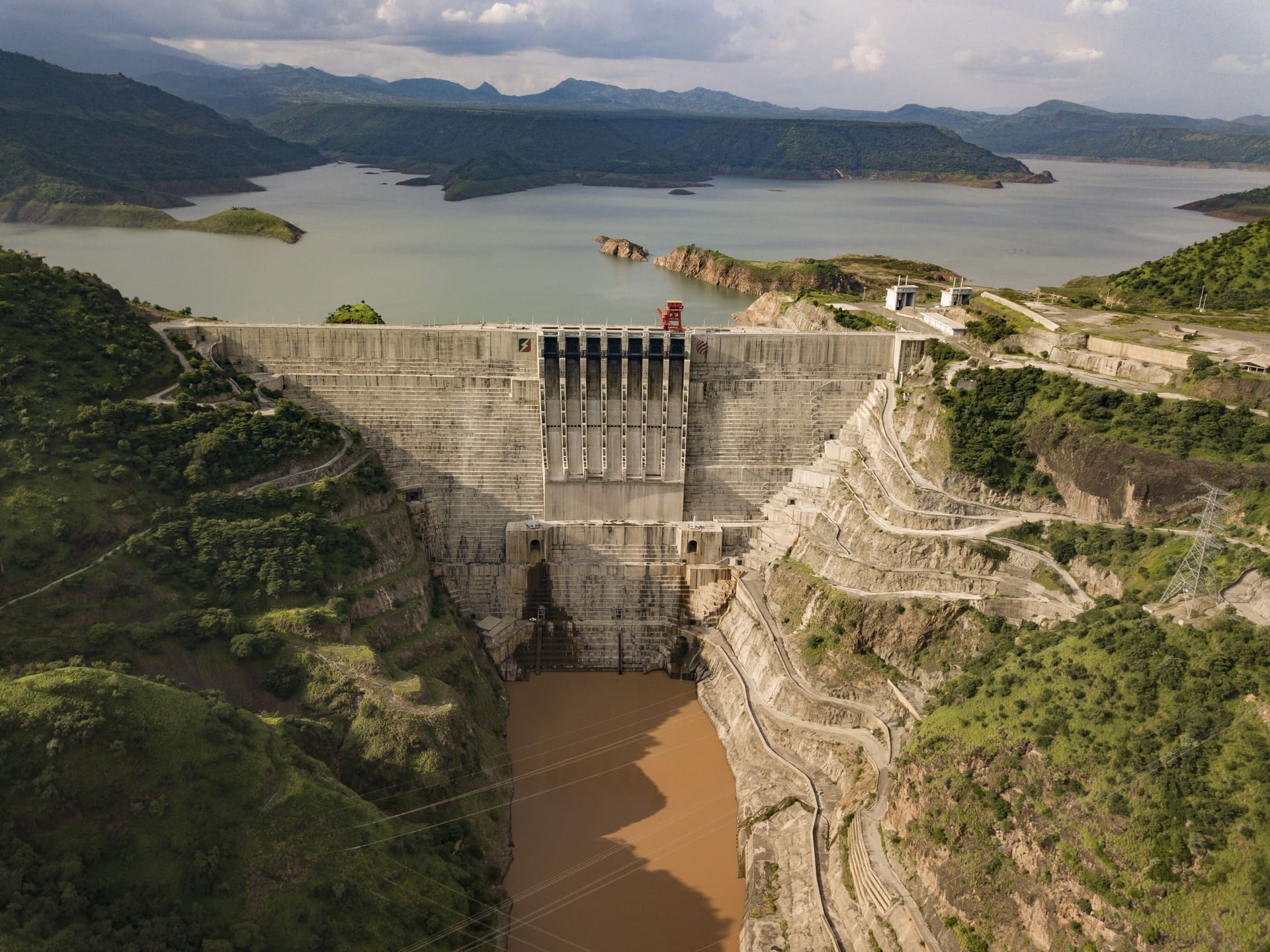 Gibe III hydroelectric plant, Ethiopia
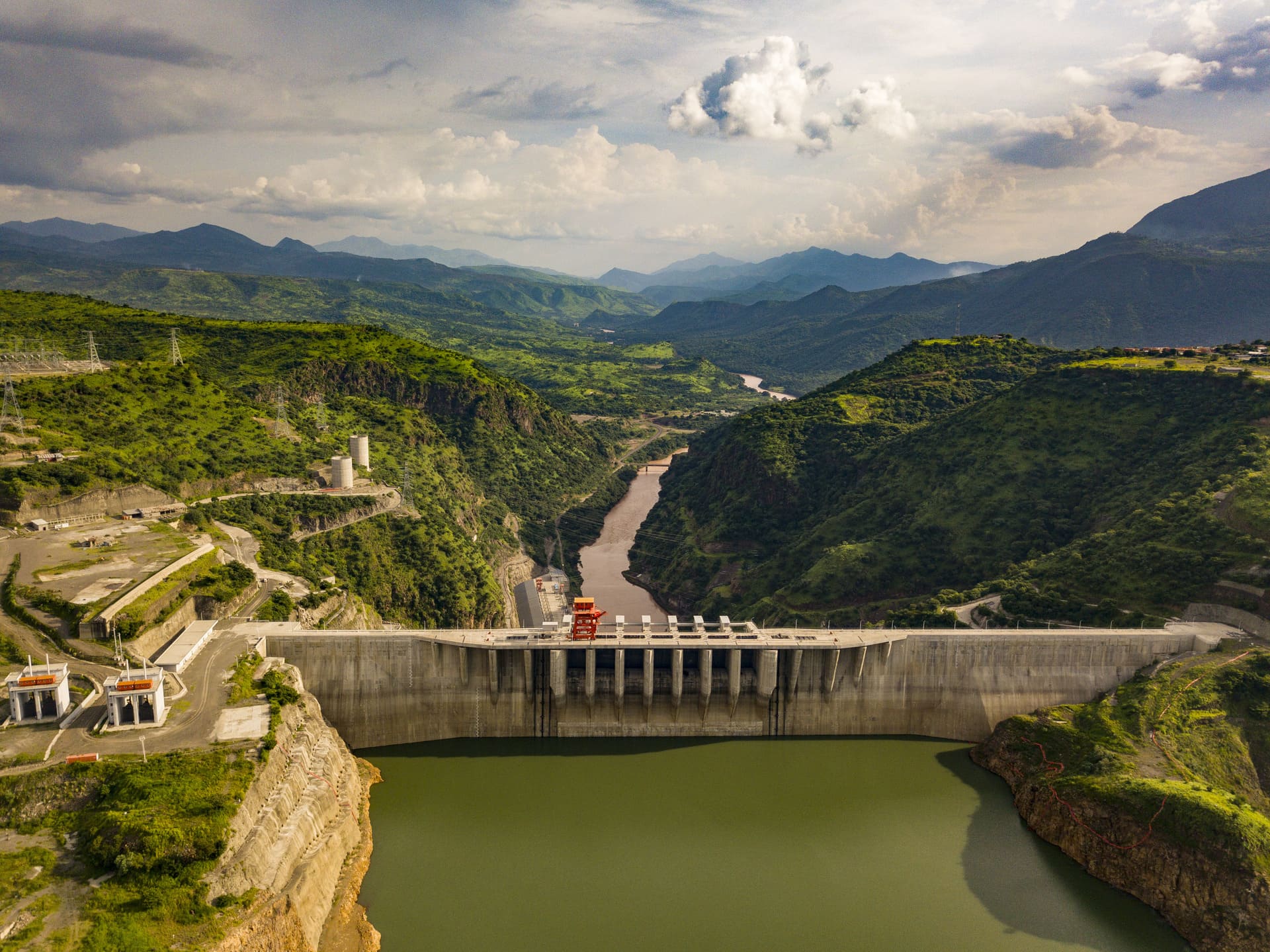 Gibe III hydroelectric plant, Ethiopia
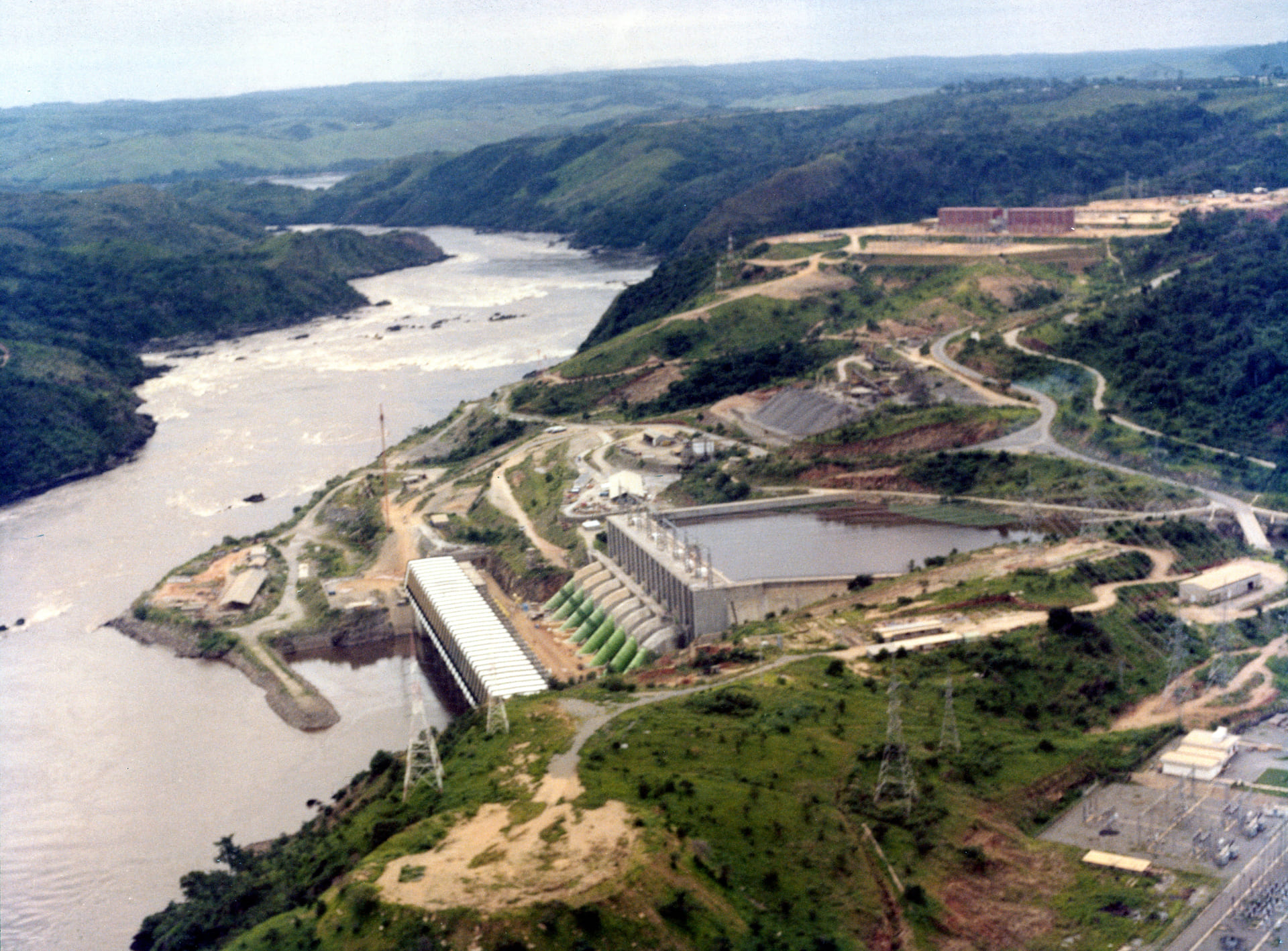 Inga I and II Hydroelectric Project, Democratic Republic of the Congo
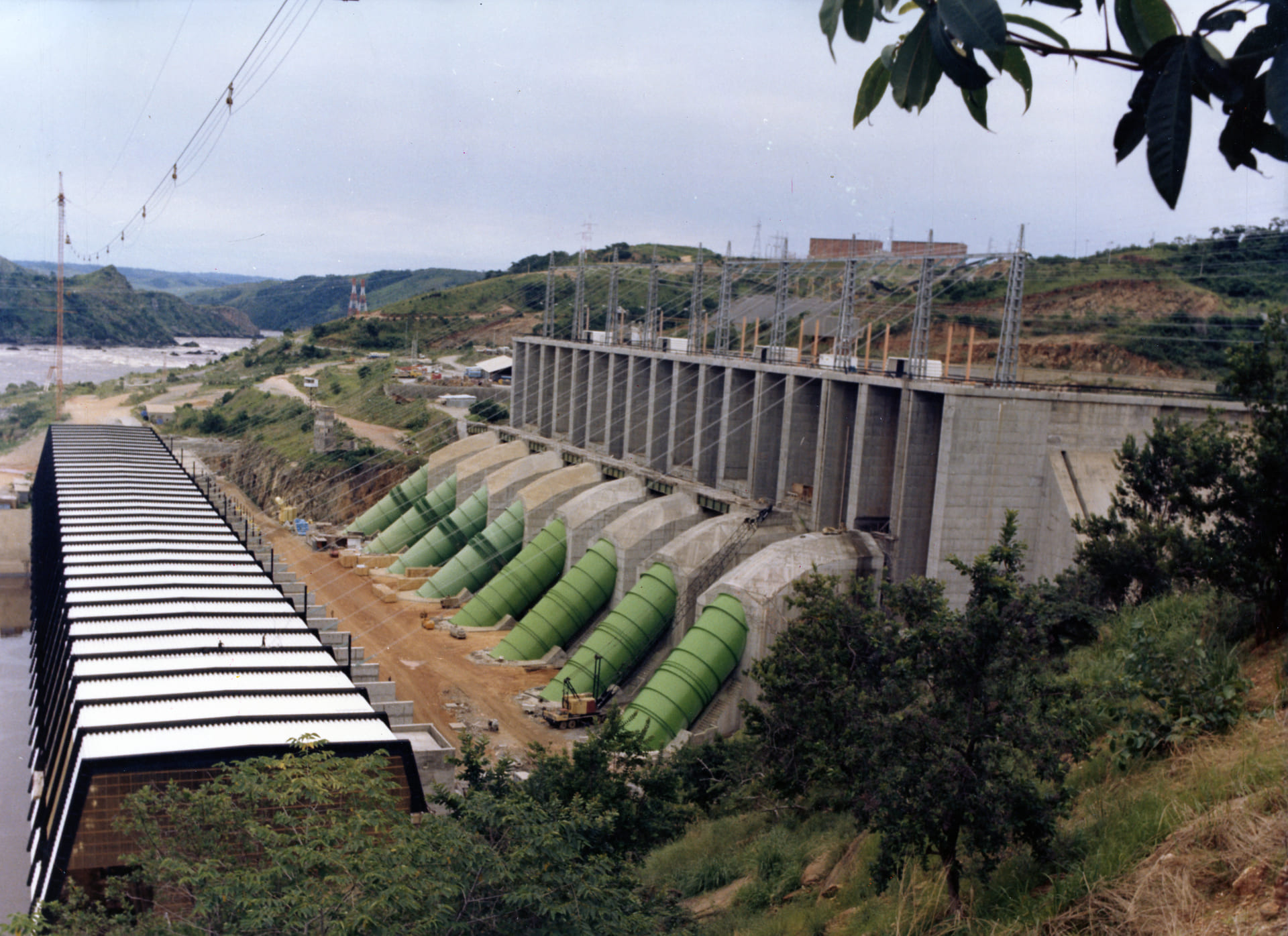 Inga I and II Hydroelectric Project, Democratic Republic of the Congo
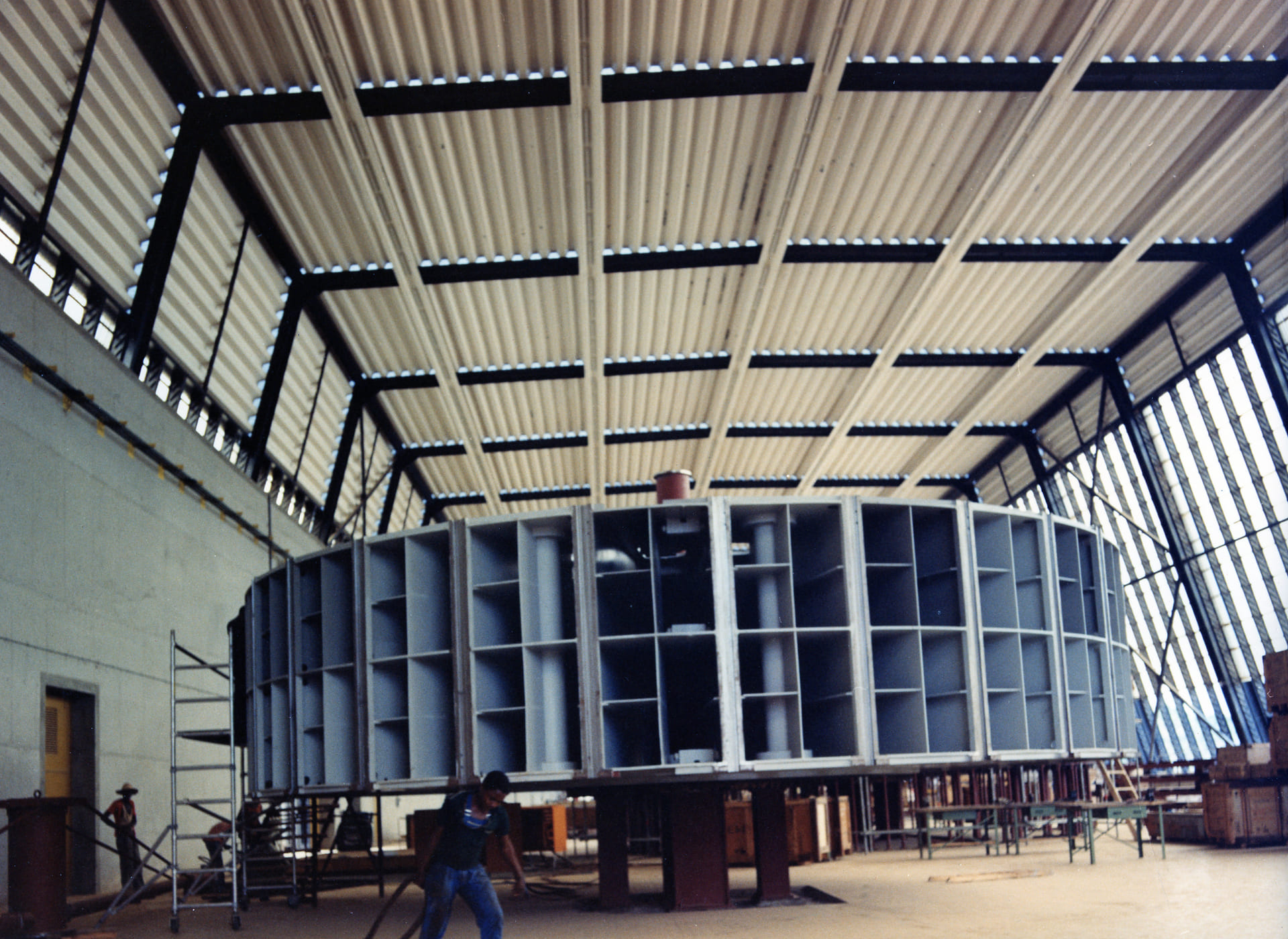 Inga I and II Hydroelectric Project, Democratic Republic of the Congo
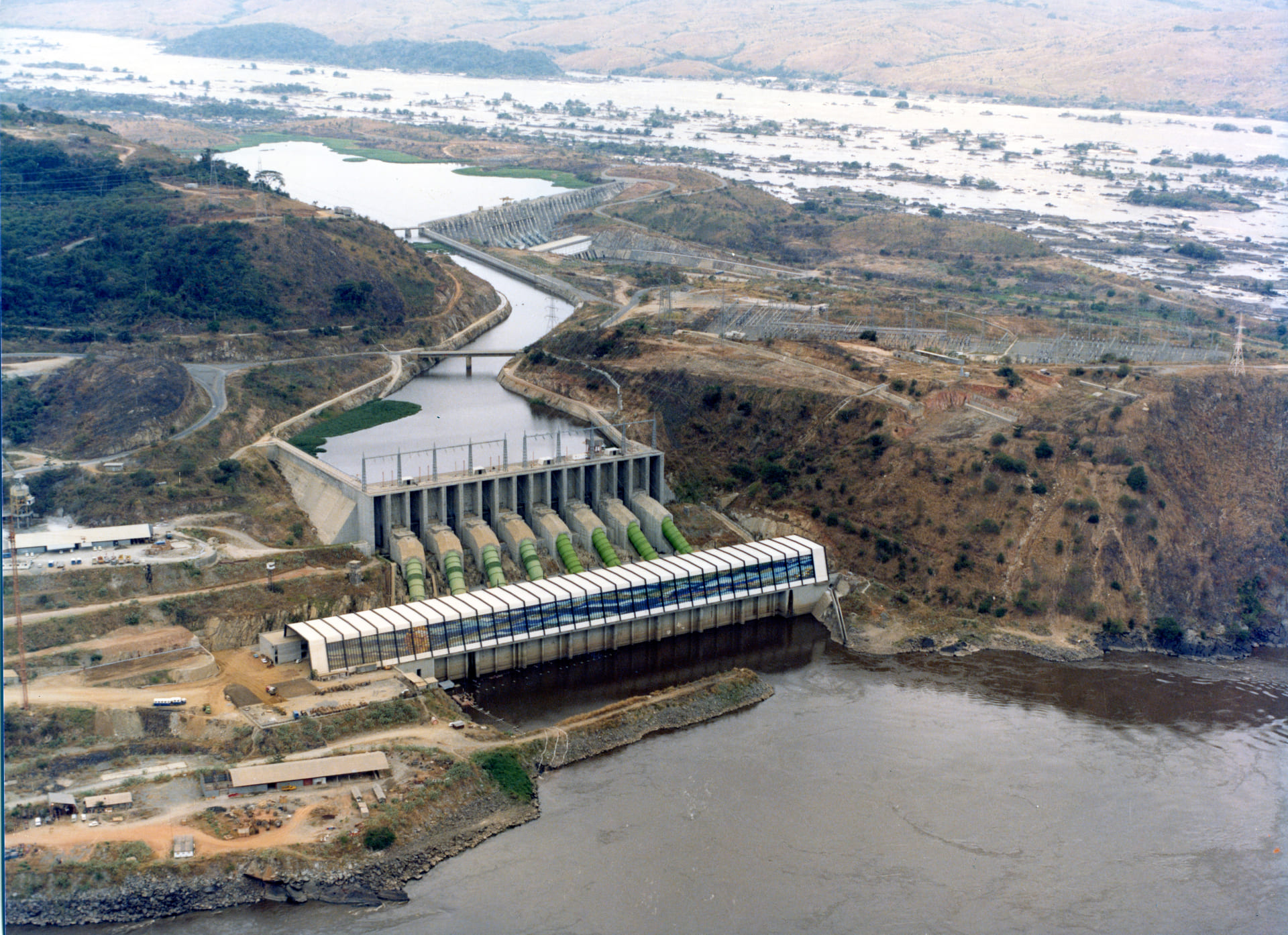 Inga I and II Hydroelectric Project, Democratic Republic of the Congo
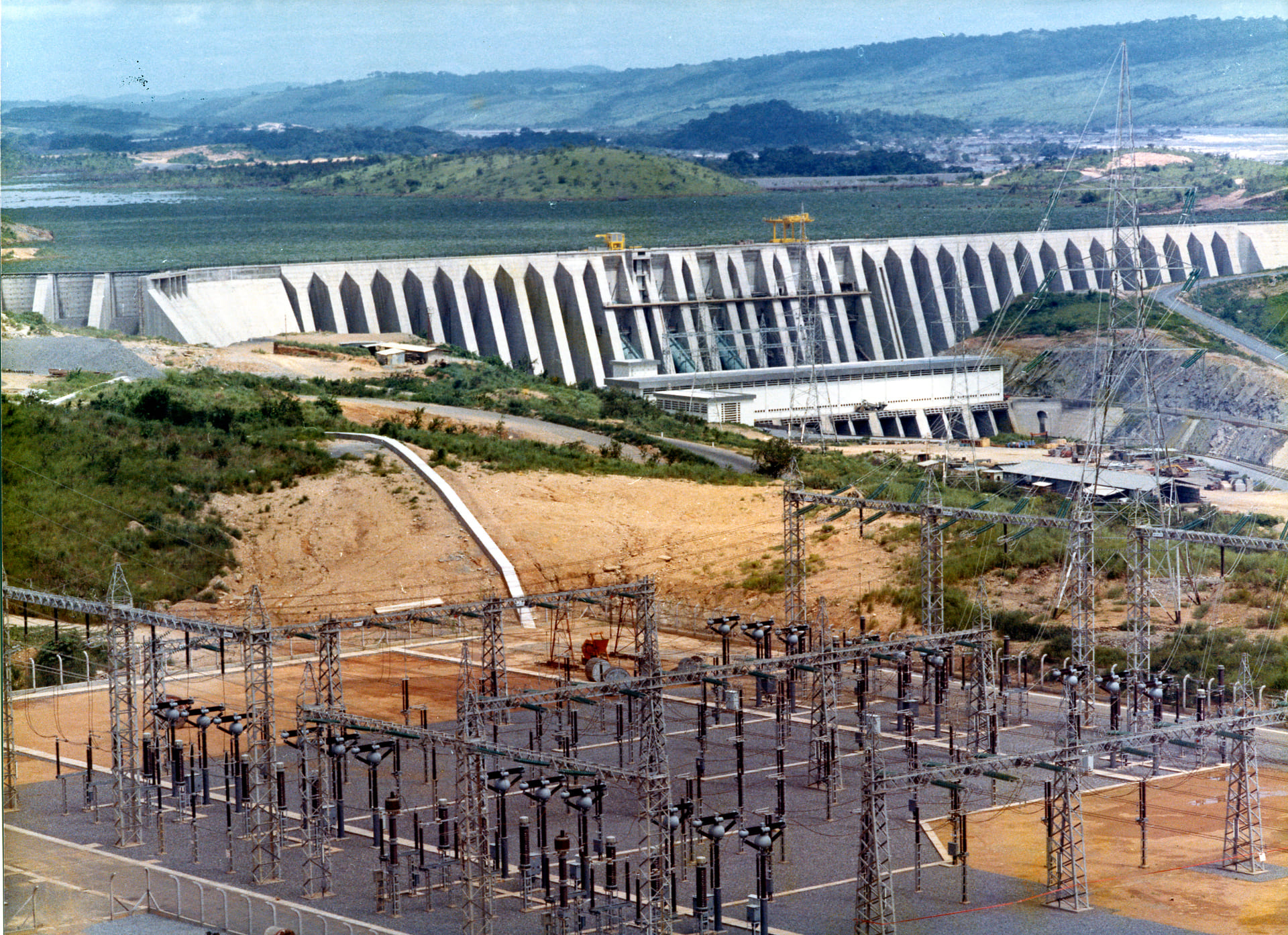 Inga I and II Hydroelectric Project, Democratic Republic of the Congo
- The Democratic Republic of Congo is one of the world’s poorest countries but it is rich in natural resources, especially water – so much so that it could power a good part of Africa if it were able to capture the strength of its river flows
- The DRC is envisioning a complex called the Grand Inga, whose potential is so huge that it could become the biggest hydropower producer, dwarfing the Three Gorges Dam in China
- The DRC is making another attempt at initiating plans for Inga 3, the biggest of three plants with an installed production capacity of up to 11 GW
- The Grand Ethiopian Renaissance Dam in Eastern Africa, built by the Webuild Group, holds the title as the largest hydropower dam on the continent
- From Gibe to Kariba, gigantic dams have been at the heart of the energy policy of African countries for decades to support their development in a sustainable way


It rarely gets this big. If it ever comes to be built, the Grand Inga Hydropower Project would be the largest hydropower complex in the world, far surpassing China’s Three Gorges Dam.
In Africa, where it would be located, the complex would definitely rival the continent’s other giants, such as the Grand Ethiopian Renaissance Dam in Ethiopia, or the Kariba Dam, which sits between Zambia and Zimbabwe. And just like them, it reflects a country’s ambition to harness an abundant and renewable natural resource to support its development in a sustainable way.
When it comes to its size, just the future location of the Grand Inga Hydropower Project is enough to evoke its grandeur, the Democratic Republic of Congo (DRC), and the Congo River, the second longest in Africa, from which the complex would take its power. It winds for 4,700 kilometres through the heart of the country before emptying into the Atlantic Ocean.
It has the highest average flows in the world after the Amazon because it courses through the second largest rainforest. It also crosses the equator twice, enabling it to get a steady supply of water from rainfall in two hemispheres.
The Democratic Republic of Congo might be one of the poorest countries in the world, but it has immense wealth in natural resources, especially water.
Grand Inga Hydropower Project in Congo: The Hydroelectric Power Complex Set to Transform Africa
The Grand Inga’s exact location would be at the Inga Falls area on the lower Congo River, approximately 150 kilometres from Kinshasa, the DRC’s capital, and not far from the Atlantic coast. It is where the river charges down a series of rapids and falls to create some of the most powerful flows – and hydropower potential – in the world.
The Grand Inga’s potential is so huge that it could produce electricity not just for the DRC but a good part of Africa, as well. Described by the World Bank as “transformative”, its combined installed production capacity could reach 42 gigawatts (GW) – nearly double the 22.5 GW of the Three Gorges Dam.
“The Inga site is globally unique due to the immense scale of its hydropower potential,” reads a 2025 factsheet on the proposed complex by the World Bank. “Effectively harnessing this potential could be transformative for the DRC and provide significant benefits to Sub-Saharan Africa and the world more broadly.”
In 2025, the World Bank committed up to $1 billion to Inga 3, beginning with a $250 million credit for the first phase of the project’s development, which includes investments in local infrastructure and communities.
From Inga 3 to the Grand Ethiopian Renaissance Dam, Africa Focuses on Hydroelectric Power
After a number of false starts, the Democratic Republic of Congo is making another attempt at initiating plans for the next hydroelectric power plant: Inga 3. It would be the biggest yet, with an installed production capacity of up to 11 GW.
In April, Aimé Sakombi Molendo, the Minister of Hydraulic Resources & Electricity, told the African Press Organization that the project was approaching parliamentary review. “We are now aligning institutions, partners and financing instruments to move into execution”. “This project is no longer theoretical; it is entering implementation,” he added.
Although the government is pursuing a number of other initiatives to electrify the country, Inga 3 – and the Grand Inga Hydropower Project as a whole – would be the biggest by far. The World Bank has estimated the Grand Inga could eventually have up to eight different hydropower projects clustered at the site near Inga Falls. It would be one of the world’s largest power stations.
For the moment, however, the Grand Ethiopian Renaissance Dam, or GERD, remains the largest hydropower plant in Africa. Inaugurated in September 2025 and built in Ethiopia by Italian civil engineering group Webuild, it has an installed production capacity of 5,150 MW. It has turned the country into a hydroelectric energy hub, able to produce electricity for itself as well as neighbouring Kenya and Sudan.
Although they might not be as powerful as the Grand Ethiopian Renaissance Dam, there are a number of other hydroelectric power plants on the continent that are giants in their own right.
There is the Gibe complex, also in Ethiopia. Located on the Omo River and built by Salini Costruttori, a Webuild predecessor, it comprises three plants with a combined production capacity of more than 2.0 GW. On the border with Zambia and Zimbabwe, there is the Kariba Dam. Also built by Webuild predecessors, it is a dam project with a capacity as robust as the Gibe complex.
Two Hydroelectric Power Plants, but Energy Supply Still Insufficient
The Democratic Republic of Congo began work on the complex decades ago. Built by the Astaldi Group (which later merged into Webuild), the first hydropower plant – Inga 1 was completed in 1972 with an installed production capacity of 0.35 GW. The second – Inga 2 – in 1982 with 1.4 GW.
Although they no longer produce at full capacity due to lack of maintenance and other factors, they still supply 70 percent of the DRC’s electricity, according to the World Bank. It still does not add up to much: only one in five people in the country has access to electricity.
So power shortages are severe, and they affect not only people’s daily lives but also industry, especially mining. The DRC is known for its vast reserves of cobalt, copper and lithium.
Not Just Dams: New Infrastructure to Bring Electricity from Angola to the DRC
Meantime, the Democratic Republic of Congo is not waiting for the completion of the Grand Inga before finding solutions to meet its people’s demand for more electricity.
In May, it agreed to conduct technical studies into the development of a power transmission line to connect neighbouring Angola’s power surplus to DRC’s mining sector. At 1,450 kilometres, it would be the longest line on the continent.