

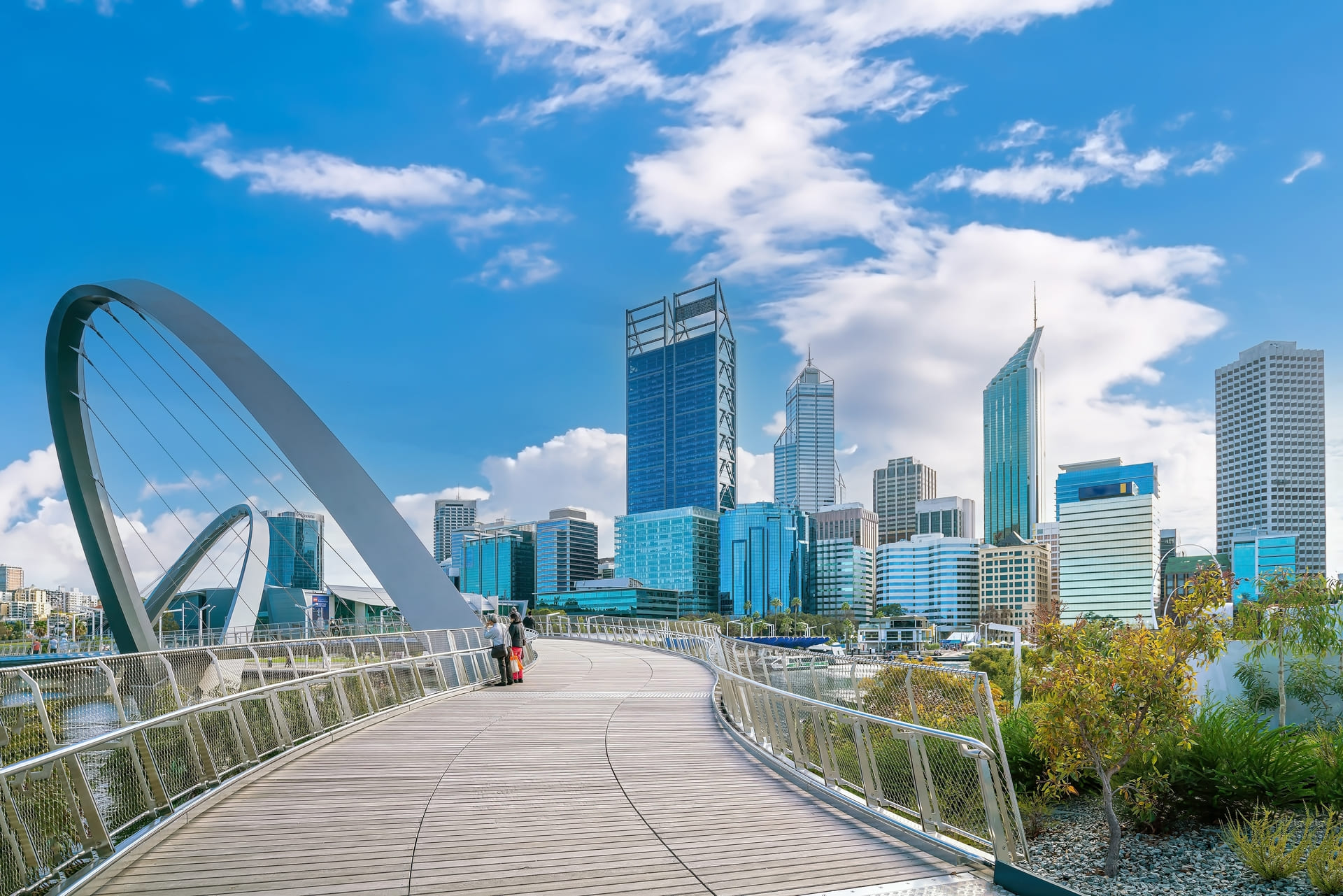
 Perth, Australia
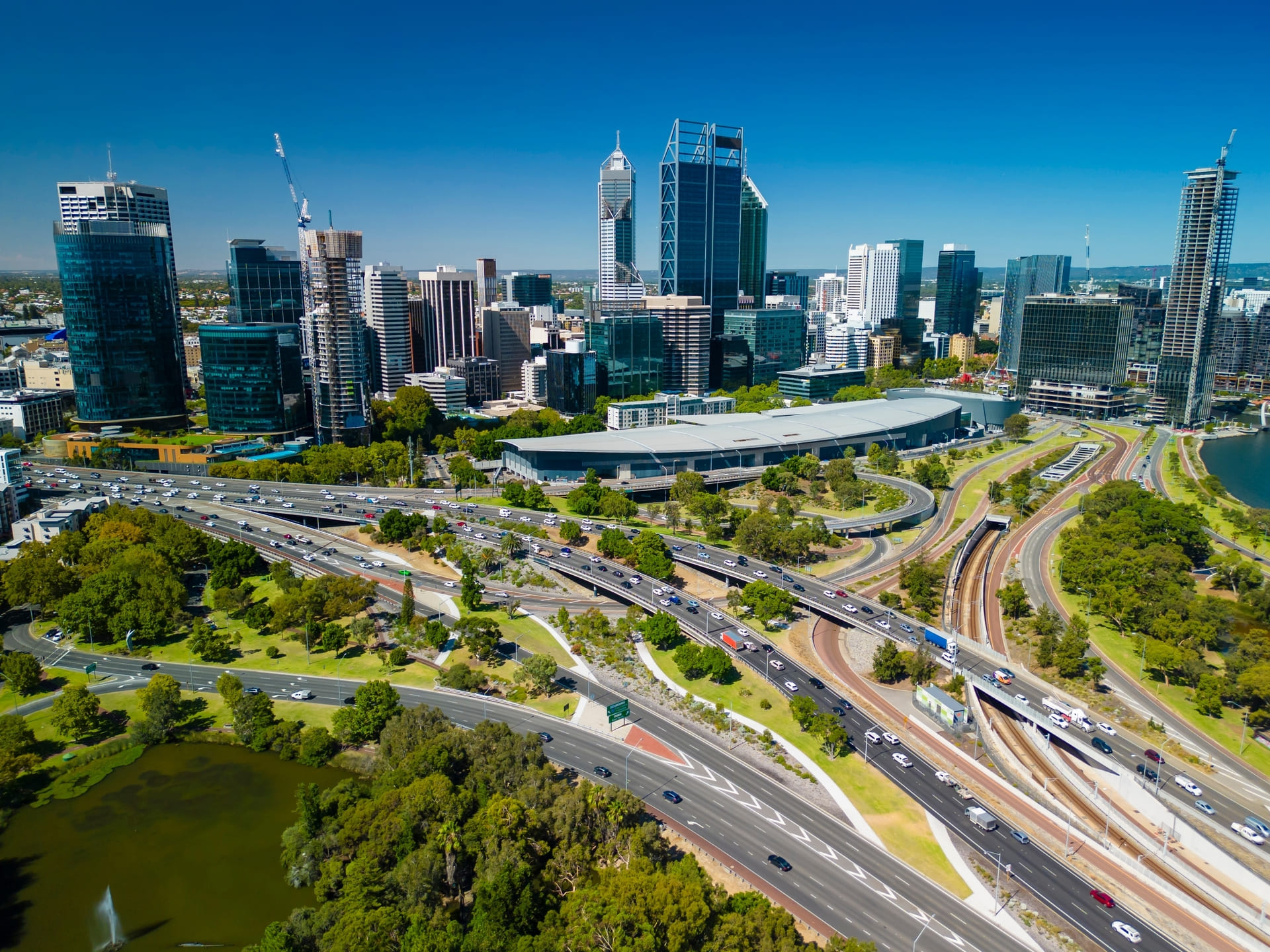 Perth, Australia
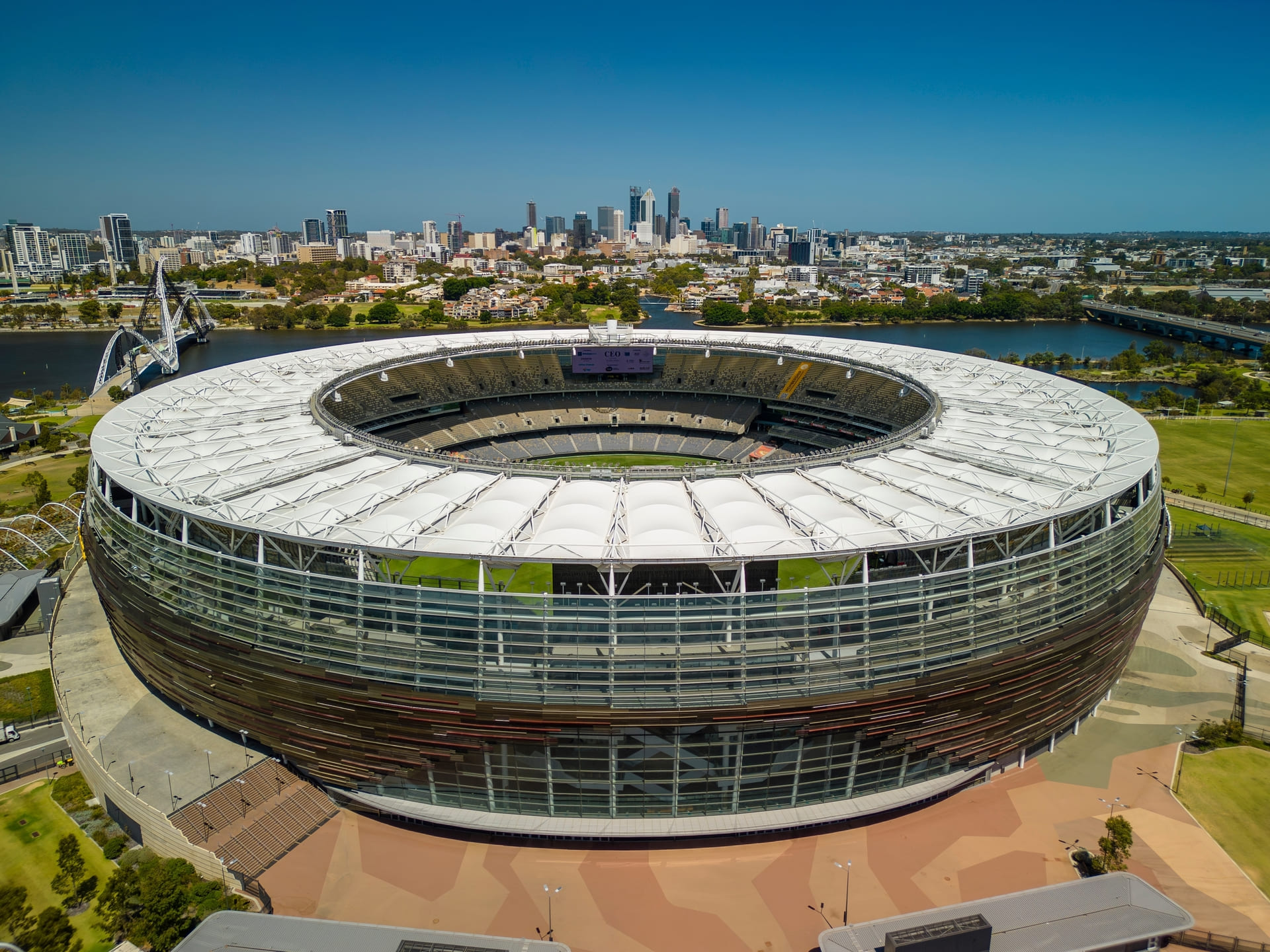 Optus Stadium, Perth
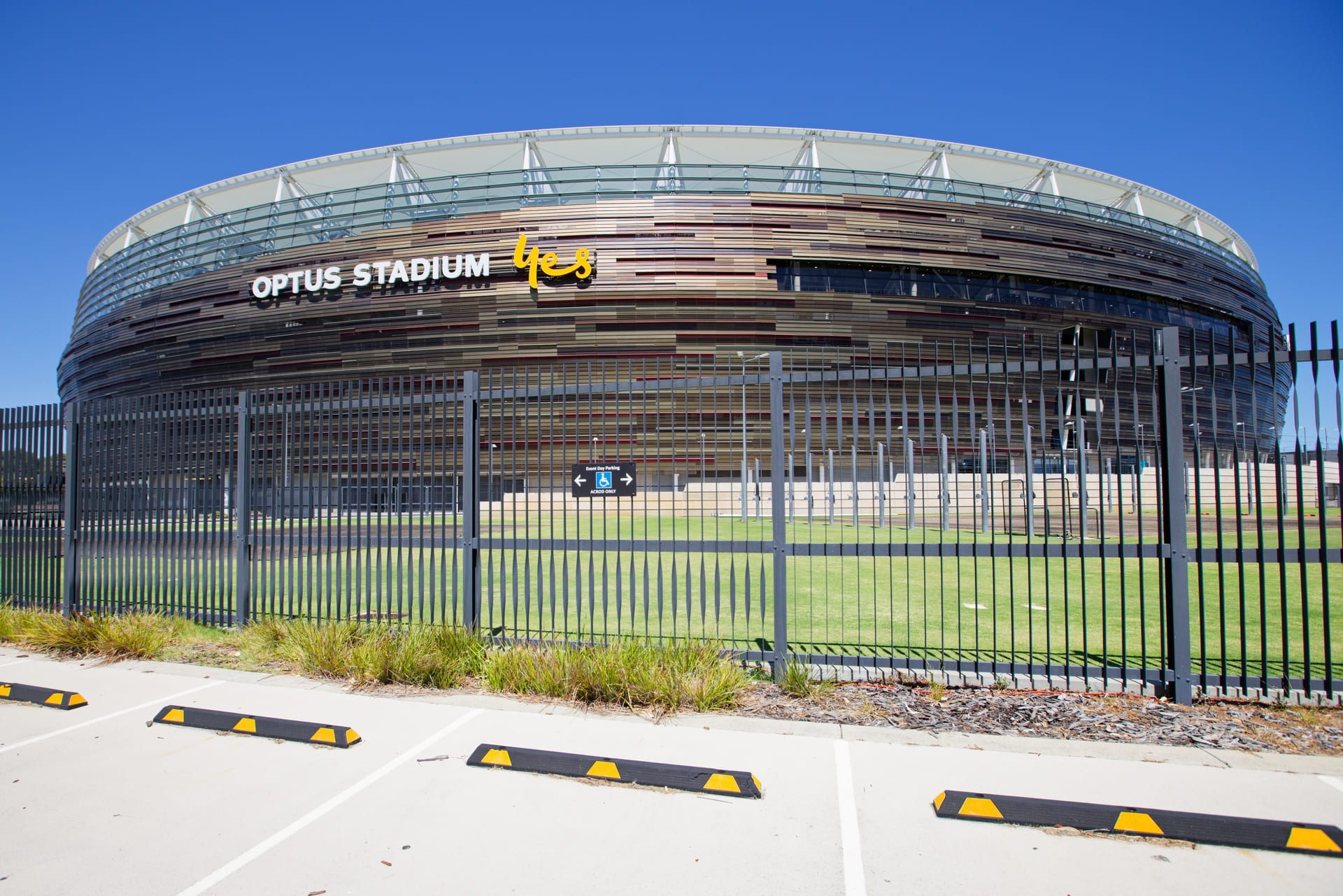 Optus Stadium, Perth
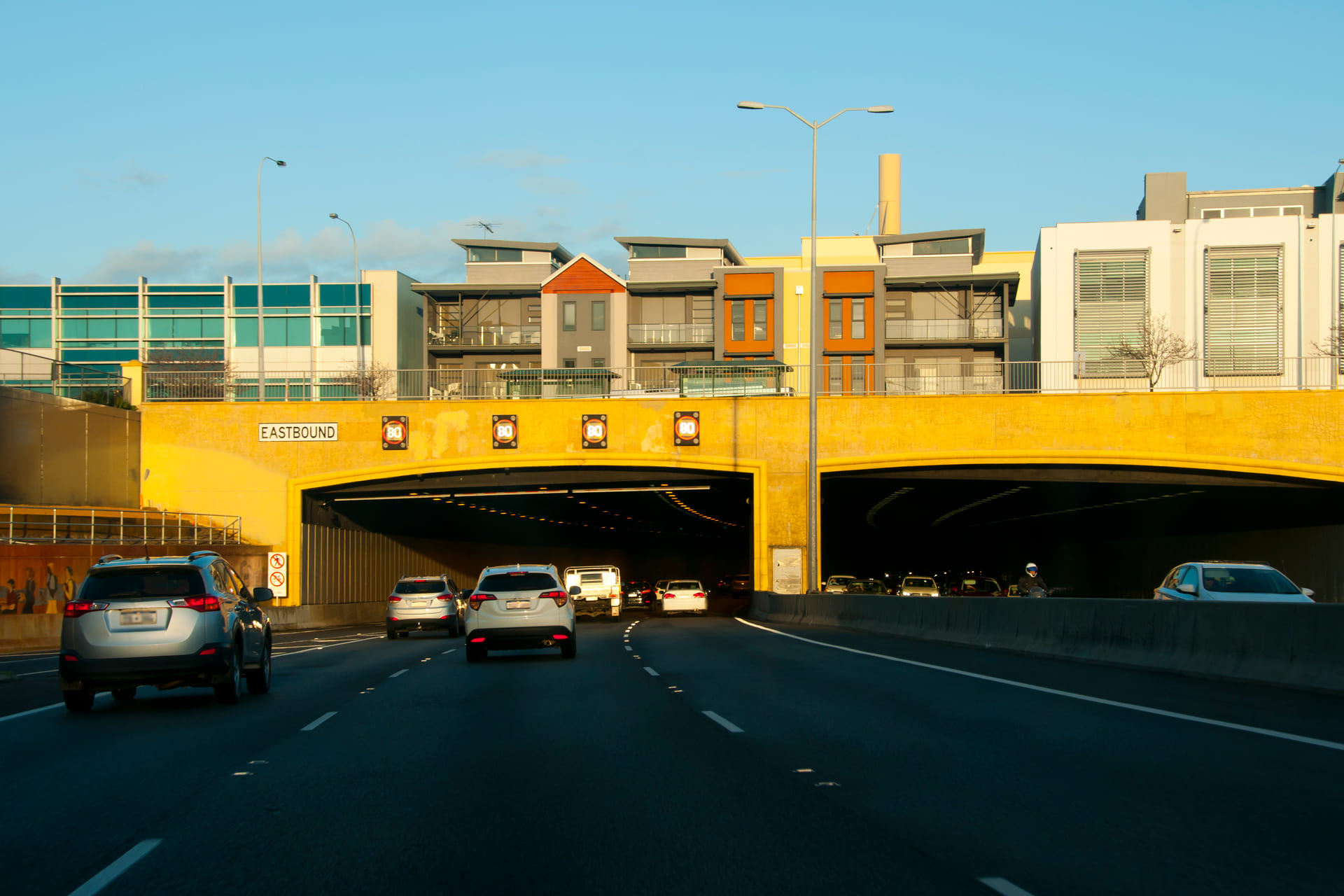 Graham Farmer Freeway Tunnel, Perth
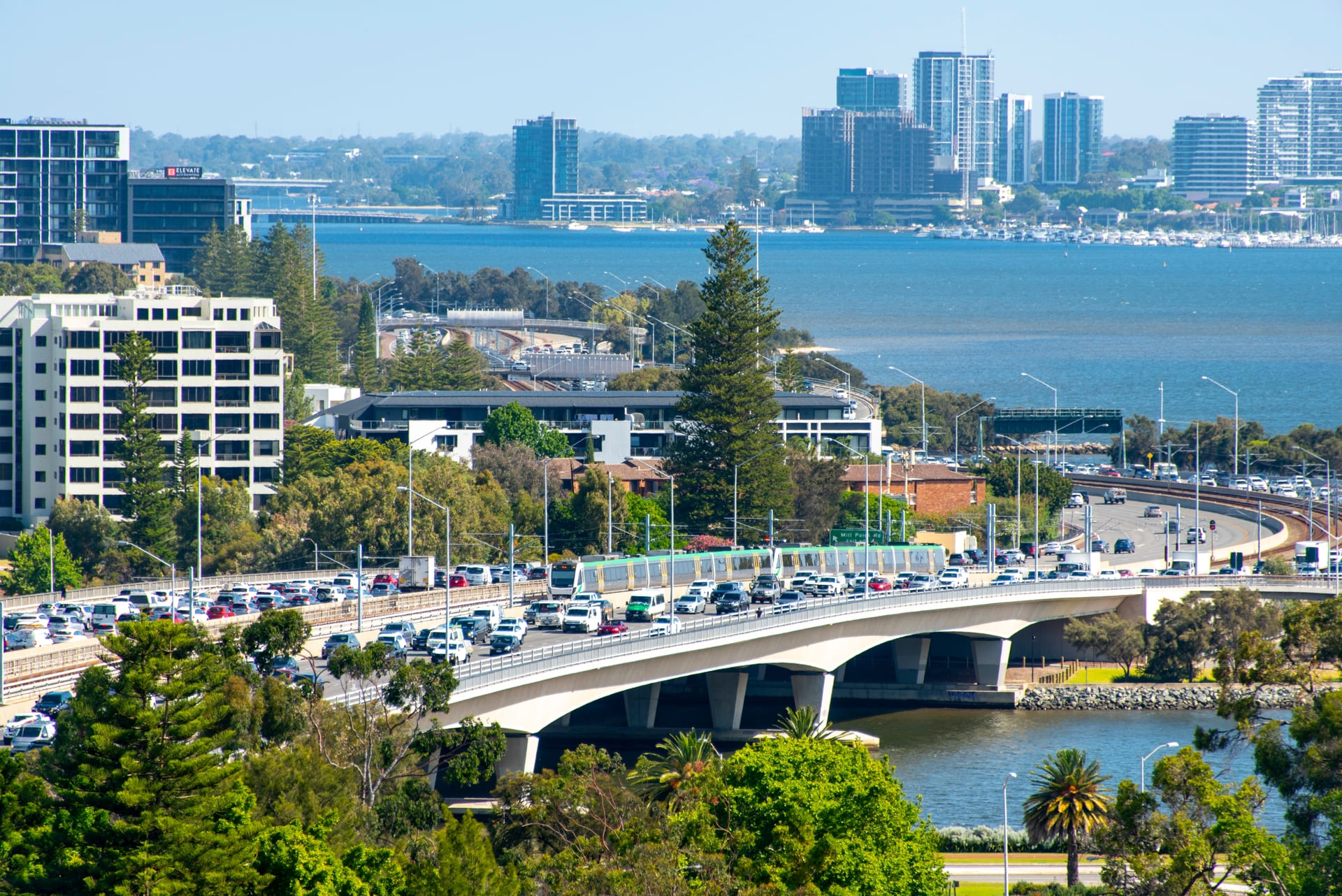 Narrows Bridge, Perth
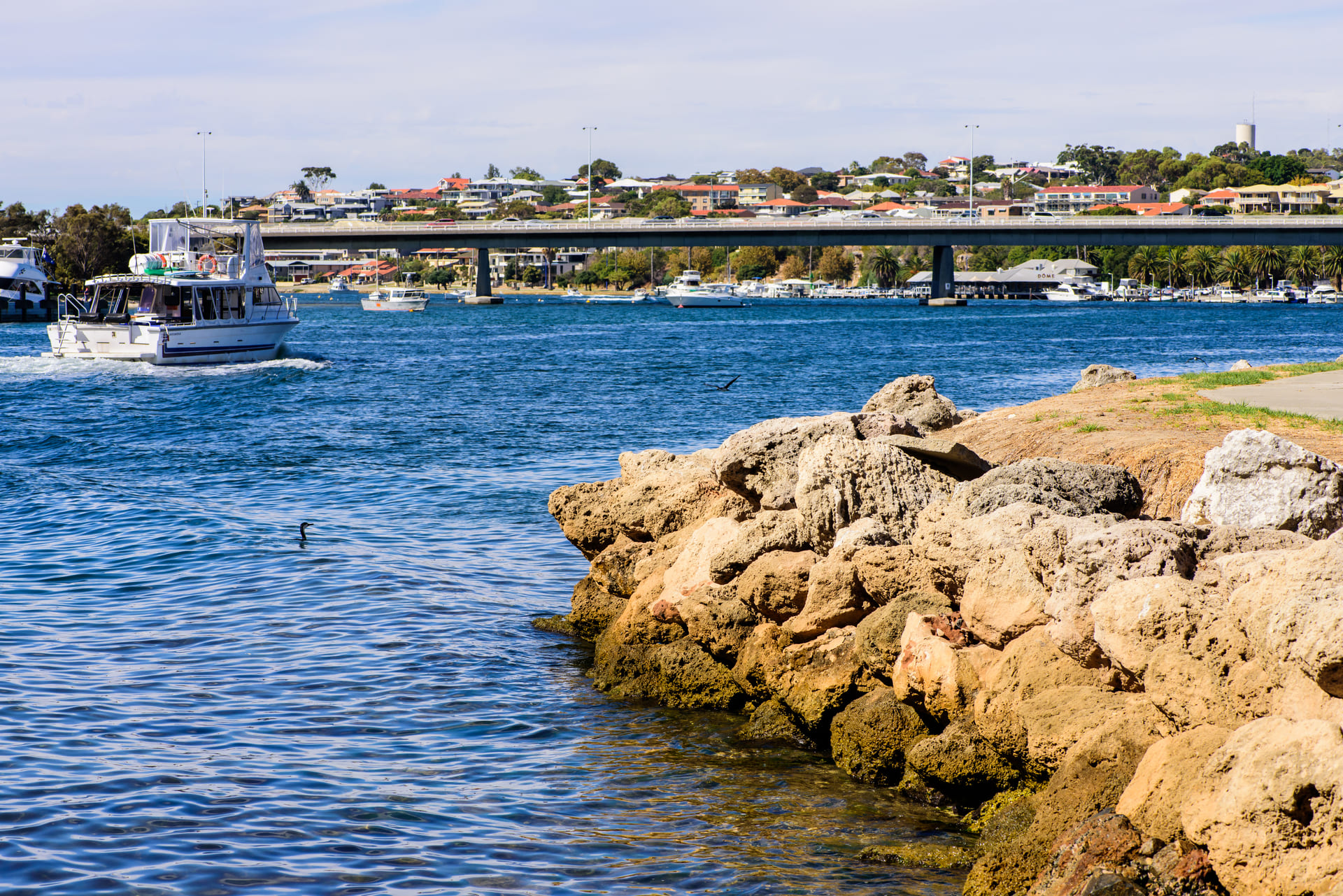 Stirling Bridge, Fremantle
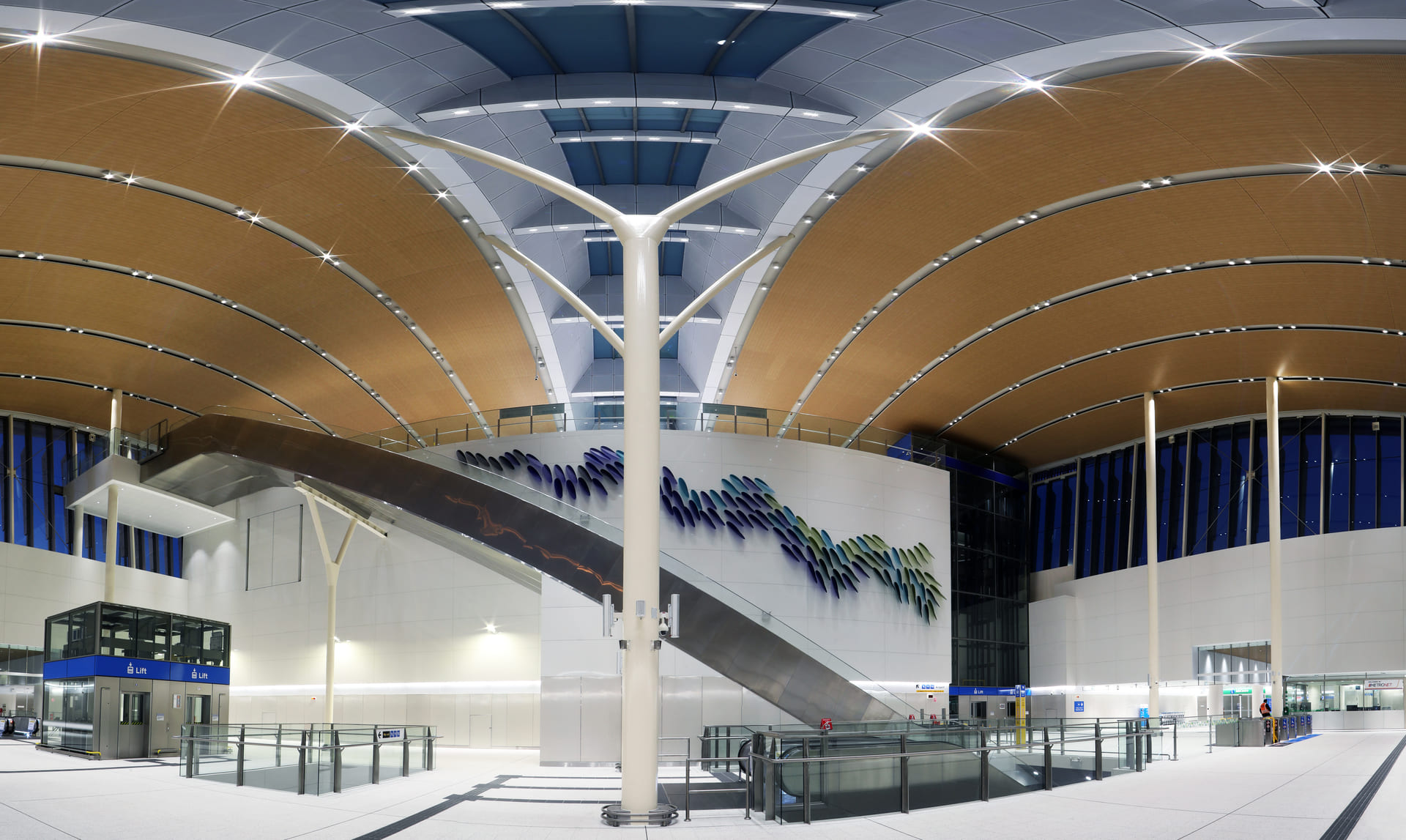 Forrestfield-Airport Link, Perth
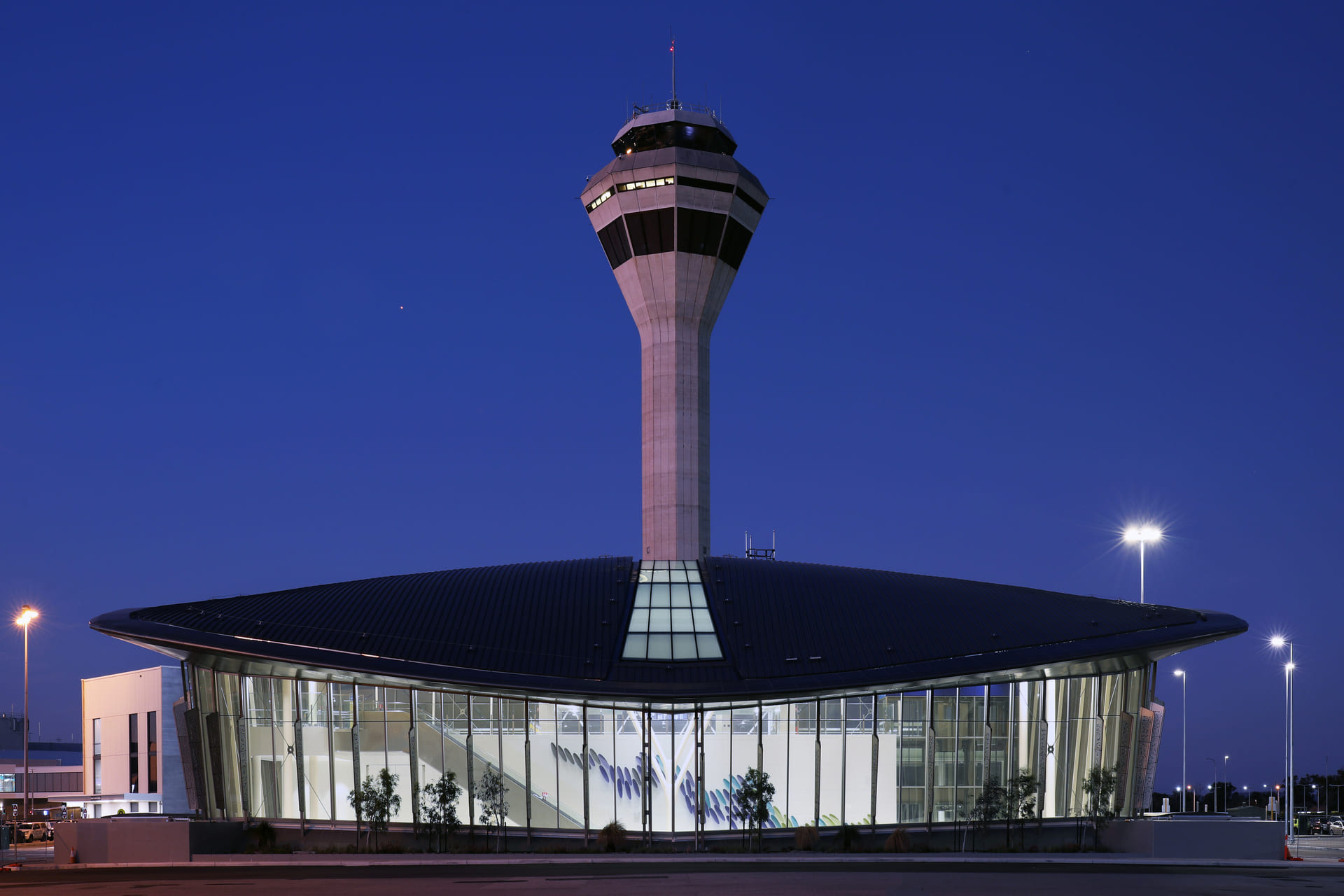 Forrestfield-Airport Link, Perth
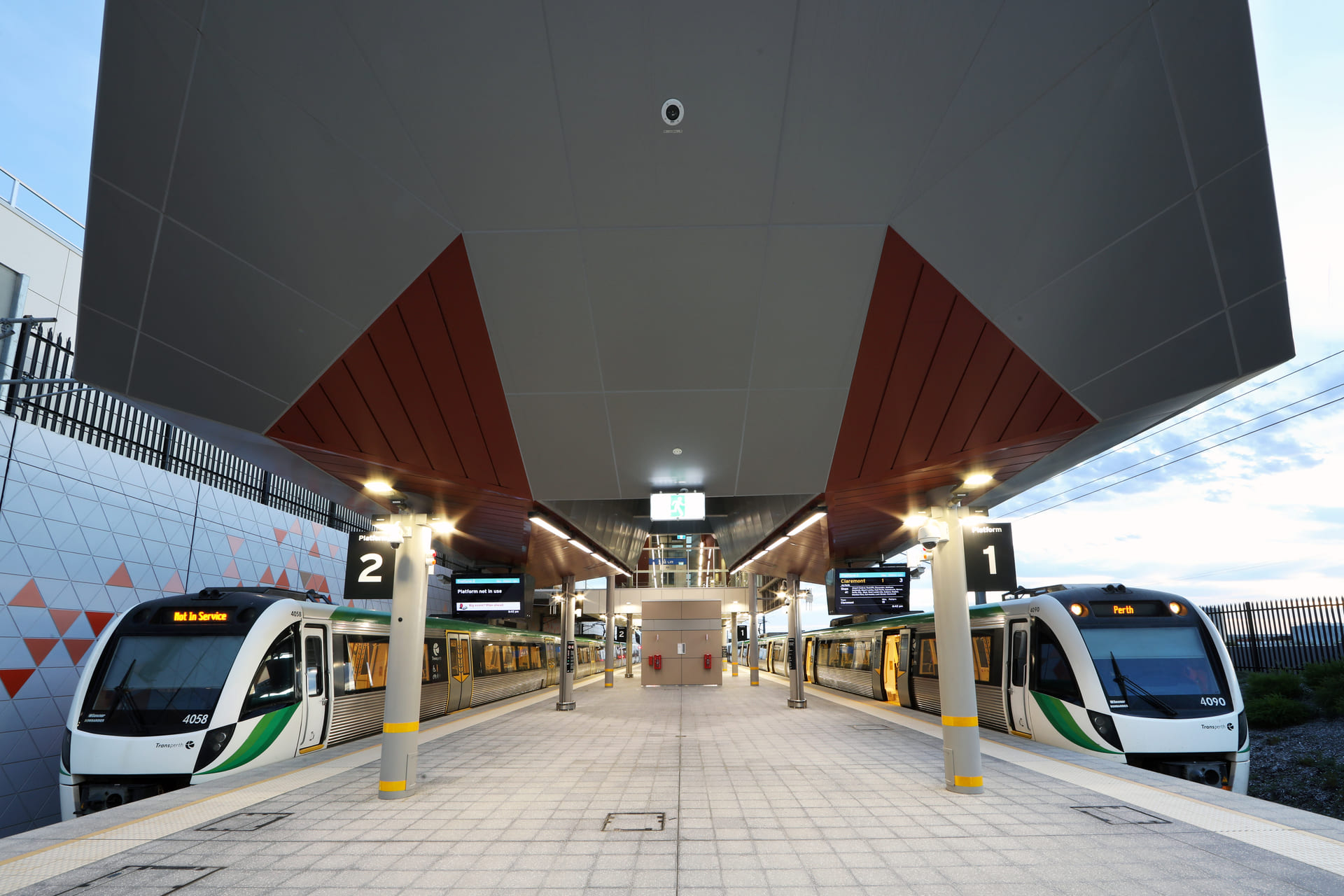 Forrestfield-Airport Link, Perth
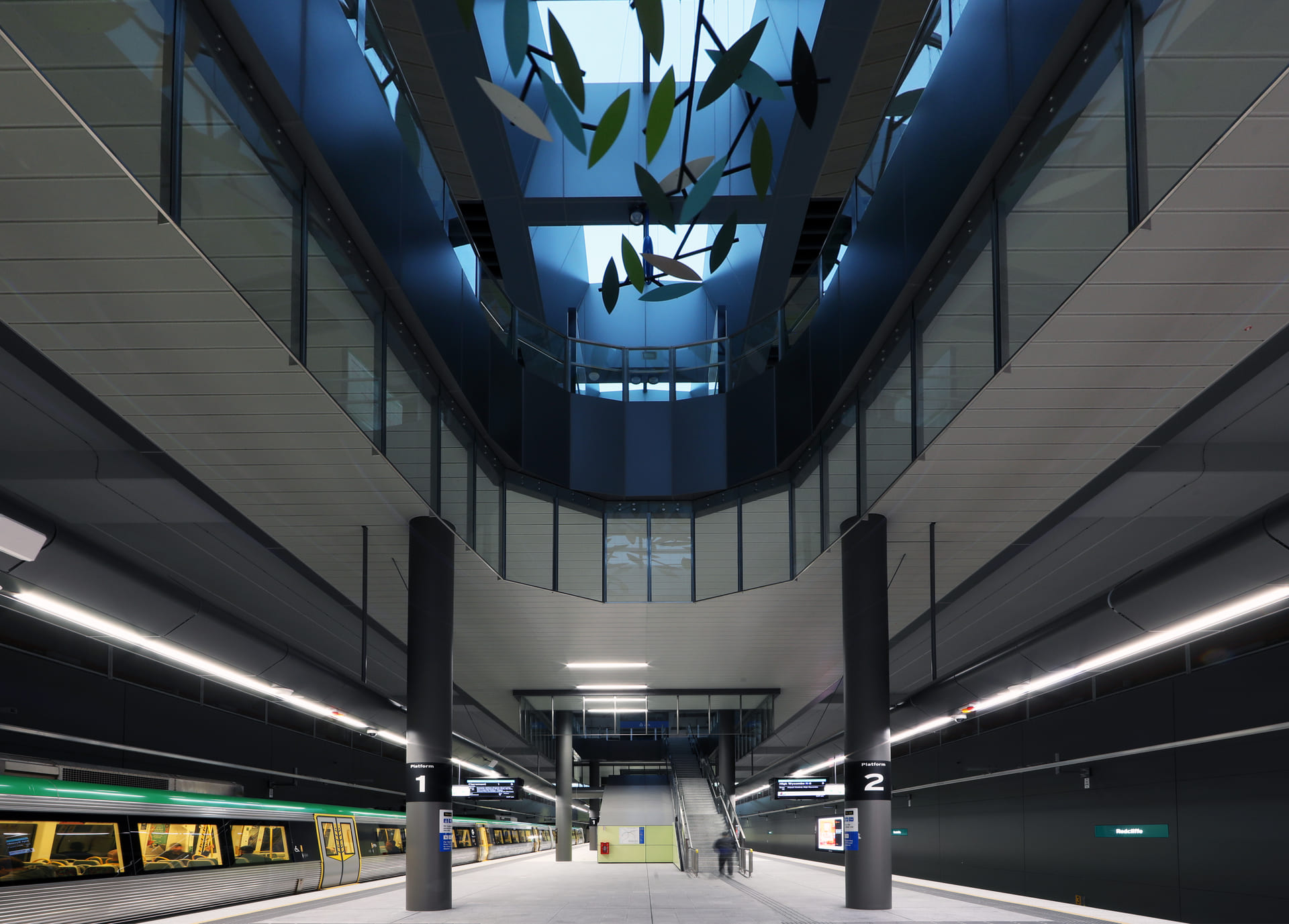 Forrestfield-Airport Link, Perth
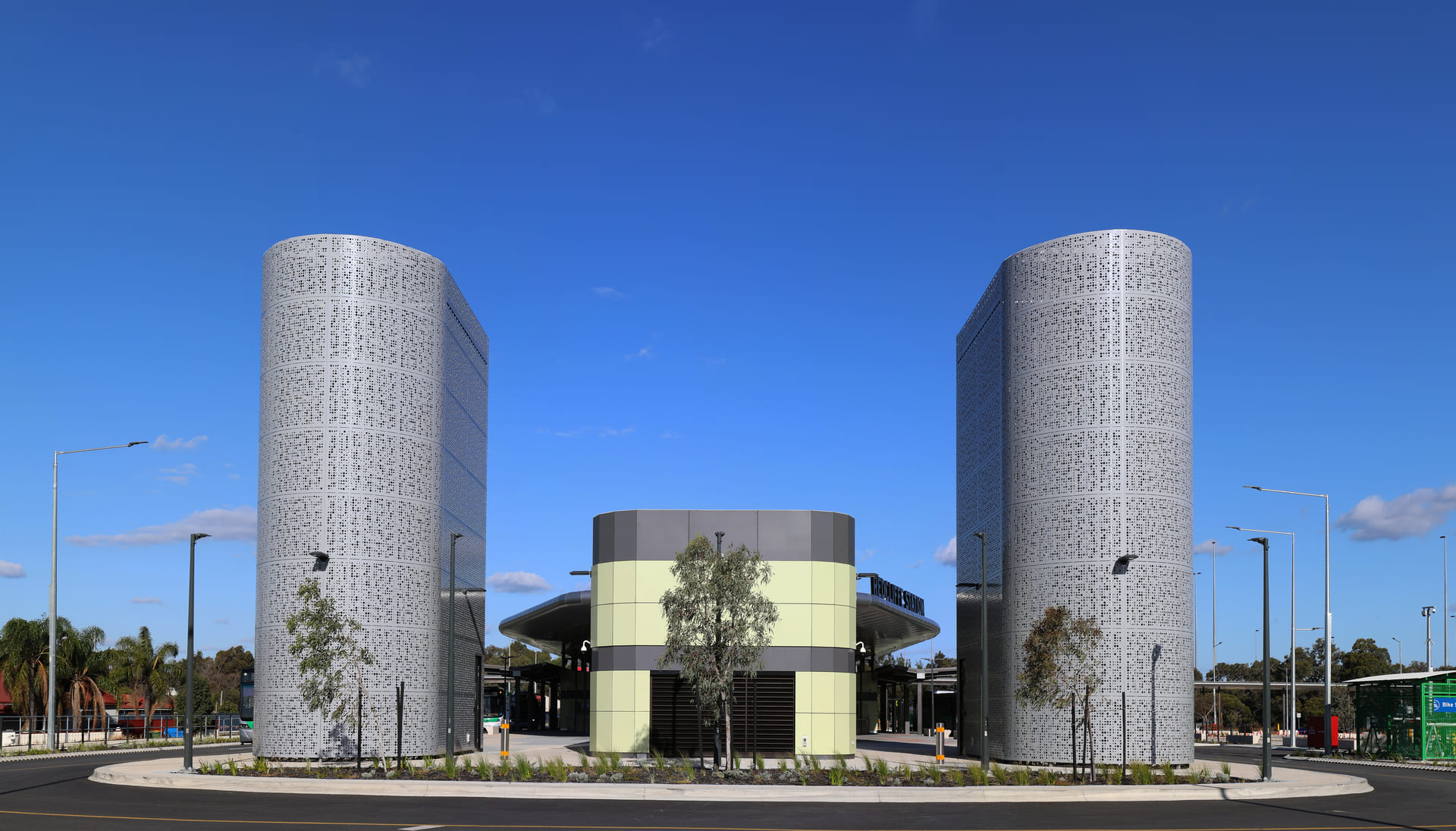 Redcliffe Station, Forrestfield-Airport Link, Perth
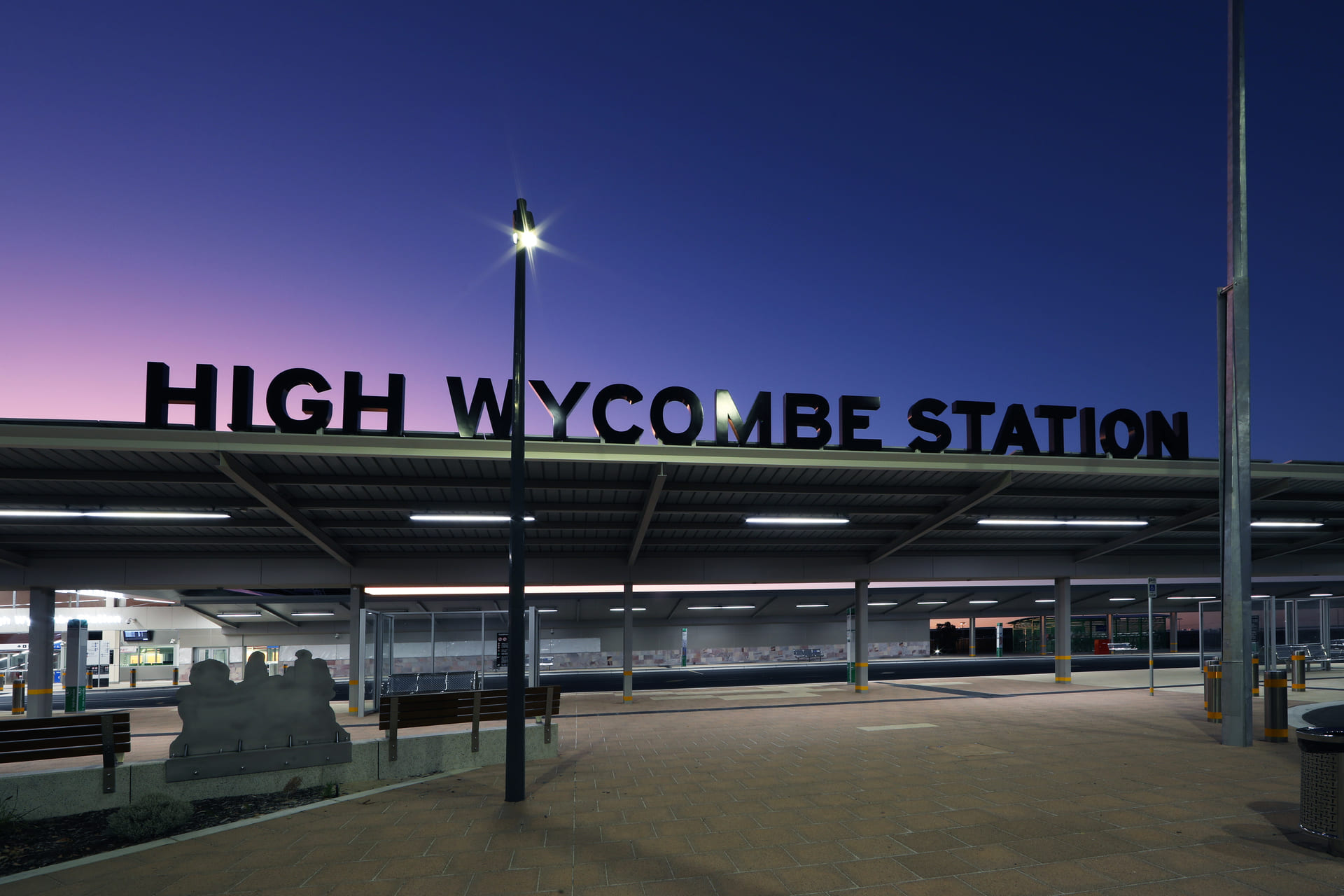 High Wycombe Station, Forrestfield-Airport Link, Perth
- Perth hosts AC Milan, Inter, Juventus, and Palermo Football Club for a week of great Italian football, in an event supported by Webuild that celebrates the bond between Italy and Western Australia
- Western Australia is the Australian state with the highest recent demographic growth and continues to invest in infrastructure to support Perth's development
- Perth's Airport Line, built by Webuild, connects the airport and the city center with an 8.5-kilometer line, reducing travel times from 45 to 20 minutes
- The expansion of the Woodman Point Water Resource Recovery Facility will transform the State's largest wastewater treatment plant

For a few days, Perth will host some of the most successful teams from Italy’s Serie A, who will face off under the lights of Optus Stadium as part of a tournament aimed at bringing world-class football to Australia.
Thousands of kilometers away from San Siro and Turin’s Allianz Stadium, some of the best-known rivalries in Italian football have crossed the ocean to meet a community of fans that has grown up on the other side of the world.
Between August 5 and 11, AC Milan, Inter, Juventus, and Palermo Football Club take center stage in Perth for Calcio Italiano, the friendly tournament that brings together four iconic clubs of the country’s sporting history for the first time in Western Australia.
Webuild is participating in the initiative as Major Event Partner, in a symbolic bridge between the Group’s Italian roots and a region that plays an increasingly important role in its operations in Australia.
Yet the connection with Western Australia extends far beyond a single week of top-tier Italian soccer: through Clough, a company founded in Perth in 1919, the Group has been contributing for over a century to building the infrastructure that has driven the State’s transformation.
Serie A in Perth: Italian Football Fever Crosses the Ocean
Football possesses a special ability to travel. It needs no translation; it crosses generations and continues to thrive even when far from the places where it was born.
In Australia, where Italian immigration helped build entire communities, the colors of Serie A teams have been passed down within families, becoming part of an identity preserved thousands of kilometers from Italy – in sports clubs, associations, and the neighborhoods of major cities.
The arrival of the four teams in Perth therefore represents something more than an international tour. Calcio Italiano celebrates sport’s capacity to unite cultures and generations, bringing to Australia two matches that are deeply embedded in the global football imagination: the Derby della Madonnina (between Inter and Milan) and the Derby d’Italia (between Inter and Juventus).
Perth is thus preparing to welcome the event as a major international celebration. At Optus Stadium, one of Australia’s most modern multipurpose venues, the crowd will witness three matches exclusive to the Australian market, set within a broader season of major sporting events promoted by Western Australia.
In this way, sport itself opens a window onto a region far from Europe, yet increasingly central to the economic dynamics of Australia.
Perth, a City Built Looking Out to the World
Perth stands on the coast of the Indian Ocean, separated from Australia’s major eastern metropolises by thousands of kilometers of terrain. This distance has often earned it the label of the world’s most isolated city.
In reality, its recent history tells the exact opposite story: Perth is a city increasingly connected to the trade, energy, and industrial routes that cross Asia and the Pacific.
The capital concentrates the vast majority of Western Australia’s population. In the 2021 census, the State counted approximately 2.7 million residents, with nearly four out of five settled in the Greater Perth metropolitan area. Furthermore, according to the latest data from the Australian Bureau of Statistics, Western Australia was the Australian state with the highest demographic growth rate in the year ending December 2025, reaching 2.2%.
This urban growth is sustained by an economy strongly tied to natural resources, energy, industry, and exports. Western Australia produces over fifty different minerals and petroleum products, and in 2025, investments in the mining and petroleum sectors reached 34 billion Australian dollars (23.8 billion US dollars), the highest level in the past decade. In the same year, total business investment in the State exceeded 63 billion Australian dollars (44 billion US dollars).
These numbers describe a region on the move, called to transform subterranean wealth into urban development, services, mobility, and infrastructure capable of connecting vast distances.
For Perth, the challenge is two-fold: to continue supporting the industrial activities that power Western Australia’s economy while simultaneously improving the quality of life for a growing population.
Webuild in Western Australia: from Fremantle to Barrow Island, over a Century of Major Infrastructure Projects
Webuild‘s presence in Western Australia traces its roots to the history of Clough, a company founded in Perth in 1919. Its very first major infrastructure project was the construction of one of the city’s early high-rise buildings; since then, the firm has accompanied and driven the State’s evolution, becoming part of the Webuild Group in 2023.
Throughout the twentieth century, the growth of Perth and its metropolitan area took shape through infrastructure projects destined to change the city’s geography. Among these are the Narrows Bridge over the Swan River, the Stirling Bridge in Fremantle, and the Graham Farmer Freeway tunnels, which helped make travel easier across an increasingly expanding city.
Yet the growth of Western Australia did not stop at the capital. Infrastructure reached even the most remote mining and energy areas, stretching from the northern coast to major industrial hubs. Clough participated in the development of the Barrow Island oil field as well as the iron ore and liquefied natural gas industries—sectors that progressively transformed the State into one of Australia’s primary economic engines.
Airport Line: The Railway Line Connecting the Airport to the City
For anyone arriving in Perth today, the first encounter with the city’s infrastructural transformation happens right at the airport. Opened in October 2022, the Airport Line—formerly known as the Forrestfield-Airport Link—connects the eastern suburbs and the international airport to the suburban rail network and the city center.
The railway line extends for 8.5 kilometers, eight of which are underground, and includes the High Wycombe, Airport Central, and Redcliffe stations.
Webuild constructed the infrastructure project alongside the Australian company NRW, leading the joint venture with an 80% stake. The project included two mechanically excavated tunnels, three emergency egress shafts, and the infrastructure serving the new stations.
The new railway line cut travel time to the city center from around 45 minutes down to 20 minutes. Estimates developed at the time of opening projected roughly 20,000 daily trips in its first year, set to rise to 29,000 by 2032.
The line has become one of the flagship projects of the METRONET program, through which Western Australia is expanding and modernizing Perth’s public transportation system.
Wastewater Treatment Plant: Water Becomes a Circular Resource
The growth of a major metropolitan area is not measured solely by its roads, railways, or buildings, but also by its capacity to manage water, recover energy, and transform urban waste into new resources.
In Munster, in southern Perth, Clough and Jacobs are carrying out the upgrade of the Woodman Point Water Resource Recovery Facility—the largest wastewater treatment plant in Western Australia. The facility serves residential, commercial, and industrial users across the southern metropolitan area.
The project will enable the new facilities to process up to 120 metric tons of dried solids per day, producing biosolids that can be used in agriculture as soil conditioners, along with biogas that can be harnessed as an energy source.
The project involves introducing thermal hydrolysis pre-treatment technology, new dewatered sludge receiving facilities, thickening and dewatering systems, and new odor control plants.
Woodman Point thus becomes an example of circular infrastructure: wastewater is no longer merely waste to be disposed of, but the source of reusable products and energy. This transformation is particularly vital in a region where population growth, climate, and resource availability make water management one of the key challenges for the future.