


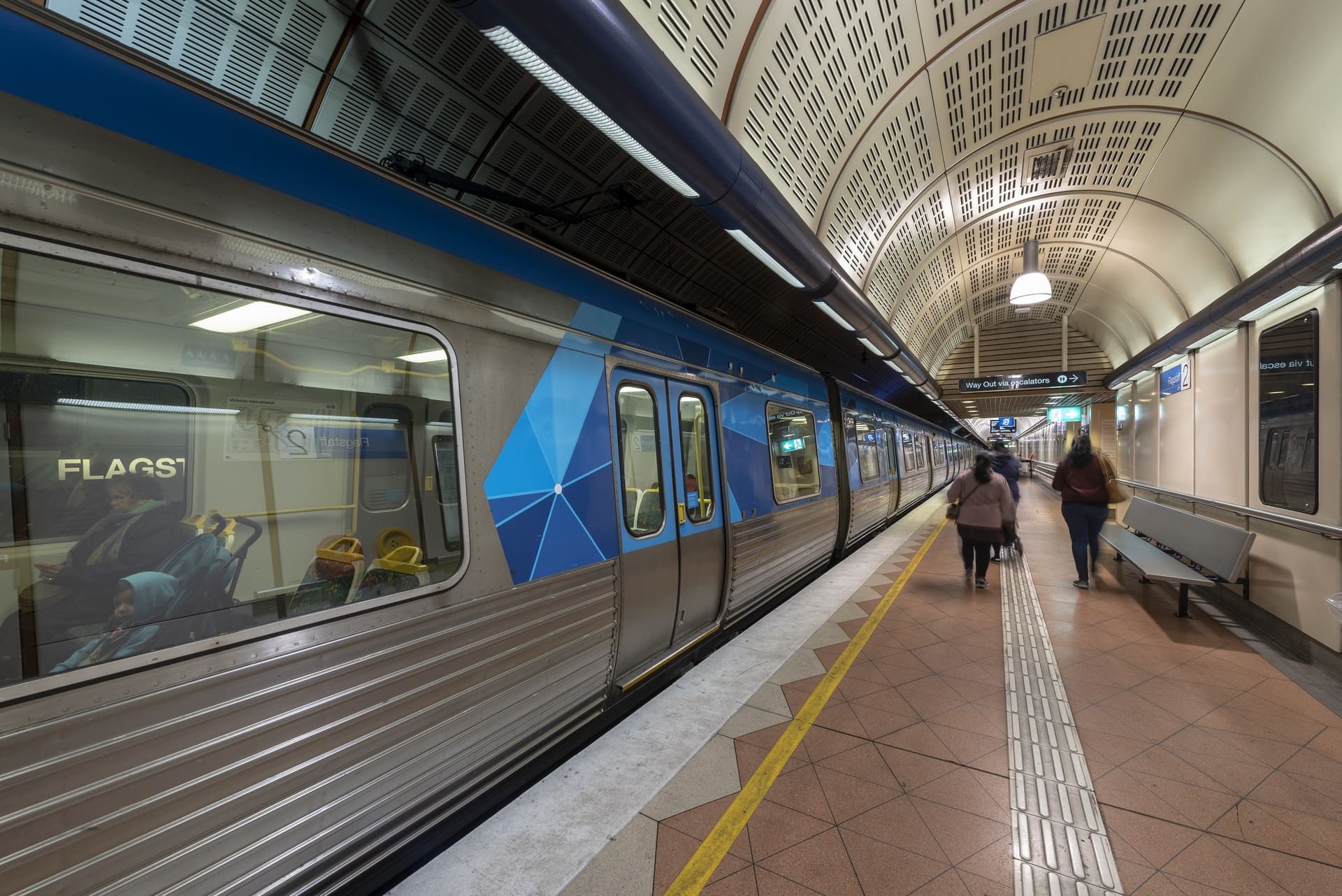
- With over 5 million residents, Melbourne is one of the world's largest urban laboratories
- The 1851 gold rush transformed Melbourne into one of the wealthiest cities in the British Empire, driving infrastructure-led growth
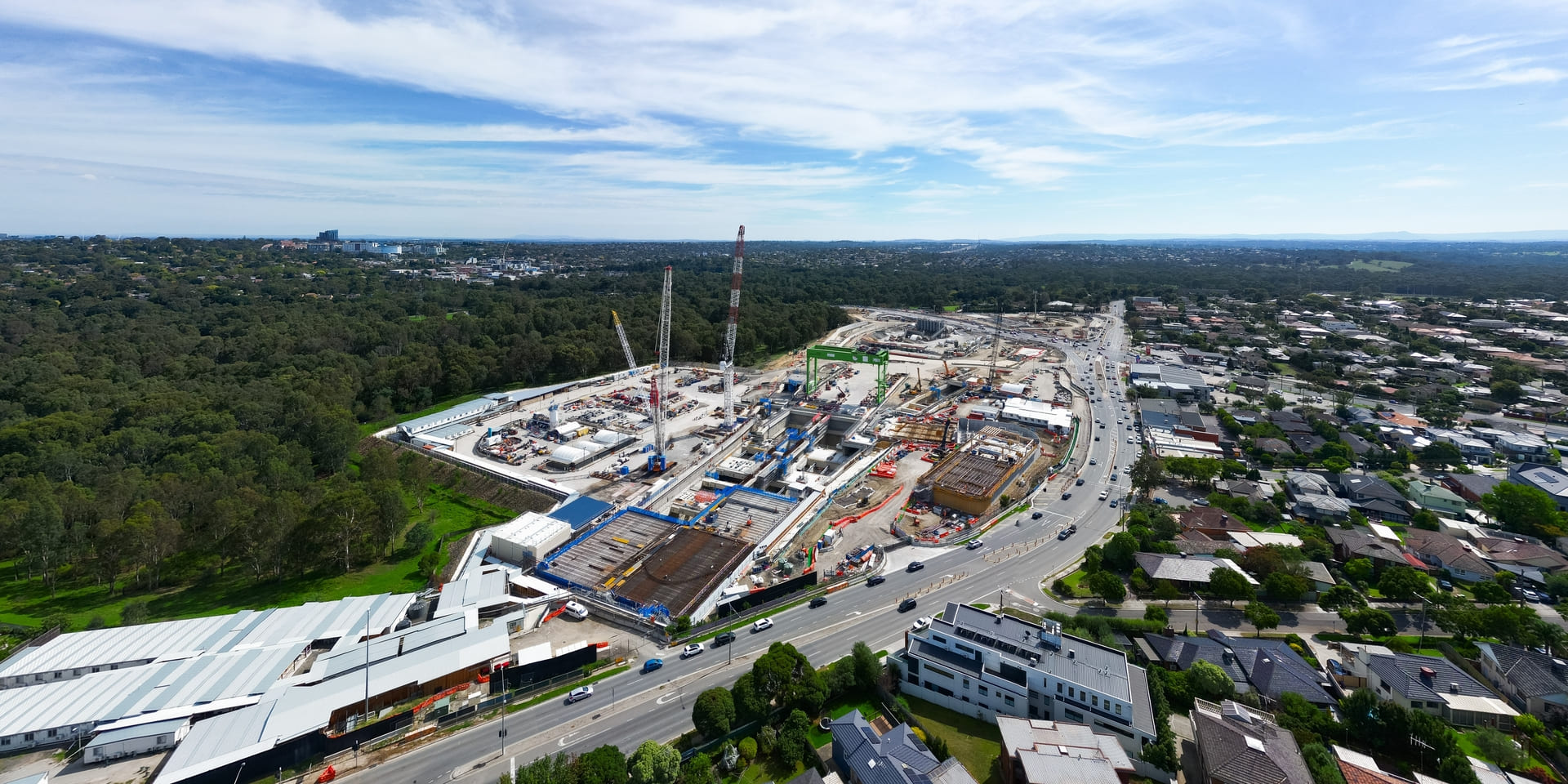
- The North East Link, an 11.1 billion Australian dollar investment, will complete the missing link in the freeway network between the M80 Ring Road and the Eastern Freeway
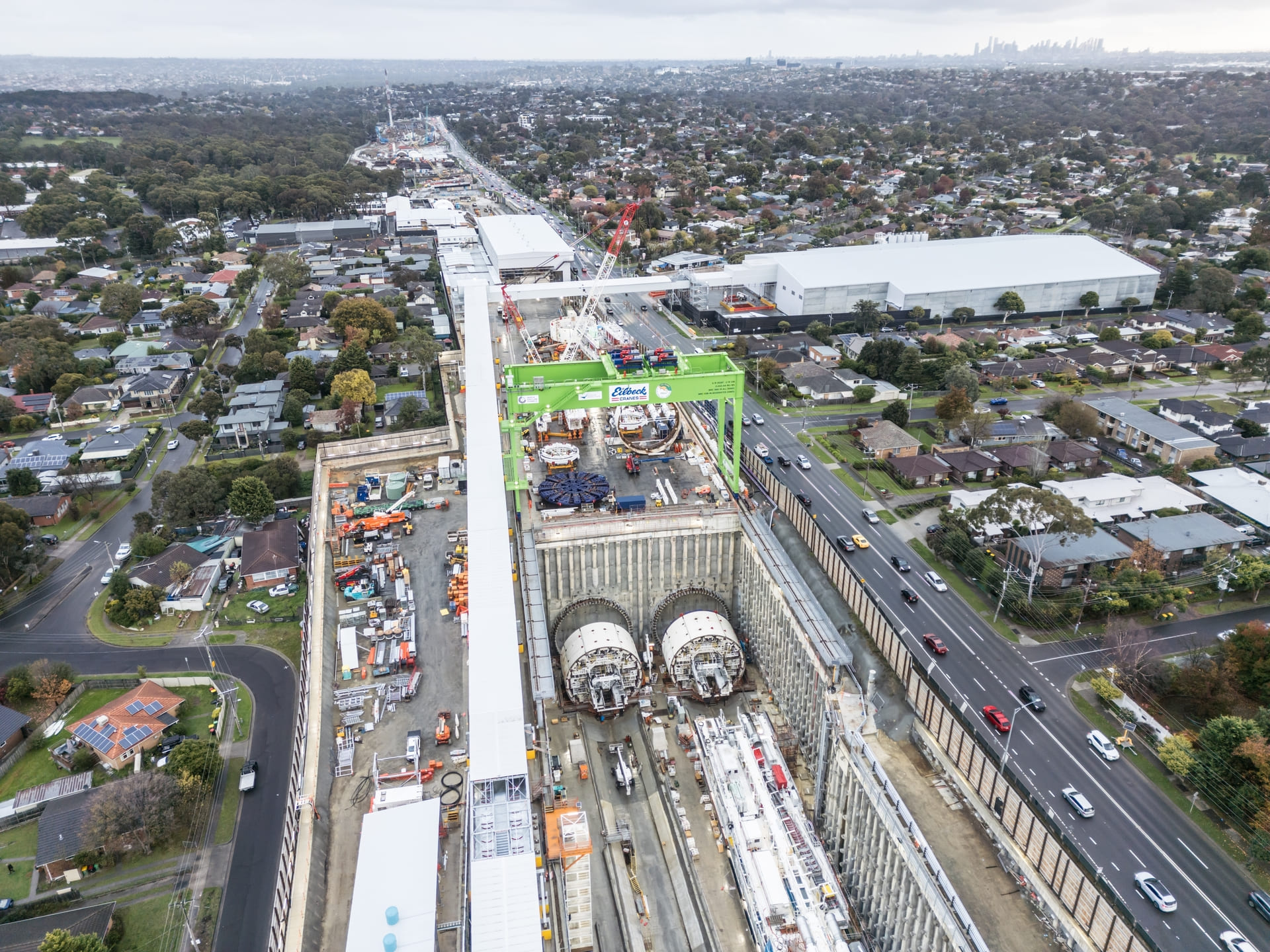
- Webuild, as part of the Spark consortium, is constructing twin 6.5-kilometer tunnels set to become the longest road tunnel in the State of Victoria
- Once open, the North East Link will remove 15,000 trucks a day from local streets and cut travel times by up to 35 minutes

Every major city reaches a moment when it must choose whether to chase its growth or manage it. Melbourne has made that choice several times throughout its history. First in the mid-19th century, when the discovery of gold transformed a small colonial settlement into Australia’s wealthiest city. Second in the 20th century, when suburban expansion made it necessary to build one of the world’s most extensive tram networks, along with new railway lines and major roadways. The third choice is the one it is facing today.
With a population exceeding five million people that is set to grow even further in the coming decades, Melbourne has become one of the planet’s greatest urban laboratories. It is not a city merely adding individual projects, but a metropolis completely rethinking its transport system—moving an increasing portion of mobility underground and designing infrastructure capable of supporting development over the next fifty years.
The result is a mosaic of construction sites unparalleled in Australian history. New metro lines, suburban rail links, major highway projects, and underground tunnels are reshaping the face of the capital of the State of Victoria, demonstrating how infrastructure is not simply a response to urban growth, but one of the primary tools used to build a city’s future.
Melbourne: A City That Continues to Shape Its Future
To understand what is happening in Melbourne today, one must look at the scale of the ongoing transformations. Dozens of projects are moving forward simultaneously: new railway lines, underground stations, level crossing removals, highway network expansions, and new links designed to increase the efficiency of an ever-expanding metropolis.
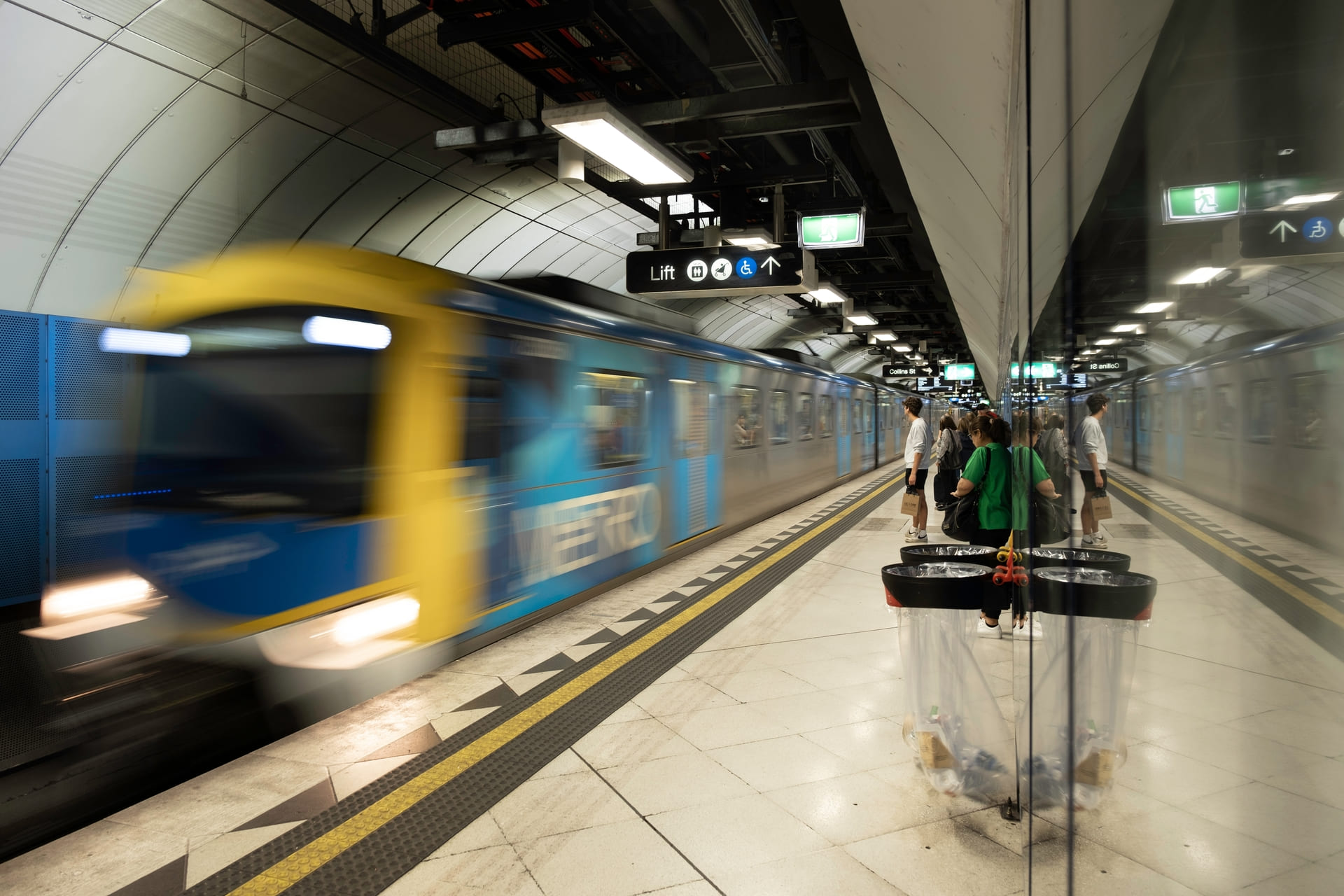
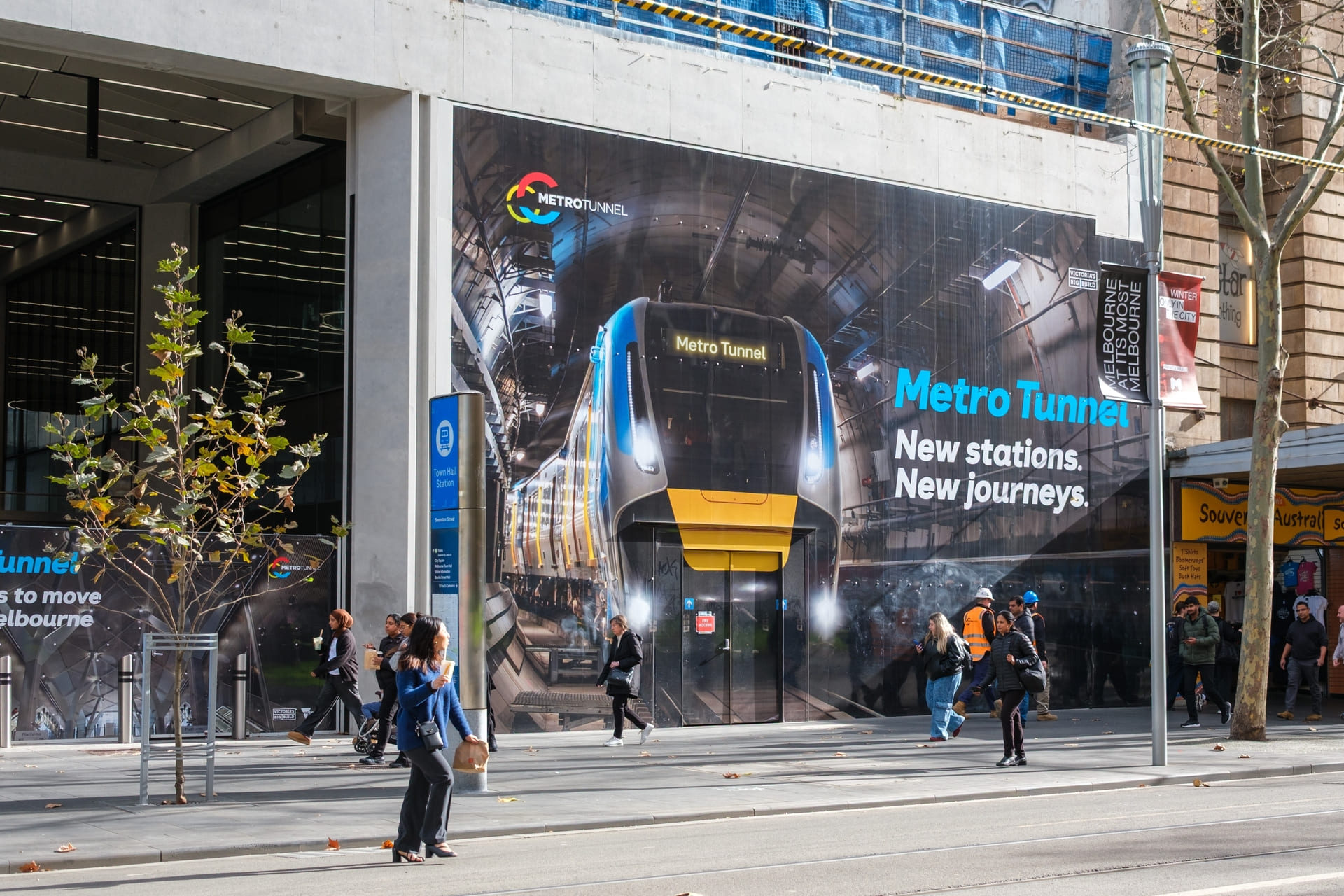
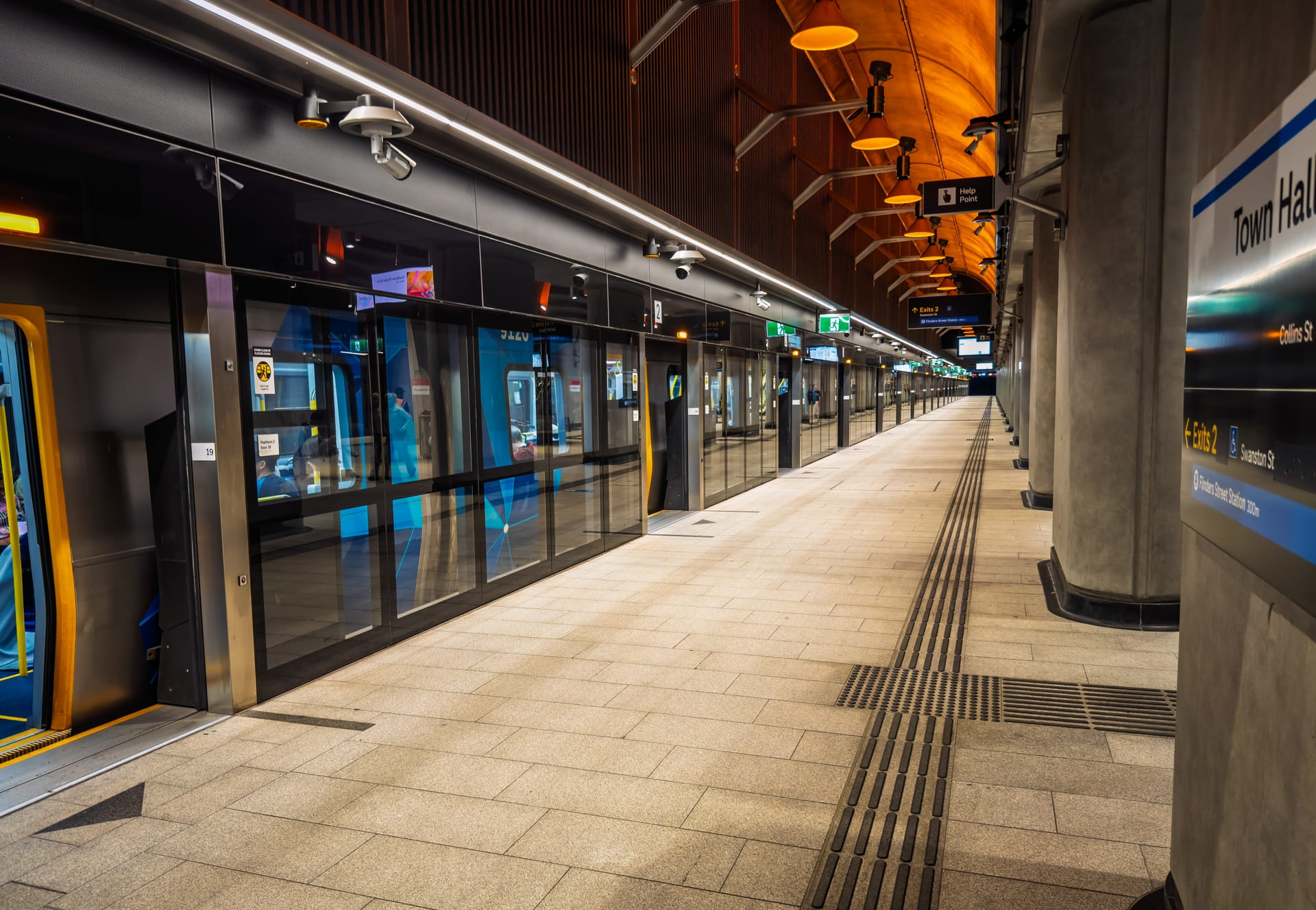
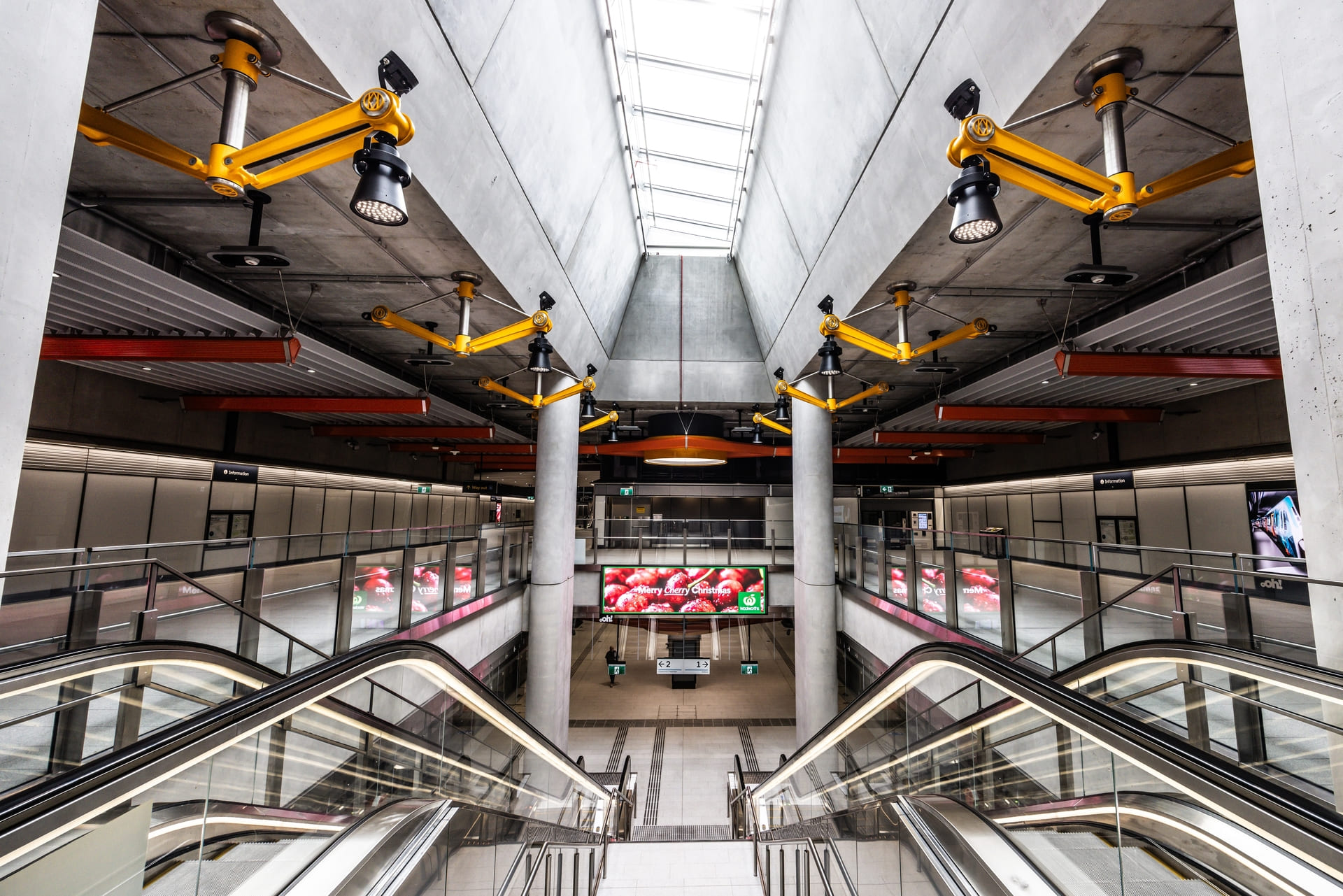
Among the flagship projects, the Metro Tunnel stands out, traversing the city center with a new underground rail corridor and five new stations designed to significantly boost the capacity of the metro network. Even more ambitious is the Suburban Rail Loop, an orbital railway line engineered to connect major suburbs directly, without forcing millions of commuters to pass through the city center every day.
The underlying logic differs from what drove urban development in the last century. No longer is growth concentrated strictly around the historic core; instead, the focus is on a polycentric metropolis where universities, hospitals, residential neighborhoods, and industrial districts are connected through an increasingly integrated mobility network. It is precisely this vision that has turned Melbourne into one of the world’s leading laboratories for urban planning.
Urban Planning: It All Started with the Gold Rush
Melbourne’s infrastructural vocation was not born in the 21st century. When the first major gold deposits were discovered in the State of Victoria in 1851, the city had a population of just a few tens of thousands.
Within a few short years, the gold rush attracted hundreds of thousands of people from Europe, the United States, and China, transforming Melbourne into Australia’s main commercial port and one of the most dynamic economic hubs of the British Empire.
Gold changed everything. Transporting people, goods, and wealth required new roads, new railways, port warehouses, bridges, residential neighborhoods, and public services. The city expanded rapidly beyond its original boundaries, accompanying its economic development with an impressive wave of public works. By the late 19th century, Melbourne was already known as “Marvellous Melbourne,” a symbol of prosperity built precisely on its capacity to invest in infrastructure.
Since then, every phase of its growth has been accompanied by a new generation of infrastructure projects: first the railways, then the tram network (today the most extensive in the world), followed by major road arteries, airports, ring roads, and finally, large underground transit systems. It is a story that spans nearly two centuries and continues to this day.
North East Link: The Missing Link in Melbourne’s Freeway Network
Urban expansion, however, also left behind a problem. As Melbourne grew to the north and east, a key part of its freeway network remained incomplete. Every day, thousands of heavy vehicles were forced to cut through residential neighborhoods, causing congestion, noise, and long travel times.
For decades, urban planners and authorities pointed to the exact same spot as the “missing link”—the connection between the M80 Ring Road in Greensborough and the Eastern Freeway in Bulleen.
Out of this need arose the North East Link, the largest infrastructure investment ever made in Melbourne’s northeast. It is a project set to change how people and freight move throughout the metropolis, finally completing the ring of the city’s freeway network.
The project stands as the largest public-private partnership for road infrastructure ever undertaken in the country.
The Spark consortium (which includes the Webuild Group) is currently working on this infrastructure, handling the design and construction of the main primary works for the North East Link, including twin three-lane tunnels stretching 6.5 kilometers long—which, once completed, will become the longest road tunnel ever built in the State of Victoria.
The new tunnels will remove around 15,000 trucks a day from local streets and cut travel times by up to 35 minutes, improving the quality of life in residential neighborhoods and making the city’s logistics system far more efficient.
From Gold Rush to Freeways: Two Centuries of Infrastructure
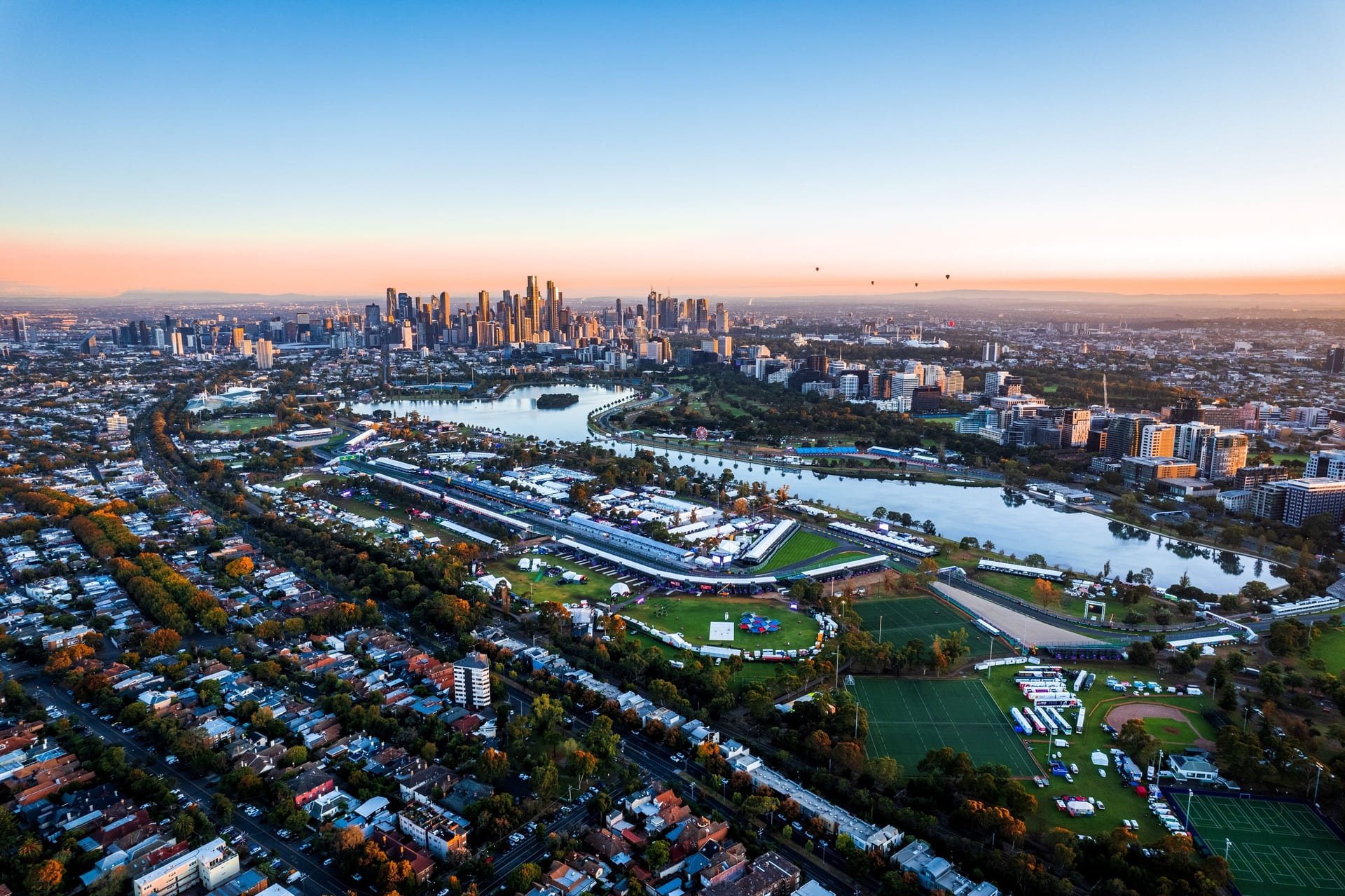
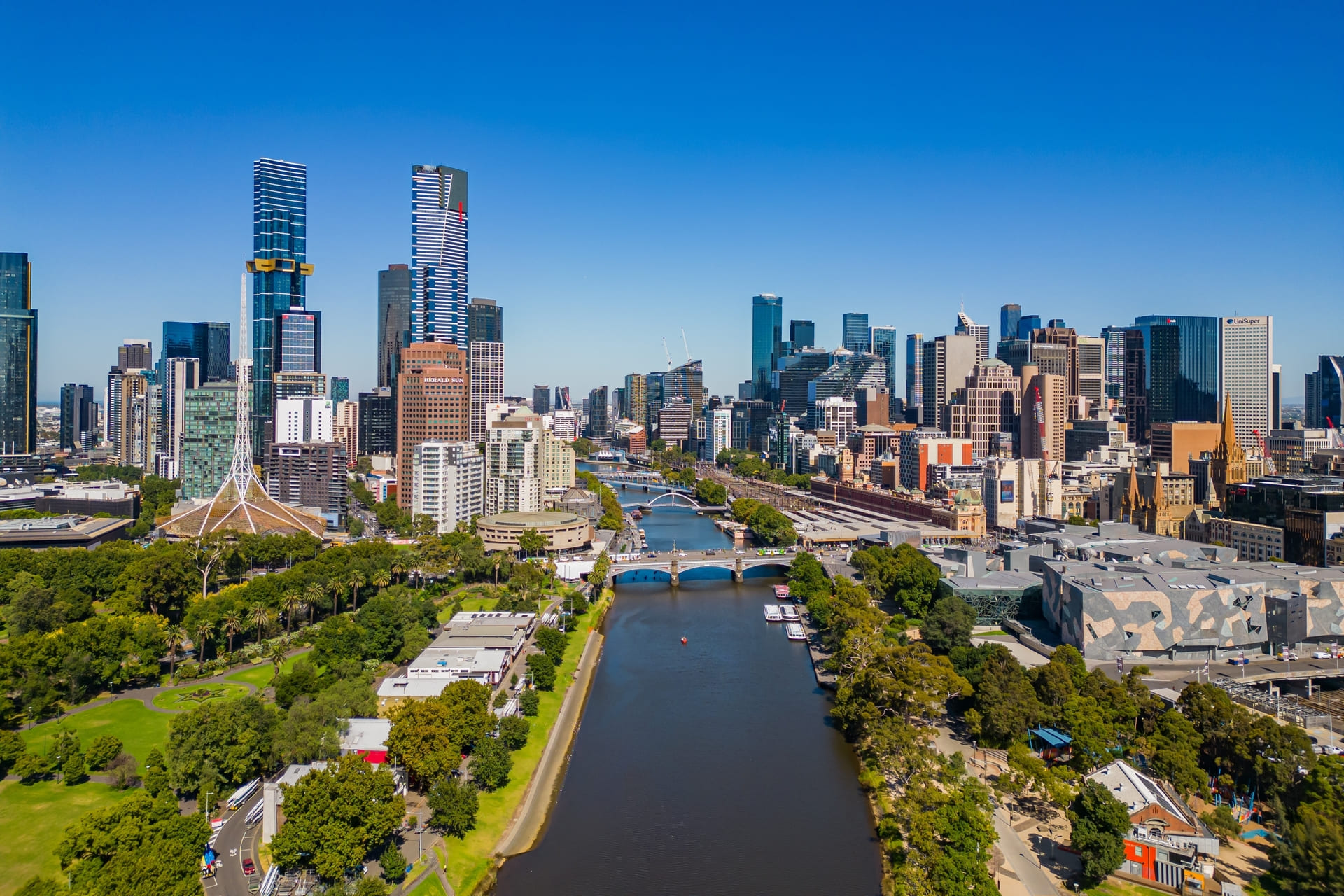
Looking at Melbourne from above, it is hard to imagine that the common thread running through its history has remained the same for nearly two hundred years. In the 19th century, it was the railways and the port that supported the gold rush. In the 20th century, came the tram network, major urban arteries, and suburban expansion. Today, it is tunnels, new metro lines, and underground connections preparing the city for the challenges of demographic growth.
Technologies change and mobility needs evolve, yet the underlying principle that has driven the evolution of the Australian metropolis remains unchanged: every new phase of its development has been made possible by a new generation of infrastructure.
The North East Link fits right into this long tradition. It represents not just the completion of a freeway, but the latest chapter in a story that began nearly two centuries ago, when Melbourne recognized that its future would be built, long before the skyline itself, on the networks capable of connecting people, territories, and opportunities.