


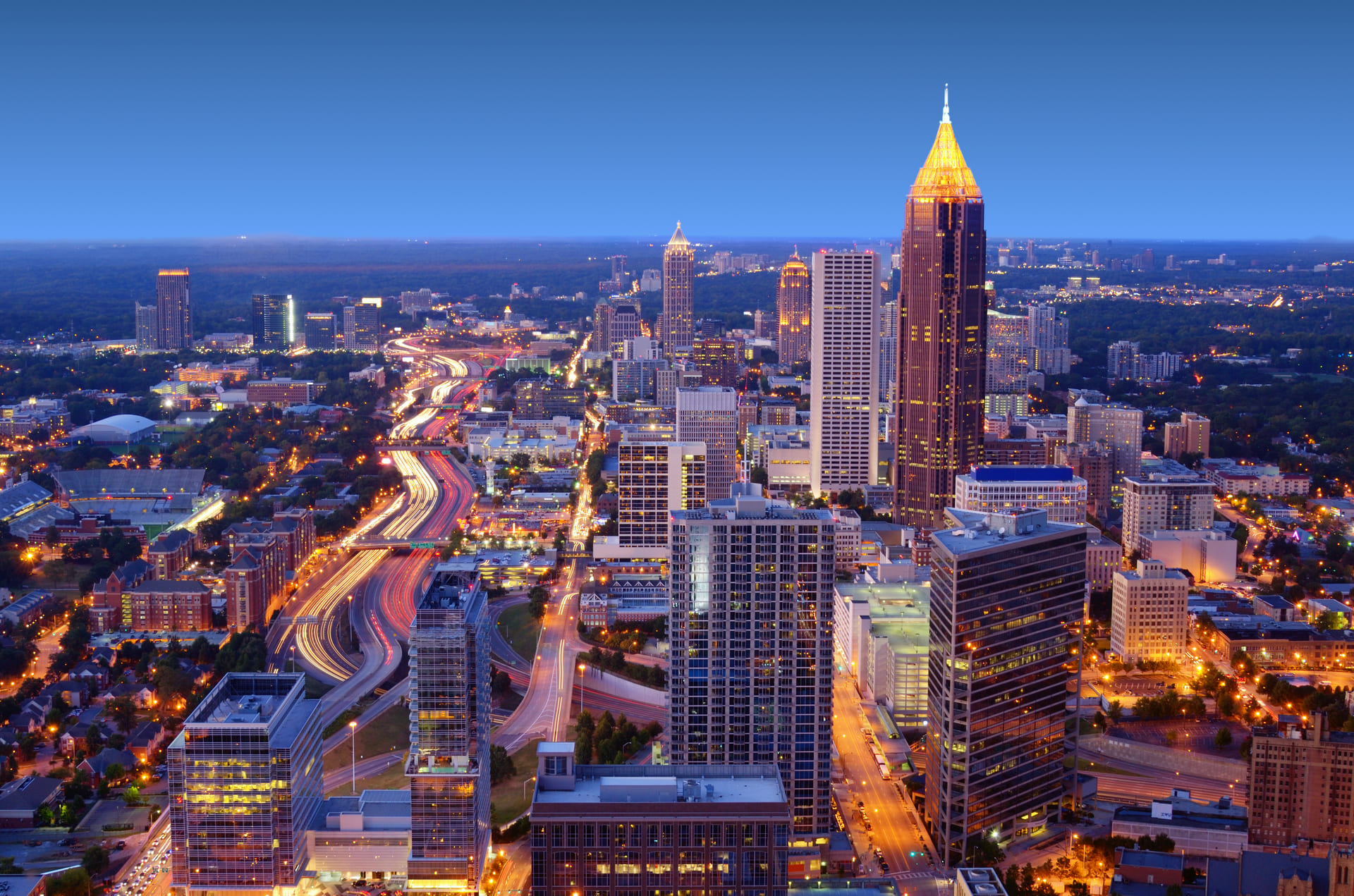
 Atlanta, Georgia
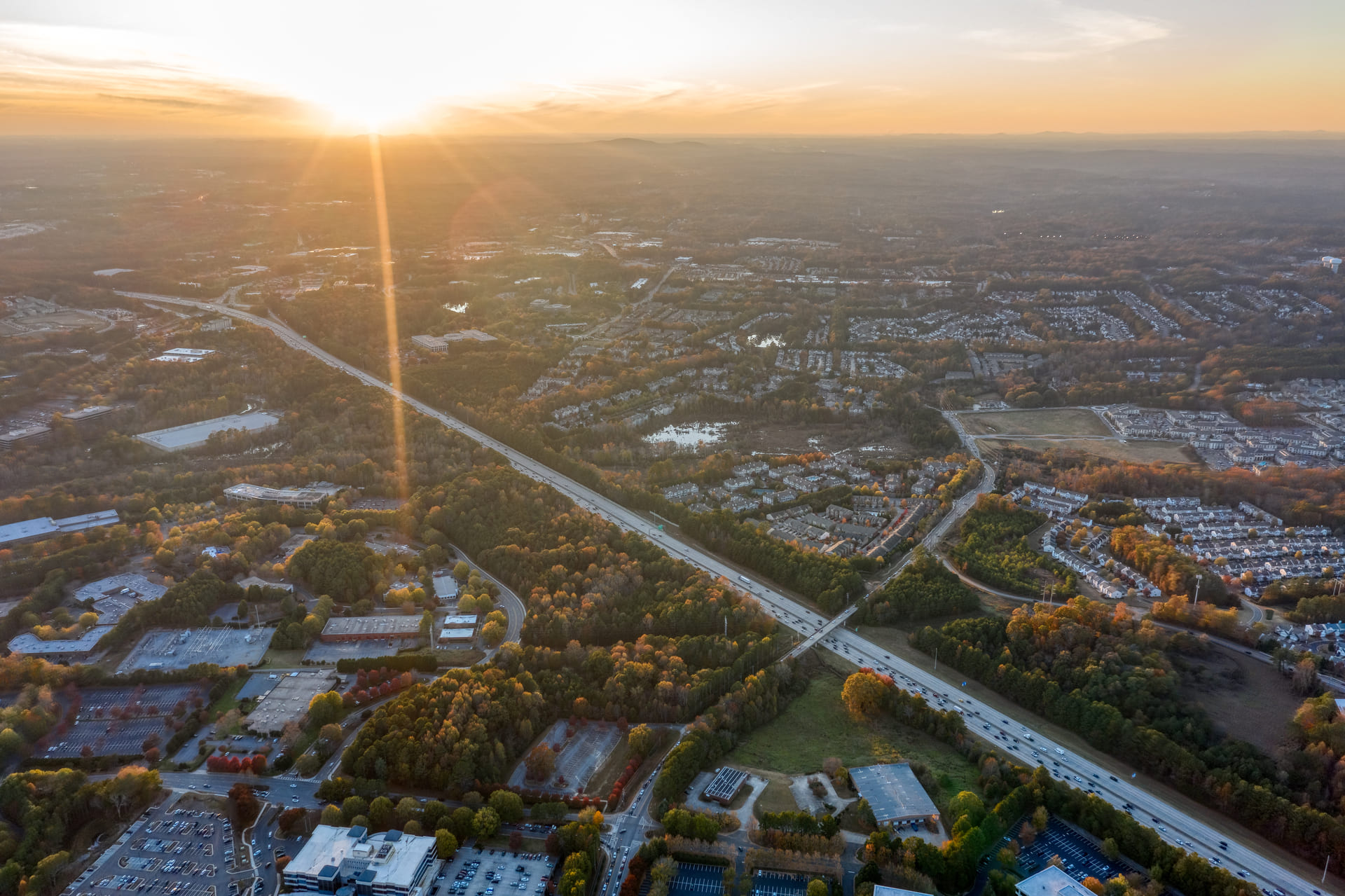 Atlanta residential area
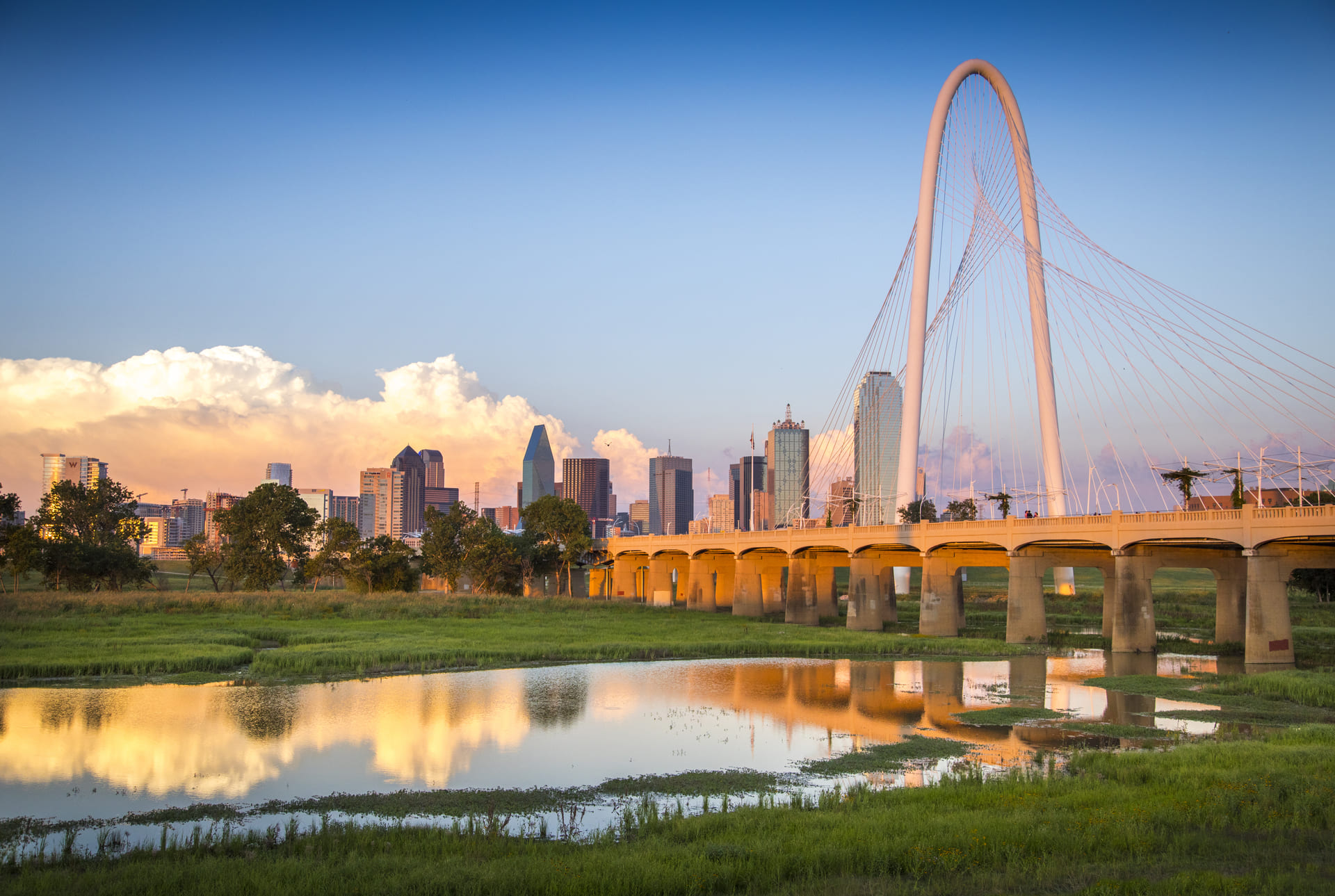 Dallas, Texas
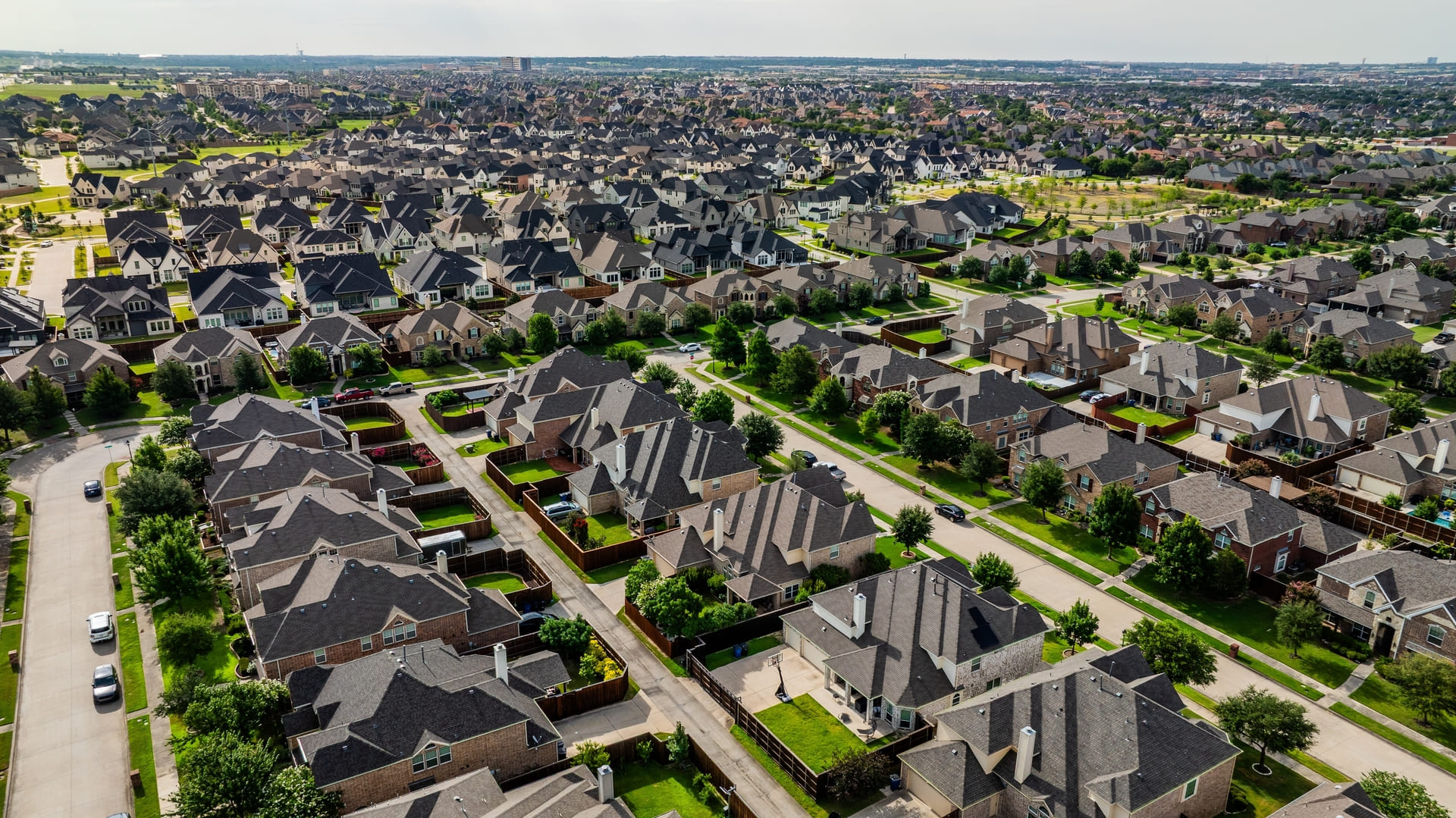 Dallas residential area
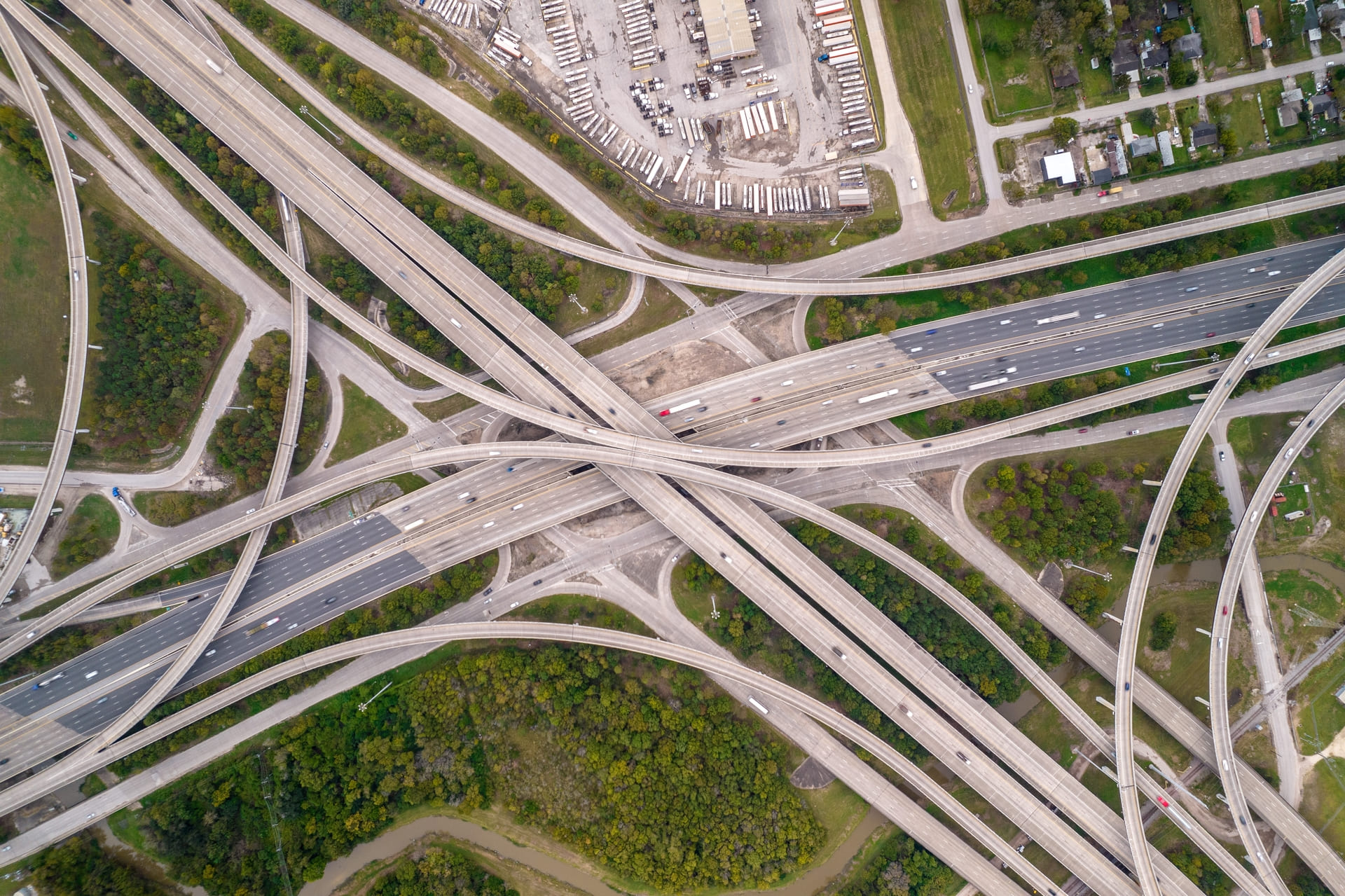 Road junction in Dallas
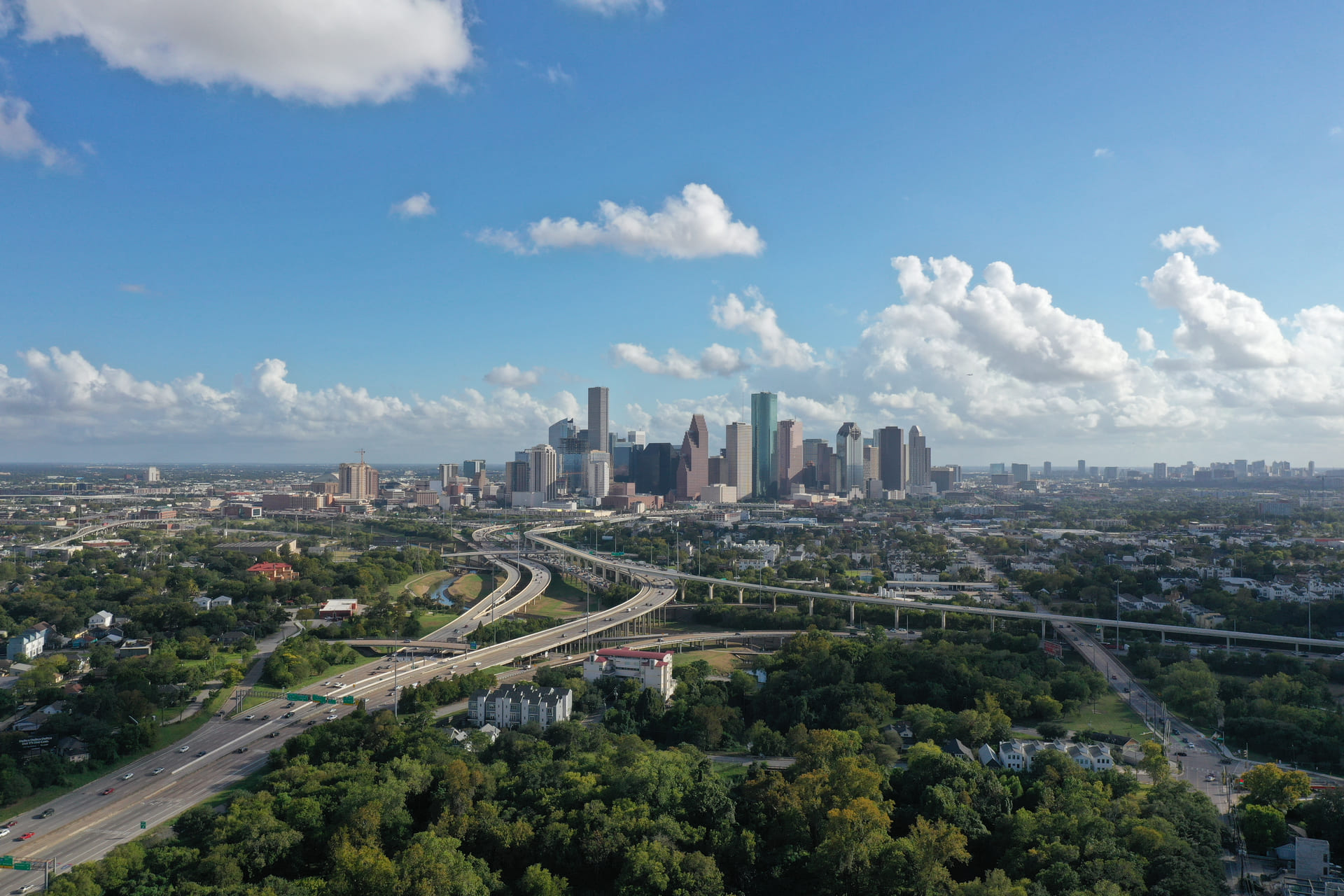 Houston, Texas
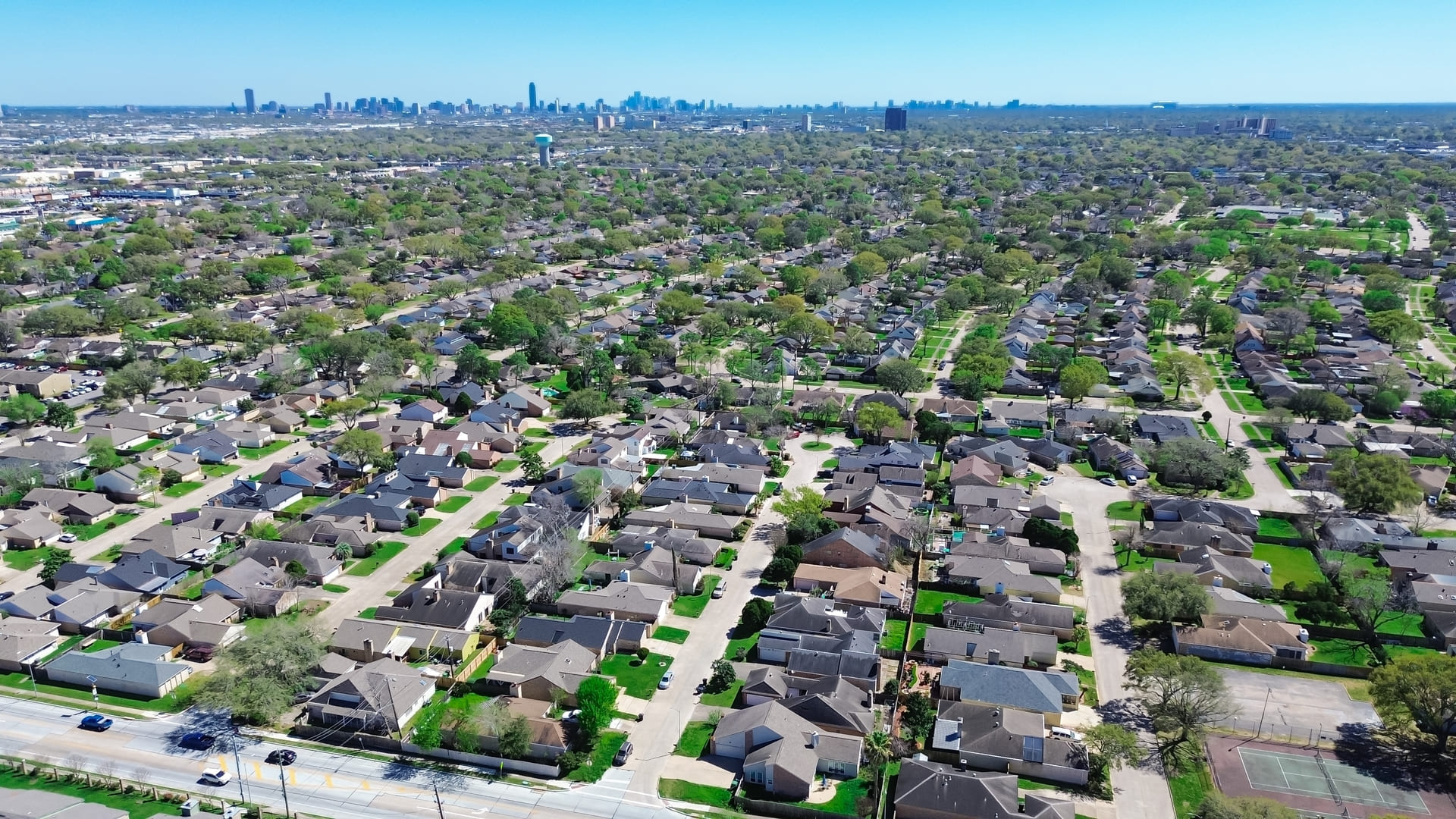 Houston residential area
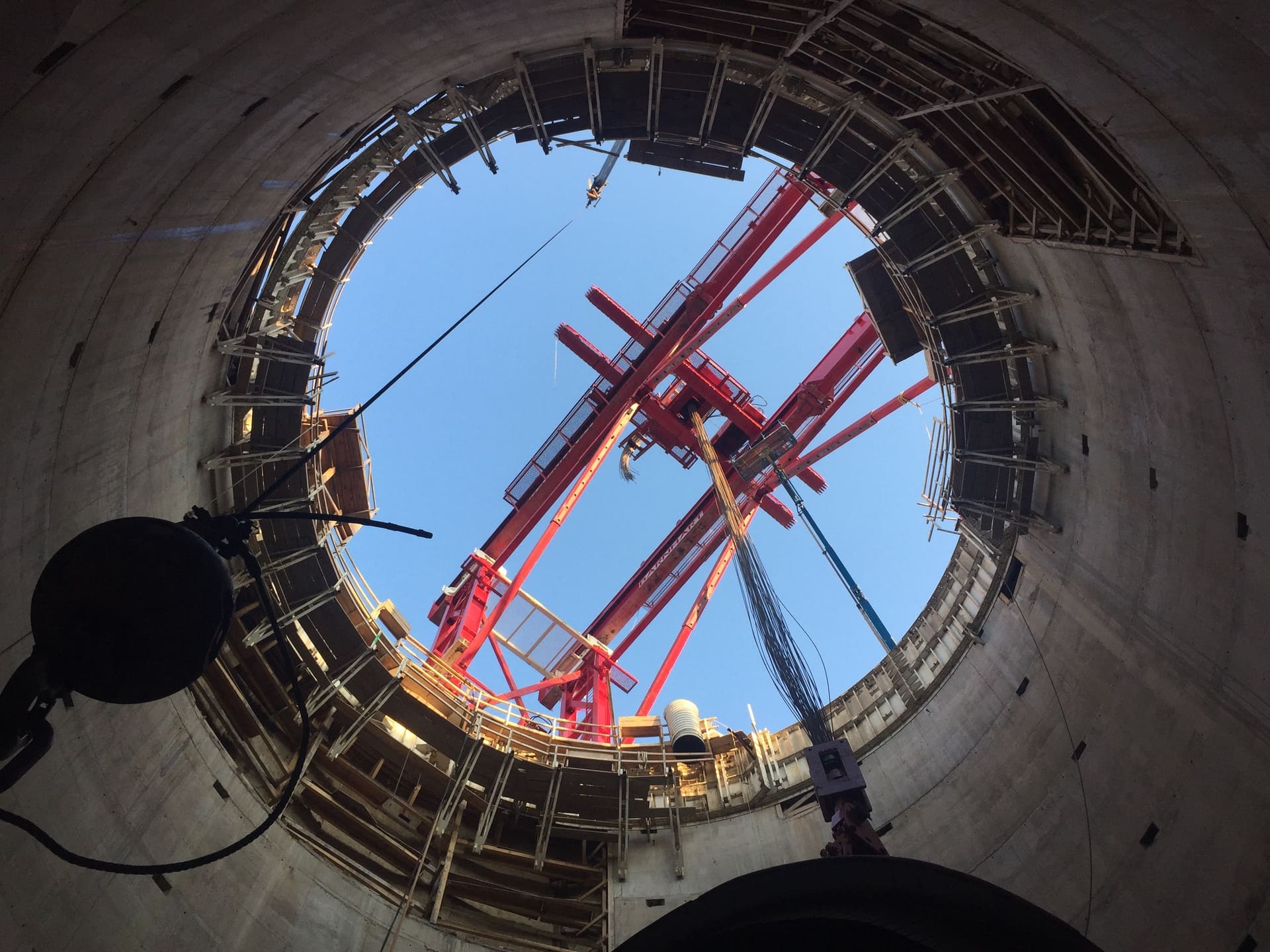 Anacostia River Tunnel, Washington D.C.
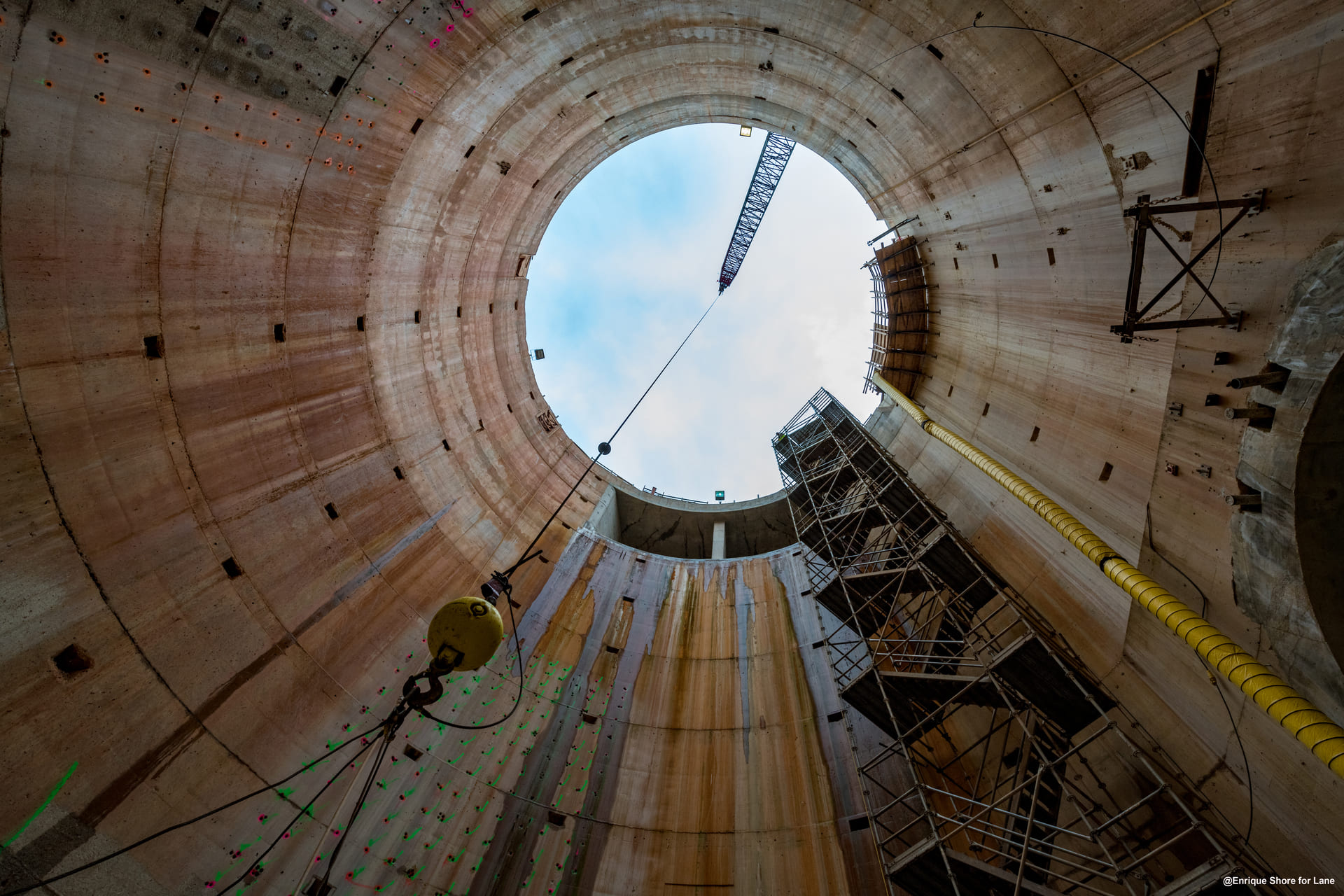 Anacostia River Tunnel, Washington D.C.
 Anacostia River Tunnel, Washington D.C.
 Unionport Bridge, New York
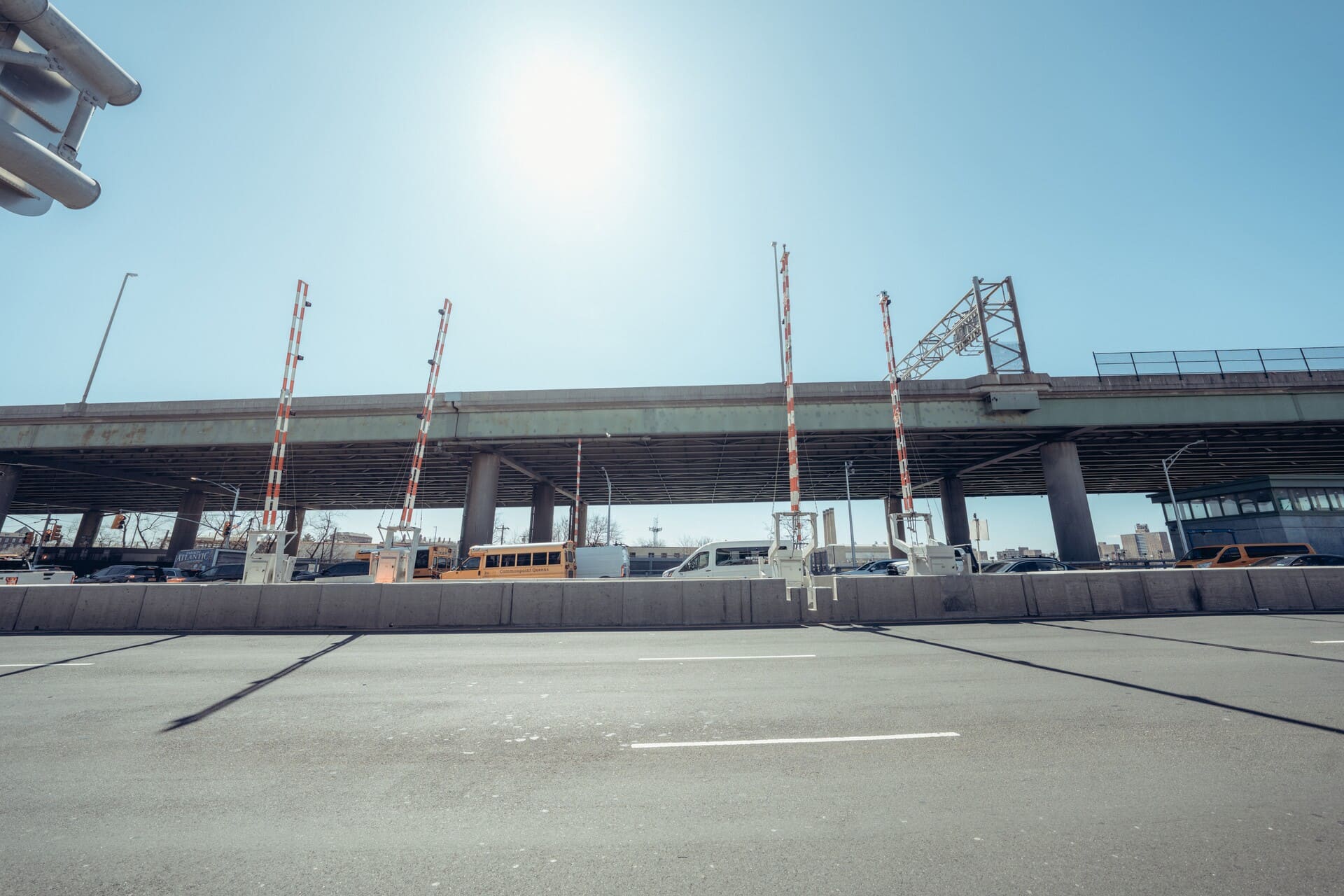 Unionport Bridge, New York
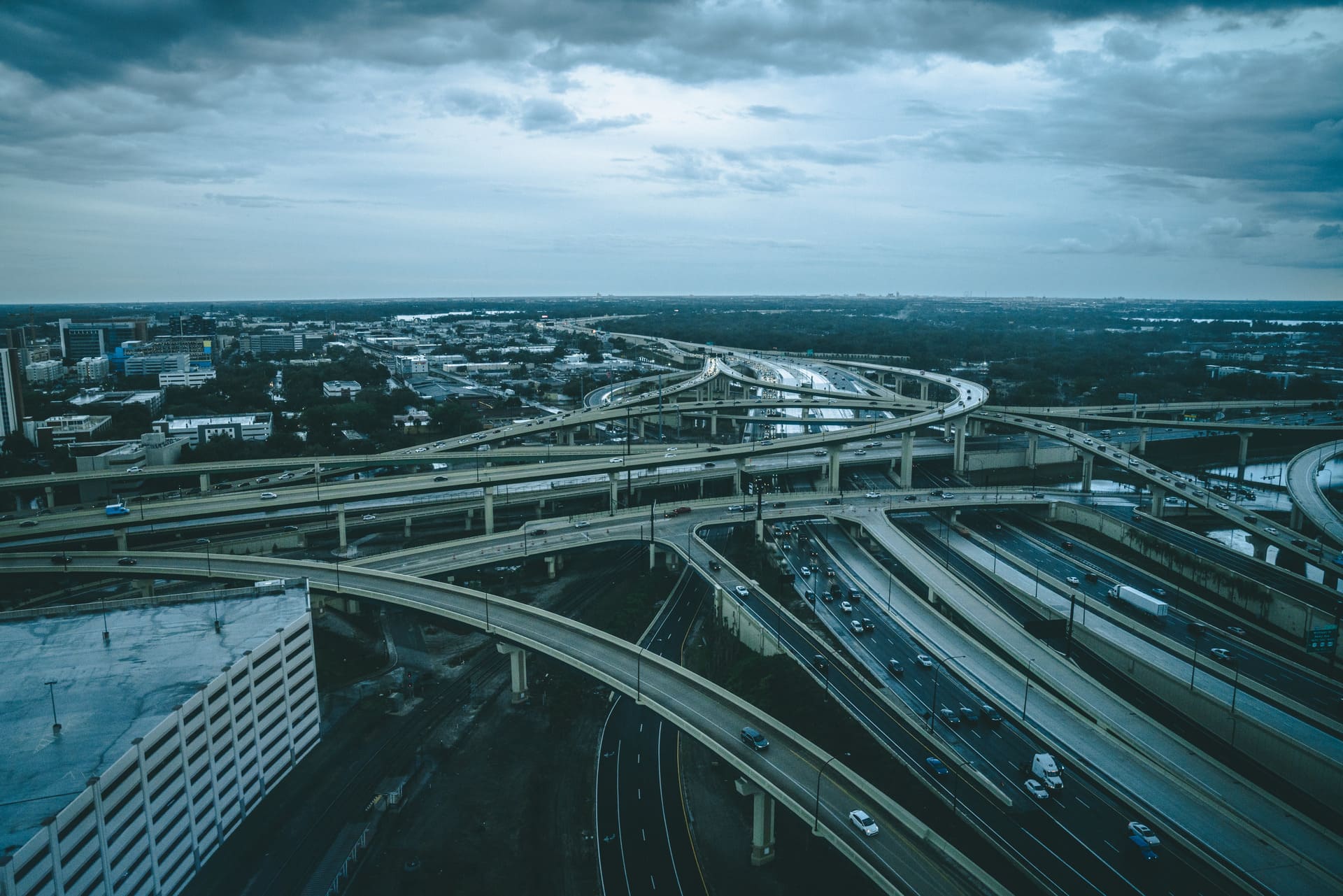 I-4 Ultimate Improvement Project – Orlando, Florida
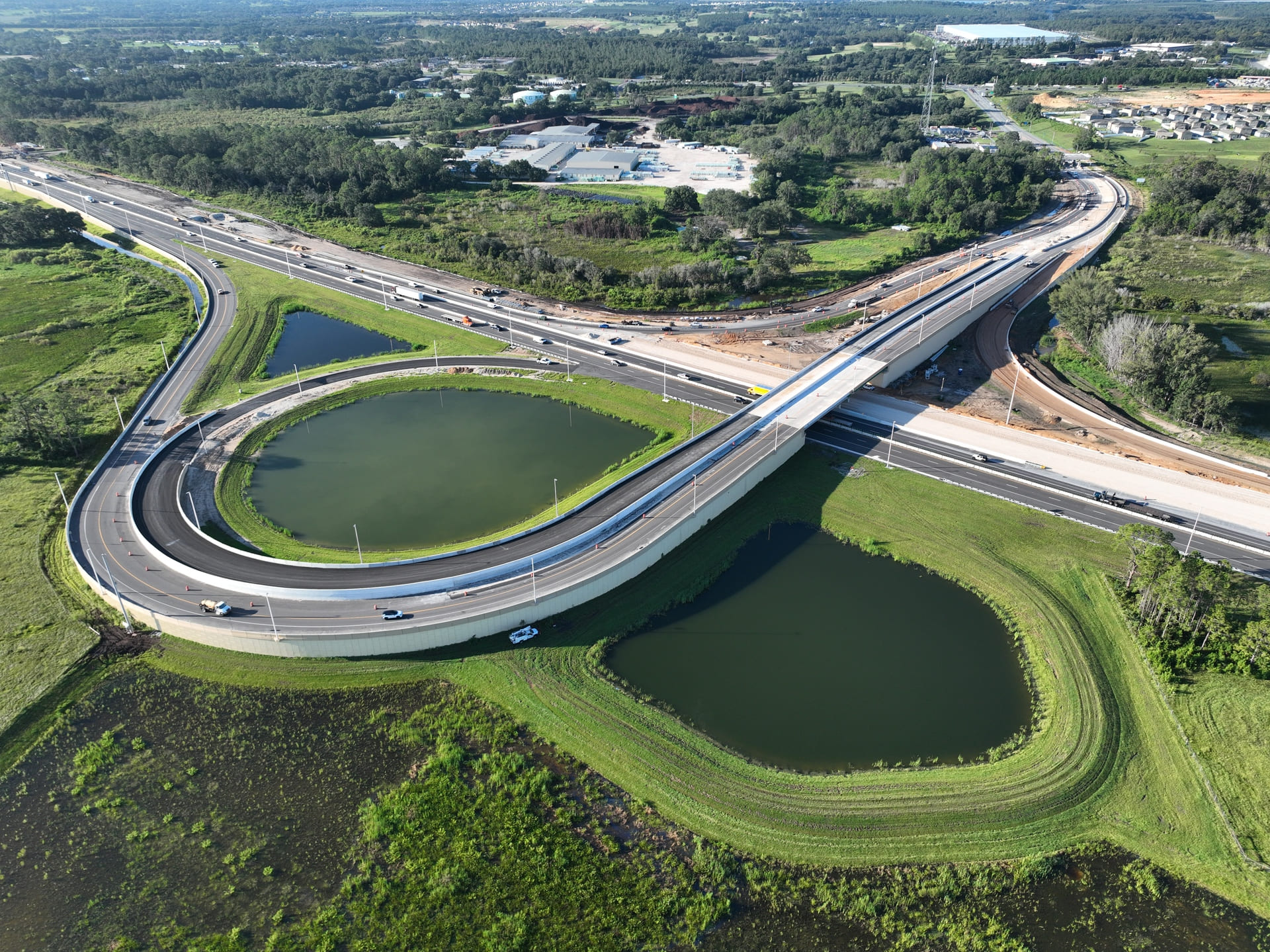
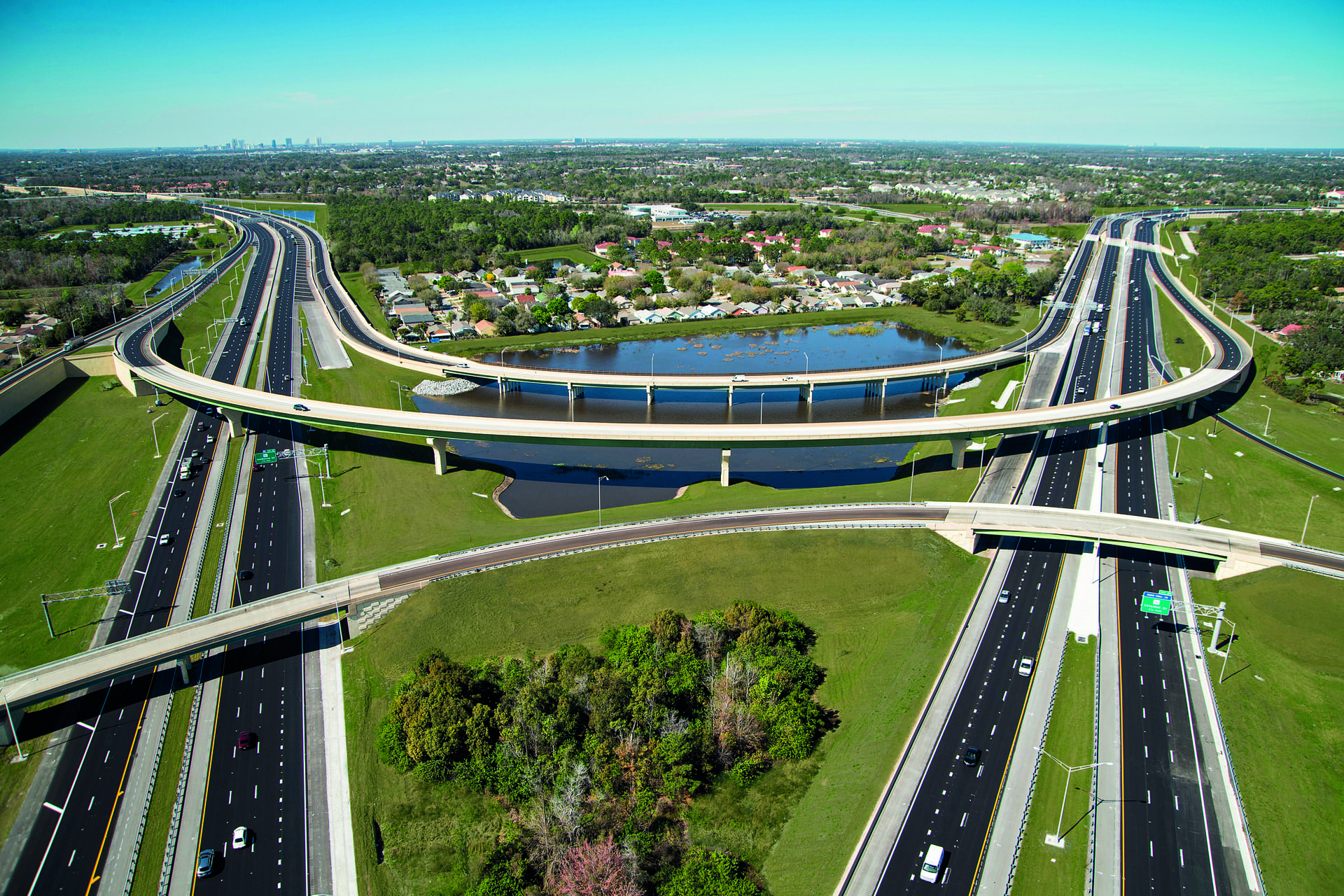 SR 408 417 Interchange, Florida
 Turnpike Mainline Widening, Florida
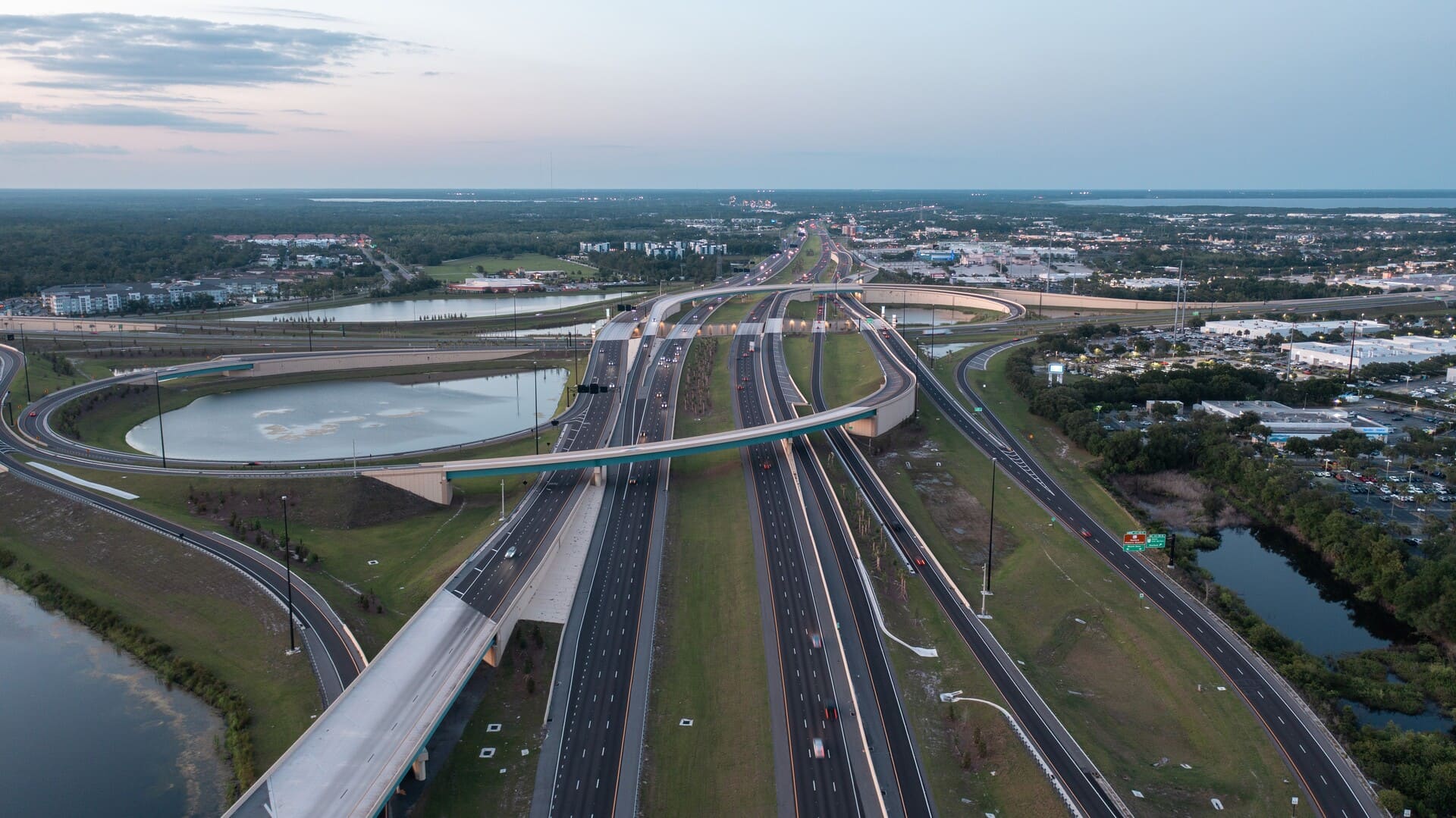 Wekiva Parkway Section 8, Florida
- Between 2020 and 2025, metropolitan areas in the United States recorded a sharp increase in new housing, with Texas acting as the absolute protagonist of this urban growth.
- Dallas, Houston, Phoenix, and Atlanta are leading a new geography of American development, driven by the arrival of businesses, investments, and new residents.
- Transportation, energy grids, water systems, and services are becoming essential elements to support the expansion of cities.
- From the high-speed rail line between Dallas and Houston to New York's new Unionport Bridge, large-scale public works contribute to sustaining the mobility of the fastest-growing metropolises.
- Urban development also relies on less visible yet fundamental infrastructure, such as the Clean Rivers Project in Washington, D.C., designed to improve the environmental resilience of the American capital.
read more

In the United States, there is a new geography of urban growth. It does not only pass through the skyscrapers of Manhattan or the skyline of Los Angeles, but above all through the expanding suburbs of Dallas, Houston, Phoenix, and Atlanta, where hundreds of thousands of new homes have emerged over the past five years.
This is the sign of a country that continues to change, shifting population, businesses, and investments toward new metropolitan areas and drawing an urban map profoundly different from that of just a decade ago.
According to a recent analysis by the Urban Institute, between 2020 and 2025, the total number of housing units in the United States metropolitan areas increased by 6.6%, with nearly 9 million new homes.
Leading this growth is primarily Texas: Dallas added over 423,000 new homes, Houston nearly 338,000, while the state’s four main metropolitan areas alone contributed to more than 13% of the entire new housing supply in the United States.
Yet, perhaps the most interesting data does not concern the real estate market alone. Every new home built brings with it an increasing demand for infrastructure: roads, bridges, rail networks, airports, water, and energy systems become the necessary condition for urban growth to transform into economic development.
United States: The Cities That Are Changing Their Face
The expansion of American metropolises reflects profound economic transformations. The availability of buildable land, a cost of living that is generally lower compared to the major cities on the East and West Coasts, and the growth of advanced manufacturing, logistics, and data centers are driving millions of people toward new urban hubs.
Today, Dallas represents the symbol of this transformation. The Texan metropolis is not only the one that has built the most new homes over the last five years, but it has also become one of the main economic hubs in the United States, thanks to the presence of major technology, finance, and manufacturing companies.
Not far away, Houston continues to attract investments in the energy, research, and logistics sectors, while Phoenix and Atlanta consolidate their roles as the new manufacturing powerhouses of the American South.
Even the great historic metropolises continue to grow, albeit at different paces. New York and Los Angeles added nearly 276,000 and 157,000 new homes, respectively, but with much more contained growth rates compared to emerging cities – a sign of mature markets and increasingly limited spatial availability.
Beyond the Housing Market: Building New Homes Means Building Infrastructure
Urban growth, however, is not measured solely by the number of new buildings. Every new neighborhood that emerges generates new flows of people, goods, and services. This is where infrastructure comes into play.
In the United States, the history of urban development is closely linked to that of large-scale public works. From the Interstate Highways that reshaped the country beginning in the 1950s to modern rail, airport, and water systems, the ability to accompany urban expansion with efficient networks represents one of the primary competitiveness factors for metropolises.
It is a challenge that particularly affects the cities currently driving the demographic boom. The growth of Dallas and Houston, for instance, makes the Texas Central Railway project increasingly strategic—the future high-speed rail line destined to connect the two metropolitan areas, drastically reducing travel times and offering a sustainable alternative to car and air traffic.
Large-scale Public Works: The Invisible Infrastructure of Metropolises
Not all infrastructure, however, is immediately visible. Washington, D.C., which has also entered the ranks of the top ten metropolitan areas where the most homes have been built since 2020, represents a significant example of how urban development also relies on networks that are fundamental to quality of life and climate resilience.
Here, the Webuild Group participated in the construction of the Clean Rivers Project, one of the most important environmental infrastructure programs in the United States.
The project aims to reduce the polluting impact of sewer overflows into the Potomac River and the Anacostia River during severe weather events through an intricate system of underground tunnels and water management facilities—an essential project to support the growth of the American capital and make it more sustainable in the face of challenges posed by climate change.
From New York to Florida: A Network Growing Hand in Hand with Cities
Even within the great historic metropolises, infrastructure continues to evolve.
In New York, for instance, the new Unionport Bridge, built by Lane Construction (the US subsidiary of the Webuild Group), helps improve mobility in the Bronx, while in Florida, the company is engaged in the construction and modernization of some of the primary highway corridors supporting the growth of the Miami metropolitan area and the entire state.
These are diverse projects, yet they share the same objective: to accompany the development of cities with infrastructure that is increasingly efficient, safe, and sustainable.