


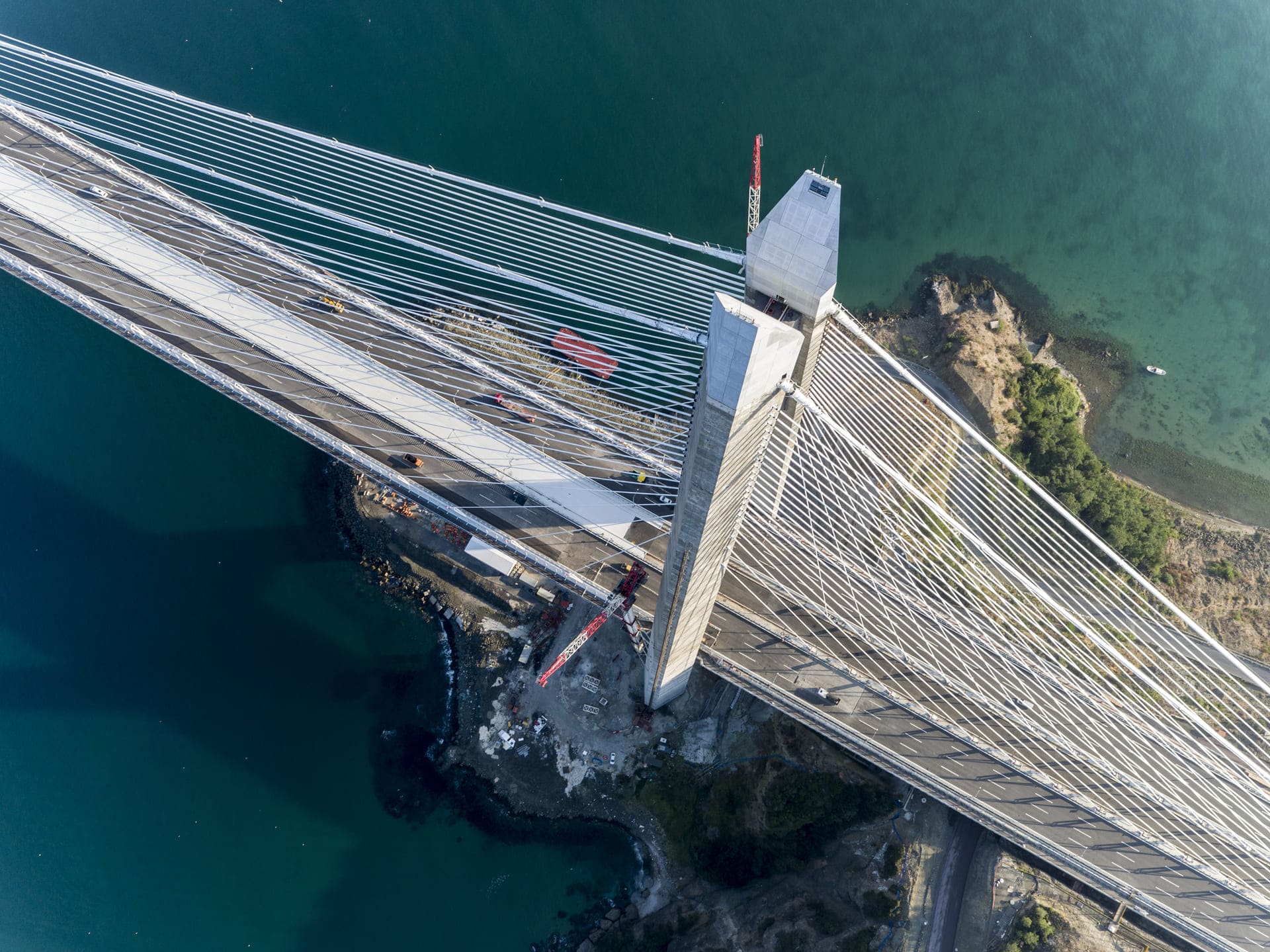
 Third Bosphorus Bridge, Istanbul
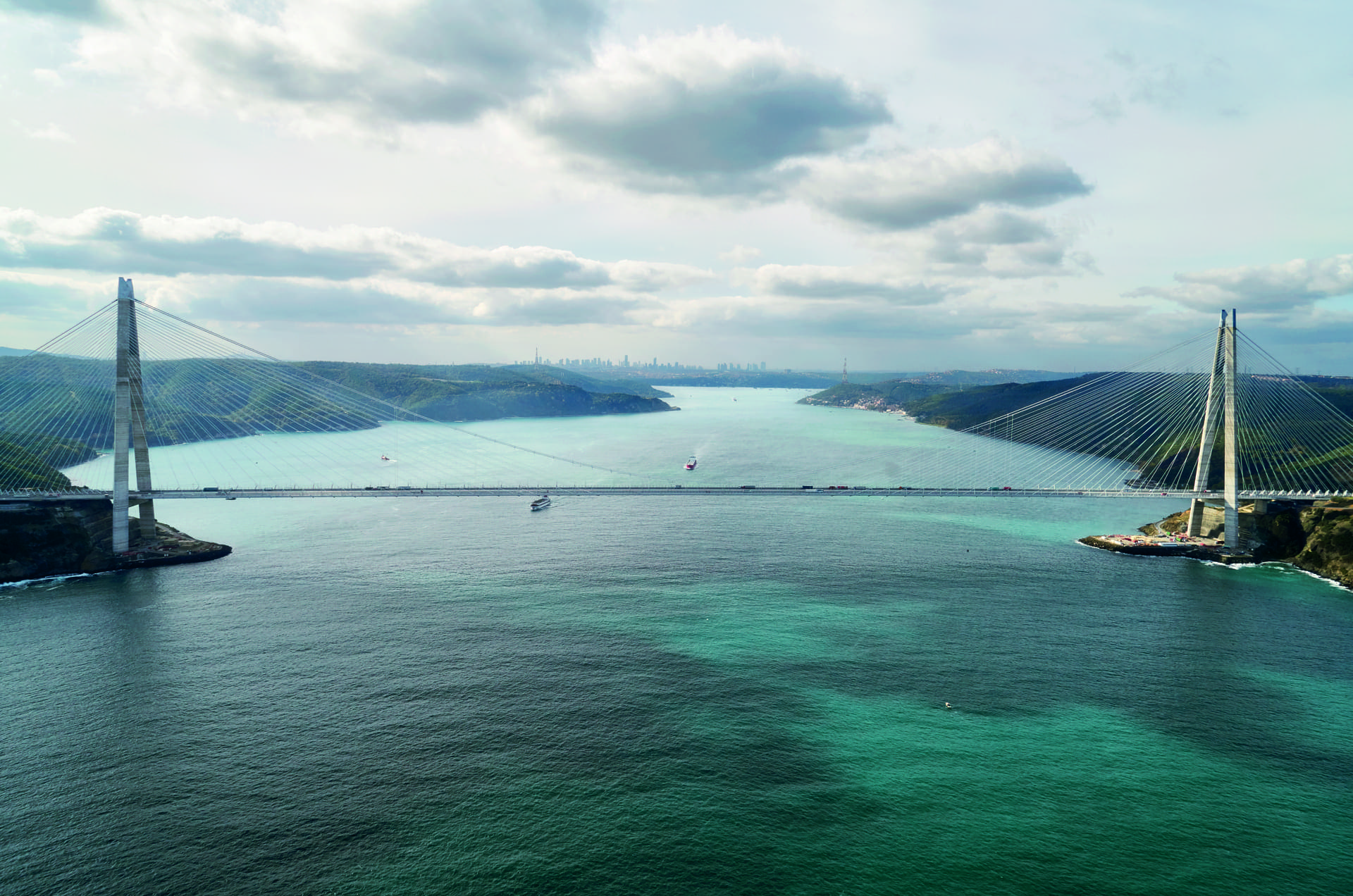 Third Bosphorus Bridge, Istanbul
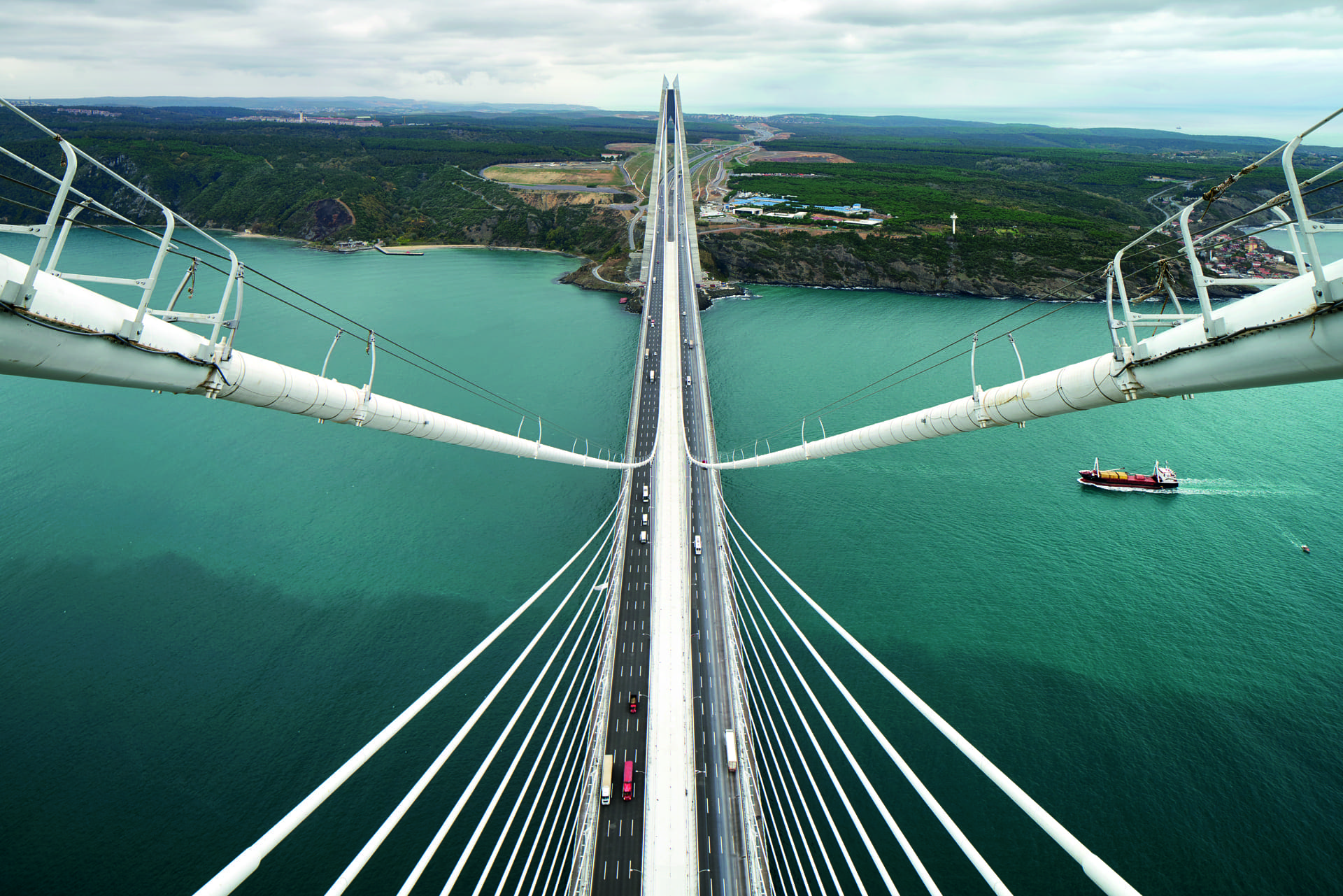 Third Bosphorus Bridge, Istanbul
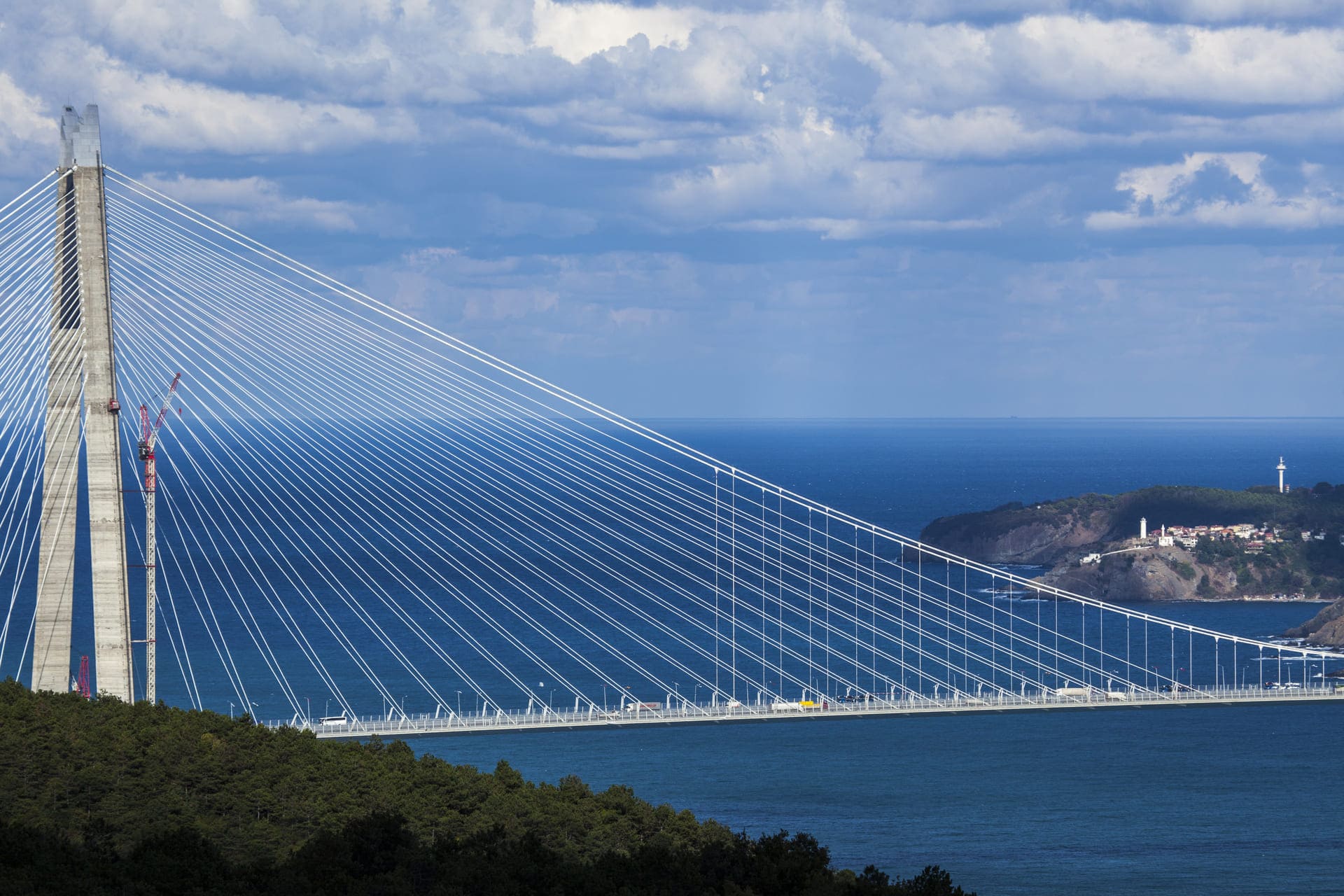 Third Bosphorus Bridge, Istanbul
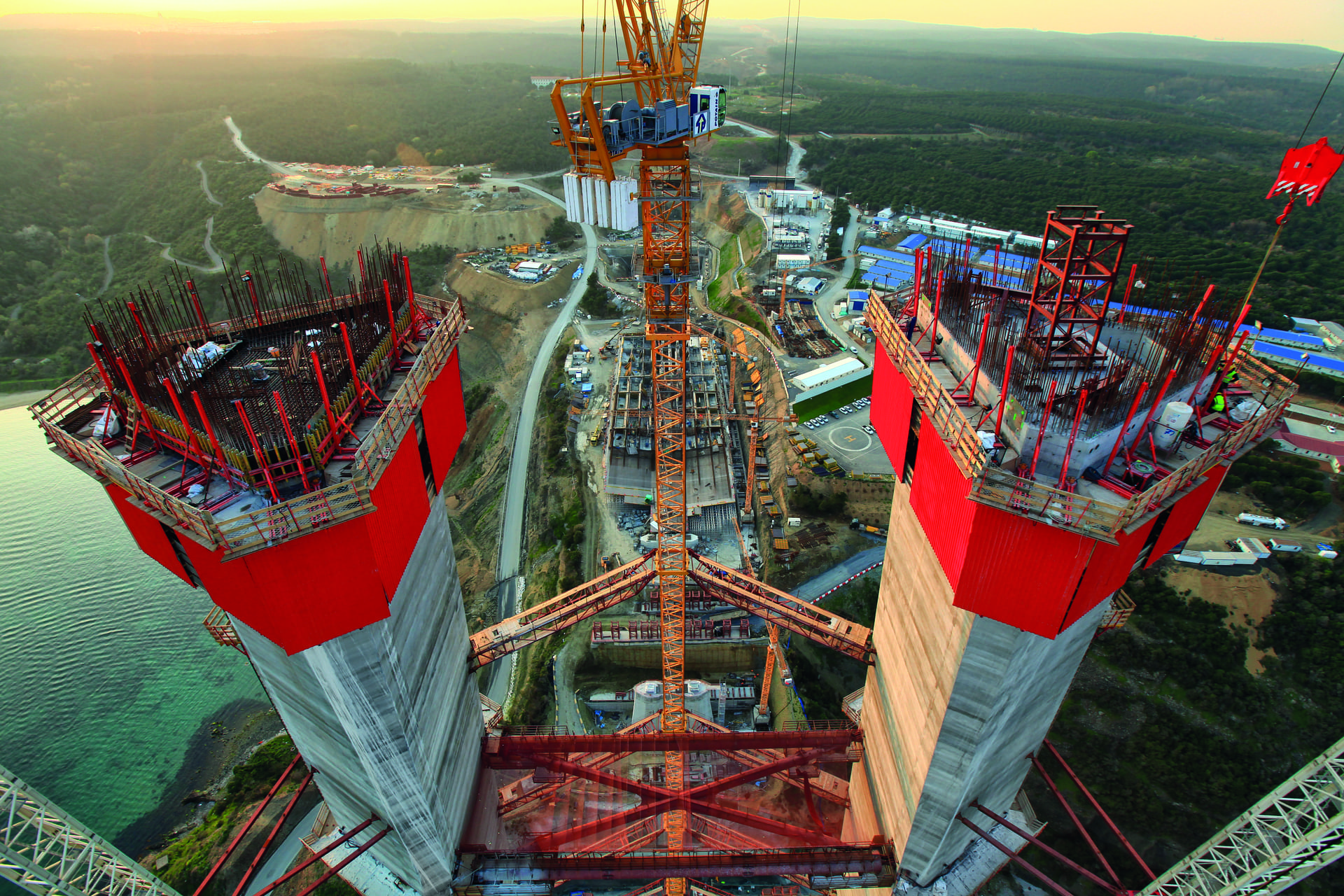 Construction stages of the Third Bosphorus Bridge, Istanbul
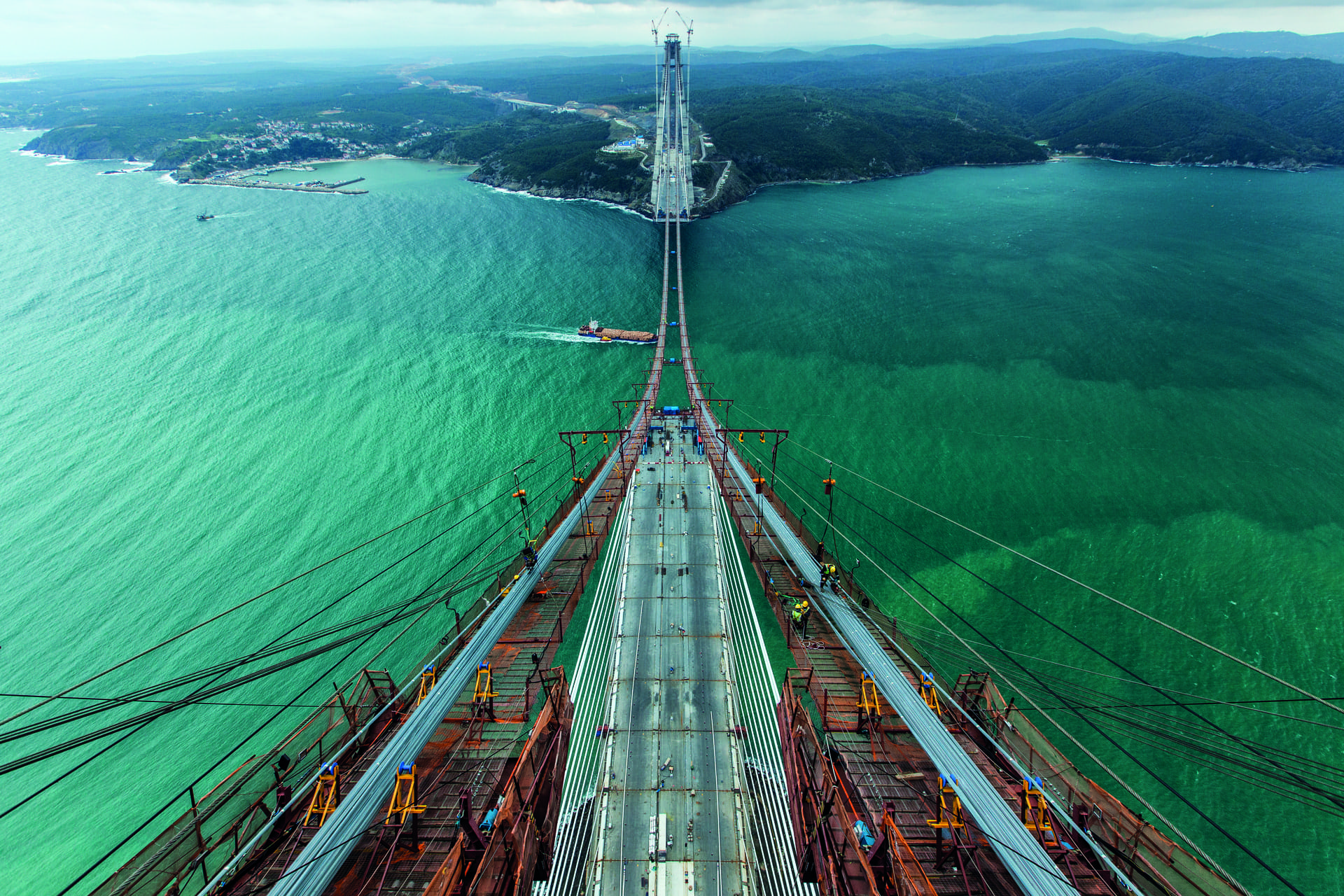 Construction stages of the Third Bosphorus Bridge, Istanbul
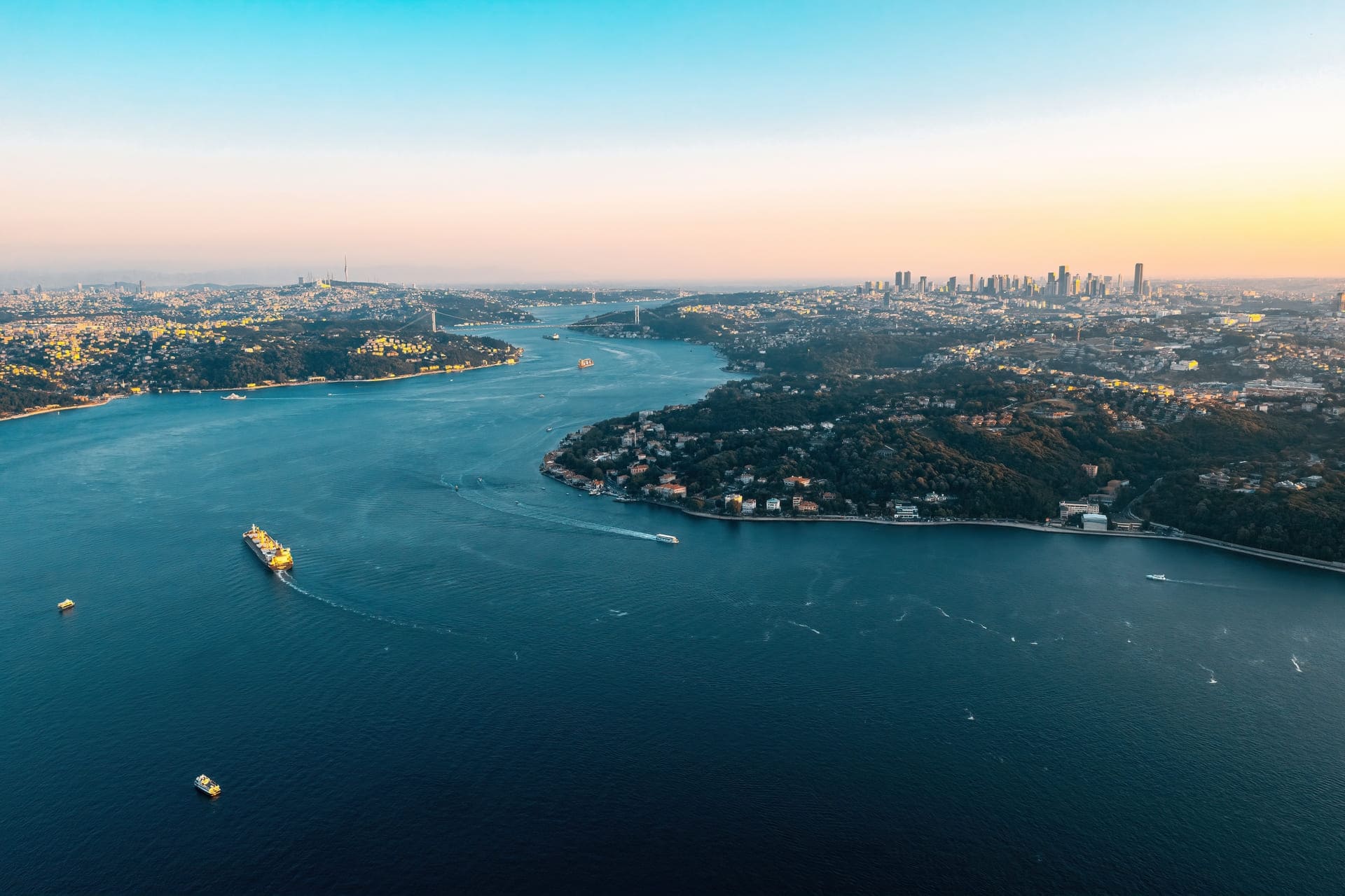 Aerial view of the Bosphorus
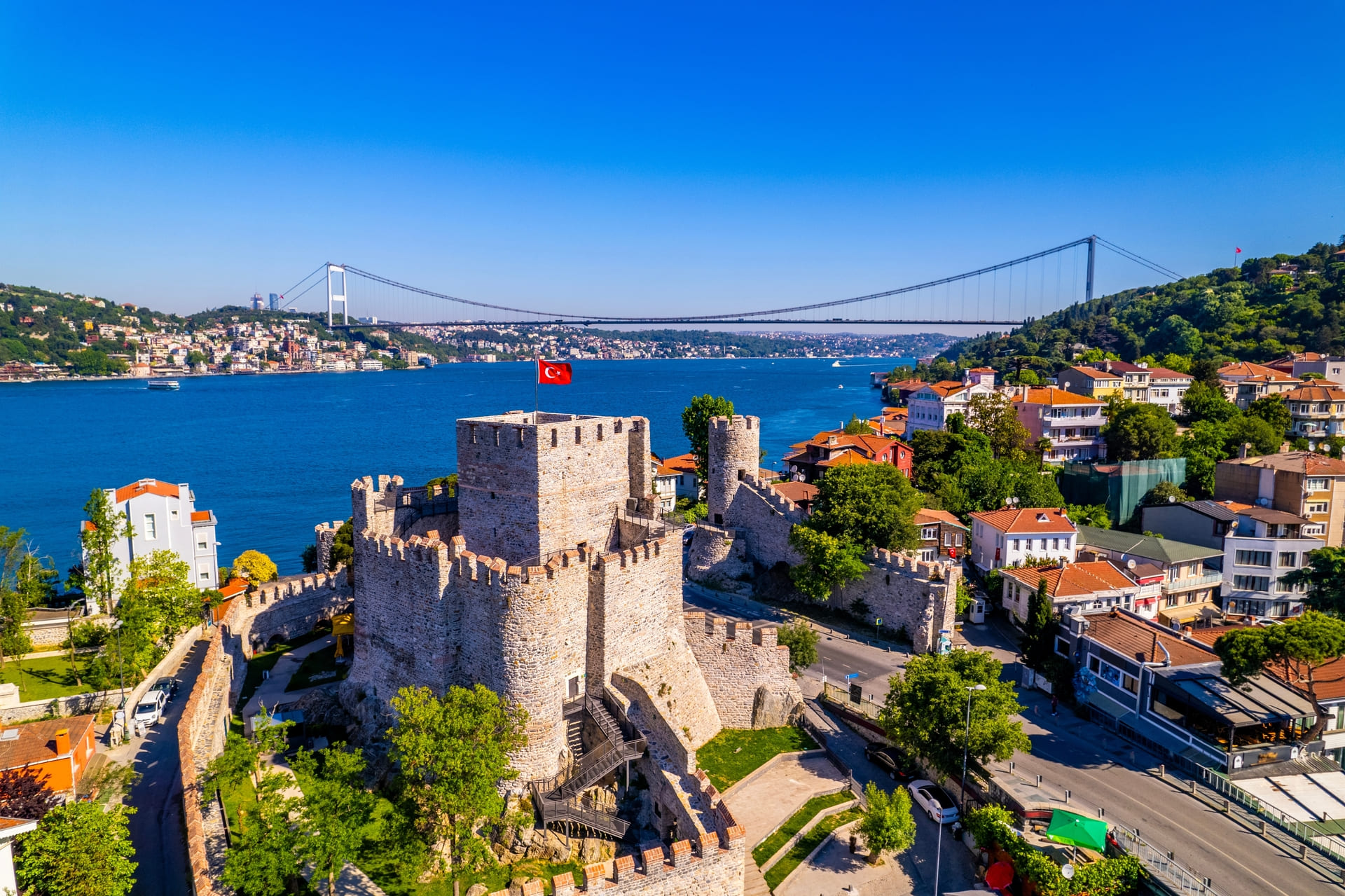 Fatih Sultan Mehmet Bridge, Istanbul
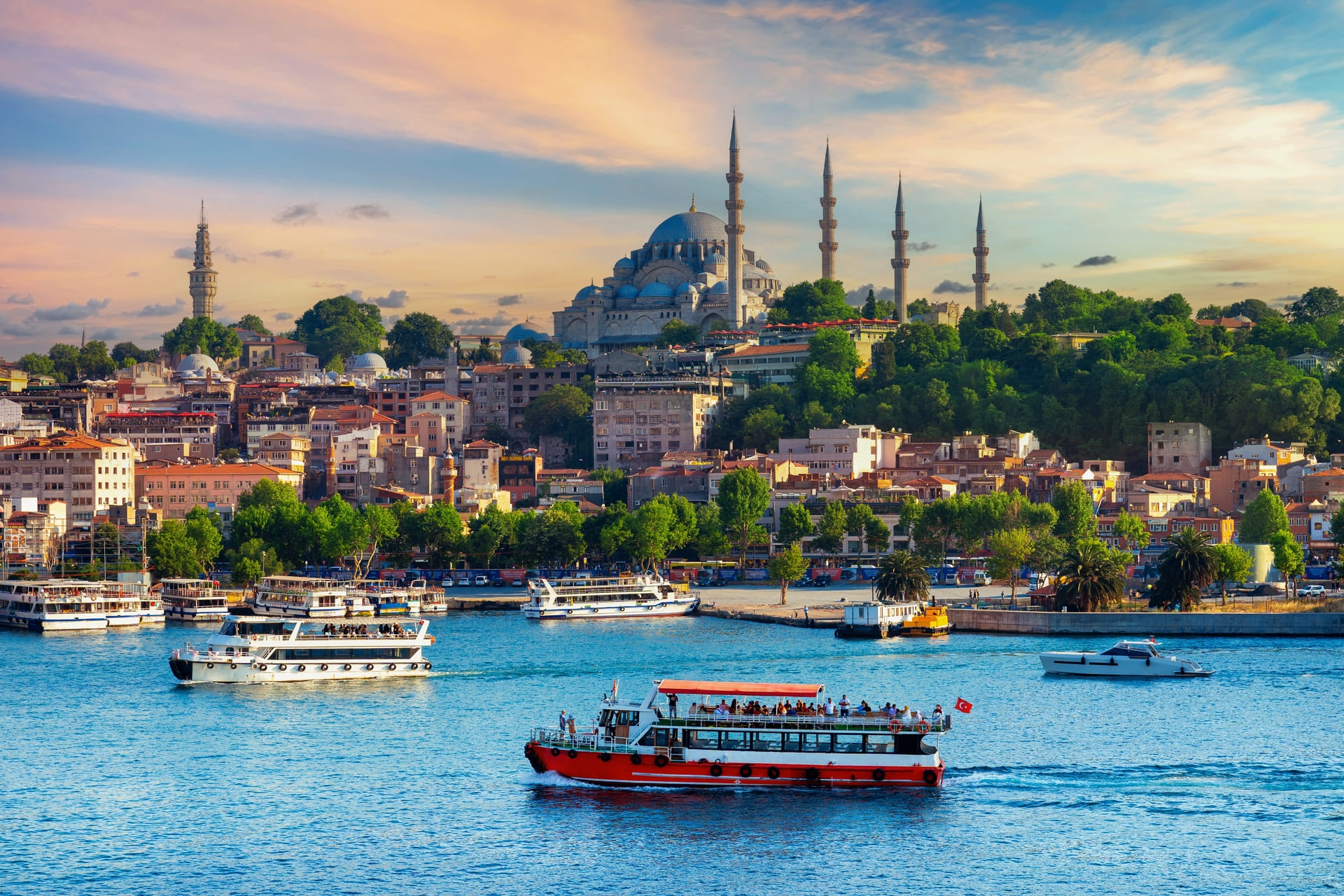 Istanbul
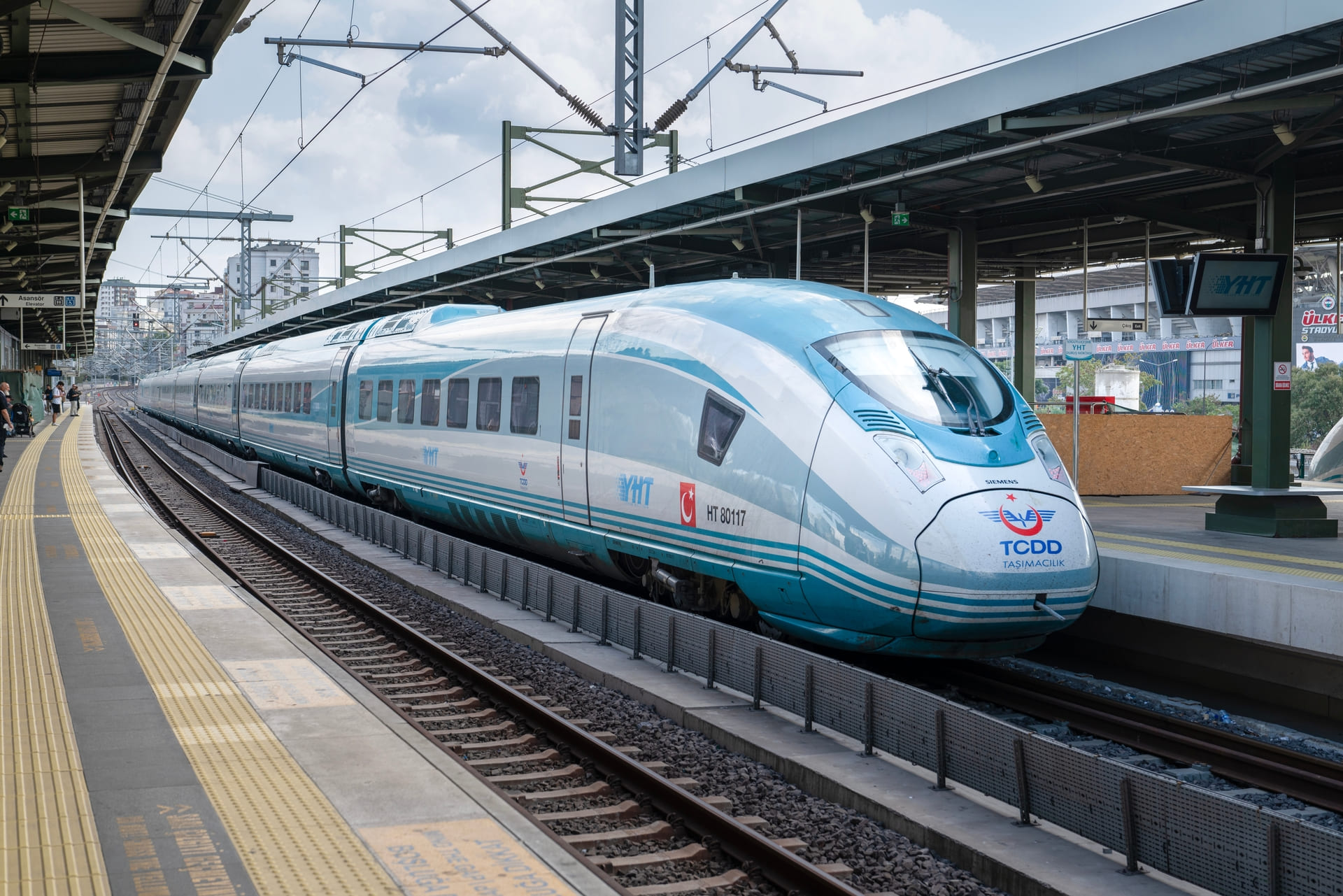 Sogutlucesme station, Istanbul High Speed Train
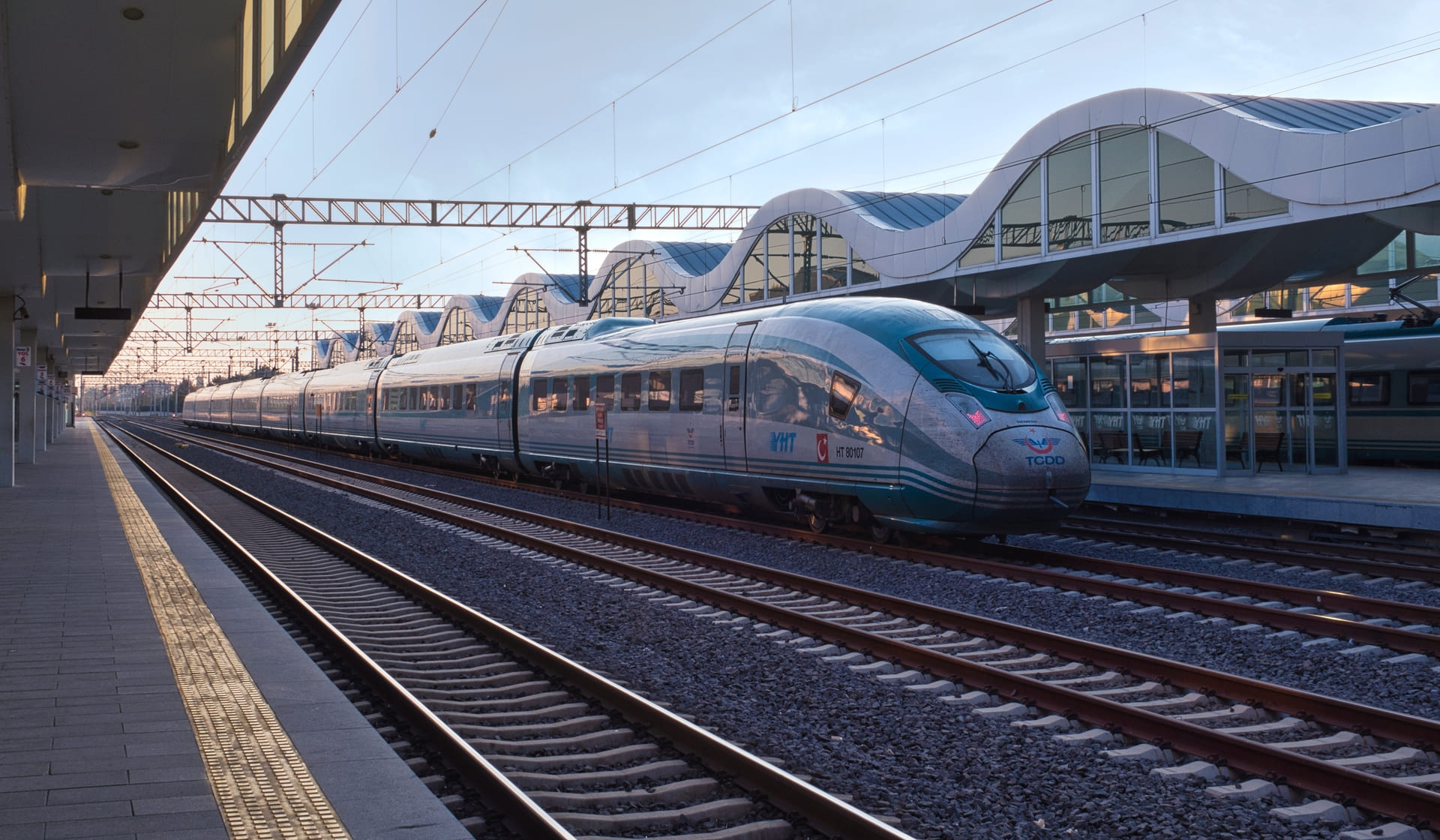 Eskişehir railway Station
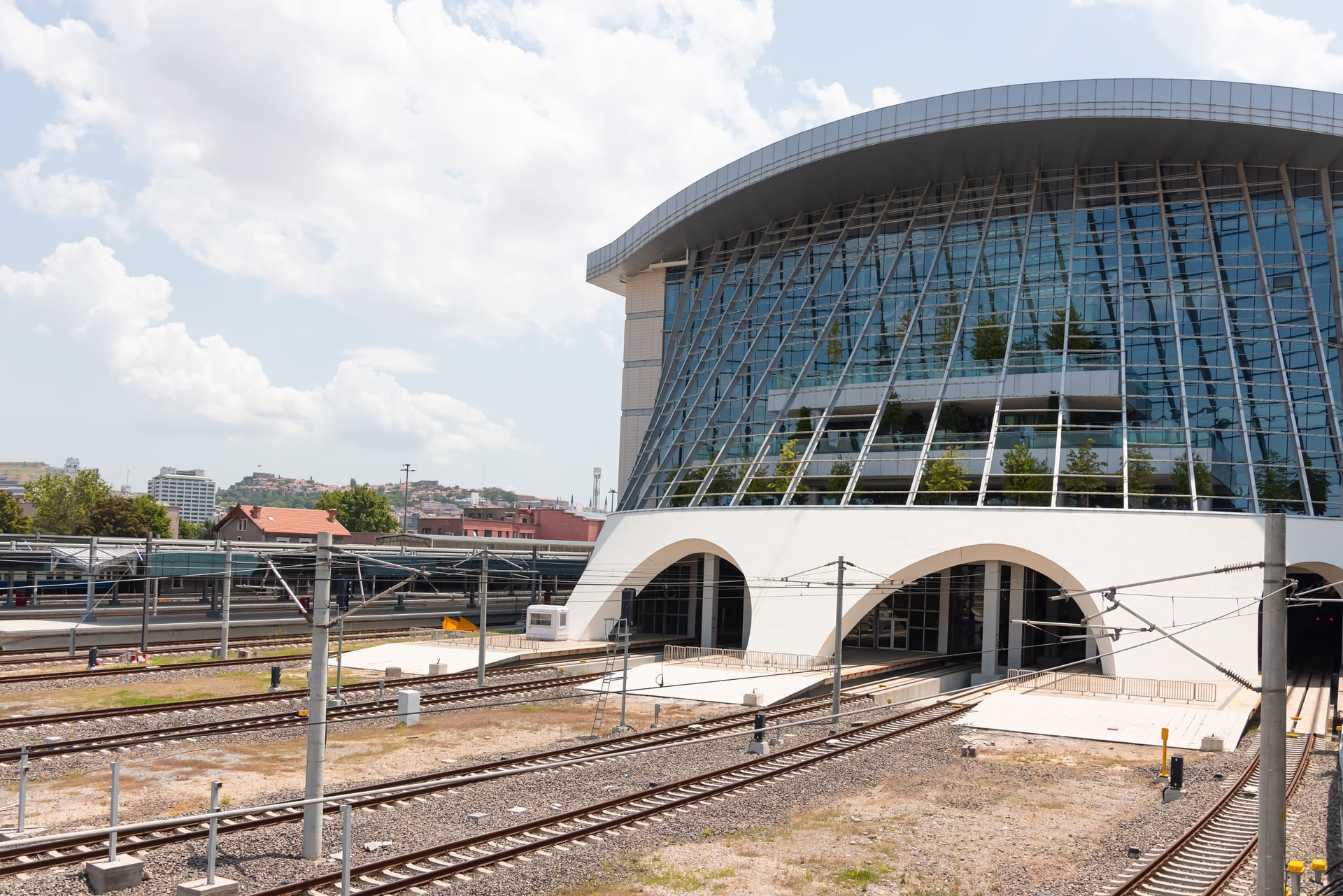 Ankara railway station
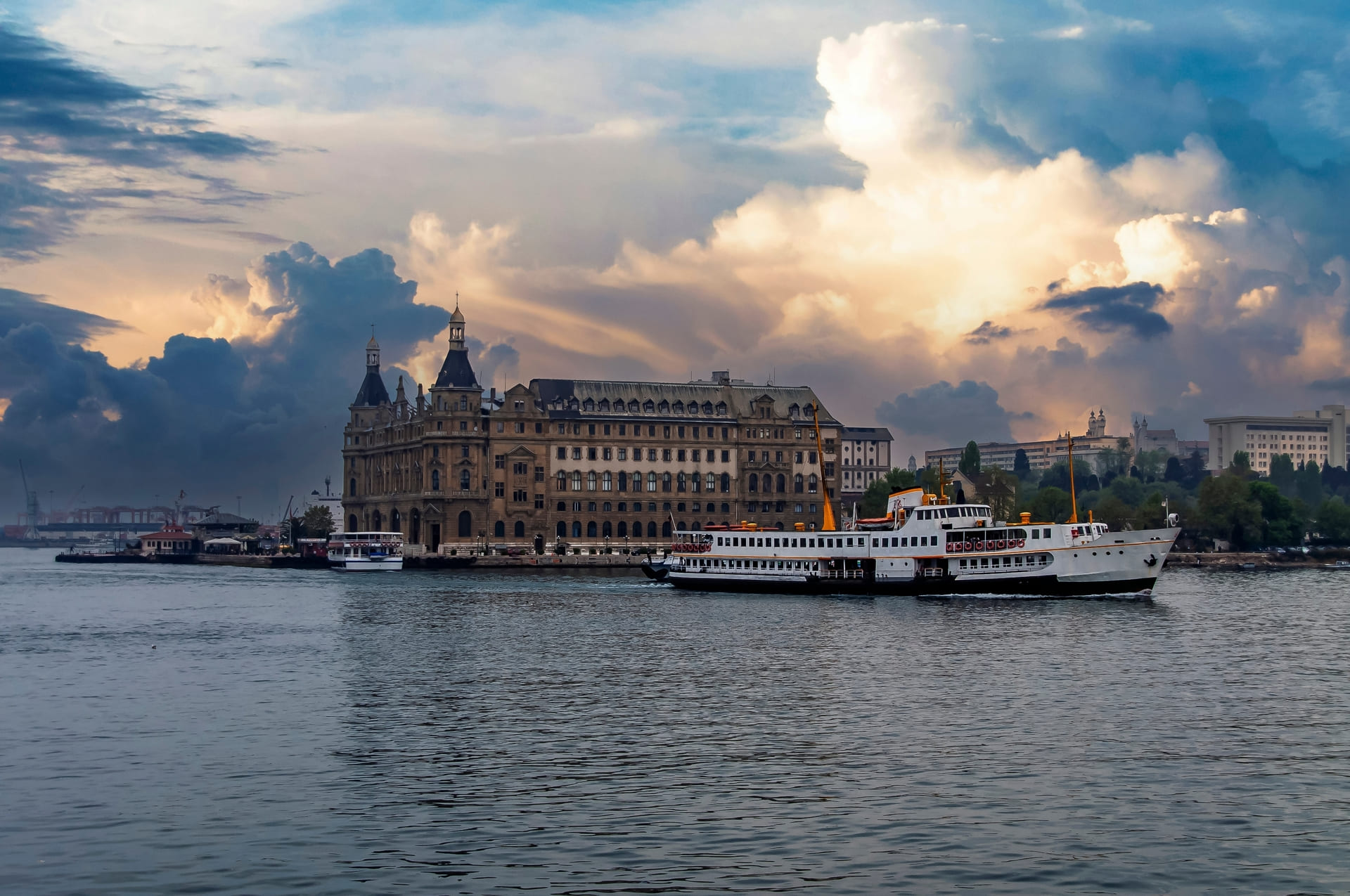 Haydarpasa train station, Istanbul
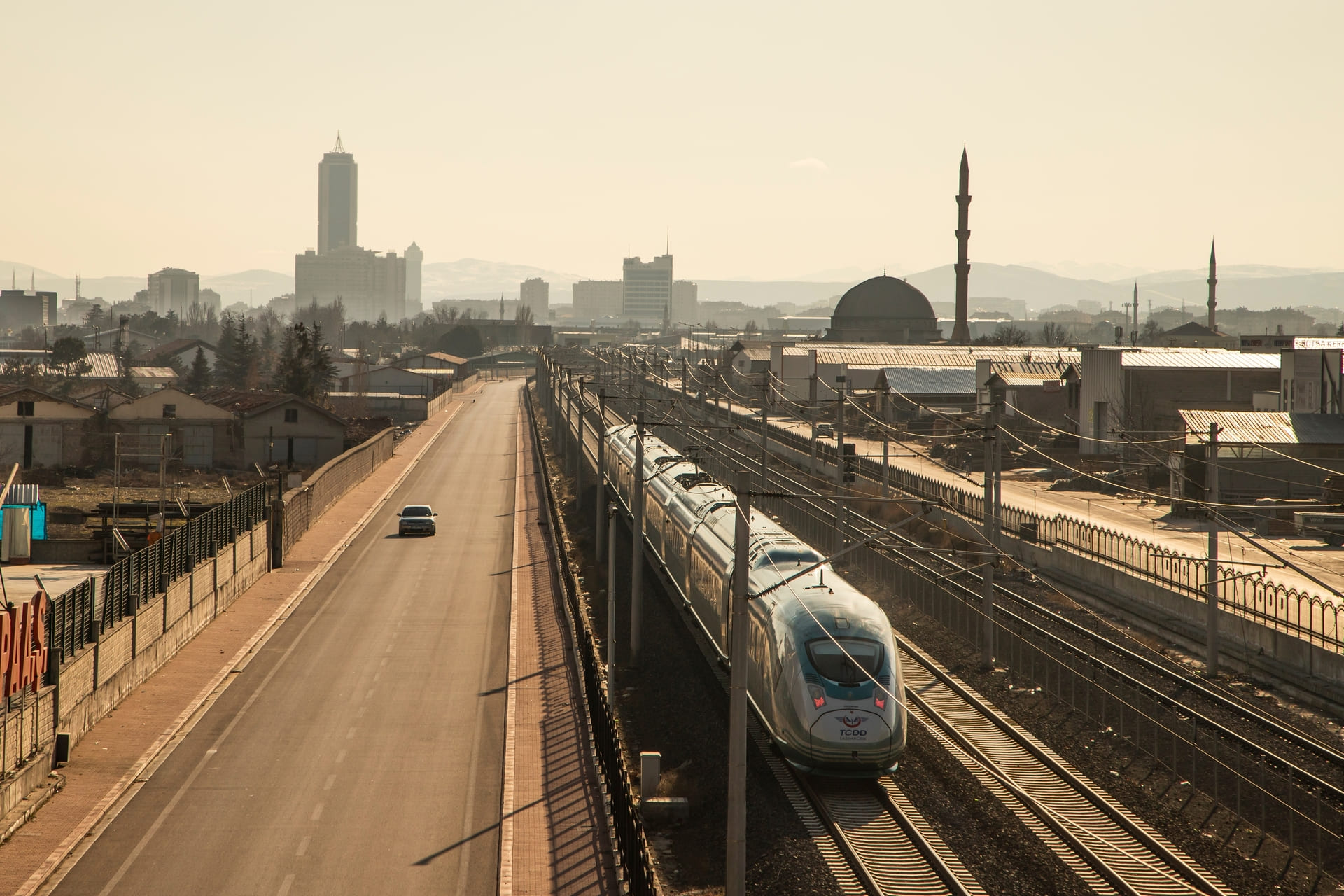 High-speed train in transit
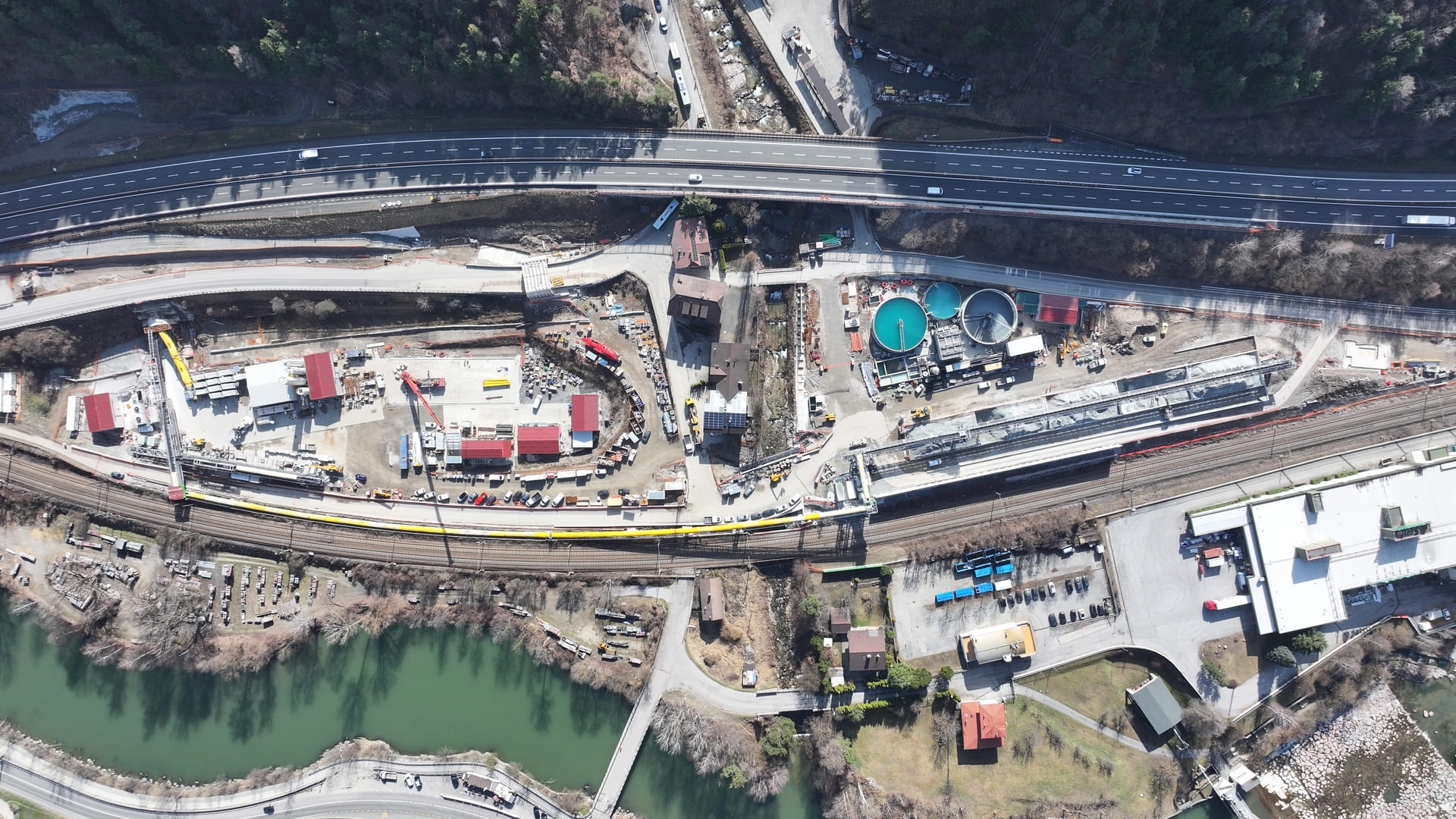 Brenner Base Tunnel construction site
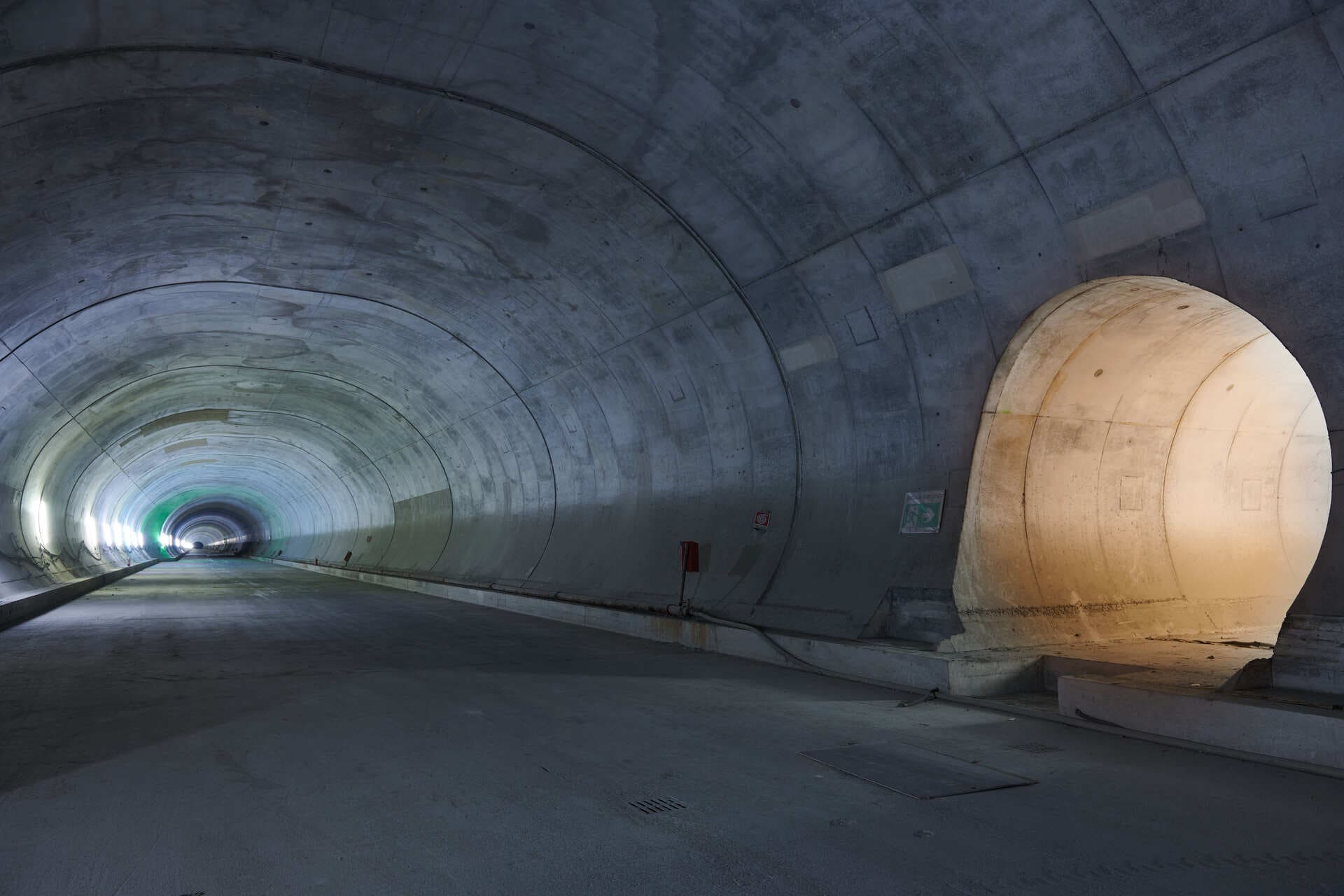 Brenner Base Tunnel construction site
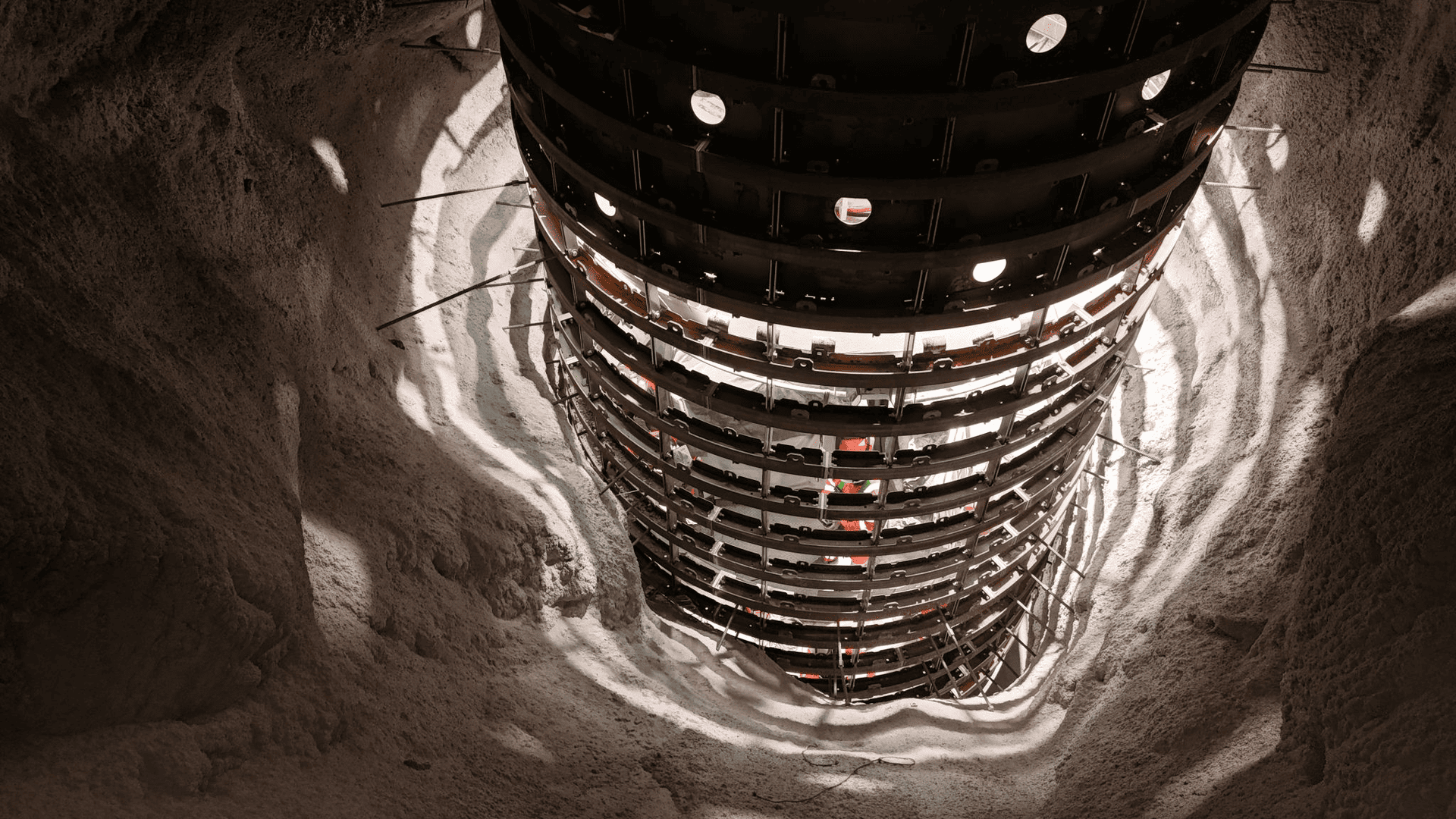 Mont Cenis Tunnel construction site on the Turin-Lyon line
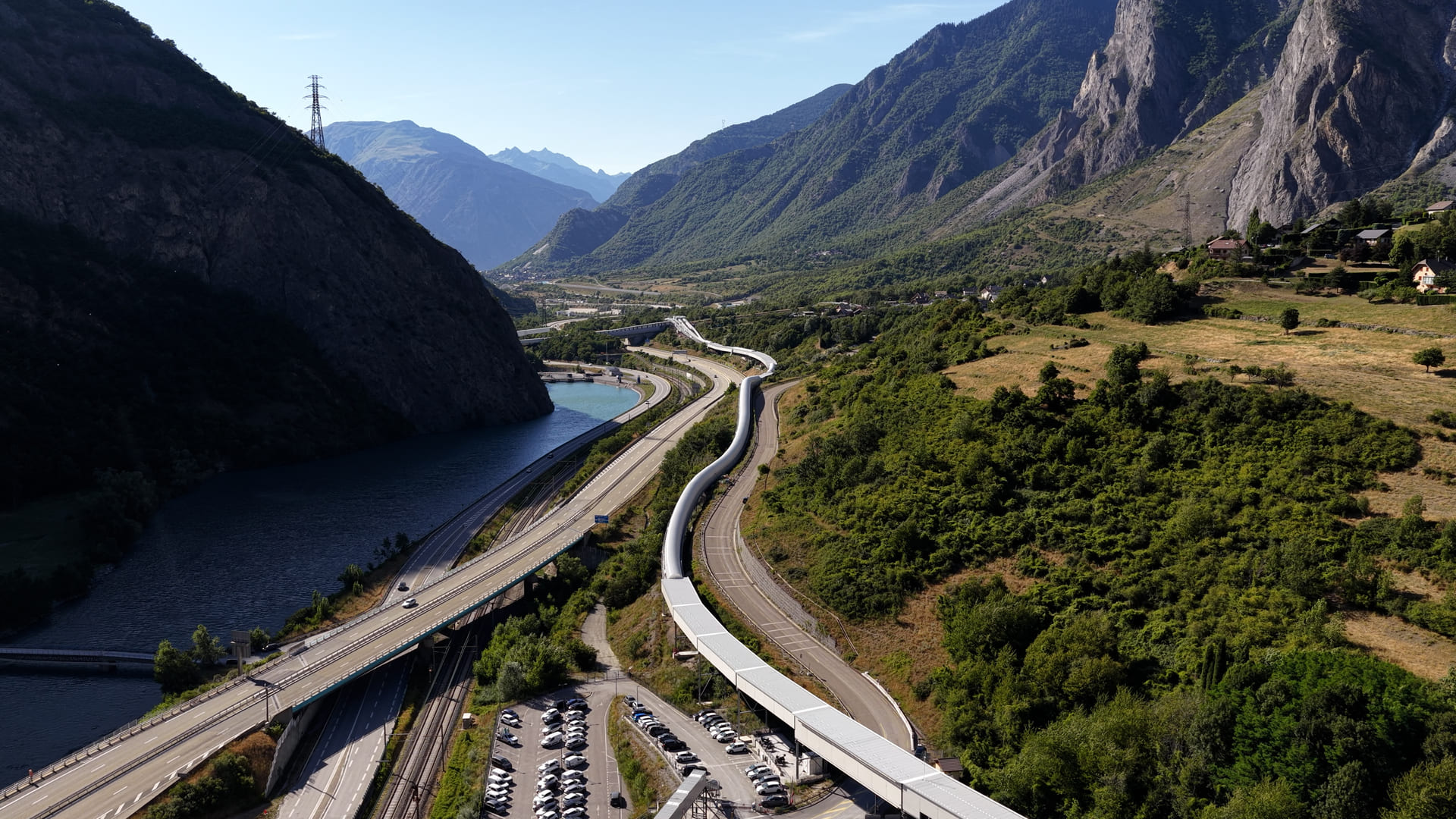 Mont Cenis Tunnel construction site on the Turin-Lyon line
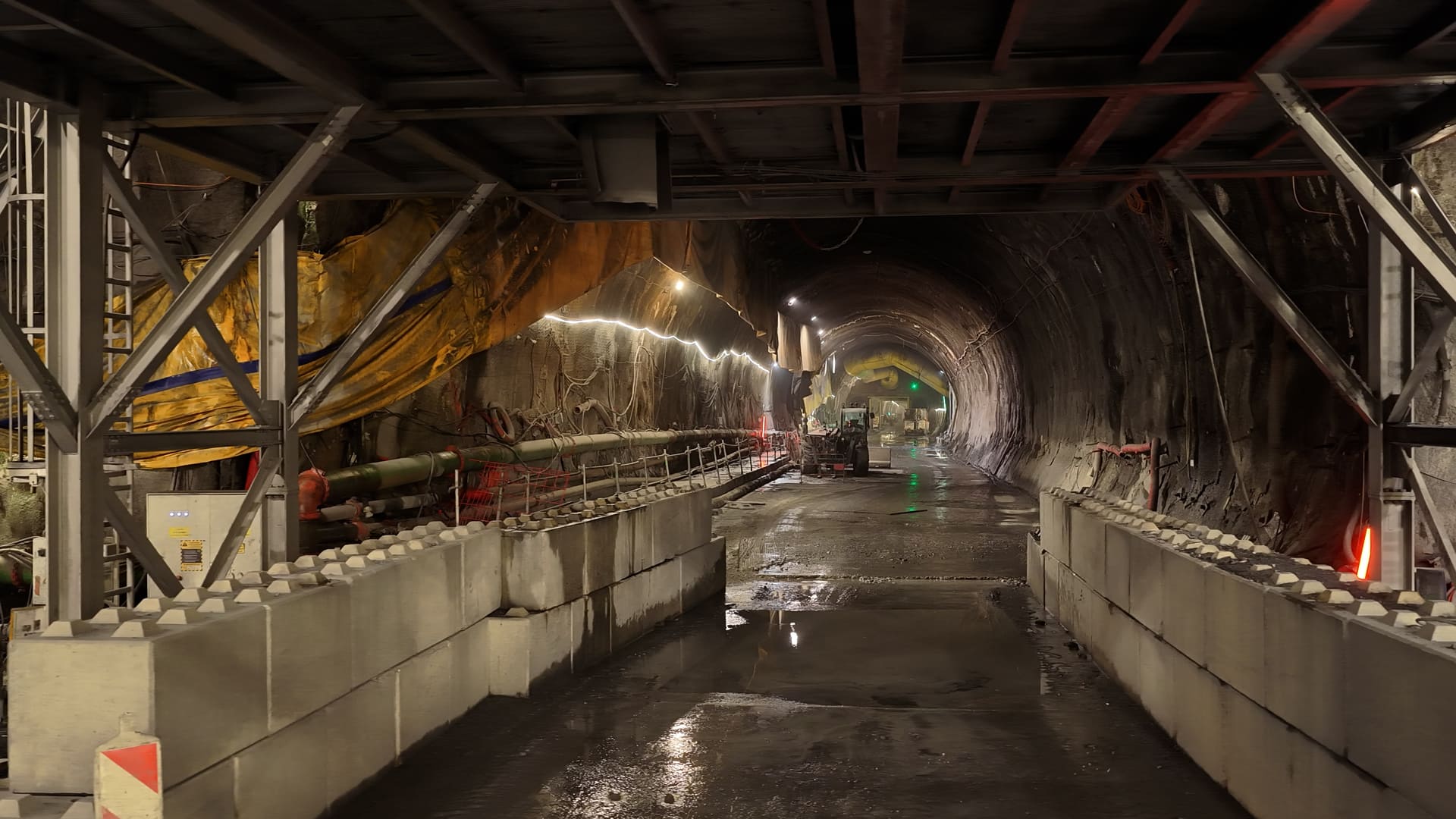 Mont Cenis Tunnel construction site on the Turin-Lyon line
- Turkey will invest over $6 billion in 91 railway projects by 2032 to accelerate the development of its national high-speed network
- The Third Bosphorus Bridge, built with the involvement of Webuild, will be adapted for rail traffic, completing a project designed from its inception to connect Europe and Asia by rail
- The new line crossing the Bridge will transform Istanbul into a strategic hub for the Middle Corridor, the railway corridor connecting Europe and Asia
- The expansion of high-speed rail aims to boost Turkey's competitiveness by shifting traffic from road to rail and improving connections between cities, ports, and industrial hubs
- From the Brenner Base Tunnel to the Turin–Lyon link, Webuild plays a leading role in delivering some of the world's most significant railway infrastructure projects under construction

There was a time when Turkey‘s strength was measured by the number of ships crossing the Bosphorus. Today, however, the country’s future runs on twin tracks.
With over $6 billion earmarked for 91 railway projects by 2032, the government in Ankara has chosen to make the railway the engine of its development strategy. High-speed rail, new logistics corridors, and connections between Europe and Asia represent not merely an investment plan, but the central piece of a vision aimed at transforming Turkey into one of the continent’s primary infrastructure hubs.
It is a choice that reflects the evolution of a country that has grown rapidly over the past twenty years, where airports, bridges, tunnels, and railway lines have become instruments for reshaping the nation’s role along the world’s major economic routes.
Turkey: A Country Choosing the Railway
Turkey’s new railway era is driven by ambitious numbers. The public investment program for 2026 is funding 91 projects designed to reshape the national network. Priorities include completing the high-speed rail lines Ankara–Izmir, Sivas–Erzincan, Adana–Osmaniye–Gaziantep, and the major Konya–Karaman–Mersin–Adana axis, alongside developing new logistics connections to industrial hubs and Mediterranean ports.
In parallel, the growth of the domestic railway industry continues to advance, highlighted by the start of testing for the first high-speed train designed and built in Turkey—a symbol of the country’s determination to support its infrastructure investments with an autonomous industrial supply chain.
The objective is clear: shift an ever-larger share of passenger and freight traffic from road to rail, cutting travel times, boosting economic competitiveness, and strengthening Turkey’s strategic role connecting Europe, the Caucasus, the Middle East, and Central Asia.
Third Bosphorus Bridge: A Pillar of Trade between Europe, Central Asia and China
If there is a place that tells the story of this transformation better than any other, it is Istanbul. For centuries, the Bosphorus was the point where two continents observed each other from opposite shores. Today, Ankara wants to turn it into the main point of connection between Europe and Asia. The symbol of this new vision is the Yavuz Sultan Selim Bridge—the Third Bosphorus Bridge—built by a consortium that included a company that is now part of the Webuild Group.
When it was inaugurated in 2016, the bridge drew attention for its extraordinary dimensions: over two kilometers long, towers 322 meters high, and a deck 59 meters wide. However, its most innovative feature remained unseen. At the center of the structure, space was reserved for a future double-track railway line.
For nearly ten years, that corridor remained unused. Today, that original project is finally taking shape: the new INRAIL railway link will transform the Third Bosphorus Bridge into the backbone of Istanbul’s future railway system.
The new line will cross the bridge, connecting the metropolis’s two major airports and enabling passenger and freight trains to cross the Bosphorus Strait without having to pass through the Marmaray Tunnel—currently the only existing rail crossing and now nearing its operational capacity limits.
The project, backed by over $6 billion in international financing, represents one of the most important railway investments currently underway worldwide. The new rail axis will become one of the pillars of the Middle Corridor, the trade route connecting China, Central Asia, and Europe across the Caspian Sea, the Caucasus, and Turkey.
It is an infrastructure destined to increase freight transport capacity, reduce logistics times, and offer an increasingly competitive alternative to traditional routes.
Beyond Turkey: High-Speed Trains as an Engine of Development
The history of major railway networks teaches us that tracks do not merely shorten distances; they reshape the economic geography of entire regions.
They did so in Japan with the Shinkansen, in France with the TGV, and in Italy with High-Speed Rail, which redefined travel along the country’s spine. Today, Turkey aims to follow a similar path: the new railway lines will connect major cities more quickly, strengthen links with ports, support exports, and integrate the national production system with major international networks.
It is the same logic driving Europe’s major rail corridors—using the railway as a strategic infrastructure for economic growth, industrial competitiveness, and environmental sustainability.
Mega Infrastructure Projects Crossing Mountains and Continents
The challenge Ankara is about to face is one that the Webuild Group knows well. From the Alps to Southern Italy, the Group is involved in building some of the most complex railway infrastructure in the world.
The Brenner Base Tunnel, set to become the longest underground railway link on the planet, and the Mont Cenis Base Tunnel along the Turin–Lyon line represent two strategic infrastructure projects within the European TEN-T network, designed to shift increasing shares of traffic from road to rail.
Added to these are the numerous high-speed/high-capacity lines built and currently under construction in Italy—from Rome–Milan to Naples–Bari, all the way to Salerno–Reggio Calabria, which will bring high-speed trains to the far south of the country.
The common thread uniting all these works is the same one running through Turkey today: not merely building new railways, but creating connections capable of transforming regions, economies, and cities.