

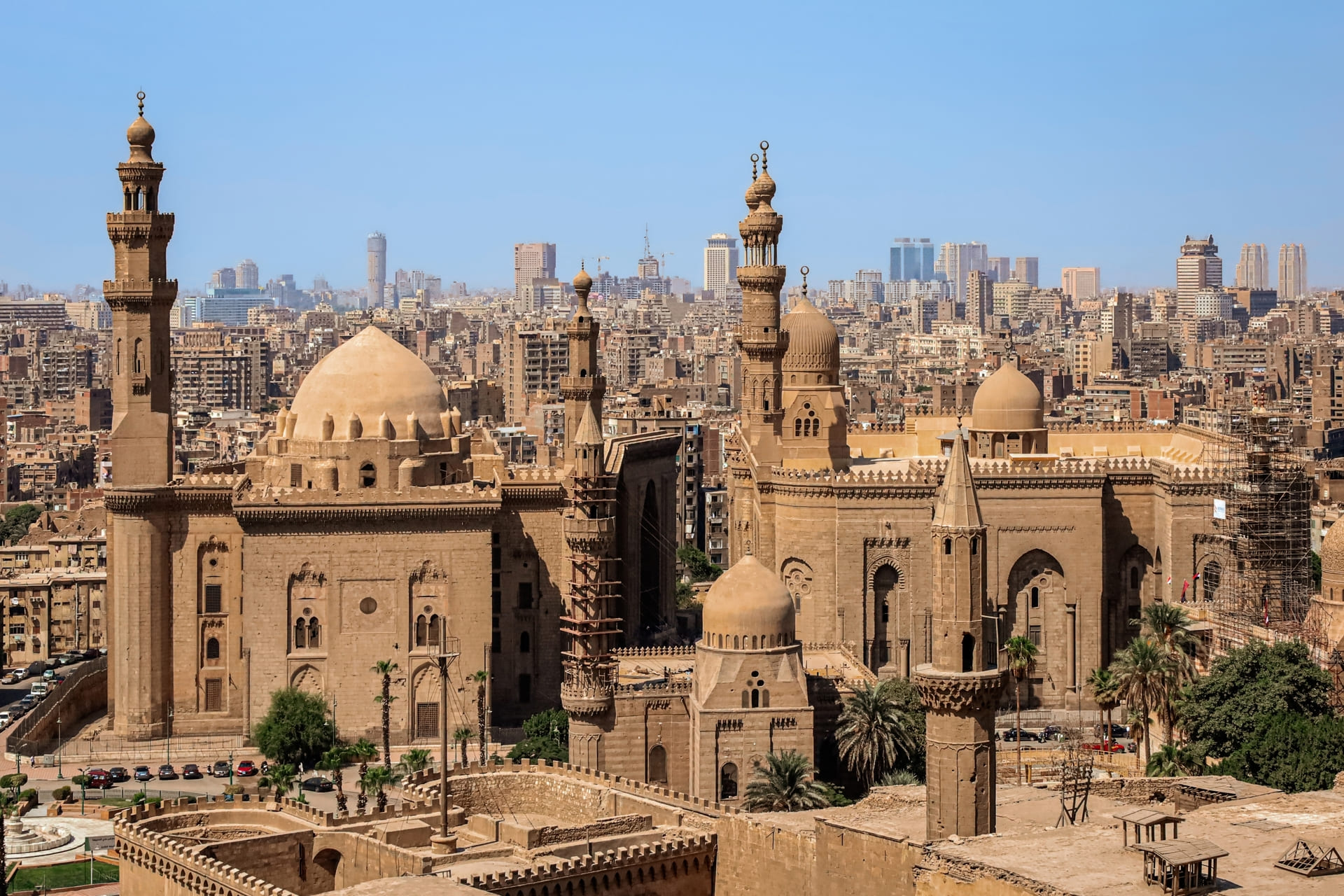
 Cairo, Egypt
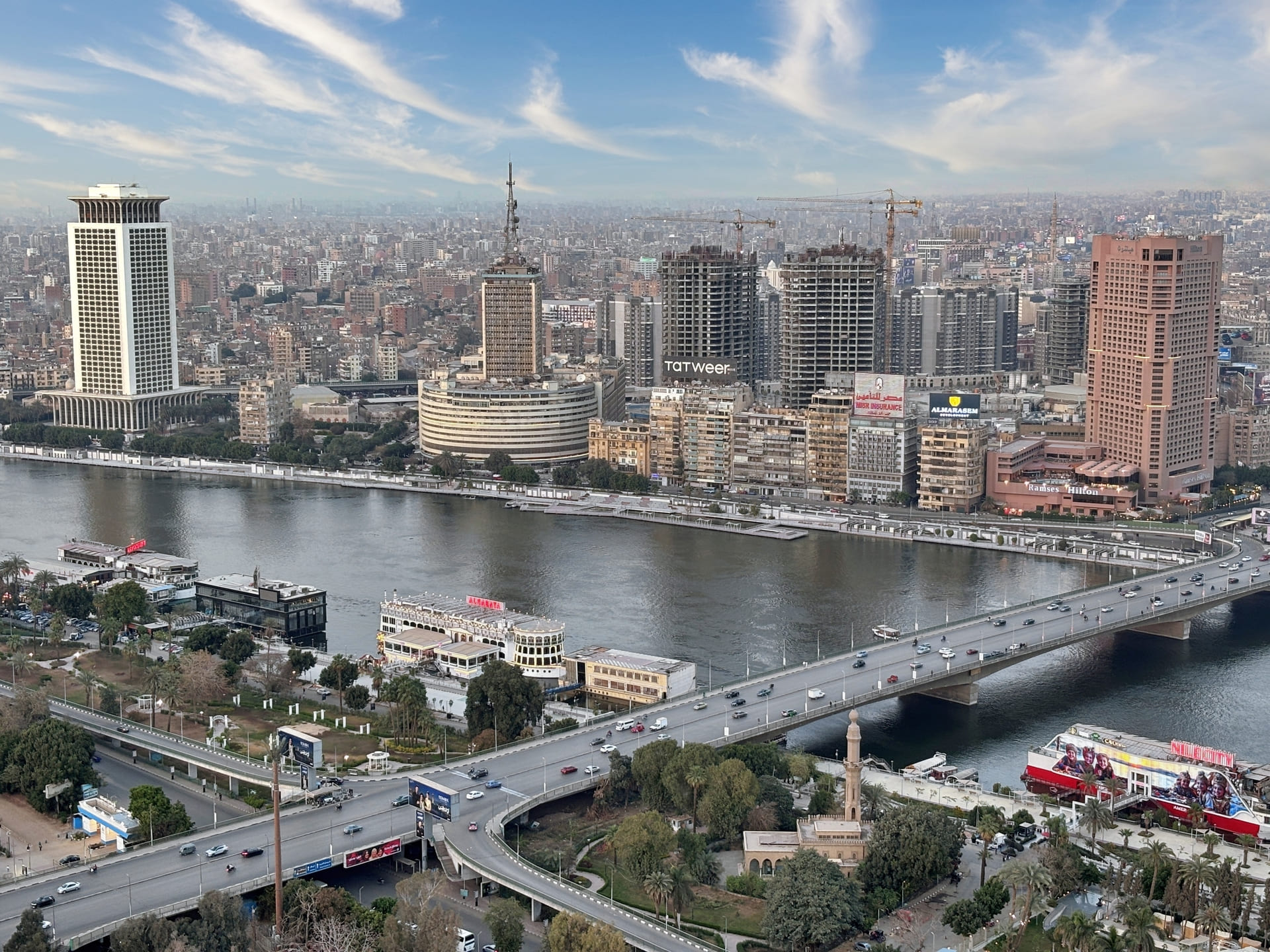 Cairo, Egypt
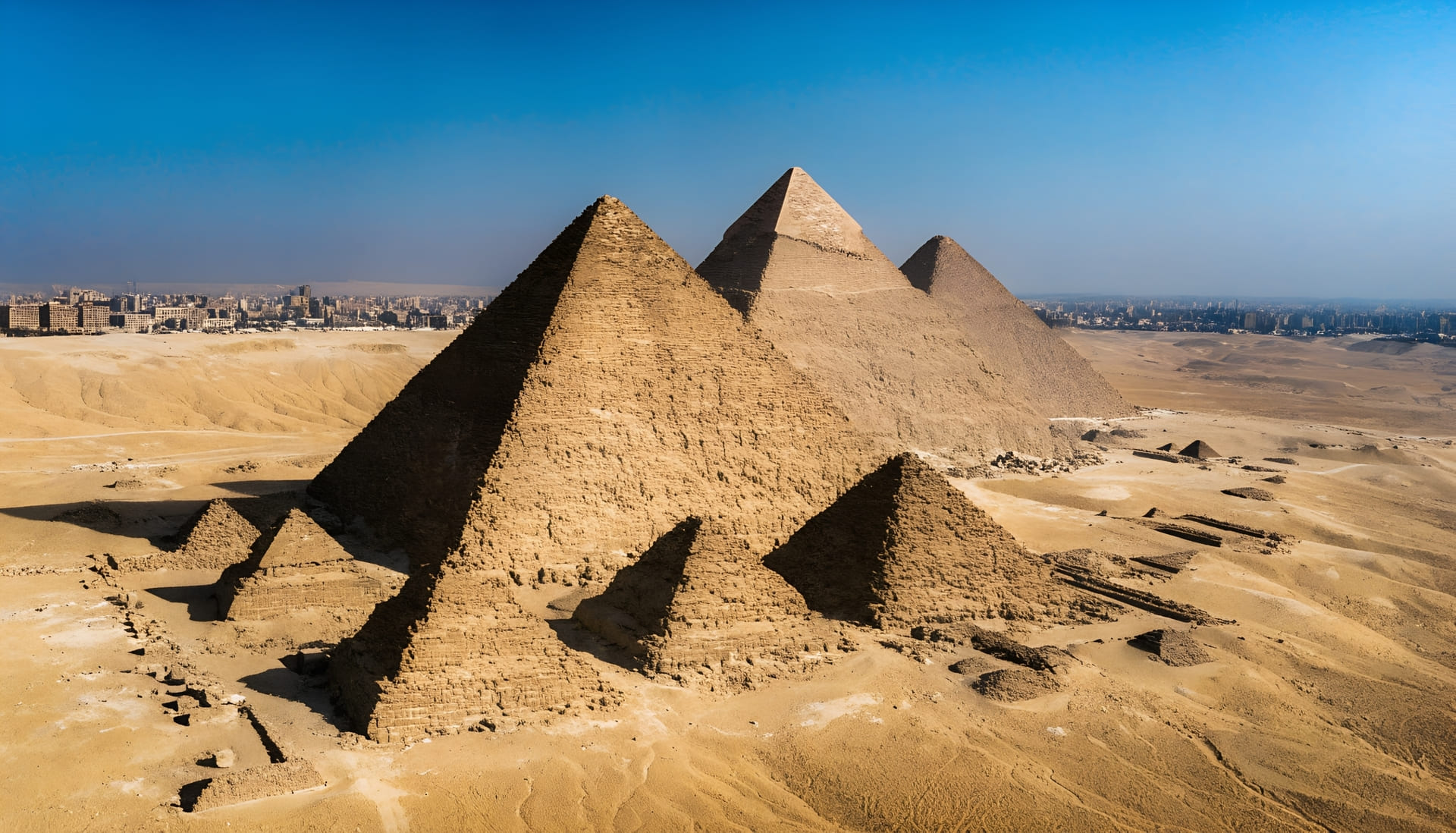 Giza Archaeological Site
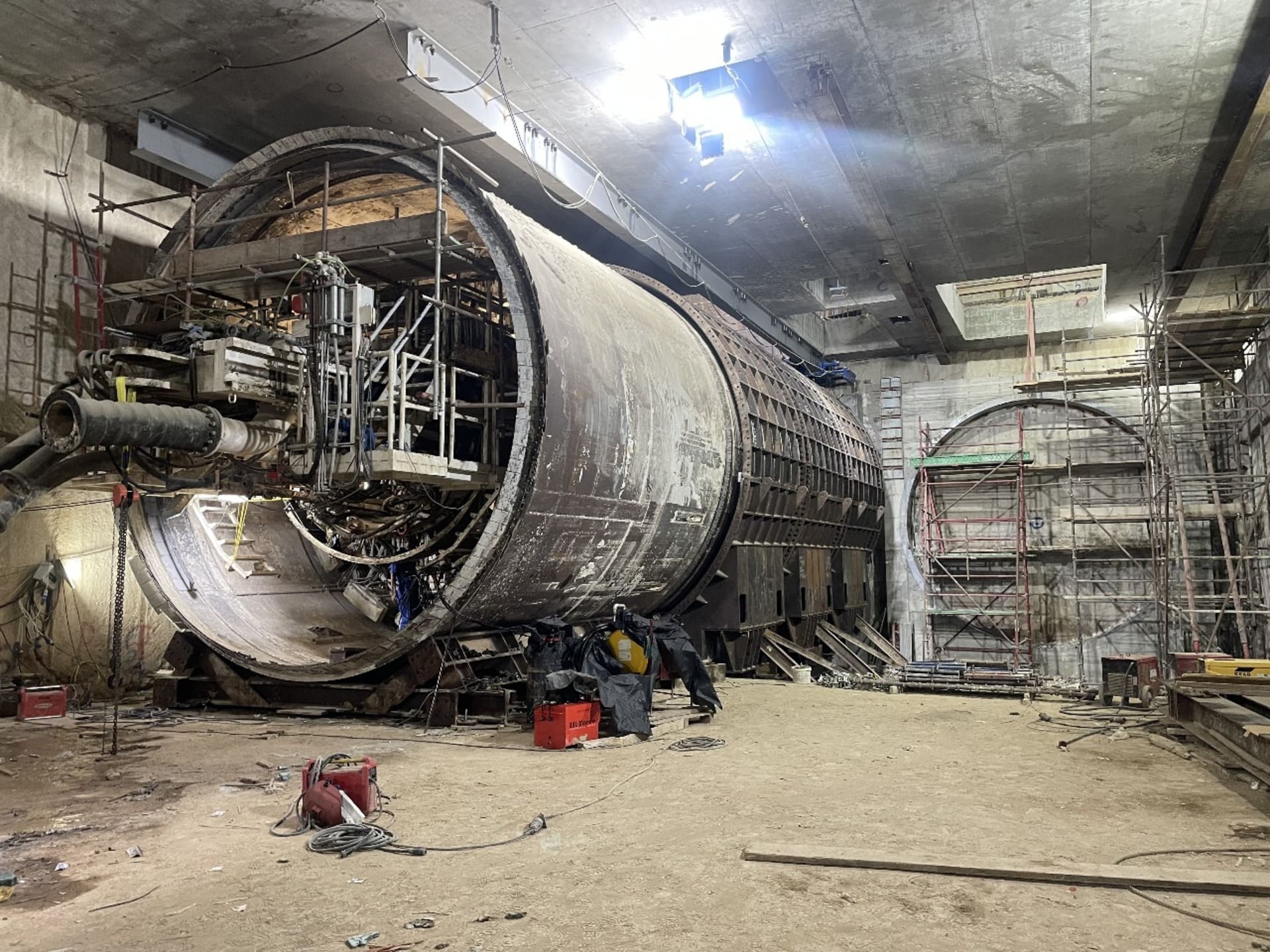 Seli TBM during the construction of the Cairo Metro
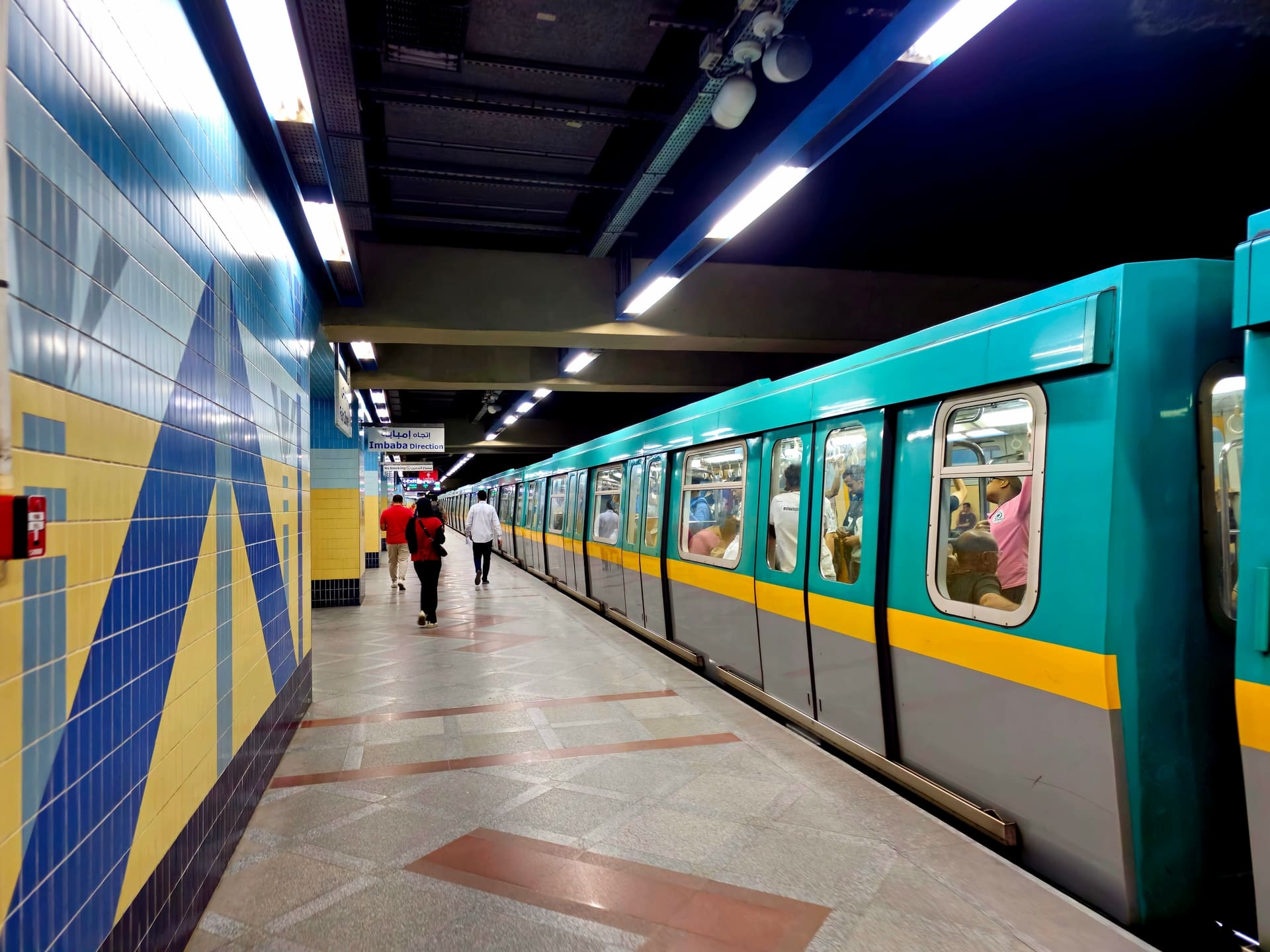 Cairo Metro
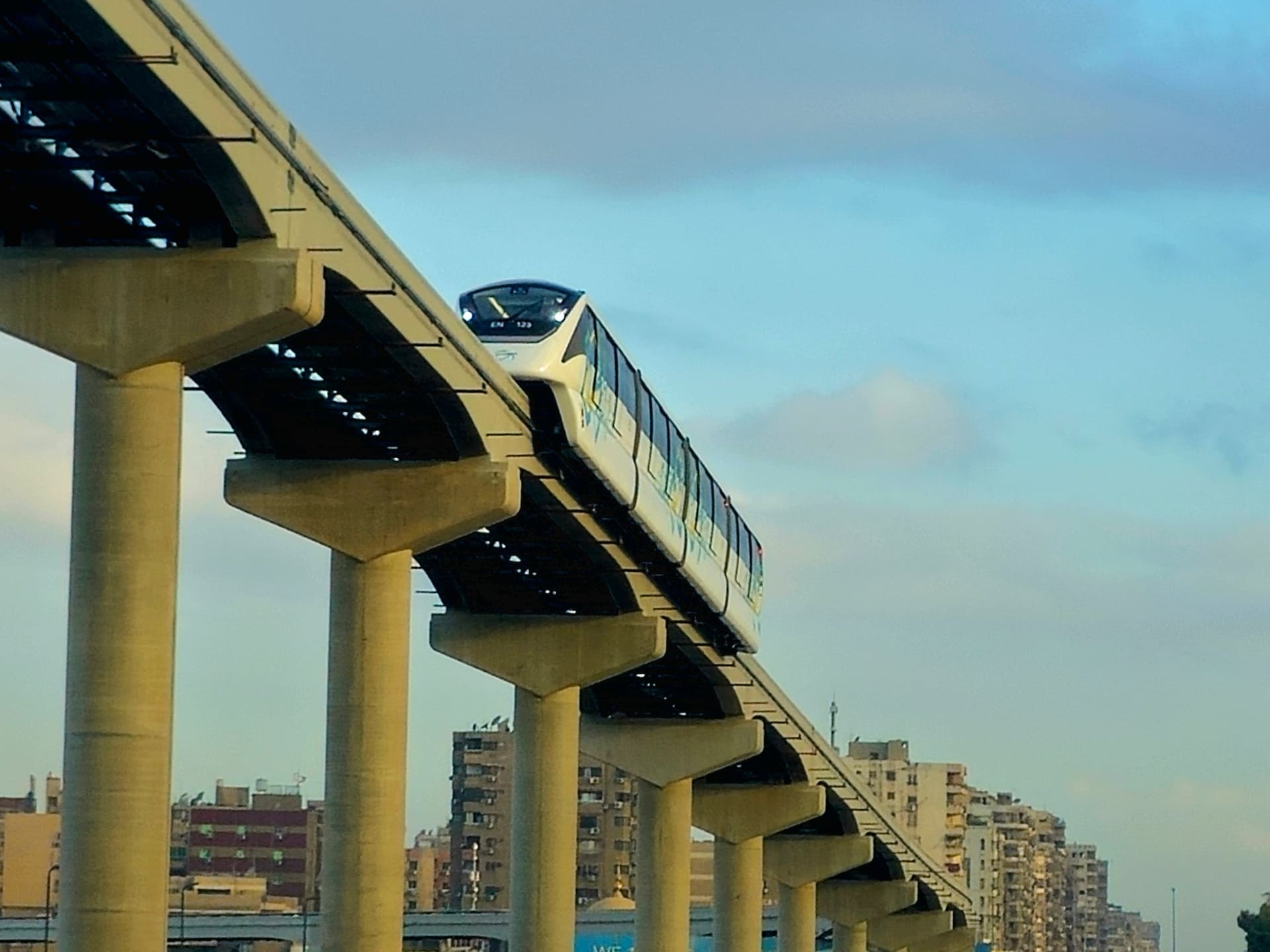 Cairo Monorail System
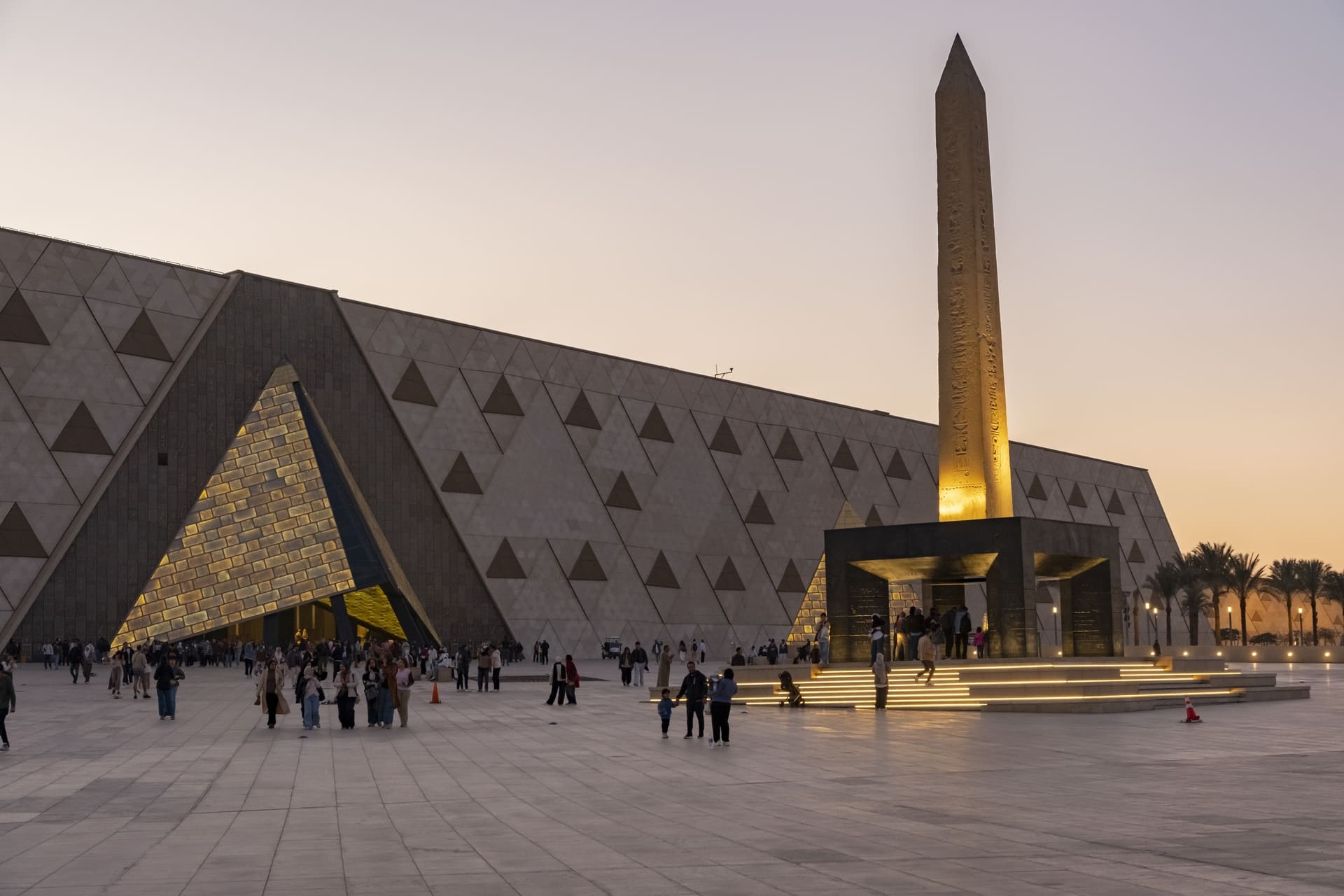 Grand Egyptian Museum (GEM), Giza
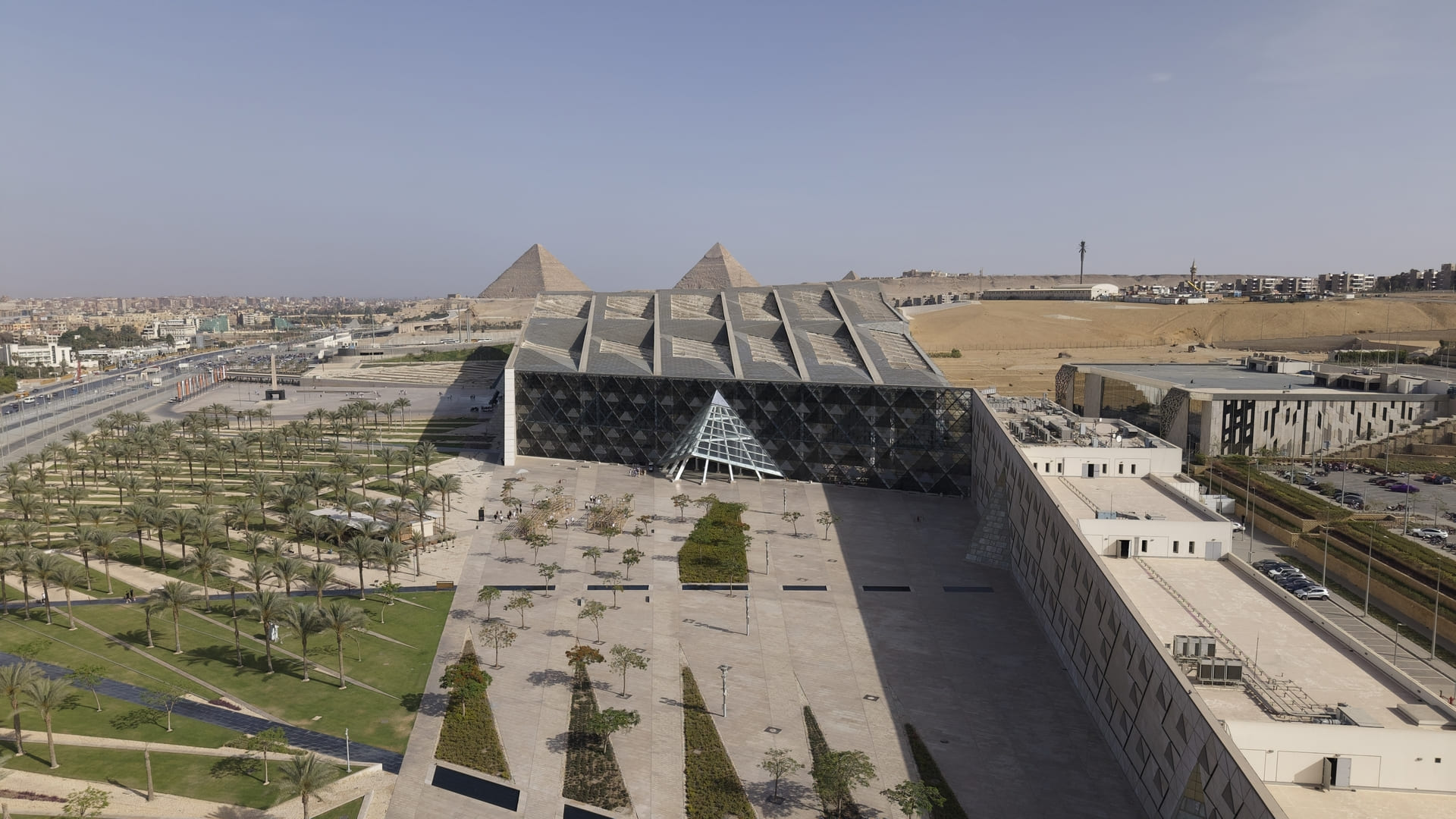 Grand Egyptian Museum (GEM), Giza
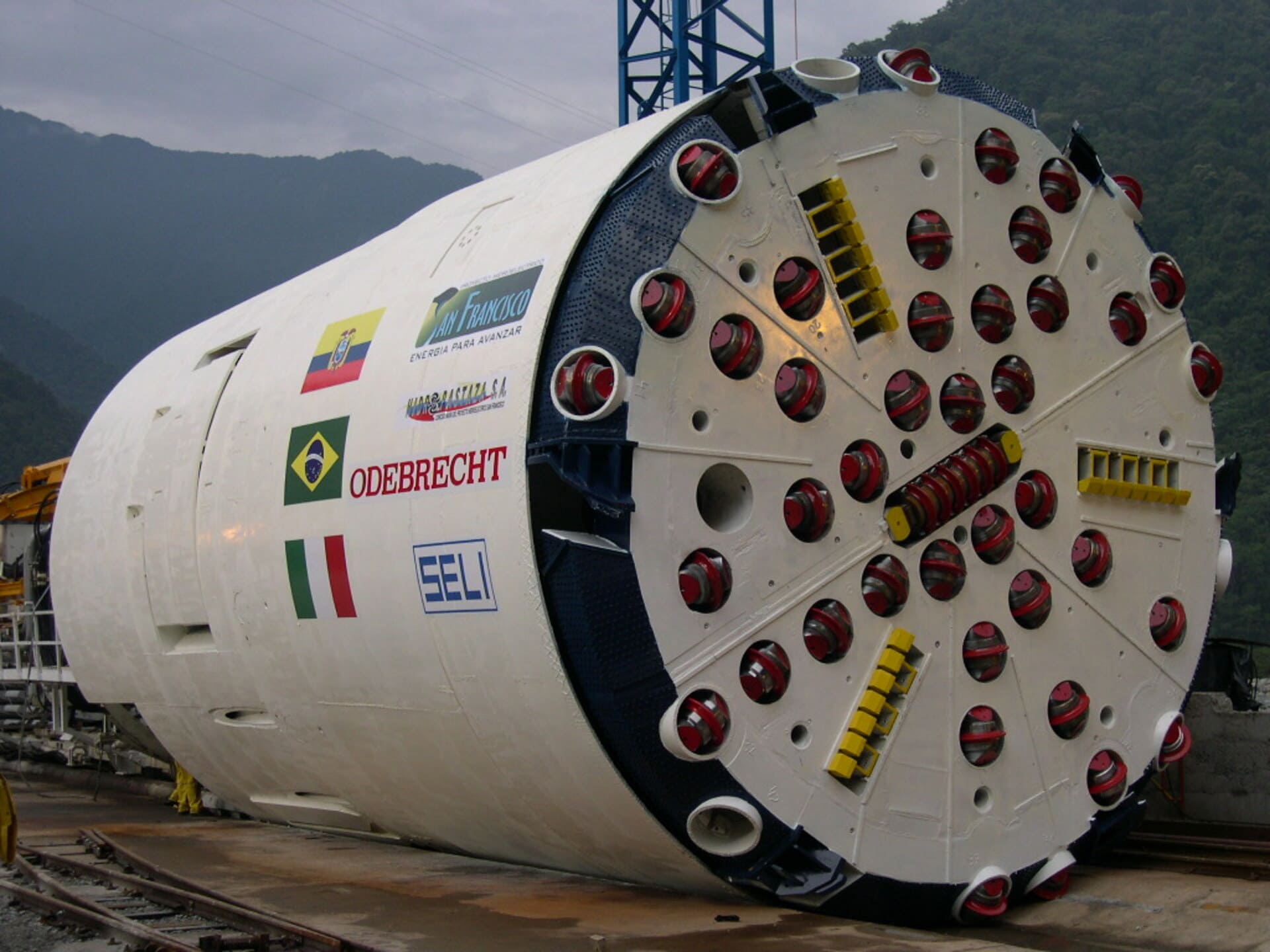 Seli TBM
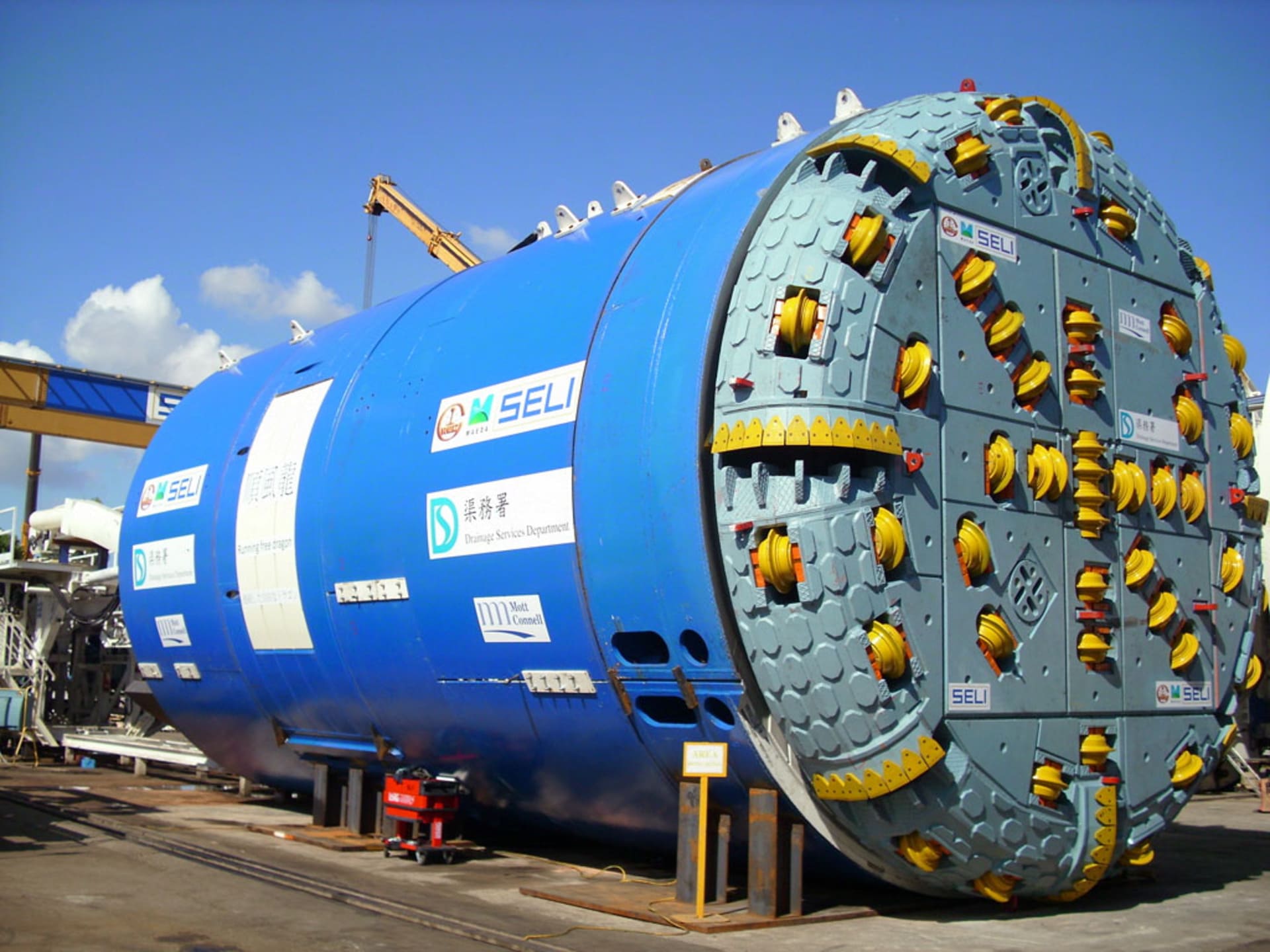 Seli TBM
- Excavating a tunnel under a city is a challenging endeavour, especially when the ground is full of sand and silt
- Egypt’s Petrojet and SELI Overseas are driving a Tunnel Boring Machine through difficult conditions posed by an ancient metropolis like Cairo
- The TBM being used is a slurry/mixed shield model designed specifically for soft ground like the one encountered under the streets of Cairo given its proximity to the Nile River
- The excavation is part of the development of Line 4, which will become the east-west axis of Cairo’s metro system
- Petrojet and SELI Overseas have excavated past the Pyramids of Giza and the Grand Egyptian Museum
read more

It is hard enough excavating a tunnel through sand and silt. But when it is done in a sprawling metropolis like Cairo – the work becomes even more challenging. Not only do tunnellers have to face the difficulties of working through unstable ground, but they also have to contend with those posed by doing it below the bustling streets of an ancient city of tens of millions of inhabitants.
That is why Petrojet, an Egyptian construction company, started its collaboration with SELI Overseas three years ago when the AHPC consortium took on the task of tunnelling a 5.25-kilometre-long section of the first phase of the new metro line, whose total length will be 19 kilometres.
Petrojet had procured the Tunnel Boring Machine (TBM) and prepared a team of highly experienced operators. But it chose to complement it with the expertise of this subsidiary of Italy’s Webuild Group. The support it sought included engineering services, equipment assembly and excavation assistance.
Cairo’s Metro: Balancing Economic Development and Sustainable Mobility
The line under construction, Line 4, will serve as the east-west axis of Cairo’s metro system, connecting the 6th of October City and New Cairo, located on either side of Cairo proper. The new public transport infrastructure is expected to transport 1.5 million passengers every day when completed.
The project has been described by Egypt’s government as one of the most significant national infrastructure projects under construction, aligned with efforts to expand sustainable mobility services across the city.
“These (projects) support …urban expansion (as well as) stimulate economic, commercial, and tourism activity,” reads a September 2025 statement from the Ministry of Planning, Economic Development and International Cooperation. “(They) serve industrial areas, accommodate rising transport demand, and provide advanced, safe and efficient services.”
Tunnelling Near the Nile: Bentonite Overcomes Unstable Ground
The ground through which the TBM has been tunnelling is full of silt and sand because of the proximity of the Nile River. That has meant that the TBM has had to be fitted with a so-called slurry/mixed shield.
What this does is apply pressure against the cutterhead by injecting bentonite slurry – a liquid mixture of water and bentonite clay – into the chamber behind it. This avoids loose, granular and unstable ground ahead of the cutterhead from collapsing. If that were to happen, silt and sand would flow into the newly excavated tunnel behind the TBM, rendering unstable the ground supporting the streets and buildings above the tunnel.
As the TBM grinds ahead with its rotating cutterhead, it sends the broken ground behind it to mix with the slurry. It then pumps it out the back through a pipe to be treated at a plant outside the tunnel.
This explains why slurry TBMs are most often used to excavate tunnels for metro lines and highways that go beneath rivers, harbours, and densely populated cities.
Both Petrojet and SELI Overseas have used this type of TBM on similar infrastructure projects like the Ismailia and Ahmed Hamdy 2 road tunnels, both of which pass under the Suez Canal, and the Berger Point Water Treatment System Outfall in the state of New York.
Passing Close to the Pyramids of Giza on the TBM
Equipped with a cutterhead with an excavation diameter of 6.73 metres, the Tunnel Boring Machine (TBM) is currently working on one of the two parallel tunnels that make up the section of Line 4 assigned to Petrojet and its consortium partners.
It started its underground journey at the site of the new Hadaek El Ashgar Station to the west of the city. It went on to reach the site of El Remaya Station in July, where it recently broke through the wall of the station box, the large underground space where the actual station will be built. When it makes its next stop at the site of the Al Ahramat Station, it will have completed its 5.25-kilometre journey.
Along the way, the TBM travelled near the Pyramids of Giza – a UNESCO World Heritage site – and under the recently inaugurated Grand Egyptian Museum. Both of these sites will have stations nearby – the Al Ahramat and the El Mathaf.
It is in these locations where the expertise of Petrojet and SELI Overseas were most in evidence. At one point, the Tunnel Boring Machine passed beneath the museum with a vertical clearance of less than 1.5 times its diameter, meaning the TBM was excavating only 8.7 metres below the surface.
The TBM’s route also had it follow some tight curves of radii between 322 and 400 metres.