

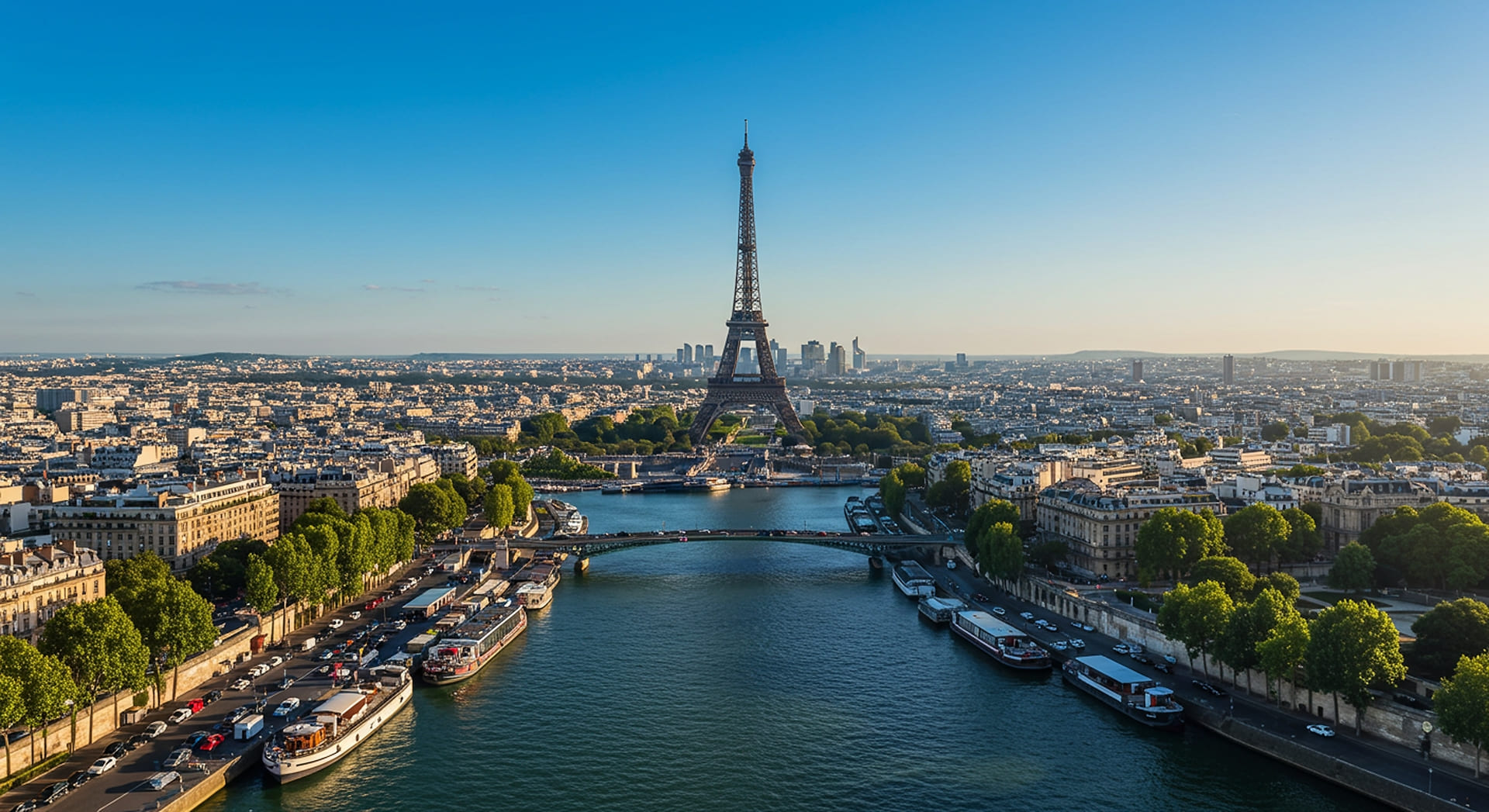
 Paris skyline
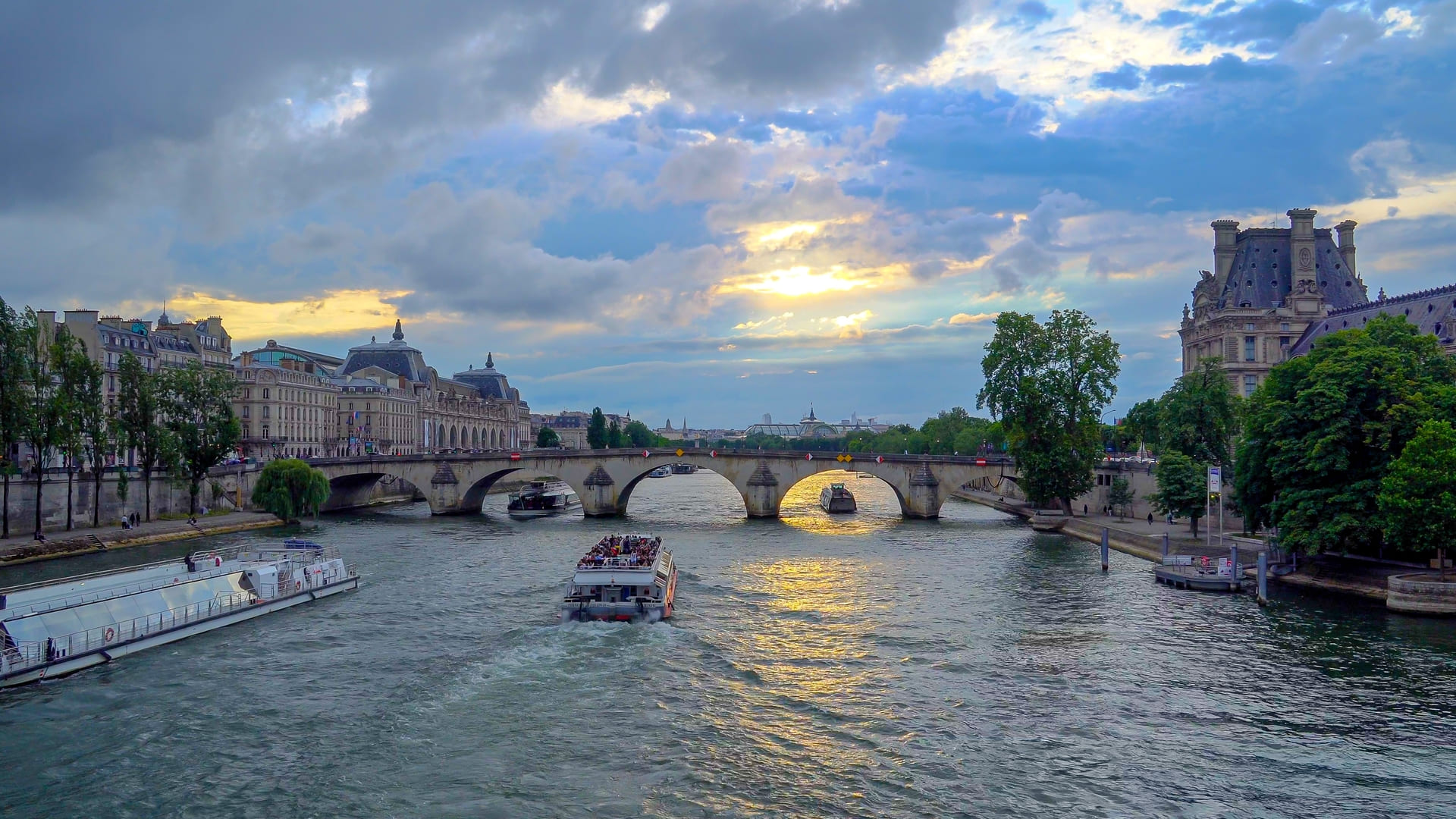 View of Paris from the Seine River
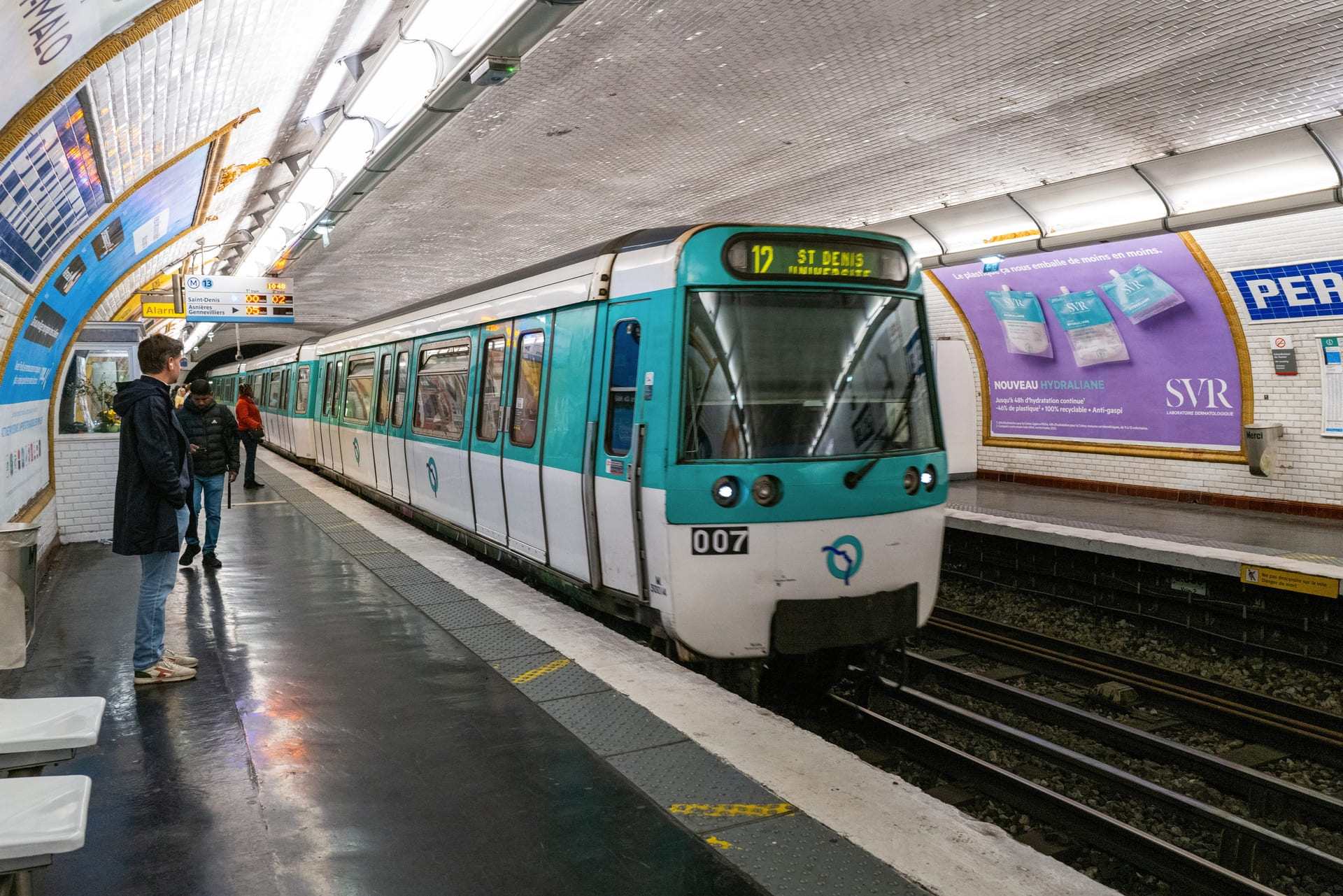 Paris Metro
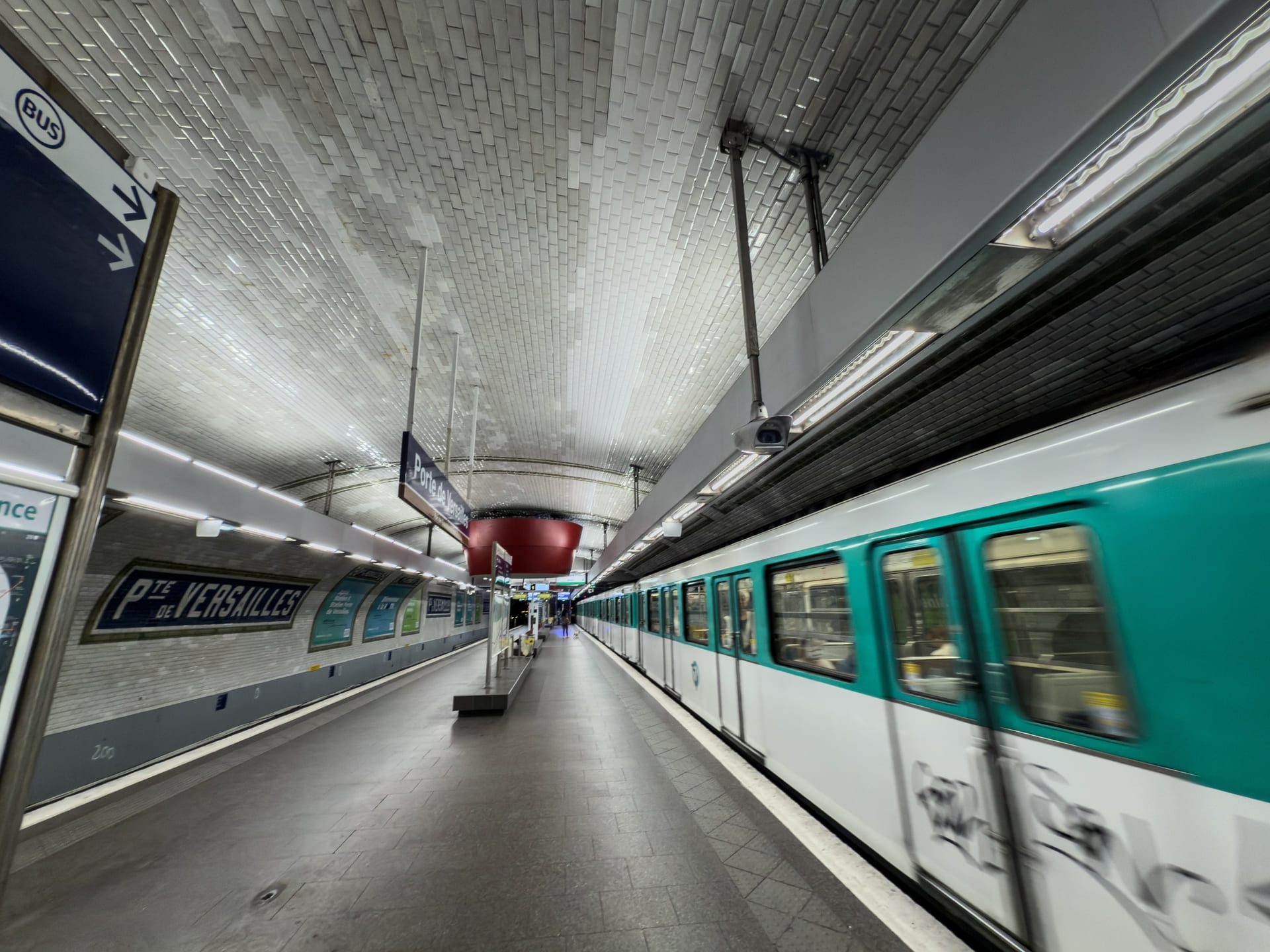 Paris Metro
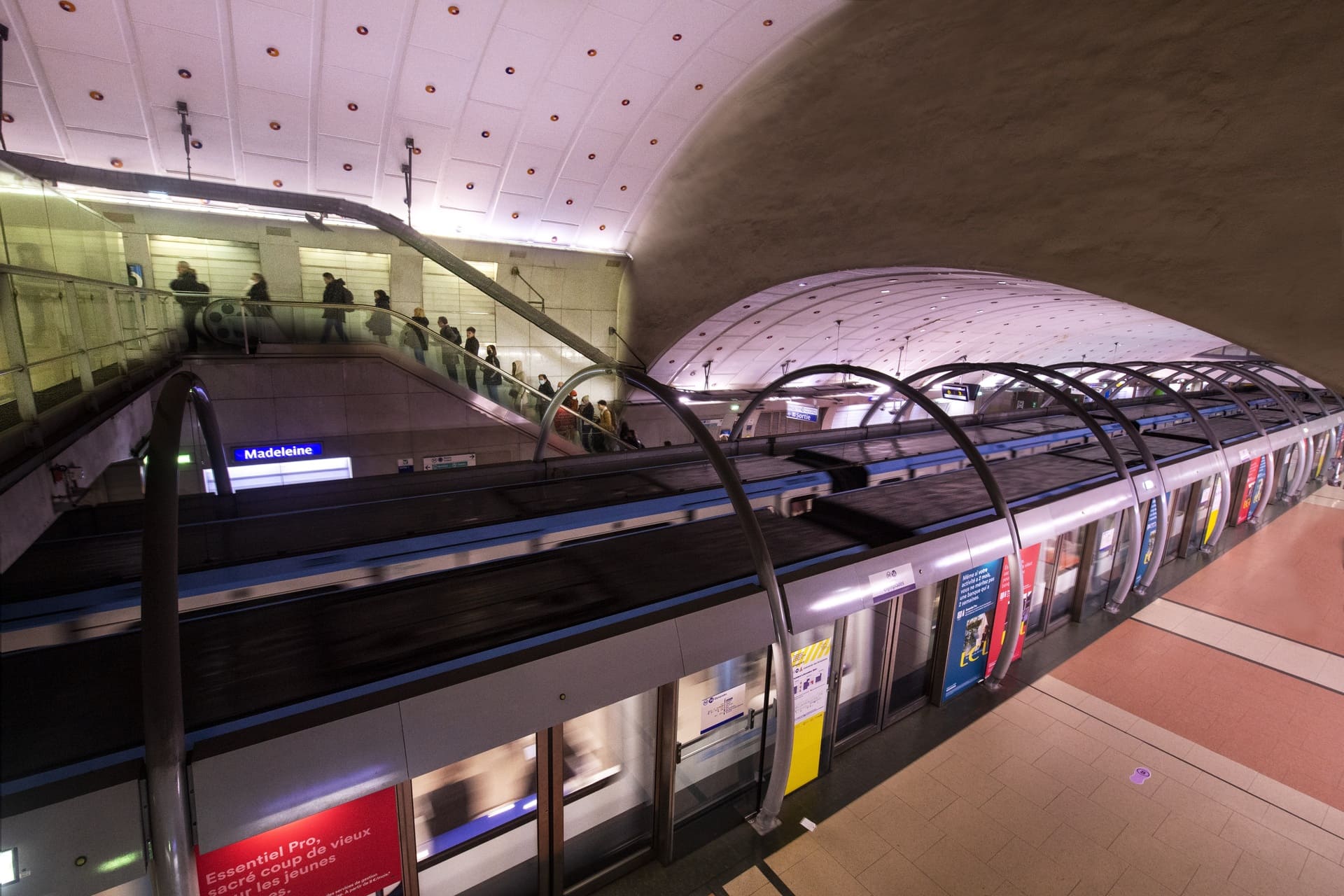 Madeleine Station, Paris
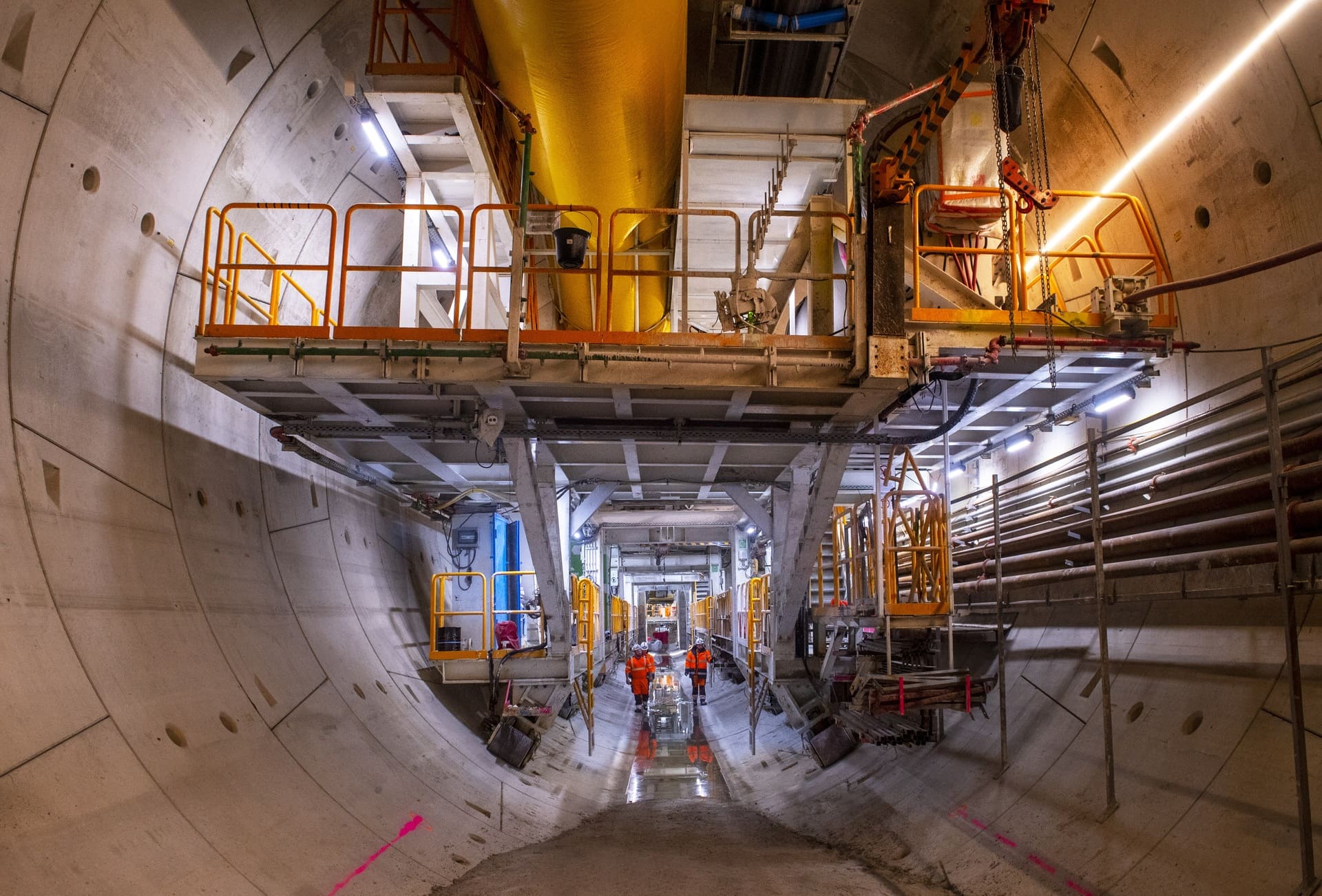 Grand Paris Express construction site, Line 16, Lot 2
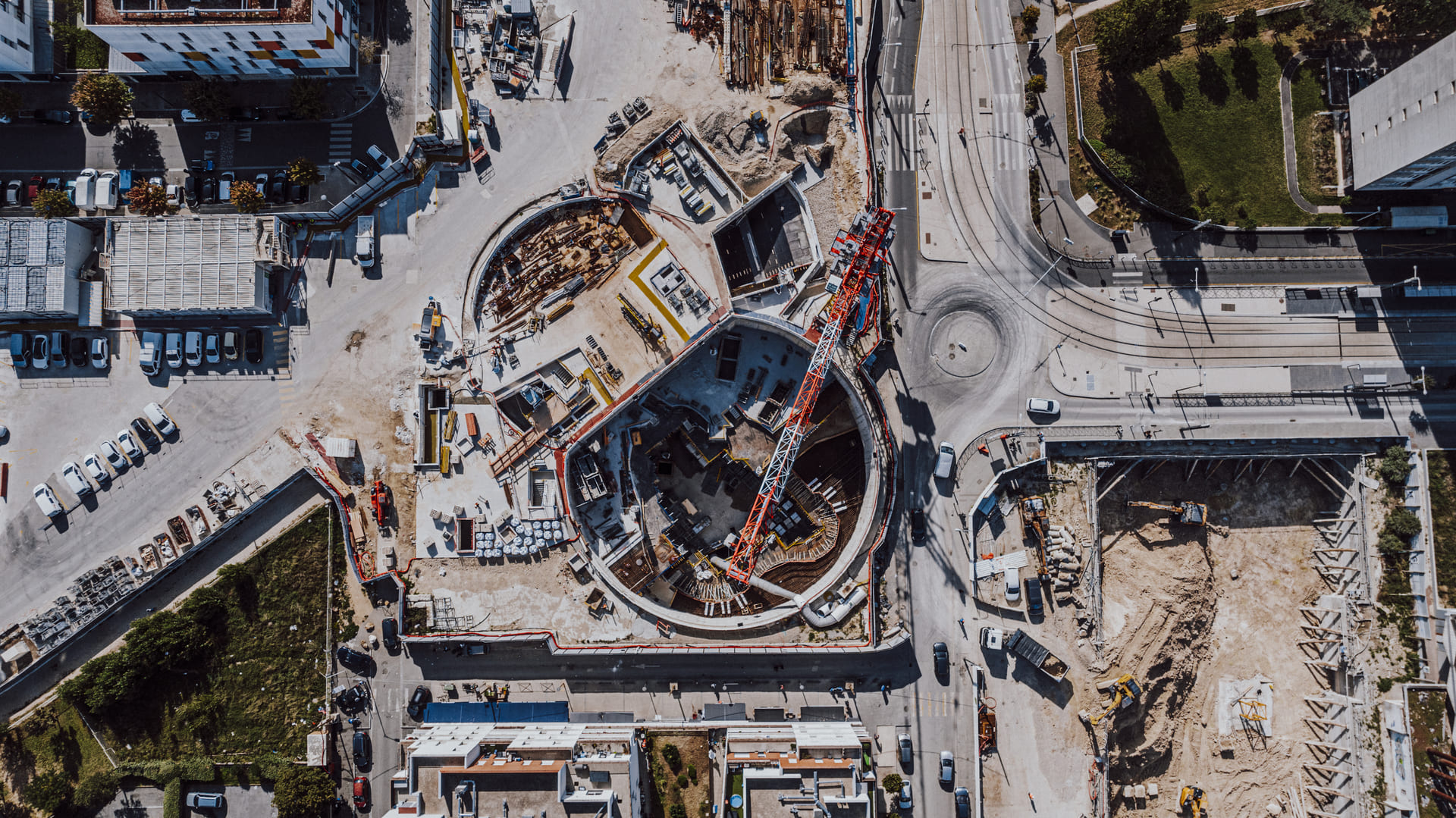 Grand Paris Express construction site, Line 16, Lot 2
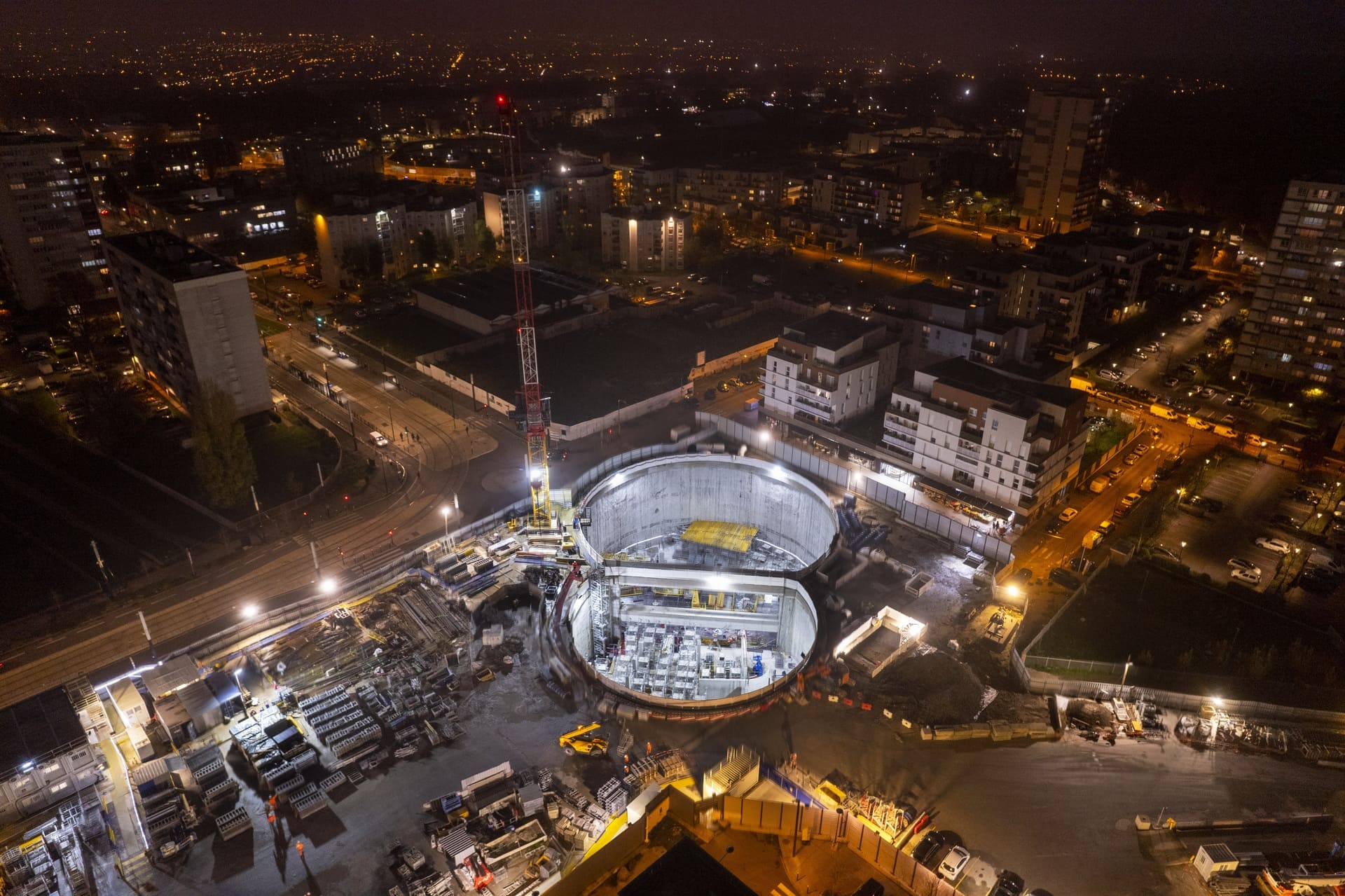 Grand Paris Express construction site, Line 16, Lot 2
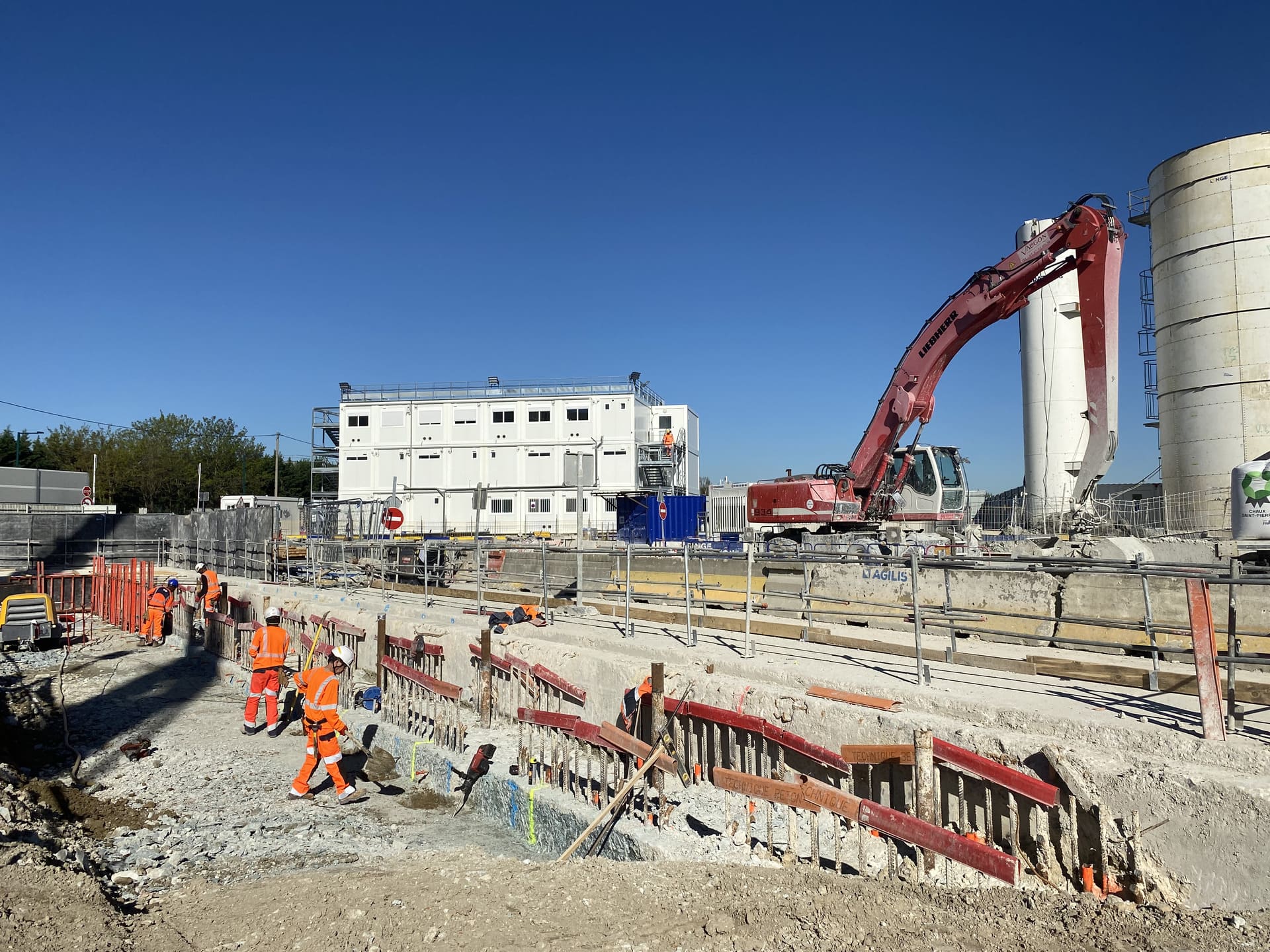 Grand Paris Express construction site, Les Grésillons station
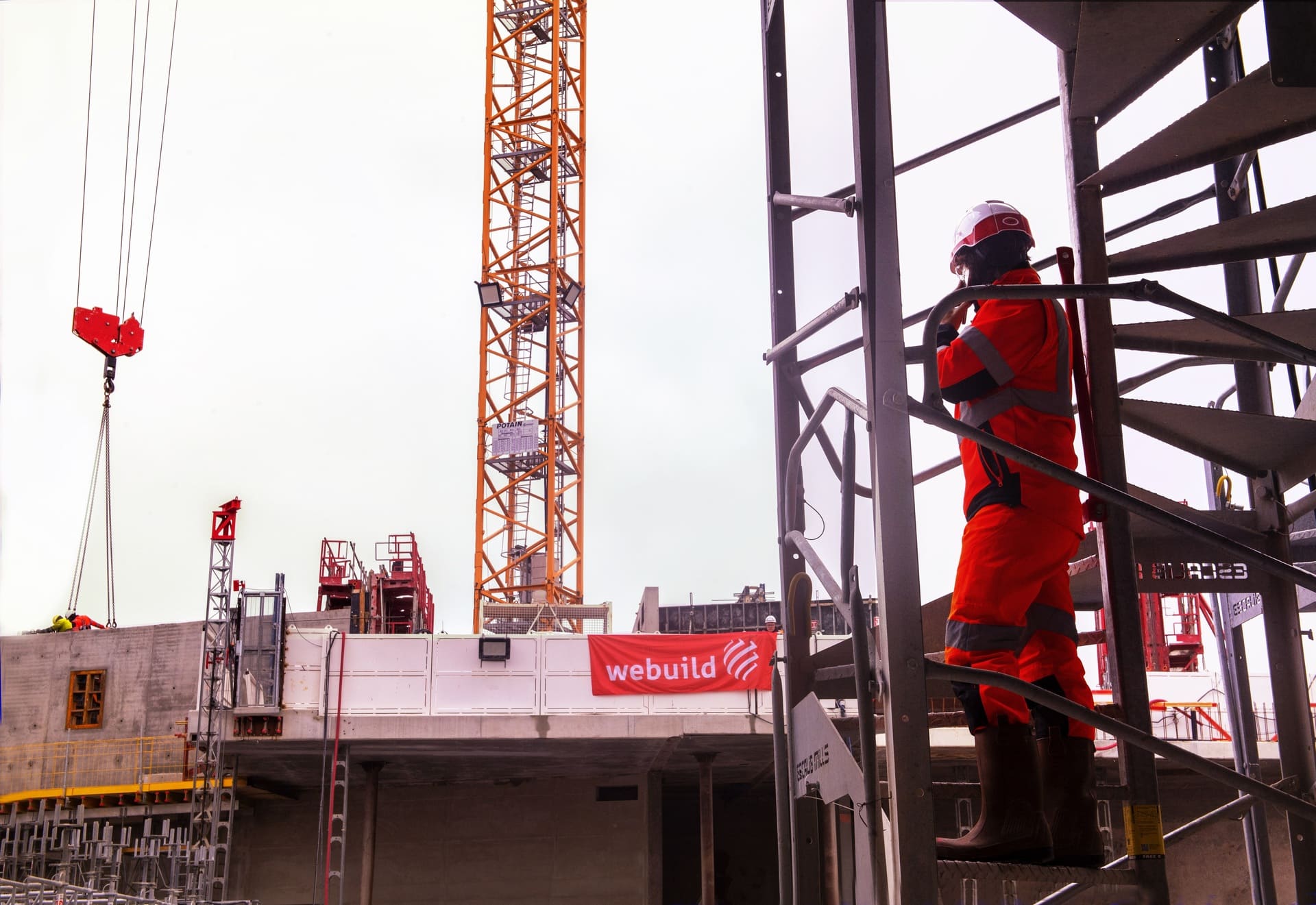 Grand Paris Express construction site
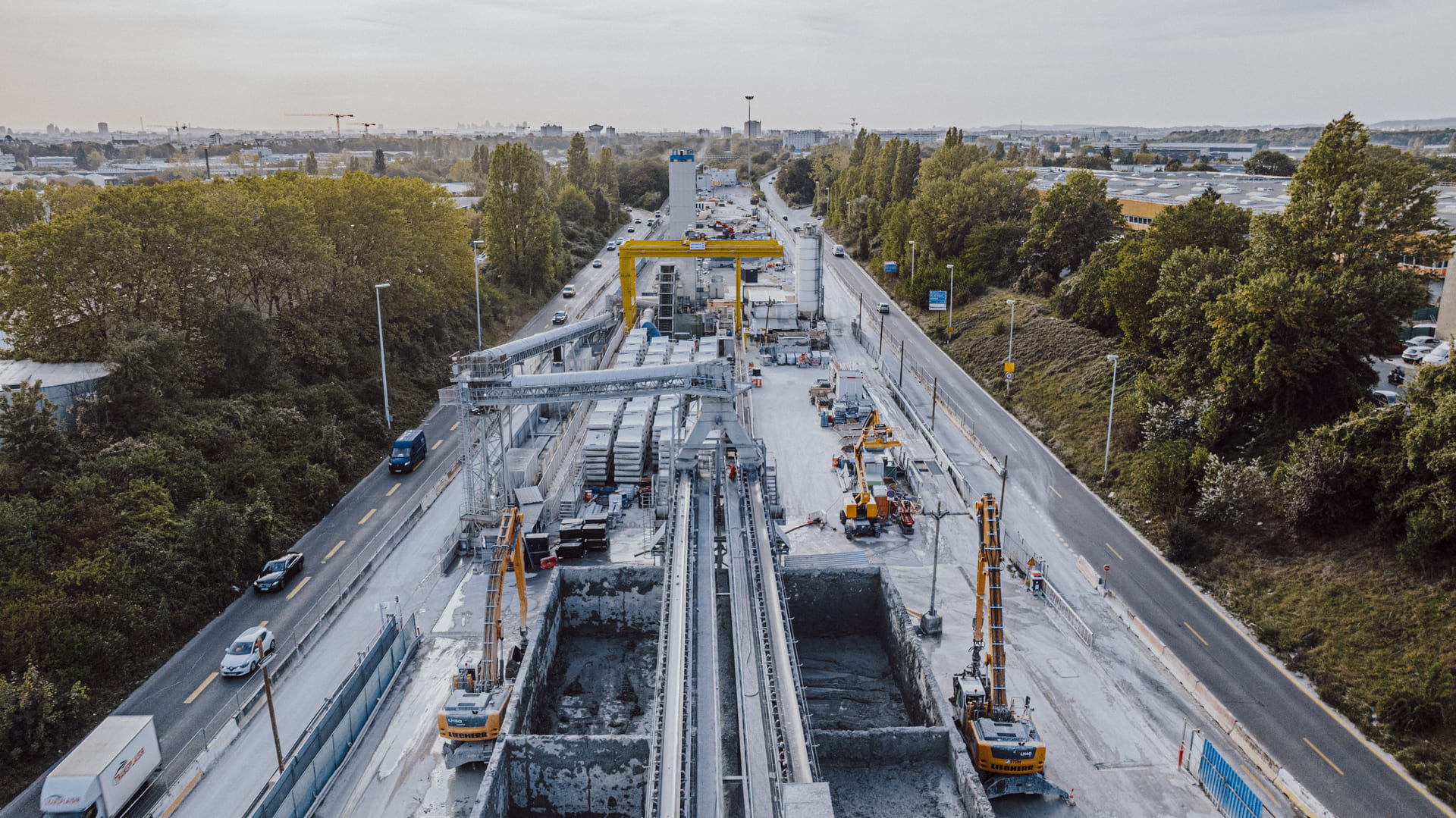 Grand Paris Express construction site
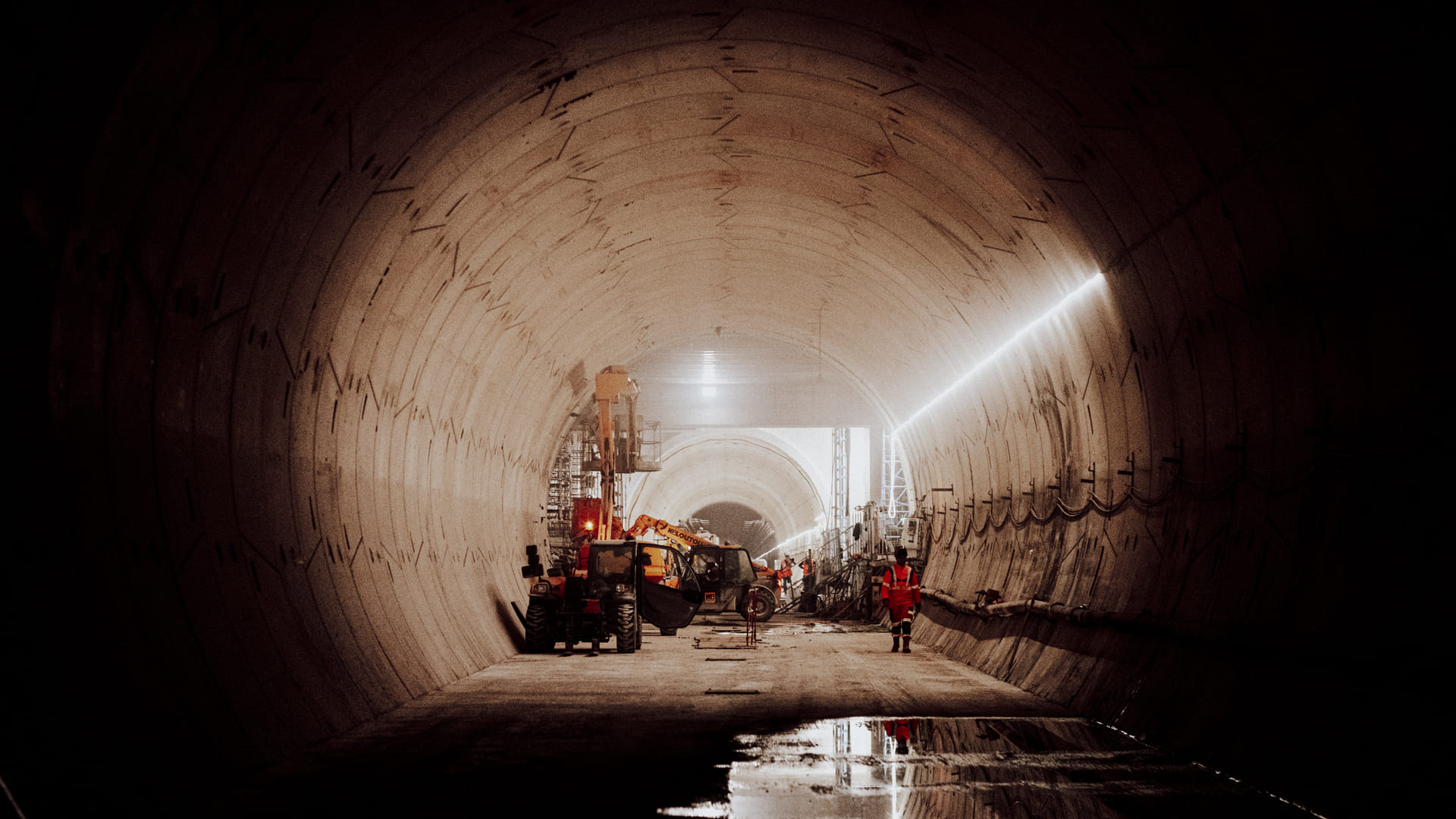 Grand Paris Express construction site
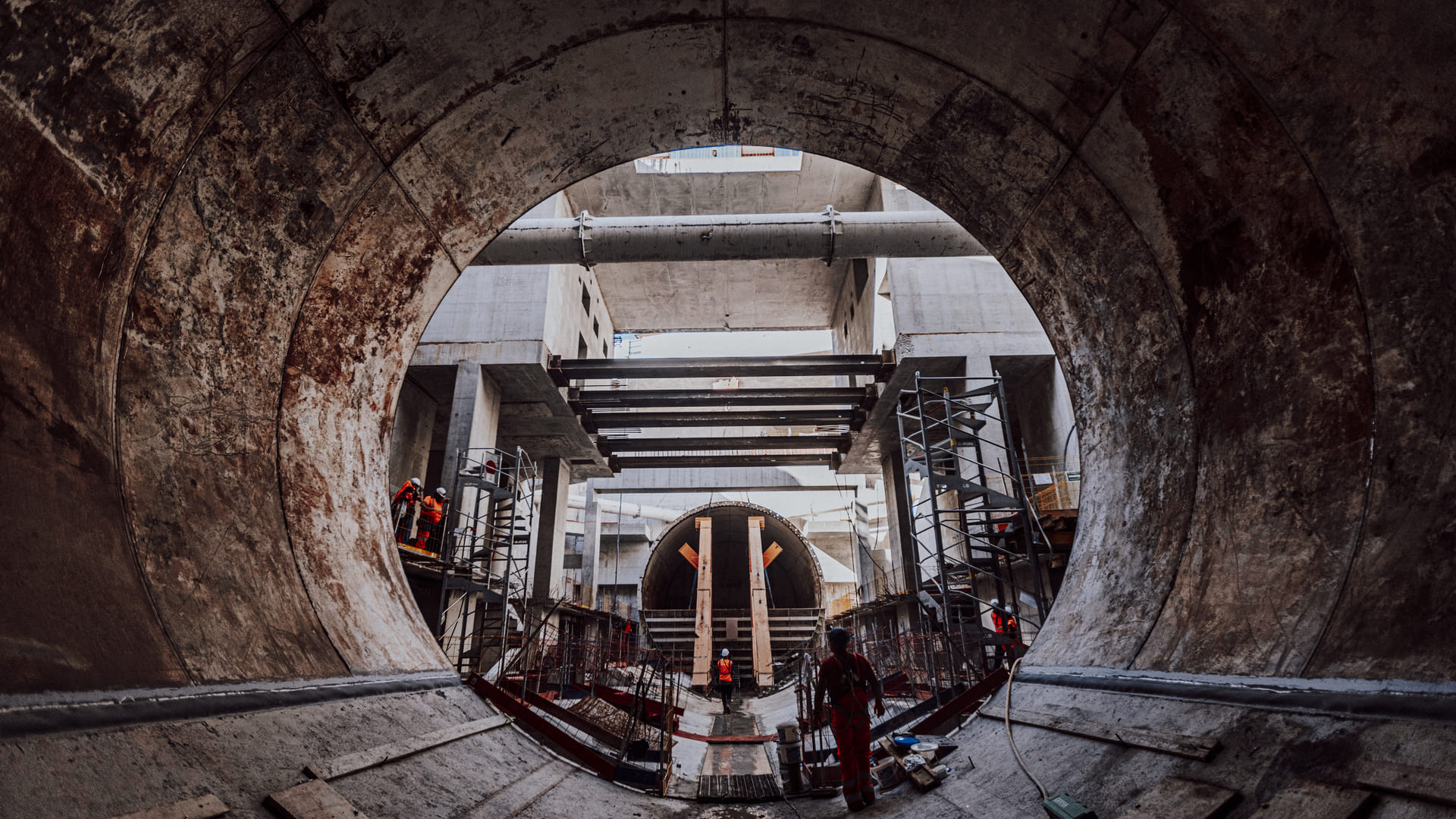 Grand Paris Express construction site
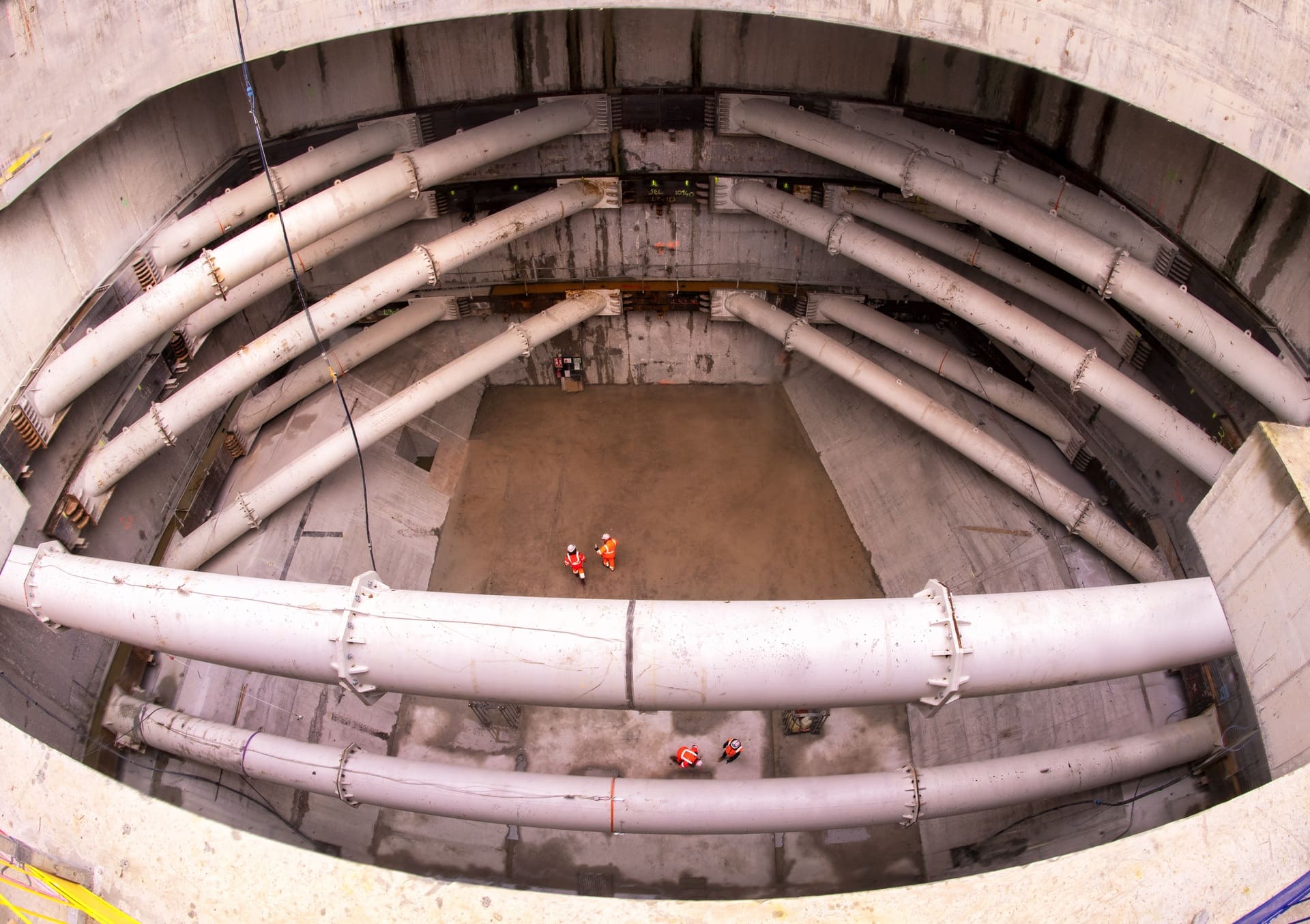 Grand Paris Express construction site
- A 2,000-ton TBM reaches Paris after a journey of over 2,200 kilometers starting from Italy
- Refurbished by Webuild in Italy, the tunnel boring machine will excavate 7 kilometers of tunnels on Line 15 West
- The new section will connect La Défense to Saint-Denis Pleyel in 19 minutes, down from the current 46+ minutes
- 80% of the 500,000 m³ of excavated soil will be transported by river, keeping 64,000 trucks off the roads
- Spanning 75 kilometers with 36 stations, Line 15 will be France's longest metro line


It navigated for hundreds of kilometers along the sea and the Seine until reaching Paris. Completing the journey this time, however, was not a group of tourists, but a tunnel boring machine weighing 2,000 tons with a diameter of nearly 10 meters—a TBM used to excavate subway tunnels that set off from Italy bound for Lot 2 of Line 15 West of the Grand Paris Express.
Overall, it was a 2,200-kilometer journey for the machine’s twelve heaviest components, including the 170-ton cutterhead and the 130-ton main drive unit, which left Italy from the port of Civitavecchia before continuing first by sea and then along French waterways to the port of Gennevilliers on the outskirts of Paris. From there, the TBM is destined for the Les Caboeufs service shaft site, the starting point for the 7 kilometers of tunnel that will connect Saint-Ouen to Courbevoie.
The choice to transport the components by water, avoiding the crossing of the Alps, reflects one of the project’s defining principles: using river logistics to reduce road traffic generated by one of Europe’s largest infrastructure construction sites.
Indeed, once the tunnel boring machine begins the excavation, a large portion of the excavated soil will follow the very same route, traveling along the Seine rather than on the highways of Île-de-France.
It marks the latest milestone for a machine Paris is already familiar with. Before heading back underground, the TBM crossed Europe twice, was dismantled and refurbished in Italy, and is now preparing to contribute once more to the construction of the Grand Paris Express—the massive project that is reshaping mobility across the French capital and its metropolitan area.
From Terni to France: A TBM’s Second Life
The tunnel boring machine’s story begins right beneath the Parisian soil. Christened “Houda” in 2020, the TBM has already excavated 5.8 kilometers of Line 16 of the Grand Paris Express between Aulnay-sous-Bois and Sevran-Livry.
Once that work was completed, rather than being decommissioned, it was transferred to the facilities in Italy dedicated to the regeneration of TBMs and other excavation machines, where it underwent a complete refurbishment. The machine was overhauled and adapted to the geotechnical characteristics of the new section, incorporating technologies to enhance performance, optimize maintenance operations, and monitor operating parameters in real time.
This industrial operation extended the lifespan of a giant machine, enabling a significant reduction in procurement times compared to manufacturing a new TBM. Its return to Paris thus demonstrates a circular economy model applied to major infrastructure, as TBMs are true mobile factories: they excavate the ground, extract the material, and simultaneously install the tunnel’s final lining made of prefabricated concrete segments. Refurbishing them means reclaiming extremely complex machinery and preparing them for different geological conditions and projects.
The Tunnel Boring Machine's New Challenge: A Seven-Kilometer Tunnel Beneath Western Paris
The TBM’s new mission will start from Gennevilliers. From the utility structure “Les Caboeufs”, the machine will undertake two distinct drives: the first, measuring 1.2 kilometers, heading toward the Finot structure in Saint-Ouen; the second, spanning 5.8 kilometers, will proceed in the opposite direction to Courbevoie, where it will complete its run at Boulevard de la Paix.
During excavation, the tunnel boring machine will pass through the four new stations of Les Grésillons, Les Agnettes, Bois-Colombes, and Bécon-les-Bruyères, and cross beneath the Seine twice.
In total, approximately 500,000 cubic meters of soil will be excavated, and nearly 23,000 precast segments will be installed to build the tunnel lining. Fiber-reinforced concrete will be used for 79% of them—a solution that halves the amount of steel required for segment production while improving long-term durability.
The excavated material will also follow a strategy designed to reduce the job site’s impact, as 80% will be repurposed, and materials will be transported via riverways, avoiding an estimated 64,000 truck trips on the roads of the Paris region.
It is a choice that links the TBM’s journey to the very operation of the construction site itself: the Seine becomes one of the logistical lifelines needed to build the new transport network running beneath the city.
Line 15: A Subway Around Paris
The seven kilometers assigned to the TBM are part of Lot 2 of Line 15 West, a 1.38-billion-euro project carried out for the Société des grands projets by the consortium comprising NGE, Webuild, and Equans France.
Beyond the tunnel, the section includes four stations and six service structures, and will employ around 1,200 people at peak activity.
To grasp the full scope of this mobility project, however, one must look at Line 15 as a whole. Spanning 75 kilometers with 36 stations, it will be the longest metro line in France. It will cross 45 municipalities and four departments of Île-de-France, forming a sort of orbital railway ring around Paris.
This represents one of the core principles behind the Grand Paris Express: allowing people to travel between major hubs in the metropolitan area without having to pass through the capital. It is a network that alters the traditional radial structure of Paris transit and establishes new connections among suburbs, residential districts, economic centers, and rail hubs.
On Line 15, 95% of the stations will connect with the existing transport system, including the RER, Transilien, subway, trams, and buses. Lot 2 West will serve an area inhabited by around 800,000 residents and can accommodate up to 240,000 passengers per day.
The impact is also reflected in travel times. Between La Défense, one of Europe’s largest business districts, and Saint-Denis Pleyel, the new major mobility hub north of Paris, the trip will take 19 minutes instead of today’s more than 46 minutes.
Grand Paris Express Reshapes the Metropolis
Line 15 is itself part of a much larger vision. The Grand Paris Express was created to build a new metro network around the capital and drive the urban transformation of Île-de-France, linking territories that until now have relied heavily on transit through central Paris.
Because of this, the new stations are designed not merely as entry points to the subway system, but as hubs around which to rethink entire urban areas, forge interconnections, and foster neighborhood regeneration.
Bécon-les-Bruyères, for instance, will rise at the intersection of Courbevoie, Asnières-sur-Seine, and Bois-Colombes—an industrial area undergoing major redevelopment—and will connect to Line L of the Transilien. Bois-Colombes will be built at the heart of a dense urban fabric and linked to Line J. Les Agnettes will take shape between Gennevilliers and Asnières-sur-Seine, offering a connection to Metro Line 13.
These stations are becoming integral to the urban transformation of the communities they serve, well beyond acting as gateways to the new network.
The scale of the project is thus both infrastructural and urban. The Grand Paris Express is not just excavating tunnels; it is altering the map of physical connectivity across a metropolis of millions, creating new urban hubs and making areas that were once isolated from major transit corridors far more accessible.
From Orly to Line 16, Webuild's Construction Sites in the Grand Paris Express
For Webuild, the new Line 15 West construction site marks the continuation of a journey that began years ago beneath the capital of France.
The Group, in partnership with NGE, previously worked on Lot 4 of the southern extension of Line 14—which extended the metro to Orly Airport—and on Lot 2 of Line 16, built in the northeastern suburbs of the city. It was on Line 16 that the TBM Houda operated, the very same machine that now returns to Paris following its refurbishment in Italy.
Line 16 is designed to enhance mobility across 16 municipalities in the northeastern suburbs, helping to remove 154,000 vehicles per day from the roads and avoiding 52,000 tons of CO₂ emissions each year. With Lot 2 of Line 15 West, Webuild now returns to work on another vital piece of the Grand Paris Express.