

Africa is a continent undergoing profound transformation, and infrastructure is playing a key role in driving that change.
Roads crossing vast territories, bridges spanning great rivers, railways bringing cities and communities closer together, as well as hydroelectric dams capable of transforming the way entire nations generate and distribute energy: diverse projects, united by their ability to turn geography into new opportunities.
Across many parts of the continent, building new infrastructure means reducing distances, facilitating trade and creating new connections between people, territories and economies. Major infrastructure projects therefore tell the story of an Africa looking to the future, through initiatives capable not only of overcoming its geographical constraints, but also of supporting the growth and development of entire communities.
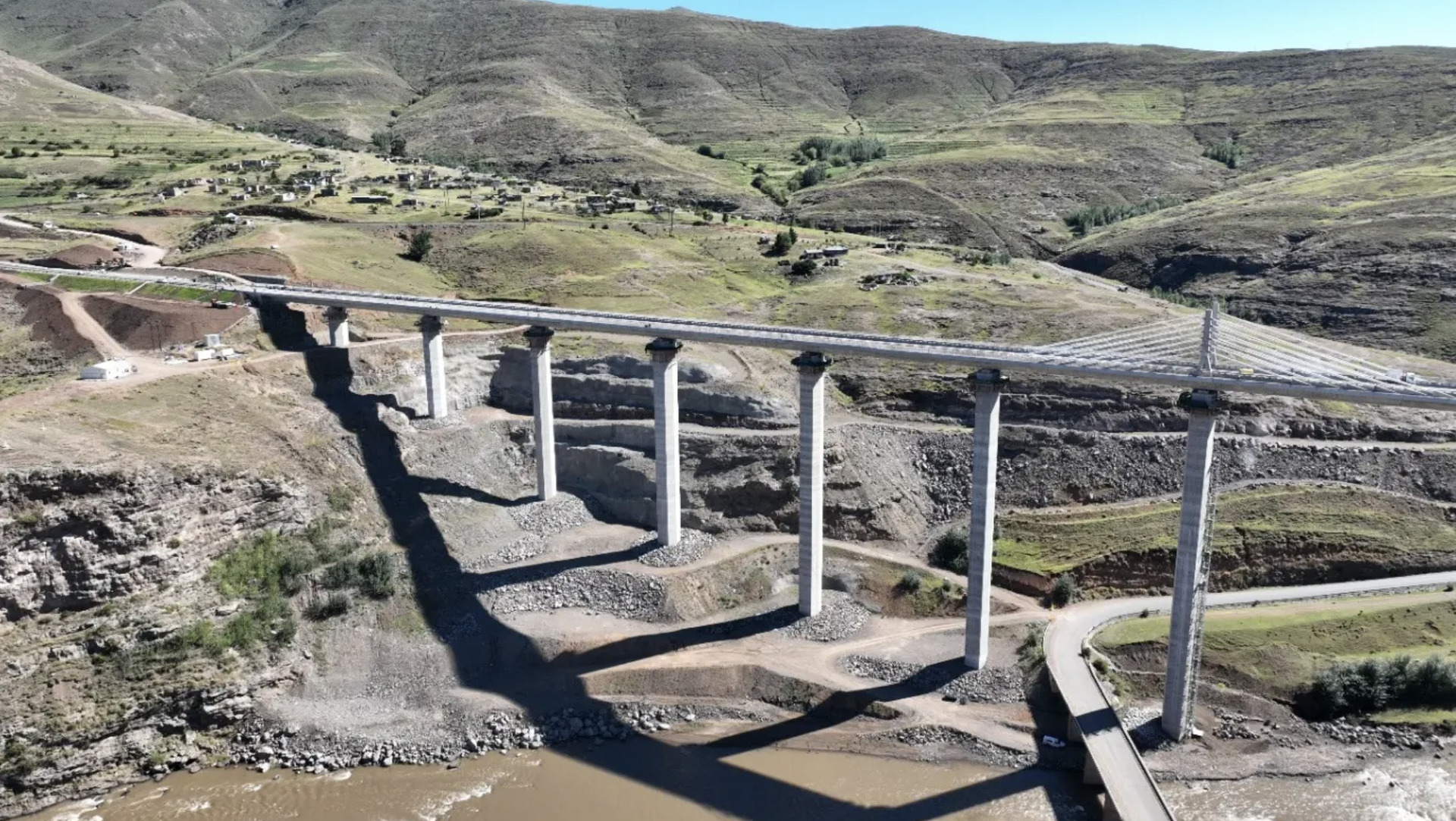
1 – Senqu Bridge, Lesotho
In the heart of Lesotho’s mountains, the Senqu Bridge is opening up a new route for communities across the highlands. Spanning the Senqu River valley, the bridge provides a vital connection to the capital, Maseru, while ensuring that villages in the region are not cut off by the waters of the future Polihali Dam reservoir.
The infrastructure is part of the Lesotho Highlands Water Project, the major joint initiative between Lesotho and South Africa to transfer water resources from the highlands to the country’s more industrialised areas.
Built by Webuild as the lead partner in an international joint venture, the Senqu Bridge was constructed in particularly challenging environmental conditions, with strong winds, snow and complex mountainous terrain.
Inaugurated in 2026, it therefore represents a strategic piece of infrastructure that not only overcomes a natural barrier but also enables a major water project to coexist with the needs of local communities.
2 – Khartoum-Port Sudan Highway
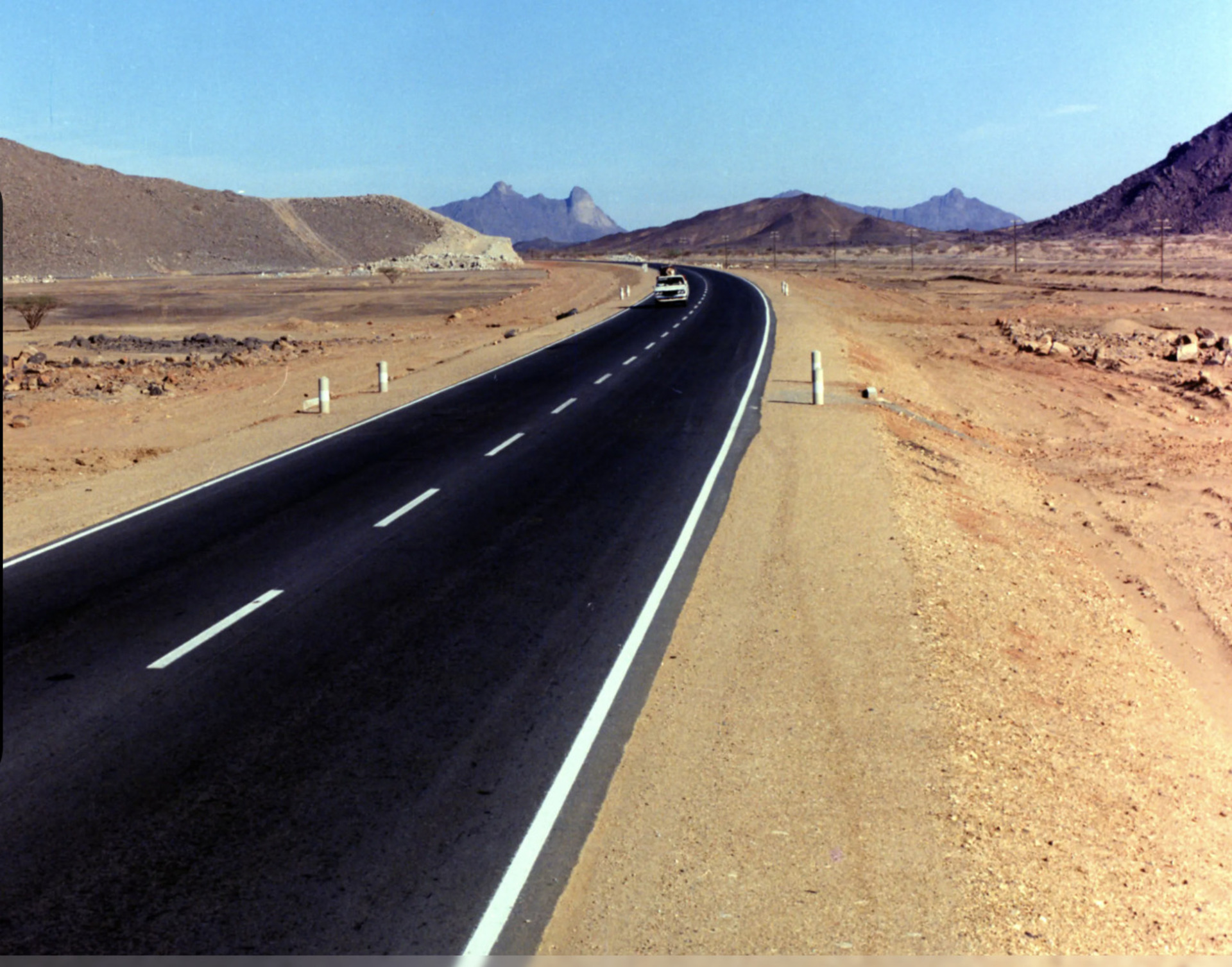
At the heart of Sudan, a road connects the capital to the sea, linking entire parts of the country along the way. The Khartoum-Port Sudan highway crosses the country to the Red Sea coast, connecting Khartoum with Port Sudan, the country’s main maritime gateway.
The infrastructure project involved upgrading around 550 kilometres of the road between Gedaref and Port Sudan, improving one of the main routes used to transport people and goods. Webuild, then known as Salini-Impregilo, carried out the project through a joint venture, resurfacing and upgrading the road as well as rehabilitating 108 bridges and drainage infrastructure.
3 – Grand Ethiopian Renaissance Dam (GERD), Ethiopia
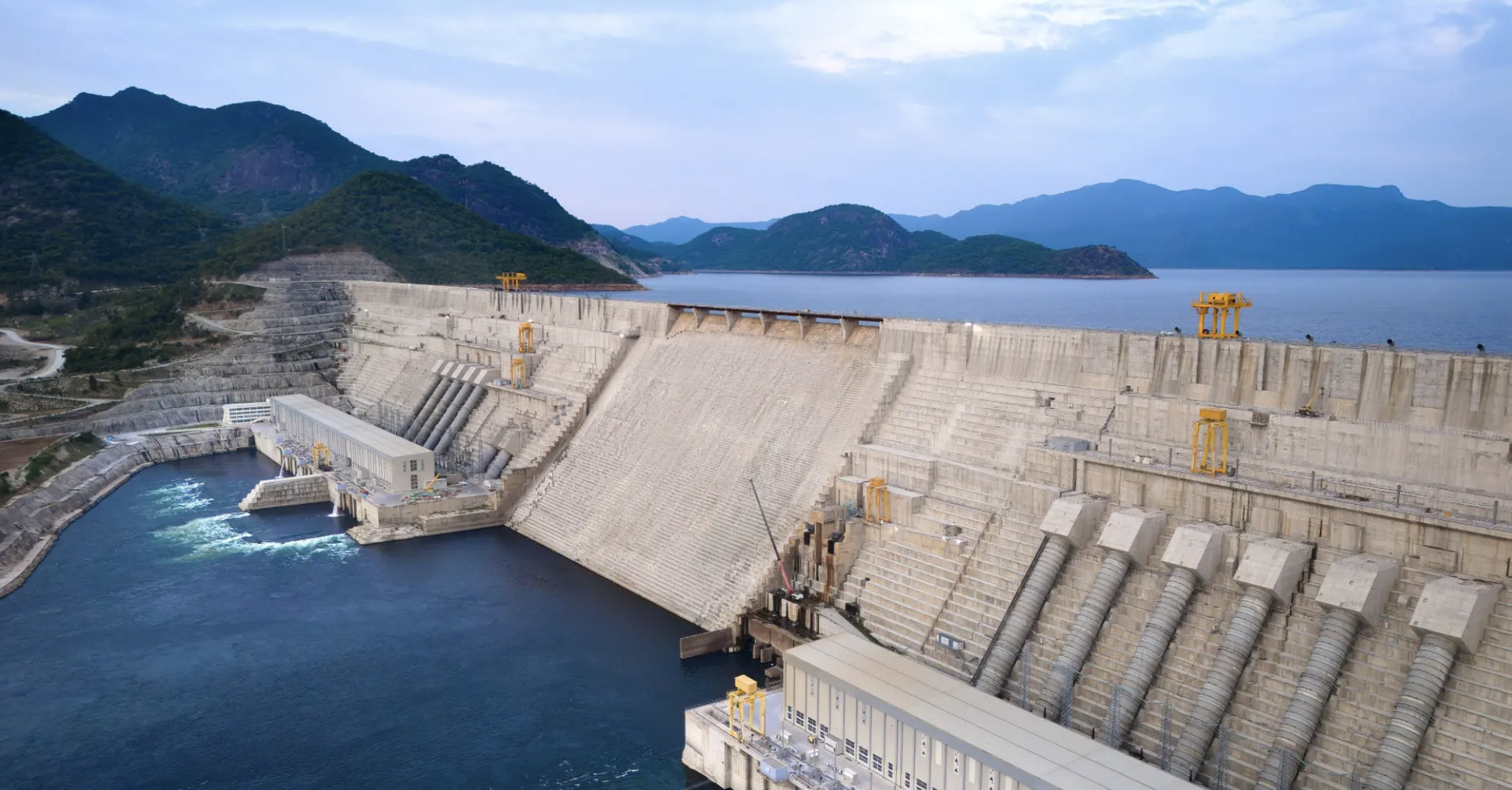
On the Blue Nile, Ethiopia has built one of the most imposing infrastructure projects on the African continent. The Grand Ethiopian Renaissance Dam (GERD) is Africa’s largest hydropower project and represents a strategic asset for the country’s energy future.
The dam is designed to double Ethiopia’s domestic power generation capacity and produce a surplus of clean electricity that can also be supplied to neighbouring countries, potentially turning Ethiopia into a regional energy hub.
Webuild designed and built the entire hydroelectric project, commissioned by Ethiopian Electric Power, working on the main dam, the hydropower plants and the other structures that make up the complex.
Inaugurated in 2025, the GERD is the result of one of the Group’s most ambitious engineering challenges in Africa and a landmark infrastructure project set to have a lasting impact on the country’s development.
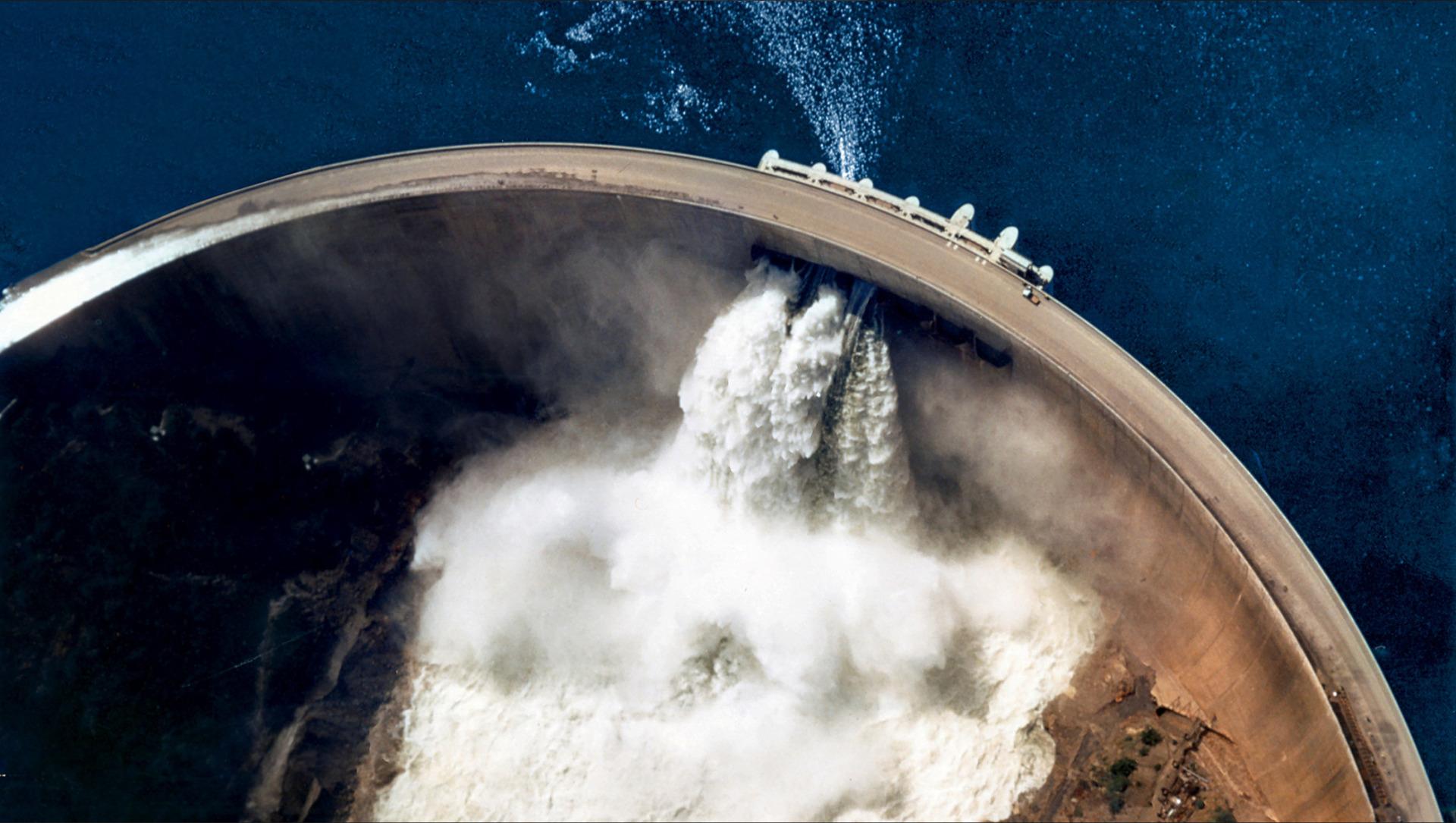
4 – Kariba Hydroelectric Plant, Zambia-Zimbabwe
In the 1950s, on the banks of the Zambezi River, along the border between present-day Zambia and Zimbabwe, one of Africa’s most ambitious projects was born: the Kariba Dam. Built to harness the power of one of the continent’s great rivers, the dam spans a deep rocky gorge with a concrete structure standing 128 metres high and stretching 620 metres across.
Completed in 1959, the Kariba Dam created Lake Kariba, an immense artificial lake extending for around 300 kilometres. The infrastructure, built by the Impresit Kariba consortium, marked one of the first major collaborations among the companies that would go on to form today’s Webuild Group, becoming an important chapter in the history of African engineering.
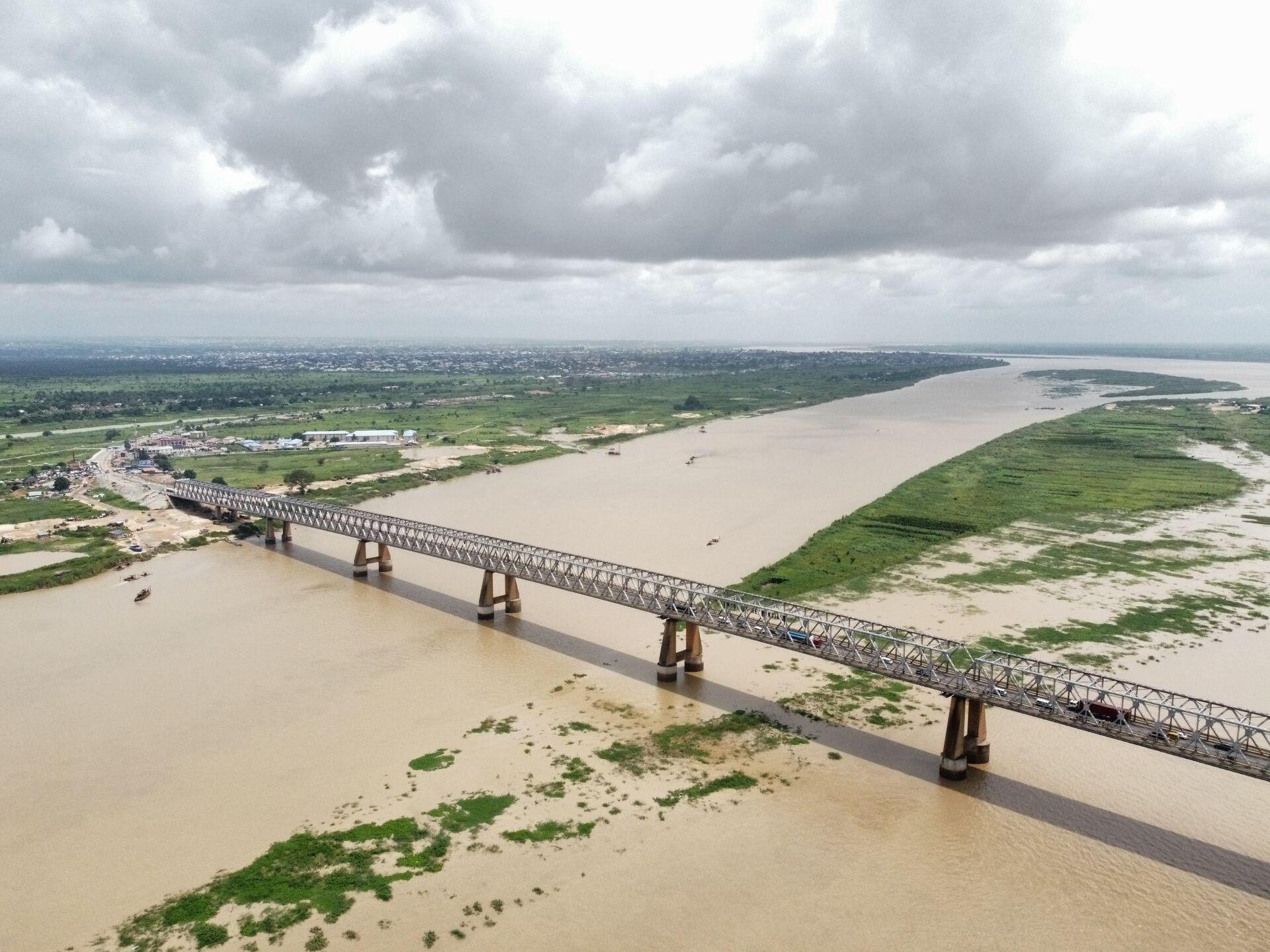
5 – Second Niger Bridge, Nigeria
On the Niger River, a new bridge is changing the way southeastern Nigeria connects with the rest of the country.
The Second Niger Bridge links the cities of Asaba and Onitsha and was built to ease congestion on the existing bridge, creating a new artery for the movement of people, goods and services. Together with its connecting roads, the project is strengthening one of the region’s main economic corridors.
Completed in 2023, the new link is designed to reduce travel times, improve access to markets and support trade, agriculture and new investment.