


A country’s size does not necessarily determine its weight on the global stage. Some of the world’s smallest states have built infrastructure capable of expanding their ability to connect, attract investment and become strategic hubs for much larger territories.
Ports, airports, railways, bridges and major energy projects can thus become engines of growth and international openness, transforming a geographical position, a natural resource or a distinctive economic vocation into a competitive advantage.
In these cases, infrastructure does more than simply connect two points: it can change the scale at which a small state engages with the world.
1 – Qatar, Al-Bayt Stadium
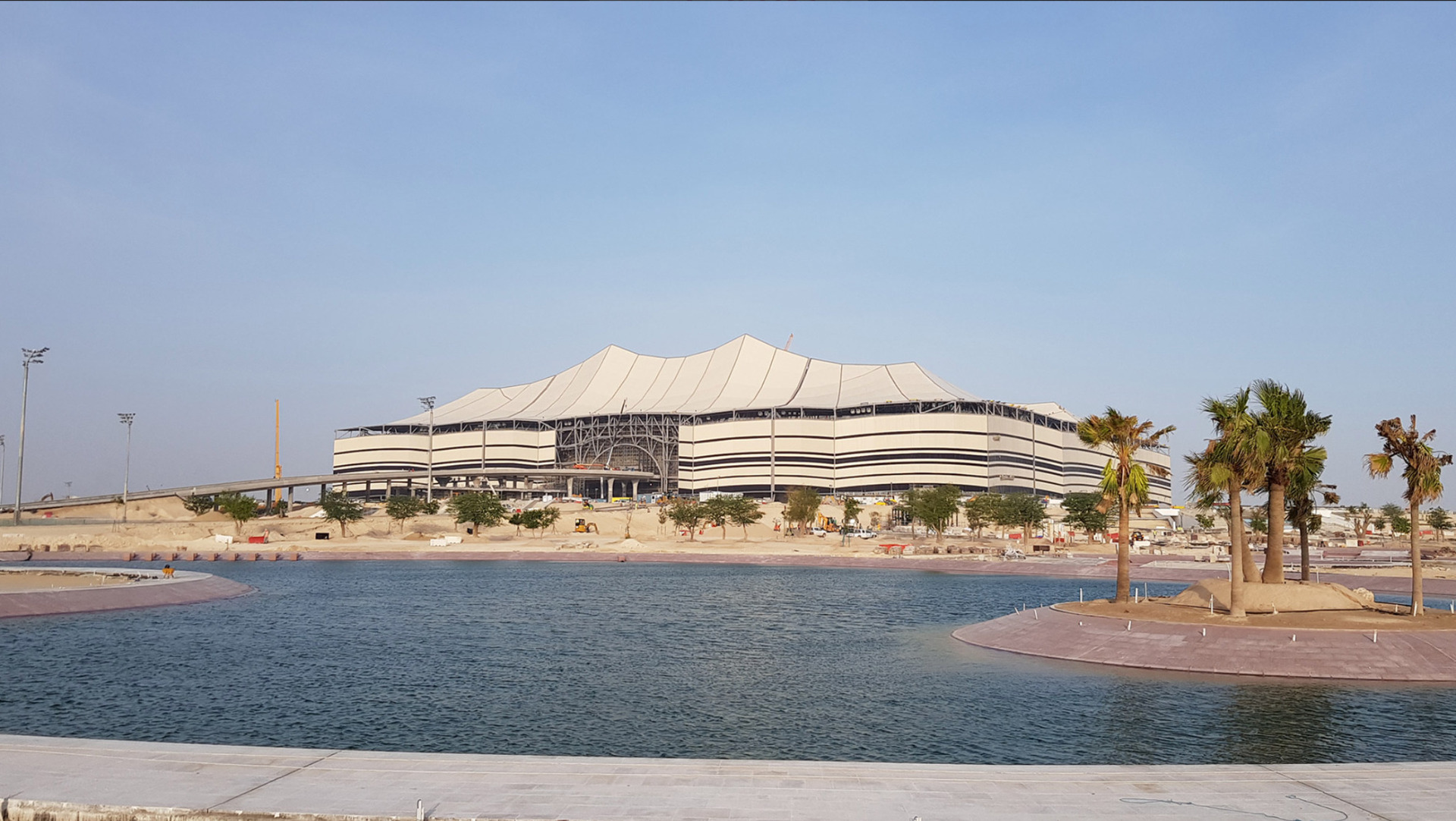
In Al Khor, Qatar, one of the Gulf’s smallest states, a major sports infrastructure project has also become a means for raising the country’s profile on the international stage. Al-Bayt Stadium, built by Webuild, was constructed for the FIFA World Cup 2022 and can accommodate up to 60,000 spectators.
Its architecture is inspired by the traditional Qatari tent, the bayt al sha’ar, while its retractable roof and energy-saving solutions make it an example of sustainable design.
But what makes Al-Bayt Stadium particularly distinctive is its ability to adapt and transform. After the World Cup 2022, the stadium’s third tier was dismantled and repurposed for sports infrastructure projects in developing countries, while the venue’s capacity can be reduced from 60,000 to 32,000 seats to adapt it to different uses.
2 – Panama, Panama Canal
Panama, a relatively small country, has turned its geography into one of the keys to playing a central role in international trade.
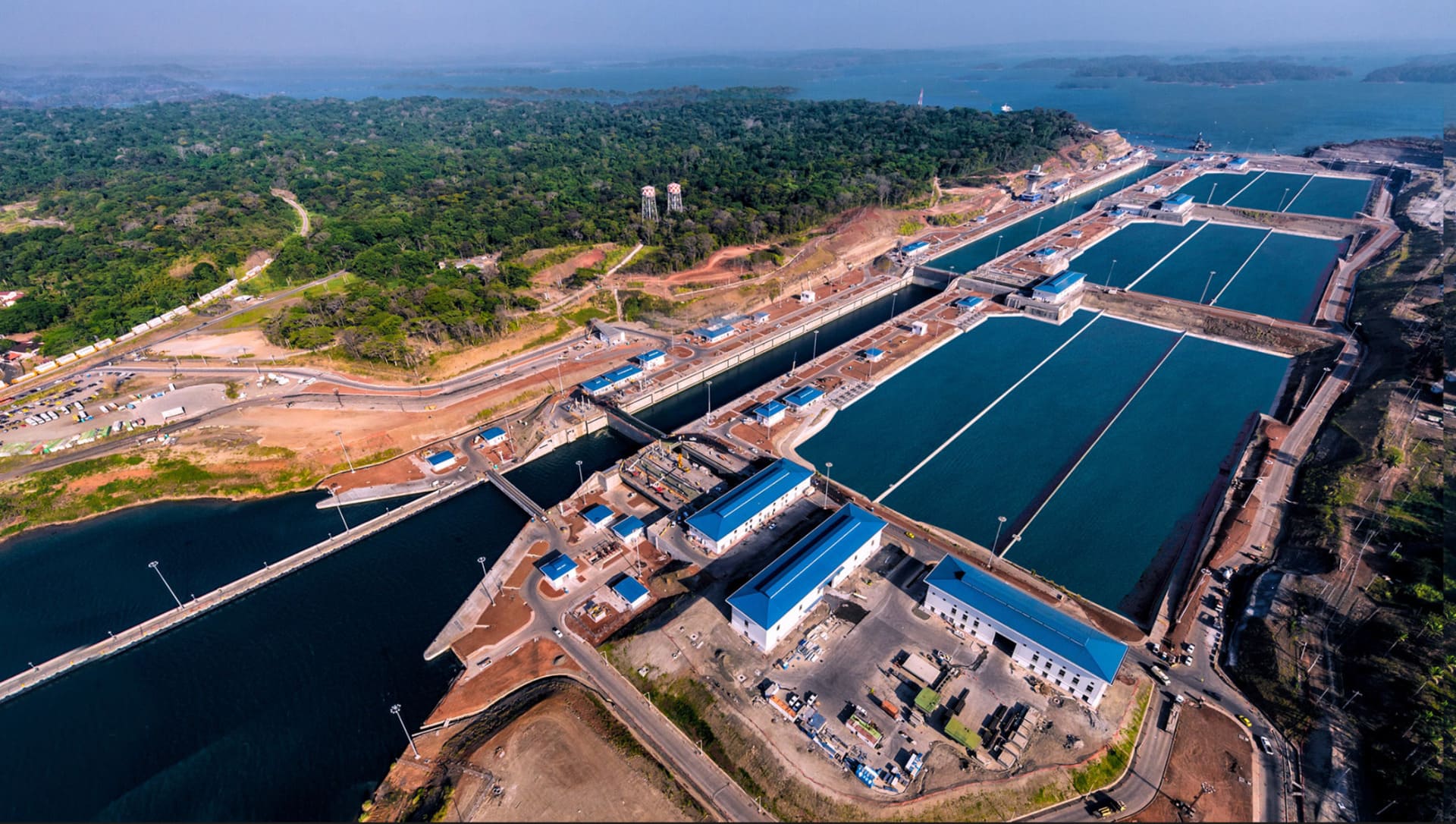
The Panama Canal expansion, inaugurated in 2016 and carried out by Webuild together with the other partners of the GUPC consortium, enabled larger Neo-Panamax container ships to transit, increasing the capacity of the route connecting the Atlantic Ocean and Pacific Ocean.
The Panama Canal expansion strengthened an already strategic geographic position, today connecting 180 maritime routes and 170 countries through 1,920 ports. But its impact goes beyond shipping: the expansion has attracted new investment in the country’s ports and infrastructure and has contributed to the growth of Panama’s economy.
3 – Malta, Malta Freeport
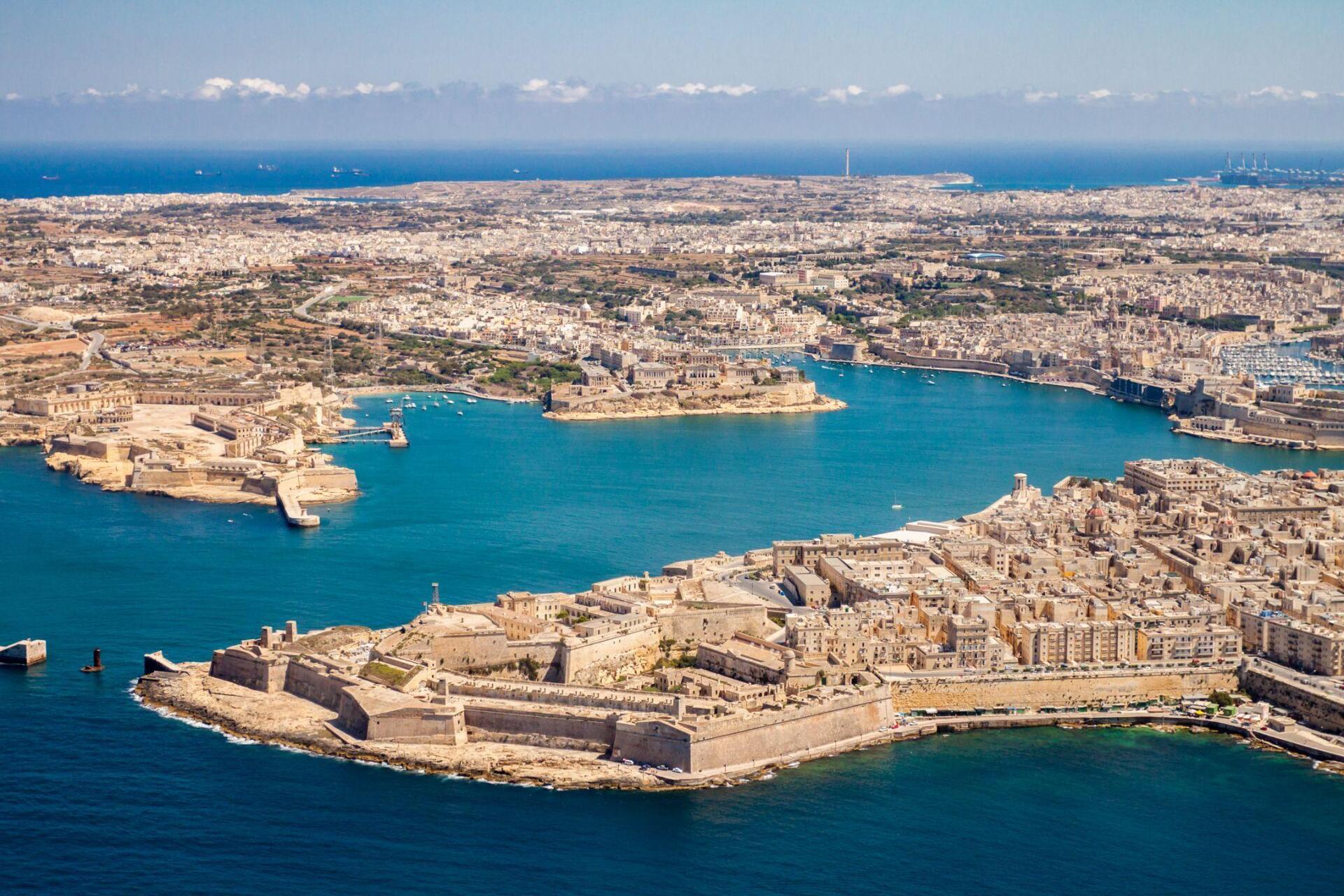
At the heart of the Mediterranean, Malta has turned its strategic location into a major advantage for international trade.
Developed from the 1980s onwards at the port of Marsaxlokk, Malta Freeport is now one of the Mediterranean’s leading transhipment hubs. Around 96% of its container traffic is transferred from one vessel to another, taking advantage of the island’s position along the main shipping routes between Gibraltar and the Suez Canal.
Over the years, investment in infrastructure, equipment and digitalisation has transformed the Freeport into a platform capable of handling some of the world’s largest container ships, with an annual capacity of around 3.6 million TEUs.
4 – Cyprus, Limassol
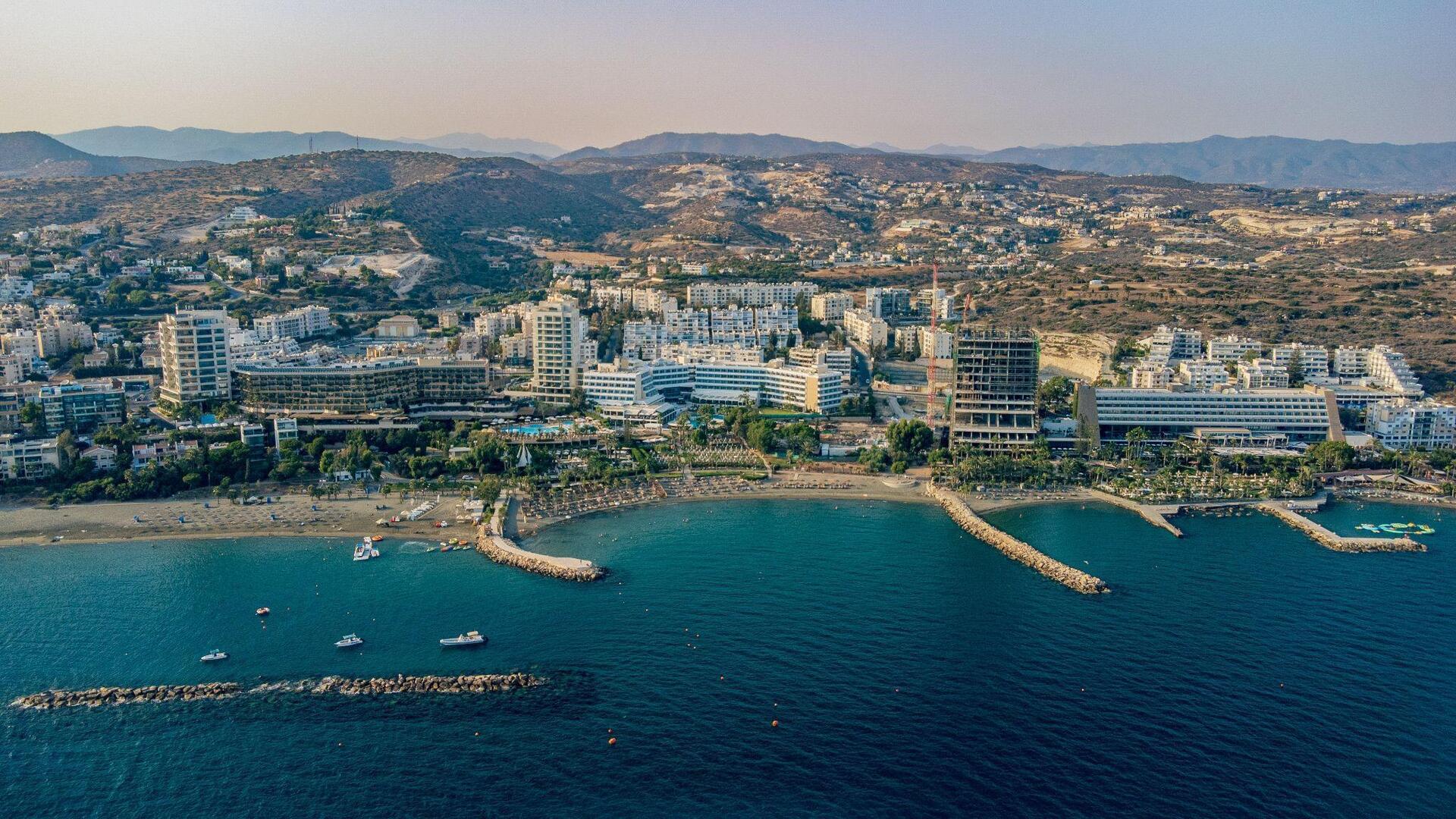
In Cyprus, geography can be turned into an even greater asset through technology. Launched in 2019, the STEAM project set out to transform the Port of Limassol into an international hub for transhipment and maritime information management, leveraging its strategic location in the Eastern Mediterranean.
At the heart of the project is PortCDM, a system that enables ports, vessels and operators to share information in real time, improving operational planning and the efficiency of maritime traffic.
Coordinated by Cyprus University of Technology in partnership with research institutions, port authorities and industry players, the programme has also developed data analytics tools and a Limassol Shore Center to support traffic management.
5 – Mauritius, Port Louis / Mauritius International Airport
For an island in the Indian Ocean, being far from major economic centres can become an advantage only when the right infrastructure is in place to bridge that distance.
Mauritius has built this connectivity around two key gateways: the Port of Port Louis, which handles around 99% of the country’s foreign trade, and Sir Seewoosagur Ramgoolam International Airport, its main air link to the rest of the world.
Port Louis is already an important hub for regional trade, and its role is set to grow with new investments aimed at increasing container terminal capacity and developing an Island Container Terminal designed to handle transhipment traffic as well.
On the aviation side, the airport connects Mauritius with numerous international destinations and supports one of the island’s key economic drivers: in 2025, the country welcomed more than 1.4 million tourist arrivals.