


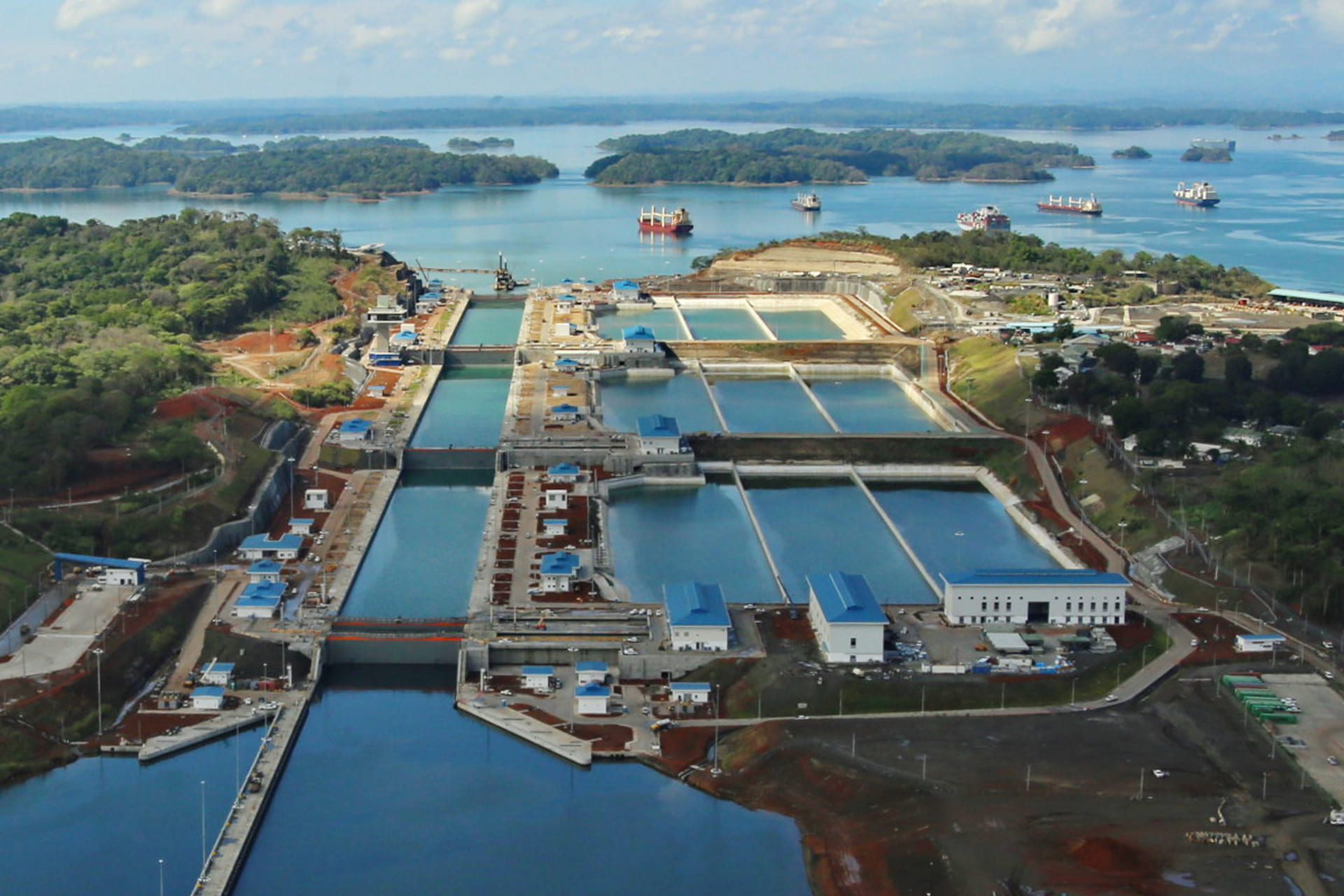
 New Panama Canal
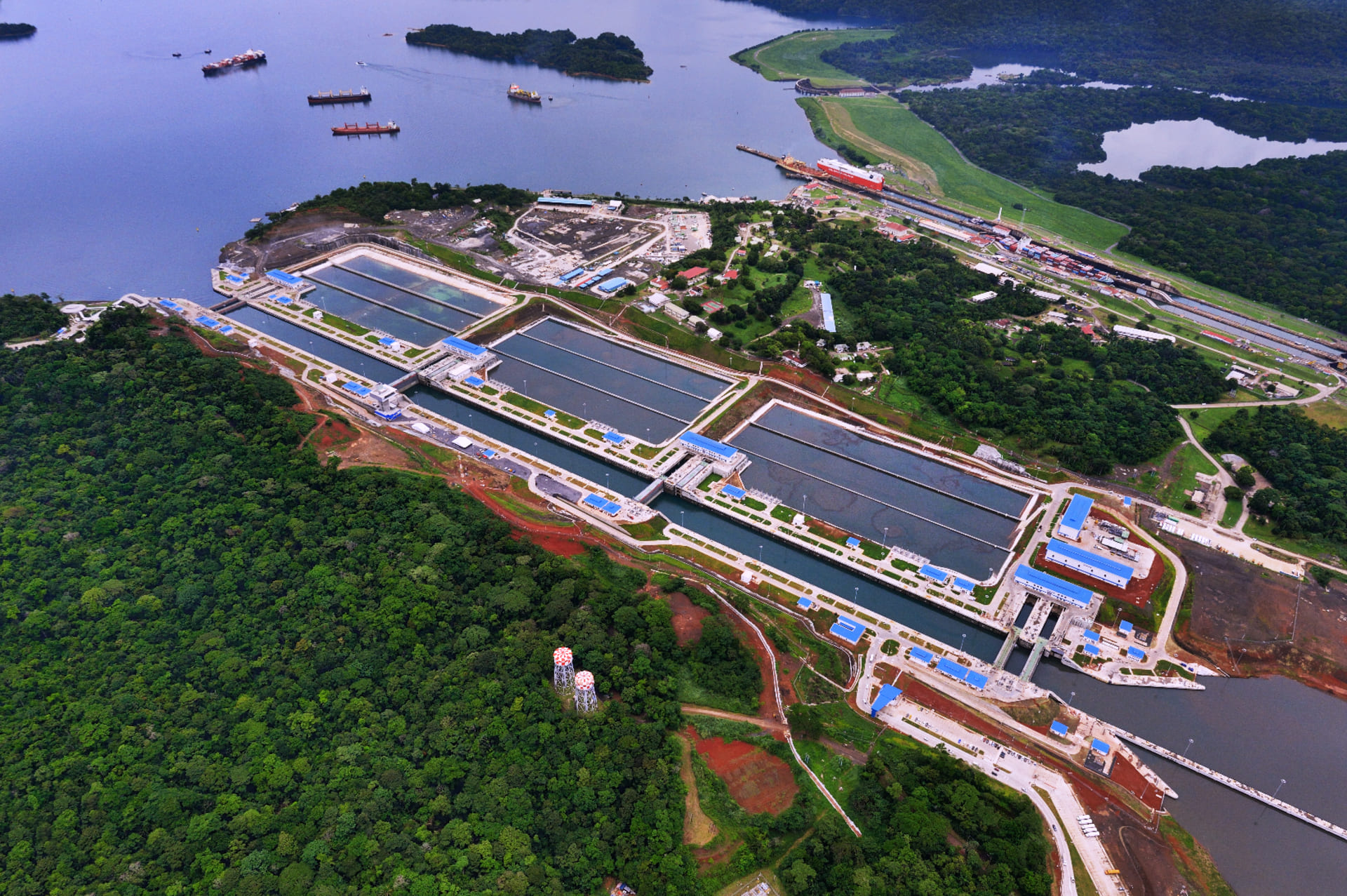 New Panama Canal
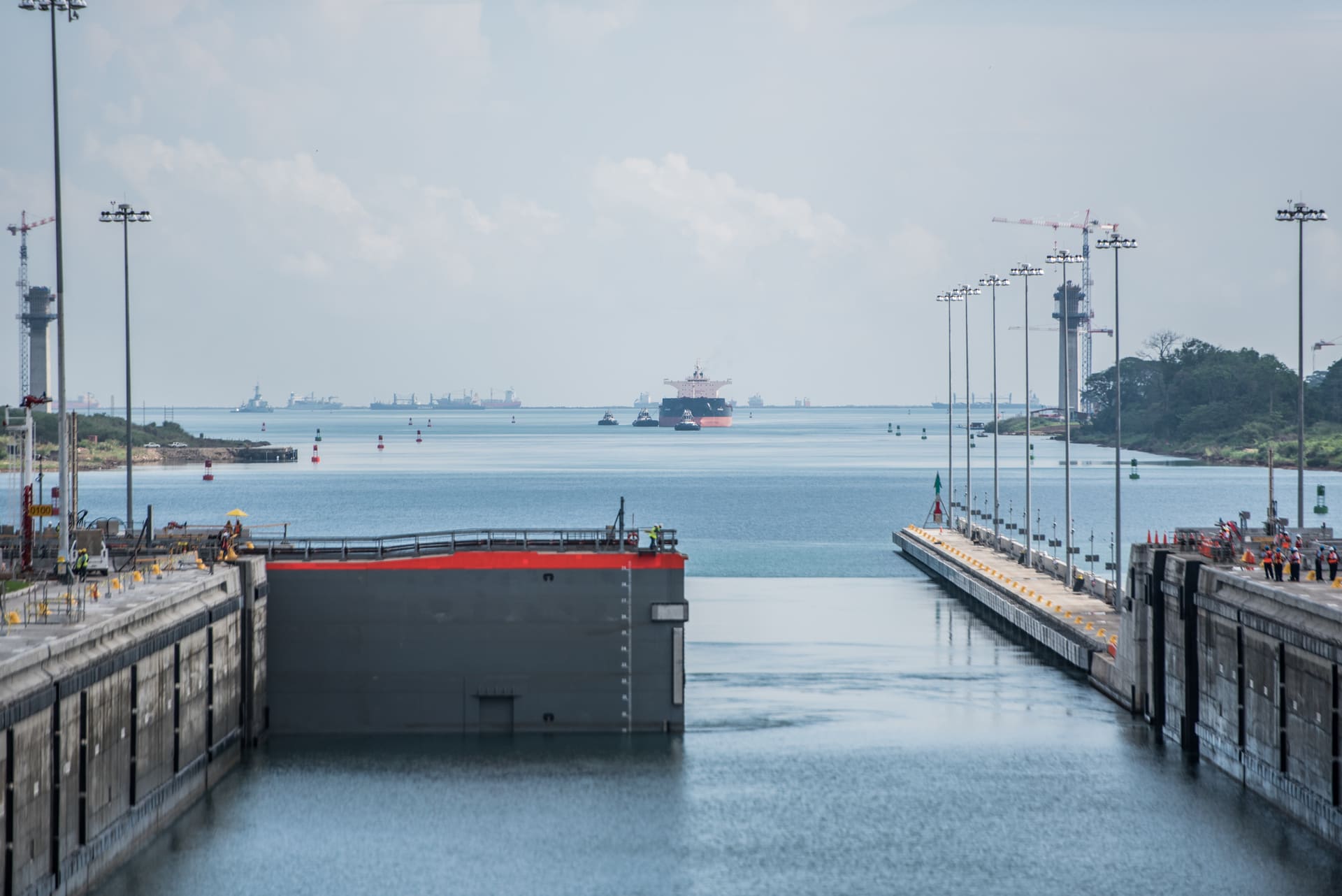 New Panama Canal
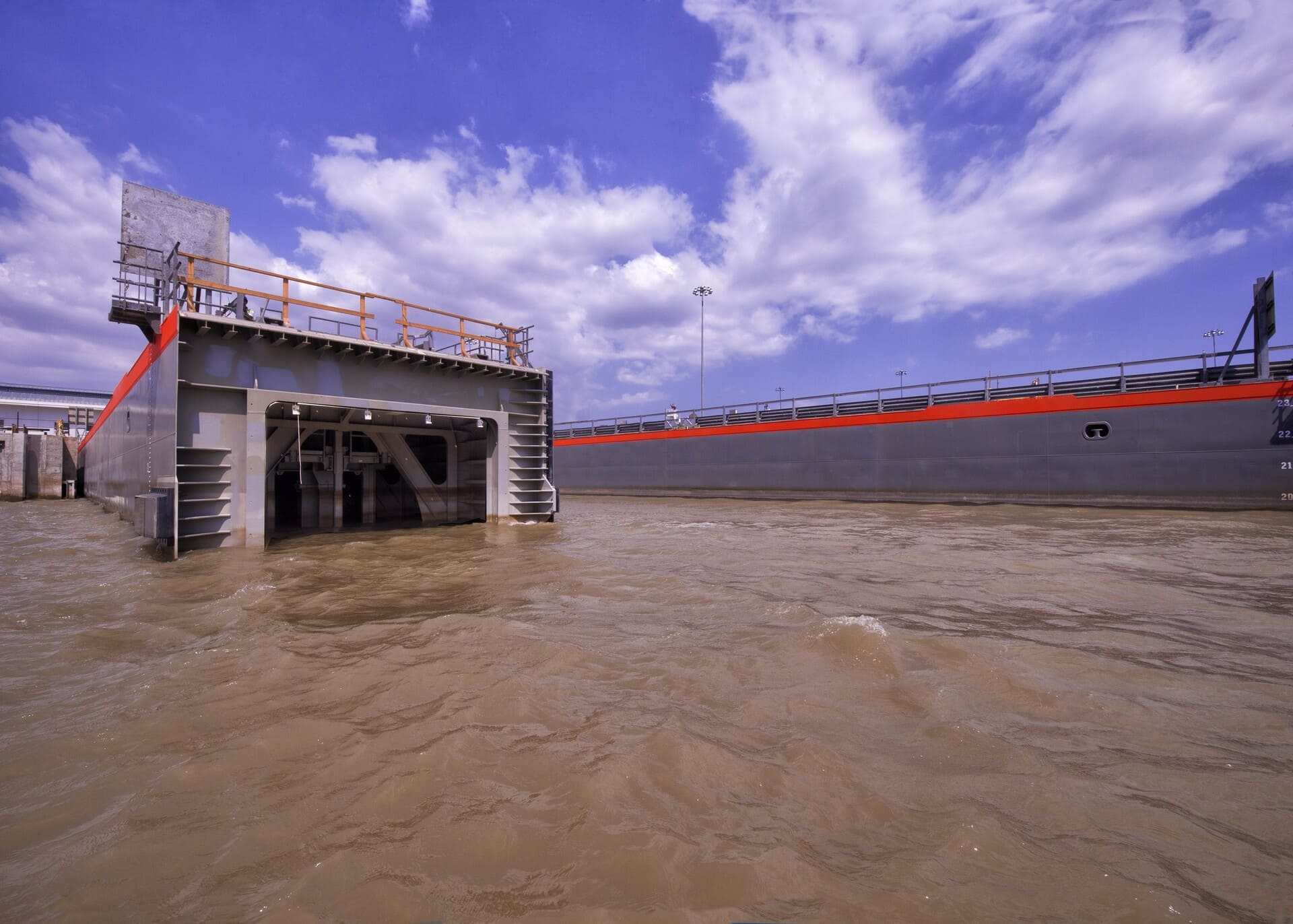 New Panama Canal
 New Panama Canal
 New Panama Canal
 New Panama Canal
 New Panama Canal
 New Panama Canal
 New Panama Canal under construction
 New Panama Canal under construction
- In fiscal year 2025, the Panama Canal – across both the old and new locks – recorded over 13,400 transits, a 19.3% increase compared to the previous year.
- In 2025, the Panama Canal lock system generated record revenues of 5.7 billion dollars.
- Today, the Panama Canal hosts ocean giants that could not have transited through the original locks inaugurated in 1914.
- In 2026, the Disney Adventure became the largest passenger ship in history to connect the Atlantic and Pacific through Panama, carrying approximately 6,700 passengers.
- The New Panama Canal, one of the most complex infrastructure works in history, was built by an international consortium led by Webuild.
read more

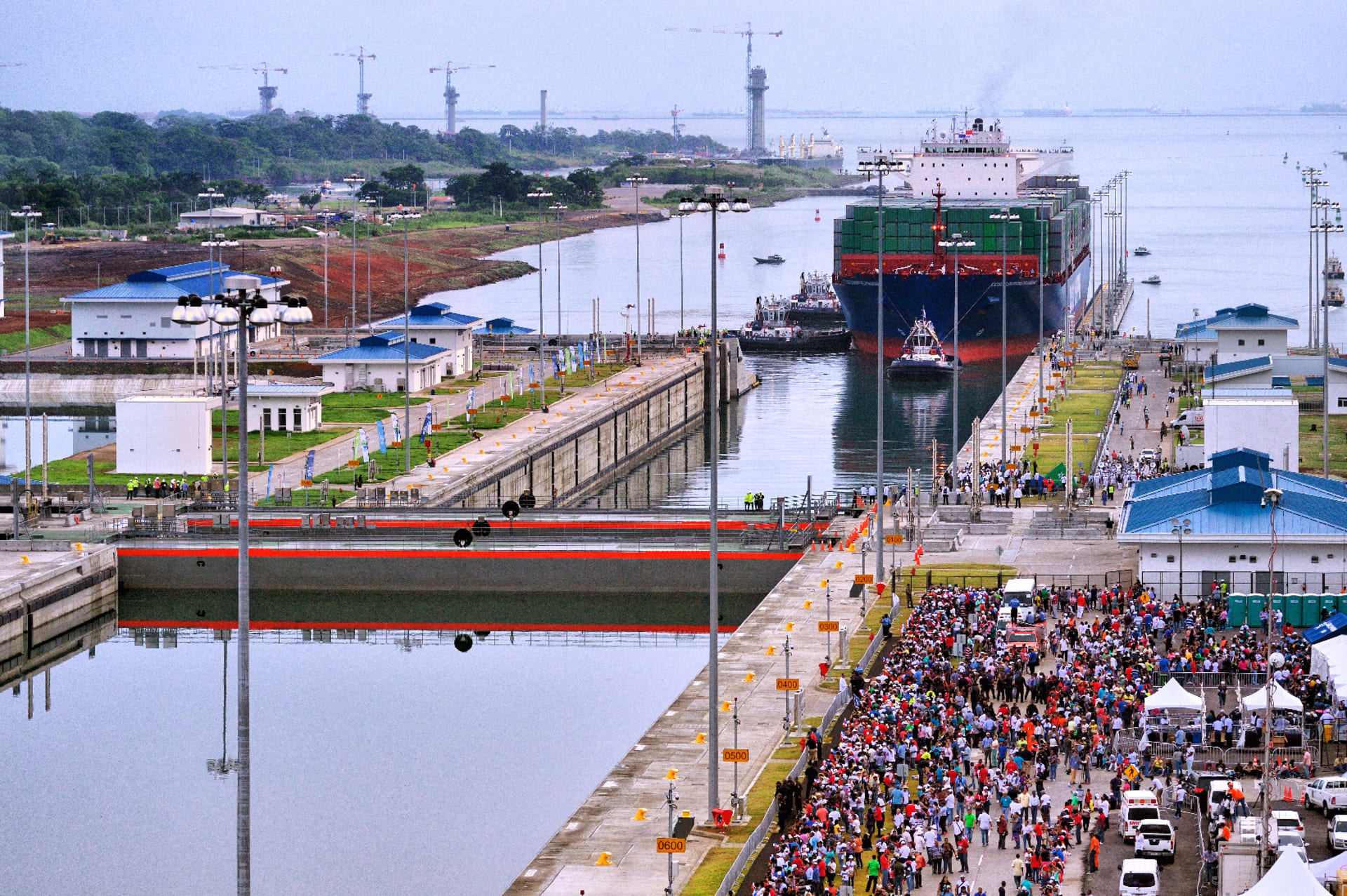
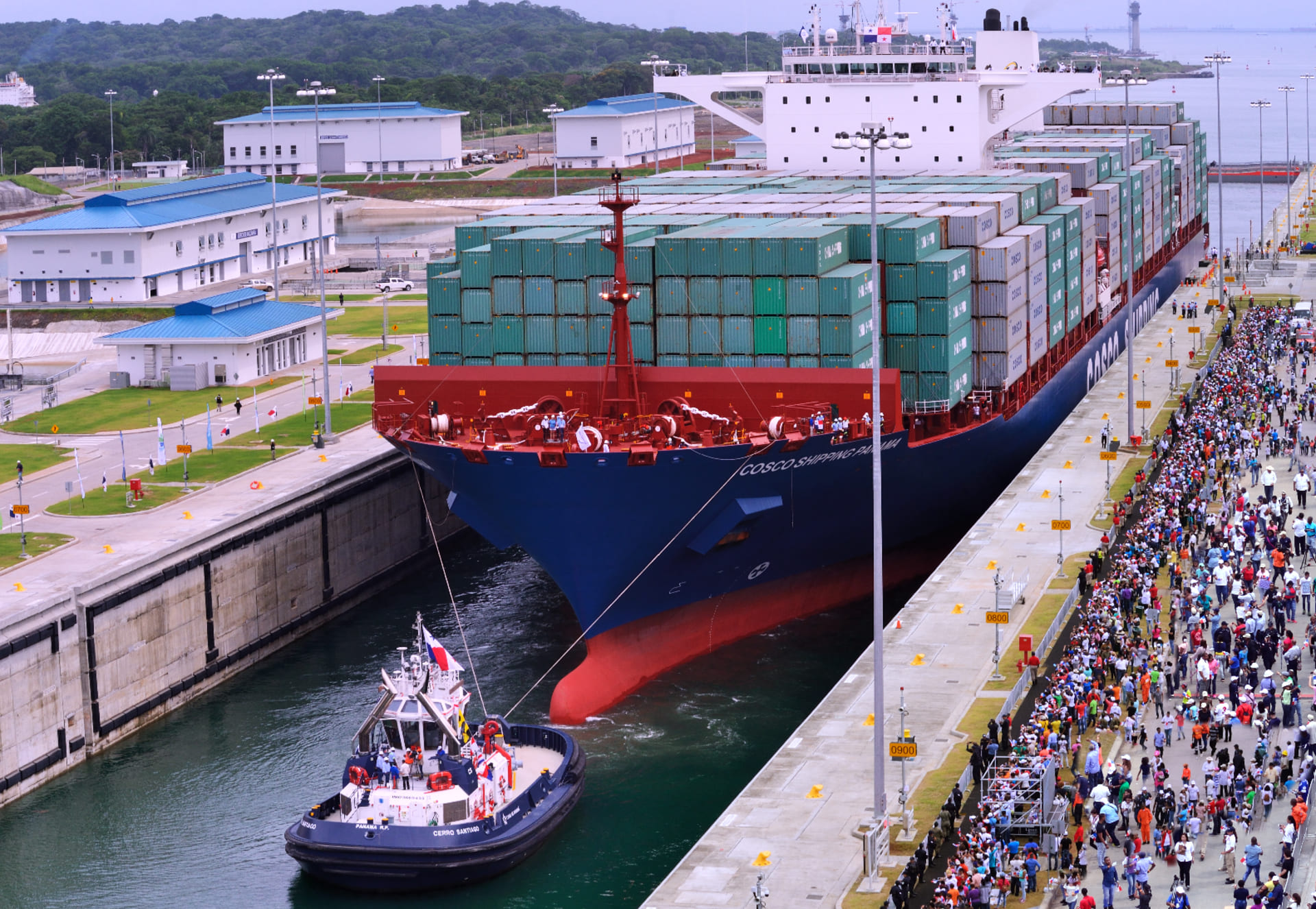
The thousands of classic Panama hats – woven from light straw, with wide brims and black ribbons – tossed into the air on June 26, 2016, to salute the transit of the giant vessel Cosco Shipping Panama through the Panama Canal, soared much higher than anyone could have imagined.
That day, amid fireworks, marching bands, international delegations, and over twenty thousand people packed along the new locks, the world celebrated the inauguration of the Panama Canal Expansion, one of the greatest infrastructure achievements of the 21st century, delivered by the consortium of European builders led by Webuild.
Ten years later, those hats in the air seem like the perfect snapshot of what has happened to the Panama Canal’s figures. Ship sizes have soared, tonnages have soared, revenues have soared, maritime trade records have been shattered, and the strategic centrality of one of the planet’s most vital infrastructures has grown beyond all expectations.
The Panama Canal at the Centre of the World: The Strategic Role in Global Trade
Paradoxically, it is precisely the return of geopolitics that has made the value of this engineering work even more evident. While tensions in the Strait of Hormuz continue to influence global energy flows and freight shipping through the Suez Canal has been affected for years by instability in the Red Sea caused by Houthi attacks from Yemen, Panama has increasingly become one of the safe-haven global trade routes.
Major shipping lines seek reliability, predictability, and safety, and the Canal connecting the Atlantic and Pacific has returned to the very center of global maritime logistics strategies.
The figures tell the scale of this transformation. According to official data, in fiscal year 2025, the Panama Canal – across both the old and new locks – recorded over 13,400 transits, a 19.3% increase compared to the previous year, while the cargo tonnage moved reached 489.2 million tons, representing a 15.6% increment.
This growth generated record revenues of 5.7 billion dollars for the Panama Canal’s entire lock system. It is a result that reflects and goes beyond the builders’ forecasts, which estimated that overall annual revenues would surpass 5 billion dollars within the first ten years thanks to the new locks.
Since the launch of the NeoPanamax era, the Central American isthmus has been crossed by approximately 137,000 ships, which have collectively generated over 36 billion dollars in revenue for the country. To grasp the scale of the new canal’s contribution, summing the official data year by year reveals a magnitude of over 32,000 ships transiting through the new Panama Canal locks built by the Webuild consortium between 2016 and 2025.
The daily average reaches nearly 9 super-vessels per day, compared to a design requirement of 6–7 ships per day. Yet, the most impressive data does not concern the number of vessels alone. It concerns their scale.
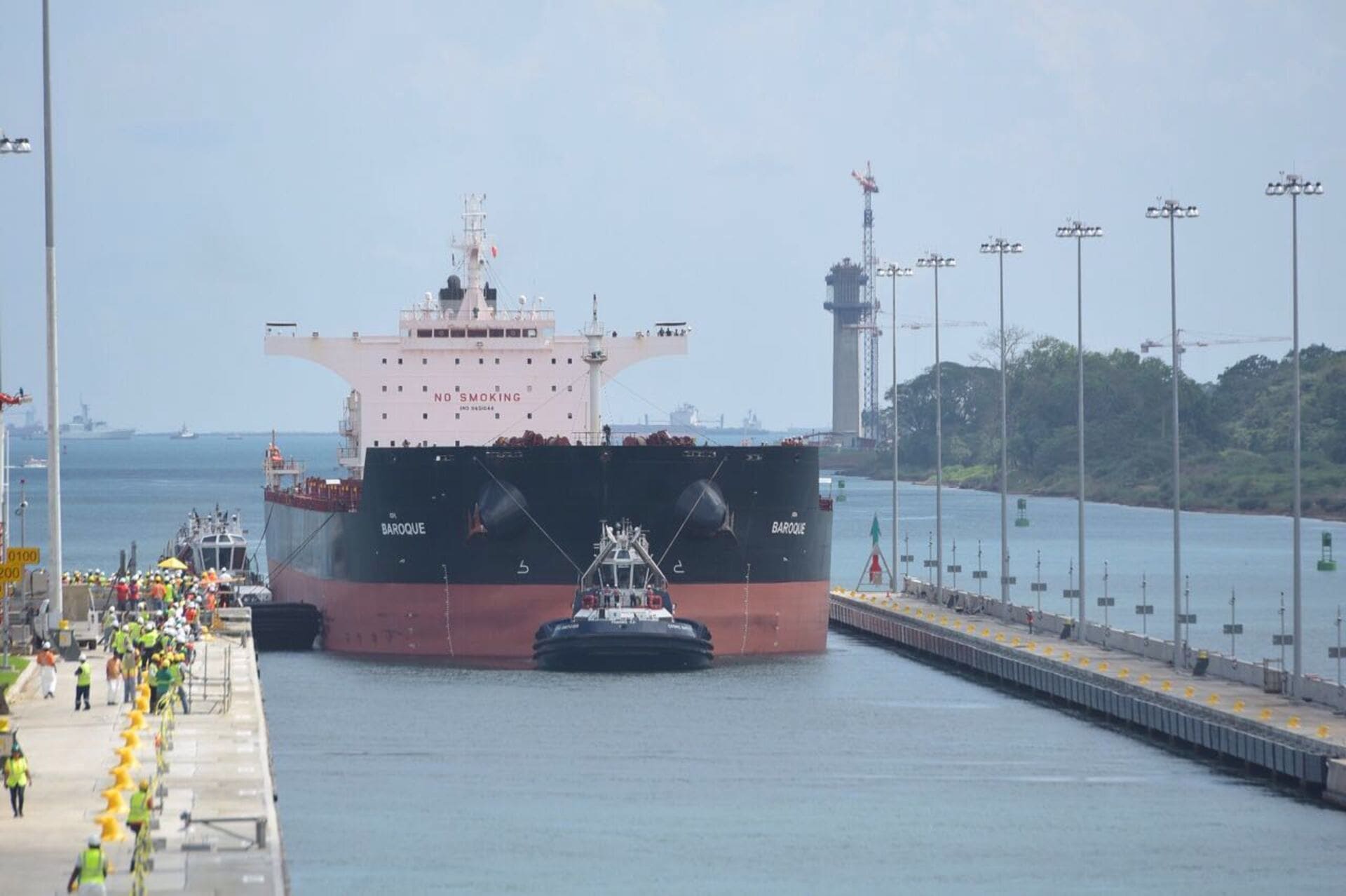
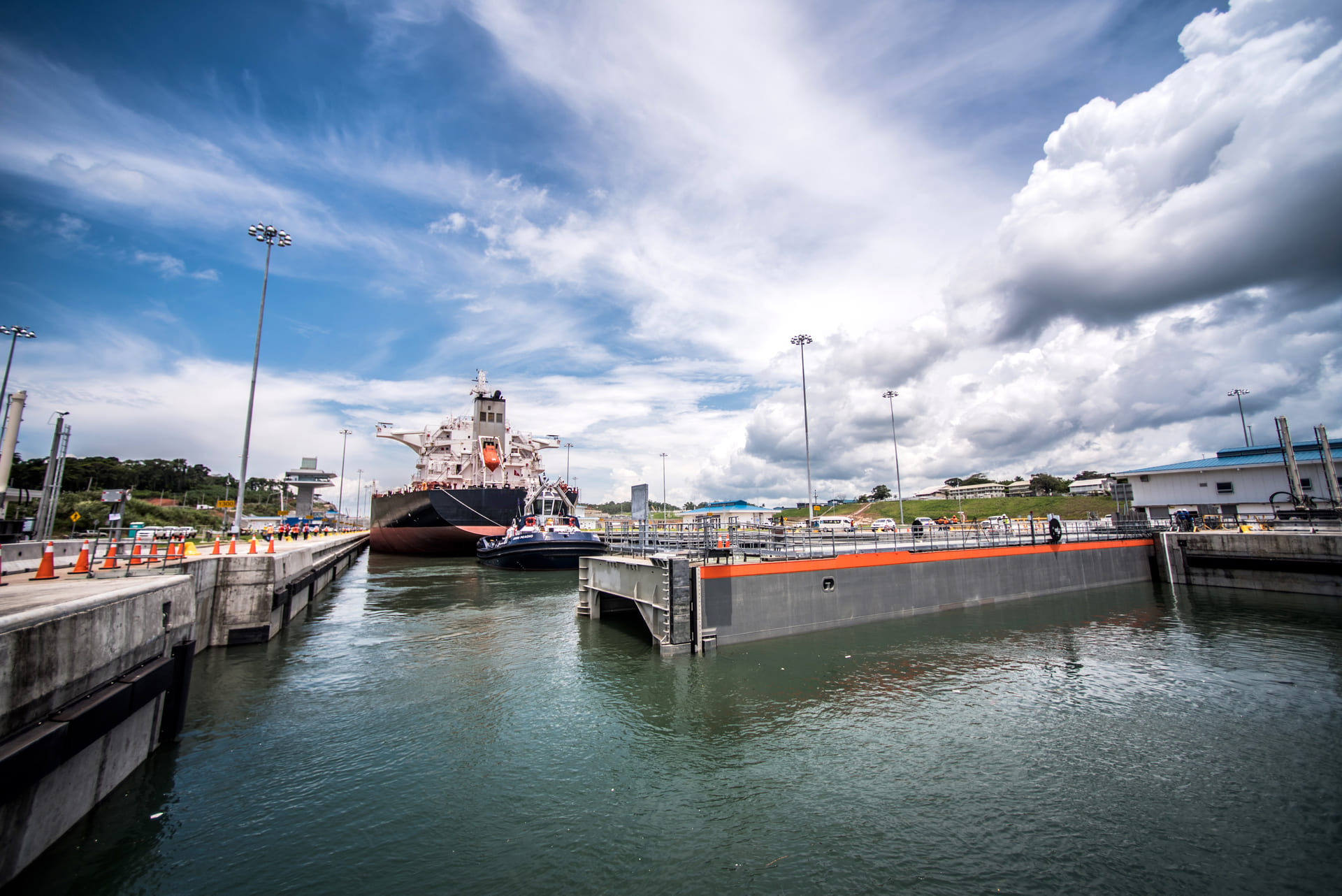
Before the expansion, Panama Canal transit was not possible for many modern container ships, large gas carriers, and the new generations of cruise ships. Today, the Canal regularly hosts ocean giants that just a few years ago would have seemed incompatible with the original infrastructure inaugurated in 1914.
The New Panama Canal Locks: One of the Greatest Infrastructure Challenges of All Time
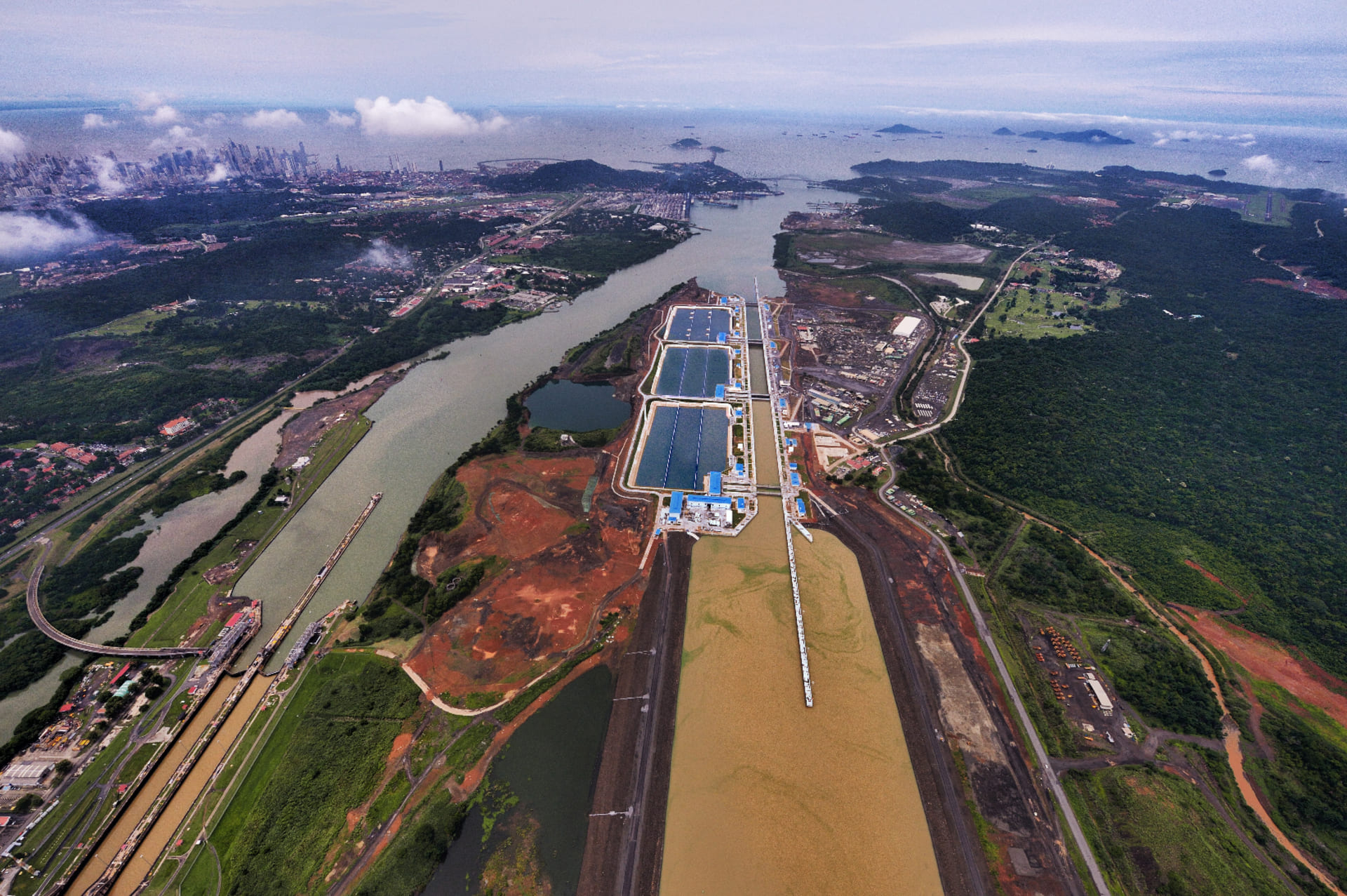
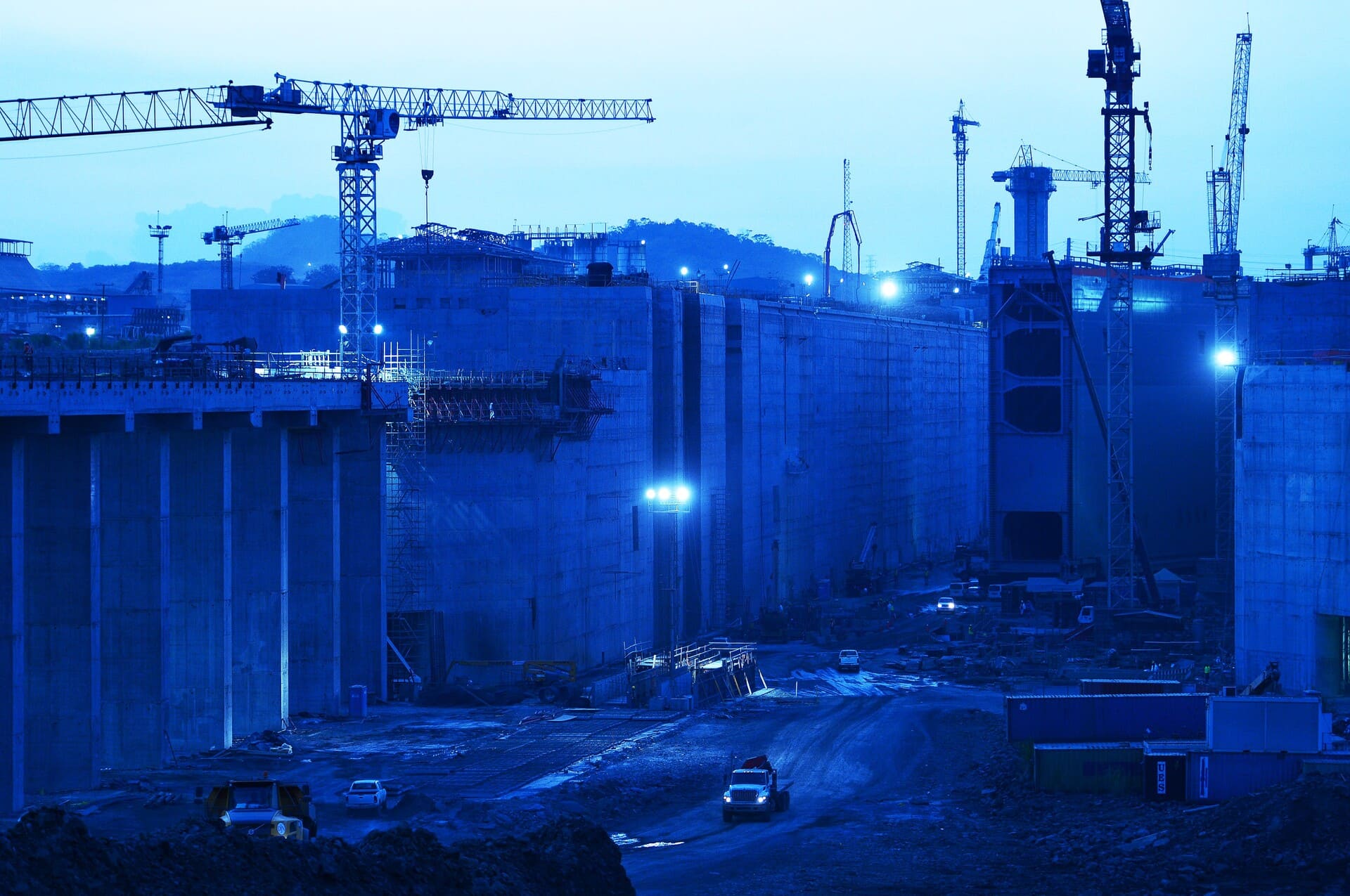
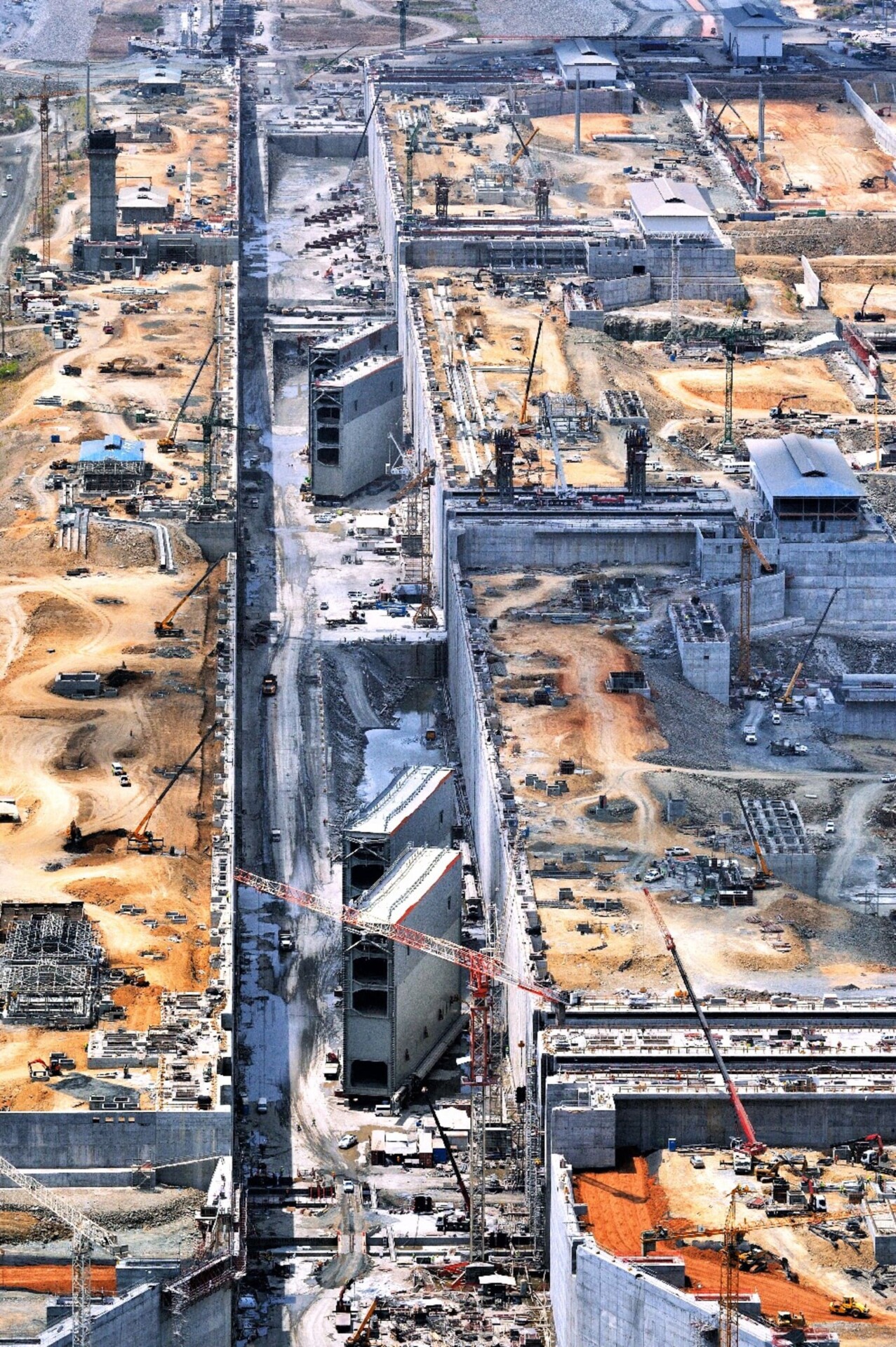
When the canal built a century earlier began to show signs of strain, the response was an unprecedented intervention: the Panama Canal expansion. In effect, a new and wider water highway. Its construction required millions of cubic meters of excavation, enormous volumes of concrete, and innovative technological solutions, including water-saving basins that significantly reduce water consumption during each Panama Canal transit.
And it was precisely this latest solution – the brainchild of the designers and technicians of the consortium led by Webuild – that allowed the Canal to overcome one of the most difficult challenges in its history: drought. Between 2023 and 2024, the low level of Lake Gatún, which supplies water to the Panama Canal locks, forced the canal authority to limit transits in the old canal, demonstrating the full benefit of the water reserves of the new lock system.
Today, the success of this engineering work, beyond the size of the vessels and the frequency of their passage, is measured by the very transformation of global maritime trade.
In addition to container shipping connecting Asian ports with the East Coast of the United States, the Panama Canal has become a vital gateway for American energy exports. LNG shipping (liquefied natural gas), LPG shipping, and tanker ships cross Panama daily to reach Asian markets.
And milestones have naturally accompanied this transformation. In 2024, the MSC Marie set the record for container capacity transiting the Canal, with 17,640 TEUs. The CMA CGM Zephyr, at 154,995 tons, recorded one of the highest tonnages ever to pass through the new locks. And in 2026, the Disney Adventure became the largest passenger ship in history to connect the Atlantic and Pacific through Panama, carrying approximately 6,700 passengers.
Today, the new Panama Canal is connected to 1,920 ports and serves 170 countries across 180 shipping routes. These figures tell the story of the expansion inaugurated ten years ago better than any speech ever could.
When, on June 26, 2016, the Cosco Shipping Panama – measuring 299.98 meters in length, 48.25 meters in width, and carrying 9,472 containers on board – crossed the new Agua Clara locks and the Cocolí locks for the first time, the Canal officially entered the NeoPanamax era. Today, those Panama Canal locks handle over half of the total tonnage of the Panamanian interoceanic waterway, despite representing only a quarter of the total number of transits. In other words, fewer ships compared to the total, but immensely larger and more profitable.
This is exactly what the project was conceived to do. Not simply to increase freight shipping, but to reshape the scale of global trade.