


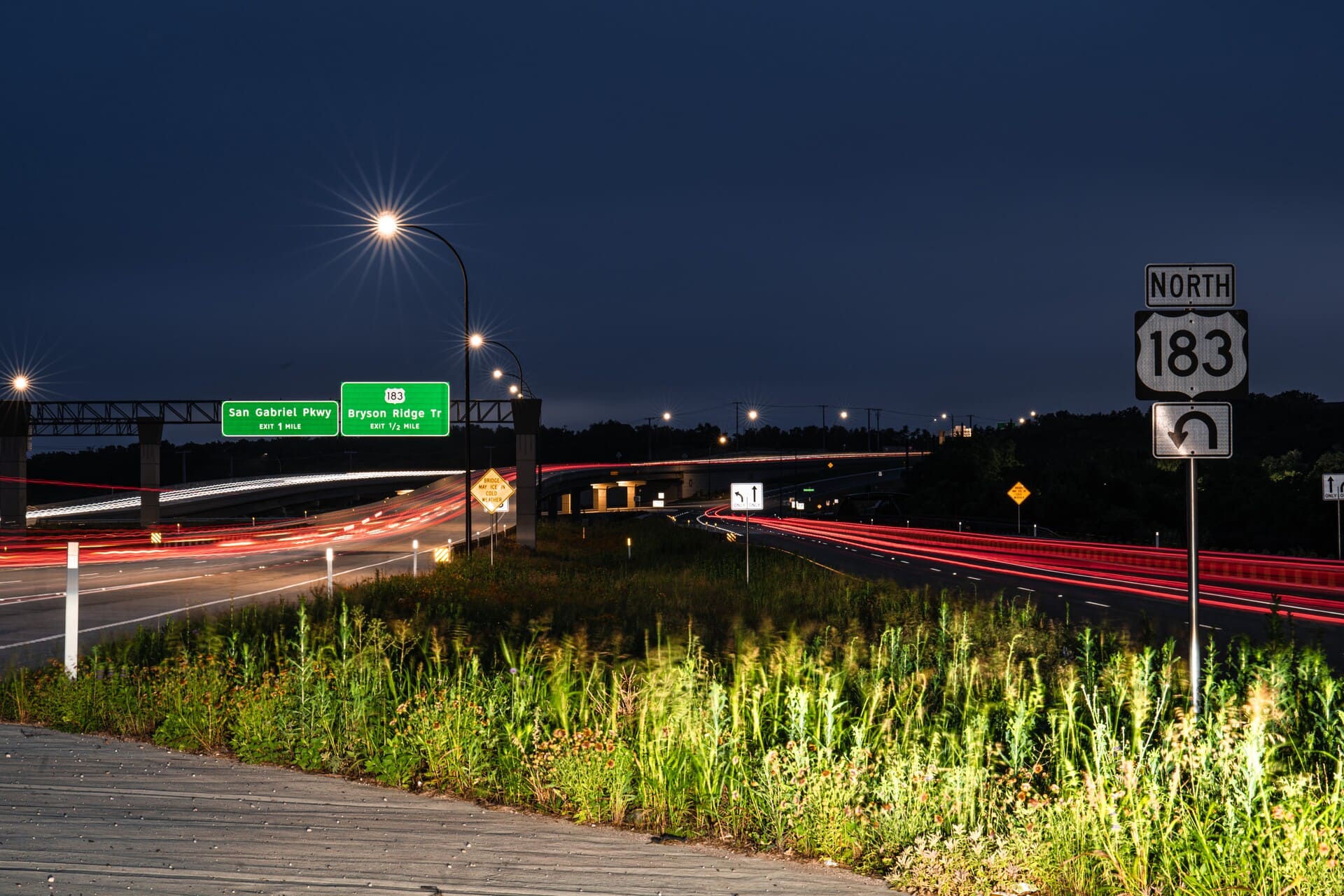
 183A Tollway Project Phase III Extension, Texas
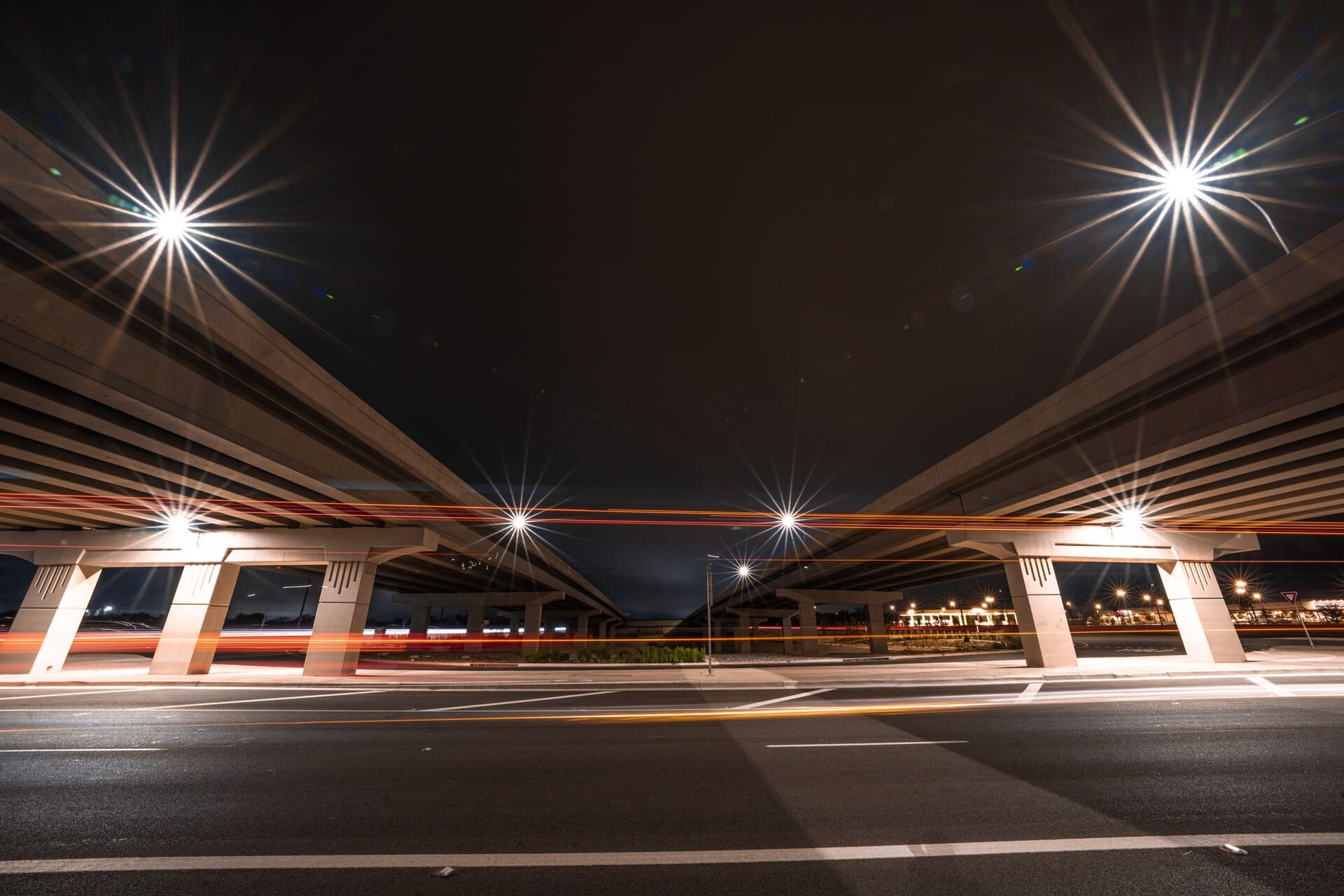 183A Tollway Project Phase III Extension, Texas
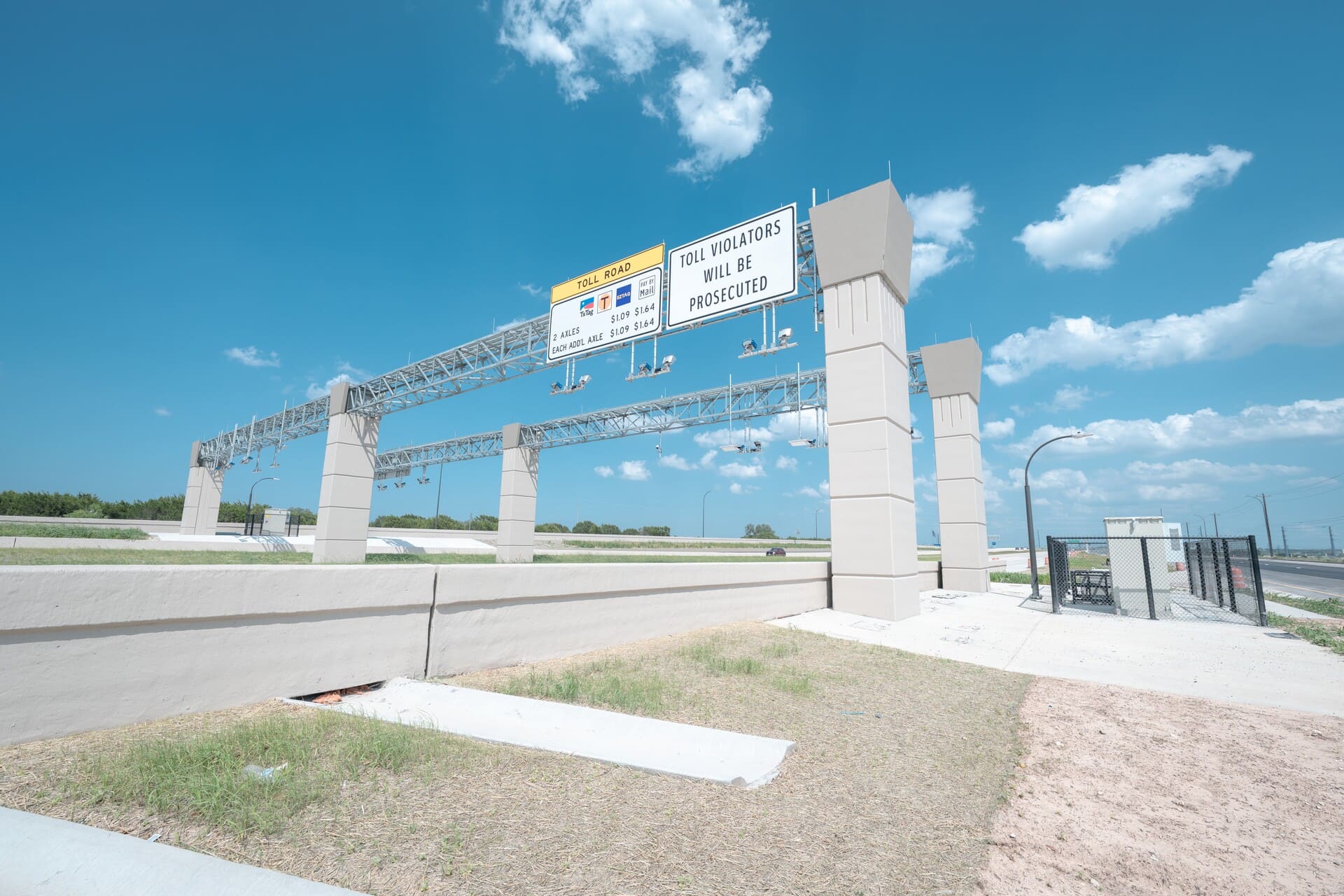 183A Tollway Project Phase III Extension, Texas
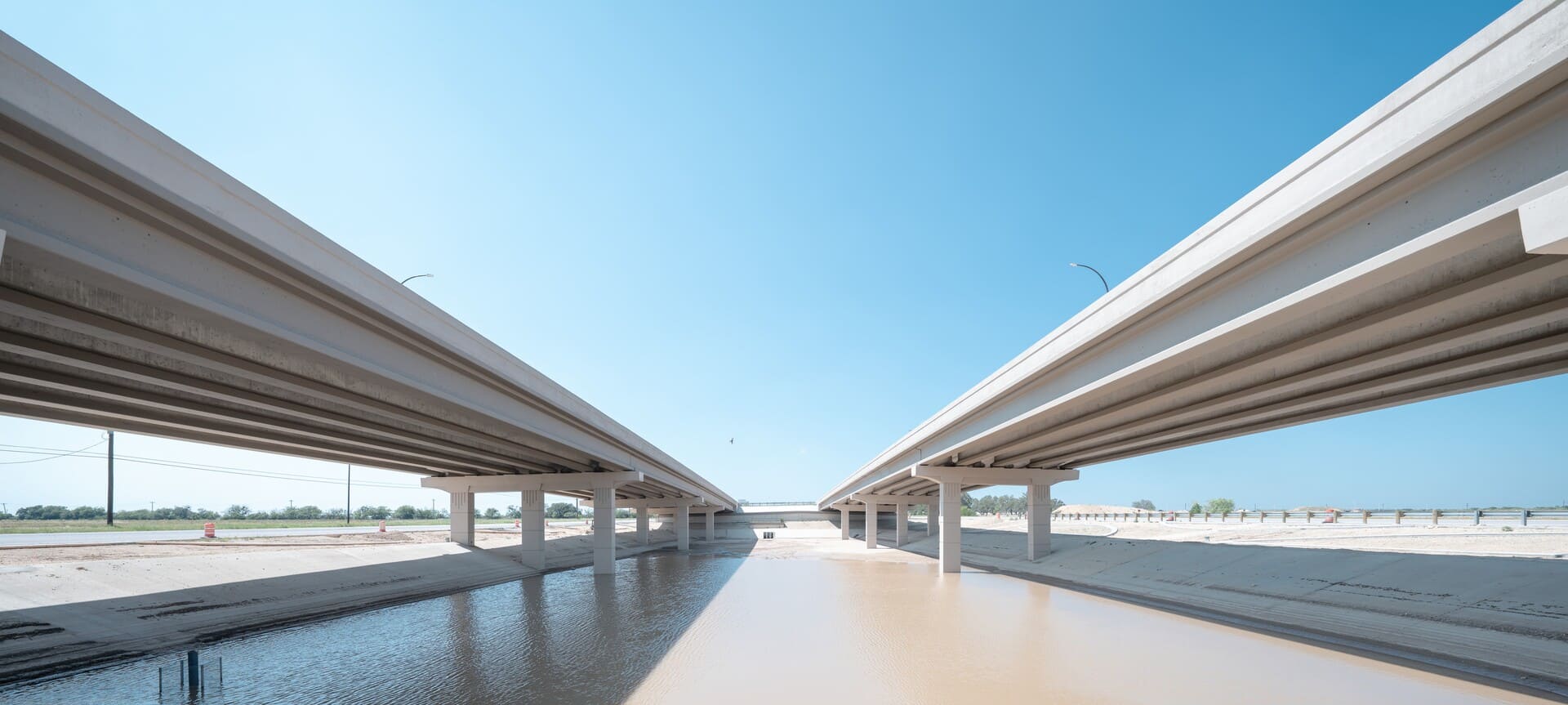 183A Tollway Project Phase III Extension, Texas
 183A Tollway Project Phase III Extension, Texas
 183A Tollway Project Phase III Extension, Texas
 183A Tollway Project Phase III Extension, Texas
 183A Tollway Project Phase III Extension, Texas
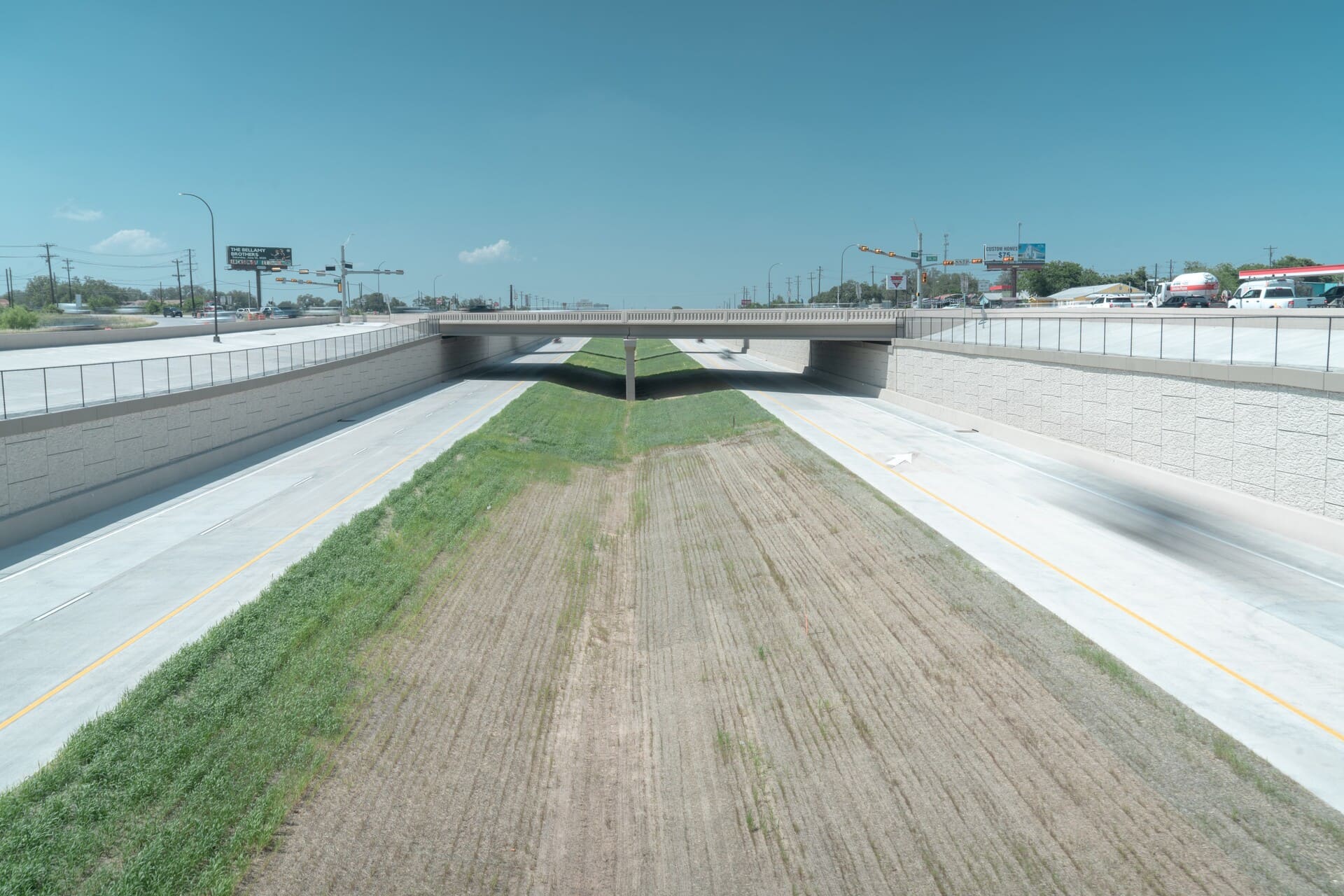 183A Tollway Project Phase III Extension, Texas
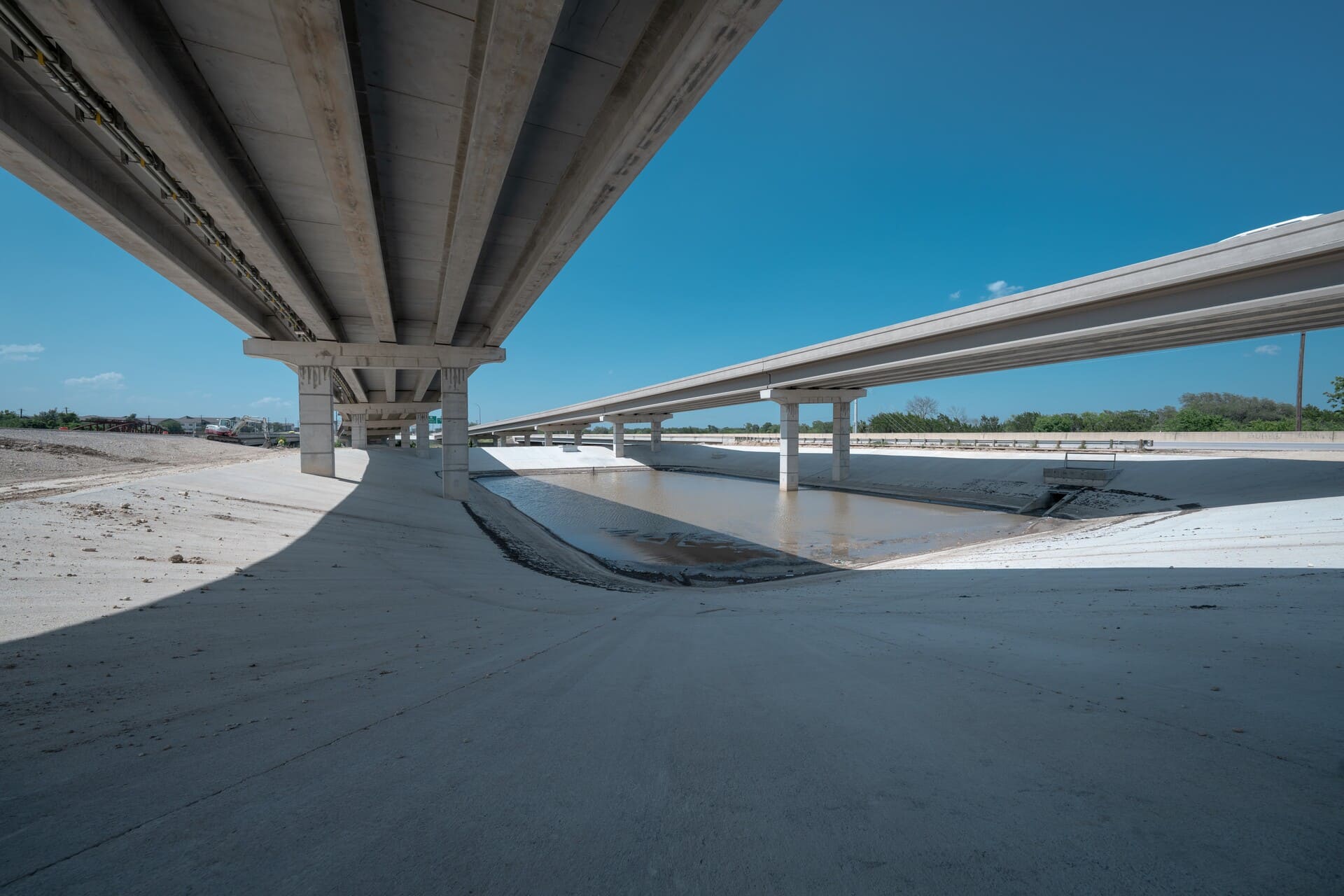 183A Tollway Project Phase III Extension, Texas
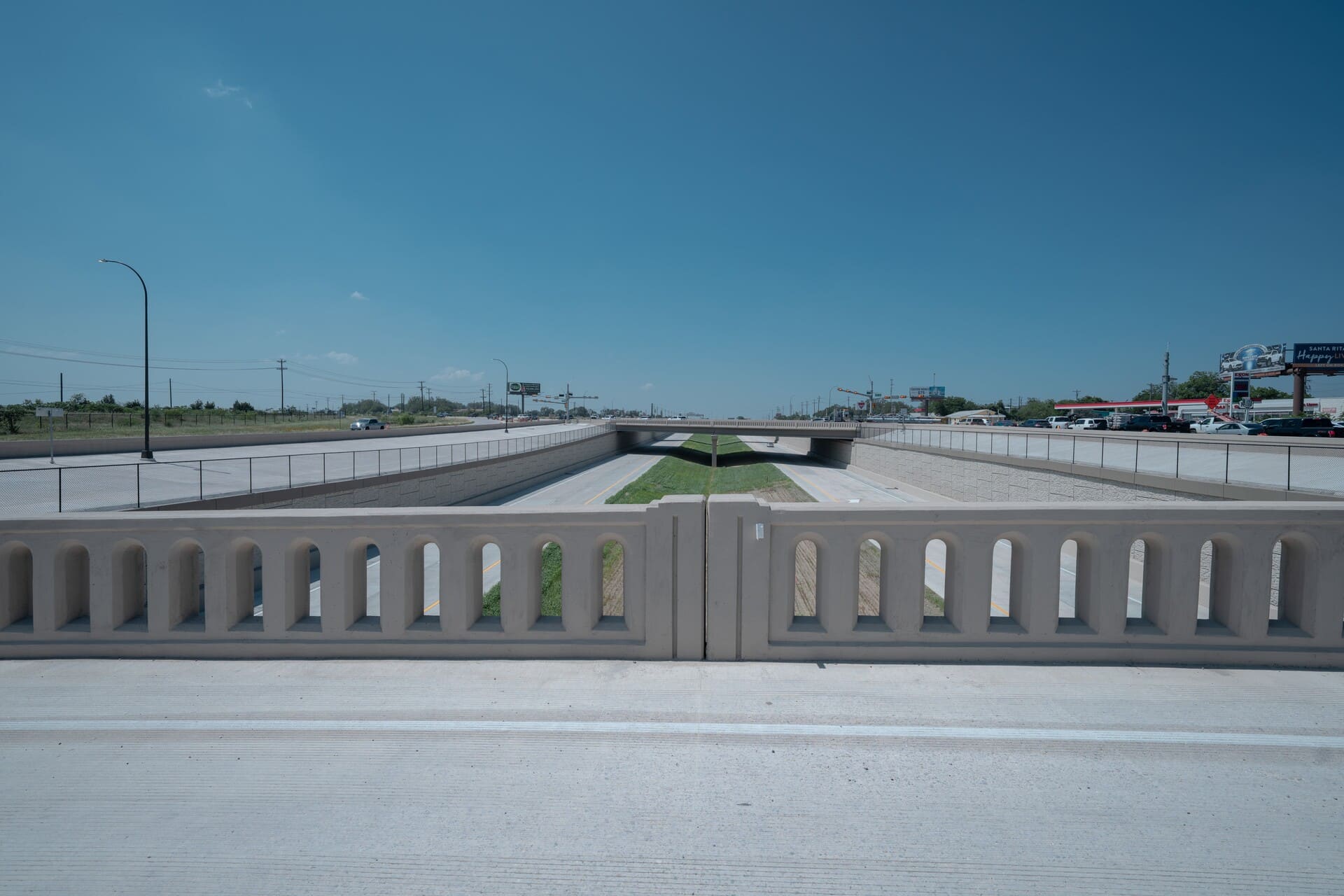 183A Tollway Project Phase III Extension, Texas
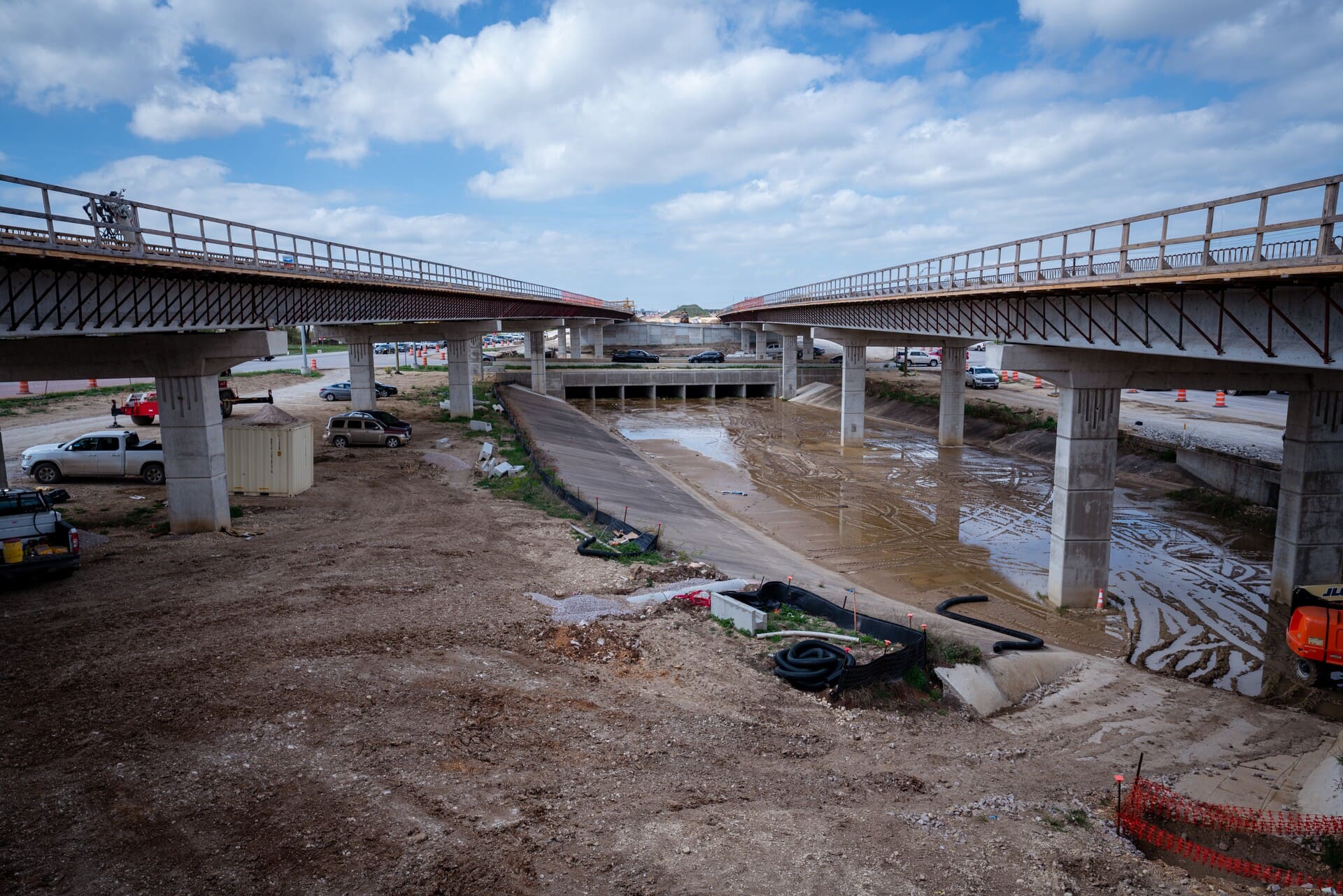 Construction site of the 183A Tollway, Project Phase III Extension, Texas
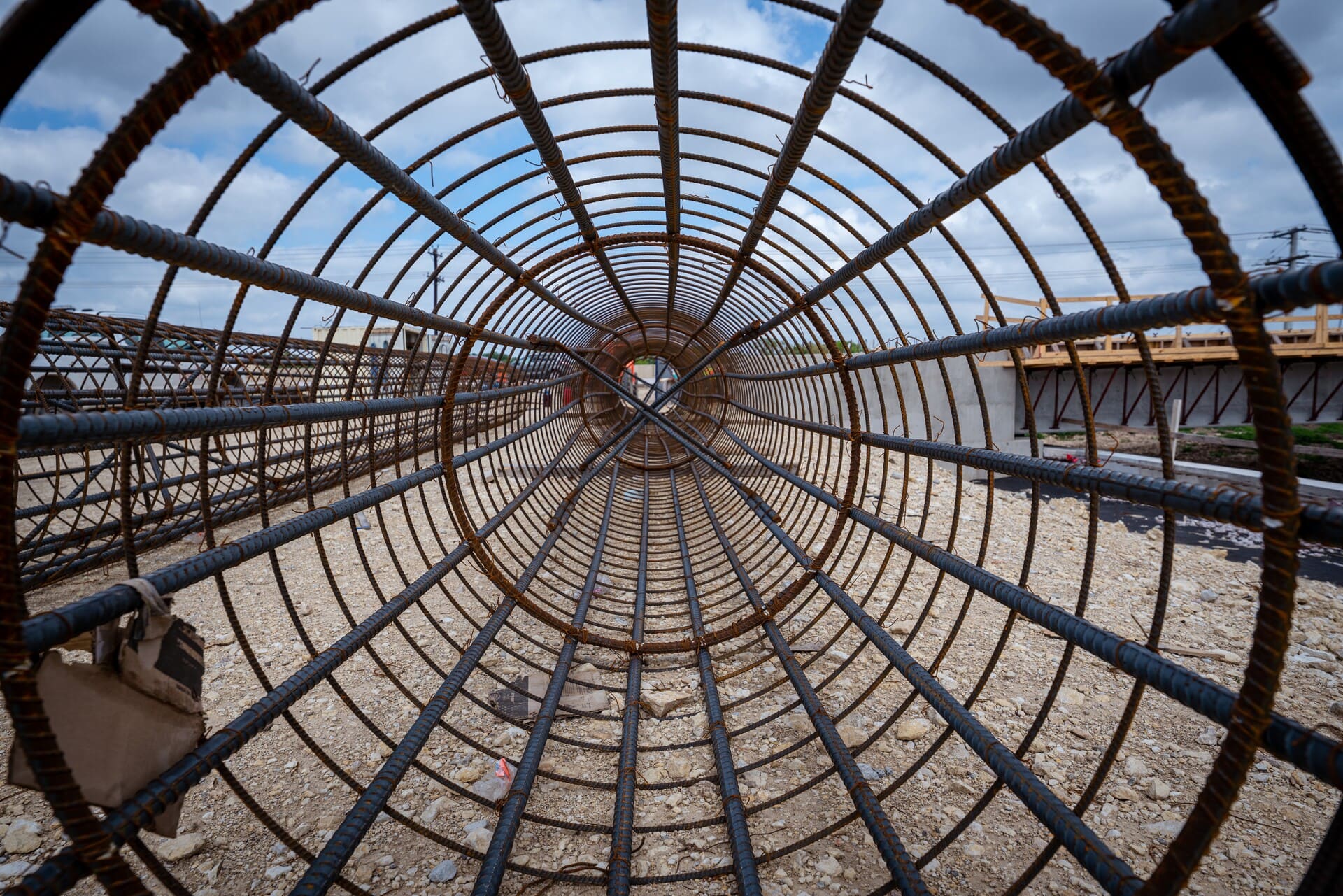 Construction site of the 183A Tollway, Project Phase III Extension, Texas
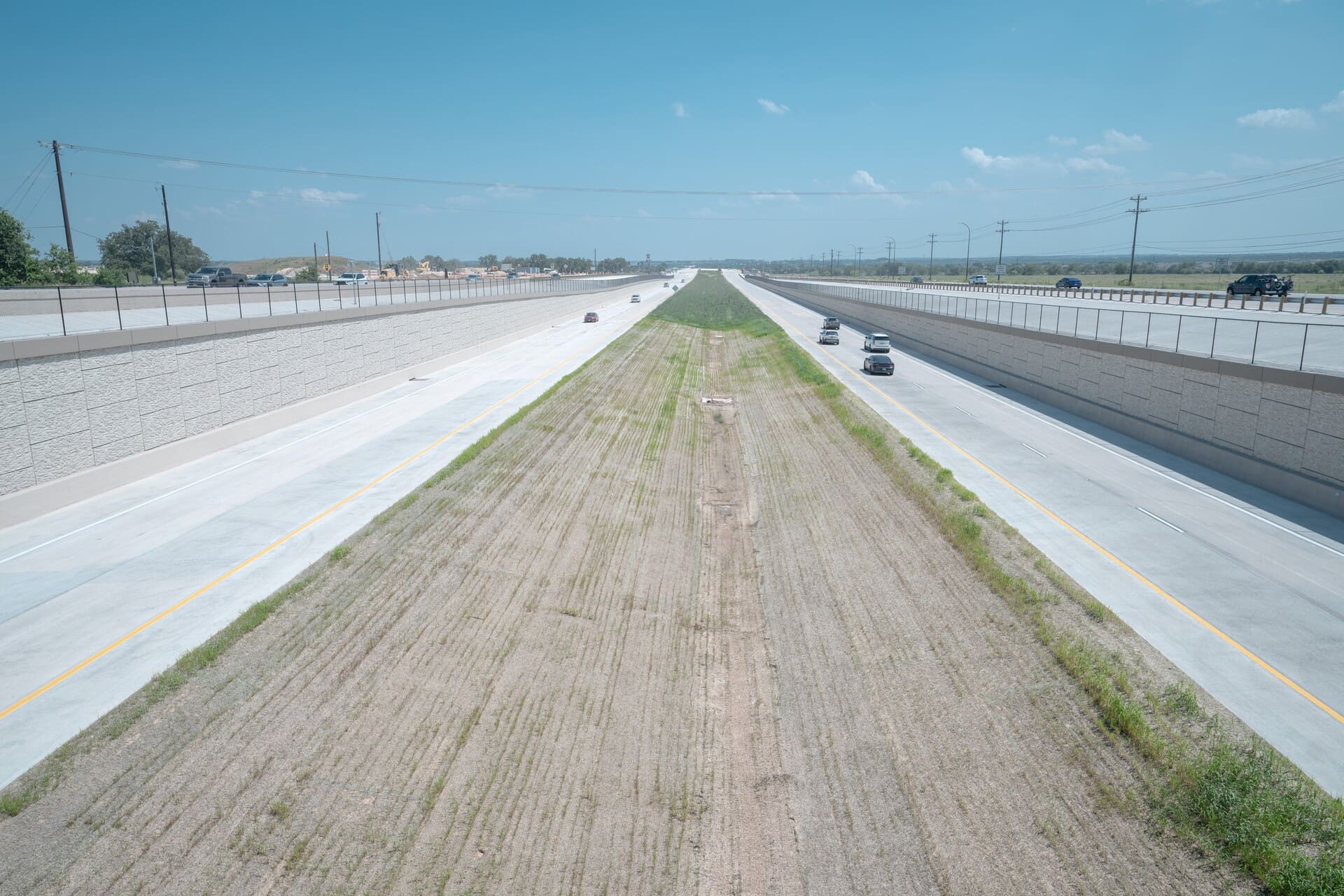 Construction site of the 183A Tollway, Project Phase III Extension, Texas
- Austin, TX, is one of the fastest-growing American metropolises: in 2025, the Austin-Round Rock-San Marcos metropolitan area reached 2.62 million residents, adding nearly 54,000 new inhabitants in a single year.
- Lane, the U.S. subsidiary of the Webuild Group, has completed Phase III of the 183A Toll Road, a strategic infrastructure project to support the growth of the Texas capital.
- The project includes 8.5 kilometers of new toll highway, featuring two lanes in each direction and 17 bridges and viaducts.
- According to forecasts developed during the design phase, traffic along the US 183 corridor could surge by 183% by 2042.
- Sustainability was central to the project, utilizing reinforcing steel with 97% recycled content and saving over four million gallons of potable water.
Read more

Austin, TX, loves speed. The speed of the single-seaters speeding around the Circuit of The Americas (COTA), where on October 25 the young Italian talent of Mercedes F1, Kimi Antonelli, claimed victory at the United States Grand Prix, adding another win to an extraordinary season. But also the speed of a city that over the past few years has transformed its scale, ambitions, and role in the American economy.
Anyone arriving in Austin for the first time is struck by the massive network of highways, interchanges, viaducts, and overpasses that weave around the city. A landscape of major infrastructure—featuring elevated ramps and warm, brick-toned structures—that immediately conveys the impression of a metropolis accustomed to thinking big and looking boldly toward the future.
Not Just Formula 1: From Origins to the Future in Austin, Texas
Austin occupies a strategic position in Central Texas, situated among the major metropolitan areas of Dallas-Fort Worth, Houston, and San Antonio. Yet, its story began almost by chance.
As recounted by the Texas State Library and Archives Commission, in 1838, during a buffalo hunt along the Colorado River, Mirabeau B. Lamar, the future president of Texas, was captivated by the landscape and suggested it serve as the site for the capital. The following year, the small settlement of Waterloo was selected as the capital and renamed Austin, in honor of Stephen F. Austin, regarded as the founding father of Texas.
Today, the capital of Texas has become an international benchmark for technology, innovation, and major events. Like Miami and Las Vegas, two other highlights on the Formula 1 calendar, Austin has learned to leverage sports and entertainment as drivers of tourism and global visibility.
Yet, behind the spotlight of major international events lies a far more everyday challenge: building the infrastructure required to sustain the growth of an ever-evolving metropolis.
Major Infrastructure to Meet the Challenges of a Big City
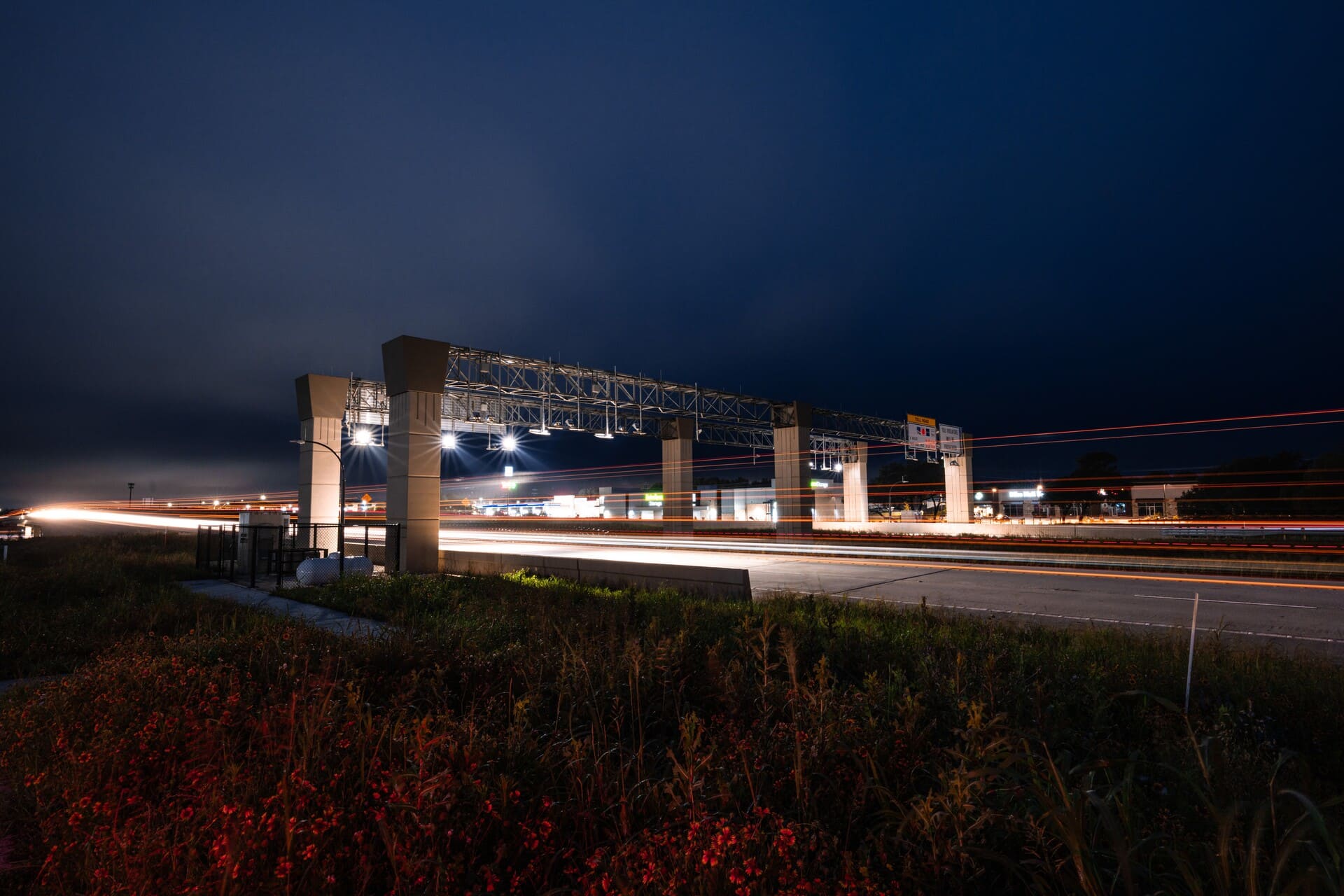
This is the backdrop for the completion of Phase III of the 183A Toll Road extension, one of the primary highway corridors in Williamson County, north of Austin. The project, delivered by Lane—the U.S. subsidiary of the Webuild Group—strengthens connectivity across a region where demographic and economic growth is reshaping mobility demands.
The figures underscore the scale of this transformation. According to the Census Bureau, in 2025 Austin surpassed one million residents, while the entire Austin-Round Rock-San Marcos metropolitan area reached approximately 2.62 million inhabitants. Between 2024 and 2025 alone, the metropolitan area added nearly 54,000 residents, ranking sixth in the United States for numerical population growth.
This expansion extends beyond the urban core, increasingly encompassing surrounding communities.
In Williamson County, north of the Texas capital, communities such as Cedar Park, Leander, and Liberty Hill are among the areas driving this transformation. New residential developments, commercial ventures, and community services are fueling the need for reliable connections capable of handling the daily commutes of workers, families, and businesses.
Indeed, economic growth is not measured solely by new developments and investments, but hinges equally on the capacity of transportation networks to connect communities and make opportunities accessible.
Highway in Austin: A New Corridor to Ease Traffic Congestion
The completion of 183A Phase III represents a tangible response to this need.
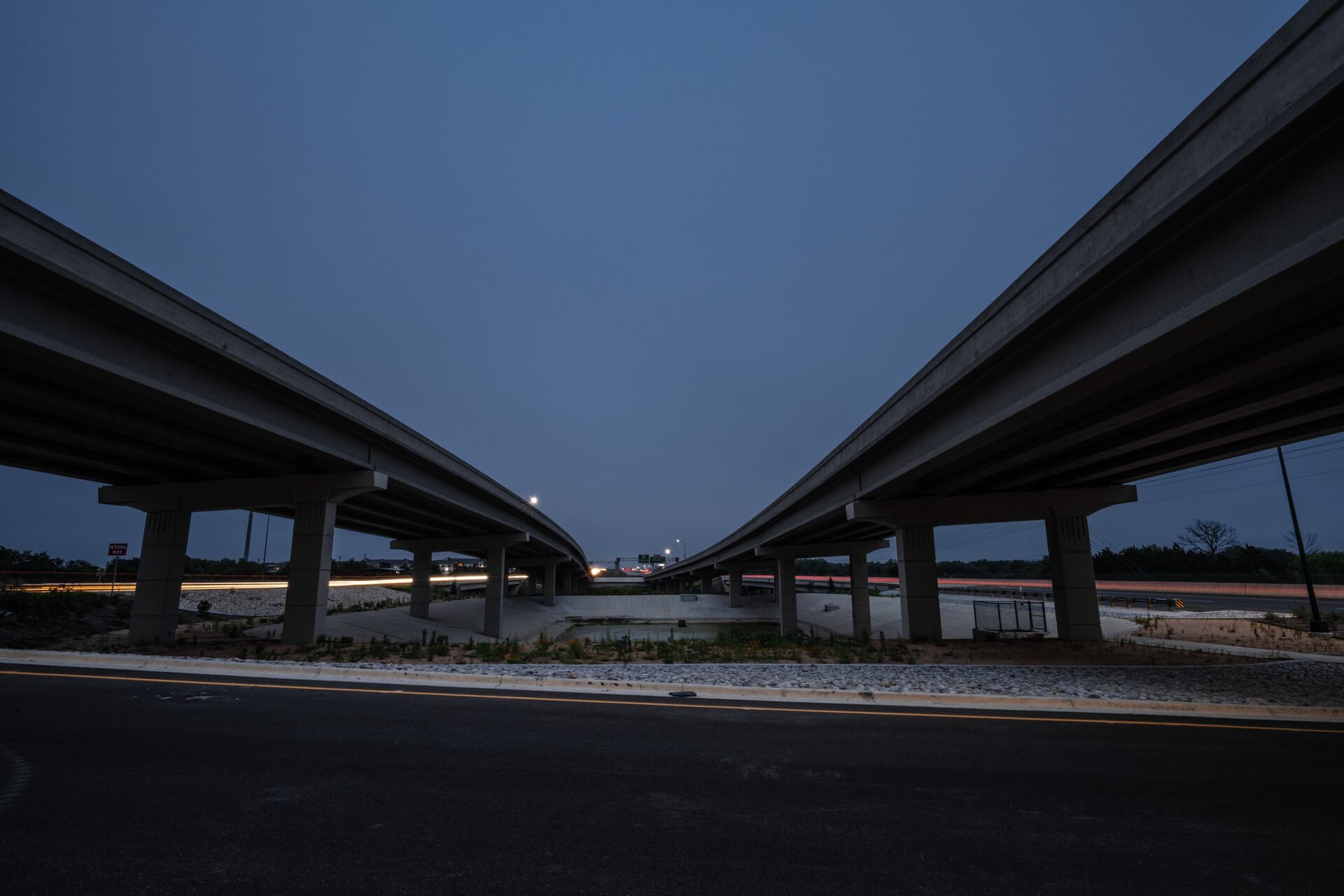
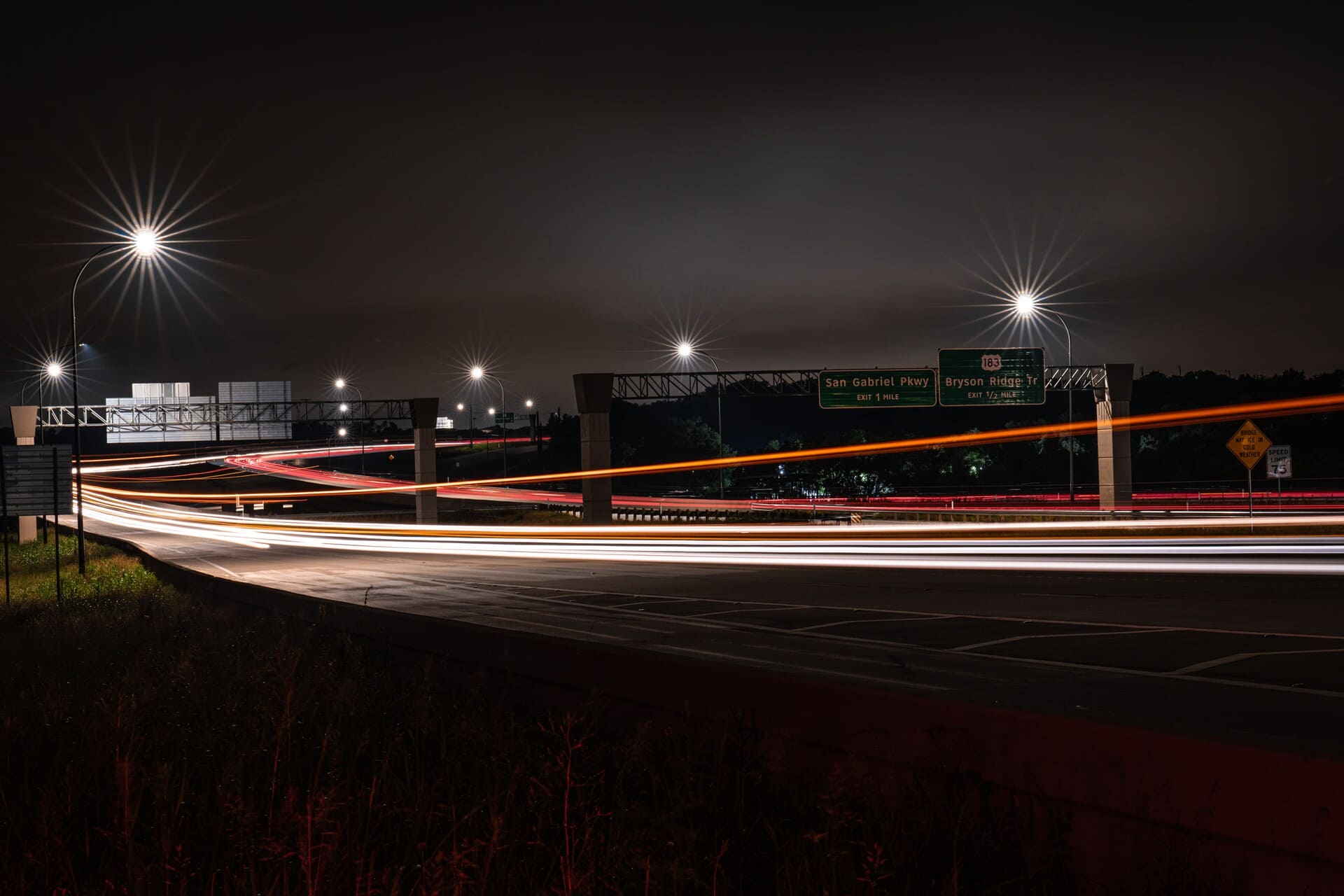
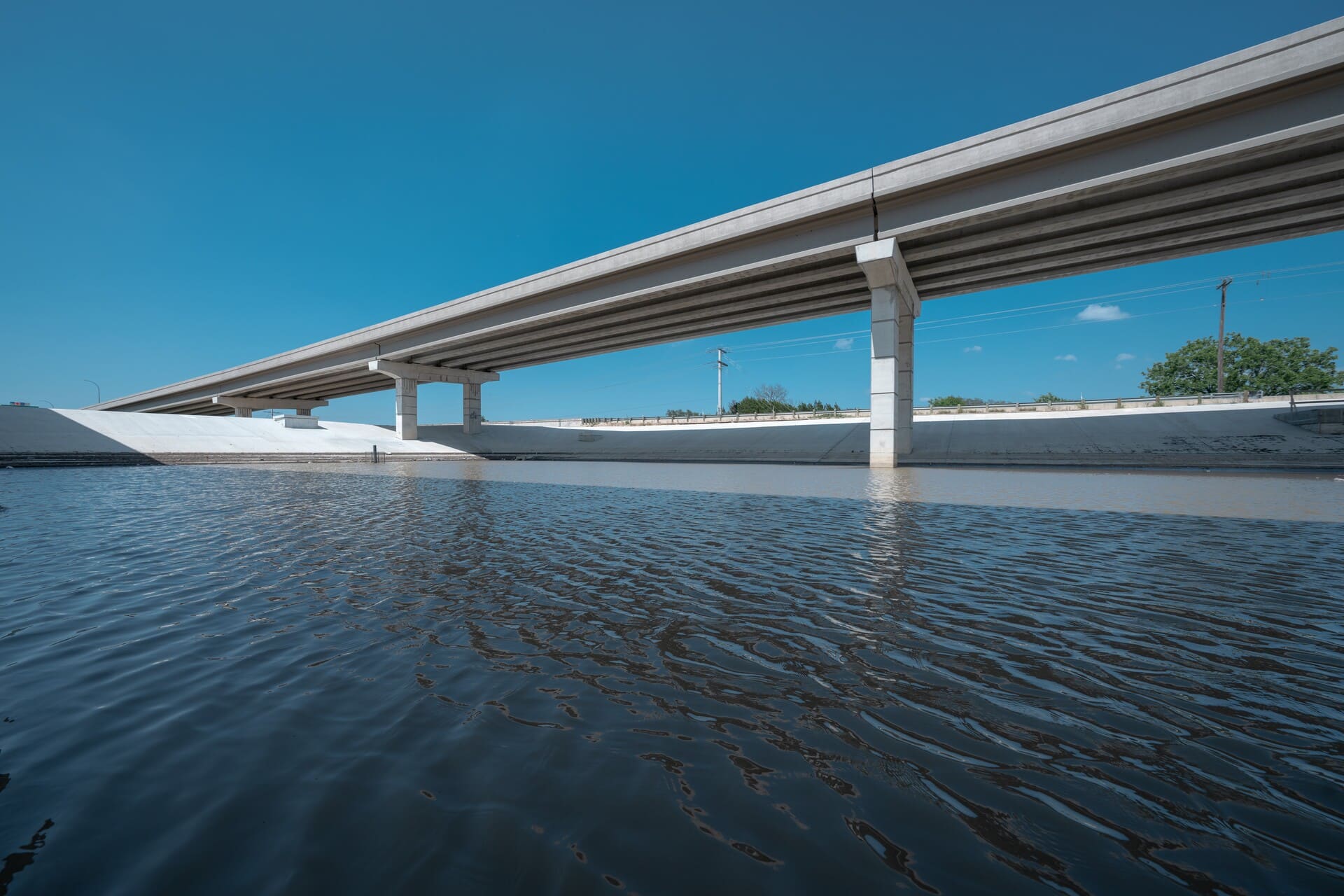
Commissioned by the Central Texas Regional Mobility Authority, the project extended the toll highway by approximately 8.5 kilometers, from Hero Way to the area north of State Highway 29. Lane‘s scope of work delivered two lanes in each direction along with the construction of 17 bridges and viaducts. This infrastructure was engineered to enhance mobility along a strategic corridor and help mitigate future congestion, providing new connectivity options for rapidly expanding communities.
The project was developed to meet surging transportation demand: according to Federal Highway Administration projections prepared during the design phase, traffic volumes along the US 183 corridor could increase by 183% by 2042. A curious numerical coincidence that underscores a very real challenge: upgrading connections before traffic growth makes congestion even more difficult to manage.
The project adhered to rigorous sustainability standards, utilizing reinforcing steel with 97% recycled content. Furthermore, the use of reclaimed water for dust suppression saved more than four million gallons of potable water.
The completion of 183A thus marks another milestone in modernizing the American infrastructure network, where safety, congestion reduction, and transit efficiency are increasingly critical to the mobility of people and goods. A challenge that involves not only building new infrastructure, but also upgrading existing assets, minimizing disruptions for drivers, and supporting sustainable regional growth.