


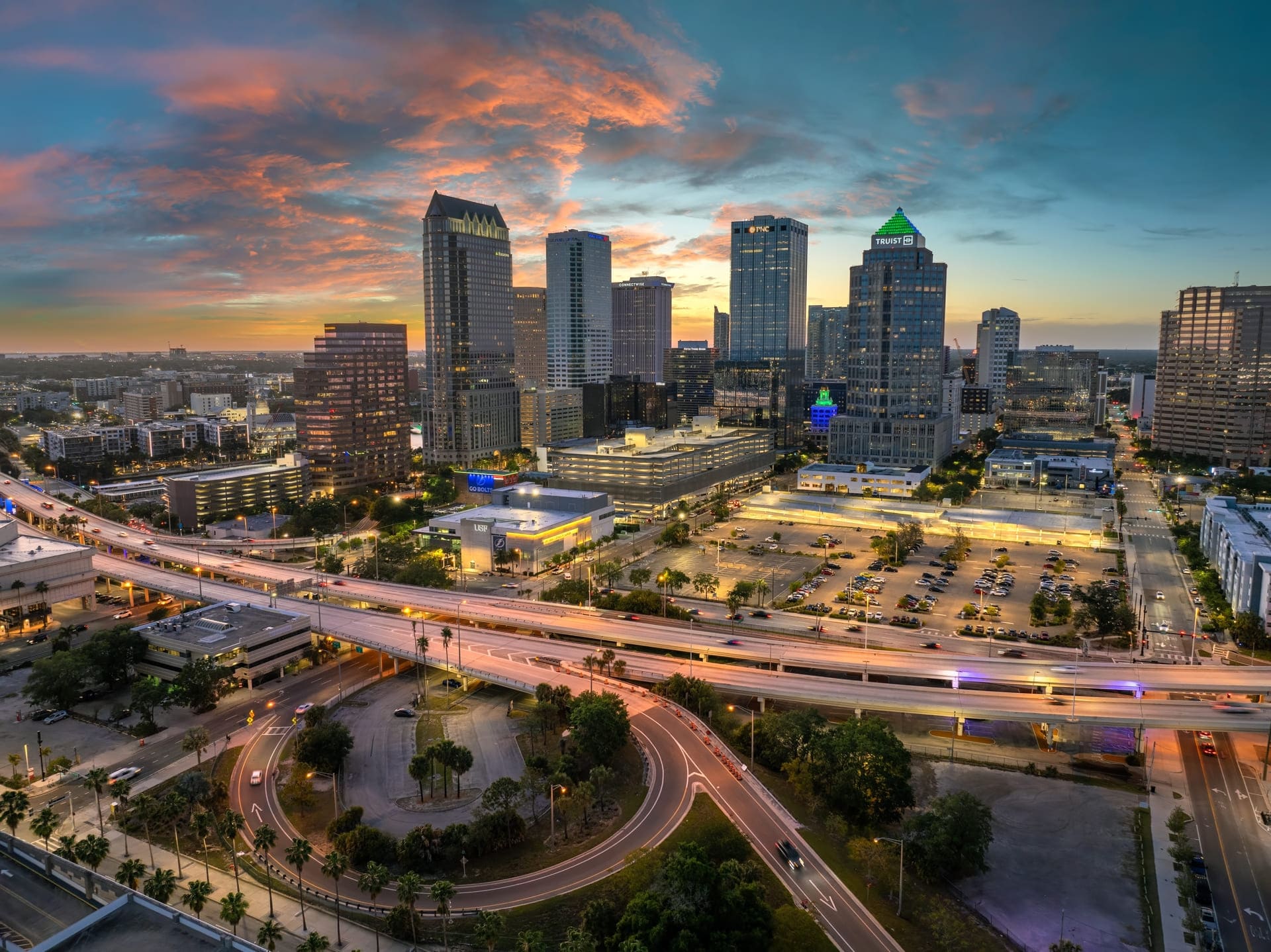
 Tampa, Florida
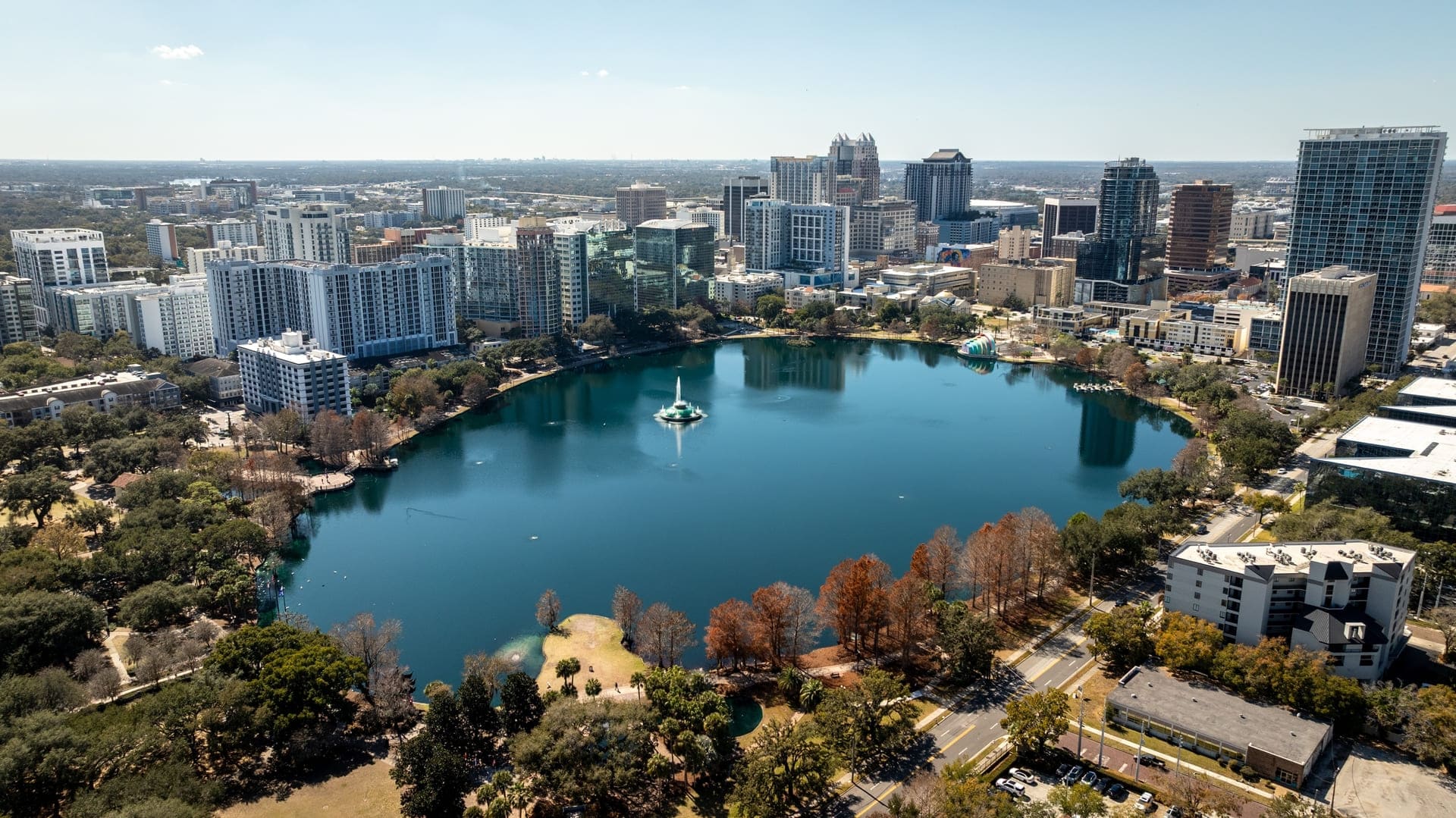 Orlando, Florida
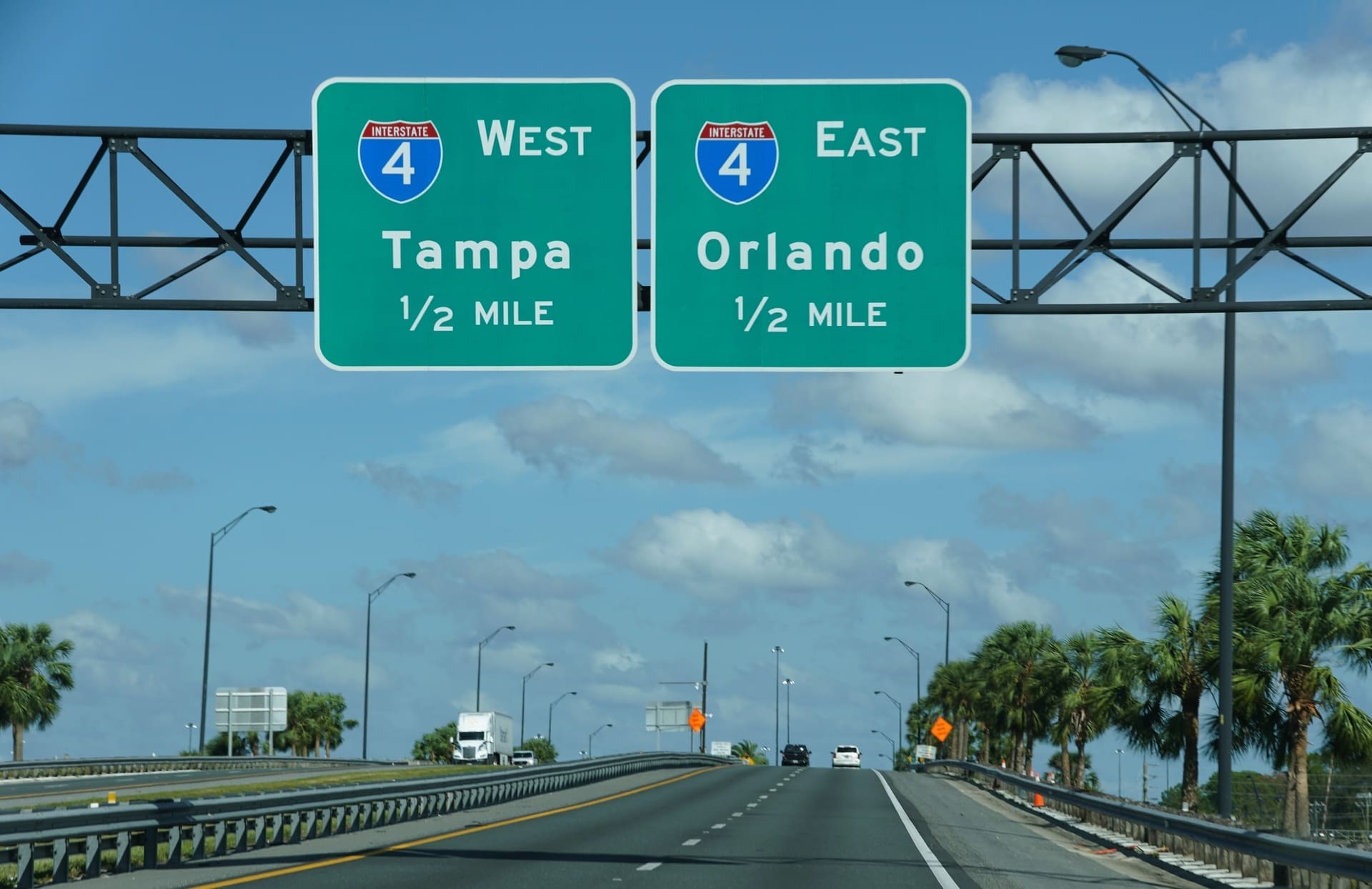 Interstate 4, Florida
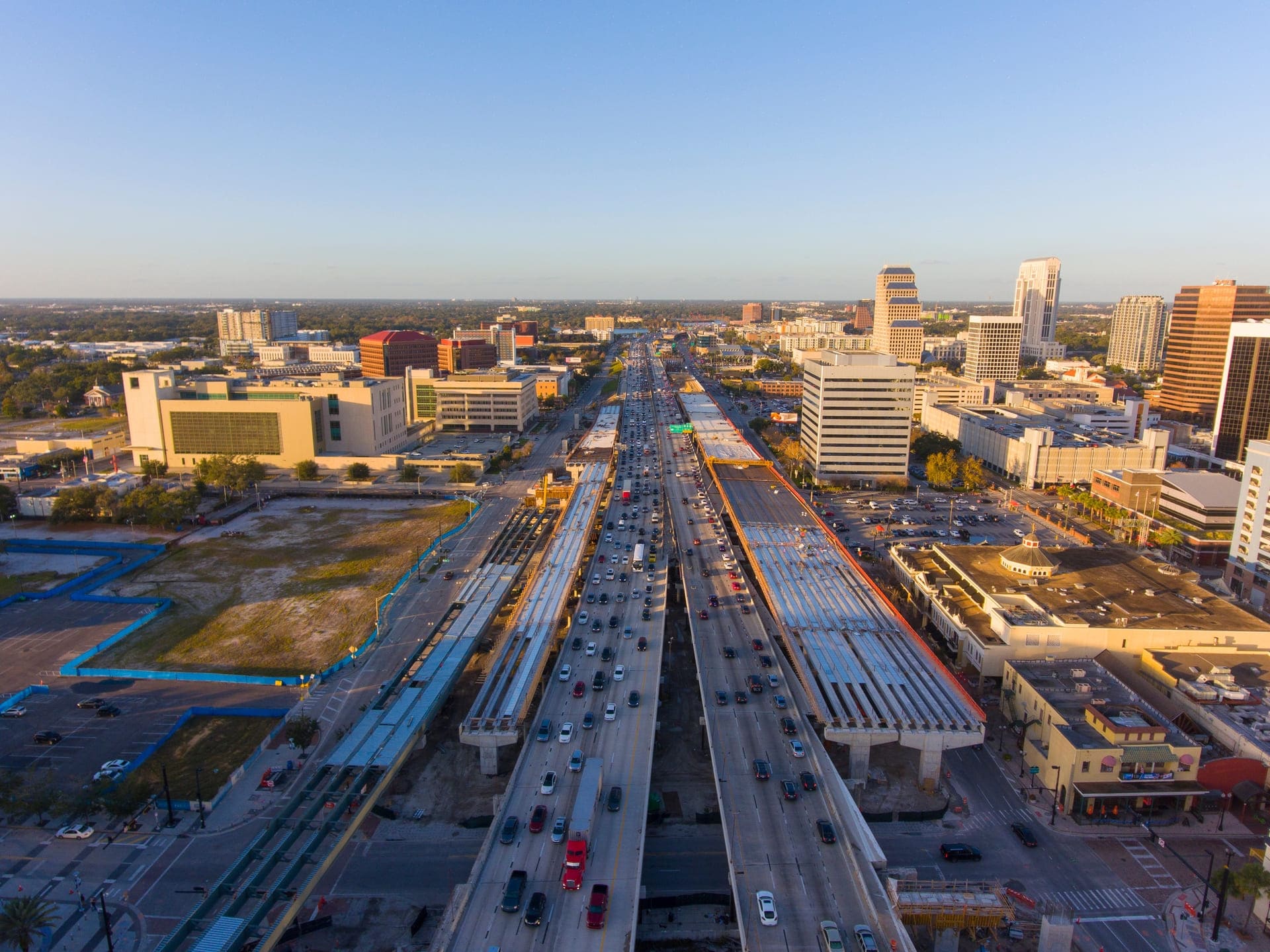 Interstate Highway 4 I-4 in Downtown Orlando
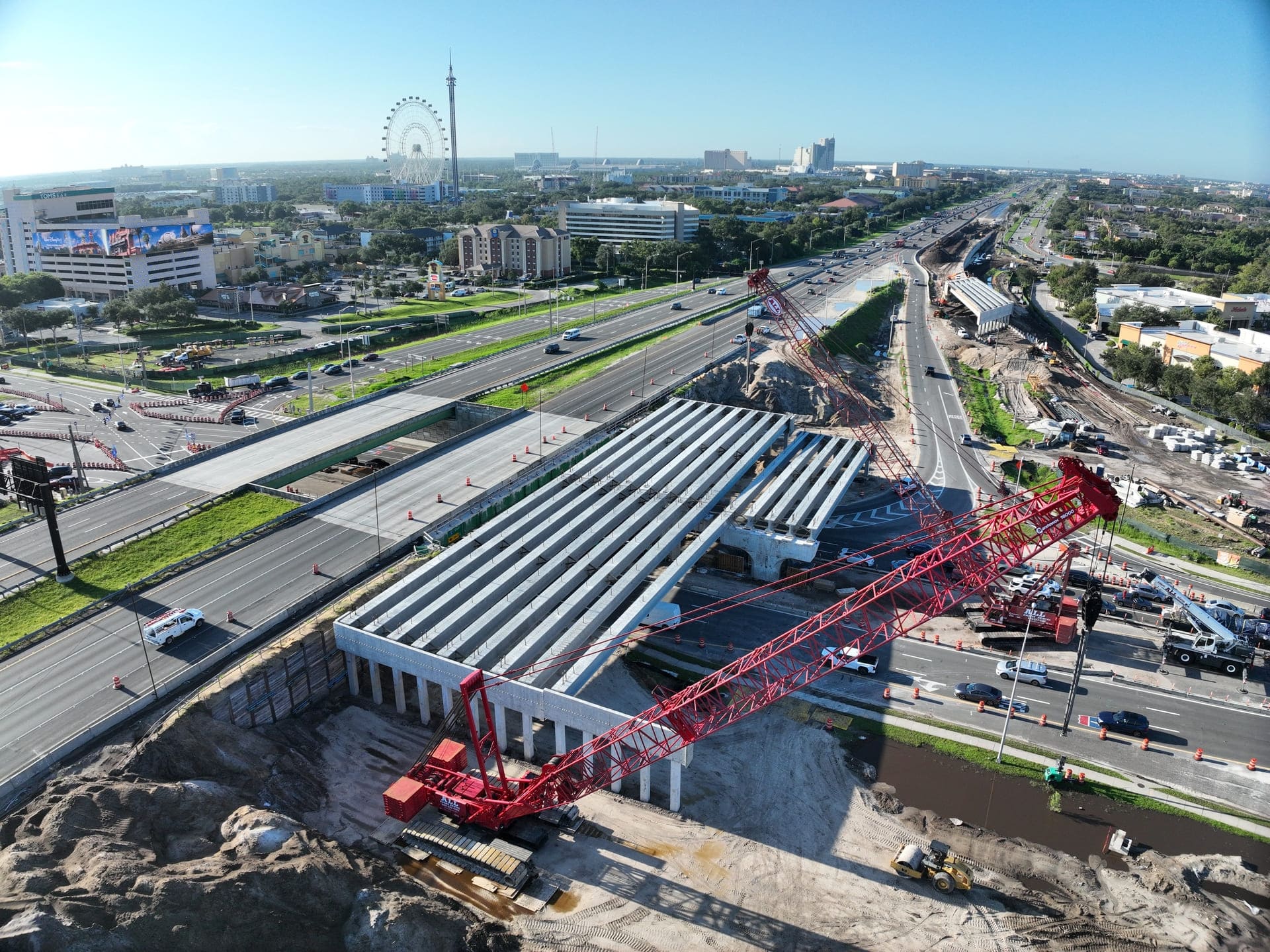 I-4 and Sand Lake Road Interchange Improvements, Florida
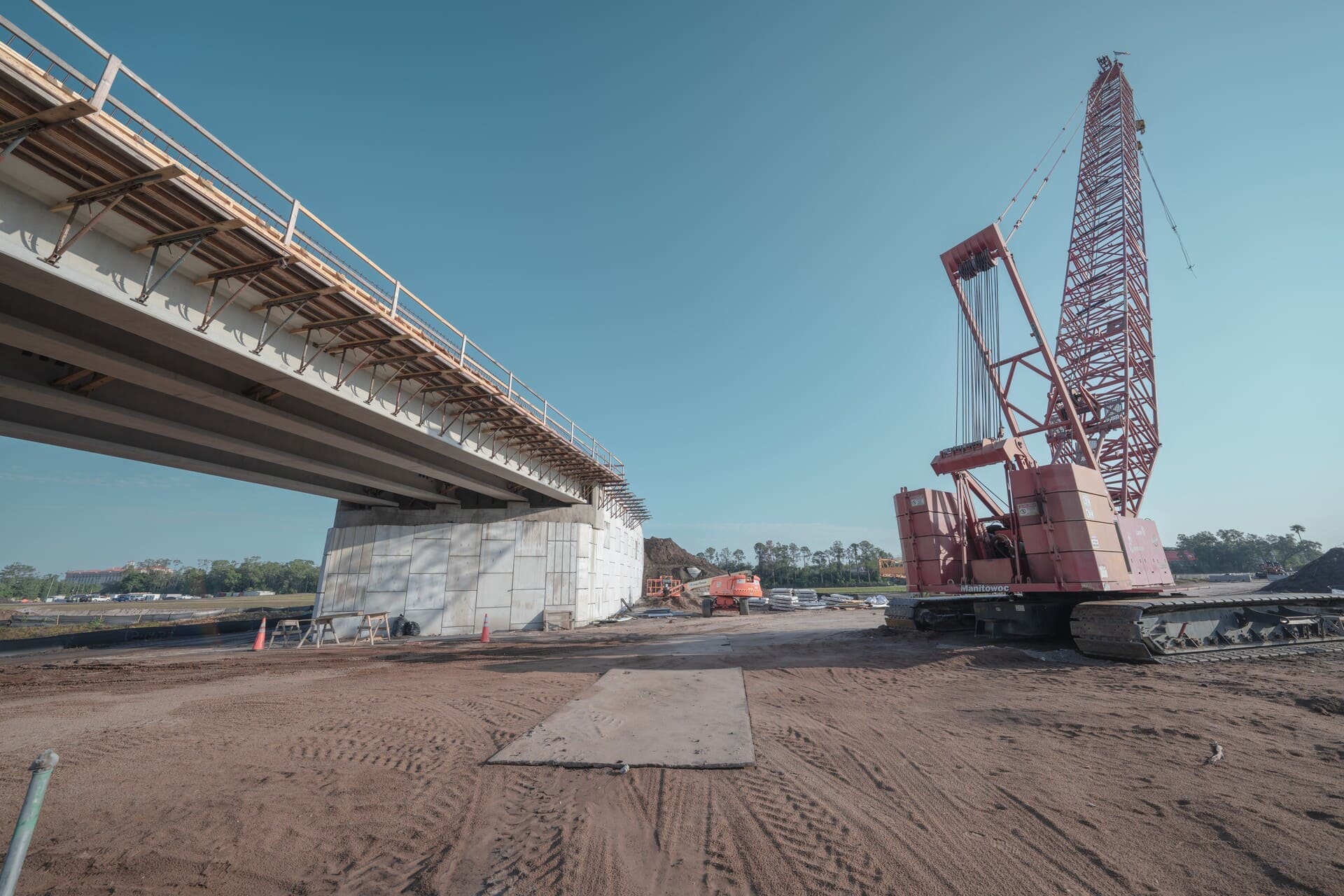 I-4 at Apopka Vineland Rd (SR 535) Interchange construction site
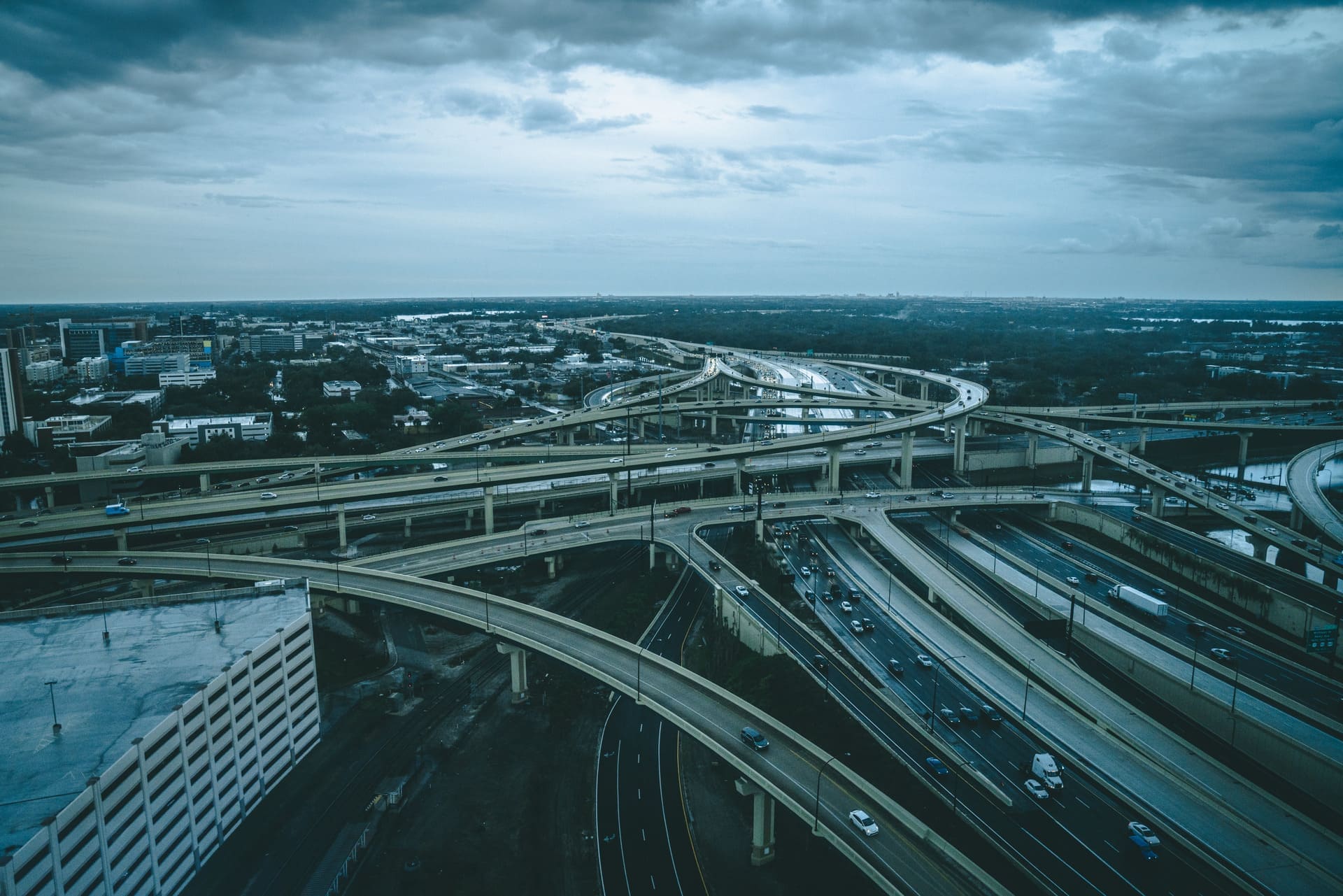 I-4 Ultimate Improvement Project – Orlando, Florida
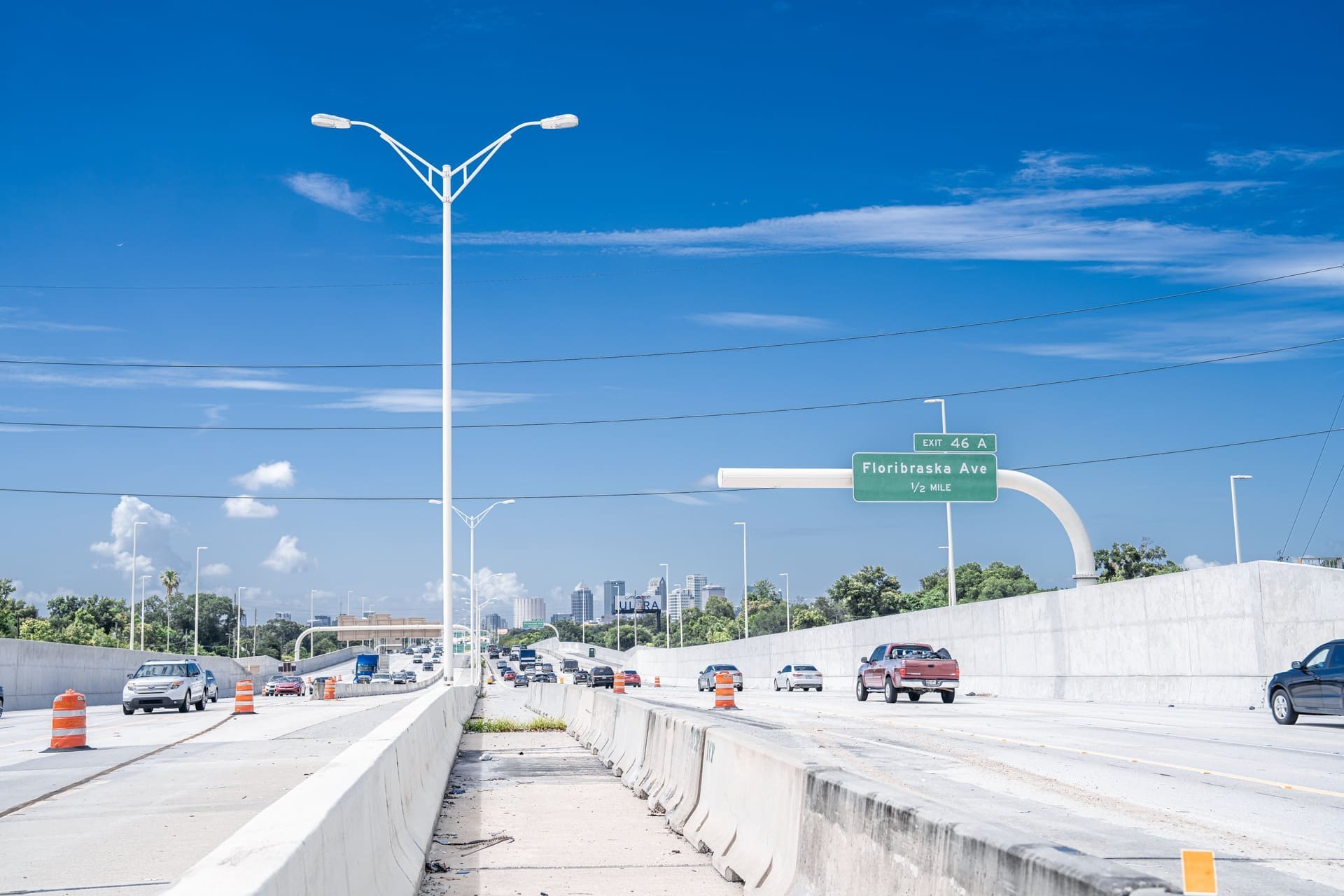 I-275 Section 7 Phase 1, Florida
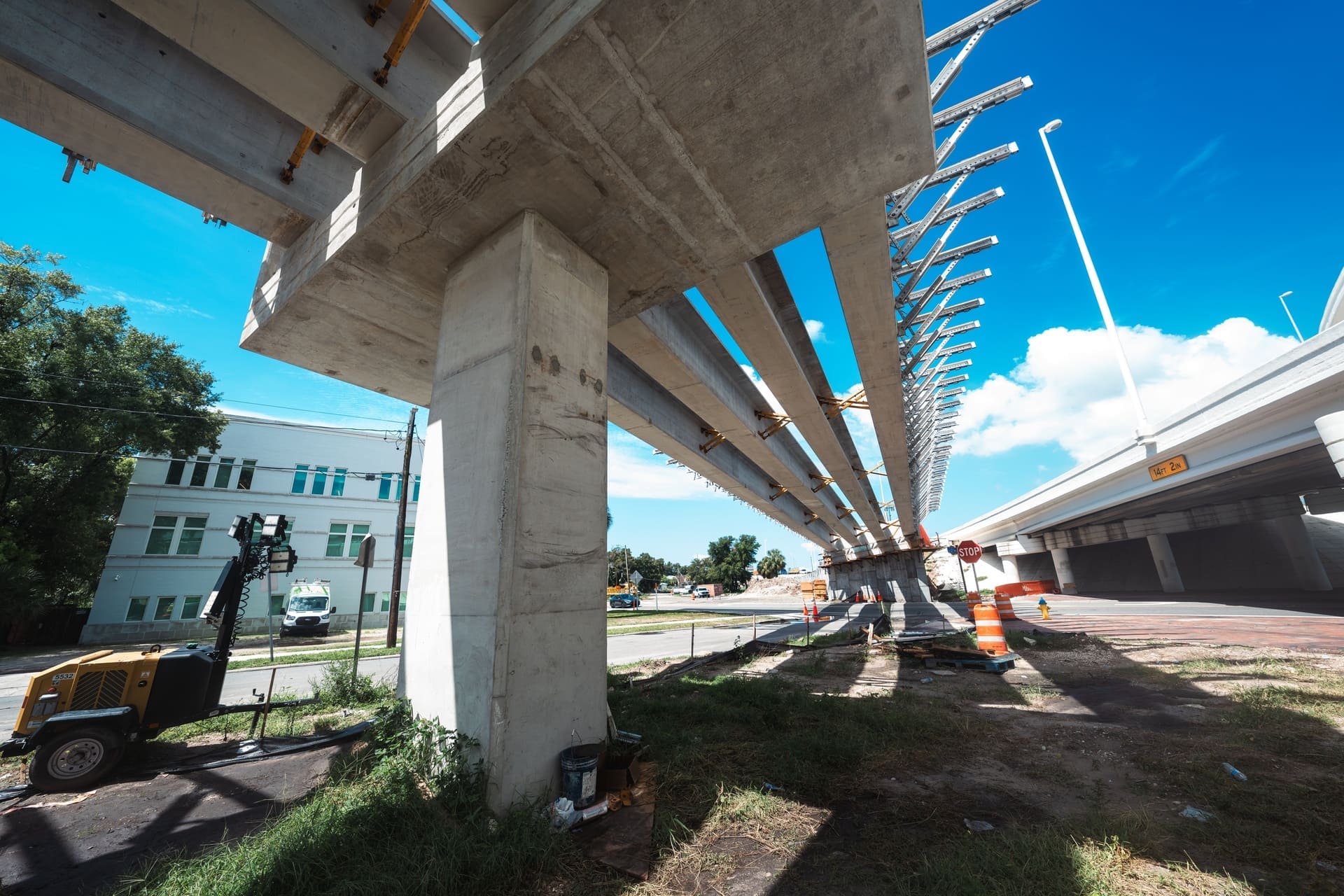 I-275 I-4 Downtown Tampa Interchange construction site
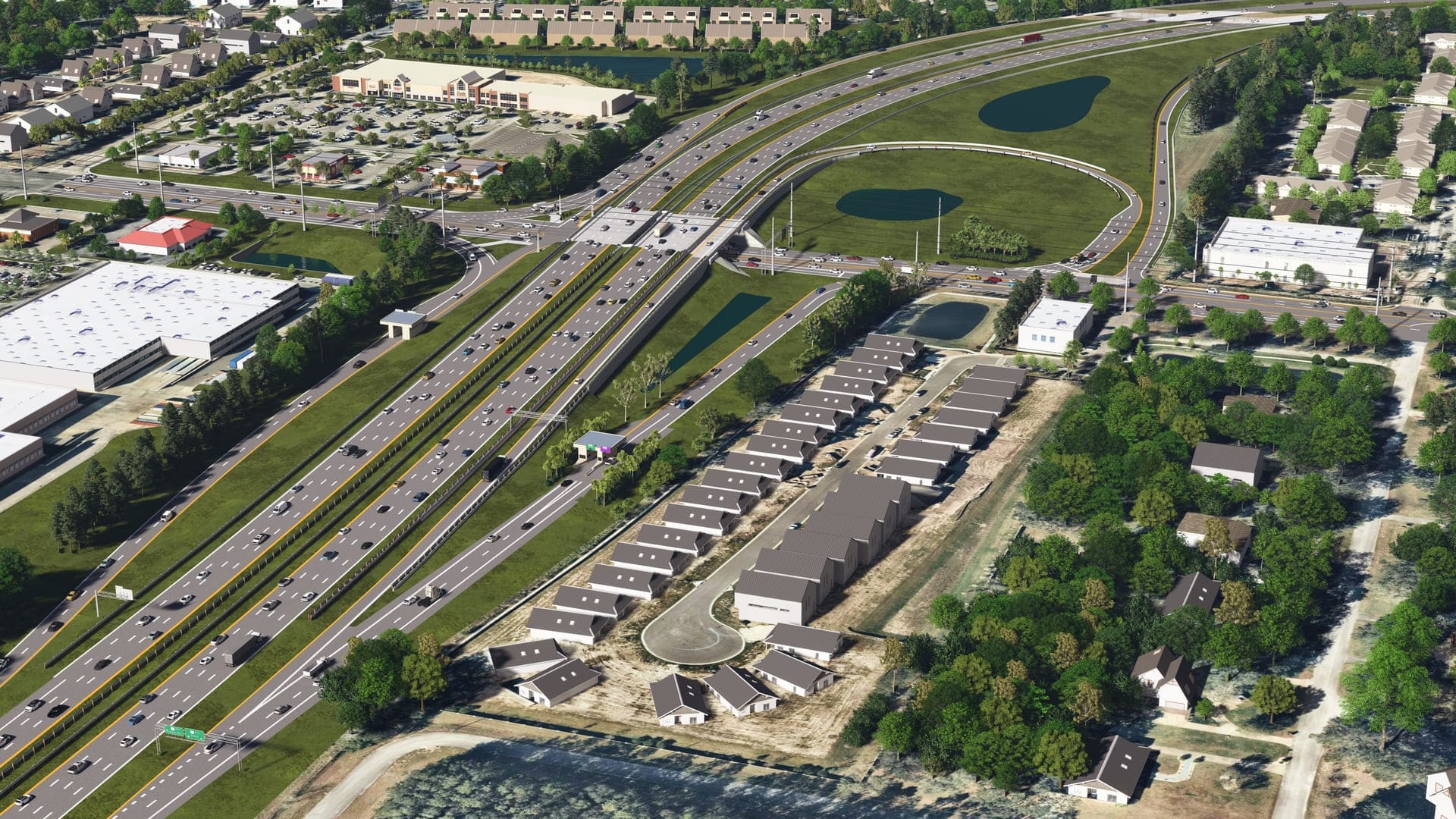 Seminole Expressway SR 417, Florida
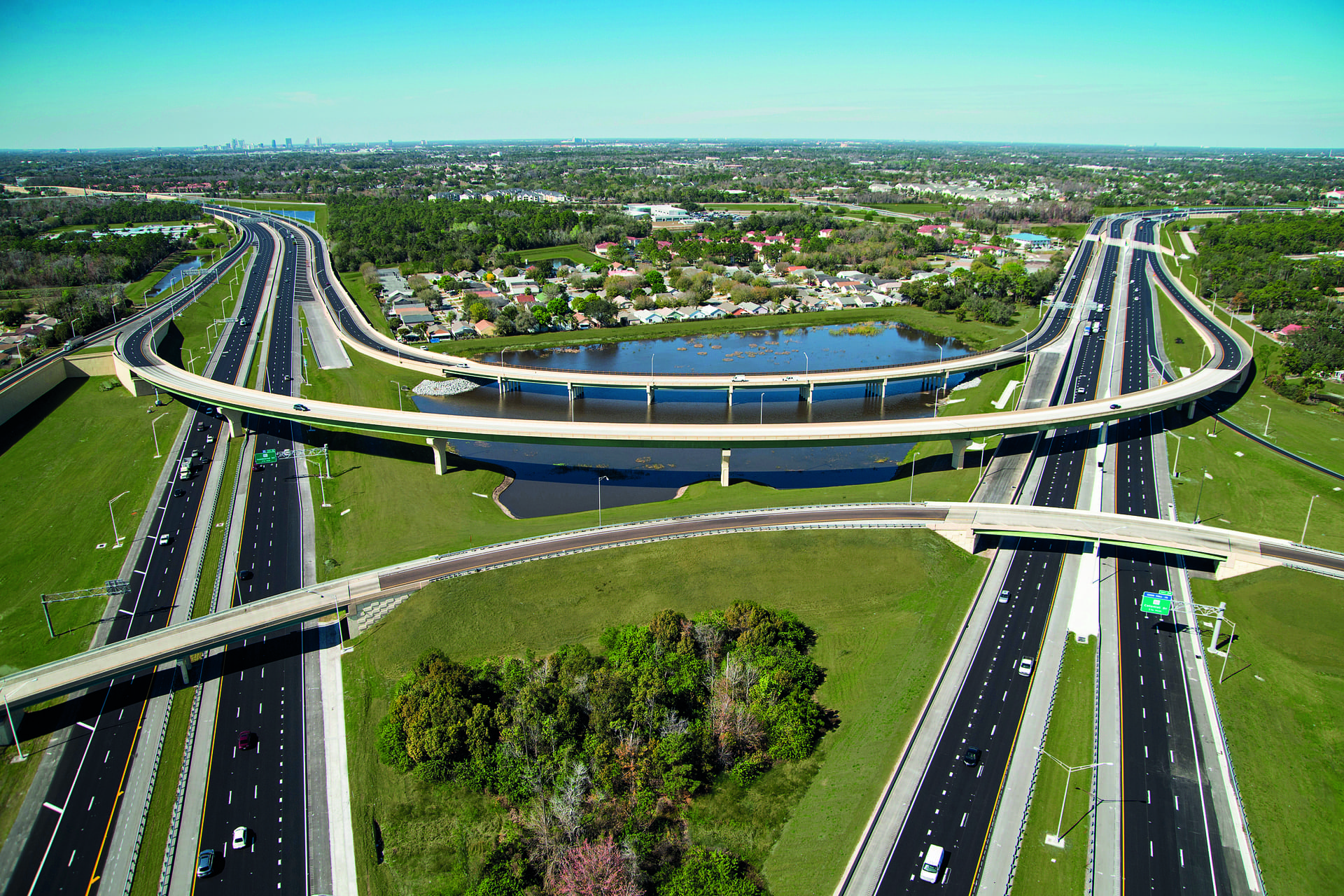 SR 408 417 Interchange, Florida
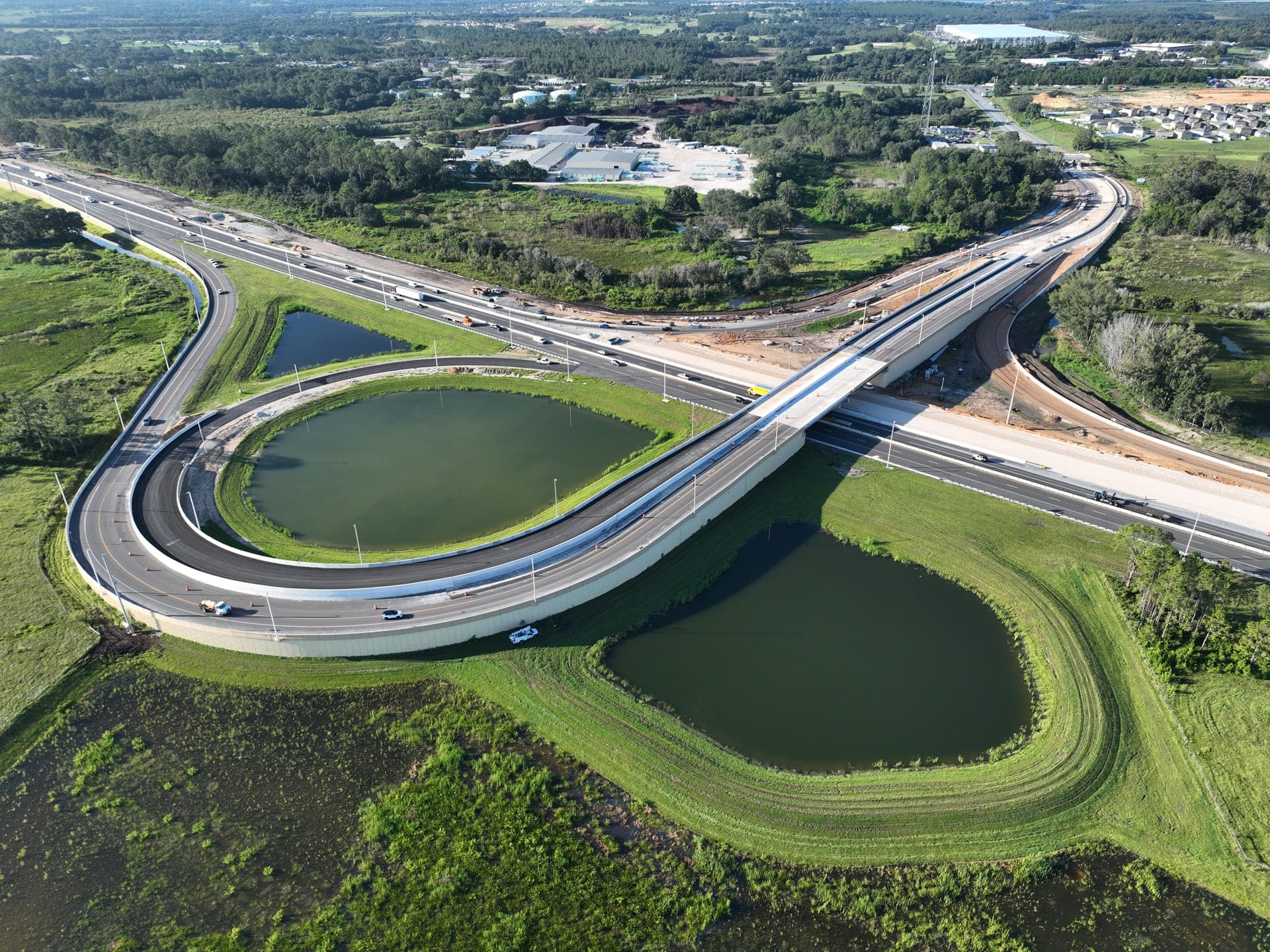 Turnpike Mainline Widening, Florida
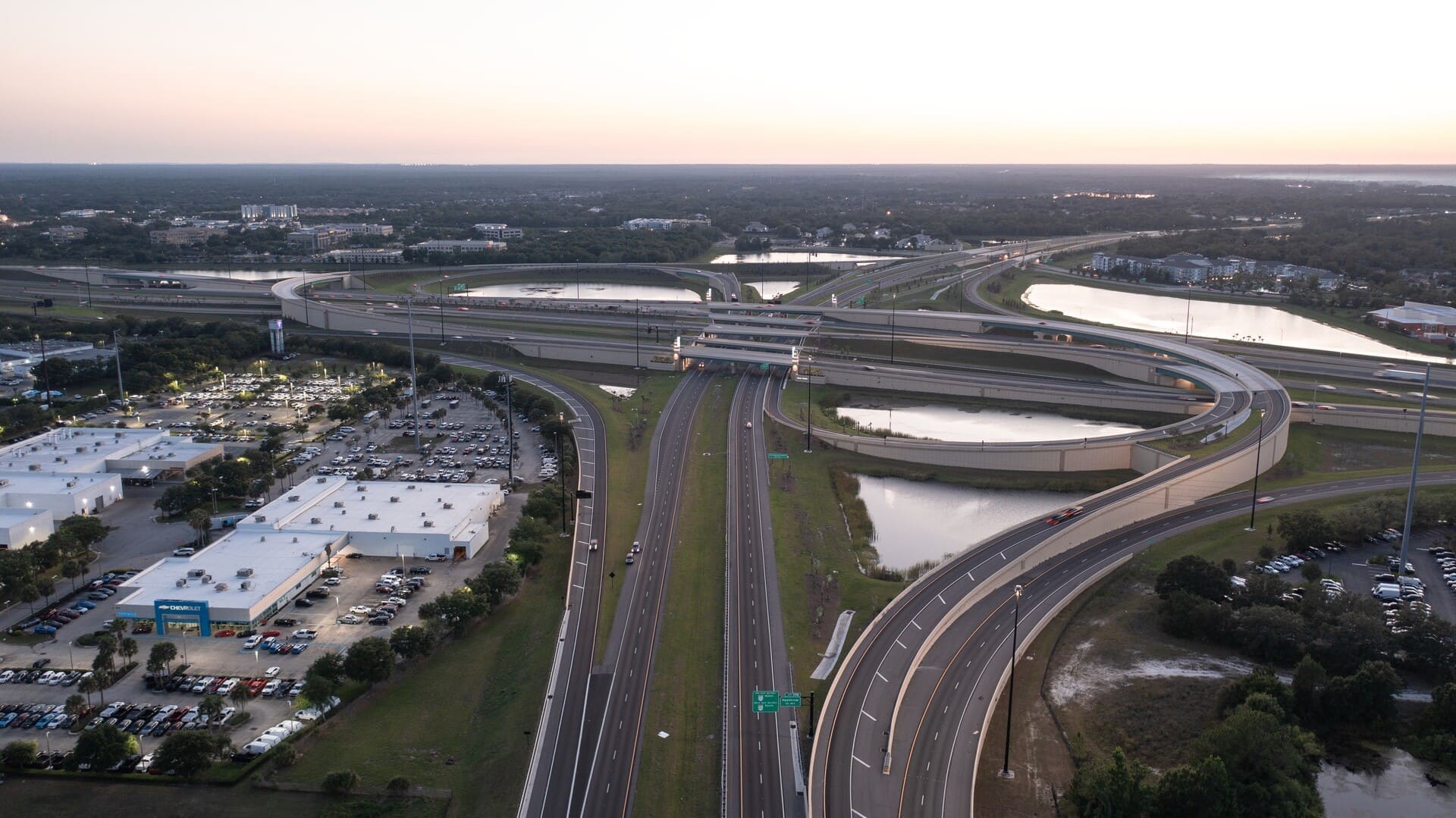 Wekiva Parkway, Section 8 - Orlando, Florida
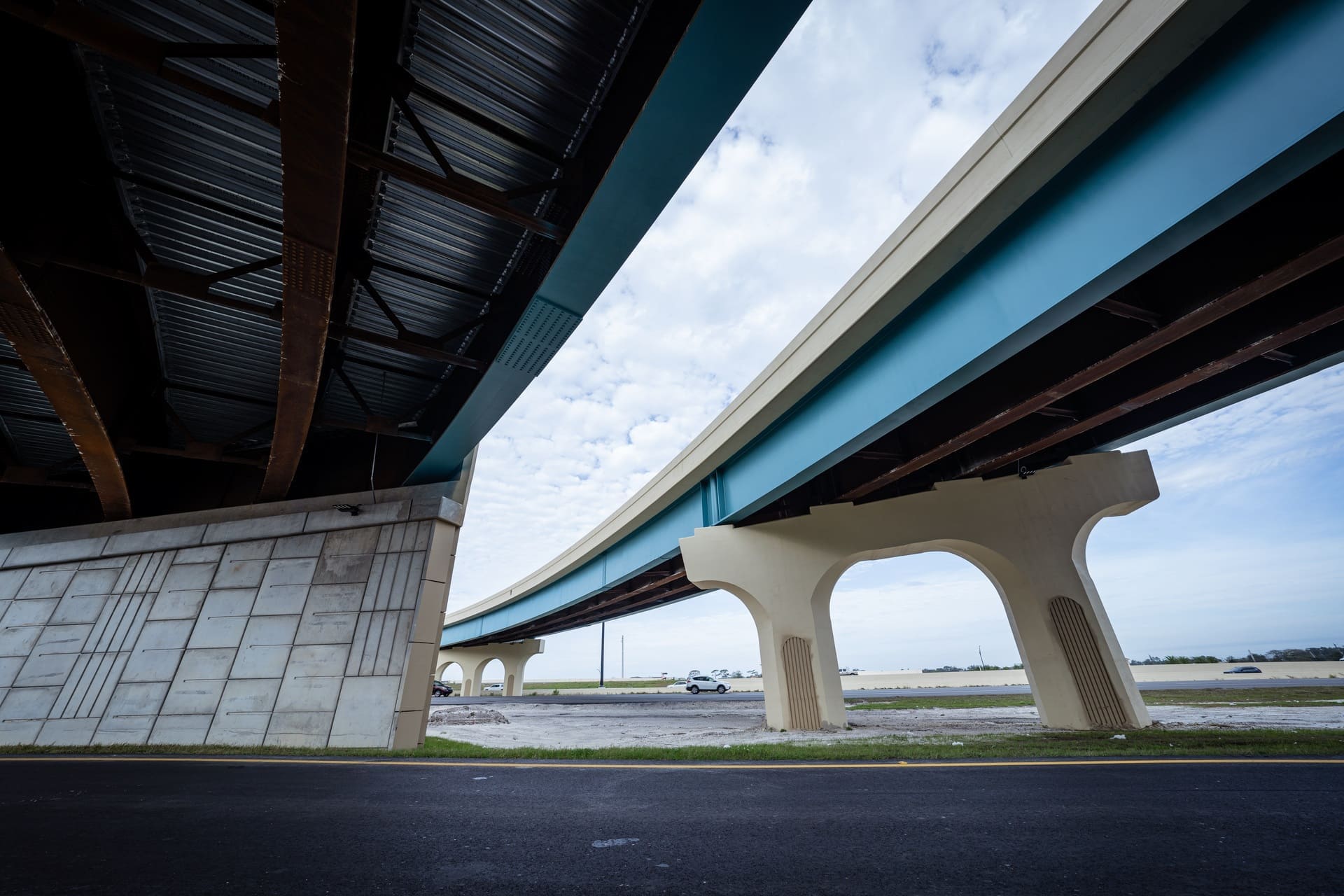 Wekiva Parkway, Section 8 - Orlando, Florida
- Florida invests $14.4 billion in transportation infrastructure to support economic and demographic growth, improve mobility, and prepare the state for the challenges of the coming decades.
- Lane Construction, a company of the Webuild Group, plays a leading role in the transformation of Interstate 4, the major highway corridor connecting Tampa and Orlando.
- In Tampa, the Westshore Interchange takes shape—a $643 million project featuring 43 new bridges and strategic links between highways, the airport, and economic districts.
- From the Seminole Expressway to Florida’s Turnpike, Lane's projects contribute to redesigning the road network of Central Florida.
- Florida’s new infrastructure also strengthens regional resilience, ensuring more efficient evacuation routes in the event of hurricanes.

Florida is gorwing fast. And its infrastructure is trying to stay ahead of it. For the 2026-2027 fiscal year, the state has allocated $14.4 billion to the Transportation Work Program—the program through which the Florida Department of Transportation (FDOT) funds the construction, maintenance, and modernization of the transportation network.
Nearly $4.9 billion is earmarked for highway construction and maintenance, while an additional $1.4 billion will finance the resurfacing of more than 2,600 lane miles. Added to these investments are the resources earmarked for ports and airports, but the true horizon extends even further.
Indeed, since July 2026, the new cycle of the Five-Year Work Program 2027-2031 came into effect, through which FDOT schedules interventions over the next five years for roads, bridges, public transit, railways, airports, seaports, and freight infrastructure.
It is the response of a state that must balance population growth, millions of tourists, freight transport, and emergency mobility. And one that increasingly chooses to act before surging demand turns major traffic corridors into bottlenecks.
The Strategic Axis Between Tampa, Orlando, and Daytona Beach
Within this transformation, Lane Construction, the United States subsidiary of the Webuild Group, is currently working on some of the most strategic nodes of Florida’s transportation network that links Tampa, Orlando and Central Florida attractions, such as Disney World, Universal Studios and Sea World.
And few pieces of infrastructure reflect the state’s development quite like Interstate 4—the highway traversing Central Florida from Tampa to Daytona Beach through Orlando, connecting rapidly expanding metropolitan areas, major commercial districts, and one of the highest concentrations of tourism in the world.
Right here, FDOT launched “Moving I-4 Forward,” a program that accelerates by 10 to 20 years various interventions initially scheduled much further into the future.
In April 2026, Lane was awarded a $582 million contract for the Moving I-4 Forward-Project 2. The project covers 3.1 miles (4.99 kilometers) between County Road 532 and World Drive in the ChampionsGate area, encompassing highway widening, two new express lanes in each direction, and the reconfiguration of the interchange with State Road 429.
It is the latest component of a much broader Lane presence along I-4. Indeed, in the Orlando area, Lane is also working on the I-4/Sand Lake Road interchange—a $218 million project that widens the interstate and converts the existing interchange into a Diverging Diamond Interchange.
Further south, the $102 million I-4/SR 535 project is transforming one of the main gateways to Walt Disney World and the surrounding hotel and tourism district, used every day by more than 150,000 vehicles.
Further west, in Lakeland, another Lane project valued at approximately $190 million is reconstructing the interchange between I-4 and State Road 33, widening the surrounding road network and preserving space in the Interstate median for a future rail corridor.
Taken together, these interventions reveal something greater than the modernization of individual interchanges: they show how Florida is committed to rebuilding its primary east-west artery for the mobility needs of the coming decades.
Major Infrastructure Projects for the Orlando Region
However, the pressure on Central Florida’s road network does not end at Interstate 4.
To the north and east of Orlando, Lane is also engaged in the widening of the Seminole Expressway/SR 417, one of the main alternative route to I-4 and an essential component of the highway system surrounding the city. The $299 million project expands six-mile (8 km) section of SR 417 from four to eight lanes, as well as upgrading bridges and interchanges.
SR 417 serves a function that carries exceptional importance in Florida: it is a designated hurricane evacuation route. This highlights another key element of the state’s infrastructure strategy—a modern highway network must handle daily population growth, but it must also provide capacity and reliability during emergency situations when millions of residents may need to move rapidly away from vulnerable coastal areas.
Tampa, the City Set to Accelerate
Approximately 80 miles west of Orlando, Tampa is also undergoing a profound transformation of its transportation network. In the heart of the city, Lane is working on the I-275/I-4 Downtown Tampa Interchange—a junction designed in the 1960s for around 60,000 vehicles per day and now carrying close to 200,000 vehicles.
The infrastructure project, valued at approximately $223.5 million, modifies ramps and connections, enhances capacity, and updates traffic management systems.
In 2026, Lane, in joint venture with Superior Construction, broke ground on the Westshore Interchange—a $643 million project situated at the convergence of I-275, State Road 60, and the Veterans Expressway, adjacent to Tampa International Airport and the Westshore Business District.
The new system includes a complet reconstruction of the interchange, express lanes, flyovers, direct airport connections, and 43 new bridges.
More than 400,000 vehicles travel through the area every day. Westshore is therefore more than just another highway interchange: it is a gateway to the region, connecting interstates, the airport, residential communities and one of West Florida’s largest business districts.
From Interstate 4 to Florida's Turnpike: People and Goods Along the Sunshine State's Major Highways
From the Turnpike to I-75, tourism and freight traffic coexist on the same road network. On Florida’s Turnpike, Lane is completing a $233 million project that reconstructed and widened seven miles (11 km) of the highway near Minneola, expanding the roadway from four to eight lanes.
In February 2026, the project achieved a major milestone: a new southbound lane between Hancock Road and U.S. 27 was opened 1,020 days ahead of the original deadline, nearly three years early.
Farther north, in the Ocala region, a $238 million design-build project is upgrading Interstate 75—one of the major north-south corridors in the Southeastern United States. The project includes new lanes, a new interchange, bridges, and upgrades to existing interchanges, while also enhancing access to the logistics hubs and distribution centers that have expanded around Ocala.
Like many of Florida’s major highways, Interstate 75 performs two functions at once: it is both a freight corridor and a hurricane evacuation route. That combination illustrates the demands placed on the state’s transportation infrastructure: moving people and goods every day while also becoming part of Florida’s emergency network when extreme weather strikes.
The key to Florida’s expansion is, in the end, a simple one: build before demand arrives. From Interstate 4 to the Turnpike, from Interstate 75 to Tampa’s major interchanges, the Sunshine State is not simply adding lanes, but preparing for the future, targeting the places where urban mobility, tourism, freight distribution and resilience increasingly intersect.