


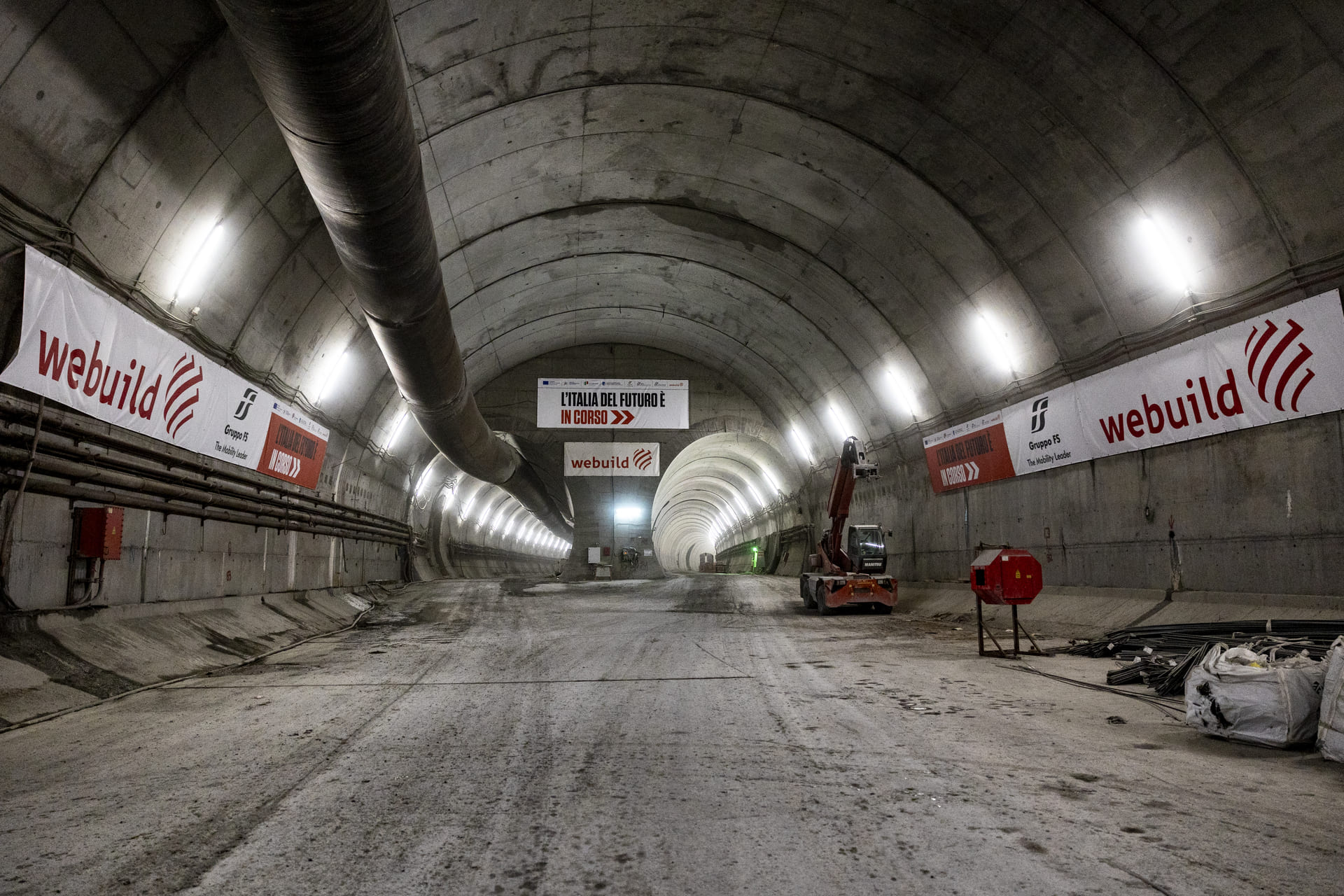
 Terzo Valico dei Giovi construction site, Genoa
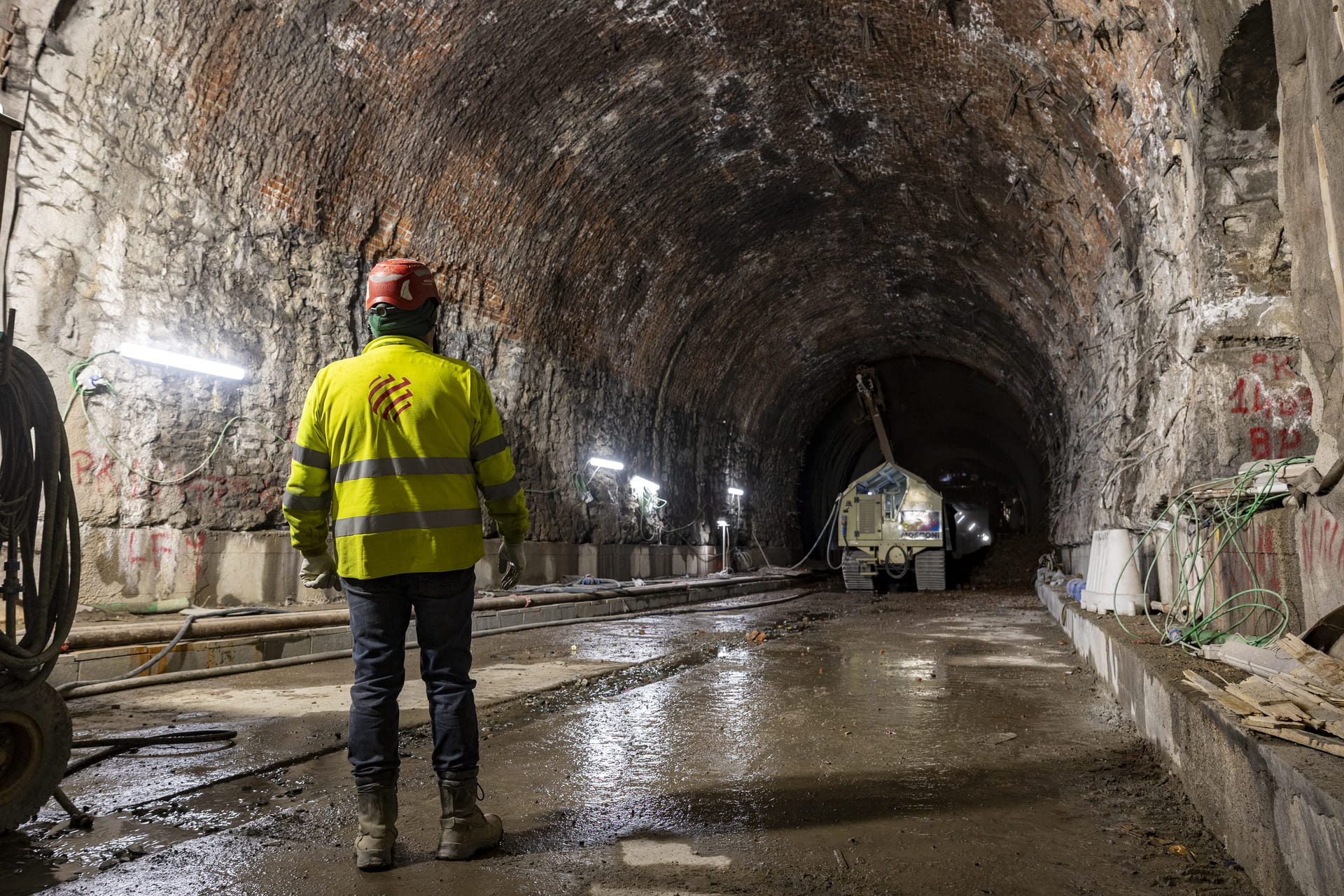 Terzo Valico dei Giovi construction site, Genoa
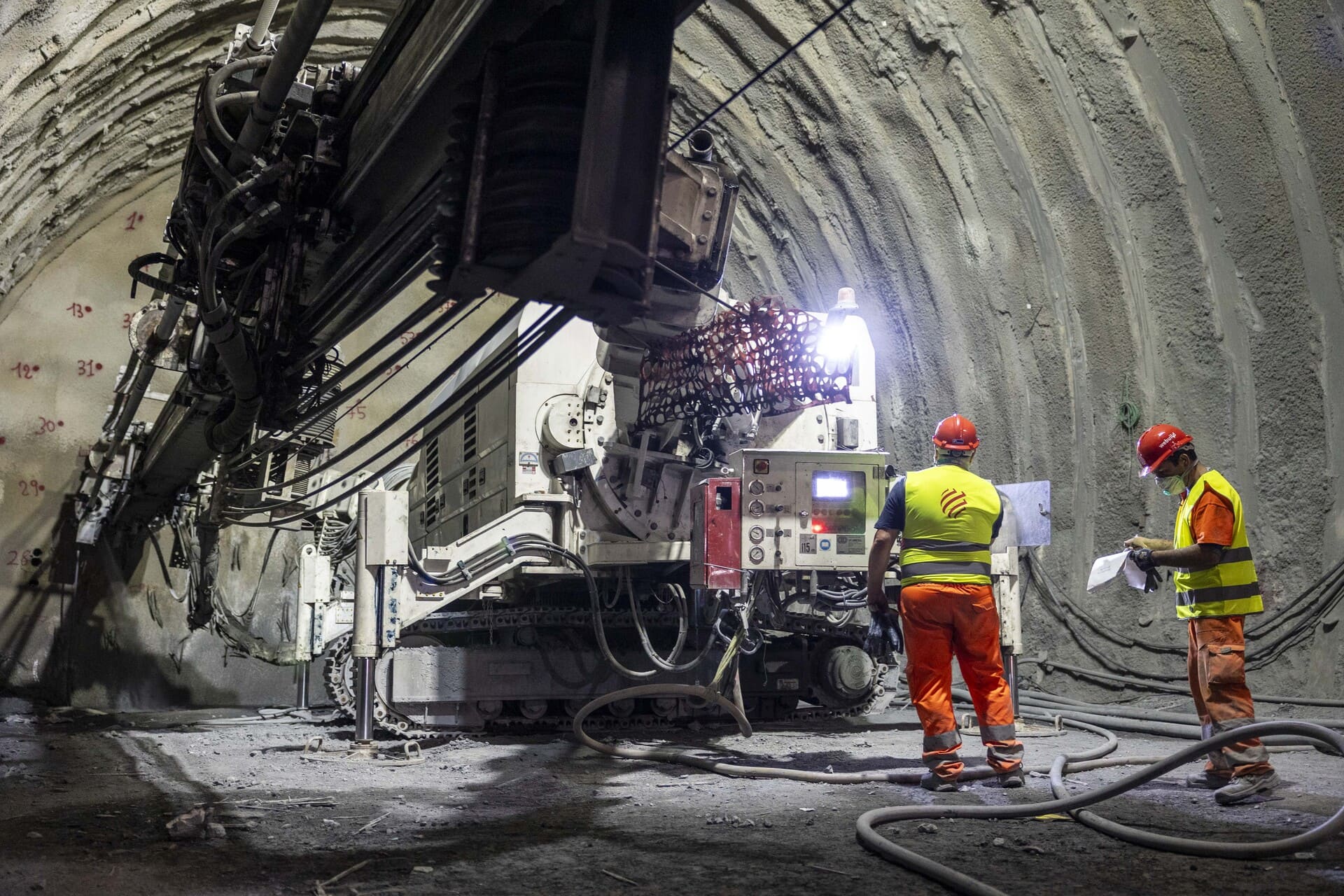 Terzo Valico dei Giovi construction site, Genoa
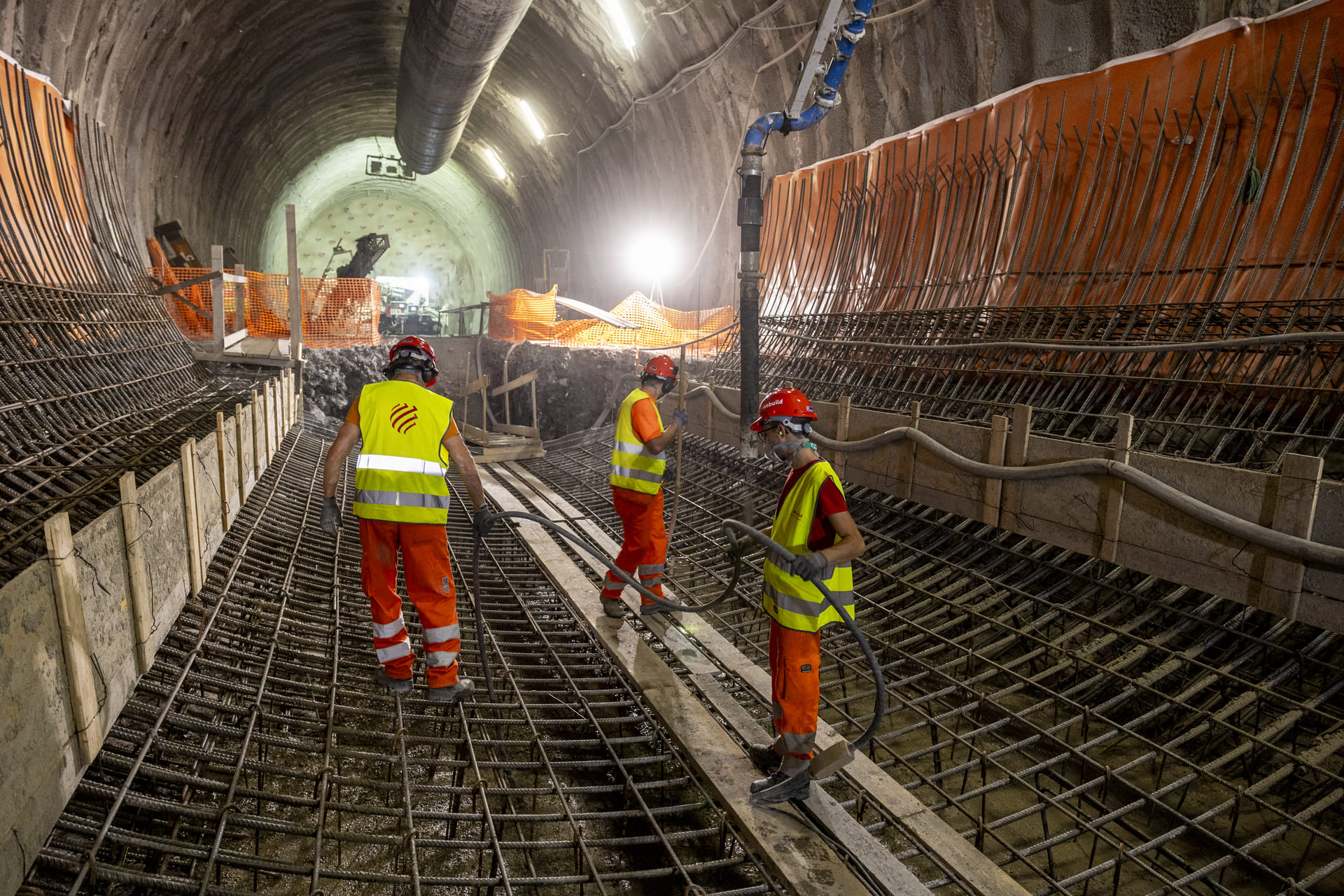 Terzo Valico dei Giovi construction site, Genoa
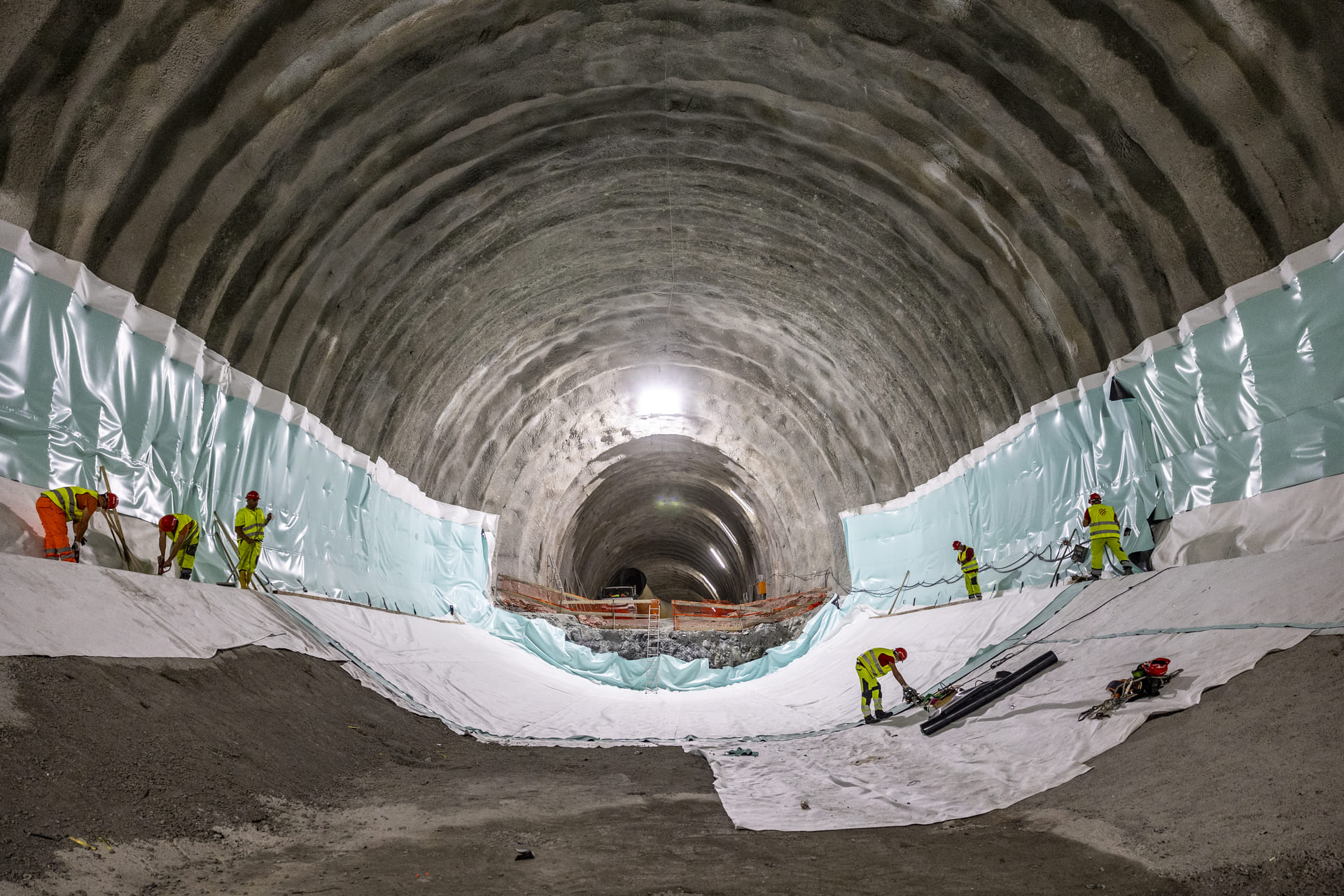 Terzo Valico dei Giovi construction site, Genoa
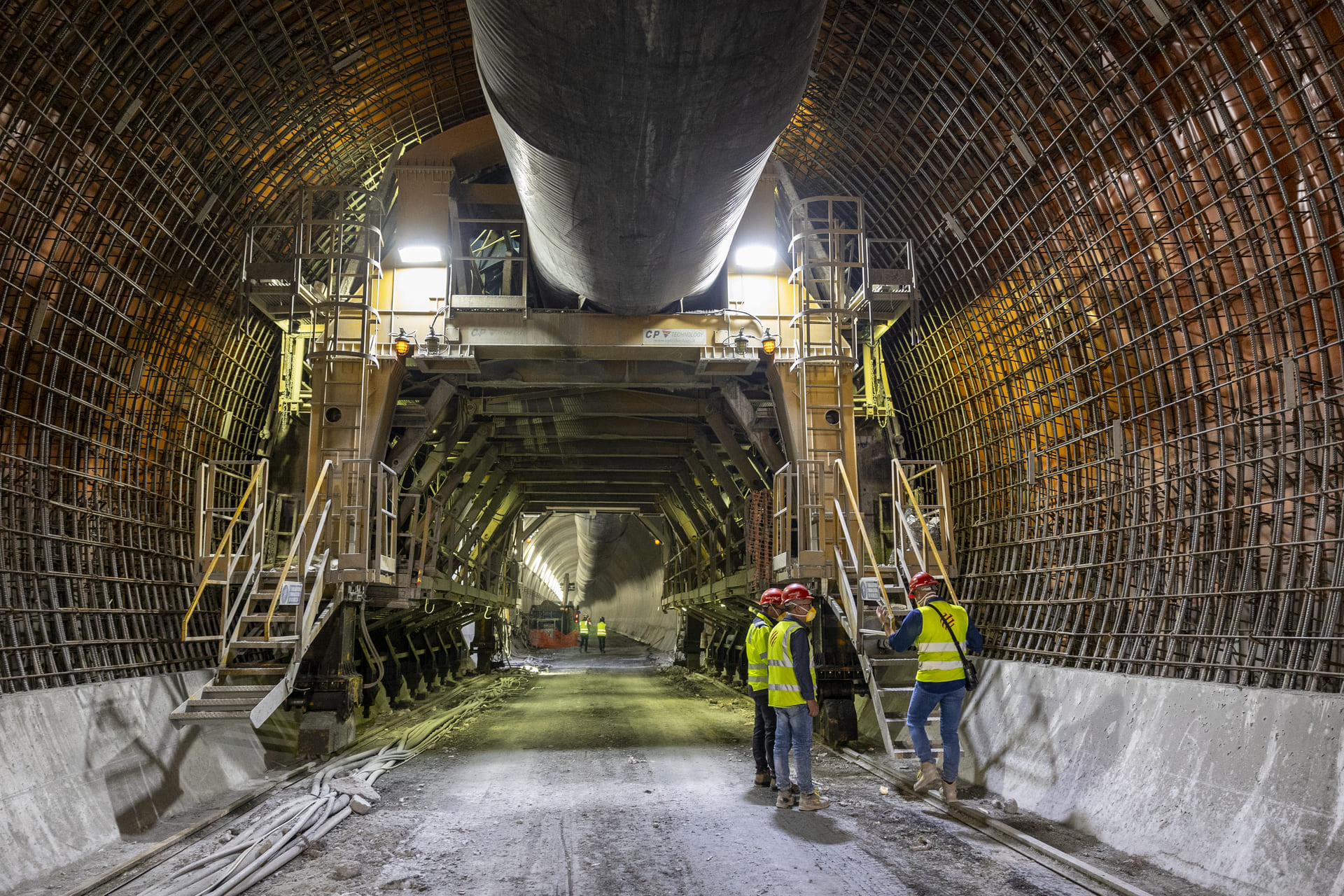 Terzo Valico dei Giovi construction site, Genoa
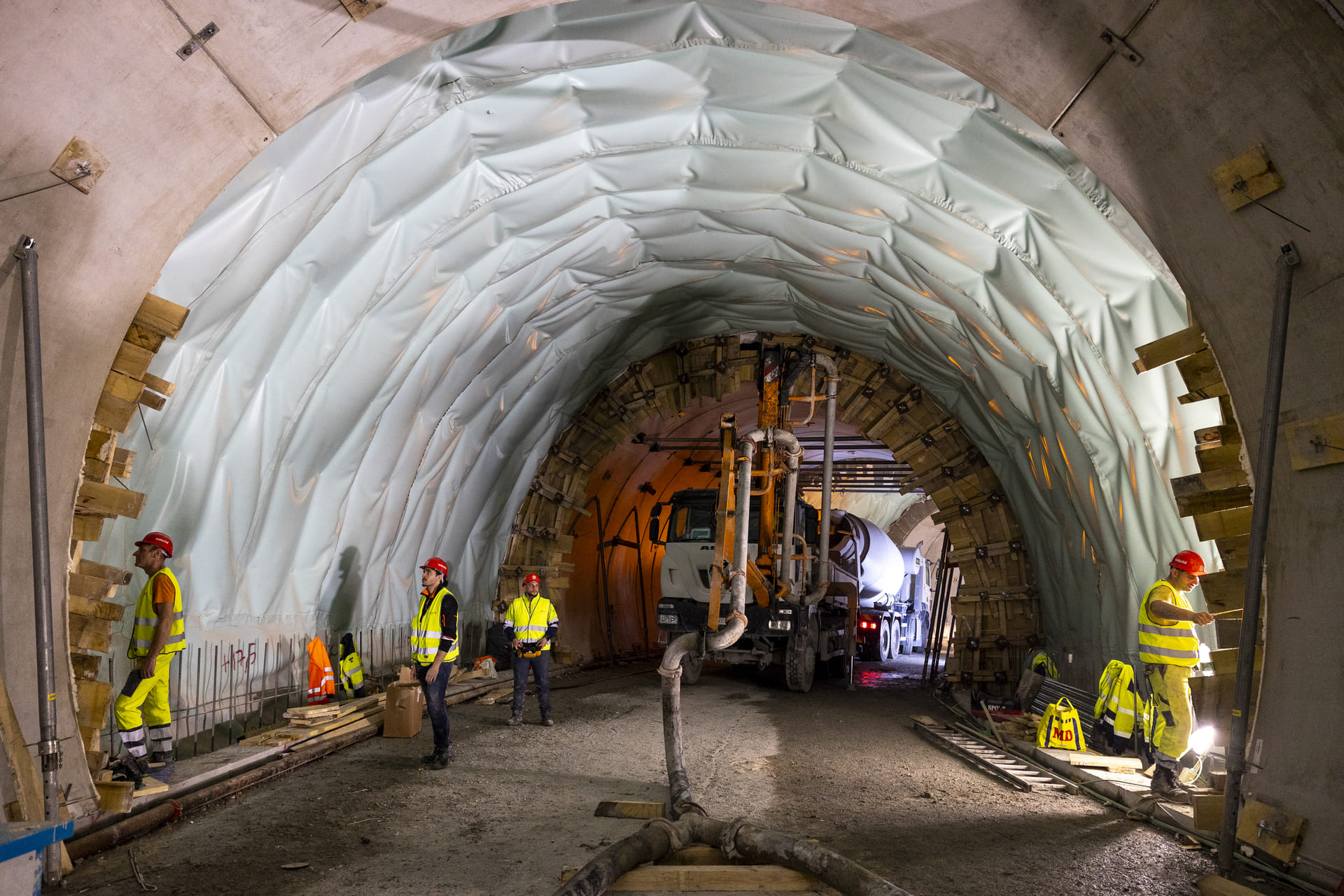 Terzo Valico dei Giovi construction site, Genoa
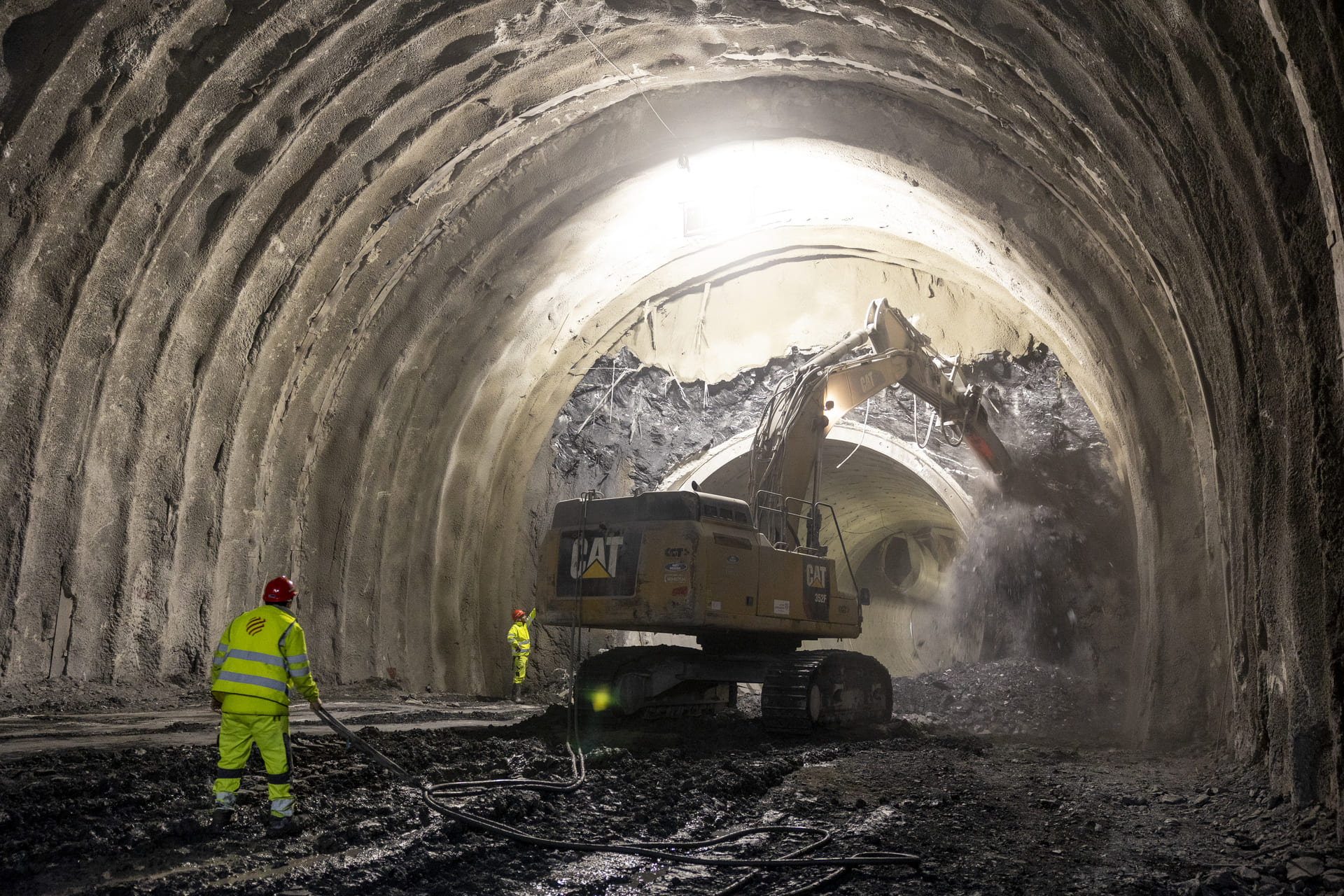 Terzo Valico dei Giovi construction site, Genoa
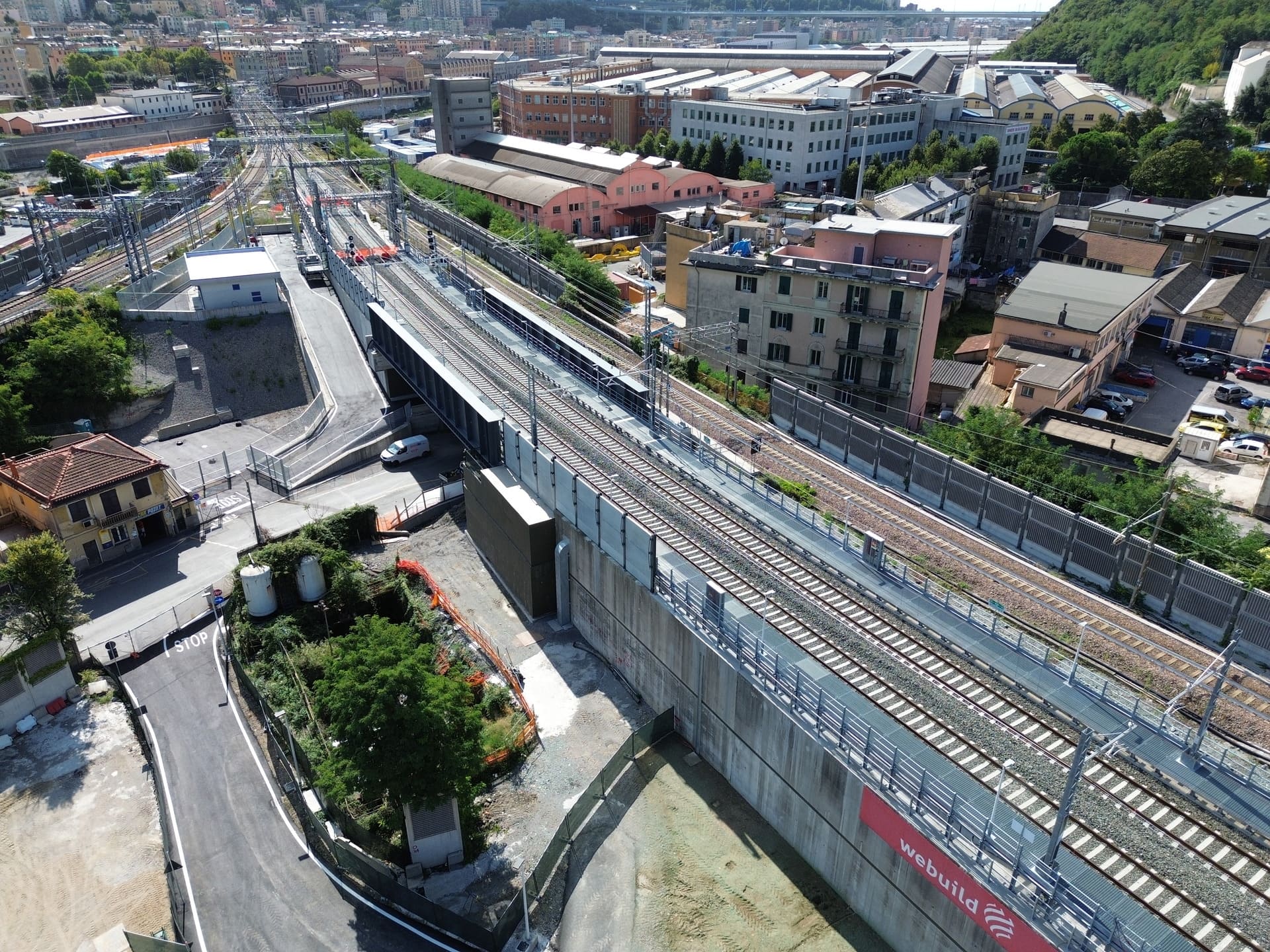 Terzo Valico dei Giovi construction site, Genoa
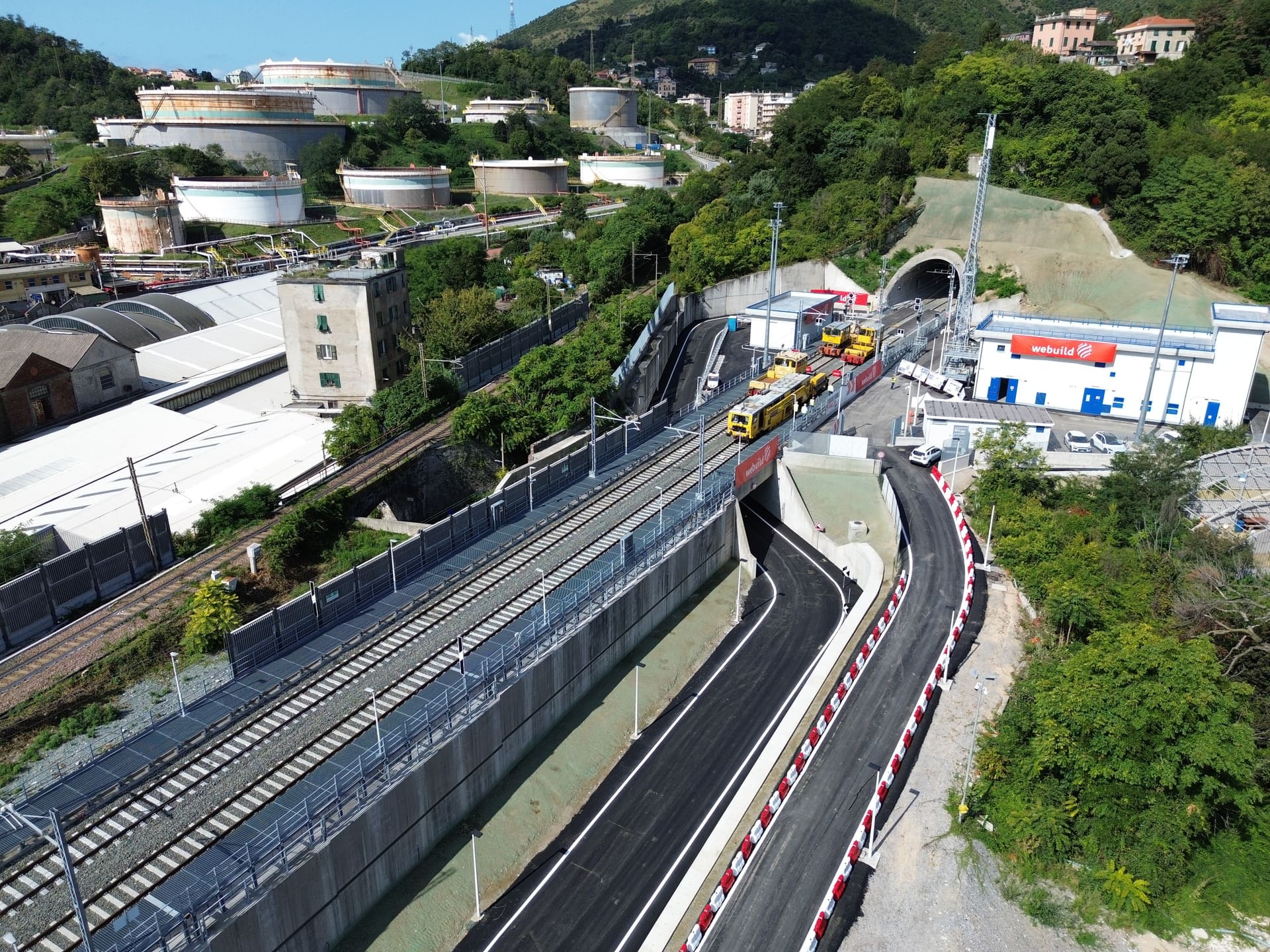 Terzo Valico dei Giovi construction site, Genoa
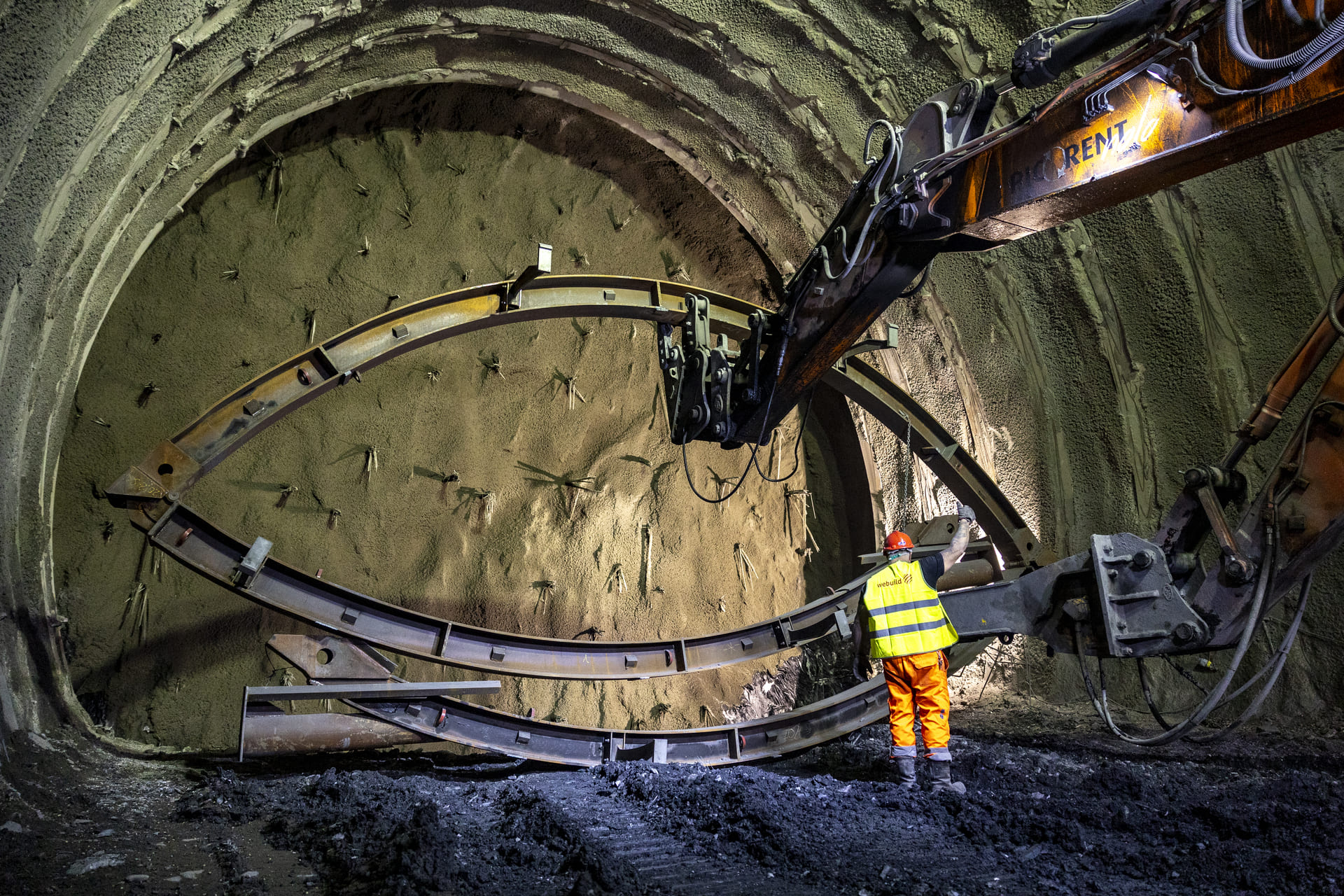 Terzo Valico dei Giovi construction site, Genoa
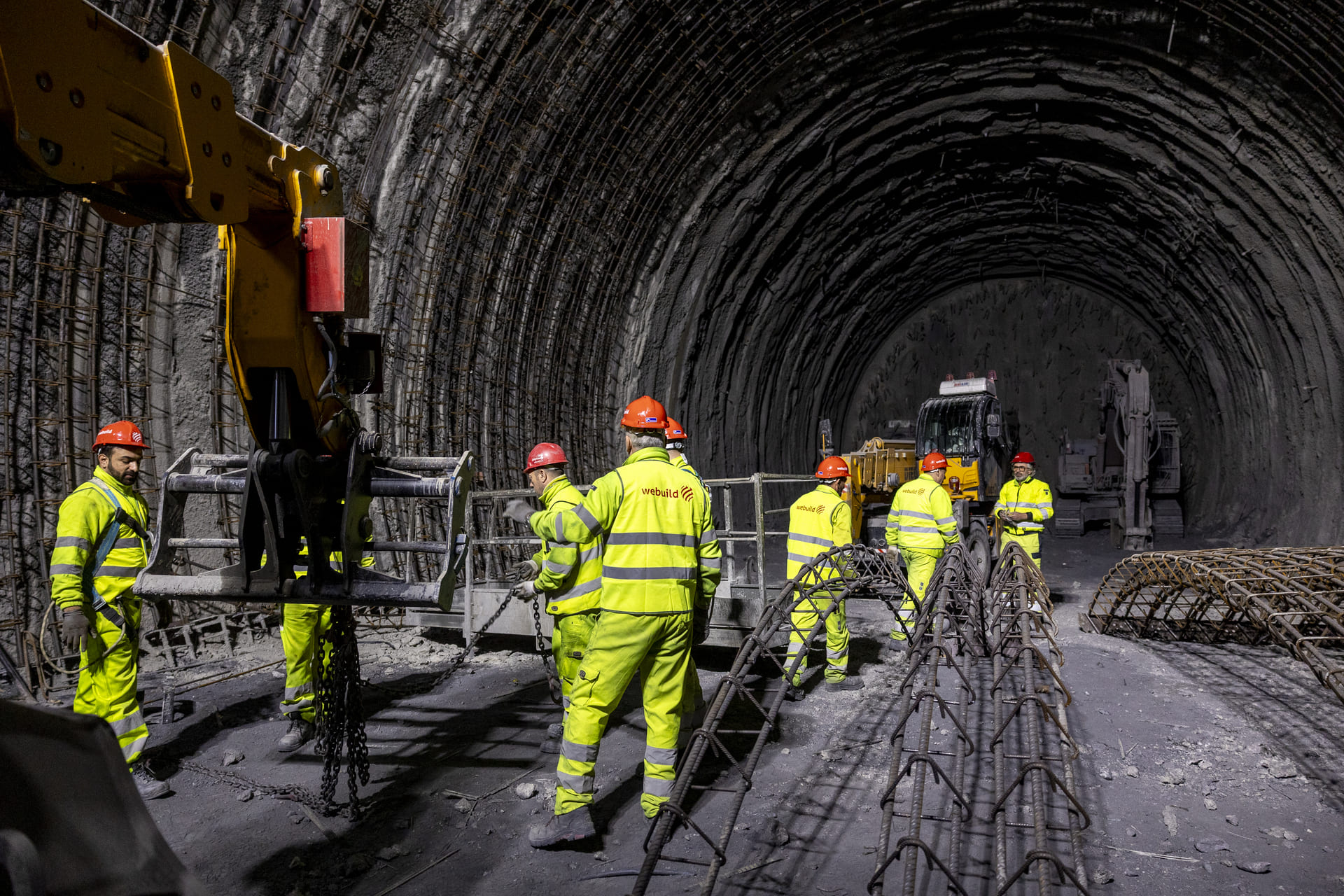 Terzo Valico dei Giovi construction site, Genoa
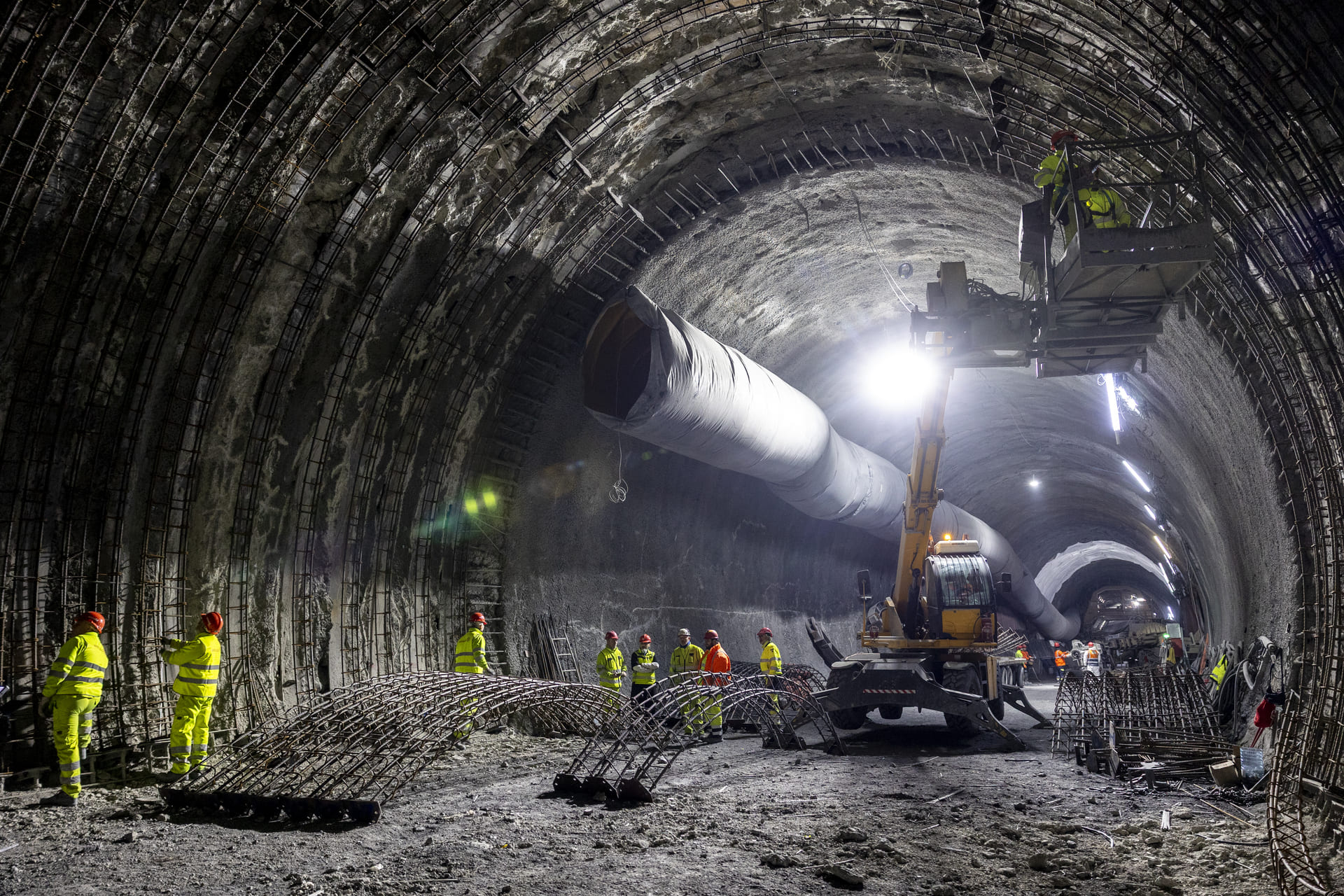 Terzo Valico dei Giovi construction site, Genoa
- Webuild wins the ITA Tunnelling Award 2026 with an innovation that enhances worker safety at the tunnel face, developed for the Terzo Valico dei Giovi–Genoa Rail Node project.
- The semi-automated steel arch rib system makes tunnel support operations safer and faster, reducing the exposure of workers operating inside the tunnel.
- The Group has delivered 3,466 kilometers of tunnels worldwide, consolidating its leadership in major underground works.
- From the Brenner Base Tunnel to the Grand Paris Express, Webuild deploys its expertise on the planet's most complex construction sites.
- The integration of automation, scientific research, and civil engineering expertise opens new frontiers for safety and efficiency in underground construction.
read more

An innovation created to protect workers at the tunnel face wins the ITA Tunnelling Award 2026. The international accolade honors the semi-automated steel arch ribs developed by Webuild on the Terzo Valico dei Giovi project and confirms the Group’s excellence in major underground infrastructure, where civil engineering, technology, and expertise turn geology’s challenges into safer solutions.
It is here, in the underground job sites of the Terzo Valico dei Giovi (the project to build the high-speed rail line that will carry the Milan to Genoa train), that the Group developed a technology redefining tunnel construction in squeezing rock masses. A semi-automated rib installation system that primarily keeps workers away from the most exposed areas of the tunnel face, while ensuring both prompt support of the excavation and reduced cycle times.
An innovation that has earned one of the industry’s most prestigious international honors: the ITA Tunnelling Award 2026, presented in the Technical Innovation of the Year category by the International Tunnelling and Underground Space Association (ITA-AITES).
The award does not merely celebrate a geotechnical engineering solution; it recognizes a model of innovation born directly on construction sites, stemming from the convergence of hands-on human experience, scientific research, and the industrial capacity to tackle unprecedented challenges.
The Challenge of the Terzo Valico dei Giovi: Squeezing Rock Masses
To understand the value of this award-winning innovation, one must descend into the tunnels of the Terzo Valico, the railway project set to strengthen connections between Genoa, Northern Italy, and Europe.
Here, the challenge is not merely tunneling through rock, but contending with ground subjected to exceptional stresses due to the movements of tectonic plates. Pressures can converge from multiple directions, fluctuate in intensity, and trigger deformations even at a considerable distance from the tunnel face.
Convergence measurements and loads recorded on the steel arch ribs revealed that, under an overburden of approximately 500 meters, the stresses exerted on the primary lining were comparable to those expected under overburdens of 1,000–1,200 meters. This behavior demanded a fundamental rethink of tunnel construction and support methods.
The answer emerged from a deceptively simple principle: interpret the rock mass deformation response through monitoring, control deformations starting right from the face, and install the support in the shortest possible time, thereby limiting stress relief and plastic yield of the rock mass surrounding the excavation boundary. It is from this operational necessity that the technology recognized at the ITA Tunnelling Awards was born.
A New Generation of Steel Arch Ribs to Ensure Underground Construction Safety
The heart of the innovation is a system of semi-automated steel arch ribs. Steel ribs are structural steel sections that, together with fiber-reinforced shotcrete, form the primary lining. They are installed immediately following excavation to support the tunnel and counteract rock mass thrust.
Traditionally, their erection requires direct intervention by workers in the immediate vicinity of the tunnel face, precisely where the rock mass is most unstable and worker risk is at its highest.
The solution developed by Webuild alongside specialized technological and industrial partners radically alters this procedure. The various components of the rib are preassembled in a safe area and joined via connection elements that enable unfolding without manual bolting at the face and, once locked into place, ensure the structural continuity of the assembly. Subsequently, the preassembled rib is lifted, unfolded, and positioned near the face using mechanized job-site equipment. The entire maneuver is controlled by an operator from within the cab, positioned at a safe distance from the excavation face. Connection and adjustment systems enable the completion of the installation, reducing the need for manual operations in the most exposed zones.
The result is a primary support system that becomes active more rapidly after excavation, limiting rock mass deformation during the phase when the cavity remains unsupported. Furthermore, preassembly in a safe zone and mechanized placement ensure a more accurate and repeatable positioning of the ribs relative to the design profile.
The time required to install a rib can decrease from approximately one hour and a half using traditional methods to about 30 minutes with the new system. This acceleration is particularly critical in two respects: on the one hand, it reduces the unsupported stand-up time of the cavity, thereby mitigating rock mass deformation; on the other hand, it shortens the excavation cycle, delivering direct gains in advance-rate productivity.
Yet the most significant achievement concerns construction safety. The semi-automated steel arch ribs allow some of the most hazardous operations to be transferred to machinery, keeping workers in operational control while minimizing their direct exposure at the tunnel face.
Behind this innovation also lies dedicated research and experimental testing. Politecnico di Milano contributed to the structural verification of the automatic joints using three-dimensional non-linear FEM numerical models, subsequently validated through full-scale load tests against the expected high stresses.
From design and testing through to on-site implementation, the Terzo Valico has thus become a living laboratory of industrial innovation.
The Evolution of Tunneling: From Giant TBMs to Solutions Engineering
The technology developed at the Terzo Valico represents one piece of a much broader story: that of the evolution of underground construction and Webuild’s capacity to deploy different methodologies tailored to the specific characteristics of every terrain.
Over recent decades, tunneling has undergone a profound transformation. Tunnel Boring Machines, known as TBMs, have brought automation into the heart of mountains and beneath major cities, making it possible to deliver railway links, subways, and hydraulic infrastructure in increasingly complex environments.
Yet true excellence in underground excavation does not solely lie in having ever more powerful machinery available. It resides above all in the ability to select the right technology for every geological condition, integrating mechanized excavation with conventional tunneling methods, ground consolidation systems, monitoring, and support techniques.
The Terzo Valico exemplifies this complementarity. Certain sections have been executed using TBMs, while others have required conventional excavation techniques precisely due to the unique geomechanical complexity of the formations being traversed. It is in these latter sections that the innovation of semi-automated steel arch ribs has demonstrated its value, introducing the principles of automation and mechanization into operations that, for a long time, heavily depended on manual labor.
From the Brenner Pass to the Paris Metro: A Legacy of over 3,400 Kilometers of Tunnels
The ability to tackle geology’s challenges is fueled by a wealth of experience accumulated over more than a century of major infrastructure projects. Webuild has delivered 3,466 kilometers of tunnels worldwide, a distance that illustrates the international scale of the Group’s expertise.
From the Brenner Base Tunnel, set to become the longest railway tunnel in the world, to the new Grand Paris Express, underground construction represents one of the fields in which contemporary civil engineering is called upon to continuously push beyond its limits.