

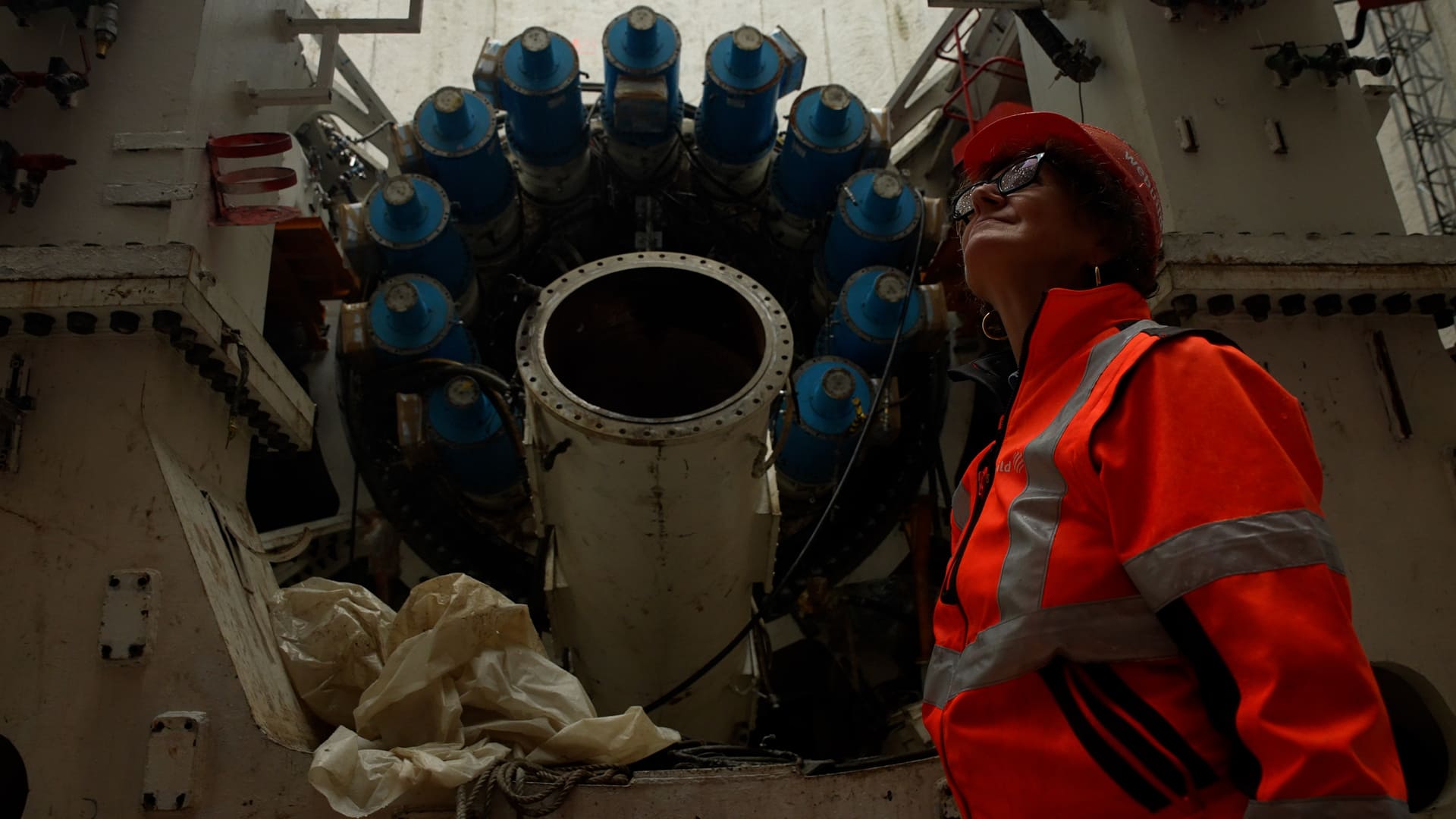
 The Roberta TBM at the Grand Paris Express construction site, Paris
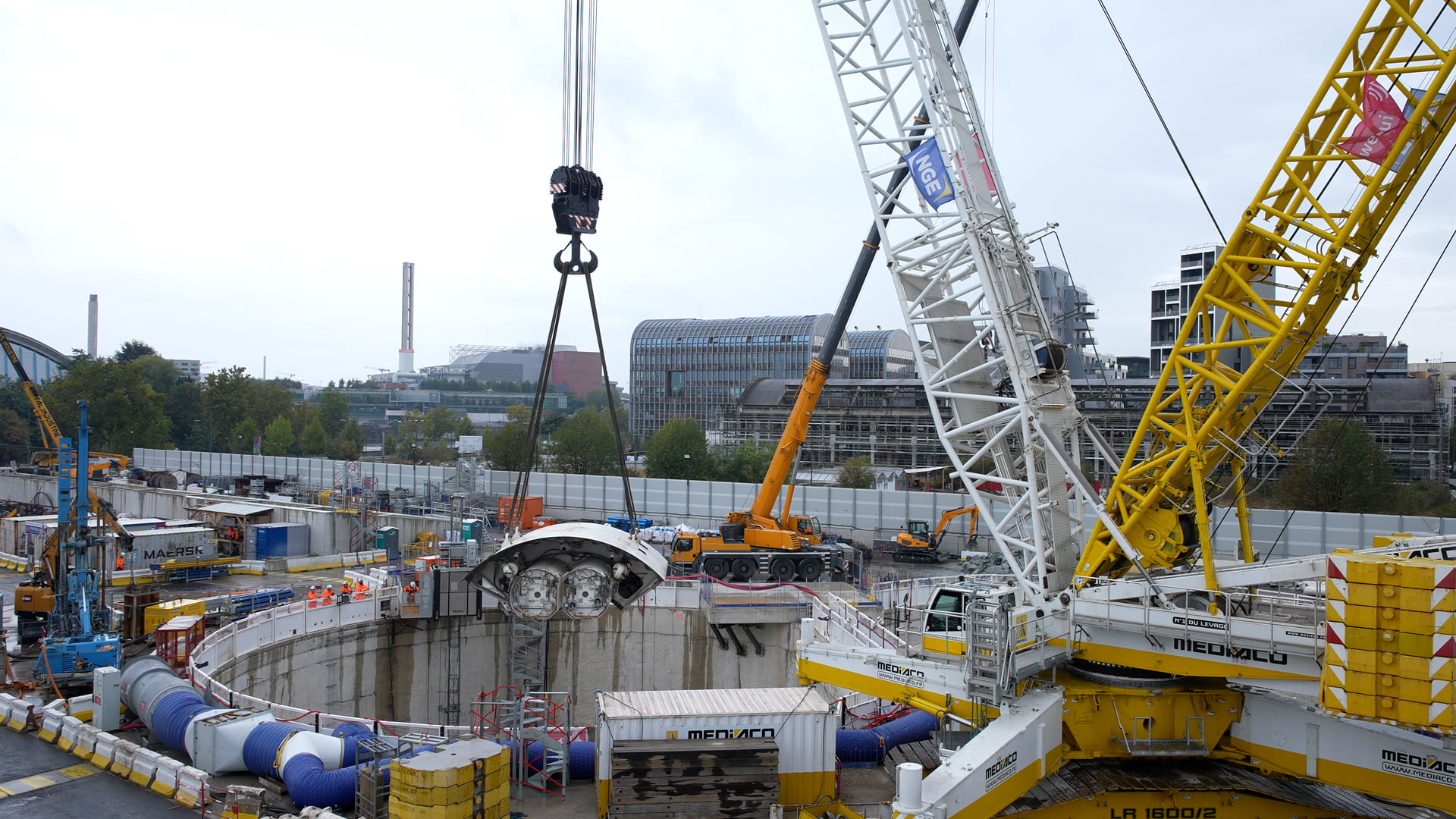 Grand Paris Express construction site, Paris
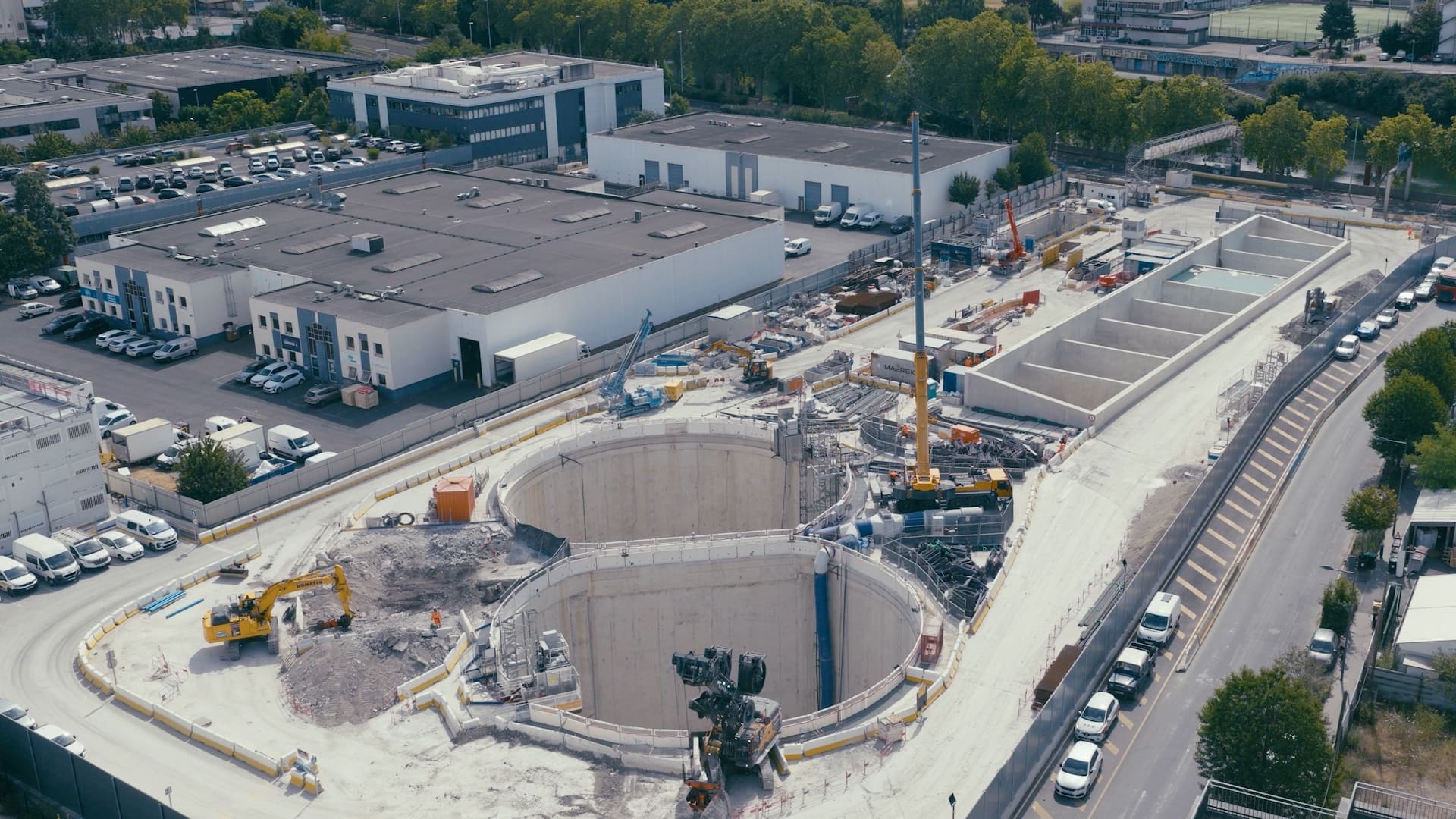 Grand Paris Express construction site, Paris
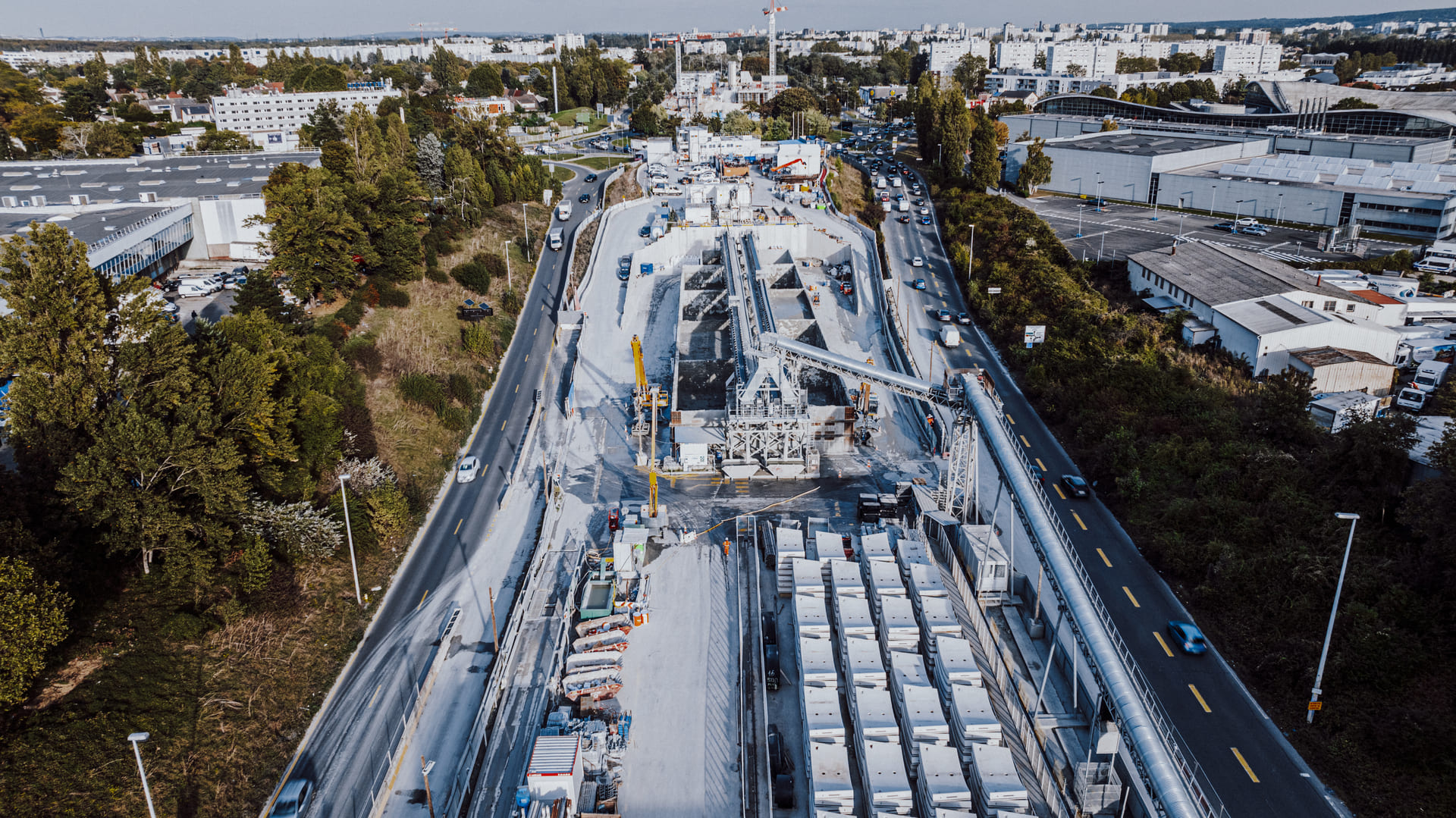 Grand Paris Express construction site, Paris
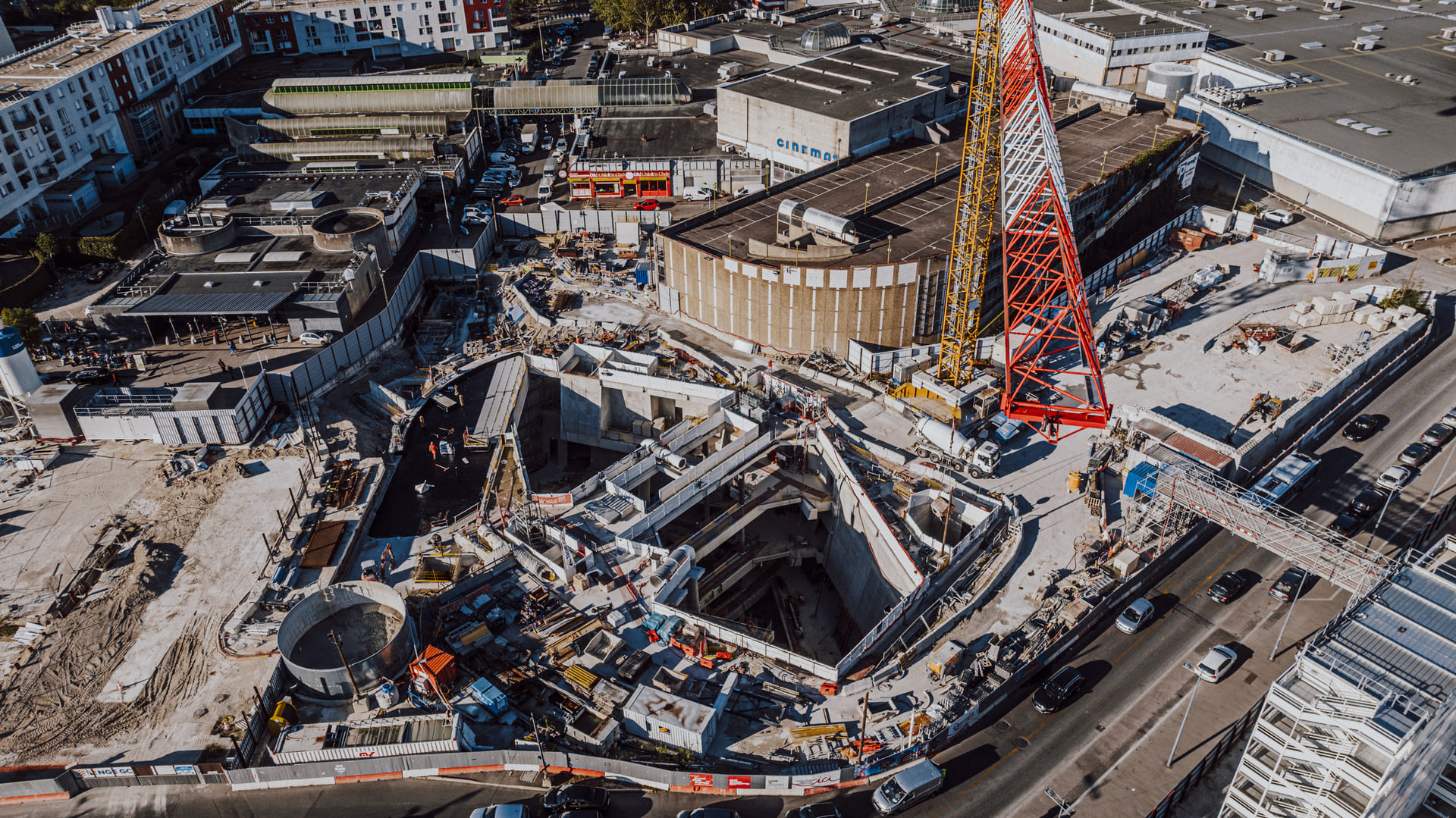 Grand Paris Express construction site, Paris
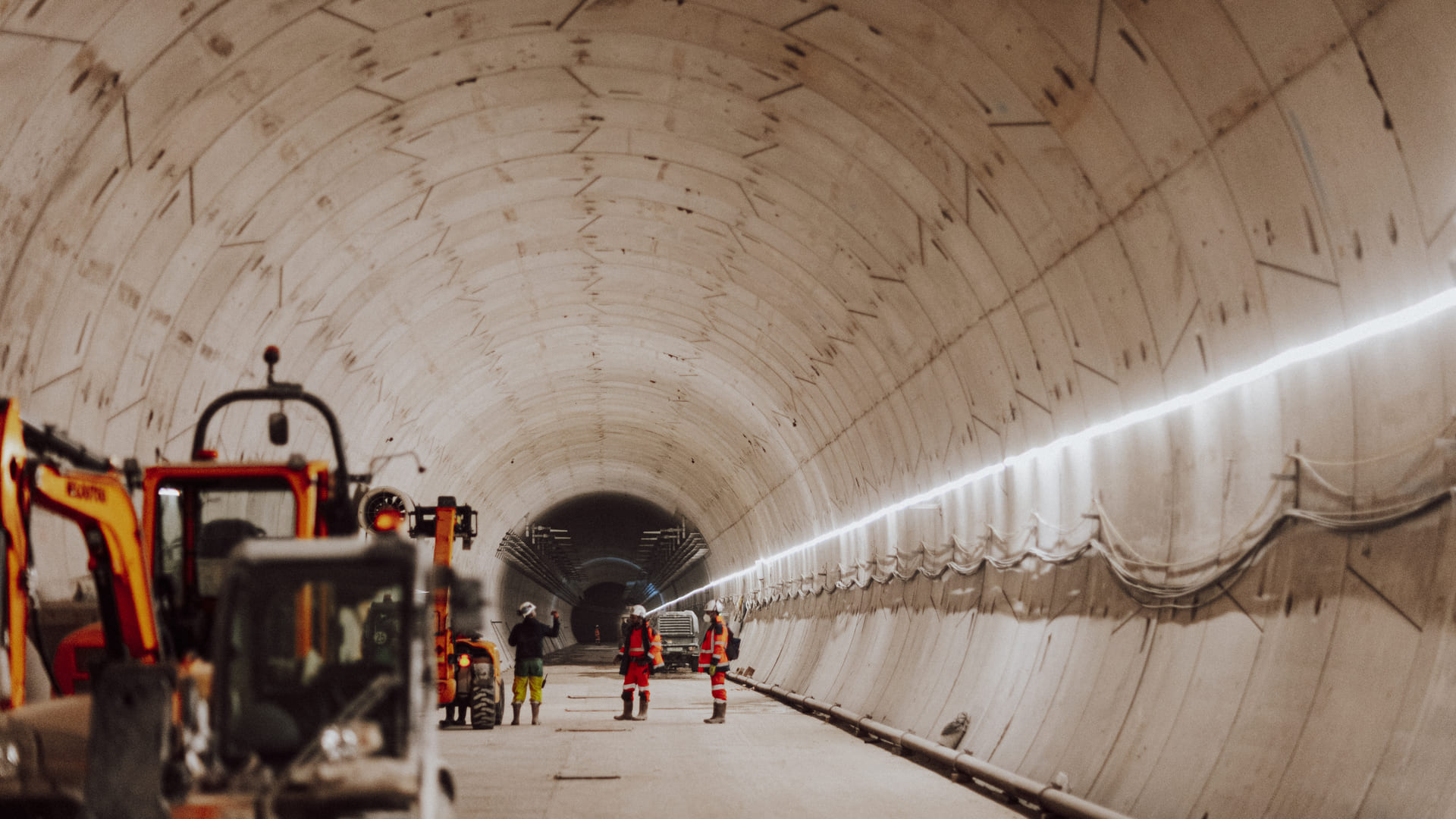 Grand Paris Express construction site, Paris
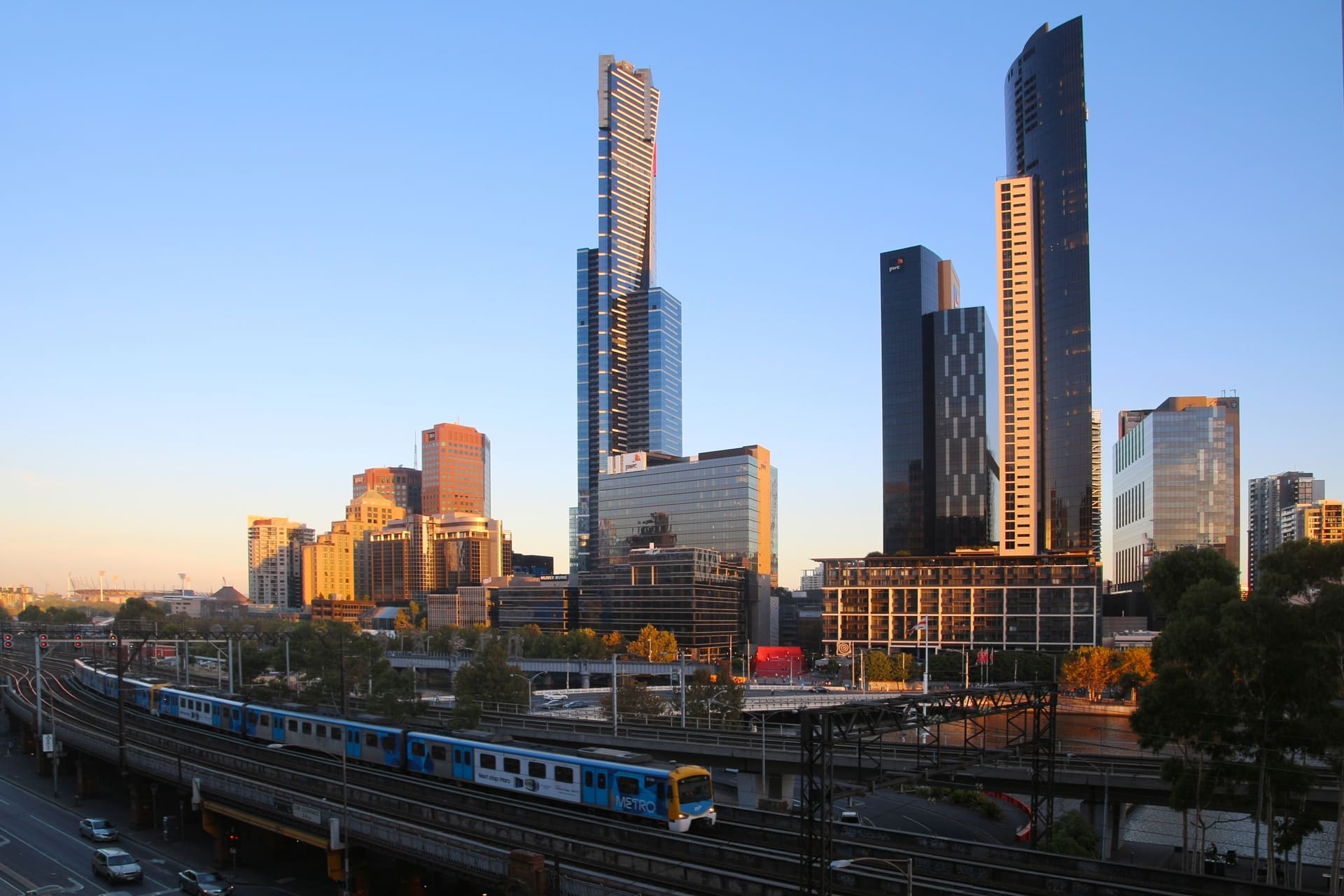 Melbourne, Australia
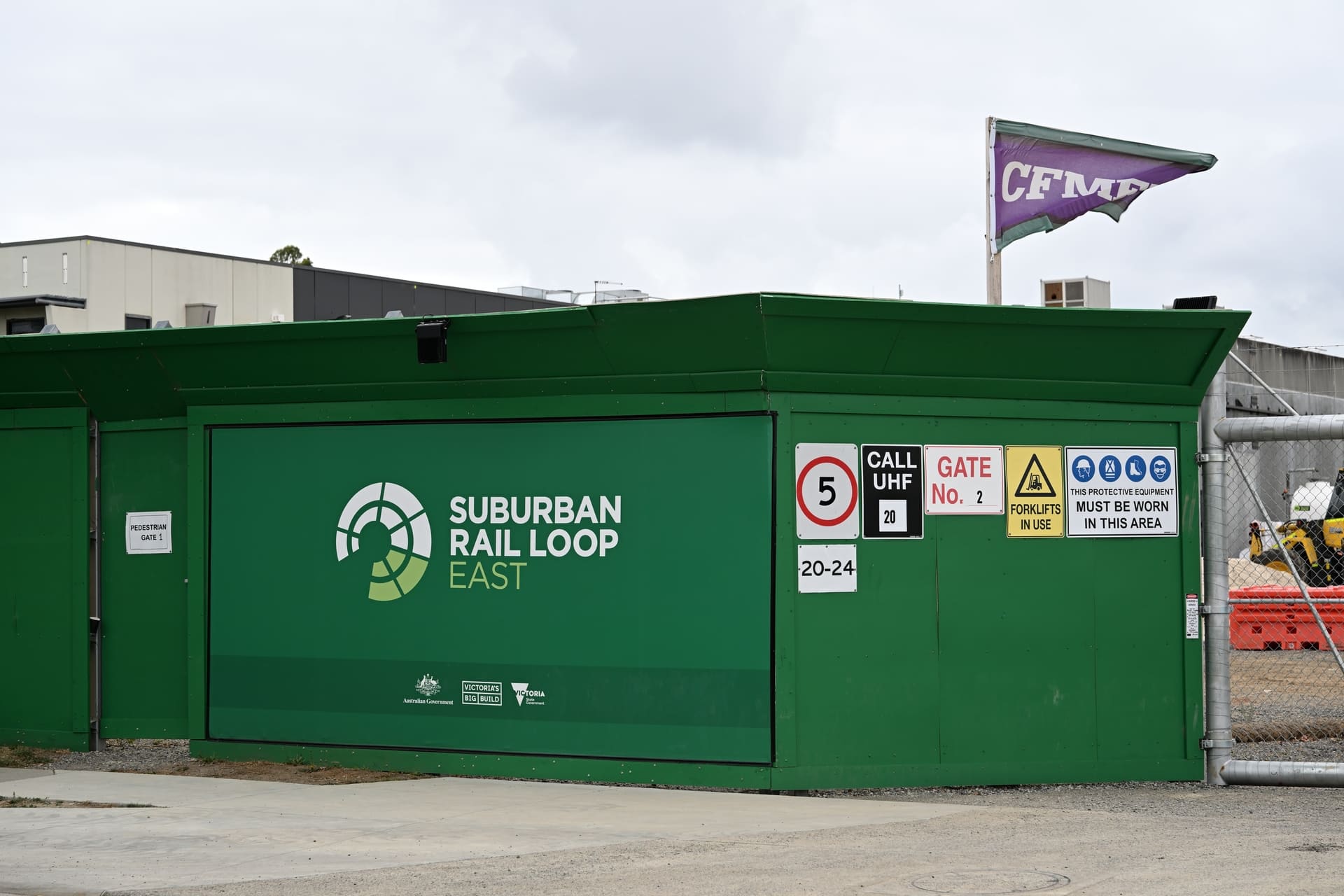 Suburban Rail Loop construction site, Australia
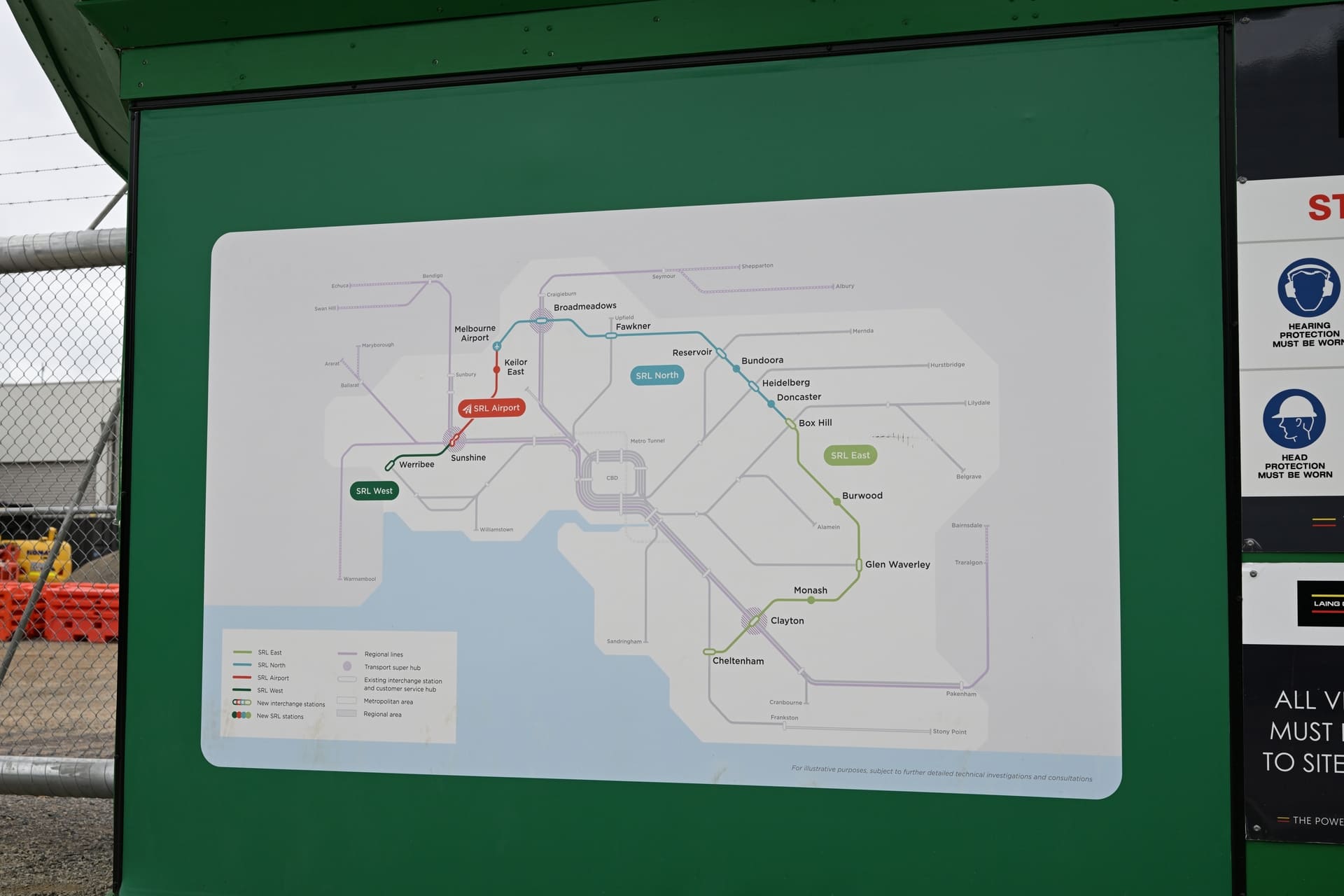 Suburban Rail Loop construction site, Australia
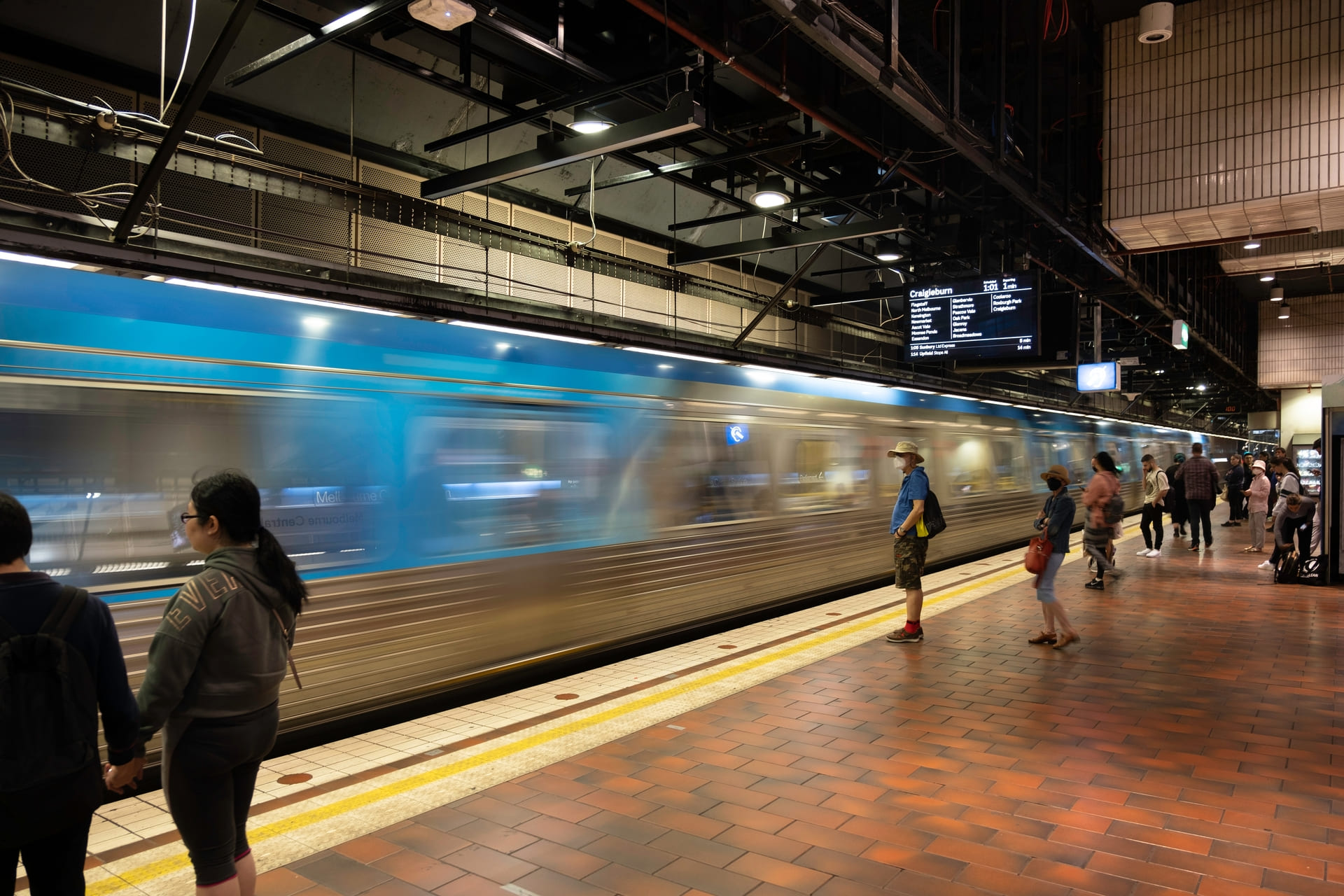 Melbourne Metro, Australia
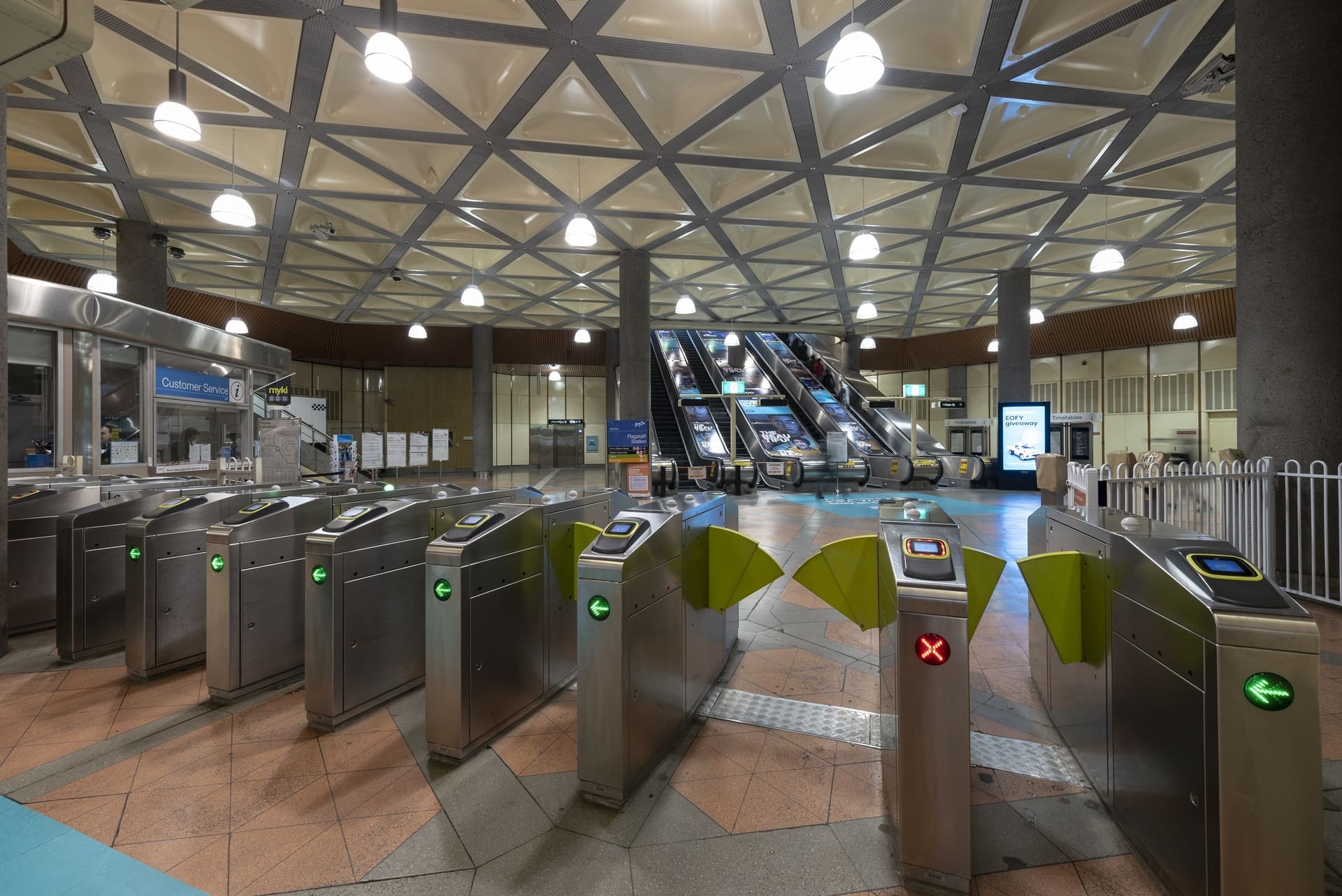 Melbourne Metro, Australia
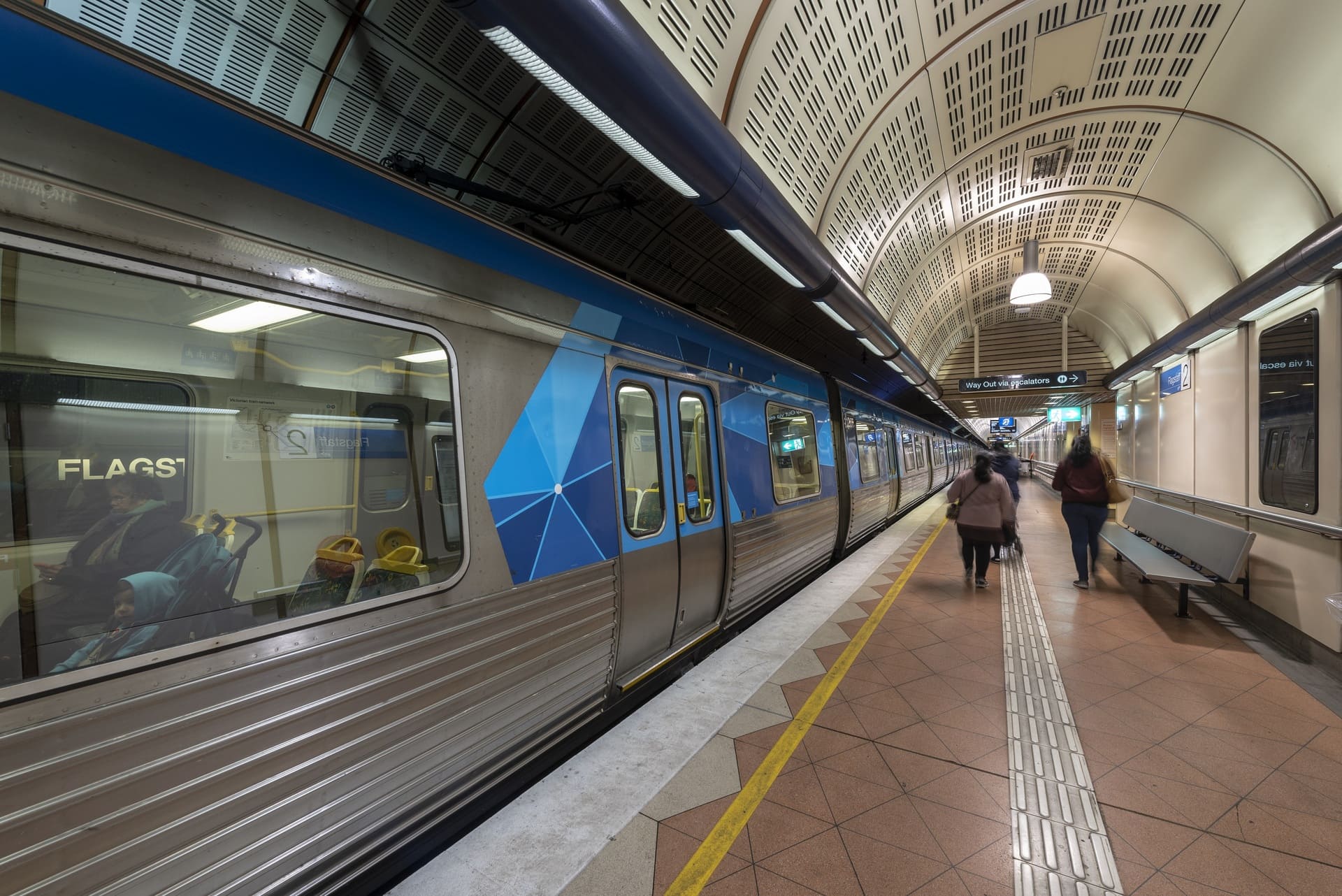 Melbourne Metro, Australia
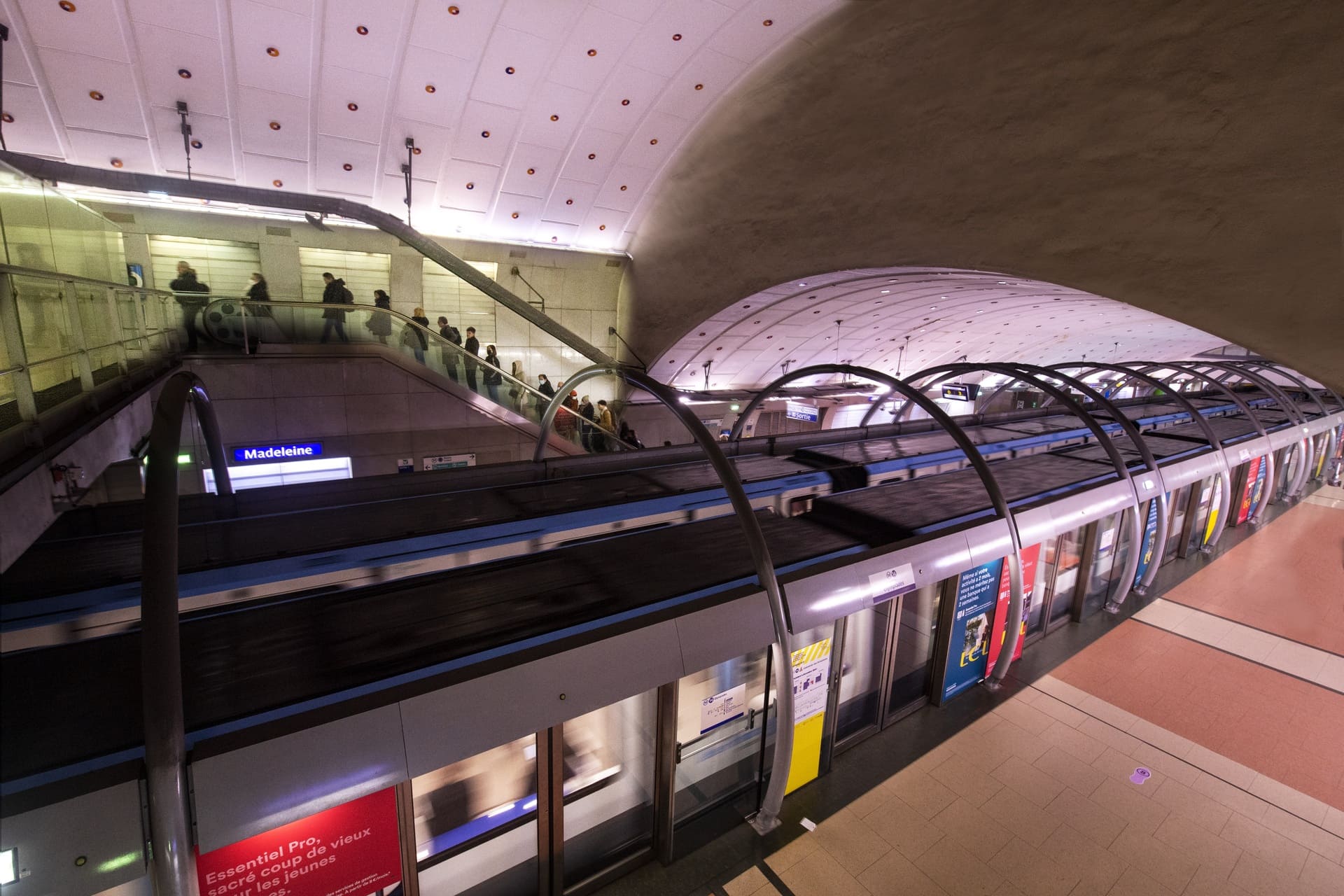 Madeleine Station on Line 14, Paris
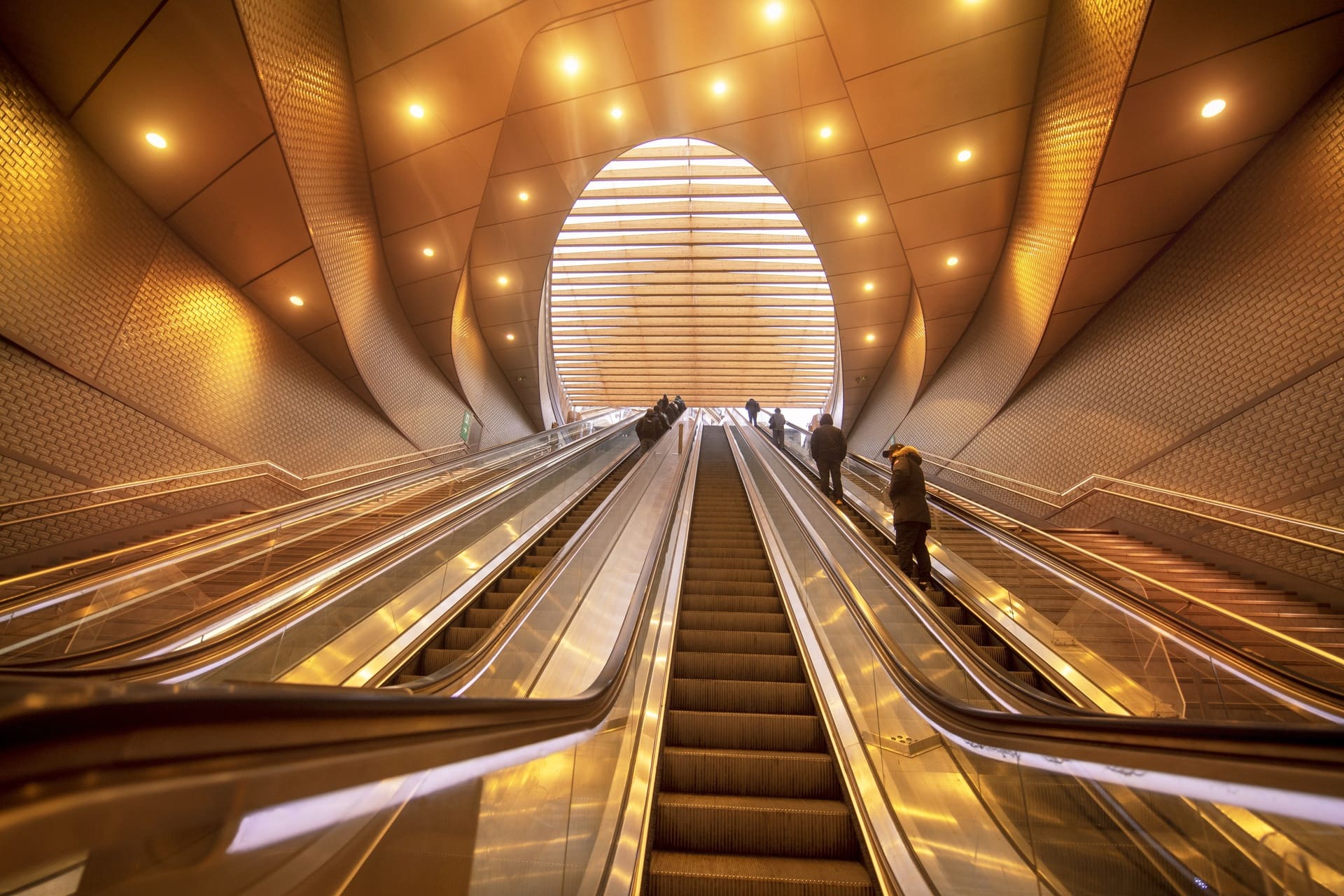 Mairie de Saint-Ouen Station on Line 14, Paris
- The TBM Alice began excavating the Tunnels North package of the eastern part of the Suburban Rail Loop — known as SRL East — in Melbourne in early September
- The TBM Roberta is prepared to follow suit on a western section of the Grand Paris Express (GPE) in Paris
- Ambitious as they are massive, the two infrastructure projects share the same goal: to connect the outlying districts surrounding their respective city centres to make it easier for residents to travel among them
- At 90 kilometres in length, the Suburban Rail Loop will be Melbourne’s first orbital train line
- The Grand Paris Express is more than twice as long as the SRL, whose projected length at 200 kilometres makes it the largest sustainable mobility project in Europe

They may be halfway around the world from each other, but Alice and Roberta have a lot in common. They both have nerves of steel and an iron will, ready to overcome whatever obstacle stands before them. They are at their best when they are underground, where the challenge is at its most difficult.
As tunnel boring machines (TBMs), their work is pretty much the same: excavating tunnels under city streets for the construction of subway lines.
As for the infrastructure projects to which they have been assigned, they, too, are very much alike: a rail line — a good part of it underground — that will encircle the centre of their respective cities. One is Melbourne, Australia, the other is Paris, France.
The TBMs have the same construction company overseeing them: Italy’s Webuild, one of the leaders in the field.
And they are embarking on their underground journey at nearly the same time. Alice, the TBM assigned to a section of the northern tunnels for the eastern part of the Suburban Rail Loop (SRL) in Melbourne, began excavating in early September. The tunnel boring machine Roberta, meanwhile, is set to start its own journey in a few months’ time, grinding its way along a western section of the Grand Paris Express (GPE).
Suburban Rail Loop: Melbourne’s First Orbital Railway
Ambitious as they are massive, the two infrastructure projects share the same goal: to connect the outlying districts surrounding their respective city centres to make it easier for residents to travel between them. No longer will they have to pass through a central hub in order to get to a district on the other side.
At 90 kilometres in length, the Suburban Rail Loop will be Melbourne’s first orbital rail line. It will reduce travel times and ease congestion on roads, with people seen opting for the train rather than the car to get to where they want to go.
The project is expected to lead to the construction of thousands of homes within walking distance of the railway line’s stations. More jobs, schools, health centres and other services are to follow.
By the 2050s, the new Melbourne metro is seen transporting more than 430,000 passengers a day.
TBM Alice will soon be joined by a second TBM called Hacia so they can excavate tunnels in parallel with each other along the same route. The tunnels will form part of what is known as SRL East, creating the underground railway link for future stations at Box Hill, Burwood, Monash and Glen Waverley – all of them suburbs in eastern and southeastern Melbourne.
Alice is an earth pressure balance, or EPB, TBM. Its cutterhead is seven metres in diameter and its body more than 100 metres long.
Grand Paris Express: Paris’s New Subway Is Europe’s Largest Sustainable Mobility Project
By contrast, the Grand Paris Express will be more than twice as long as the SRL. At a projected length of 200 kilometres, the new Paris metro is the largest sustainable mobility project in Europe. The stations to be located along it will number 68.
According to the Société des grands projets, which is commissioning the project, the GPE will contribute to a reduction in CO2 emissions of up to 27.6 million tonnes as it makes public transport the fastest and safest way to get around.
It is also calculated that the subway will help generate an additional gross domestic product of €100 billion and create 115,000 jobs.
Like the Suburban Rail Loop, the Grand Paris Express is expected to spur development in the neighbourhoods where the stations will be located.
In the coming years, it is estimated that 250,000 to 400,000 housing units will be built. Christened in early October, the TBM Roberta is ready to begin in the coming months to grind its rotating cutterhead into the ground in a shaft at Gennevilliers in western Paris.
Unlike the tunnel boring machine Alice, Roberta will be alone in excavating seven kilometres of tunnel for Lot 2 of Line 15 west of the new Paris metro. It is also bigger: the diameter of its cutterhead is 9.86 metres. It, too, is more than 100 metres in length, weighing 2,000 tonnes.
From France to Australia: Webuild’s Megaprojects for Major Cities
These projects are the latest in which Webuild is contributing to the development of these two cities.
For the GPE, the Italian builder and its French partner have already done the southern extension of Line 14 to Orly Airport, with 4.1 kilometres of tunnels.
On Lot 2 of Line 16, they excavated about 11 kilometres of tunnels with four stations in the northeast part of Paris.
In Melbourne, Webuild is involved in another tunnelling project: the North East Link, the biggest road project in the history of the city.
Once completed, the motorway tunnels of more than six kilometres will be the longest of their kind in the state of Victoria, where Melbourne is the capital.