


 Construction phases of the Seattle Ship Canal, USA
 Construction phases of the Seattle Ship Canal, USA
 Construction phases of the Seattle Ship Canal, USA
 Construction phases of the Seattle Ship Canal, USA
 Construction phases of the Seattle Ship Canal, USA
 Construction phases of the Seattle Ship Canal, USA
 Construction phases of the Seattle Ship Canal, USA
 Construction phases of the Seattle Ship Canal, USA
 Construction phases of the Seattle Ship Canal, USA
 Construction phases of the Seattle Ship Canal, USA
 Construction phases of the Seattle Ship Canal, USA
 Construction phases of the Seattle Ship Canal, USA
- In Seattle, the Ship Canal Water Quality Project protects the city from the impacts of heavy rain and reduces the discharge of contaminated water into local waterways.
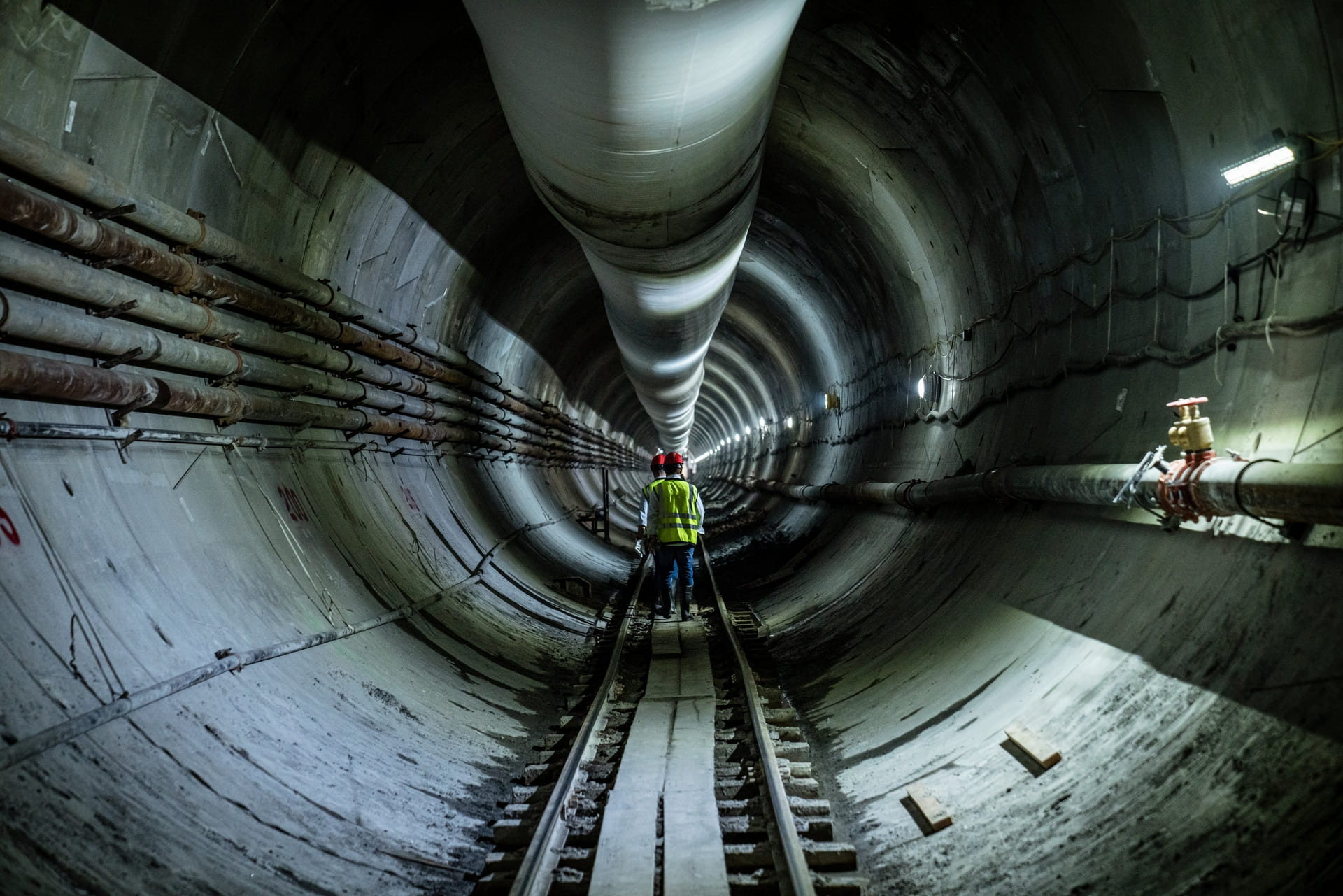
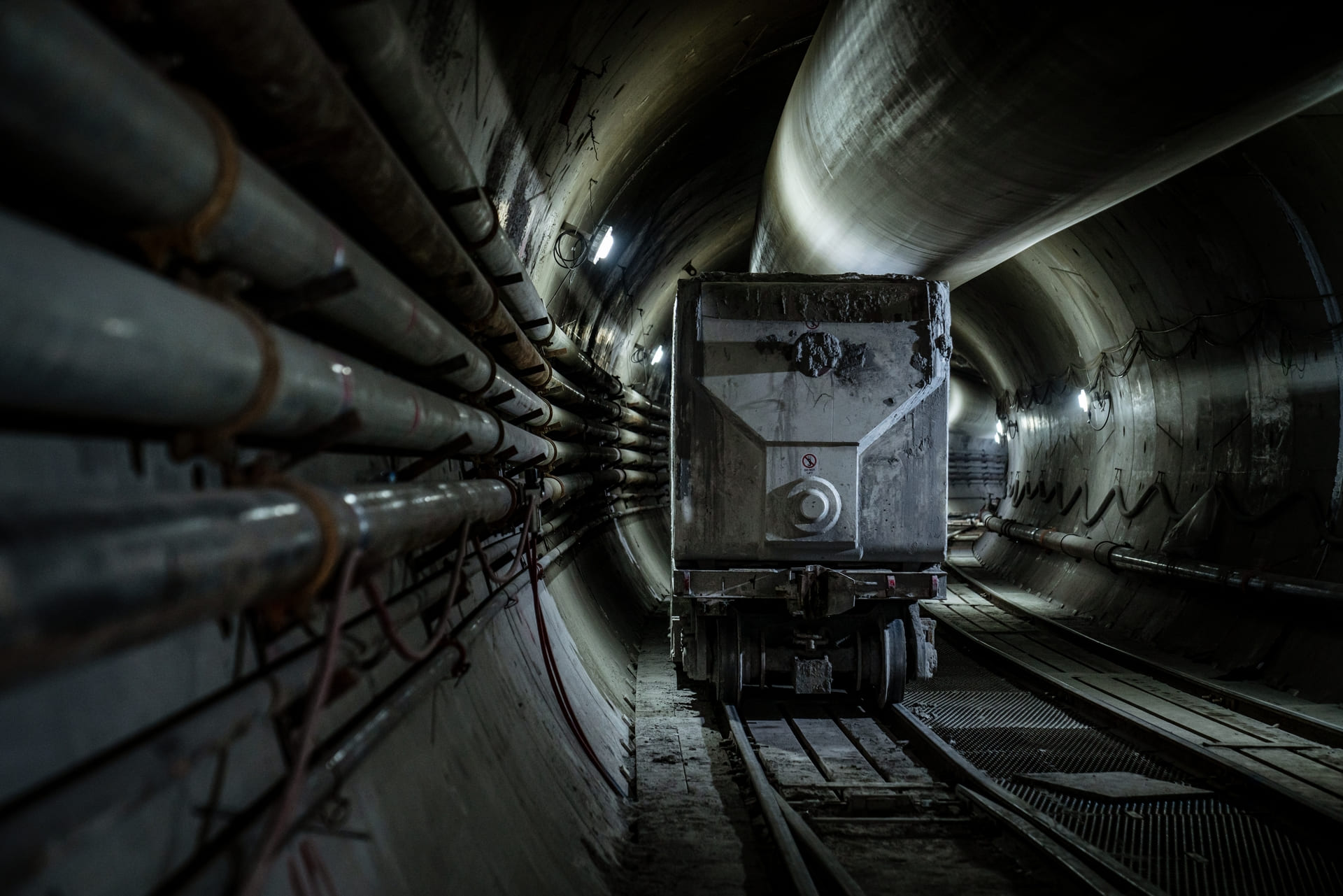
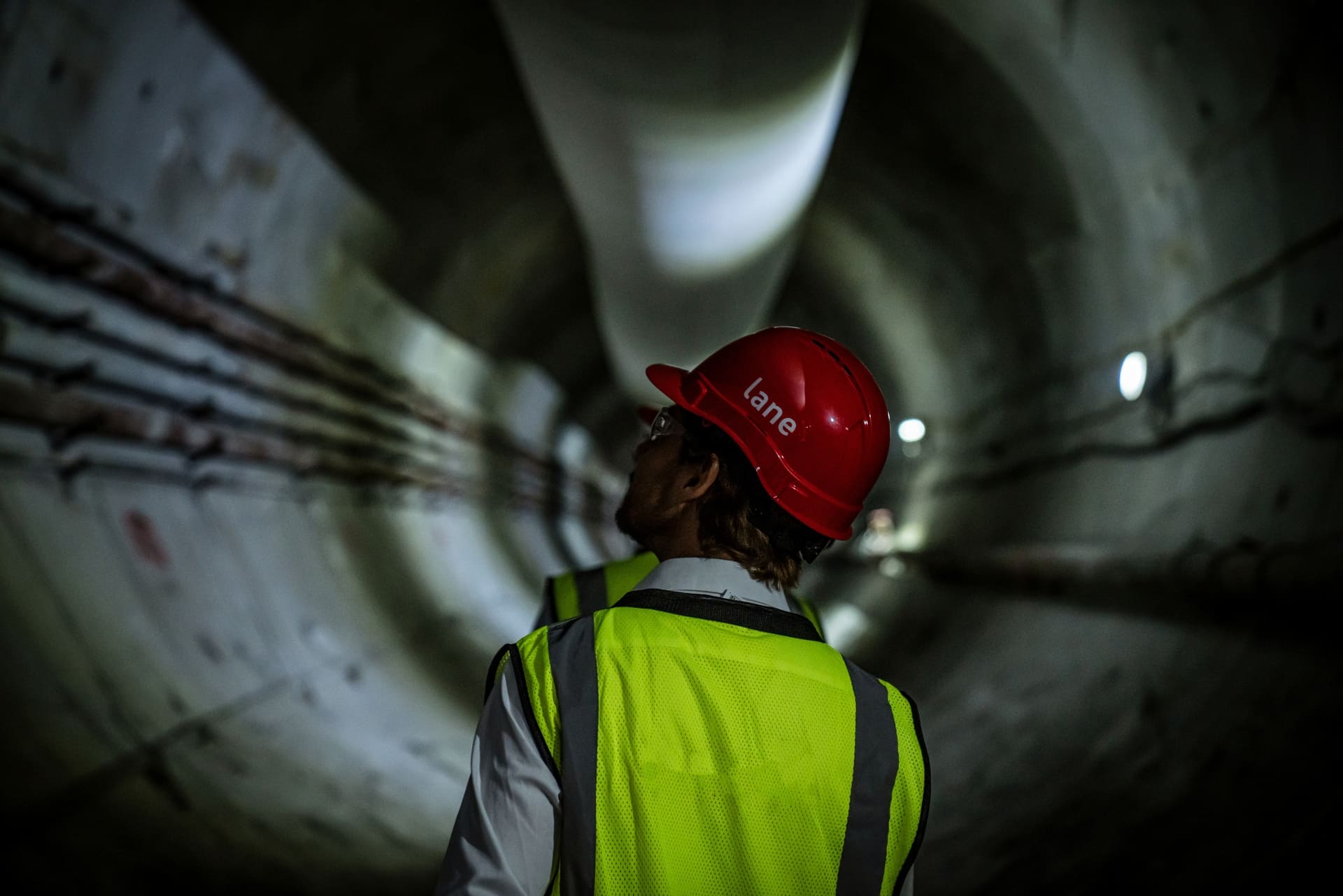
- Built by Lane Construction of the Webuild Group, the underground tunnel is 4.3 kilometers long with an internal diameter of 5.7 meters.
- The infrastructure can temporarily store over 112 million liters of stormwater and wastewater, subsequently routing it to water treatment facilities.
- Thanks to the new tunnel, an estimated 284 million liters of contaminated water will be prevented from overflowing each year—equivalent to more than 110 Olympic-sized swimming pools.
- The project serves as an example of resilient urban infrastructure, capable of improving water management and protecting the environment without altering the urban landscape.
read more

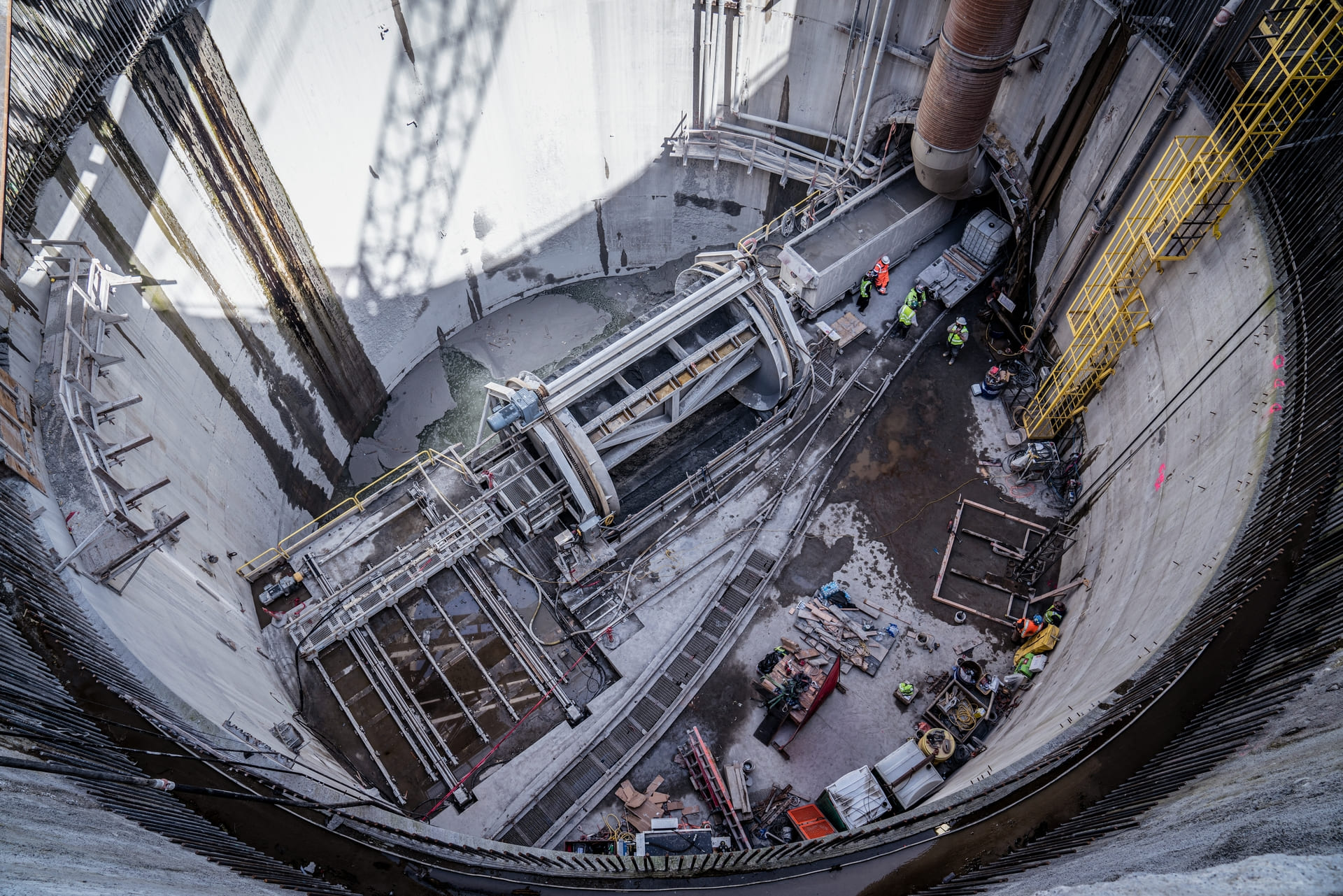
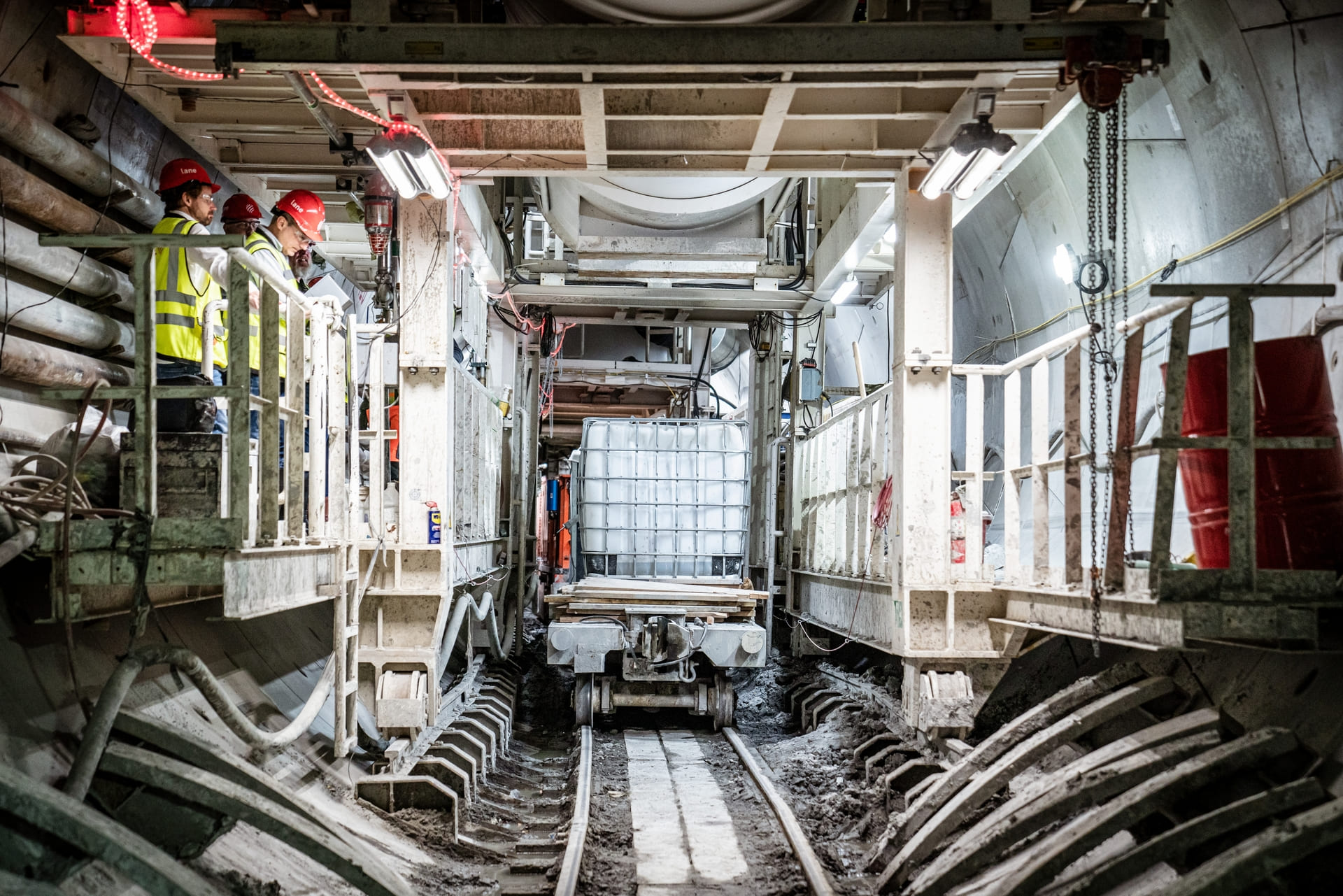
Its name is MudHoney, after the grunge band formed in Seattle in the late 1980s. The name was chosen by local residents, with thousands of votes. This giant TBM (Tunnel Boring Machine) carved a 4.3-kilometer tunnel beneath the city.
A tunnel that carries no trains. No cars. It holds back the rain. Or, more precisely, it buys time.
Because when a major city is hit by intense rainfall, with a real risk of flooding, the problem is not only how much water falls. It is how quickly the urban network can collect it, move it and treat it.
Seattle at Flood Risk: A Mix of Rain and Wastewater in the Sewers
In Seattle, Washington State, the challenge is particularly evident.
In many historic neighborhoods, including Ballard, Fremont, Wallingford and Queen Anne, stormwater and wastewater still flow through the same sewer system. During dry weather, the system operates normally, but when rainfall increases, volumes can exceed available capacity and trigger what are known as combined sewer overflows (CSO) — discharges of stormwater mixed with untreated wastewater into surrounding waterways.
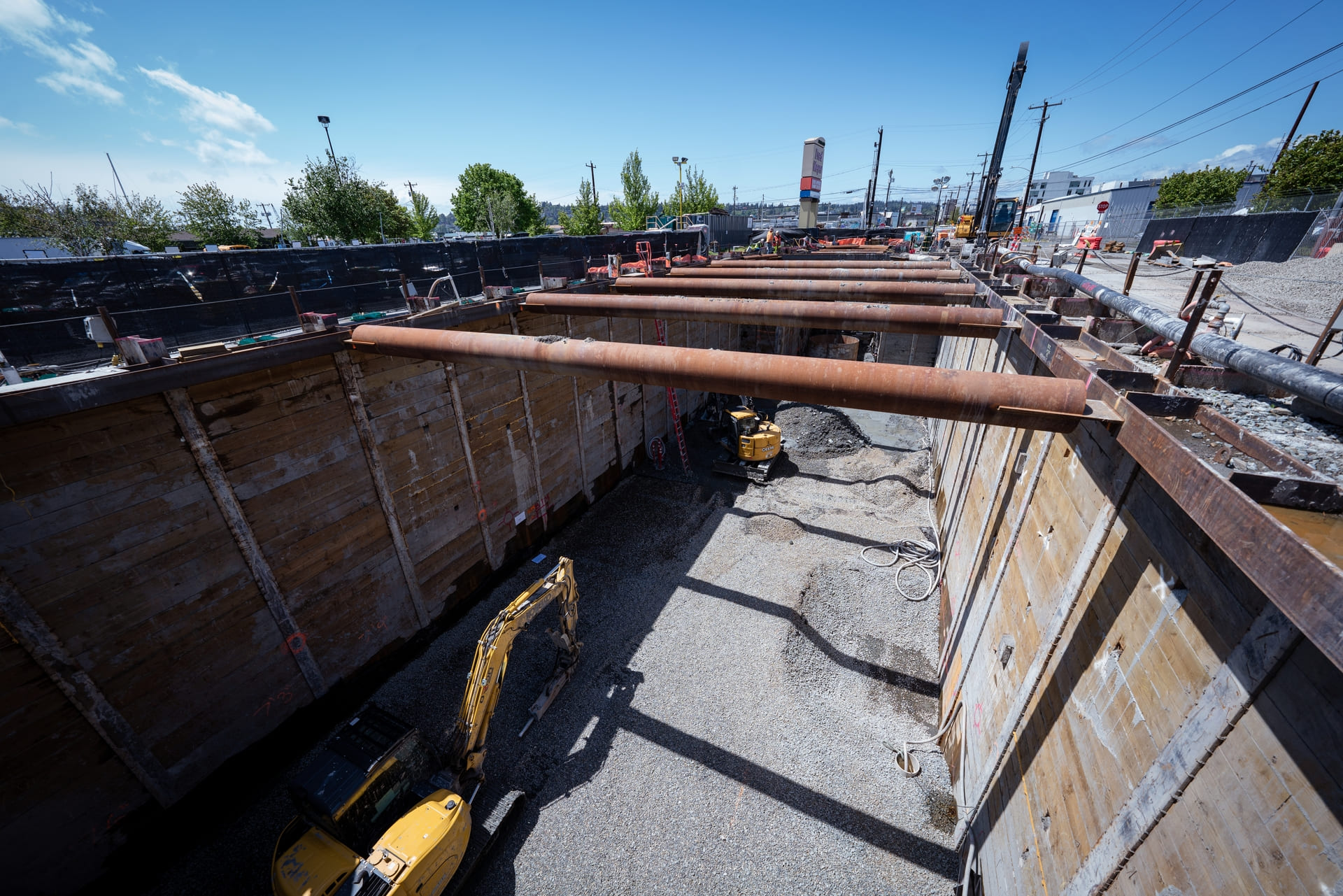
The Ship Canal Water Quality Project, recently completed by Lane Construction, the U.S. subsidiary of the Webuild Group, for Seattle Public Utilities as part of a partnership between the City of Seattle and King County, was designed precisely to address this problem.
A Large Tunnel to Collect Excess Water and Channel It to the Water Treatment Plants
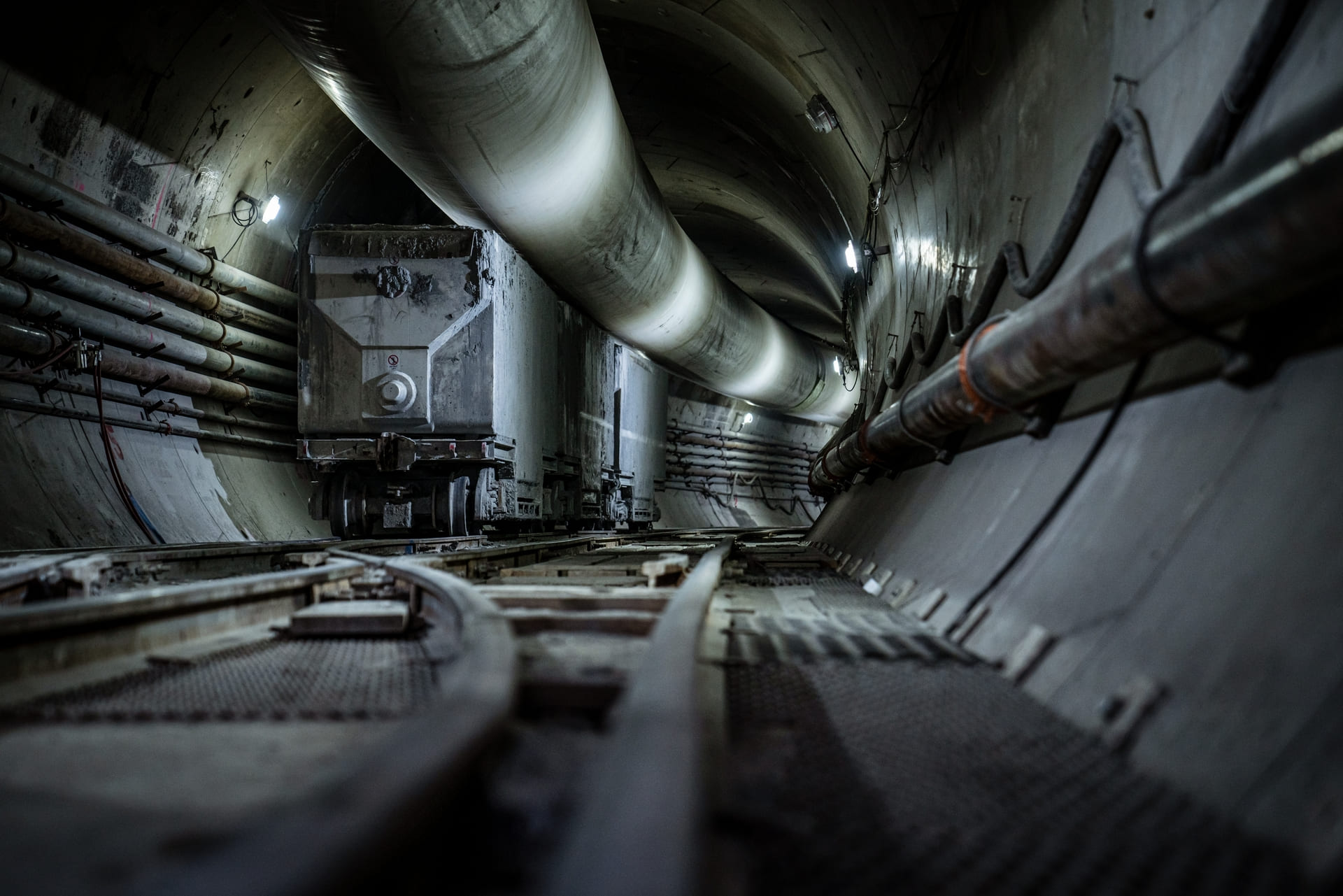
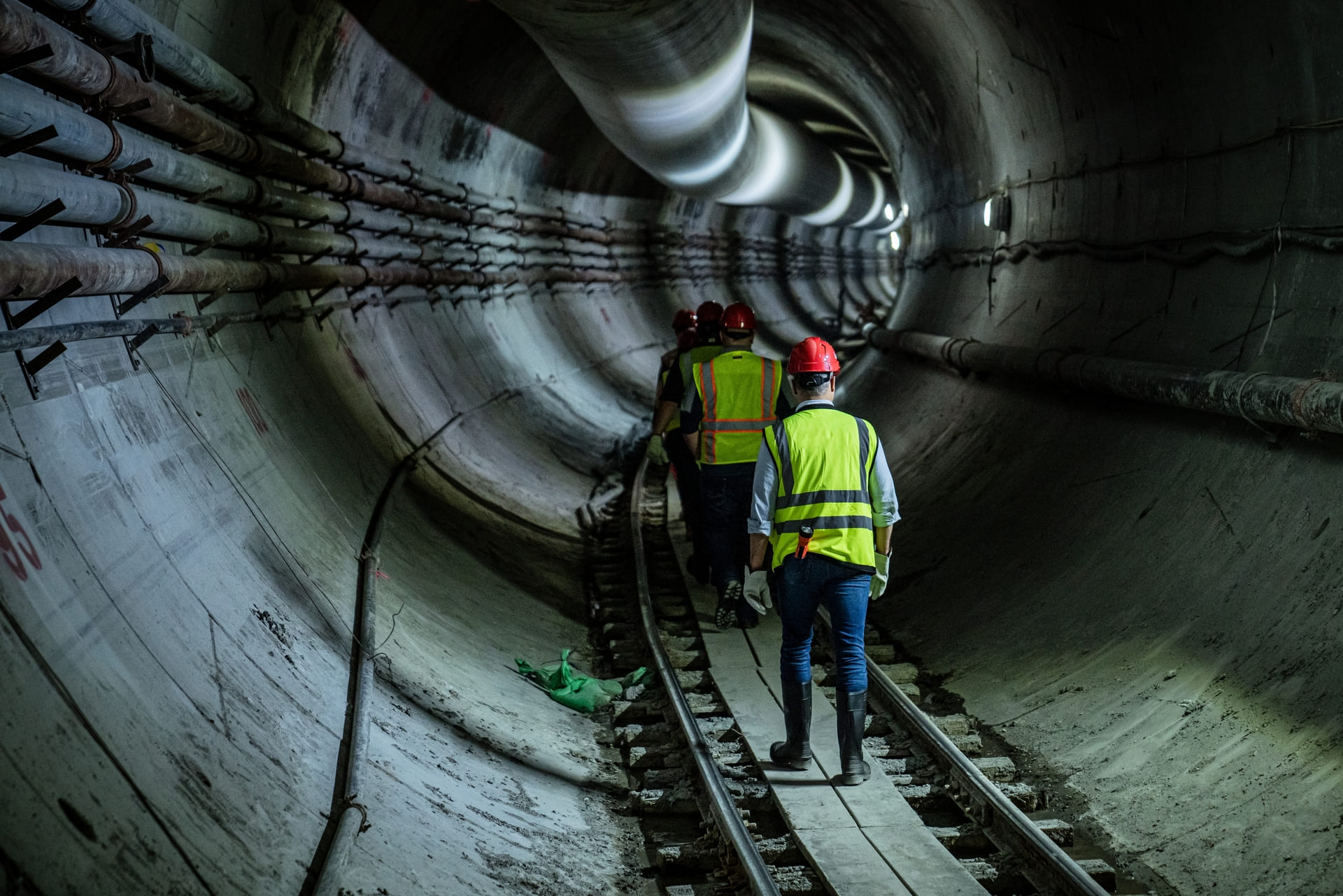
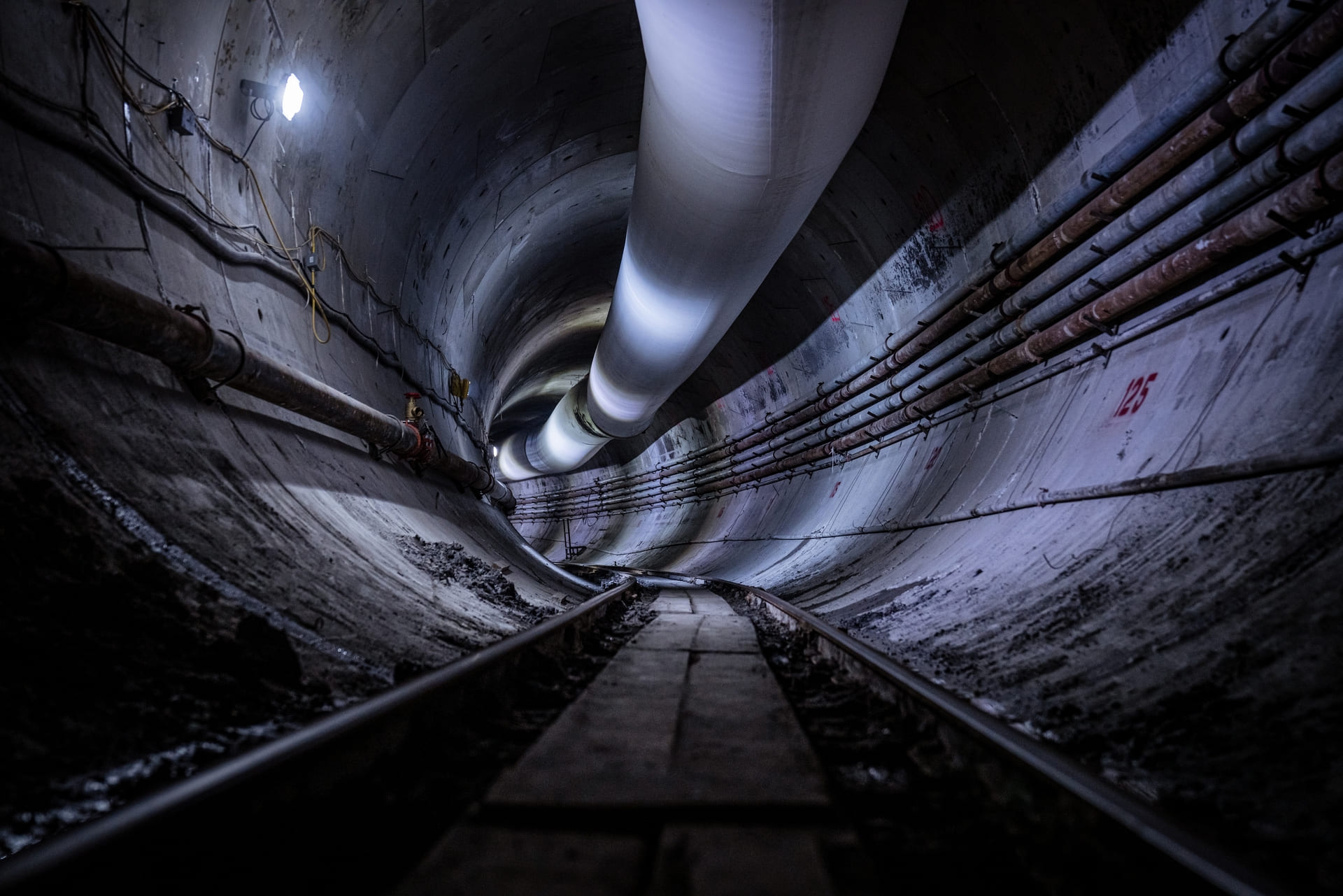
At the heart of the project is a large underground storage tunnel, about 4.3 kilometers long and with an internal diameter of 5.7 meters. During storms, it can temporarily hold more than 112 million liters of stormwater and wastewater. Once the rainfall ends and pressure on the network eases, the stored water is gradually sent to wastewater treatment plants.
The expected benefit is significant: around 284 million liters less contaminated water each year entering the Lake Washington Ship Canal, Salmon Bay and Lake Union. To put that into perspective, that is enough water to fill more than 110 Olympic-sized swimming pools: the effect on reducing water pollution is therefore clear.
The logic is simple: if the city cannot treat all the water arriving during a storm, instead of letting it escape into the environment, it stores it. It is a system that echoes the concept of the sponge city, an idea increasingly present in contemporary urban planning: a city that does not treat rain simply as something to be drained away, but as a flow to be slowed, absorbed, stored and managed.
At street level, this can mean drainage parks, rain gardens, permeable pavements and green infrastructure. Underground, it can mean creating enormous reserve capacity.
The Invisible Infrastructure That Boosts Seattle's Resilience
The Ship Canal tunnel belongs to this second category: a vast invisible infrastructure that comes into play precisely when the urban network is under maximum pressure.
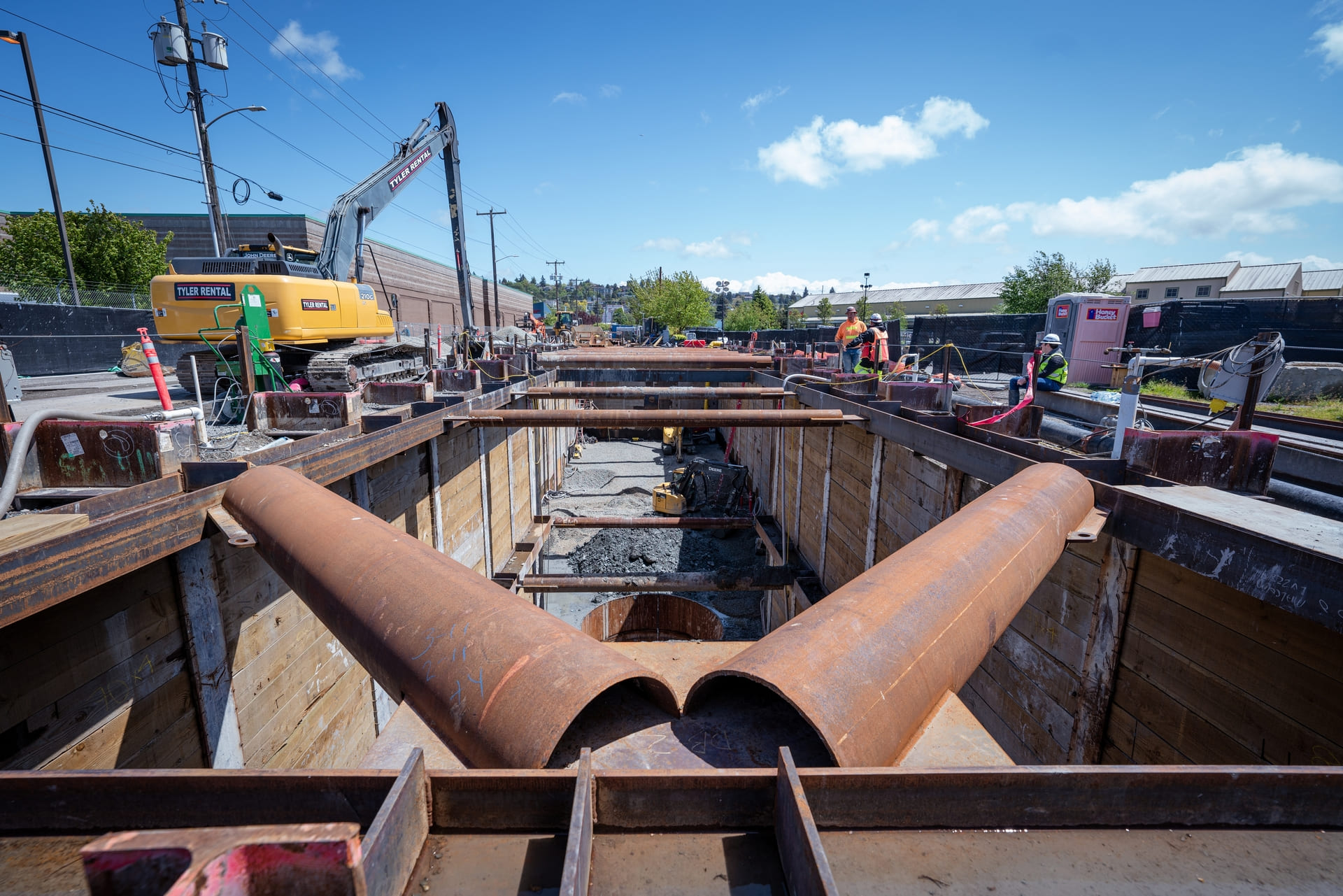
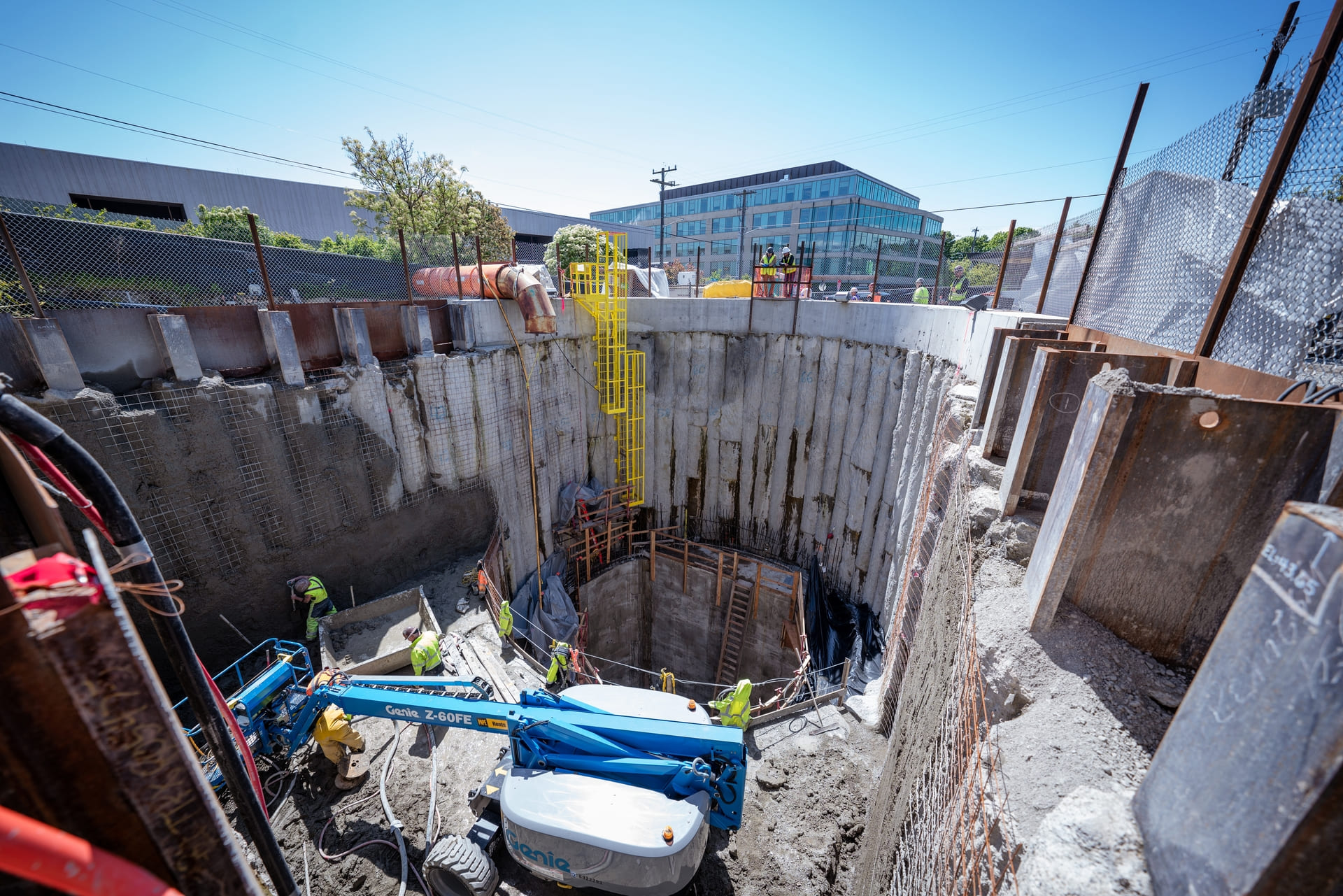
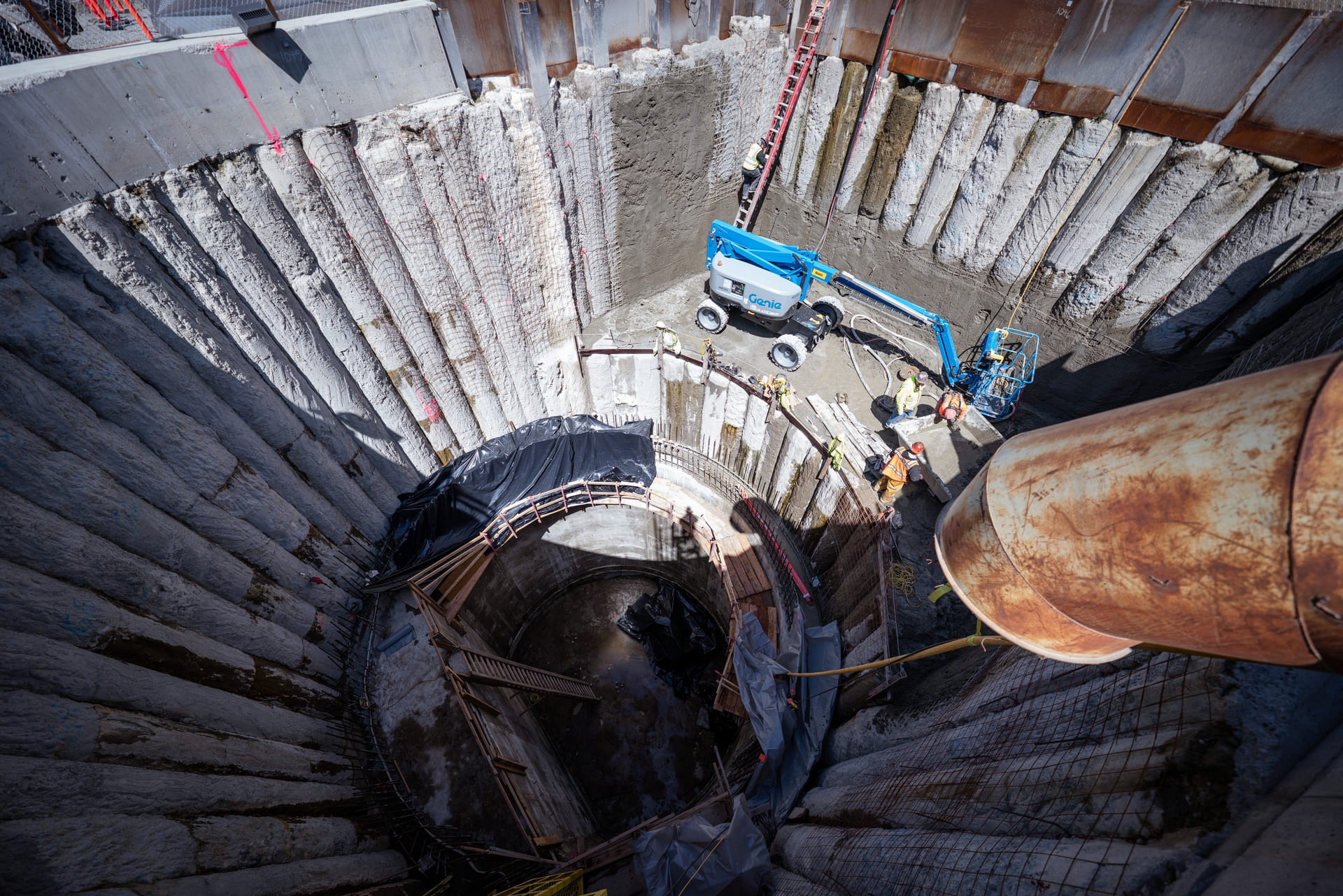
To build it, the MudHoney TBM bored beneath densely populated neighborhoods with a cutterhead about six meters in diameter, allowing the tunnel to be constructed without turning the surface into one continuous construction site.
That may be one of the most interesting features of today’s water infrastructure: some of the most important works for making a city more resilient are the ones that almost disappear once they are completed. They remain beneath streets and homes, invisible for most of the year. Then the rain comes. And that is when the city beneath the city goes to work.