


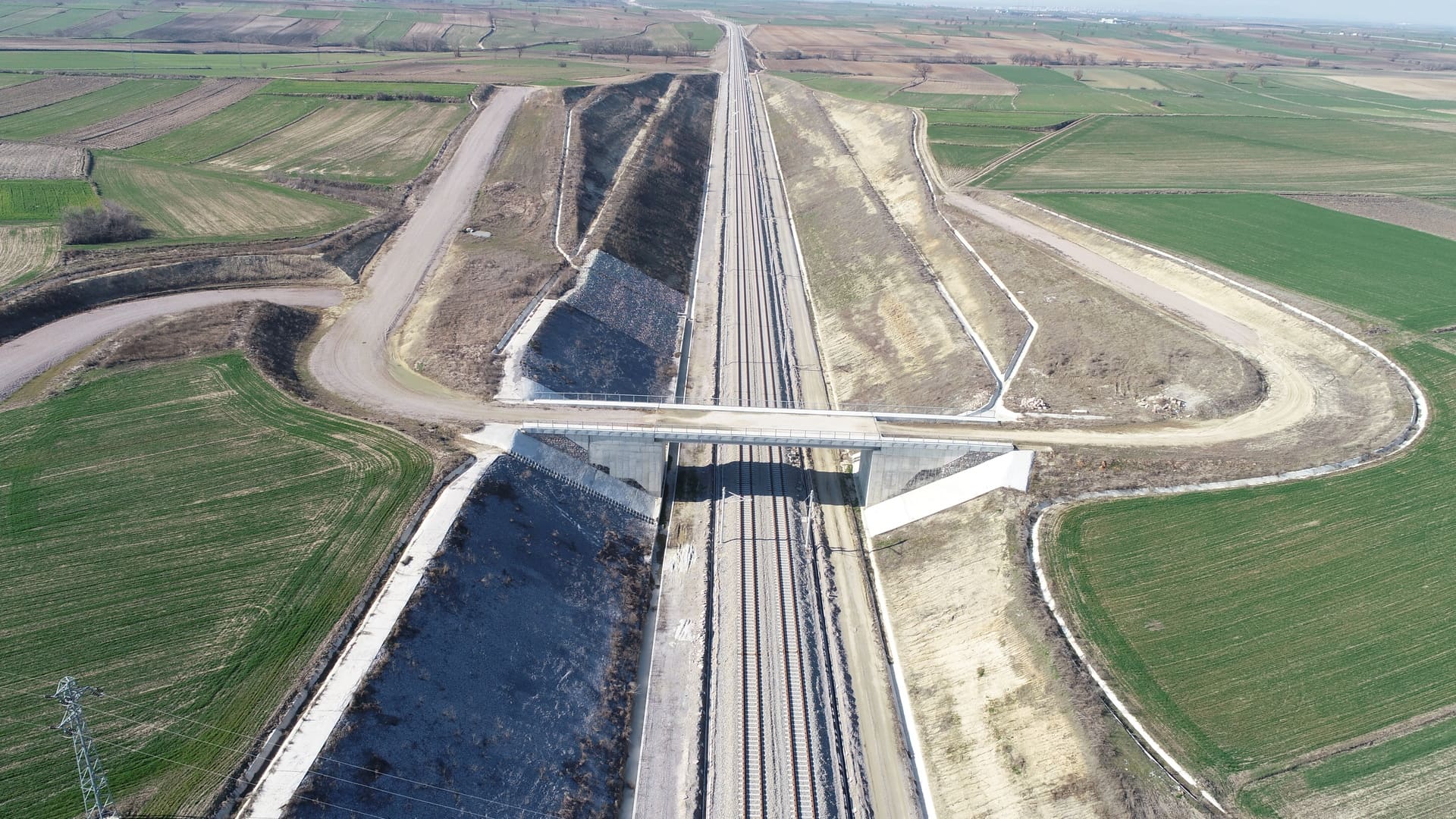
 Halkali - Kapikule Railway Line Project, Turkey
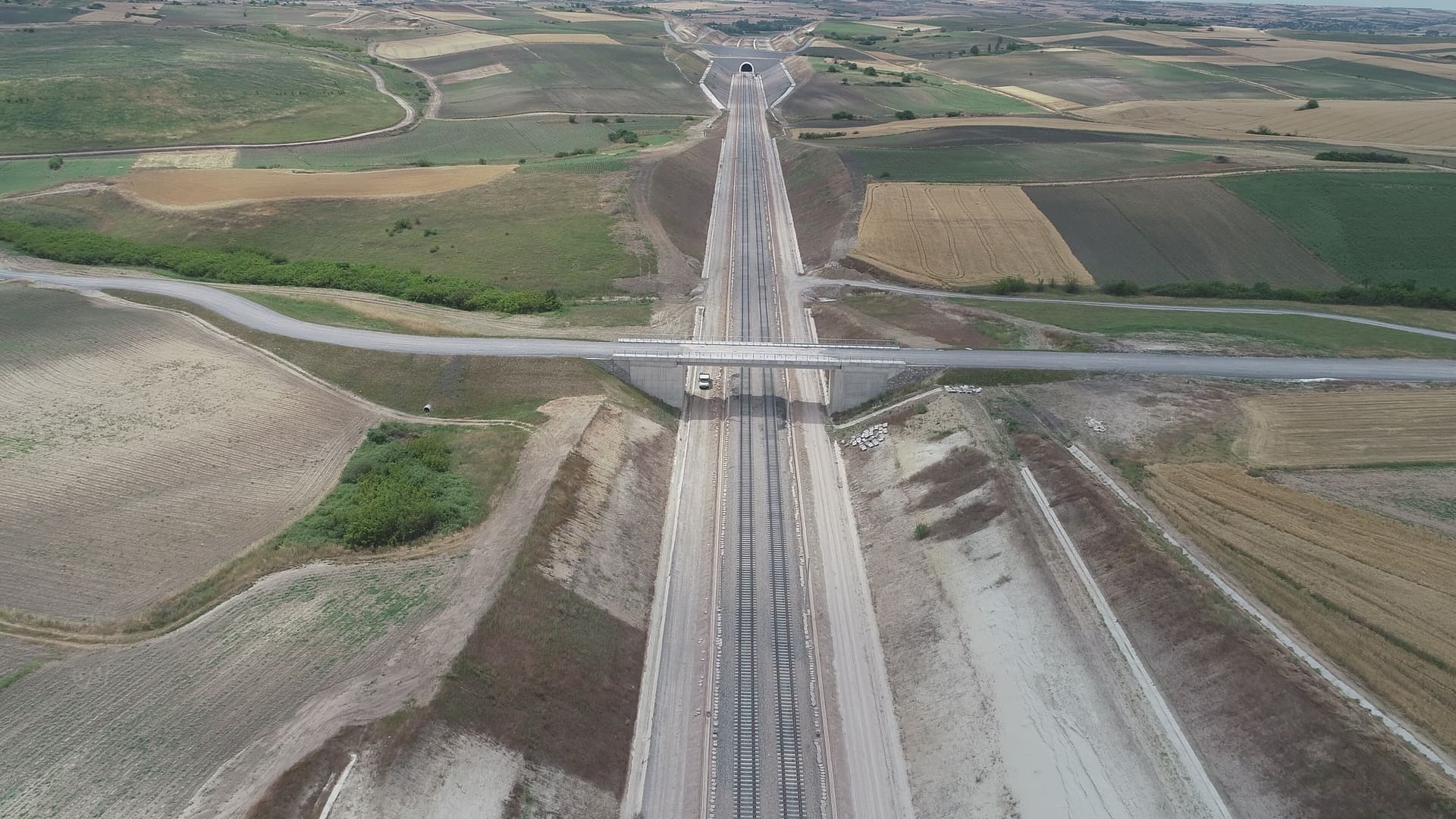 Halkali - Kapikule Railway Line Project, Turkey
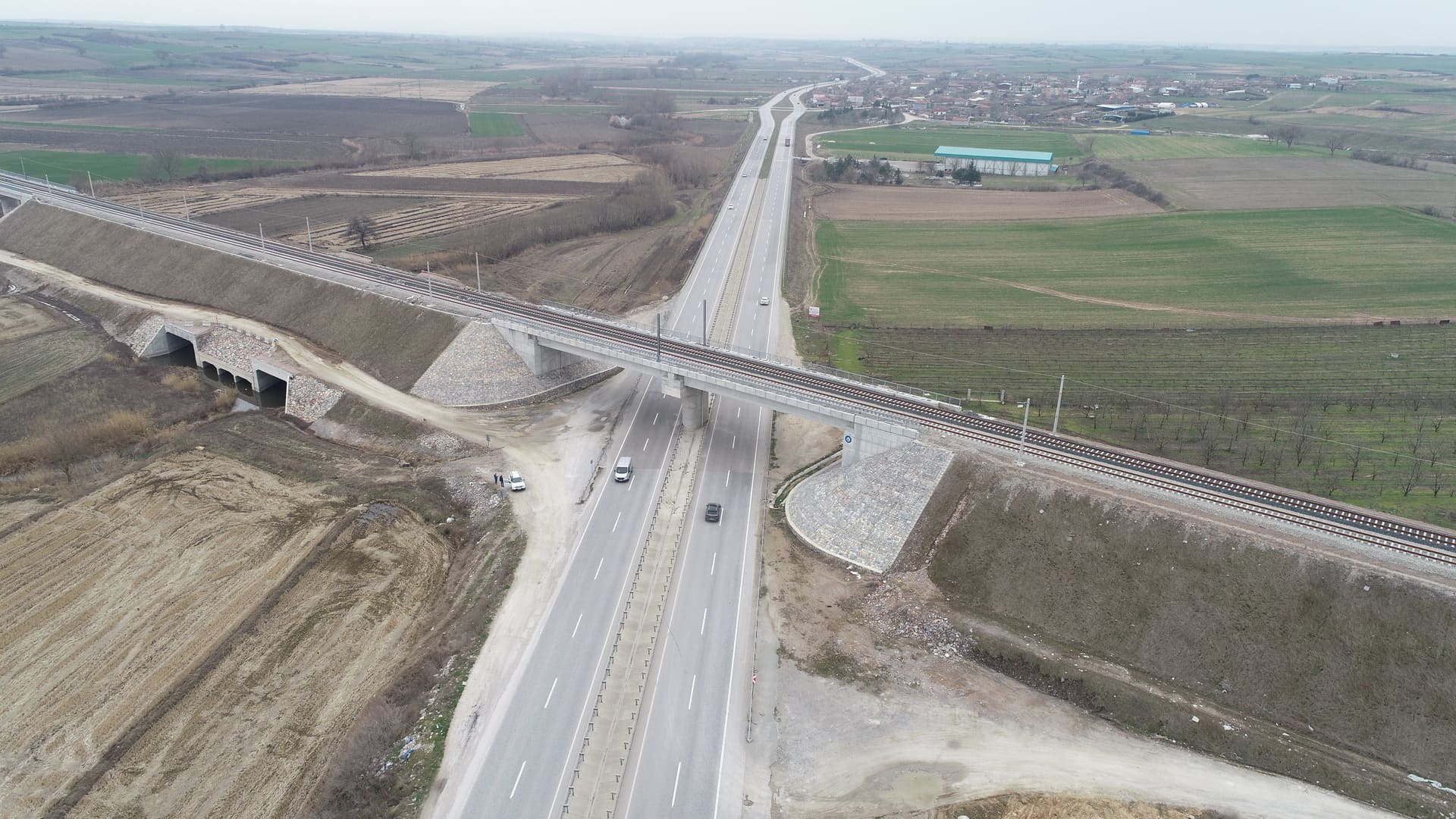 Halkali - Kapikule Railway Line Project, Turkey
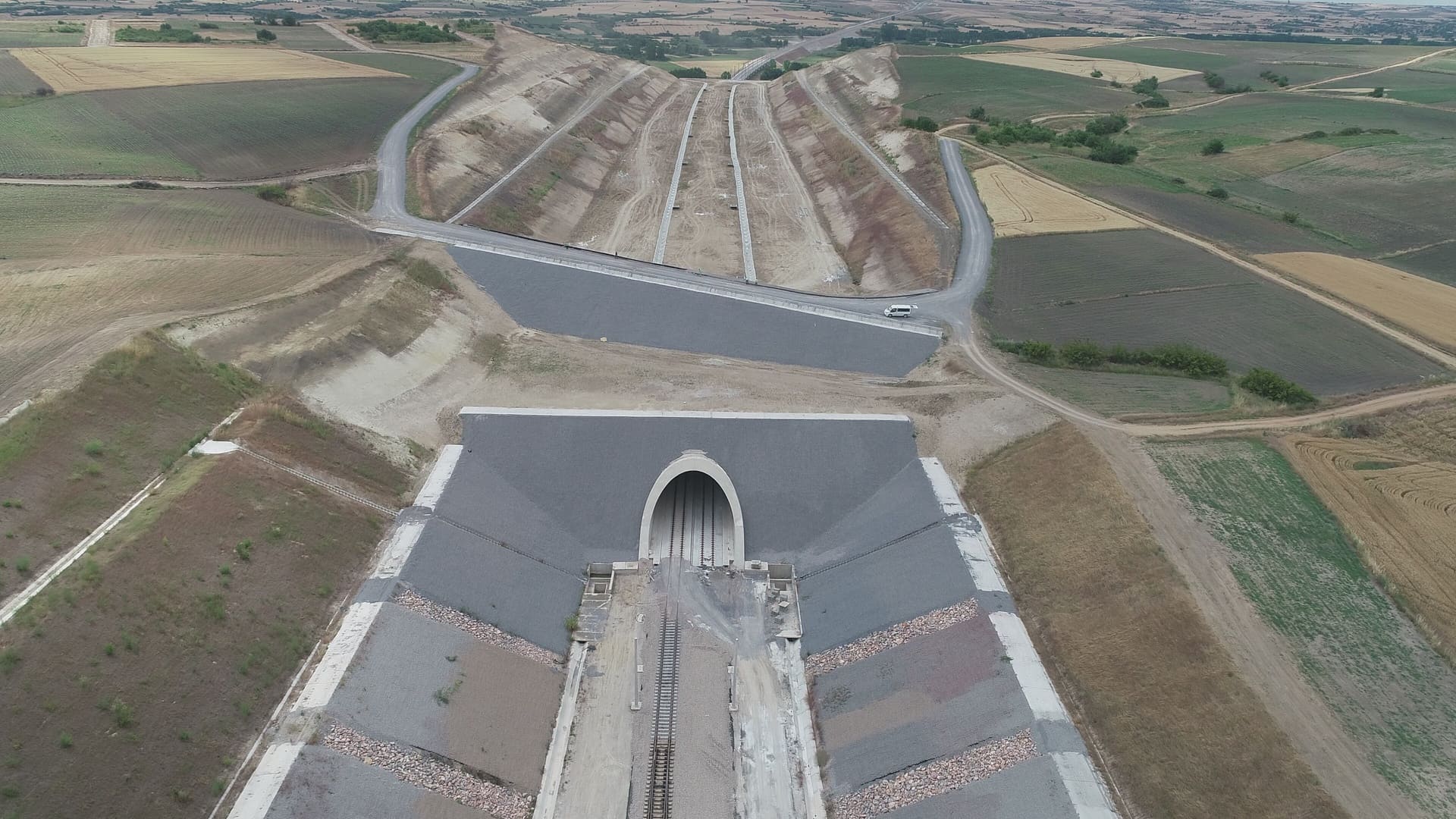 Halkali - Kapikule Railway Line Project, Turkey
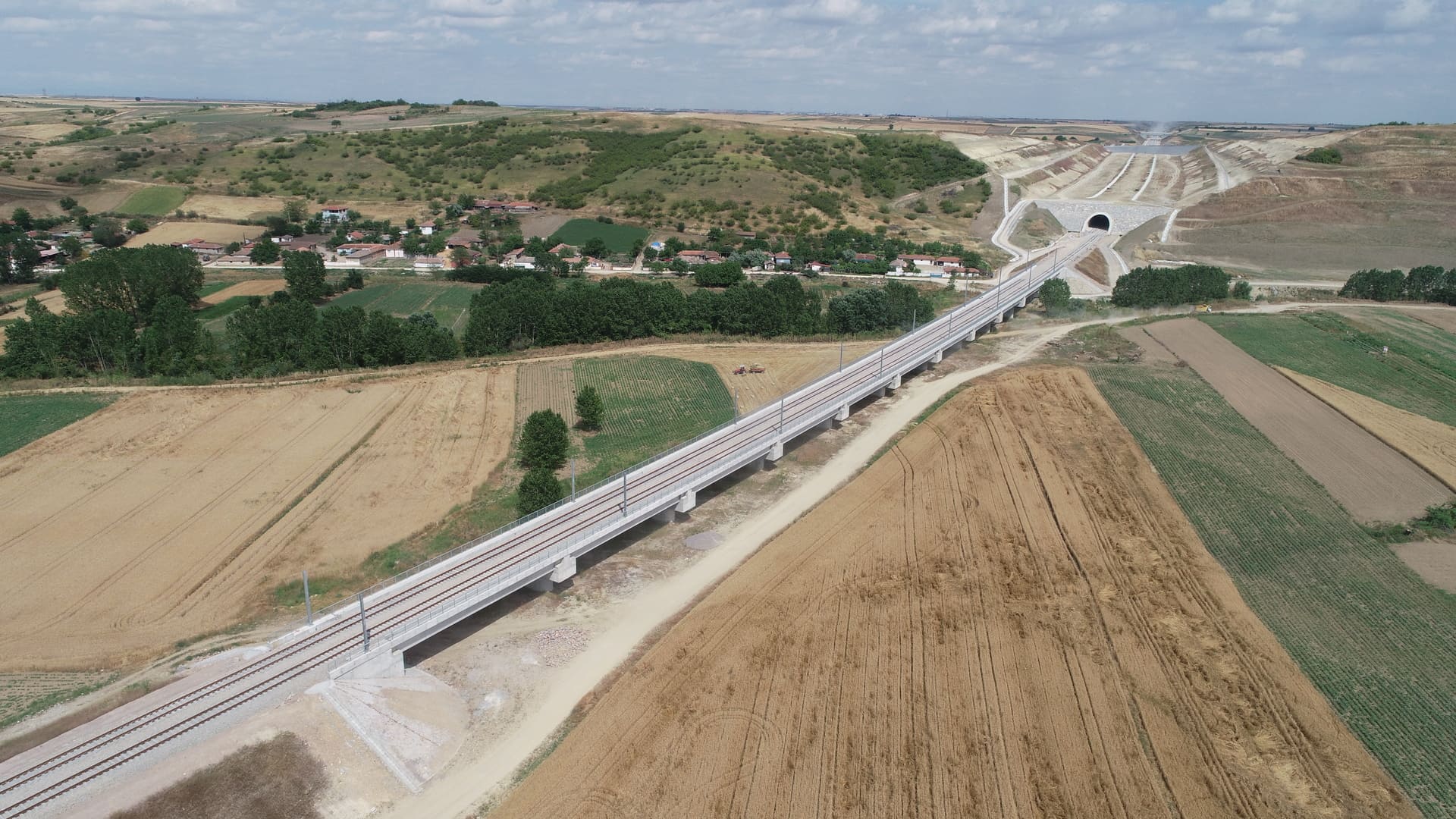 Halkali - Kapikule Railway Line Project, Turkey
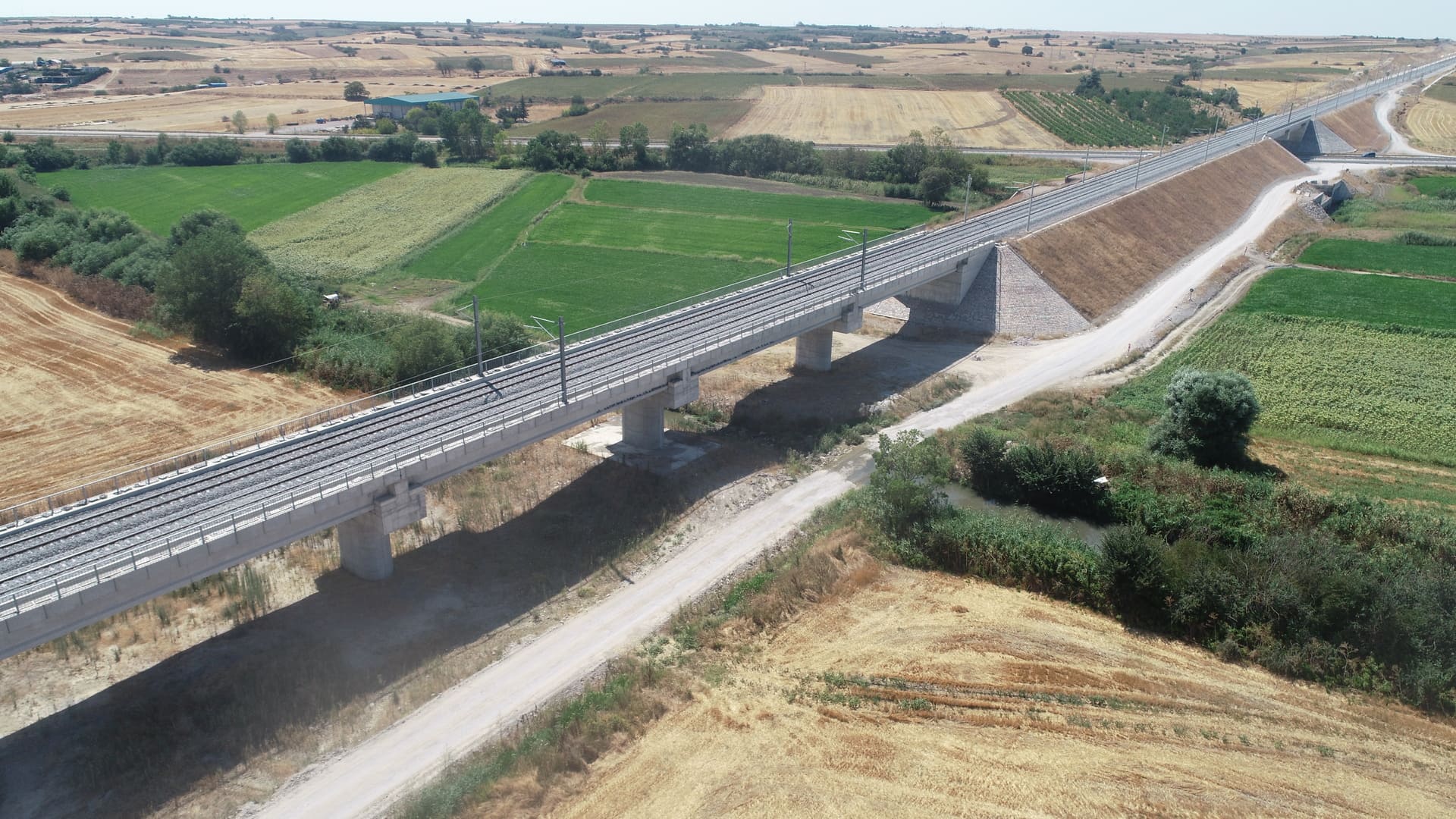 Halkali - Kapikule Railway Line Project, Turkey
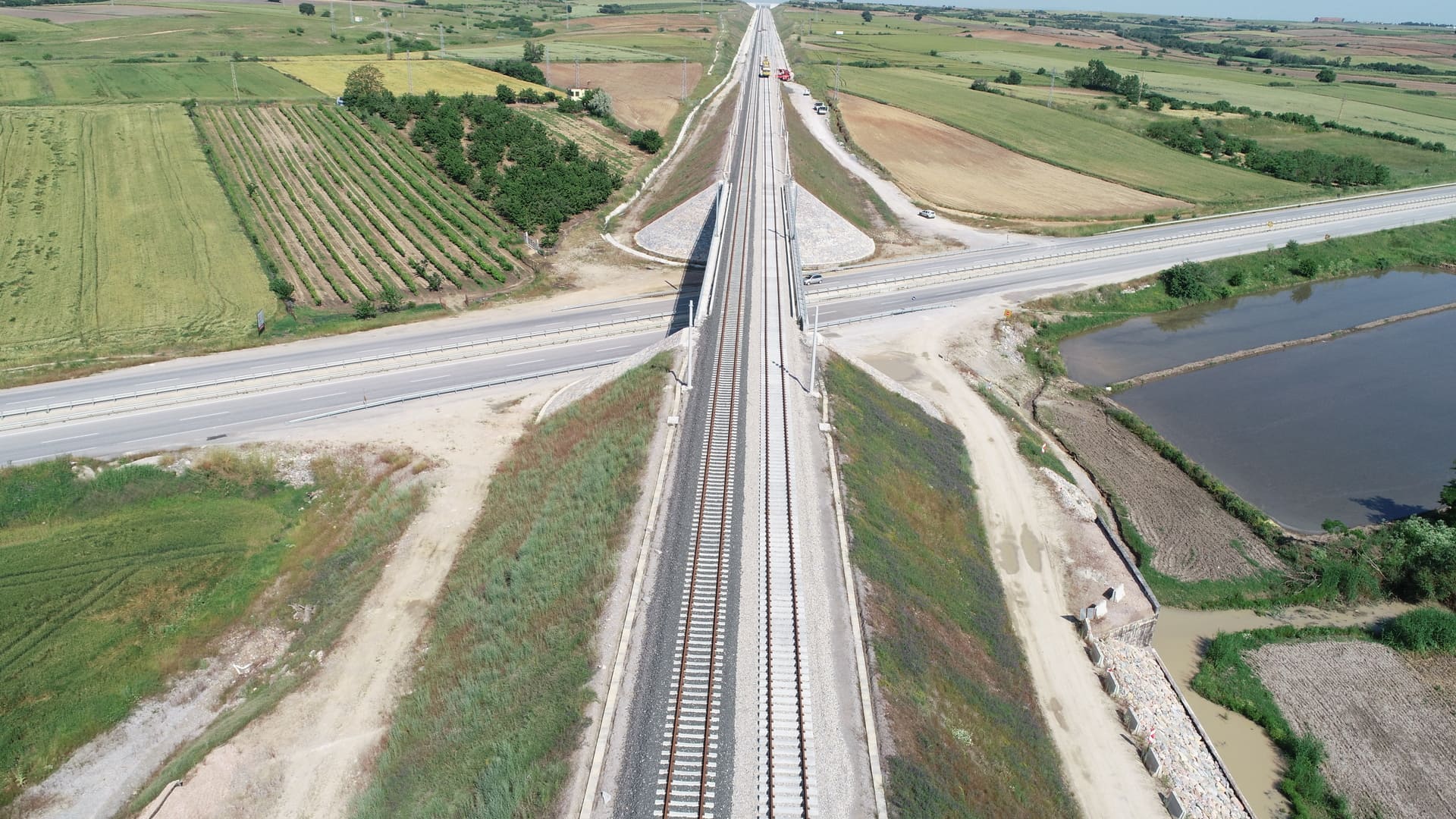 Halkali - Kapikule Railway Line Project, Turkey
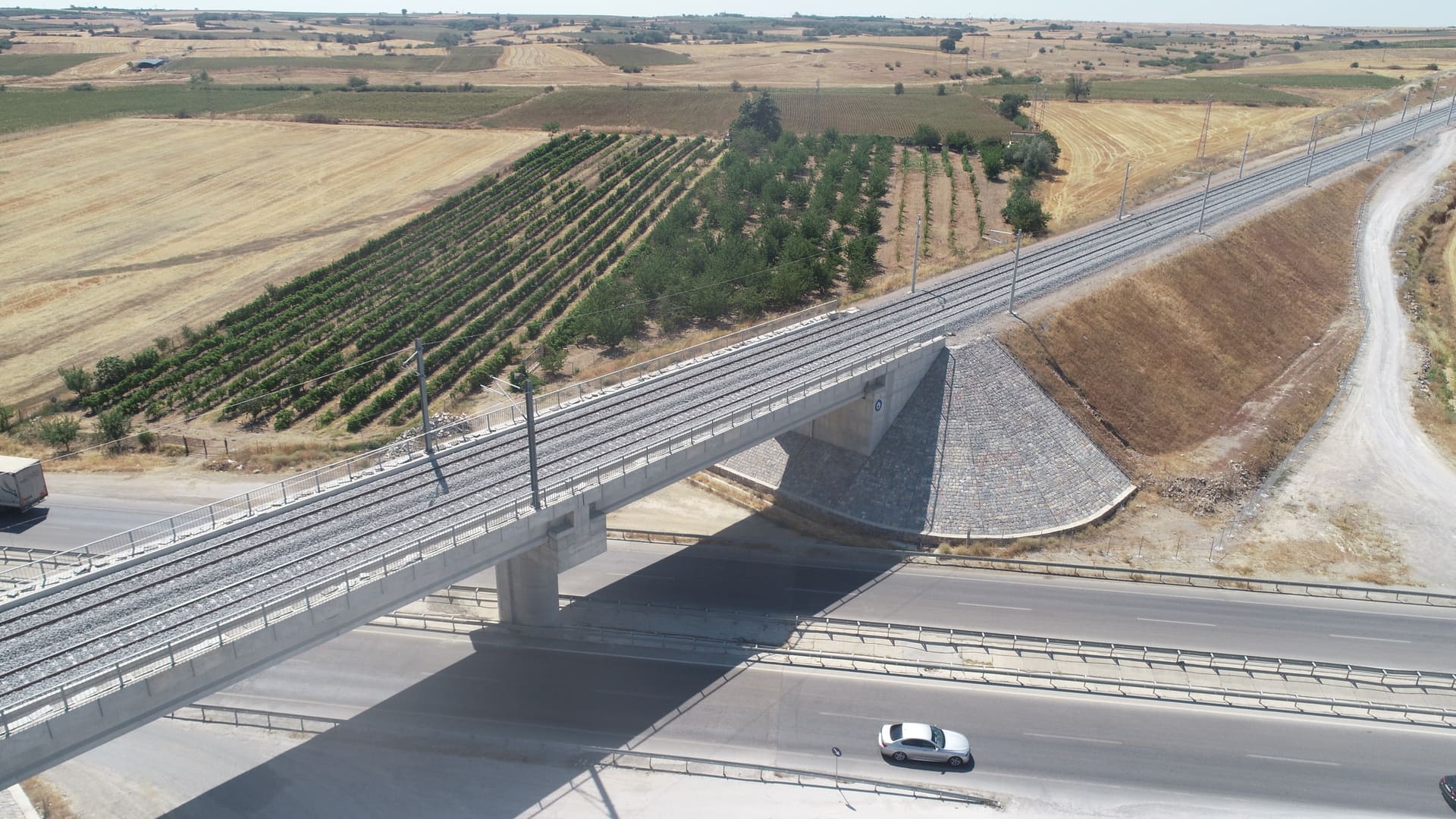 Halkali - Kapikule Railway Line Project, Turkey
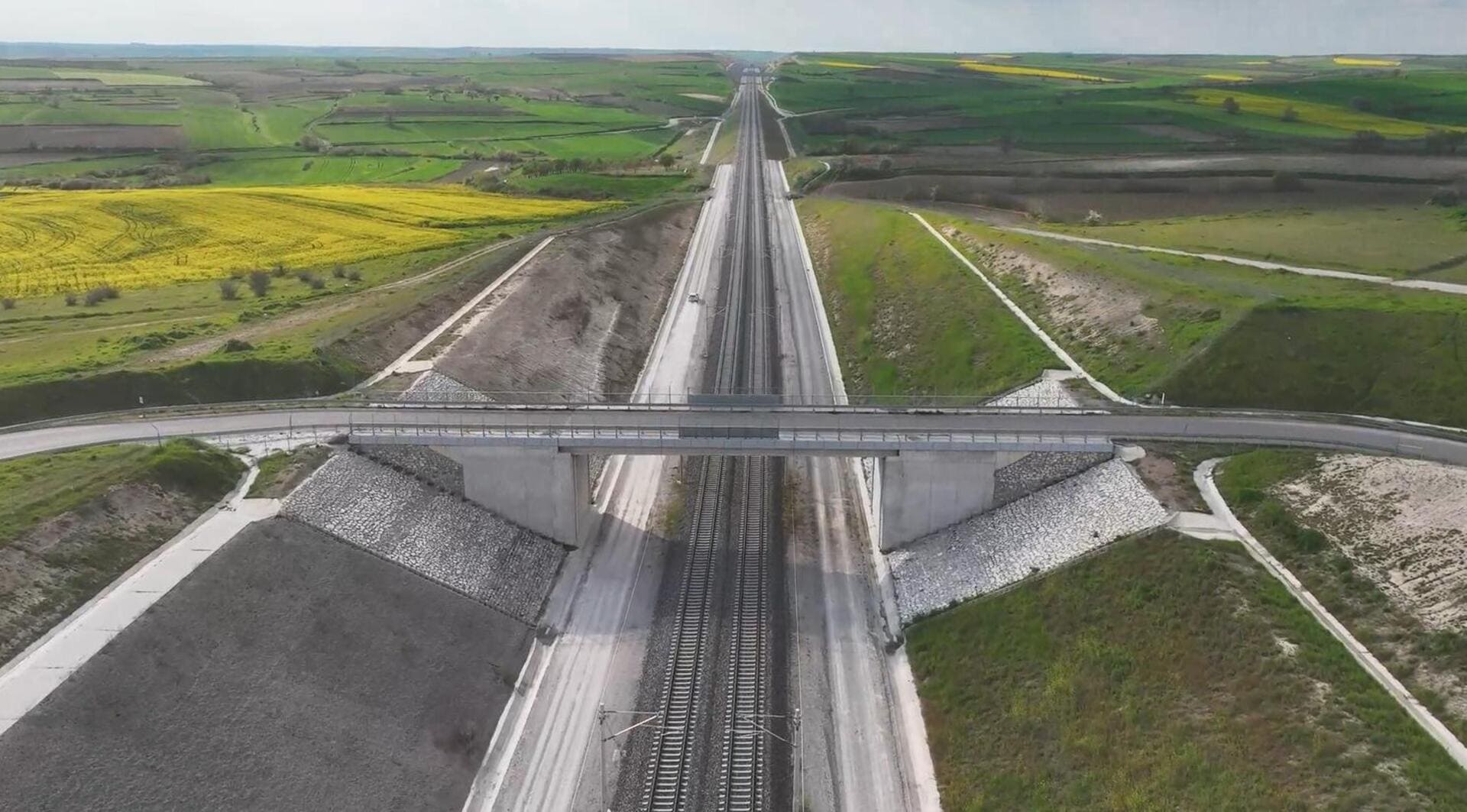 Halkali - Kapikule Railway Line Project, Turkey
- The recently inaugurated rail line between a logistics and manufacturing hub and a crossing at the border with Bulgaria is the latest extension of Turkey’s high-speed network
- The line, which runs between Çerkezköy and Kapıkule, is 153 kilometres long, the first and longest section of what will be a rail service between a transportation hub in Halkalı, near Istanbul and the border, acting as the western end of the Trans-Caspian Transport Corridor
- With trains running at speeds of up to 200 kilometres per hour, travel time along the completed railway will drop from four hours to an hour and a half
- Passenger traffic is expected to increase from 600,000 to three million a year, while cargo being transported is to rise from 1.5 million to 9.5 million tonnes a year
- The Corridor could help more than triple the trade volume along the route, contributing to a 3.3-percent growth in the gross domestic product
read more

In a first, Turkey has started to bring cargo and passengers to the border with the European Union by high-speed train. At 153 kilometres, the line it has recently opened is the latest addition to the country’s growing rail network. Located on the European side of the country called Thrace, the railway line built by a consortium led by Italy’s Webuild Group, runs between the Çerkezköy logistics and manufacturing hub and the town of Kapıkule on the border with Bulgaria, a member state of the European Union (EU).
By connecting the hub with the country’s main entry point to the European Union, this new high-speed rail line will facilitate exports of everything, from textiles and plastics to cars and washing machines.
High-Speed Trains in Turkey: Work Underway on a Major Railway Line
It is the longest section of the so-called Halkalı-Kapıkule railway line. The second and final section has yet to be finished. When it will be, the line will have a total length of 229 kilometres, going all the way to Halkalı, a transportation hub near Istanbul.
With high-speed trains charging ahead at speeds of up to 200 kilometres per hour, passenger travel times will drop from four hours to one hour and 30 minutes, while freight transport times will fall from eight and a half hours to three and a half hours. Capacity will increase substantially: annual passenger traffic is seen rising from 600,000 to three million travellers, while freight capacity will increase from 1.5 million to 9.5 million tonnes per year.
Strategic Infrastructure for Freight Transport, from China to the European Union
Even at this point, the Halkalı-Kapıkule railway line will not have reached its full potential. That is because it has yet to become part of a fully functioning Trans-Caspian Transport Corridor, the trade route that runs for more than 6,000 kilometres from China to Turkey.
Once that is fully developed, the high-speed rail line will serve as the western end of the Corridor, making it easier to transport commodities and manufactured goods from Central Asia and the South Caucasus to the European Union, one of the world’s largest economies.
Turkish President Recep Tayyip Erdoğan spoke of this potential in his speech at the inauguration of the section between Çerkezköy and Kapıkule in October.
“The Halkalı-Kapıkule line cannot be limited solely to Thrace,” he said, according to a translated version of his speech. “(It) is a critical part of the …Corridor that passes through (Turkey).”
The importance of the railway line’s role is understood in a recently published World Bank report that speaks of the enormous benefits that the Corridor could bring to the countries along it, such as Kazakhstan, Azerbaijan and Georgia.
It estimates that the Corridor could more than triple trade volumes along the route, halve travel times, boost gross domestic product by 3.3 percent, as well as create two million more jobs by 2040.
“If countries (along the Corridor) pair infrastructure investments with reforms that improve trade and transport efficiency, corridor volumes could quadruple and travel times could fall by two-thirds by 2040.”
Too Many Trucks, Too Few Trains: Turkey’s Logistics Problem
Much work still has to be done on the Corridor before it will be able to meet such expectations, however.
Also known as the Middle Corridor, the infrastructure running along it – whether it be road, rail and port – is old, sporadic and constrained by limited capacity. The result is a heavy reliance on trucks, a far less efficient means of transport than freight trains.
Of the 340 billion non-pipeline inland ton-kilometres transported in Turkey in 2022, 95 percent took place by truck and only five percent by rail, according to a 2024 report by the World Bank.
“That is well below the rail freight market share of other upper middle-income countries of similar commodity mix and length-of-haul profile as (Turkey), such as South Africa (37 percent), China (29 percent), Mexico (25 percent), and Brazil (20 percent). It is also less than a third of that of the EU (17 percent), and one-seventh that of the U.S. (34 percent).”
Higher Costs, More Air Pollution: The Consequences of Limited Rail Freight Transport
This overreliance on trucks is costly – both economically and in terms of air pollution.
“In terms of shipper out-of-pocket transport costs, …(Turkey) is 2.8 times more expensive per ton-(kilometre) than rail freight,” the report said.
“In terms of the economic value of greenhouse gas (GHG) emissions, …Turkish heavy-duty trucks generate 2.6 times more well-to-wheel carbon dioxide (CO2) emissions per ton-(kilometre) transported than diesel rail freight and 6.3 times more well-to-wheel CO2 emissions per ton-(kilometre) transported than electric rail freight.
“(Turkey) therefore has an opportunity, unique in magnitude among most upper middle-income countries, to reduce transport costs and mitigate the impacts of climate change by promoting rail freight adoption and shifting freight from trucks to rail,” it added.
The Potential of the Middle Corridor: A Driver of Regional Development
In the latest report, the World Bank has calculated the amount of investment needed to make the Corridor a viable enabler of economic growth.
“More than $25 billion in physical infrastructure investments will be needed through 2040, particularly on rail networks, maritime ports, and feeder roads,” it said.
“In addition, an estimated $30 billion will be needed for ‘enabling’ investments, such as connecting road and rail links that tie the corridor into local economies, logistics hubs and inland terminals that help goods move faster, and logistics equipment,” it added.
“Better-connected railways, ports, logistics hubs, and digital systems—combined with stronger coordination among countries and operators—can help turn the Trans-Caspian Transport Corridor into a more competitive route for businesses and a stronger platform for regional development,” it quotes Charles Cormier, Regional Director of Infrastructure, Europe and Central Asia, as saying.