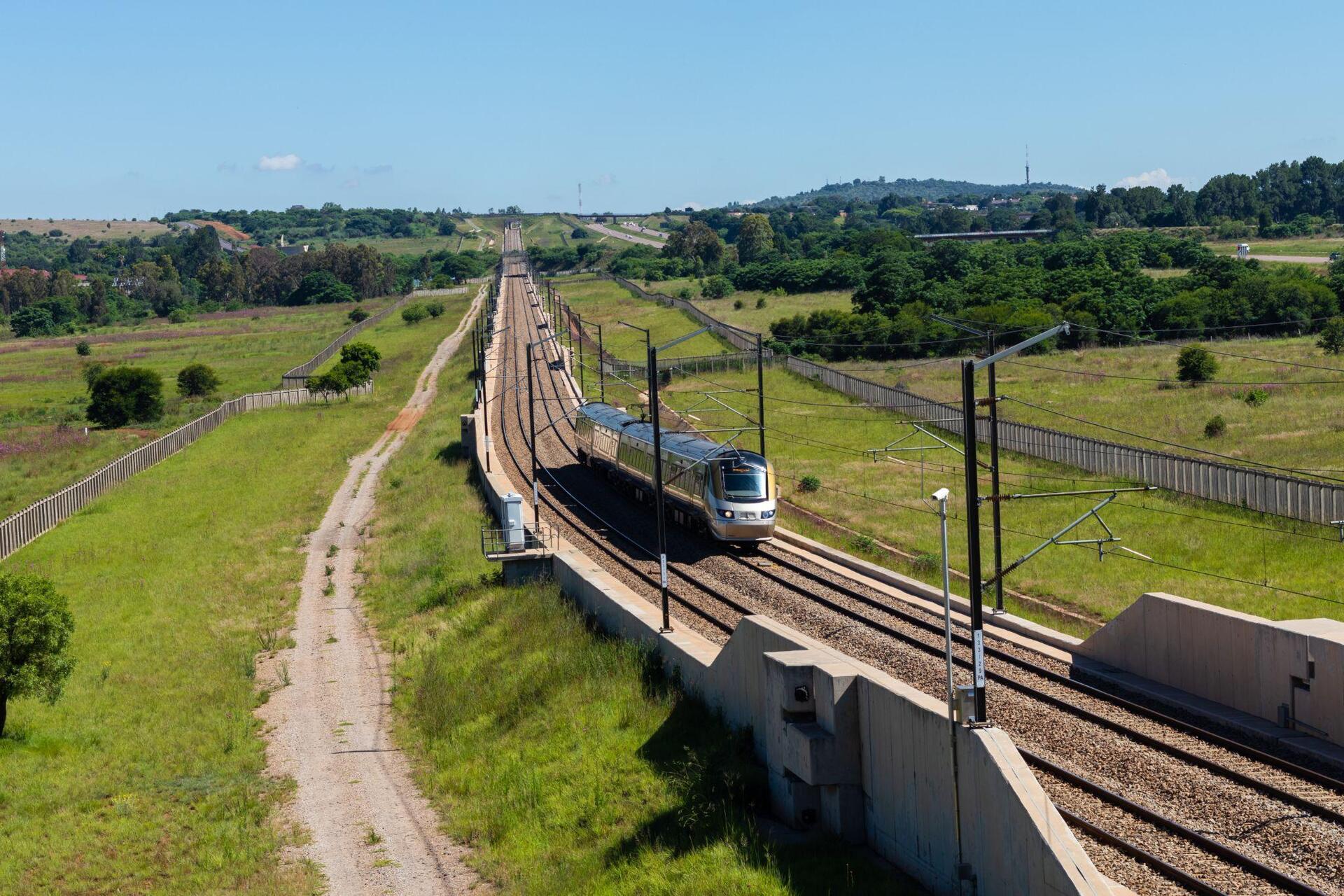


In Africa, large-scale infrastructure projects serve as strategic levers for territorial transformation. On a continent marked by infrastructure gaps, yet increasingly aware of the strategic value of development programs and rapid urbanization, these projects help close existing divides, improve access to services, and create new opportunities for trade.
Hydroelectric dams, railways, ports, and road networks are reshaping connections between regions, supporting economic growth, and fostering greater integration among countries. Designed to operate under complex environmental conditions and constantly evolving scenarios, these works have a tangible impact on territorial development, accompanying the continent’s economic and social transformation over time.
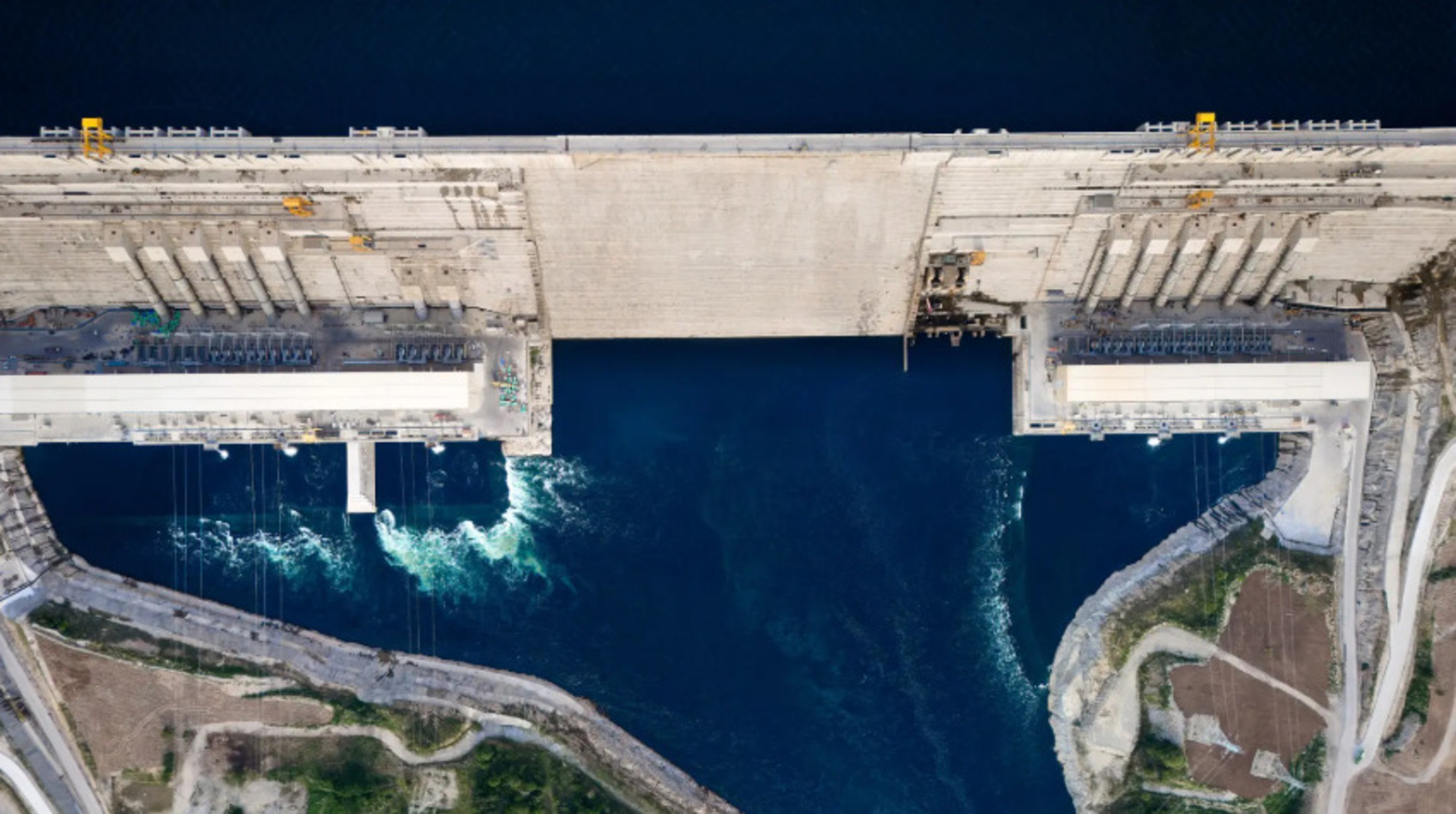
1 – Grand Ethiopian Renaissance Dam (GERD)
The Grand Ethiopian Renaissance Dam (GERD) is one of the most ambitious infrastructure projects ever undertaken in Africa and represents a pivotal step in Ethiopia’s energy transformation.
Located on the Blue Nile, the dam is the largest hydroelectric power plant on the continent, with a capacity of 5,150 MW, significantly boosting national energy production and supporting regional energy exports.
Built by Webuild, this civil engineering project stands out for its scale and complexity: an imposing hydroelectric dam complemented by an extensive power generation system. Beyond its technical function, GERD contributes to the country’s economic growth and infrastructure development, reinforcing Ethiopia’s role in the African energy landscape.
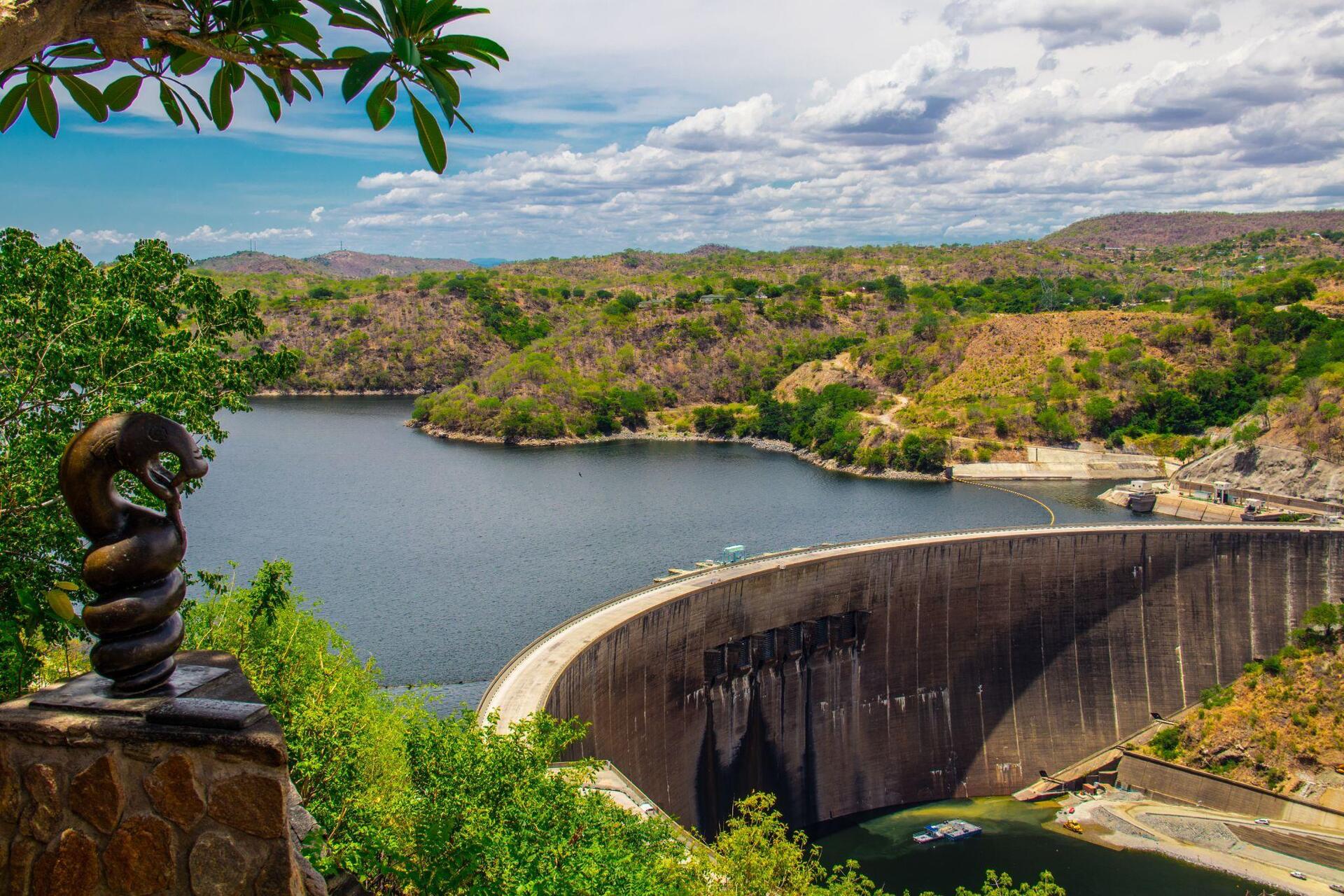
2 – Kariba Hydroelectric Dam
The Kariba Hydroelectric Power Plant is one of the most iconic infrastructure projects in African history, transforming the Zambezi River into a strategic resource for electricity production and regional development.
Located on the border between Zambia and Zimbabwe, the dam represents one of the continent’s earliest large-scale hydroelectric projects and remains one of its most significant infrastructures today.
Built with the contribution of companies now part of Webuild, the project is notable for its concrete arch structure and the creation of one of the world’s largest artificial reservoirs, stretching hundreds of kilometers.
In addition to renewable energy production, Kariba has had a lasting impact on the region’s economic development, demonstrating how large infrastructure can redefine the relationship between natural resources and territorial growth.
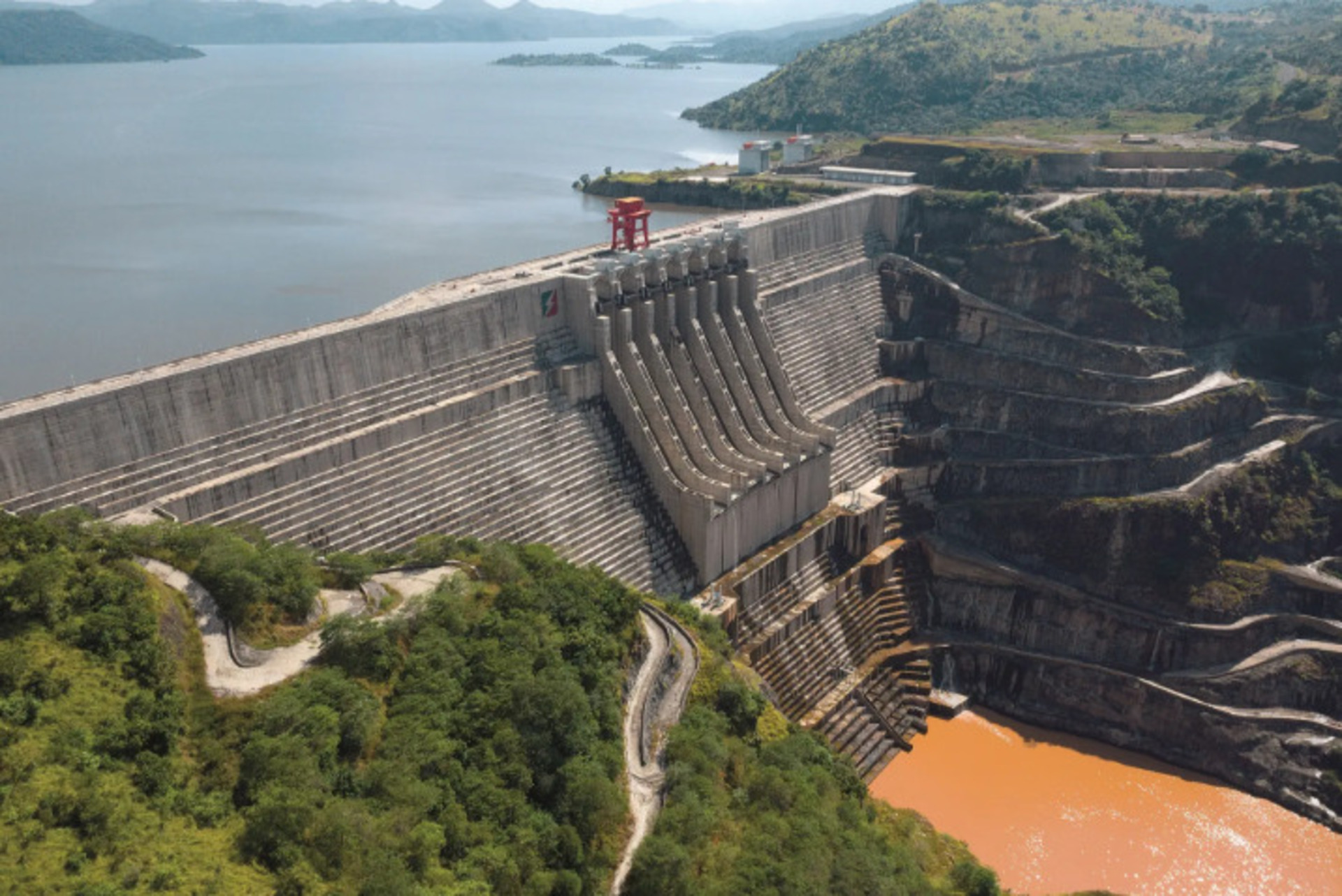
3 – Gibe III Hydropower Project
The Gibe III Hydropower Project is a major contemporary African infrastructure, designed to support Ethiopia’s energy growth and accompany its economic development.
Located on the Omo River, approximately 450 km from Addis Ababa, this hydroelectric power plant is a key pillar of the national energy system, with an installed capacity of around 1,870 MW and an estimated annual output of 6,500 GWh.
Built by Webuild, this civil engineering project is remarkable for the scale of the dam (at the time of completion, the tallest roller-compacted concrete dam in the world) and the complexity of its associated works, including tunnels, power stations, and auxiliary infrastructure.
4 – Addis Ababa–Djibouti Railway
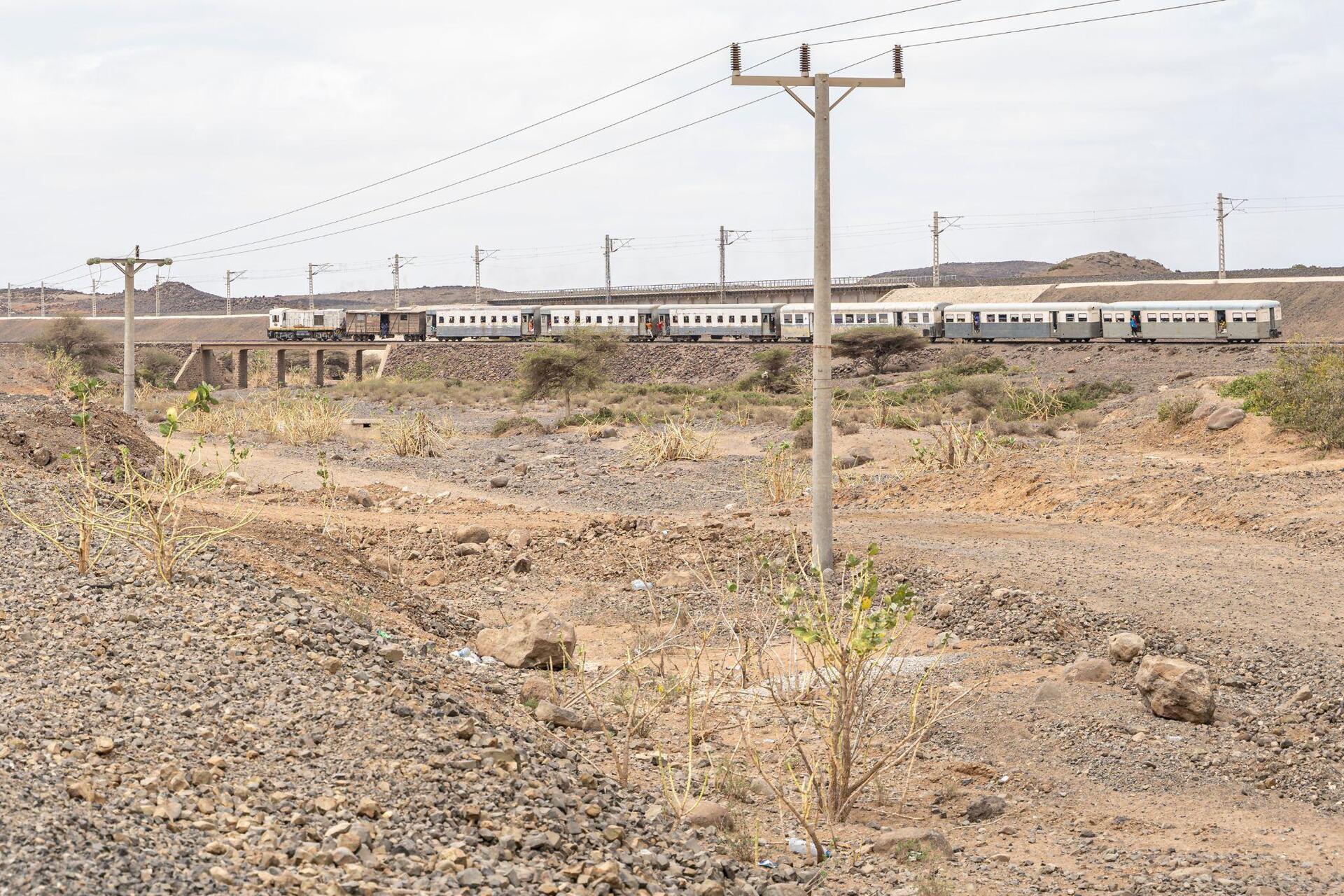
The Addis Ababa–Djibouti Railway is one of Africa’s most strategic contemporary infrastructure projects, creating a corridor that has redefined connections between the inland regions and global trade.
Stretching over 750 km, it links Ethiopia’s capital to the Port of Djibouti, through which more than 90% of the country’s foreign trade passes, becoming the primary gateway to the sea for a landlocked economy.
Operational since 2018, the electrified railway has drastically reduced travel times, cutting journeys that once took up to 50 hours to roughly 10 hours. Beyond improving logistics, the project has strengthened the region’s economic integration, connecting cities, industrial areas, and ports along a crucial axis for Ethiopia’s development and growth.
5 – Gautrain
The Gautrain is one of South Africa’s most emblematic contemporary infrastructure projects, a high-speed rail transport system that has transformed mobility in the country’s most dynamic area.
Covering approximately 80 km, it links Johannesburg, Pretoria, and the O.R. Tambo International Airport, offering an efficient alternative to the road network along one of the continent’s most congested corridors.
Operational between 2010 and 2012, the project was developed as a public-private partnership aimed at modernizing the transport system and supporting regional development.