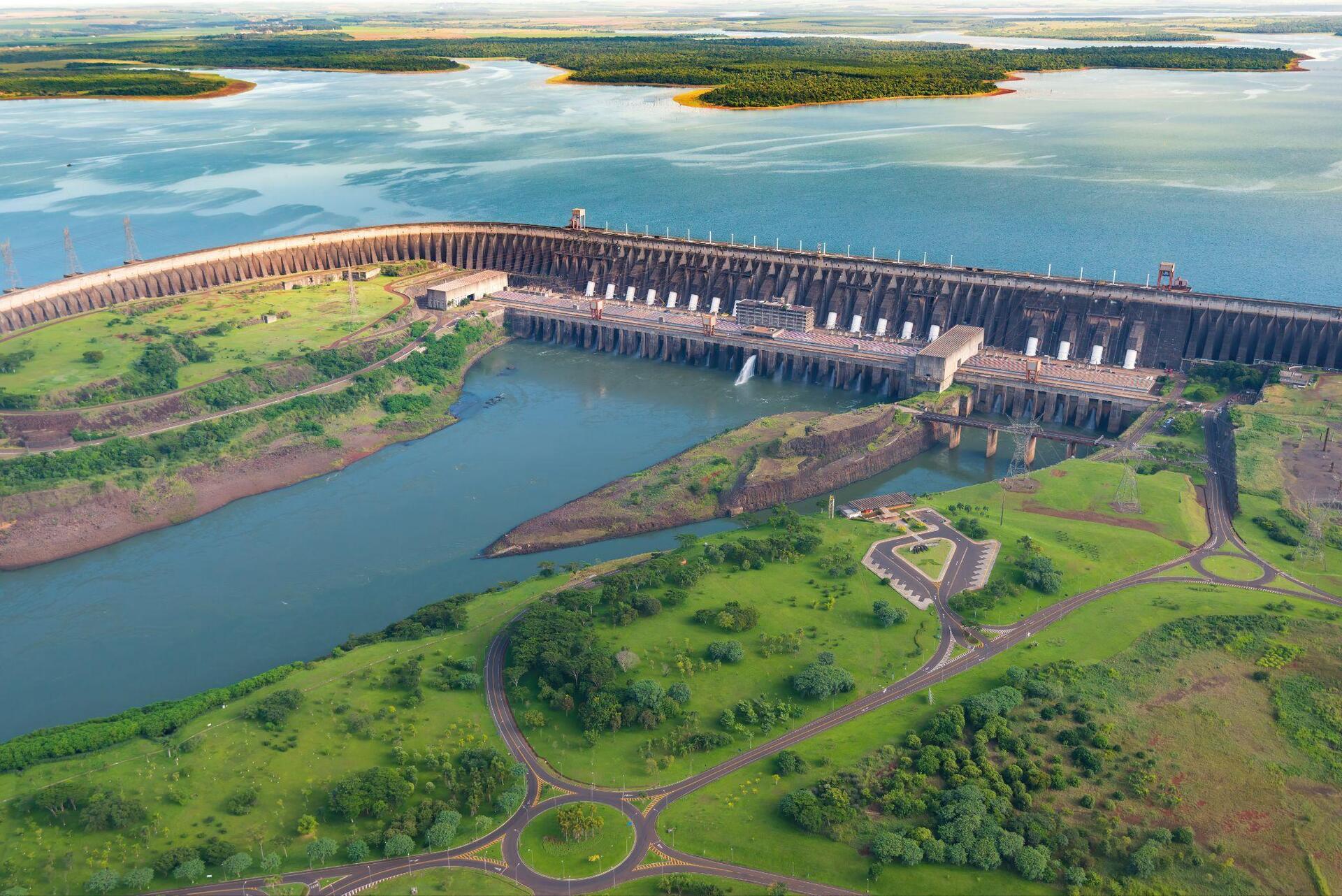


Large, powerful and often invisible in everyday life, major dams play a fundamental role in the balance of territories. They regulate water, generate hydroelectric energy and support long-term economic development.
More than simple containment structures, they are strategic infrastructures where engineering, safety and sustainability converge to transform a natural force into a reliable and lasting renewable resource.
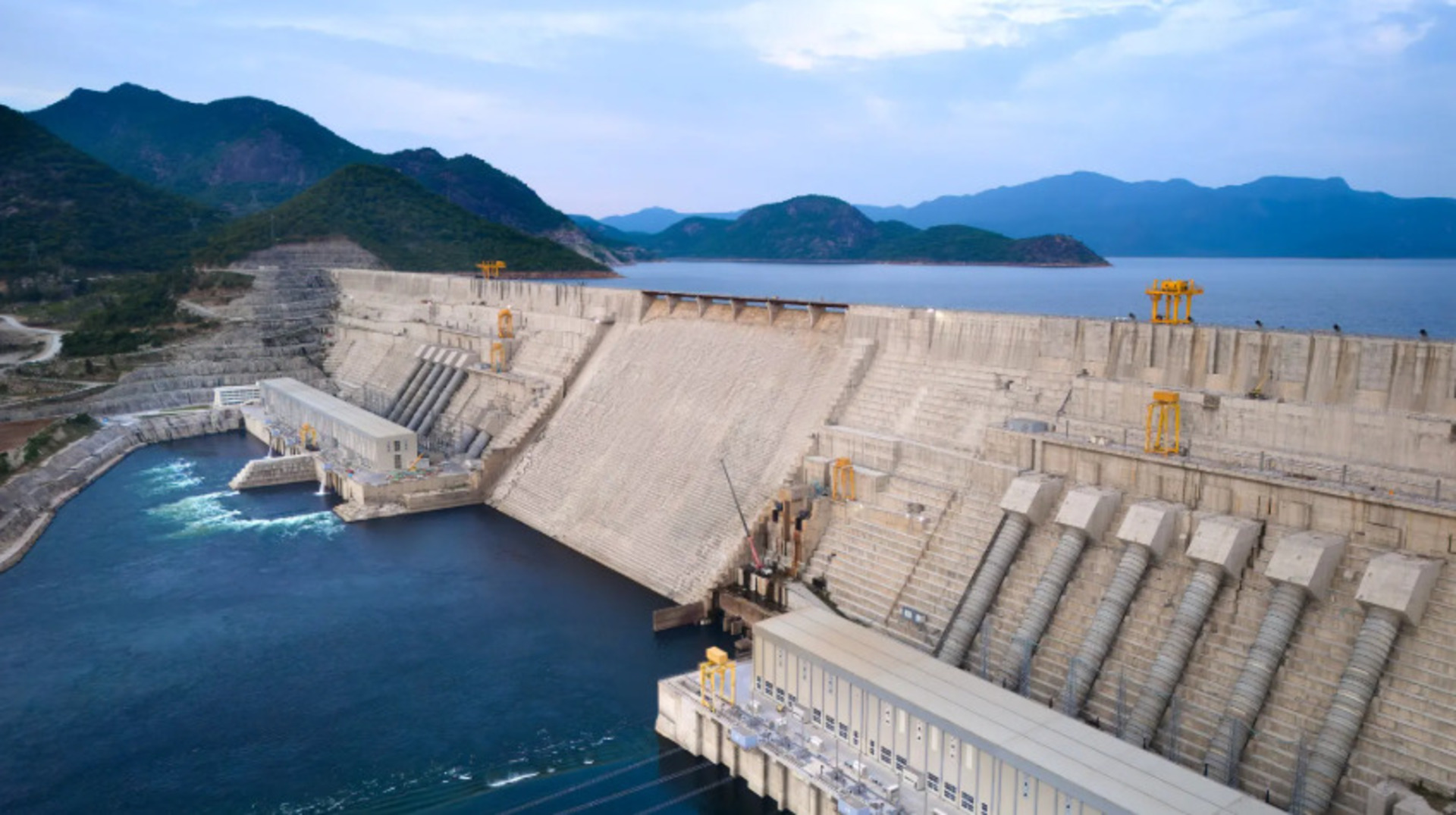
1 – Grand Ethiopian Renaissance Dam (Ethiopia)
The Grand Ethiopian Renaissance Dam is one of the largest hydroelectric projects in the world and represents a key initiative for Africa’s energy future.
Built on the Blue Nile with the contribution of Webuild, this Ethiopian dam is designed to deliver renewable energy production on a continental scale, supporting the country’s economic growth and strengthening the stability of the national power grid, with a reduction of 1.3 million tonnes of CO₂ emissions per year.
A complex infrastructure developed in a technically and environmentally challenging context, the Grand Ethiopian Renaissance Dam combines extraordinary scale, advanced engineering solutions and a long-term vision, reaffirming the strategic role of major hydroelectric dams in the sustainable development of territories.
2 – Kariba Hydroelectric Plant (Zimbabwe and Zambia)
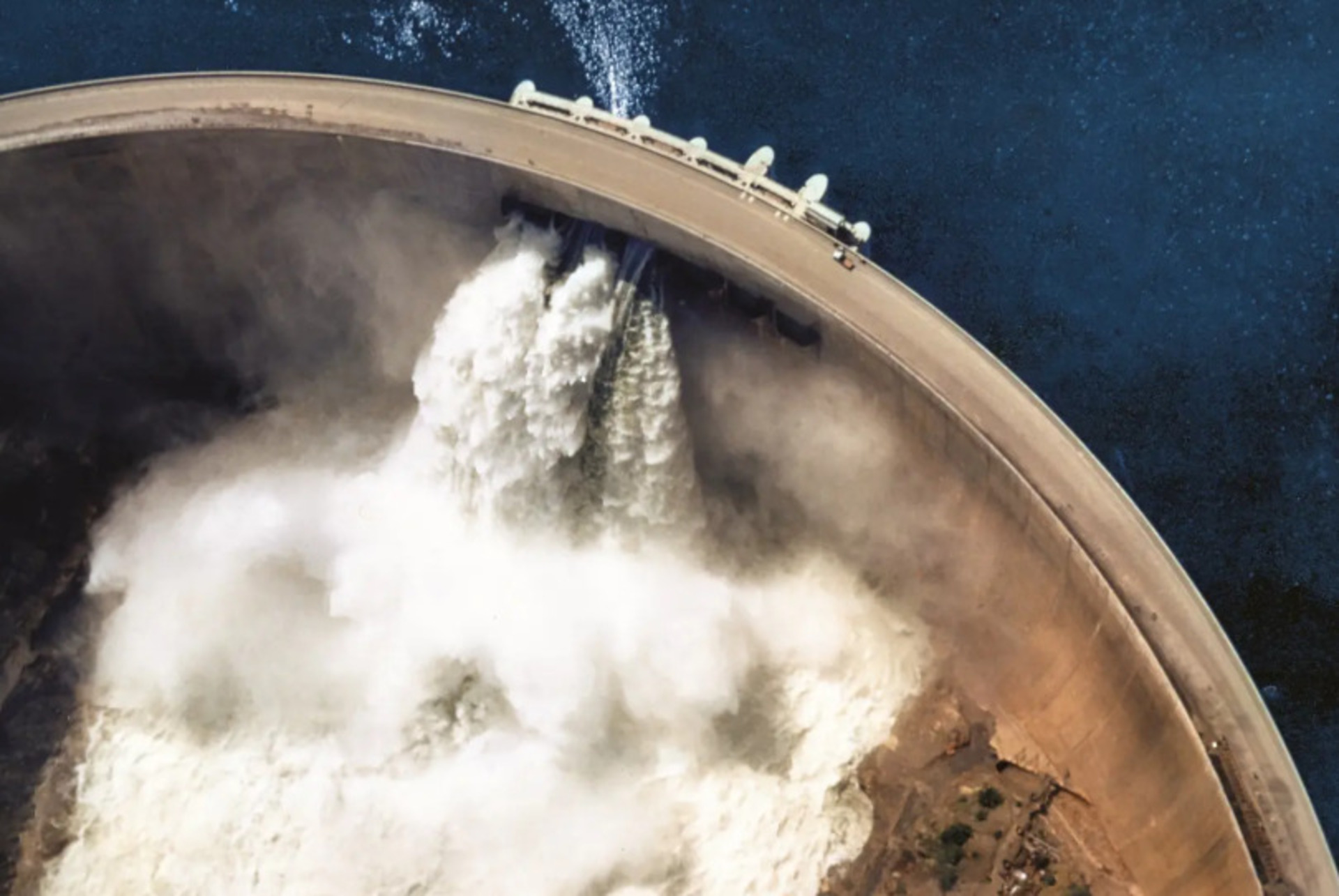
The Kariba Hydropower Plant, located on the Zambezi River at the border between Zambia and Zimbabwe, is one of the landmark achievements of African hydropower engineering.
Developed with the contribution of Webuild, this hydroelectric project includes a double-curvature concrete arch dam and an articulated system of underground works that feed one of the largest artificial reservoirs in the world.
Completed in the late 1950s, Kariba marked a turning point in large-scale renewable energy generation, supporting the region’s economic development and establishing itself as an example of long-lasting infrastructure, capable of combining technical complexity, international vision and long-term strategic impact.
3 – Rogun Hydropower Project (Tajikistan)
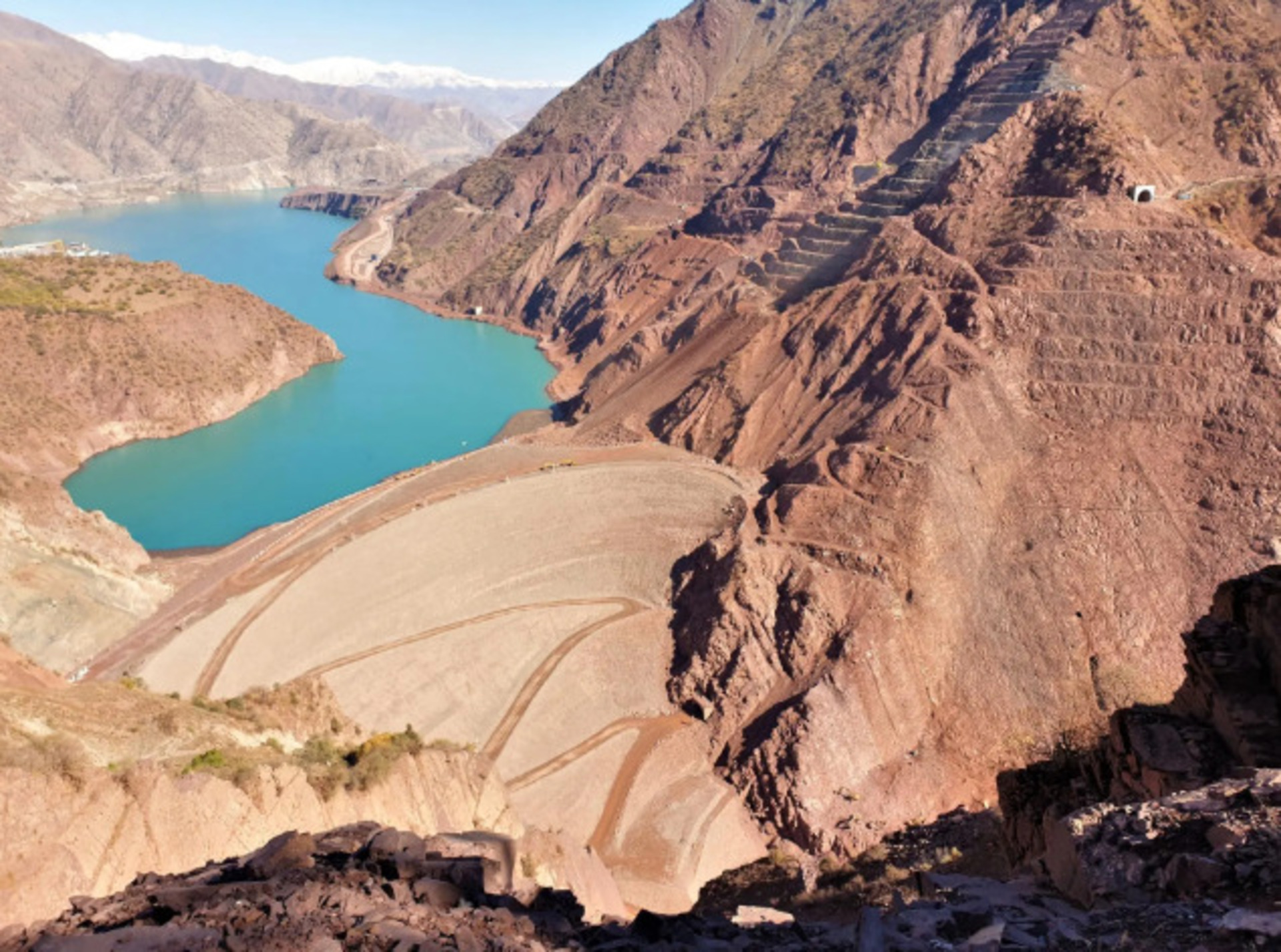
The Rogun Hydropower Project in Tajikistan is set to redefine dam engineering records with the construction of a 335-metre-high rockfill dam with a clay core, which will make it the tallest dam in the world.
Located on the Vakhsh River, in the heart of the Pamir mountain range, this dam currently under construction by Webuild on behalf of OJSC Rogun HPP will not only double the country’s energy capacity, but also make a significant contribution to reducing electricity shortages during the winter months and supporting the economic development of the entire region.
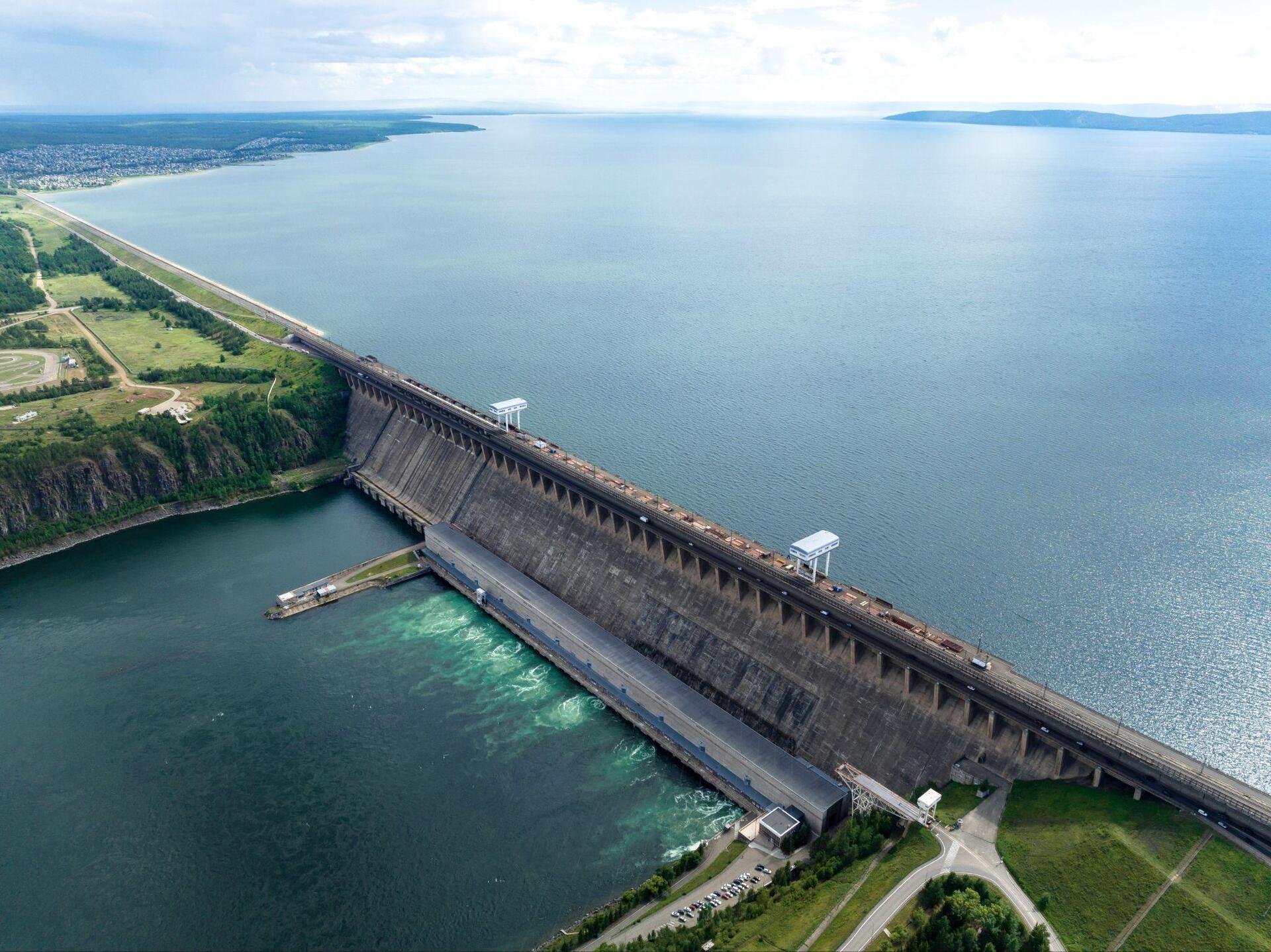
4 – Bratsk Dam (Russia)
Built on the Angara River in Eastern Siberia, the Bratsk Dam is one of the largest in the world in terms of concrete volume and reservoir capacity.
Completed between 1954 and 1967, it supplies a hydroelectric power plant with more than 4,500 MW of installed capacity and remains to this day a key piece of infrastructure for Russia’s energy system.
5 – Itaipu Dam (Brazil and Paraguay)
Inaugurated in 1984 on the Paraná River, at the border between Brazil and Paraguay, the Itaipu Dam is one of the most powerful hydropower plants ever built. With an installed capacity of 14,000 MW and 20 turbines of 700 MW each, it was for many years the plant with the highest annual hydroelectric power generation in the world.
An infrastructure of exceptional scale, it required more concrete than that used to build five Channel Tunnels, becoming a symbol of continental-scale engineering.