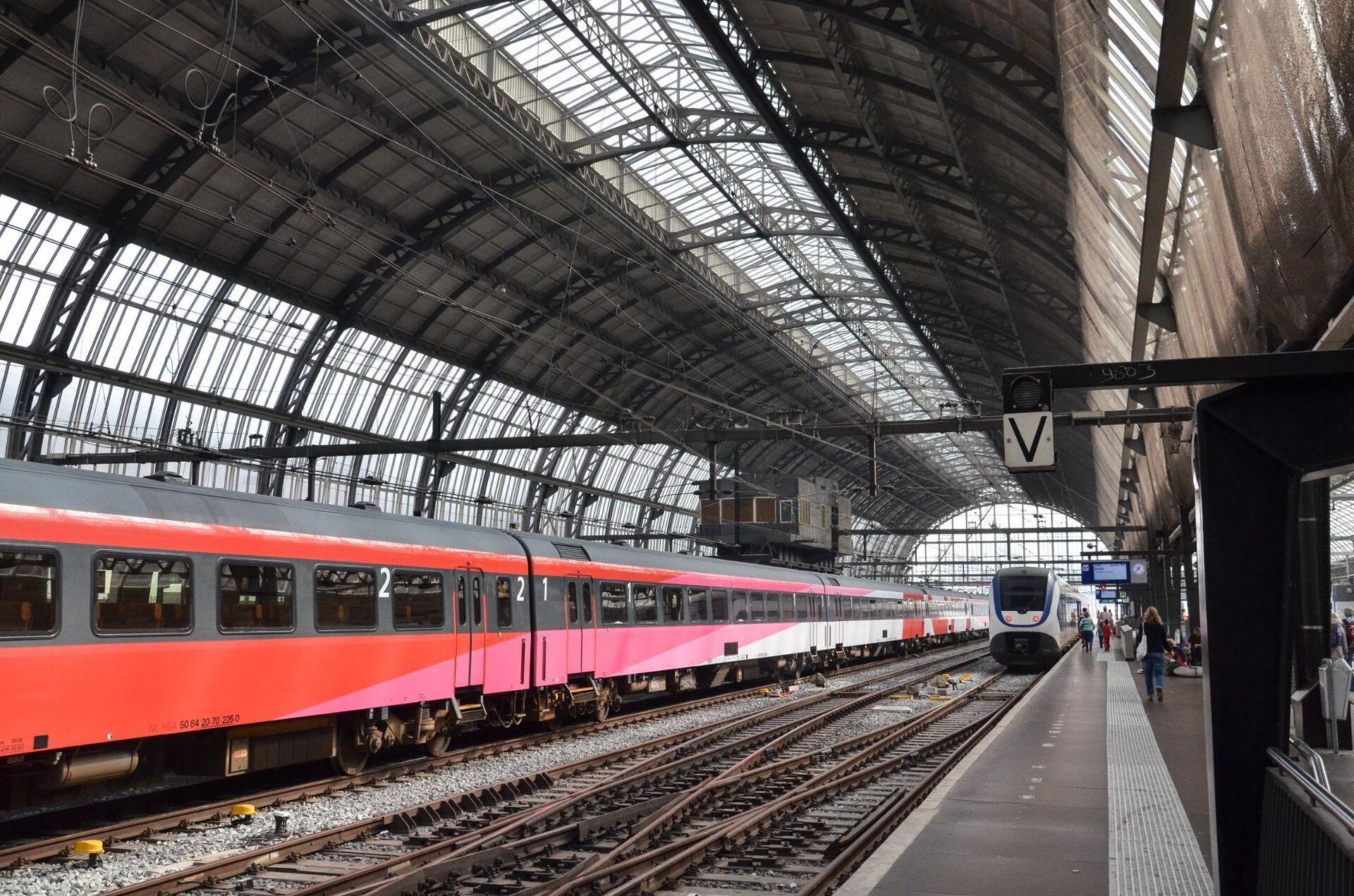


The TEN-T network represents the backbone of European mobility, an integrated transport system of roads, railways, ports, and airports designed to efficiently and sustainably connect countries, regions, and cities.
It is more than just public infrastructure: these are strategic corridors that foster trade, territorial cohesion, and economic growth across the continent.
Designed to meet future challenges and improve accessibility between major hubs, TEN-T demonstrates how planning and cooperation can turn transportation into a driver of shared development.
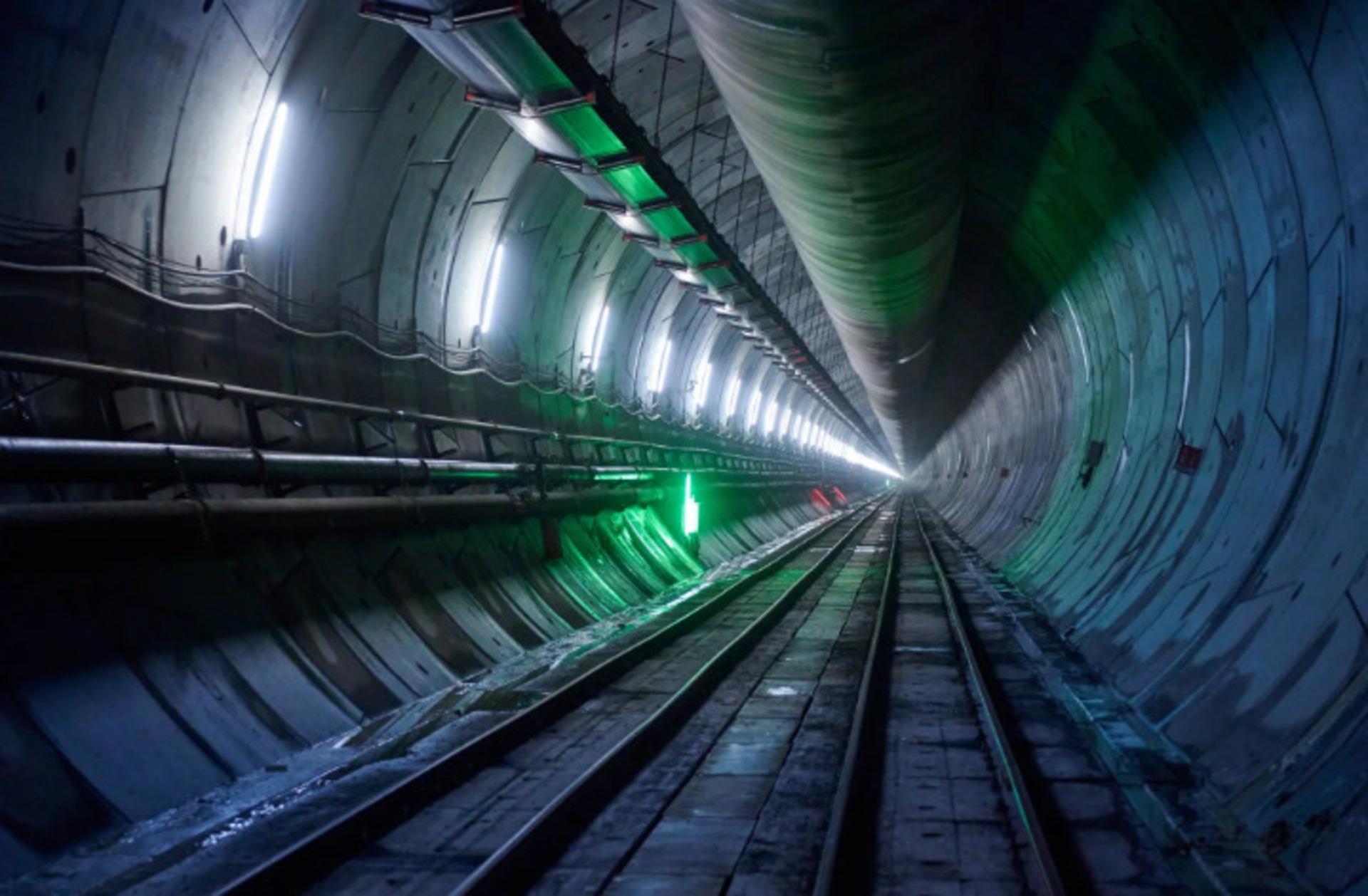
1 – Brenner Base Tunnel
The Brenner Base Tunnel is one of Europe’s most ambitious infrastructure projects and a key element of the TEN-T network, aimed at improving connections and logistics between Italy and Austria.
At 64 km in length, the Brenner Tunnel will be the world’s longest railway tunnel, allowing large volumes of freight transport and passenger traffic to pass under the Alps, reducing travel times and relieving existing road networks.
Built with the contribution of Webuild and international partners, this infrastructure development project uses cutting-edge technologies and a cross-border cooperation approach. It not only enhances connectivity between countries but also supports Europe’s sustainable mobility goals, delivering tangible benefits for the environment and the quality of life in the regions it crosses.
2 – Naples-Bari High-Speed Railway Line
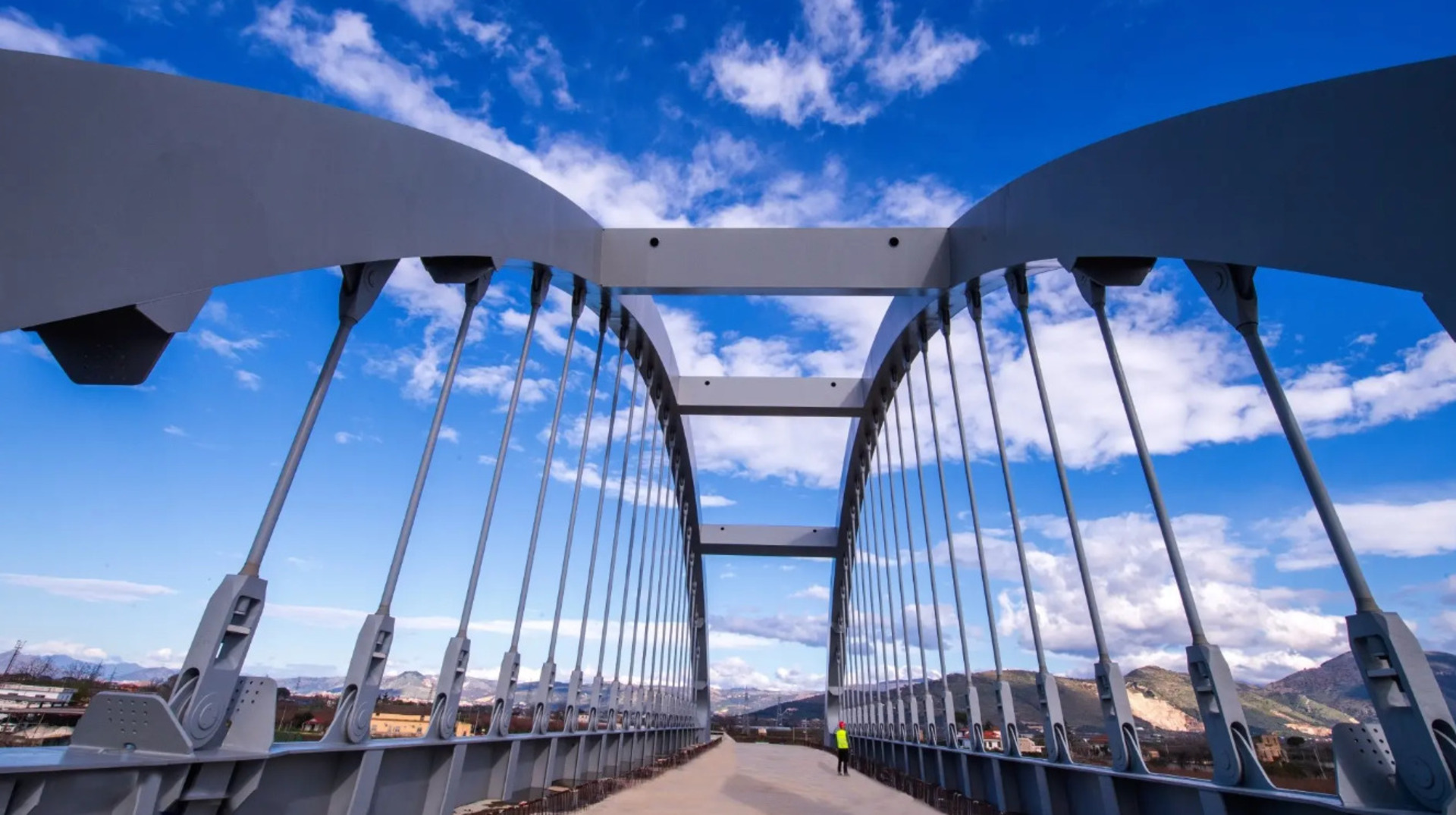
The Naples–Bari High-Speed/High-Capacity railway is a strategic transportation infrastructure of the TEN-T network that strengthens links between southern Italy and the rest of Europe, promoting faster, more efficient, and sustainable mobility.
The route, part of the high-capacity connection between Salerno and Bari, significantly reduces travel times between major cities in Campania and Apulia, improving territorial accessibility and stimulating economic development along the Adriatic corridor.
Executed with the contribution of Webuild and commissioned by RFI – Gruppo FS Italiane, the project integrates advanced technical solutions and modern facilities for both passenger transport and freight transport, increasing capacity and encouraging a significant modal shift toward rail transport.
3 – Fehmarnbelt Tunnel
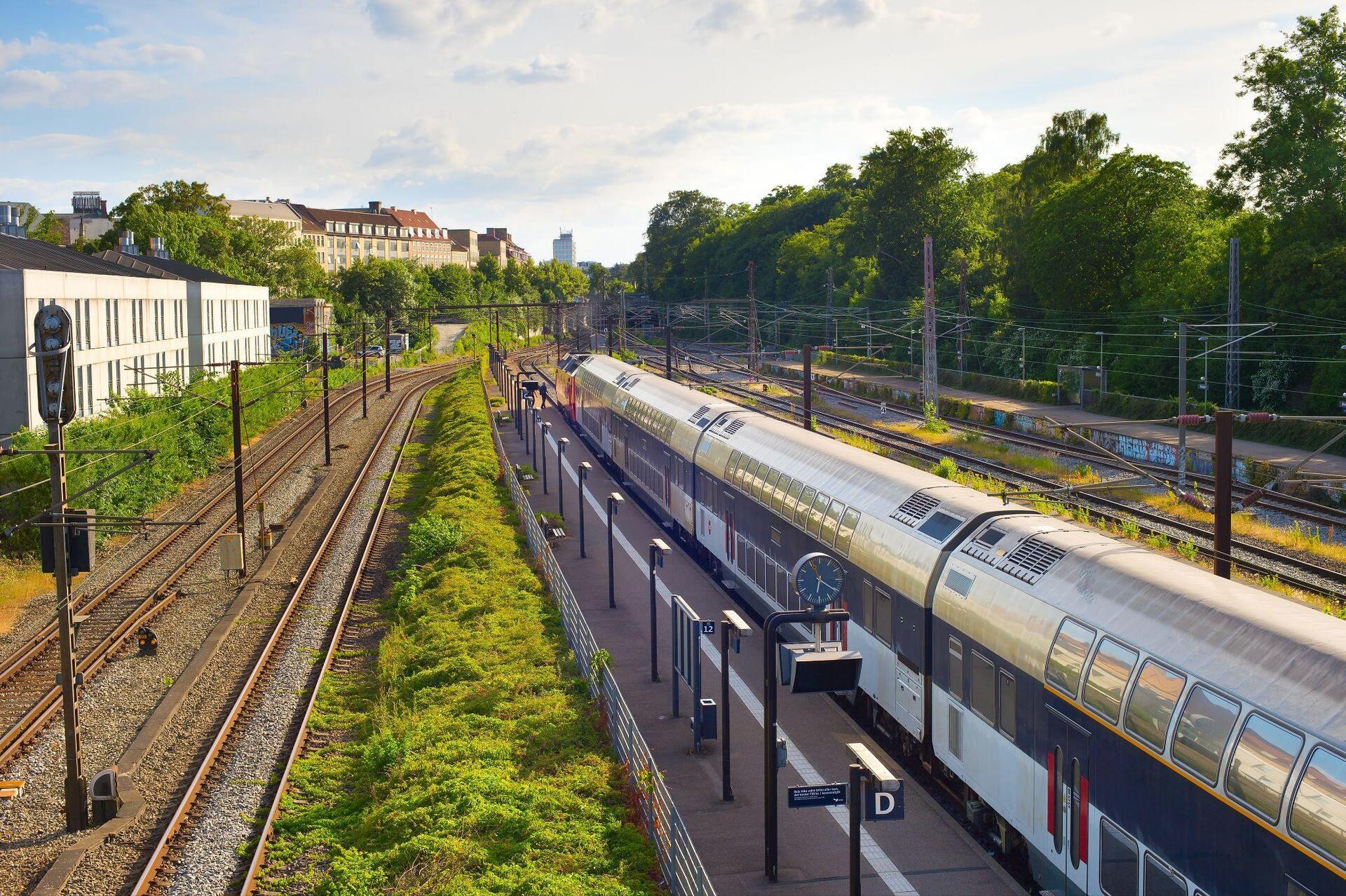
The Fehmarnbelt Fixed Link is one of the most significant infrastructure projects within the TEN-T framework, designed to directly connect Denmark and Germany across the Baltic Sea.
It is an 18 km combined rail and road underwater tunnel, which will become the longest of its kind in the world, drastically reducing travel times between Copenhagen and Hamburg and strengthening Northern European mobility corridors.
The Fehmarnbelt Tunnel project integrates advanced civil engineering and sustainable solutions for both passenger transport and freight transportation.
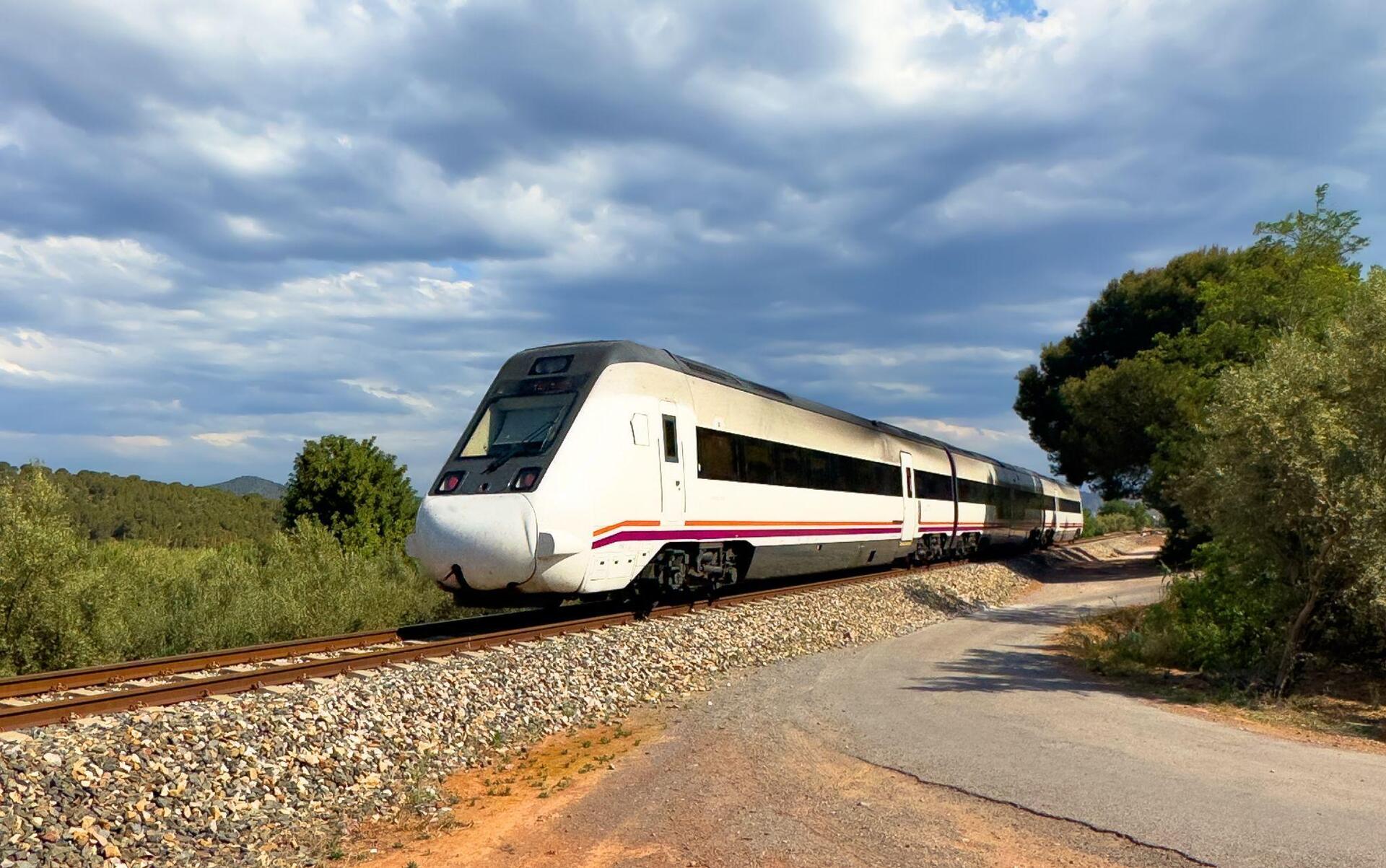
4 – Madrid–Barcelona High-Speed Rail Line
Spain is planning a major upgrade of the Madrid–Barcelona high-speed rail line, aiming to reduce travel times between the two cities to under two hours, increase maximum train speeds to 350 km/h, and improve key sections of the route.
This corridor, already one of Europe’s busiest and used annually by millions of passengers, will benefit from railway infrastructure development, enhanced station access, and operational flexibility, as announced by the government as part of feasibility and modernization plans.
5 – Paris–Brussels–Amsterdam High-Speed Rail Transport System
The Paris–Brussels–Amsterdam High-Speed Rail is one of Western Europe’s main high-speed corridors, forming a core part of the rapid transit system between major European cities.
The international link uses several high-speed railway lines. In France, the LGV Nord connects Paris to the Belgian border via Lille at 300 km/h. In Belgium, the HSL 1 carries trains to Brussels on a dedicated track. Finally, the HSL-Zuid in the Netherlands allows high-speed trains to continue toward Rotterdam and Amsterdam.
This corridor is considered an example of efficient cross-border rail mobility and a sustainable alternative to air travel for international journeys in the heart of Europe.