


 European Commission, Bruxelles
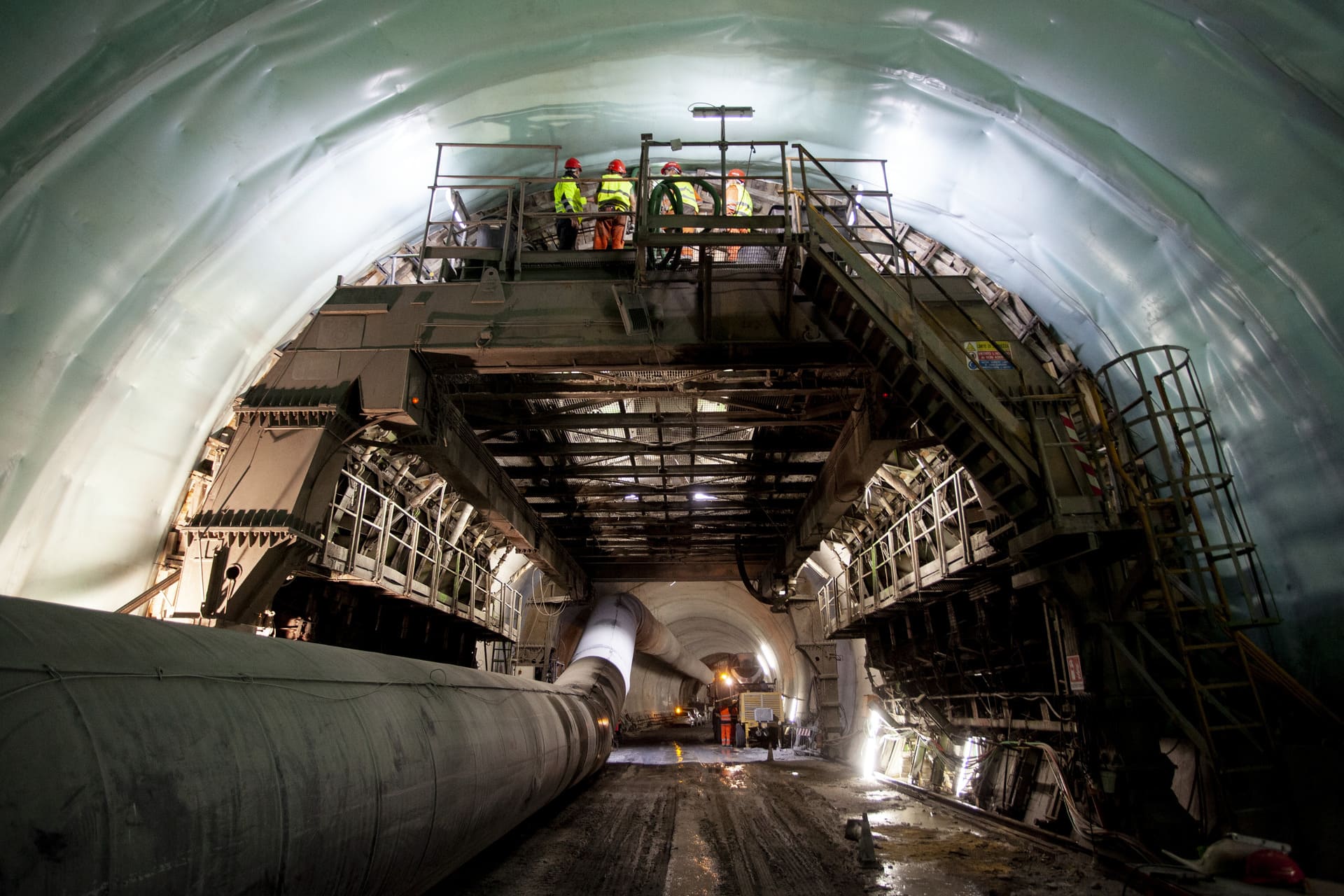 Terzo Valico dei Giovi Construction Site, Genoa Hub
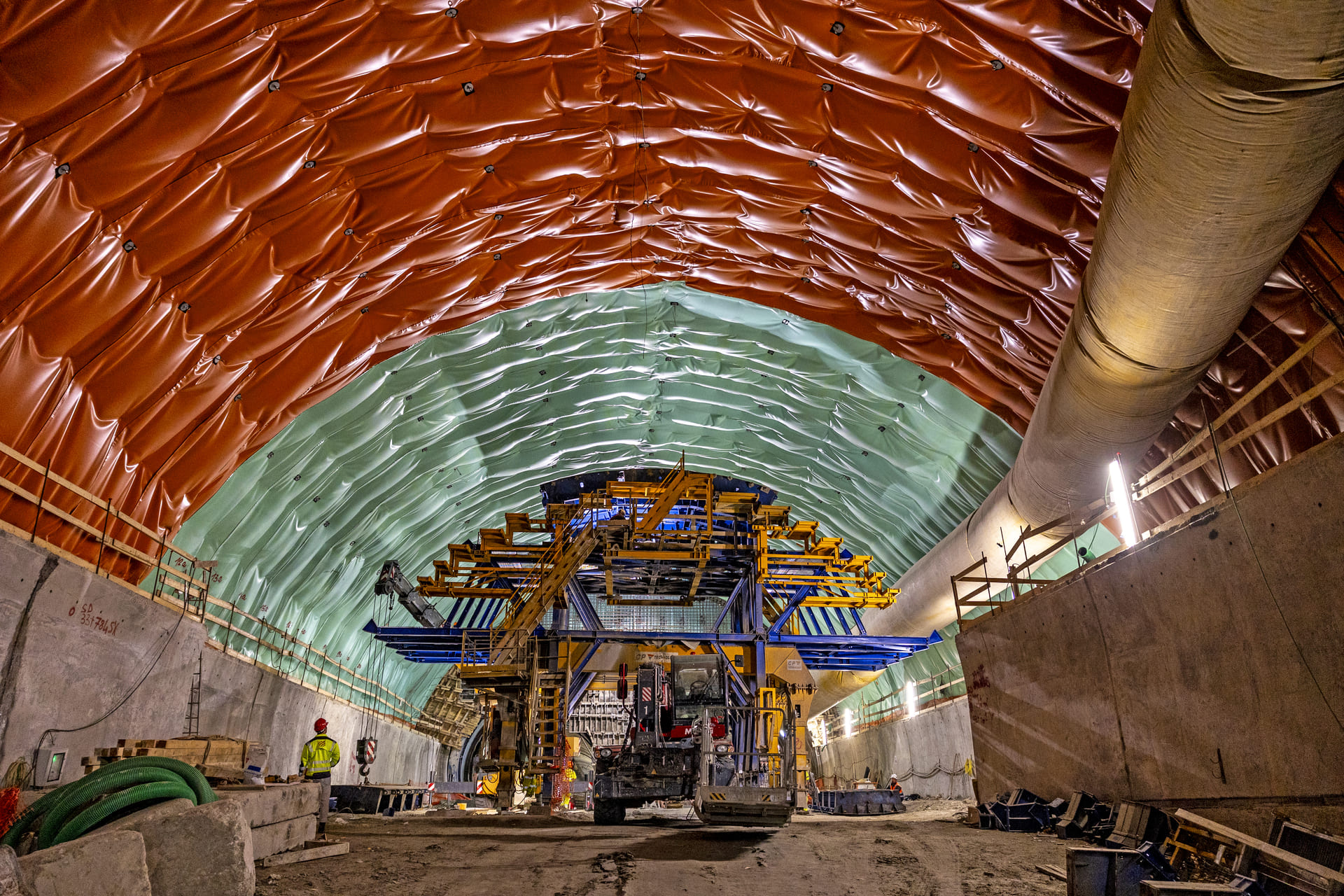 Terzo Valico dei Giovi Construction Site, Genoa Hub
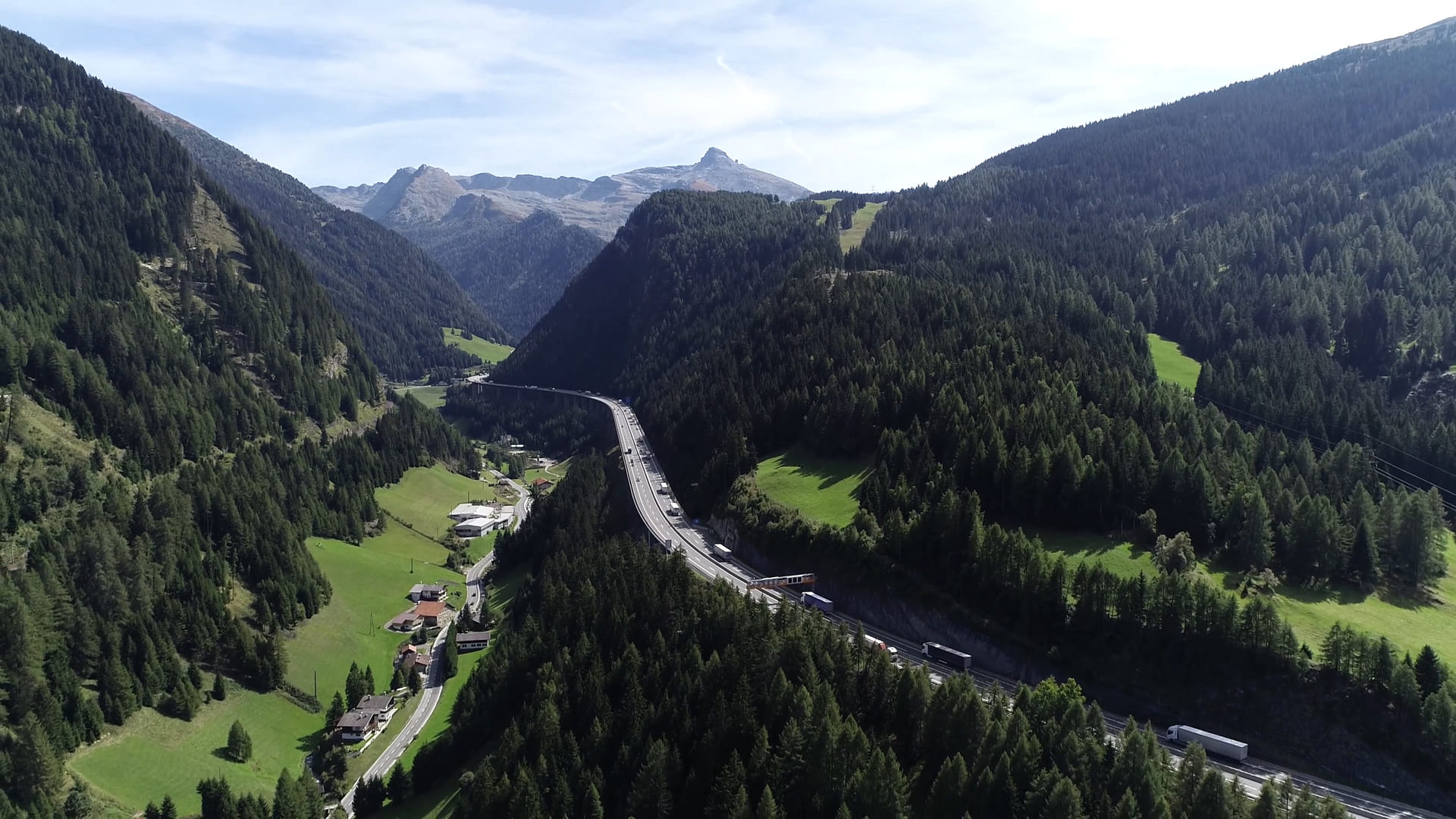 Brenner Pass
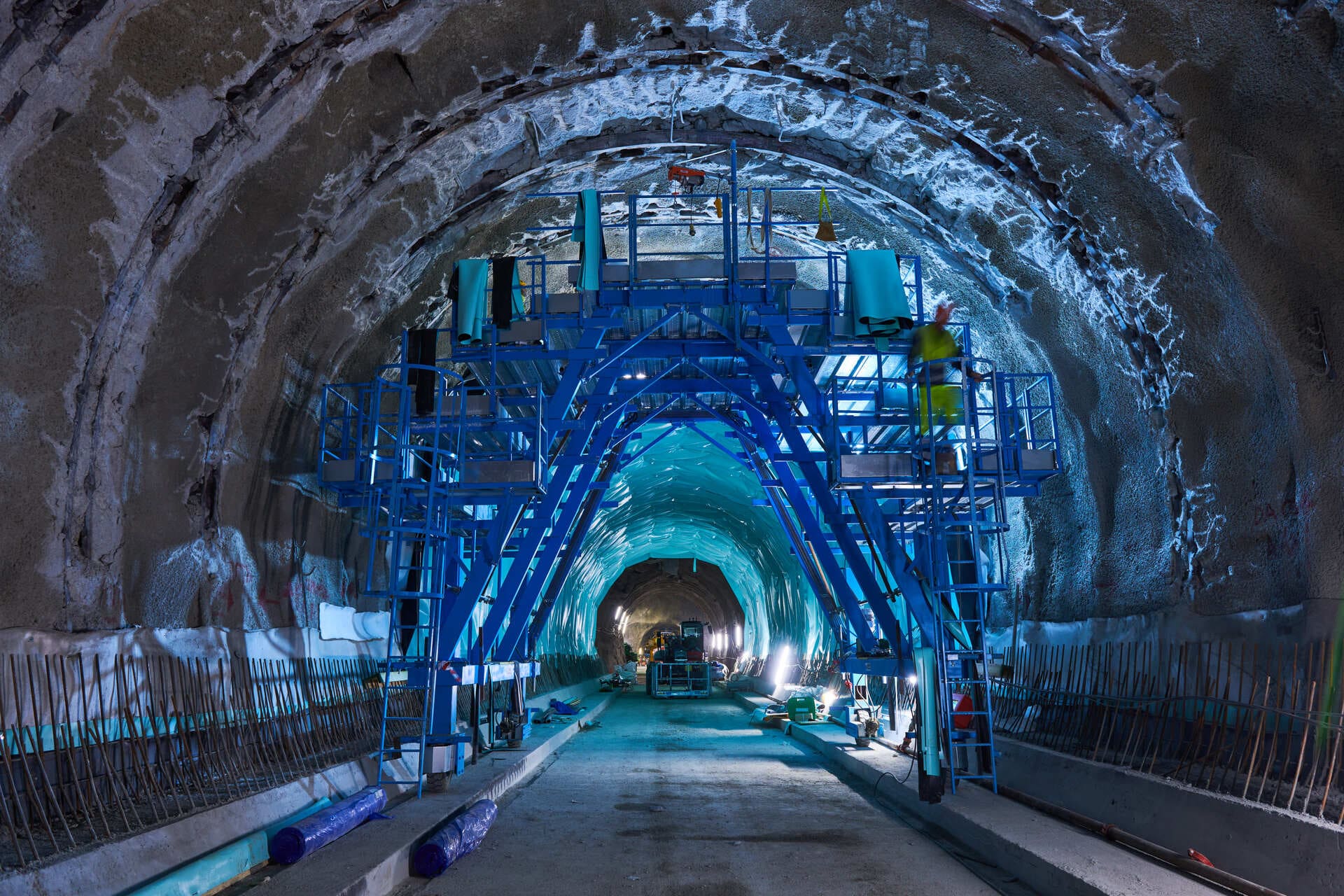 Brenner Base Tunnel Construction Site
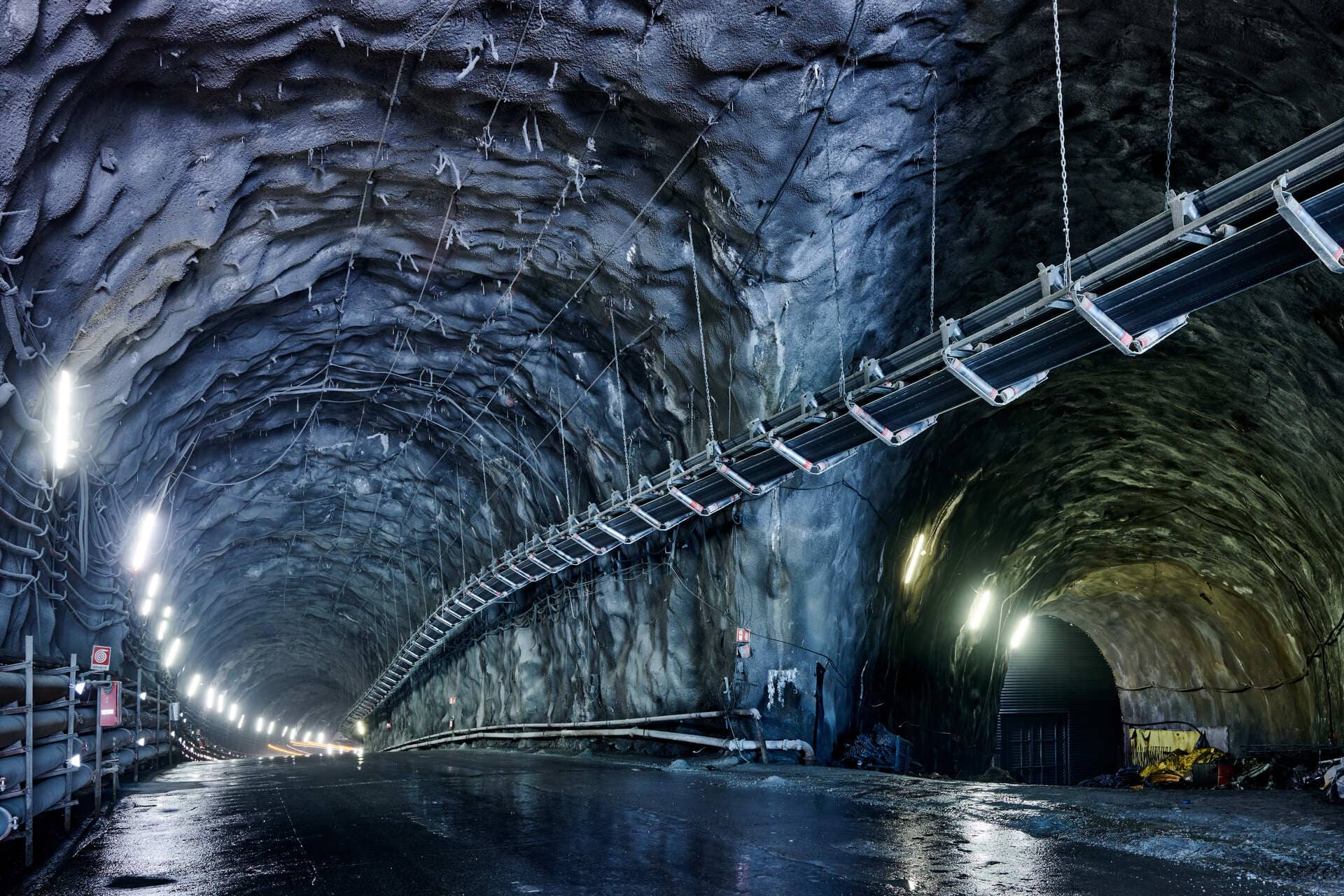 Brenner Base Tunnel Construction Site
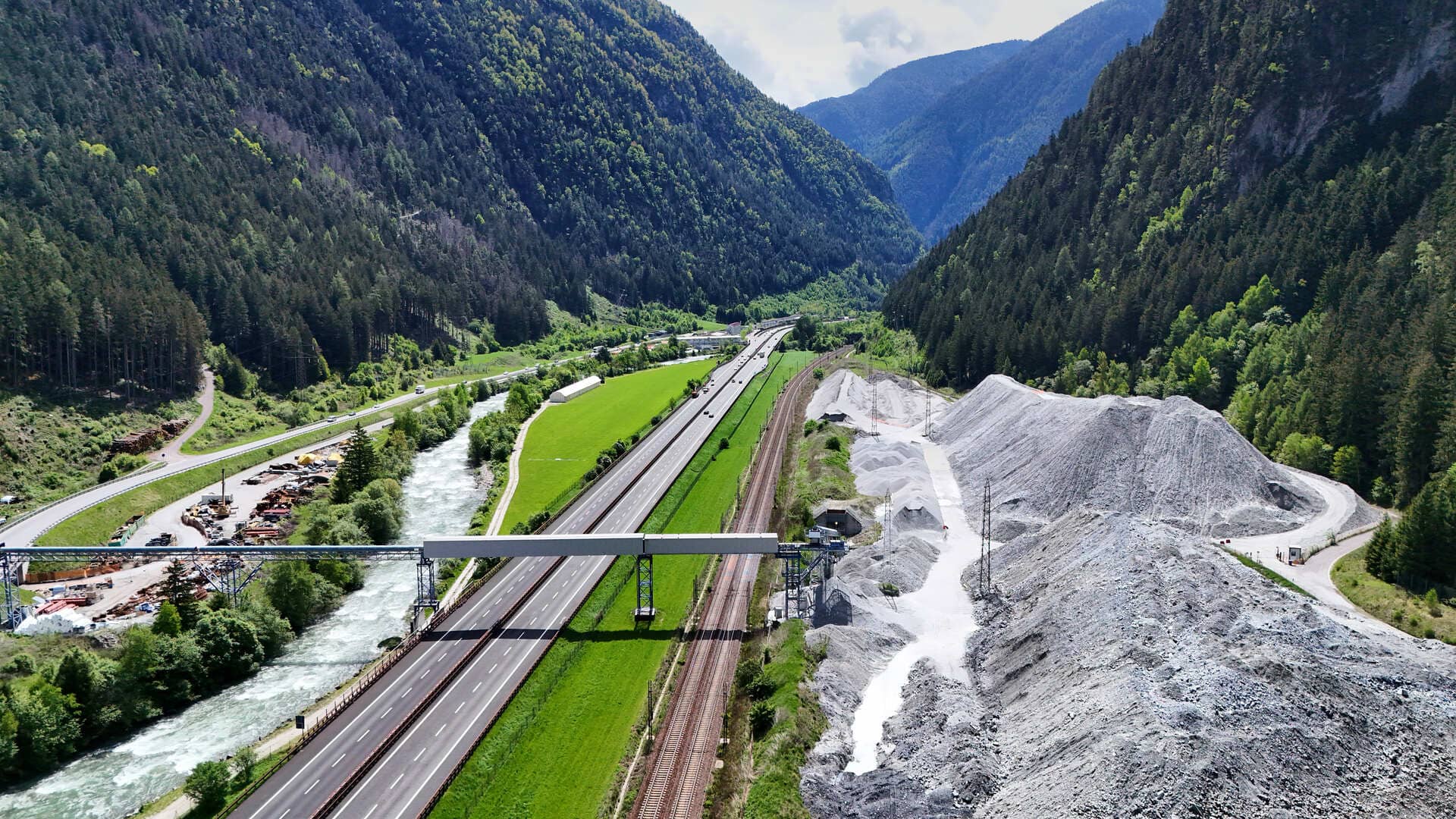 Brenner Base Tunnel Construction Site
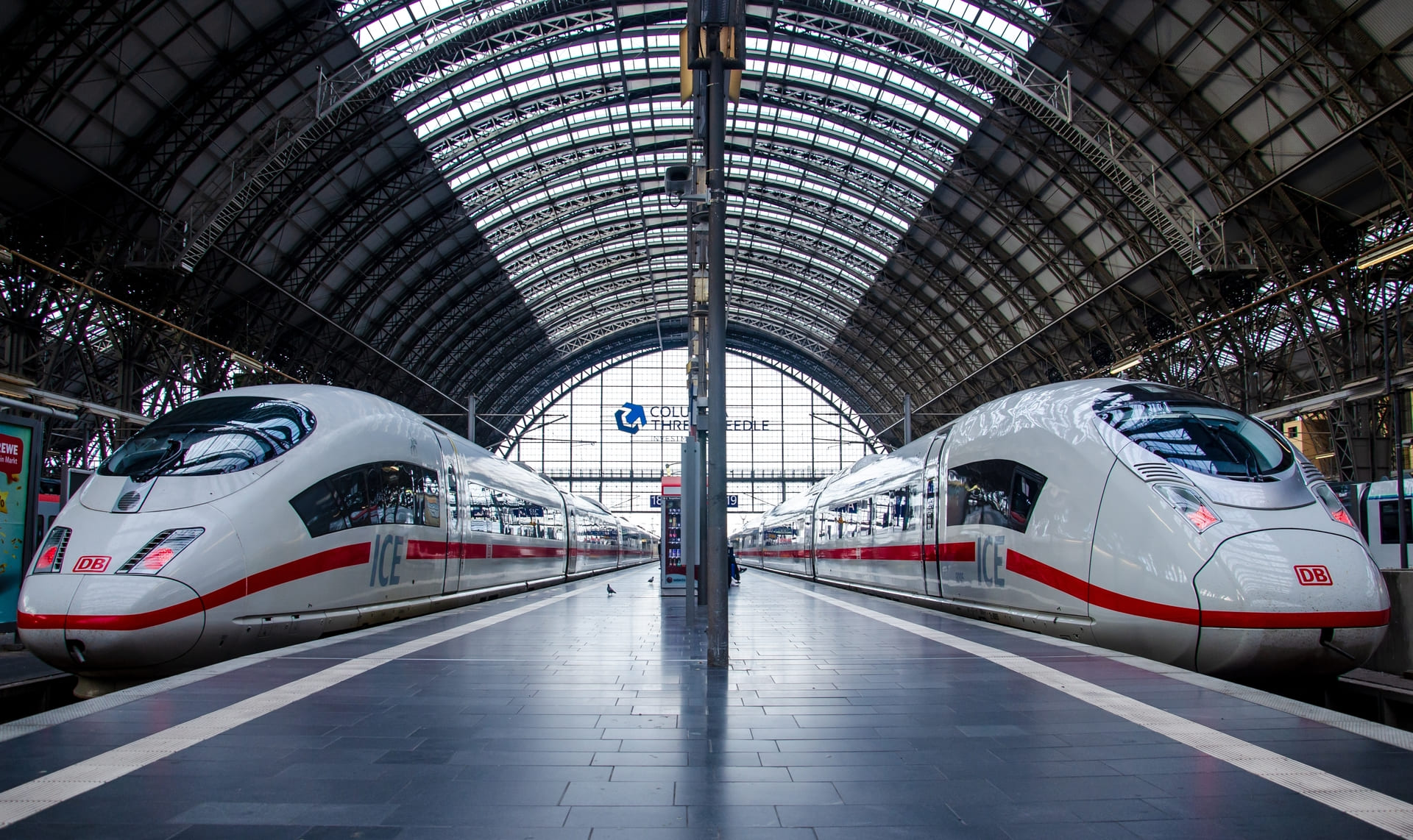 Frankfurt Station
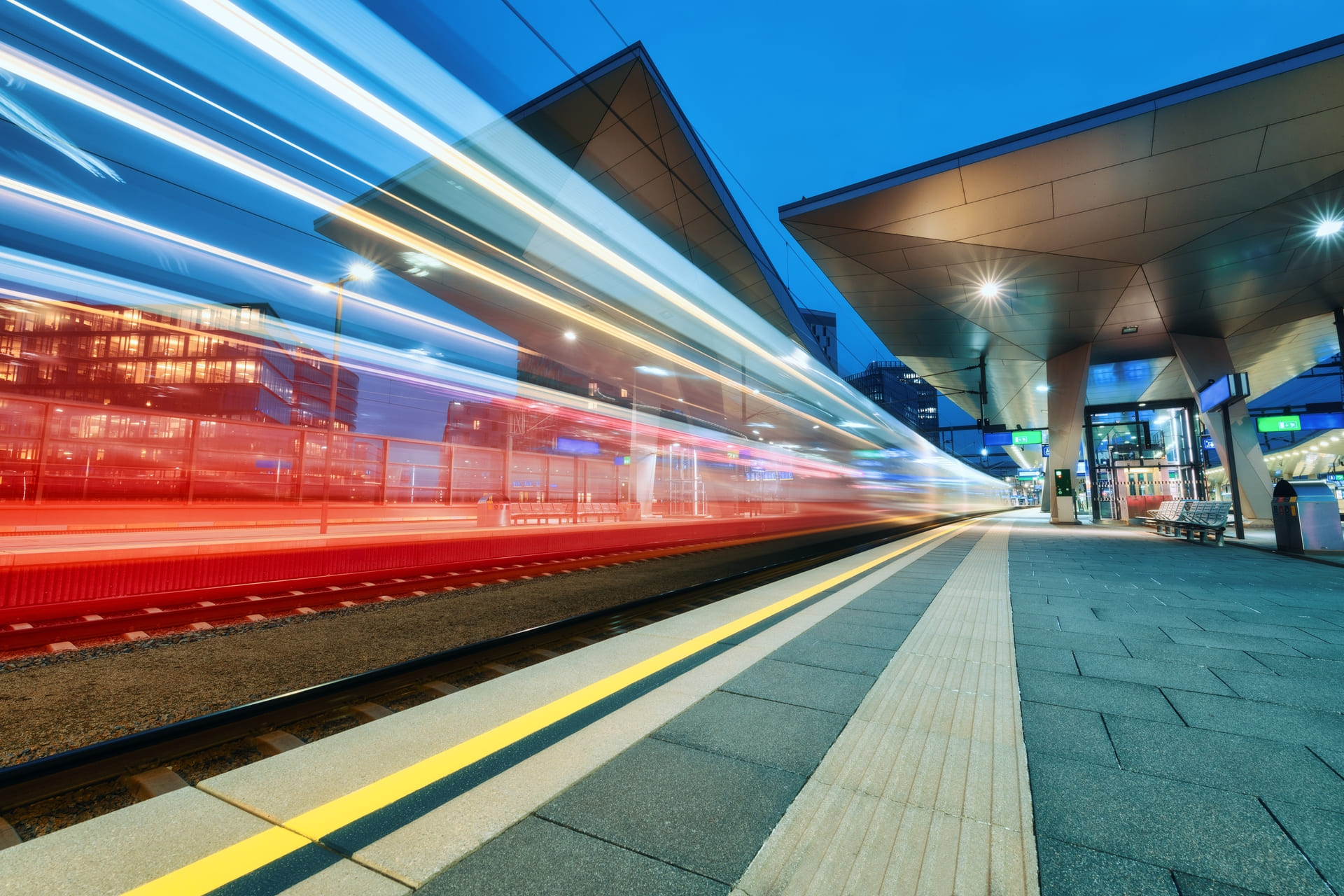 Vienna Station
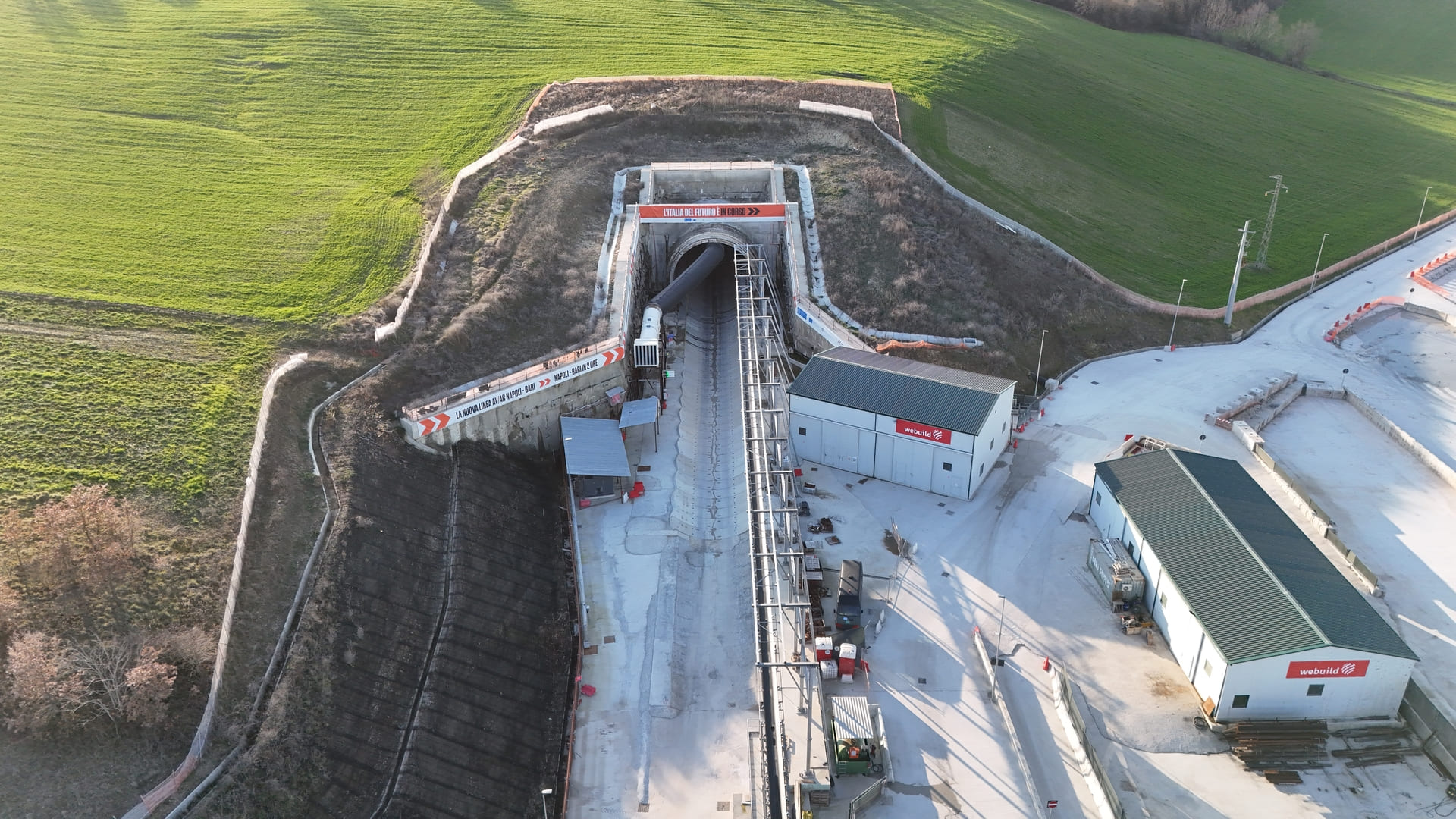 Naples-Bari High-Speed Railway Construction Site
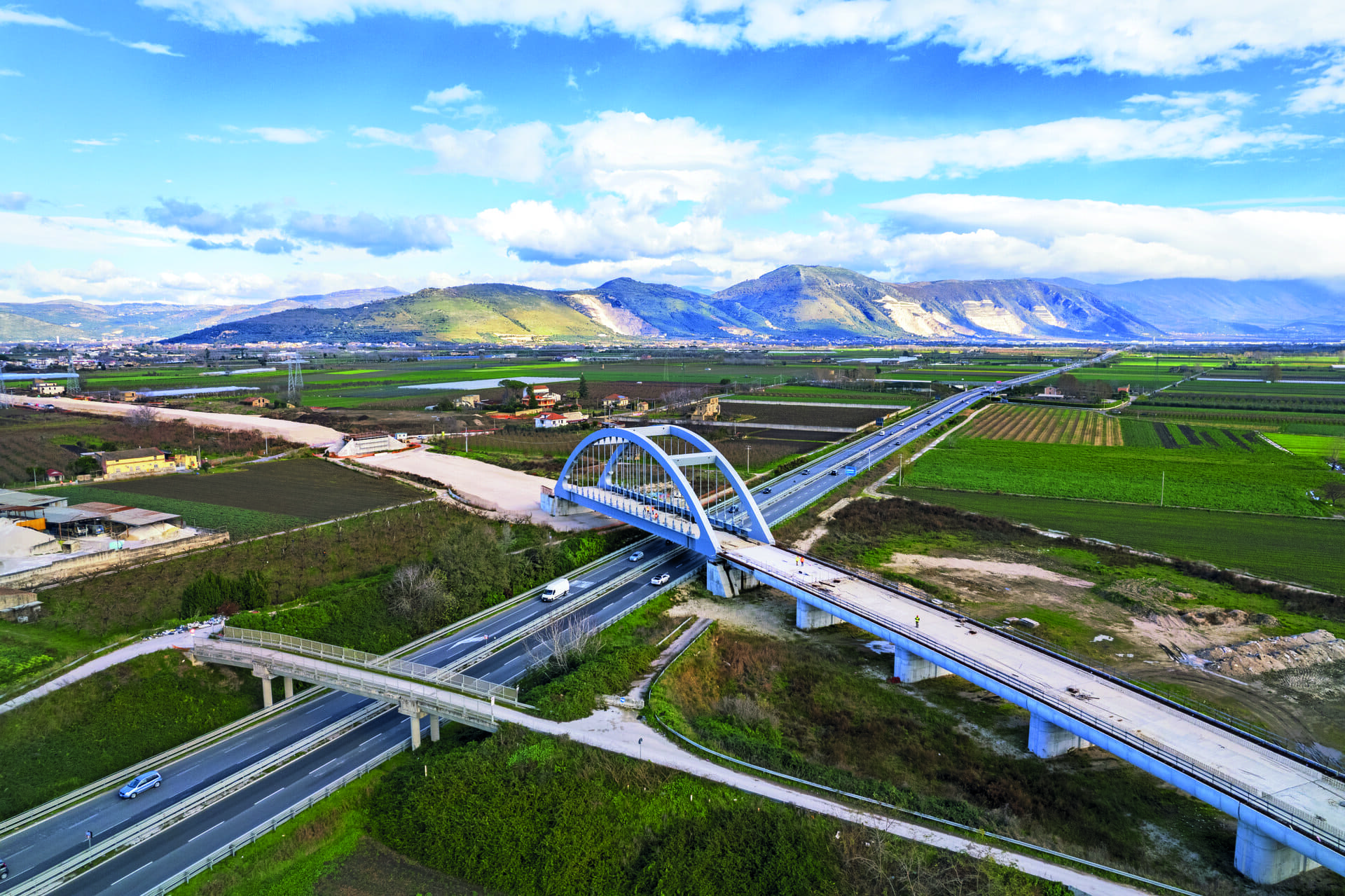 Naples-Bari High-Speed Railway Construction Site
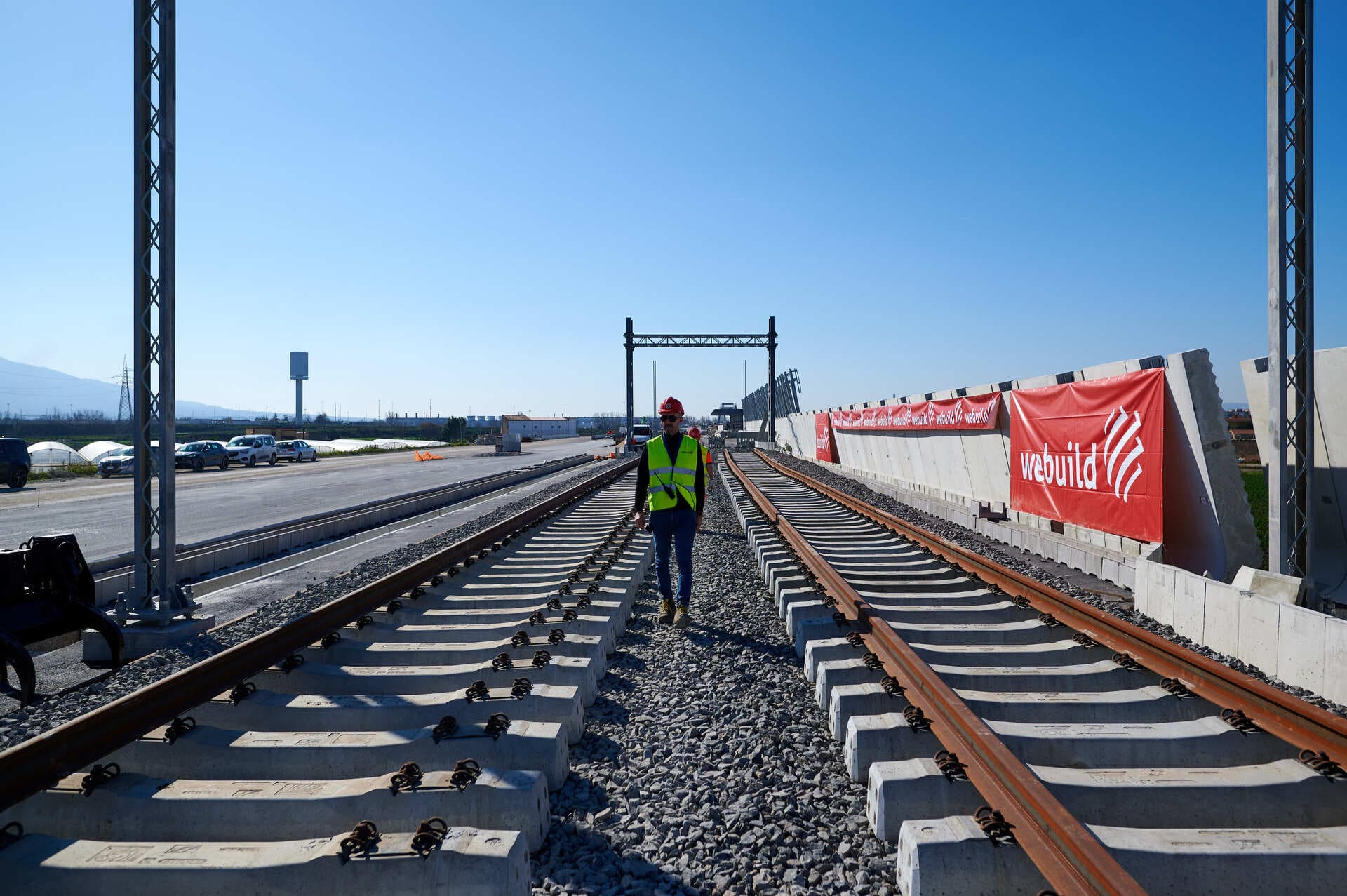 Naples-Bari High-Speed Railway Construction Site
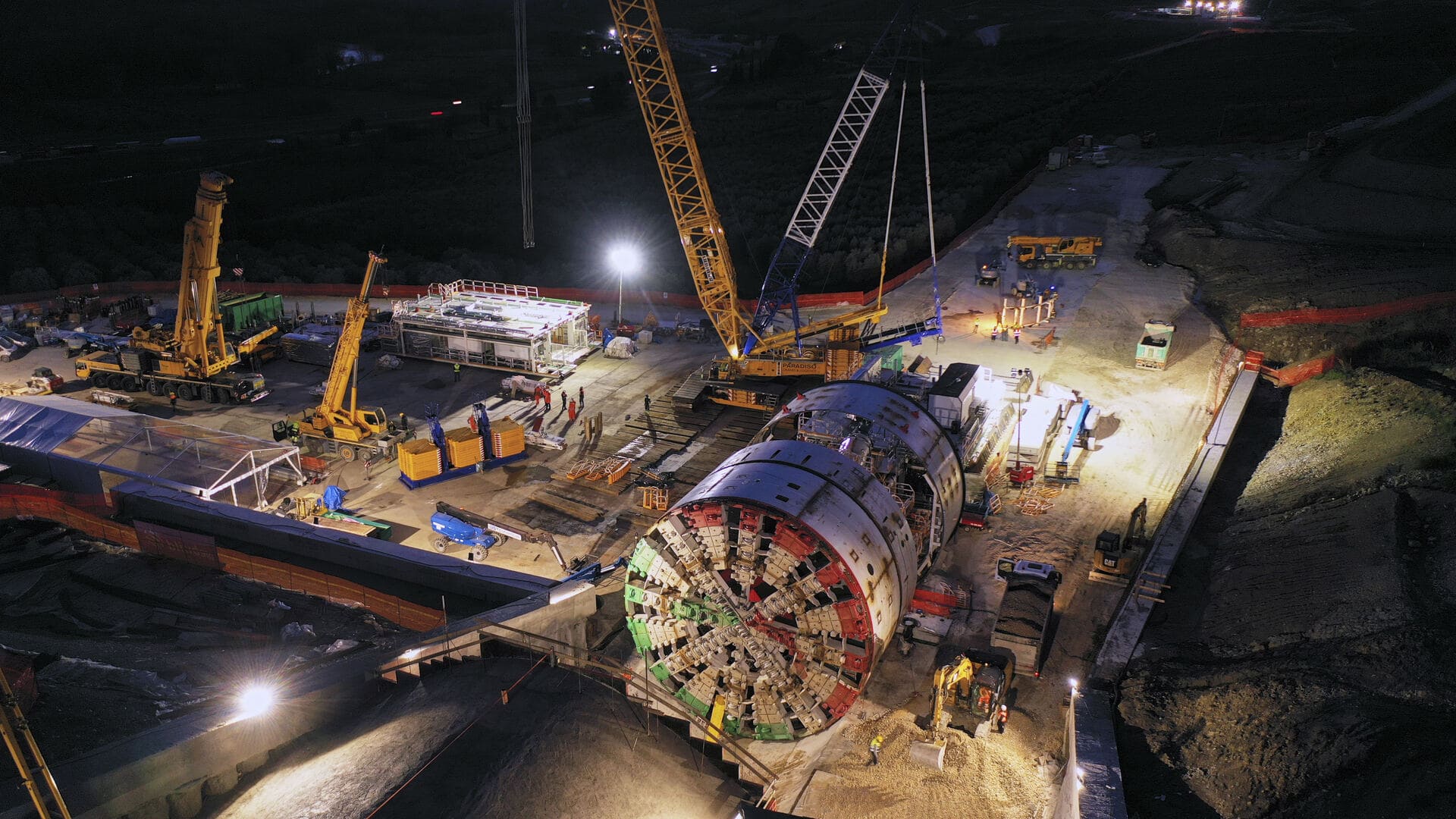 Salerno-Reggio Calabria High-Speed Railway Construction Site
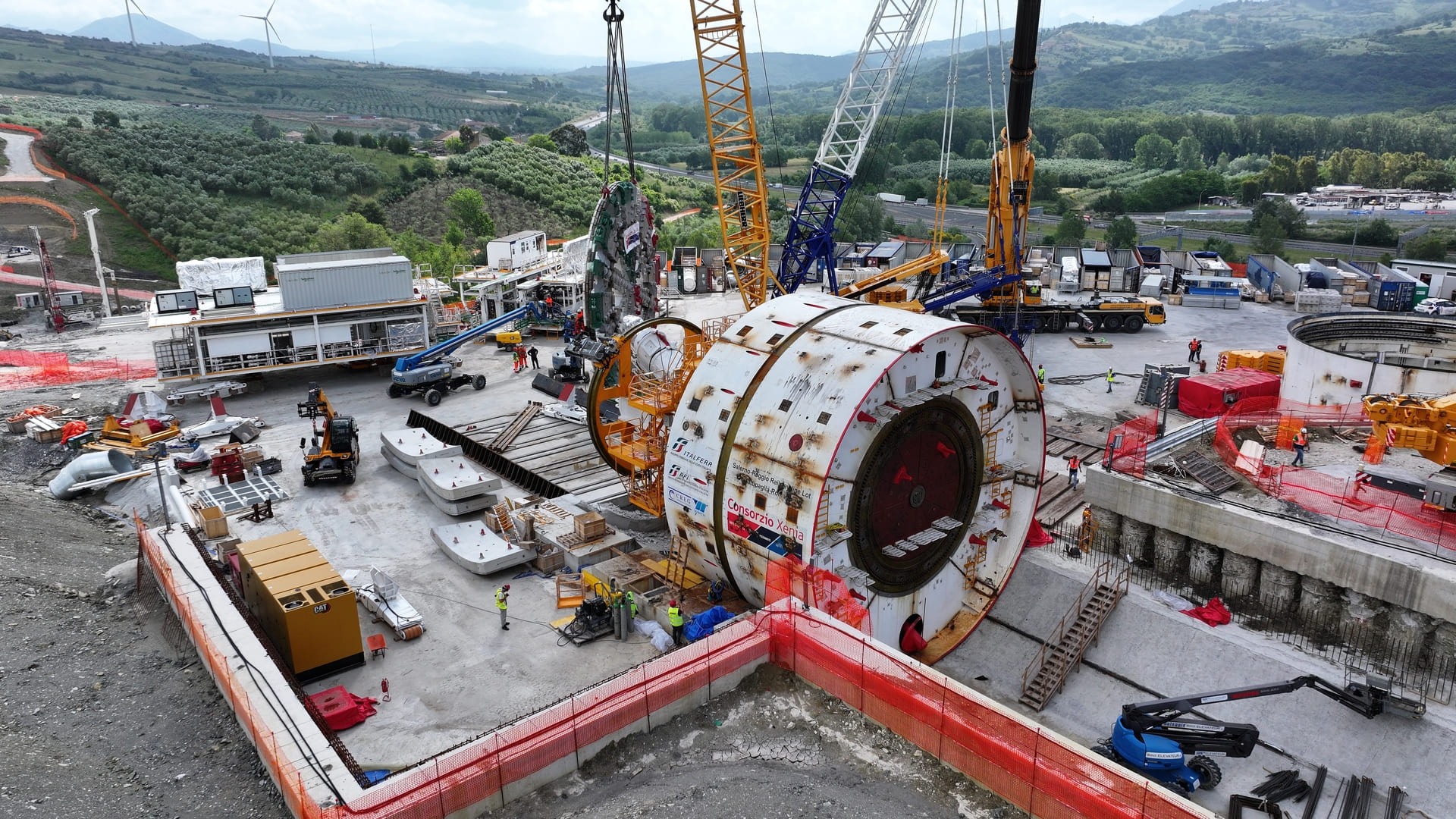 Salerno-Reggio Calabria High-Speed Railway Construction Site
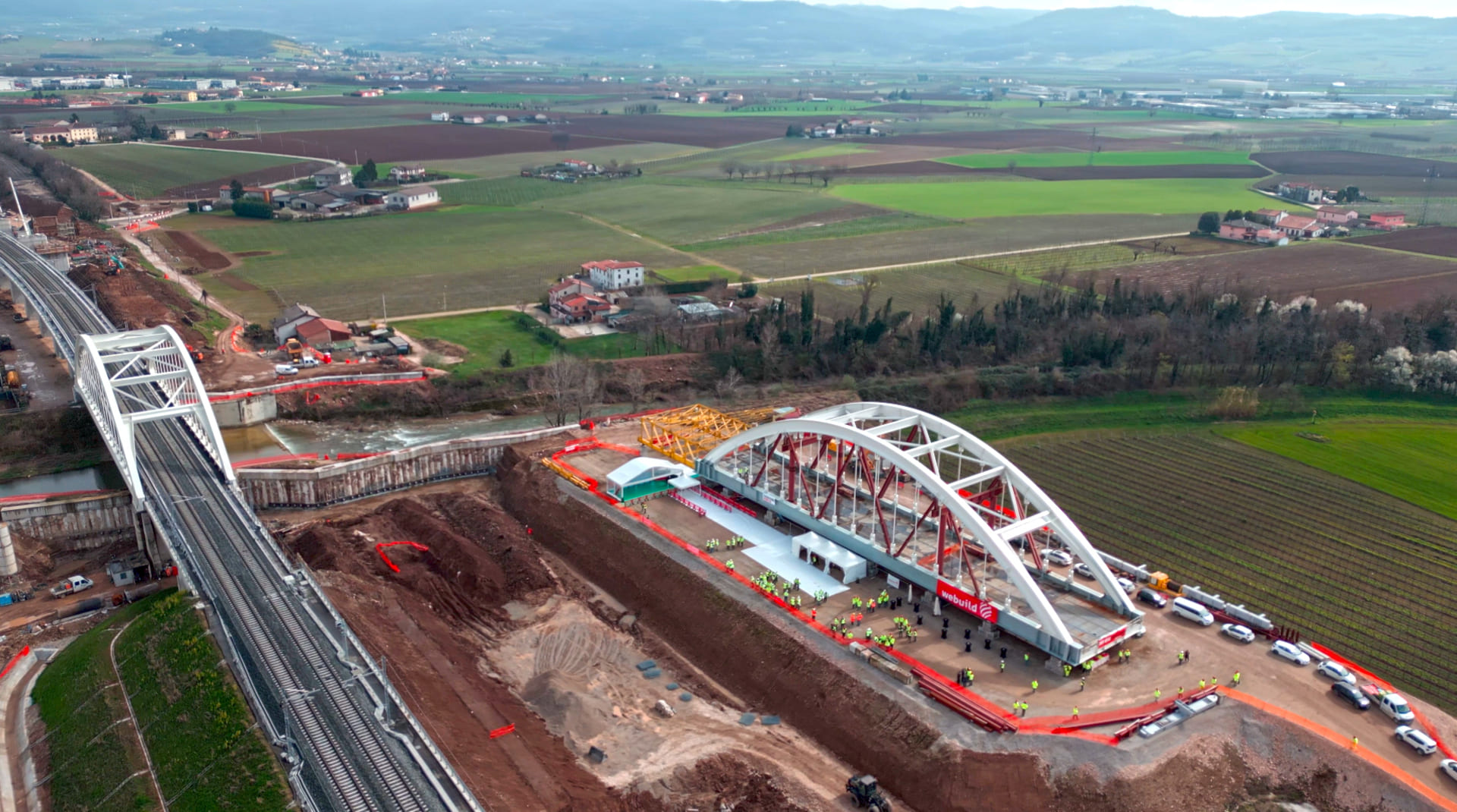 Verona-Padua High-Speed Railway Construction Site
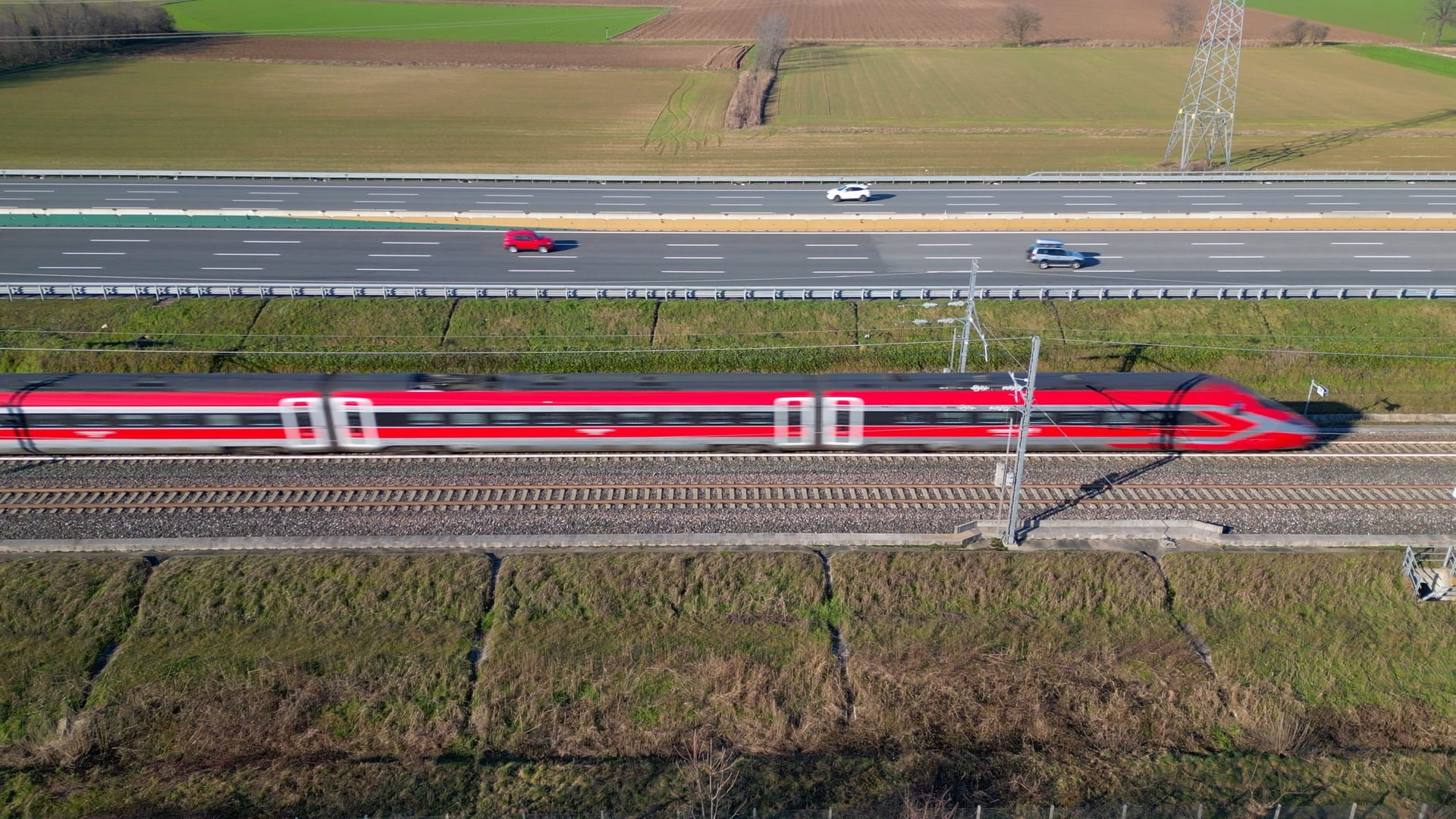 High-Speed Railway Line, Italy
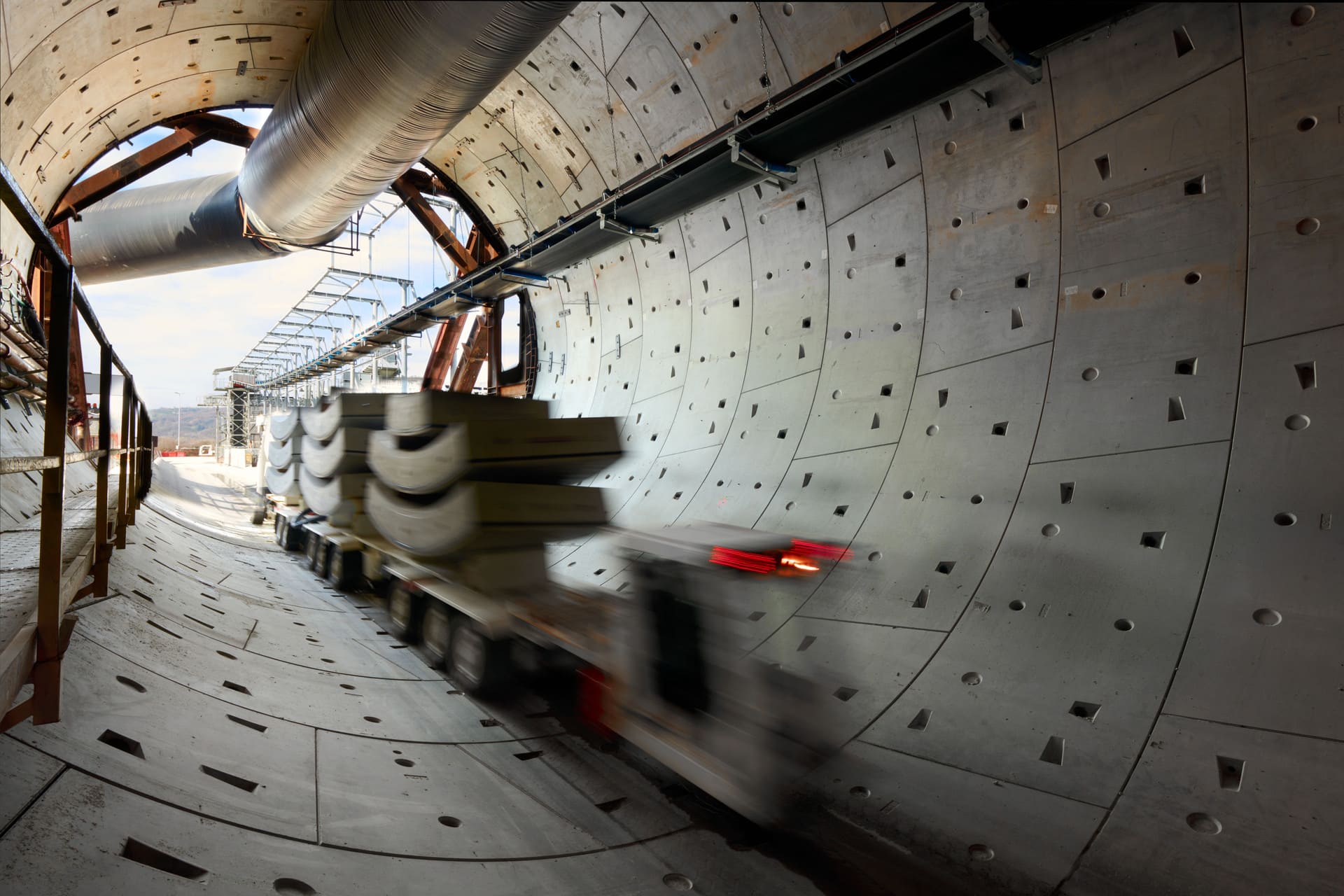 Naples-Bari High-Speed Railway Construction Site
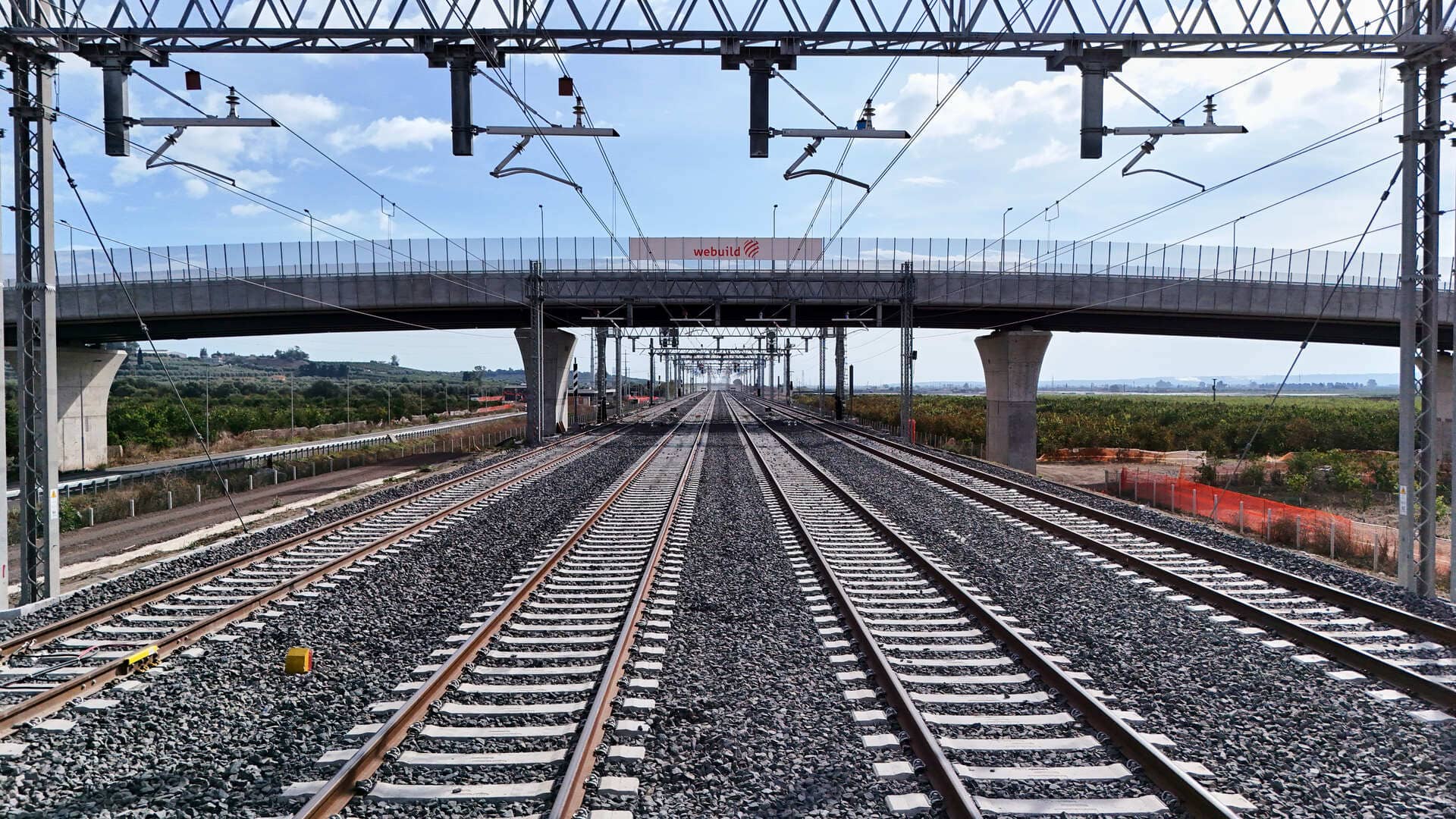 Bicocca-Catenanuova High-Capacity Line, Sicily
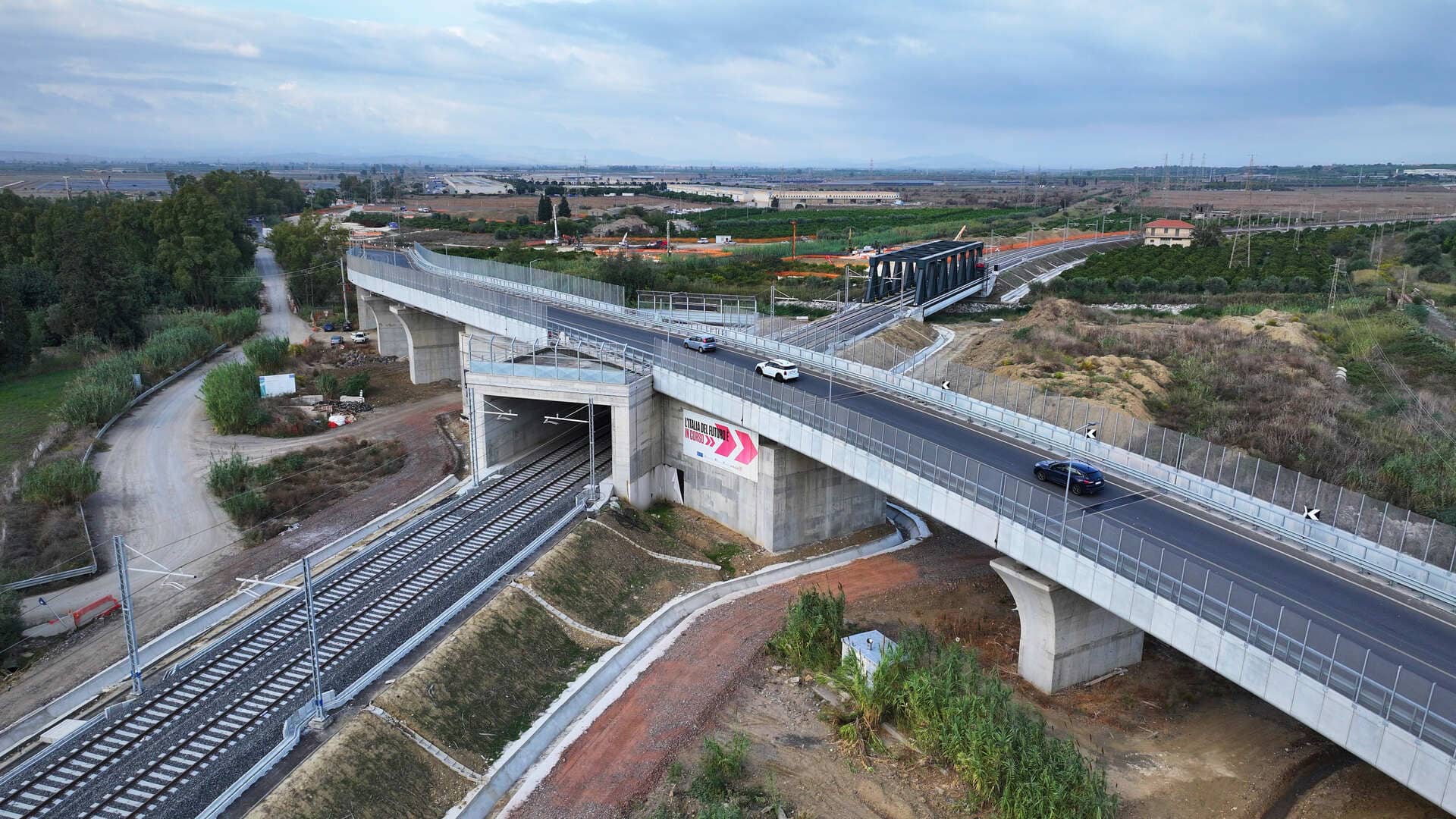 Bicocca-Catenanuova High-Capacity Line, Sicily
- A new study estimates the road network linking Europe in the time of the Ancient Romans at 300,000 kilometres
- Today those mobility needs across the continent are ensured by railway lines covering a distance of 200,000 kilometres
- From Sicily to the Netherlands, TEN-T corridors cross Europe and strengthen connections between states
- European railway infrastructure multiplies growth and competitiveness, generating benefits of up to €750 billion
- Projects such as the Verona–Padua high-speed line and the new railway lines in Sicily, built by Webuild, are creating an integrated system connecting ports, cities and production centres
read more

Nearly three hundred thousand kilometres of roads ensured connections across a territory covering 4 million square kilometres. We are not referring to American highways or China’s railway routes, but to the road network of the Ancient Romans.
The most recent and comprehensive road map of Ancient Rome, compiled by the Itiner-e project with the participation of professors and experts in ancient history from around the world, illustrates not only the reach of the Roman Empire, but also the central role of infrastructure construction.
Two thousand years ago, Roman roads were the physical expression of a revolutionary idea: a territory truly exists only when it can be crossed. The consular roads were not built solely to move armies, but to create a system. They connected cities, ports, borders and production centres, transforming a collection of provinces into a single, interconnected and functioning organism.
Today, in the heart of Europe, that same intuition is taking shape in the corridors of the TEN-T network, the major infrastructure project through which the European Union is redesigning continental mobility by means of new high-speed rail lines and integrated intermodal systems.
From Britannia to Spain, from Italy to Greece and on to Northern Europe and the Balkans, the extensive Roman road network, built mainly around the 4th century BC, proved decisive in organising the movement of people, goods and information, contributing to the stability and economic growth of the entire imperial system.
Ancient Rome roads were not merely physical infrastructure, but instruments of economic and political integration. They reduced distances, increased the speed of exchange and enabled distant territories to function as a single entity.
From the Consular Roads of Ancient Rome to High-Speed Rail
Today Europe faces a similar challenge, albeit on a modern scale. With more than 450 million citizens and one of the largest integrated markets on the planet, the continent experiences constant and growing mobility. Every day millions of people travel between cities and regions, while vast flows of goods cross national borders to supply increasingly interconnected production and commercial chains.
In this context, the speed and efficiency of connections represent a decisive factor for economic competitiveness and territorial cohesion. It is precisely to meet this need that the European Union has designed the TEN-T network, an integrated structure of European transport corridors linking the continent’s main cities and logistics platforms through high-speed and high-capacity railway lines, ports, airports and intermodal hubs.
Europe’s railway network constitutes one of the largest integrated infrastructures in the world, with approximately 202,000 kilometres of rail lines overall, more than 12,000 kilometres of which are already dedicated to high-speed trains, a share that has continued to expand in recent years. By 2040, European regulation foresees that core lines will support speeds exceeding 160 km/h, creating a genuine continental high-speed rail transport network.
Railway transport volumes in Europe are already substantial. Each year approximately 8 billion passenger journeys are recorded by rail, while in 2023 alone European citizens travelled more than 407 billion kilometres on domestic routes and a further 22.4 billion on international routes, confirming rail’s central role in European transport.
The European Commission considers the TEN-T network an essential element for economic competitiveness and territorial cohesion, as it helps reduce travel times, facilitate trade and improve access to employment and services.
Completion of the European high-speed rail network by 2050 envisages the development of tens of thousands of kilometres of new lines and a total estimated infrastructure investment of up to €546 billion, with the objective of connecting all major European capitals and tripling high-speed traffic compared with current levels.
The economic benefits of this transformation are significant and measurable. According to analyses by the European Commission and studies on the European rail plan, the creation of an integrated high-speed rail network will generate net benefits of up to €750 billion by 2070, thanks to reduced transport costs, increased productivity and greater market integration.
The TEN-T network therefore represents not merely transport infrastructure, but an economic multiplier capable of strengthening European industrial competitiveness, reducing territorial inequalities and supporting the transition towards a more efficient and sustainable mobility system.
The Strategic Choice to Make Infrastructure Investments in Europe
This new geography of transport represents a profound transformation, comparable in impact to that achieved in Roman history more than two thousand years ago. High-speed rail lines drastically reduce perceived distances, bringing cities and territories closer together and fostering new economic and social flows.
In this context, Webuild is one of the key players involved in constructing new Italian and European infrastructure corridors. The Group is engaged in building numerous lots of strategic railway lines that strengthen connections between Italy and the rest of the continent, contributing to a more efficient and sustainable transport system.
In Northern Italy, new railway axes such as the Verona–Padua high-speed rail line, the Terzo Valico dei Giovi (connecting Genoa with Milan), and the Brenner Base Tunnel (linking Fortezza with Innsbruck) represent strategic connections with Europe.
Similarly in the South, infrastructure projects such as the Naples–Bari high-speed railway line, the Salerno–Reggio Calabria route and the new double-track fast lines under construction in Sicily connecting Catania, Messina and Palermo are integrating Southern Italy with the rest of the country and the continent, while also linking Italy’s main production centres to European transport corridors.
As the Ancient Romans had already understood, both in the South and in the North the development of major mobility arteries represents a historic opportunity to reduce economic and cultural divides and to foster more balanced growth by integrating territories that would otherwise remain on the margins of Europe’s main flows.