

There are places where history is an integral part of the landscape: cities, monuments, archaeological sites and works of art recognized by UNESCO as World Heritage Sites. Places to be preserved, but also living spaces, crossed every day by millions of people and embedded in territories that continue to evolve.
Here, building new infrastructure means striking a delicate balance between the past and the future. Metros, railways, bridges and underground tunnels can improve mobility and people’s quality of life without compromising what makes these places unique.
It is a challenge that Webuild takes on in different parts of the world, contributing to the development of infrastructure that coexists with some of humanity’s most precious cultural heritage.
1 – Rome – Metro C
In Rome, building a new metro line means digging into the heart of a city with more than 3,000 years of history. Metro C runs through the historic center, recognized by UNESCO as a World Heritage Site, passing by landmarks such as the Colosseum and the Imperial Forums.
But the excavation work has also brought part of this history to light: more than 500,000 archaeological finds have been recovered, turning some stations into veritable museum spaces.
Built by Webuild, Metro C thus represents a unique intersection of mobility, archaeology and cultural heritage. At San Giovanni, Porta Metronia and Colosseo-Fori Imperiali, the artifacts uncovered during construction have become an integral part of the stations, making the metro not only an infrastructure for getting around the city, but also a new way of discovering its history.
2 – Thessaloniki’s First Metro Line
In Thessaloniki, Greece, the city’s first metro has also become a journey through its millennia-old history.
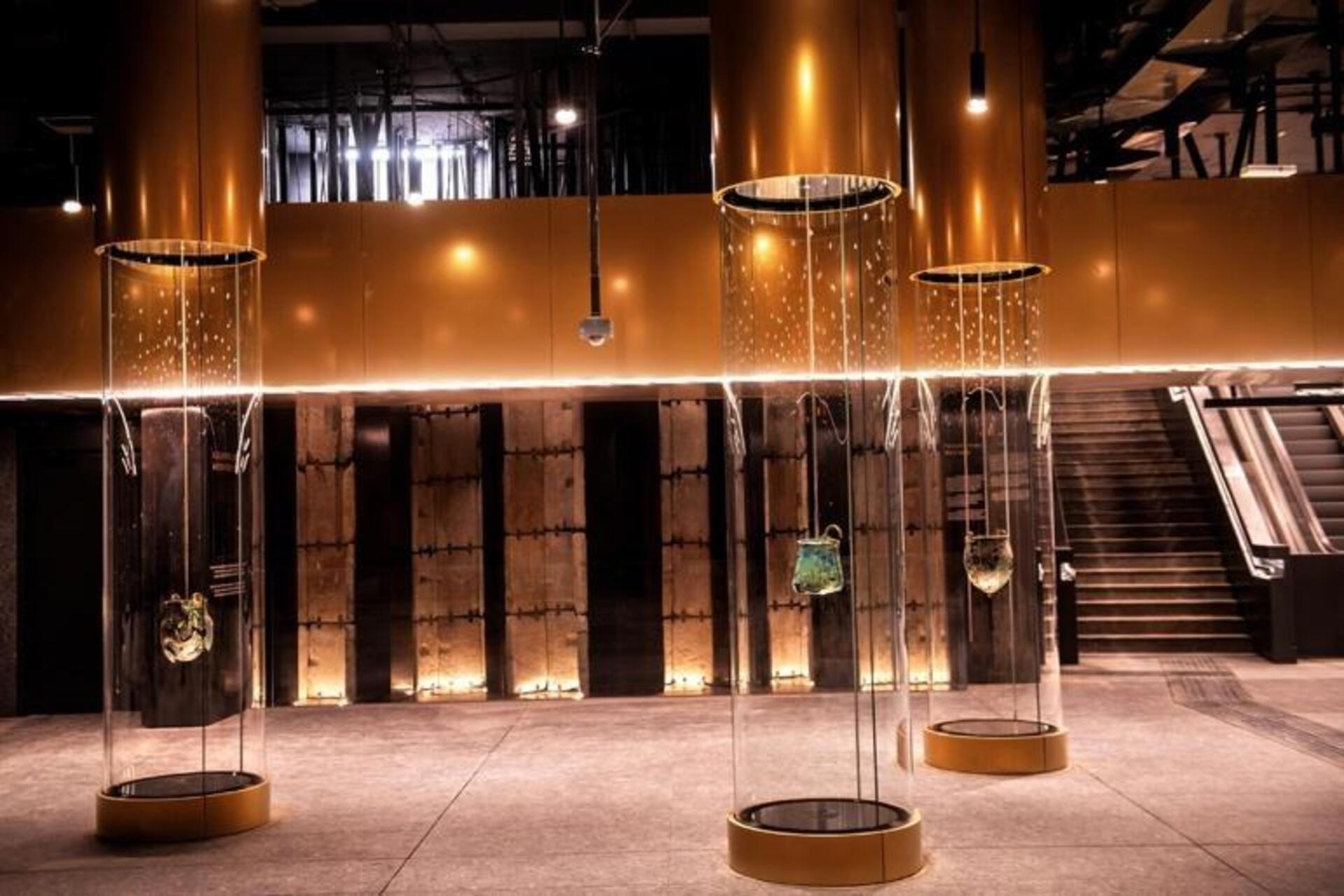
Inaugurated in 2024, the line runs for approximately 10 kilometers through the city center, with 13 stations, and has accompanied the largest archaeological excavation ever carried out in the city. Numerous artifacts have been uncovered beneath the streets, including remains of the Decumanus Maximus, the ancient Roman road that once crossed Thessaloniki.
Built by Webuild together with Hitachi and Aktor, the metro required design solutions aimed at preserving the archaeological finds: some stations were redesigned, while Demokratias station was moved 10 meters to protect the remains.
The result is a network of “archaeo-stations” where modern mobility coexists with more than two thousand years of history.
3 – Naples’ Art Stations
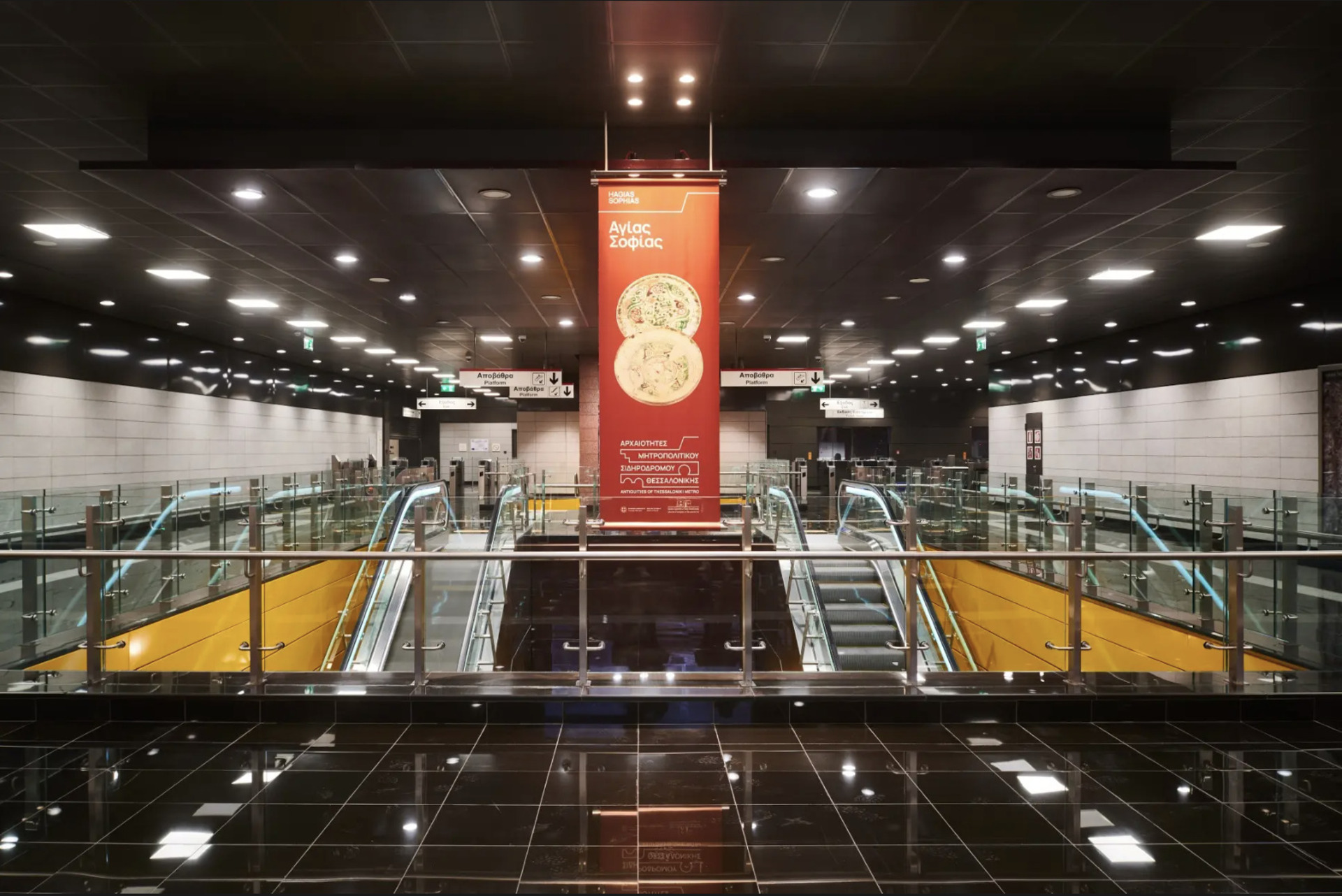
In Naples, the metro has become an open-air museum in the heart of the city. The “Art Stations” of Line 1 and the other lines house around 200 works by contemporary artists and were designed by internationally renowned architects, transforming everyday transit spaces into places dedicated to culture.
Among them is Toledo, built by Webuild and repeatedly recognized as one of Europe’s most beautiful metro stations.
The project brings art beyond museums’ walls and into the everyday life of the city, creating a dialogue between architecture, mobility and the urban landscape. It is a model in which the metro is not simply an infrastructure for getting around, but becomes an integral part of Naples’ urban and cultural heritage.
4 – Milan – M4 Metro Line
In Milan, even a connection between two metro lines can become a journey through the city’s history.
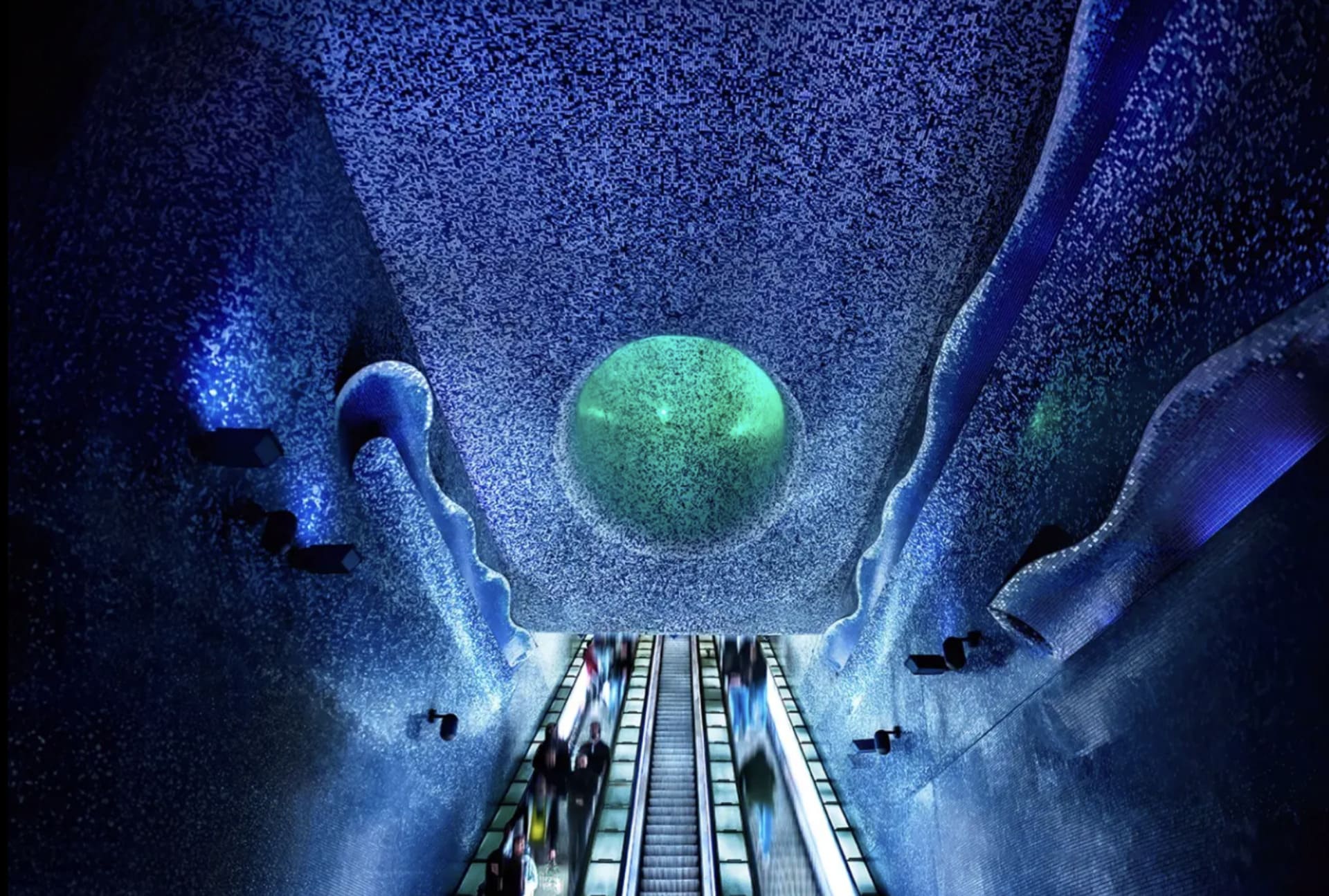
At Sant’Ambrogio station, the new pedestrian passage connecting Metro M4 and M2 allows passengers to cross a section of the former Naviglio San Gerolamo canal. Beneath a glass floor, 35 meters of a medieval wall can be seen, along with structures associated with the Pusterla di Sant’Ambrogio.
The 70-meter-long passage halves interchange times, turning passengers’ daily journeys into an opportunity to discover Milan’s past.
Built by Webuild, the connection is an example of how new infrastructure can coexist with traces of the city that stood there before it. During the construction of Metro M4, numerous archaeological finds and historic structures were uncovered, some of which have been restored and returned to the city.
5 – Abu Simbel Temples Rescue
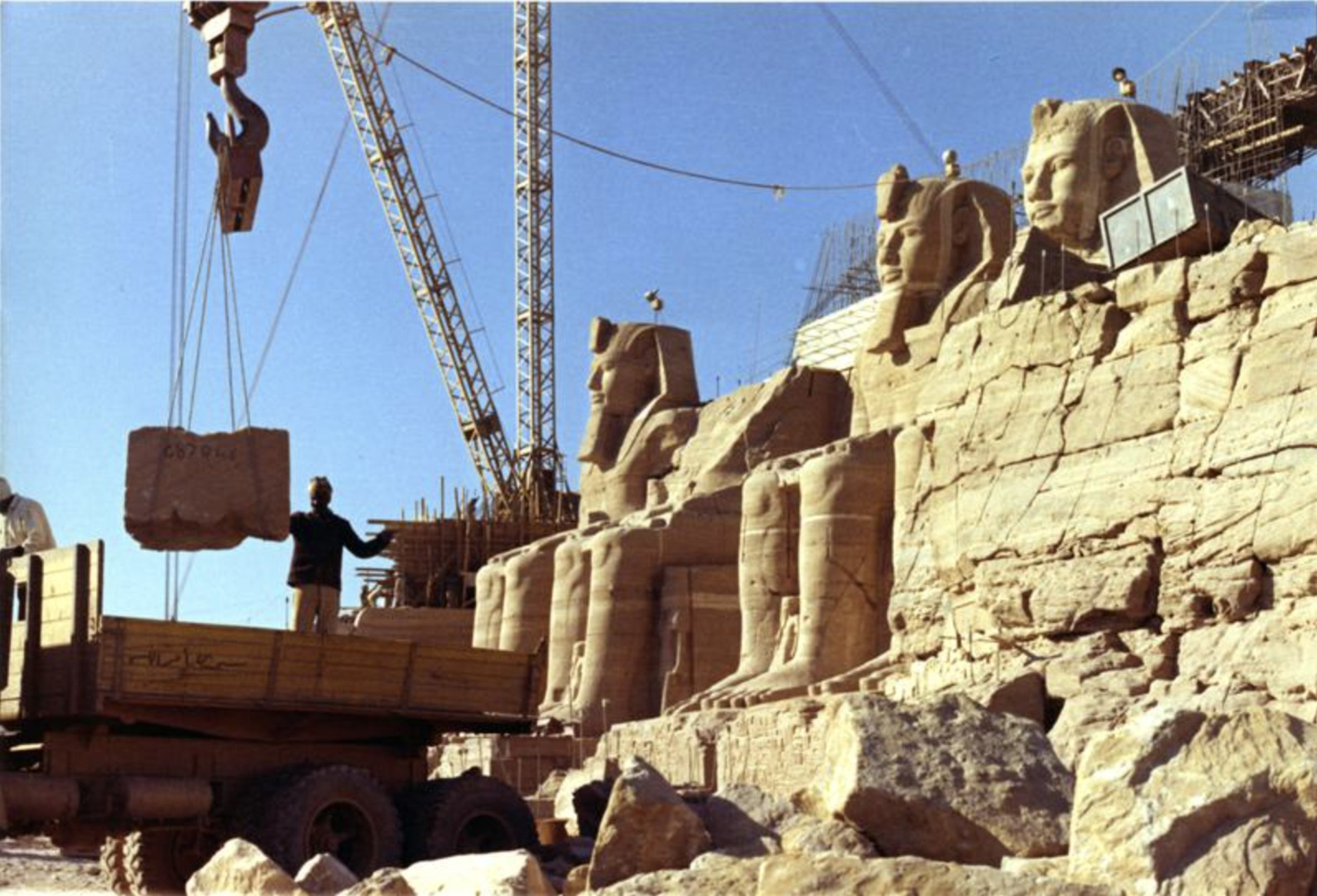
When the construction of the Aswan Dam threatened to submerge the temples of Abu Simbel, an unprecedented engineering undertaking made it possible to save them and preserve them for future generations.
Built by Ramses II in the 13th century BC, the two temples were dismantled into 1,030 blocks, transported and reconstructed 65 meters higher and 280 meters further inland than their original location. Impregilo, now part of Webuild, took part in the operation, overseeing the dismantling of the temples and the construction of the artificial hill that would become their new home.
The reconstruction also preserved their original alignment with the sun and the stars, demonstrating how engineering can intertwine with archaeology and intervene to protect historical heritage without severing its connection to the place and the history that shaped it.