

Some infrastructure facilities are built to connect two shores, but end up bringing together much more. Bridges, dams and symbolic landmarks can become tools for international cooperation, dialogue and shared economic development, strengthening ties between territories and communities that have long remained separated by geography, history or culture.
In these projects, engineering and architecture go beyond their original purpose, becoming infrastructure works capable of creating new relationships, supporting economic growth and, in some cases, standing as symbols of connection and collaboration between countries.
1 – Kariba Dam, Zimbabwe-Zambia
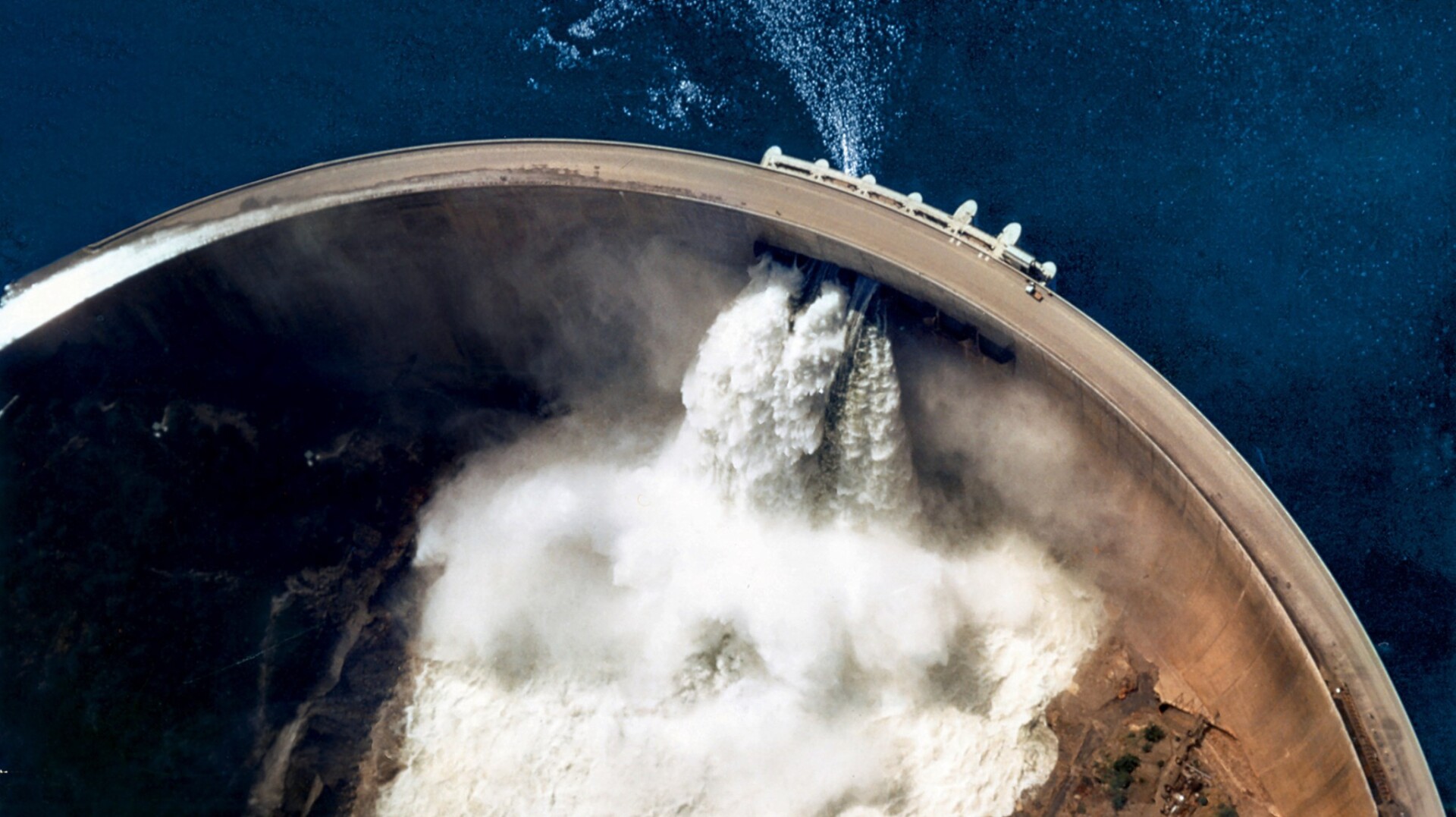
Along the Zambezi River, on the border between Zimbabwe and Zambia, the Kariba Hydroelectric Plant was conceived as one of the great 20th-century projects designed to transform a river into a shared source of sustainable energy.
Built between 1956 and 1960, the arch dam spans a deep gorge between two rocky cliffs, creating one of the world’s largest artificial water reservoirs and a strategic hydroelectric power system for the development of the entire region.
The Kariba dam, one of the first major hydroelectric developments in the area, also involved the Webuild Group together with the companies that shaped its history. It marked one of the Group’s earliest international experiences, helping to build expertise in the construction of large dams and complex hydroelectric facilities.
2 – Grand Ethiopian Renaissance Dam Project
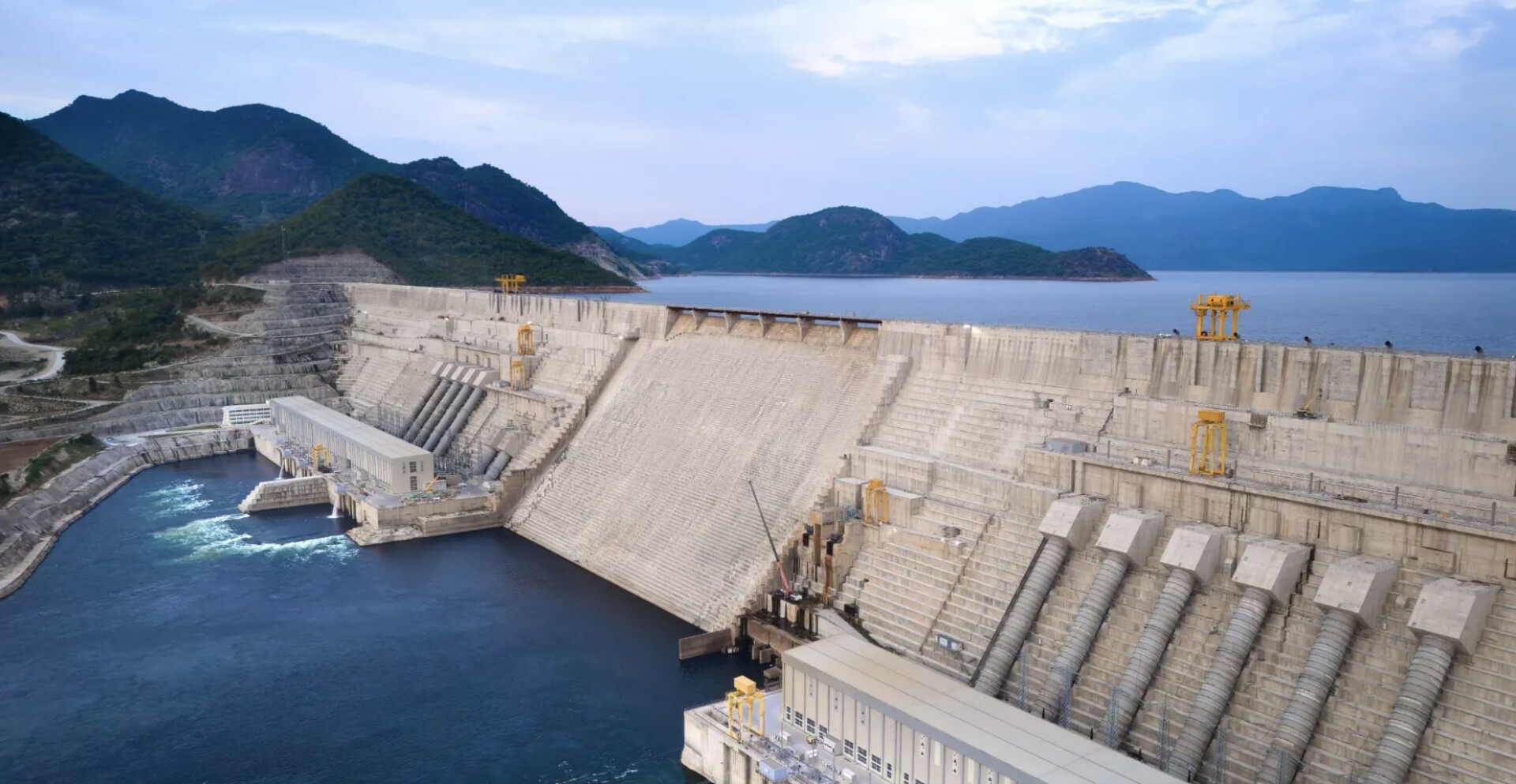
Located along the Blue Nile River in Ethiopia, the Grand Ethiopian Renaissance Dam (GERD) is one of Africa’s largest hydroelectric dams and a project set to significantly influence the region’s energy landscape.
With an installed capacity of 5,150 MW, the GERD dam is designed to support Ethiopia’s economic development and strengthen its role as a hydroelectric power producer and exporter in East Africa.
Built with the involvement of the Webuild Group, the hydroelectric dam is also part of a broader context of cooperation and dialogue among the countries of the Nile Basin, becoming a central element in discussions around the shared management of water resources.
3 – Passerelle des Deux Rives, Strasbourg-Kehl, France-Germany
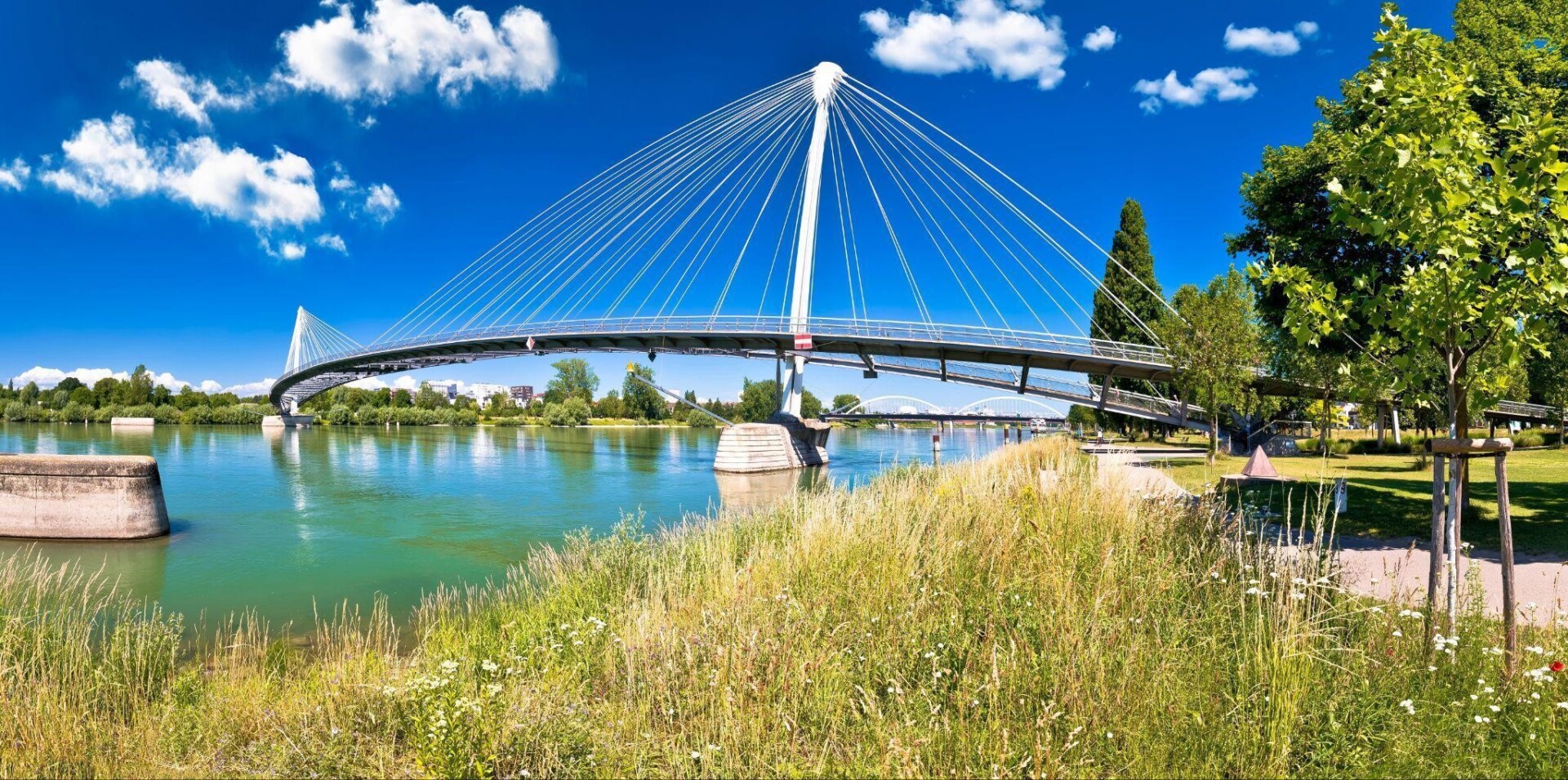
Crossing the Rhine between Strasbourg and Kehl, the Passerelle des Deux Rives is much more than a pedestrian bridge: it is a meeting point between France and Germany, designed to transform a historic border into a shared space.
Opened in 2004 and designed by architect Marc Mimram, the structure connects two parks on opposite banks of the river and opens into a suspended central platform that serves as a place for gathering and observation.
Created as a symbol of cross-border cooperation, the pedestrian bridge has strengthened the vision of a Europe without physical barriers, where engineering becomes a language of connection between communities and cultures.
4 – Peace Bridge, Fort Erie-Buffalo, Canada-United States
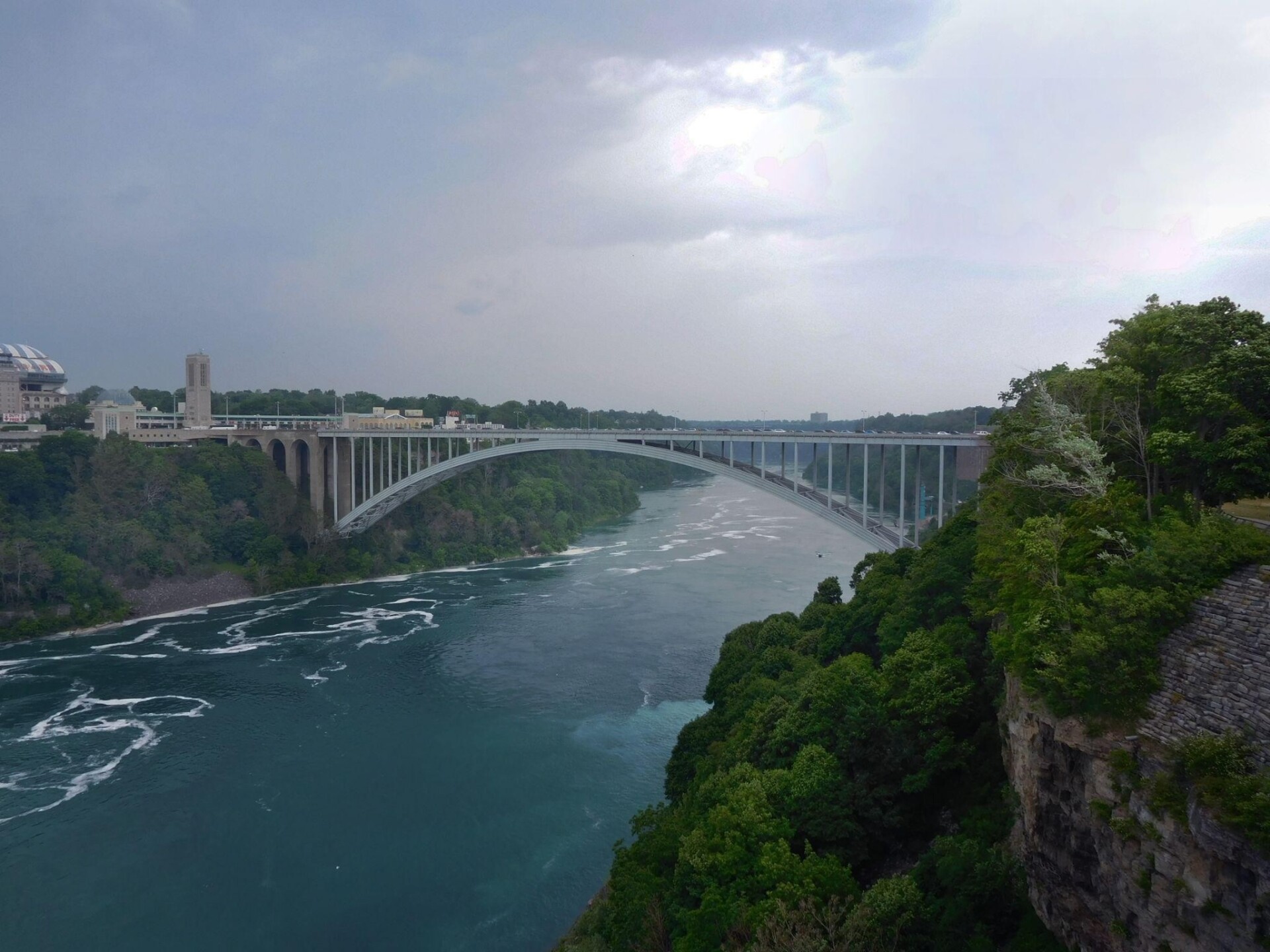
Connecting Canada and the United States, the Peace Bridge crosses the Niagara River between Fort Erie and Buffalo, representing one of the most tangible examples of connection between two countries with deep historical and economic ties.
Opened in 1927, the Peace Bridge was built as a border crossing to facilitate movement between the two sides and has since become one of the main gateways between the two North American economies.
Its steel arch structure stretches for more than 1.5 kilometres across a region characterised by intense flows of goods and people, helping to strengthen one of the world’s most active cross-border relationships.
5 – Expansion of the Panama Canal
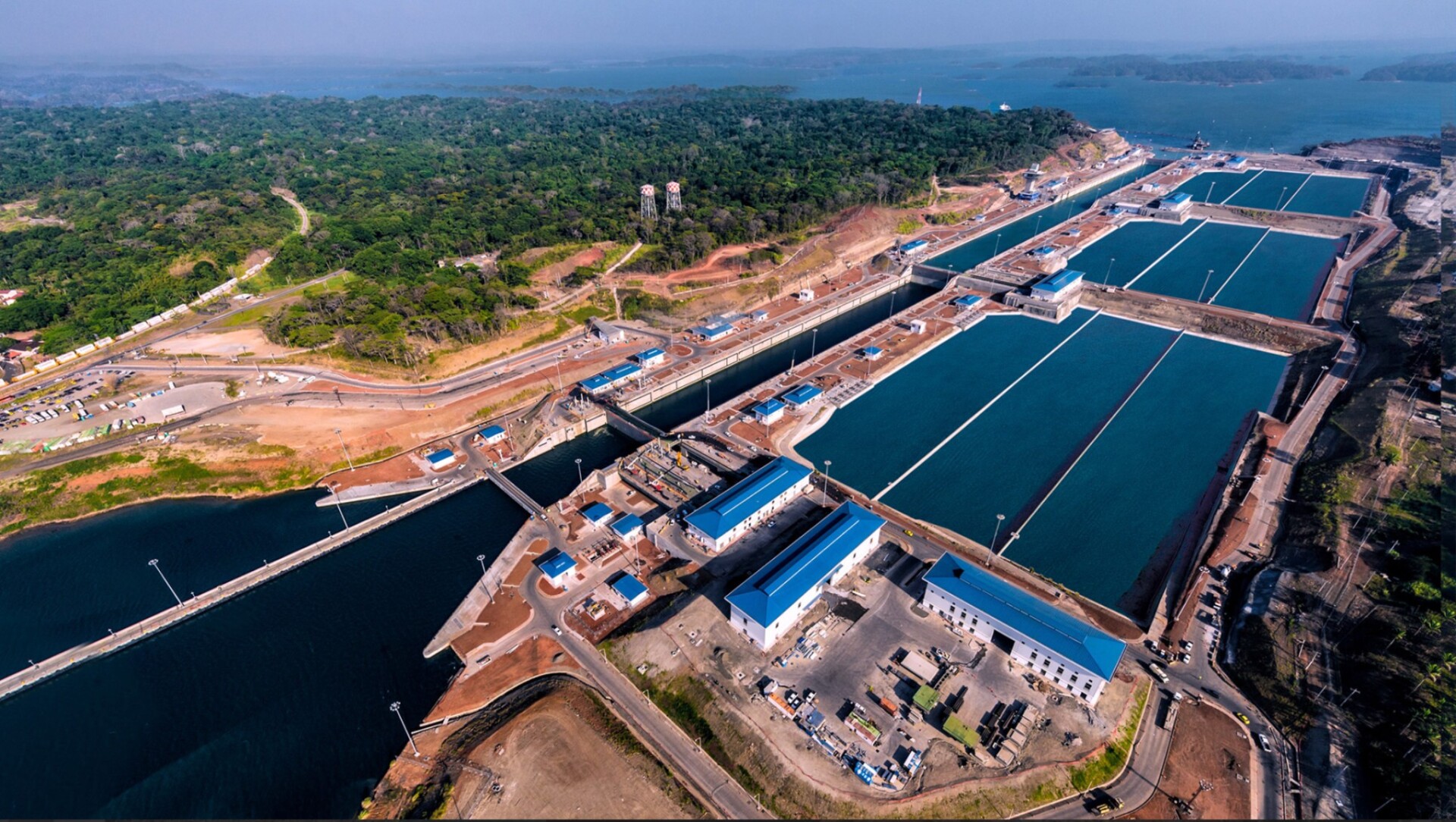
The expansion of the Panama Canal, developed with the contribution of the Webuild Group through the construction of the third set of locks, represented a turning point for maritime transport and international trade.
The project introduced a new hydraulic system on a monumental scale, capable of accommodating larger vessels than before and significantly increasing the canal’s capacity to connect the Atlantic and Pacific Oceans.
At the core of its operation is a sophisticated mechanism that combines water management, gravity and advanced engineering: every day, millions of cubic metres of water are managed through water-saving basins and advanced control systems, enabling ships to cross the American continent more efficiently.
More than a simple upgrade of the existing infrastructure, the expansion of the Panama Canal has redefined the scale of global logistics and opened new perspectives for the future of major maritime infrastructure.