


Some infrastructure projects have had such a profound impact that they transformed not only the territories where they were built, but also the relationships between regions, countries, and continents. Major dams, bridges, ports, and transport networks are often created to overcome natural barriers and redefine strategic connections, turning geographical space into a more integrated and accessible network.
In these infrastructure projects, engineering becomes a tool capable of redrawing the world map, influencing logistics and trade routes, economic balances, and new directions for global development.
1 – Kariba Hydroelectric Power Plant, Zambia-Zimbabwe
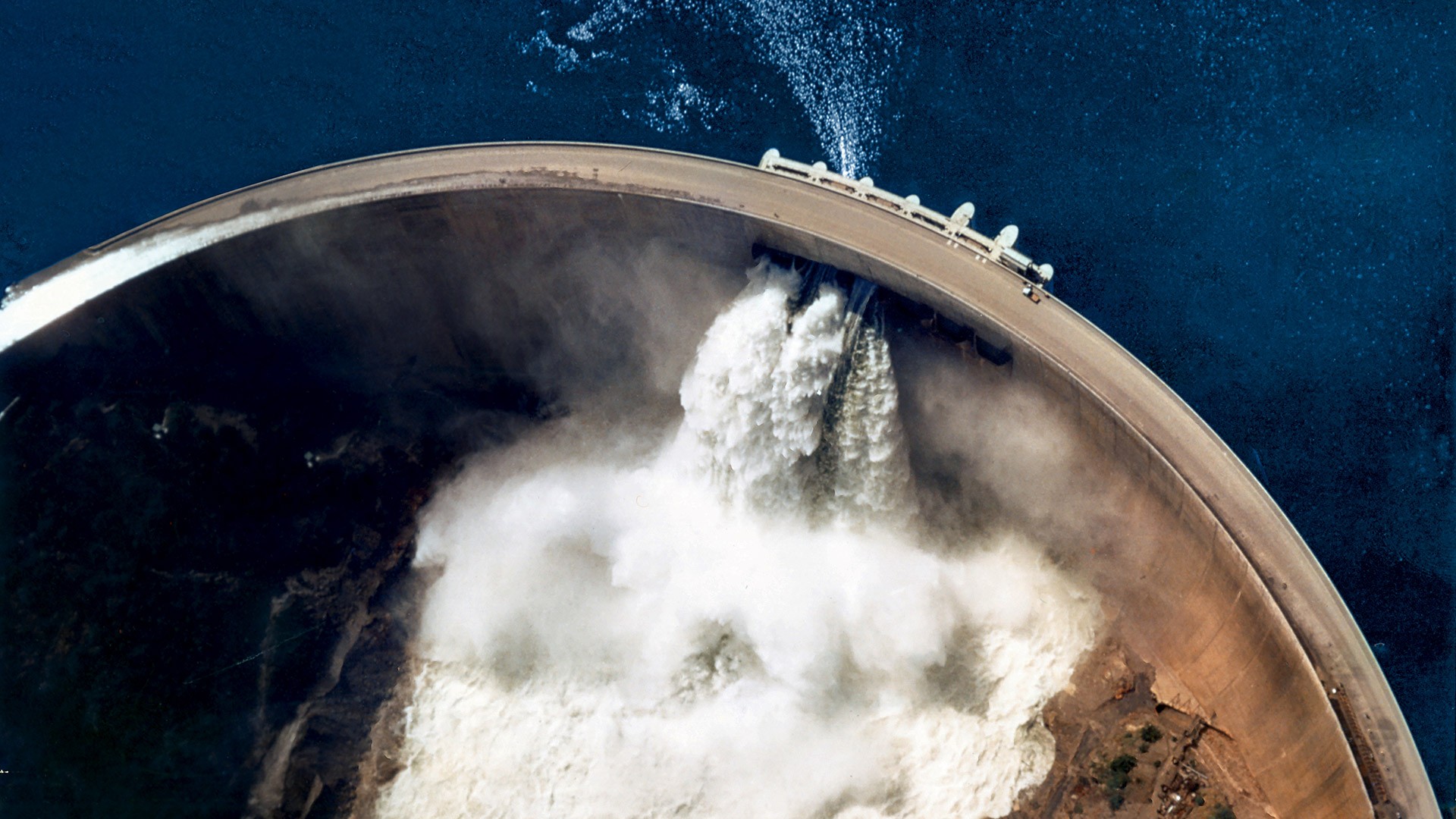
The Kariba Hydroelectric Power Plant, built on the Zambezi River between Zambia and Zimbabwe with the contribution of the Webuild Group, is one of Africa’s most significant energy infrastructure facilities and one of the projects that has most profoundly reshaped the region’s water and power systems.
Centred around an arch dam that was among the largest in the world at the time of its construction, the infrastructure project created Lake Kariba, one of the world’s largest man-made reservoirs.
Beyond its role in hydroelectric power generation, the infrastructure has supported industrial development and the growth of surrounding communities, transforming a complex river environment into a strategic resource for energy production and regional economic stability.
2 – Brăila Danube Bridge, Romania
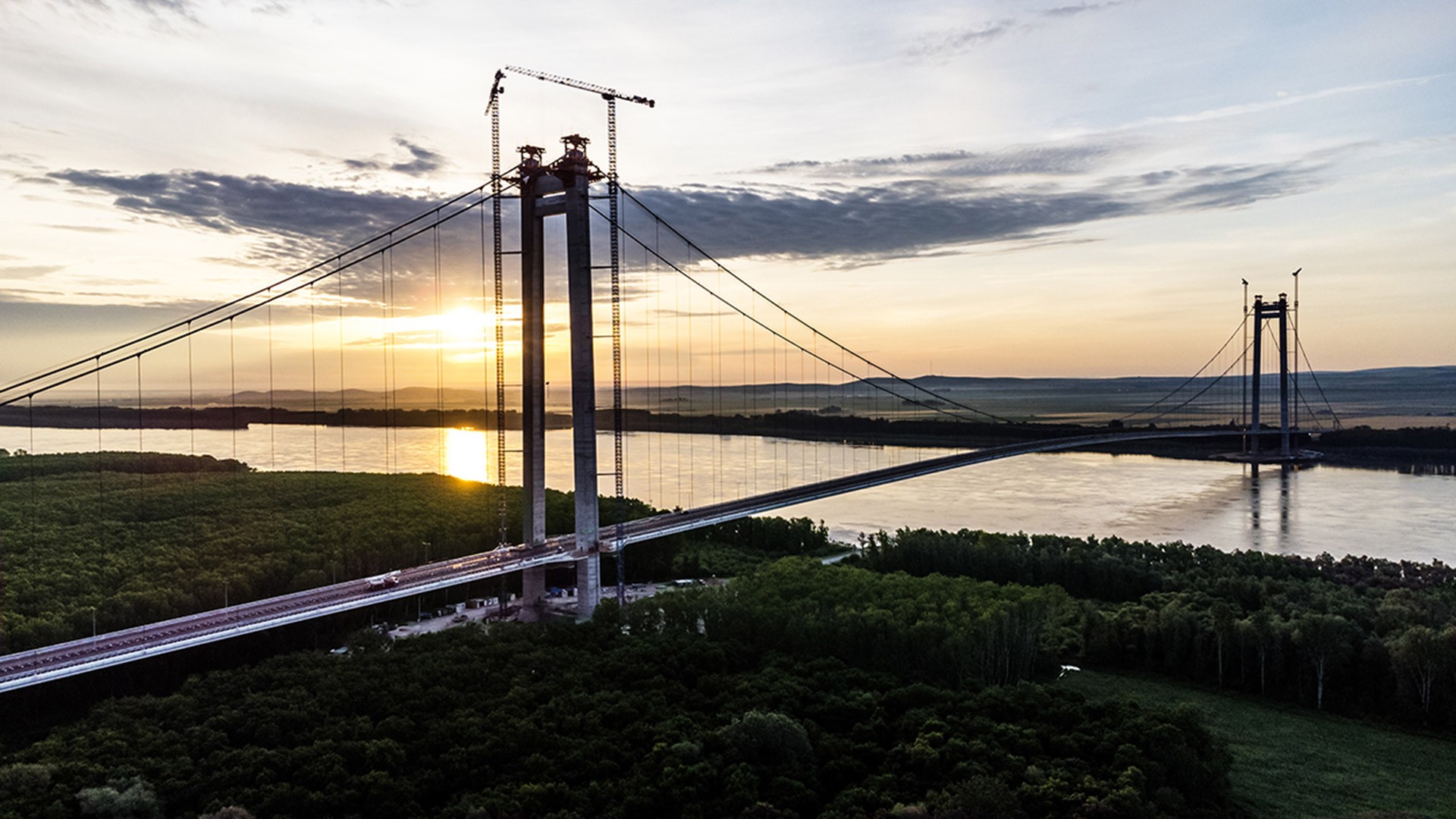
Romania’s Brăila Danube Bridge is one of the most recent and ambitious infrastructure projects built along Europe’s second-longest river, designed to strengthen connections between its two banks and foster greater regional integration.
Constructed with the contribution of the Webuild Group, the suspension bridge stands out for its impressive scale and its ability to provide a direct link between the Brăila and Tulcea regions, significantly improving mobility across the area.
Built within a geographically strategic river corridor, the Brăila Danube Bridge has enhanced the existing road network, facilitating the movement of people and goods between the Danube Delta and southeastern Romania.
3 – Expansion of the Panama Canal
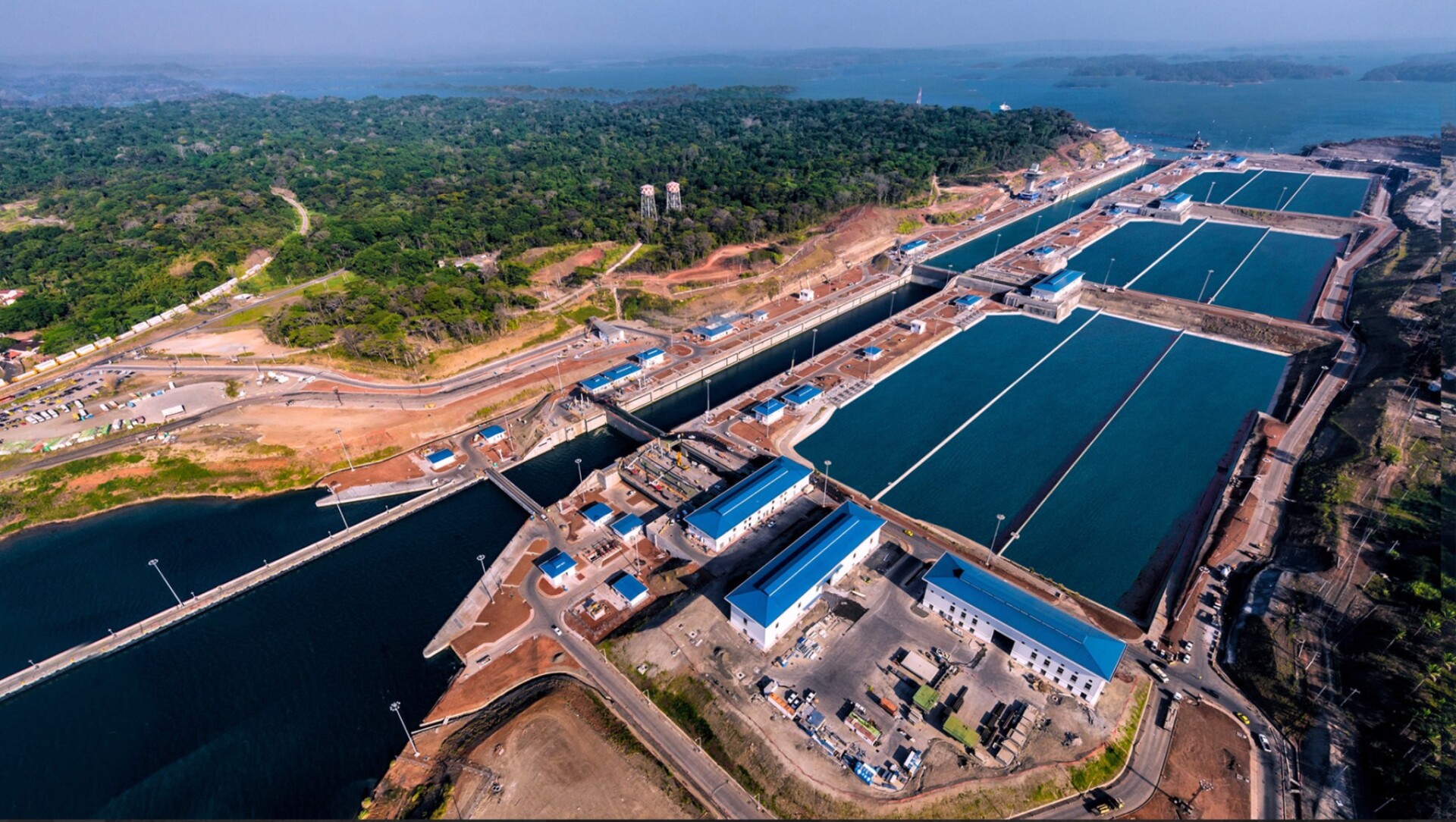
The expansion of the Panama Canal, carried out with the contribution of the Webuild Group through the construction of the third set of locks, represents one of the most significant infrastructure transformations of recent decades in global maritime transport.
The project introduced new hydraulic structures of exceptional scale, designed to accommodate larger vessels and significantly increase traffic capacity between the Atlantic and Pacific Oceans.
Through a complex balance of water management, gravity, and engineering innovation, the system allows enormous volumes of water to be handled every day through water-saving basins and sophisticated hydraulic mechanisms, making it possible for large container ships to cross the American continent.
The project is therefore not simply an expansion of the Panama Canal, but a true shift in scale for international logistics and for the future of maritime infrastructure.
4 – Port of Singapore
The Port of Singapore is one of the world’s leading maritime trade hubs and a strategic gateway connecting the major shipping routes between Asia, Europe, and the Americas.
Thanks to its location along the Strait of Malacca, the port has developed into one of the world’s most important transshipment hubs, playing a central role in global cargo flows.
The highly integrated infrastructure and exceptional operational capacity have made the Port of Singapore a benchmark for modern maritime logistics, combining efficiency and seamless cargo movement with a network that connects hundreds of ports worldwide.
5 – Aswan High Dam, Nile, Egypt
The Aswan High Dam, built on the Nile River in Egypt, is one of the most important hydroelectric engineering projects of the twentieth century and an infrastructure that has profoundly influenced water management across the region.
Constructed to regulate the Nile’s floods while ensuring a reliable supply of water and hydroelectric energy, the dam created Lake Nasser, one of the largest artificial reservoirs in Africa and in the world.
Over time, the Aswan dam has become a cornerstone of Egypt’s agricultural and energy development, helping to stabilise production systems along the Nile Valley and supporting the country’s long-term economic growth.