


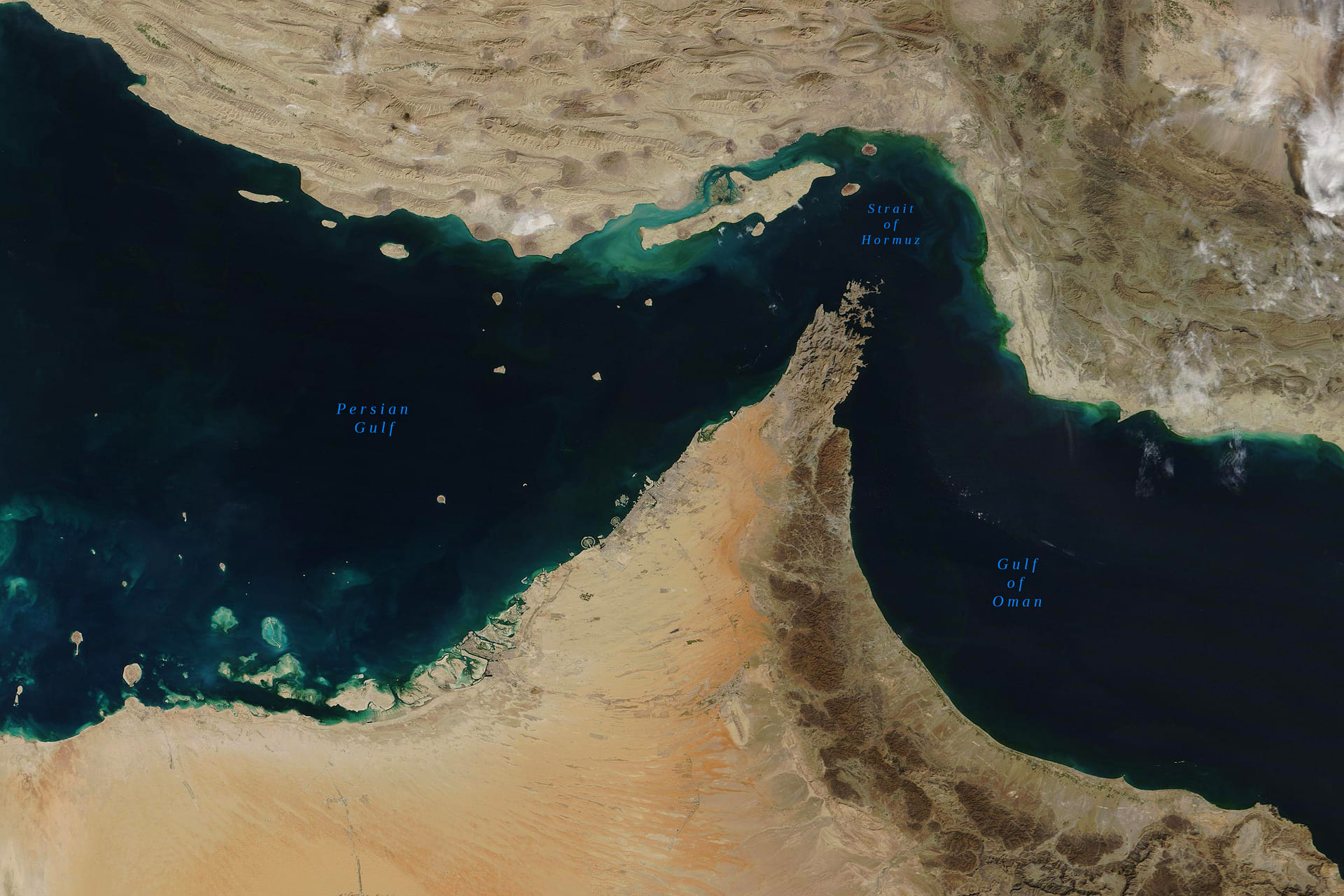
 Strait of Hormuz
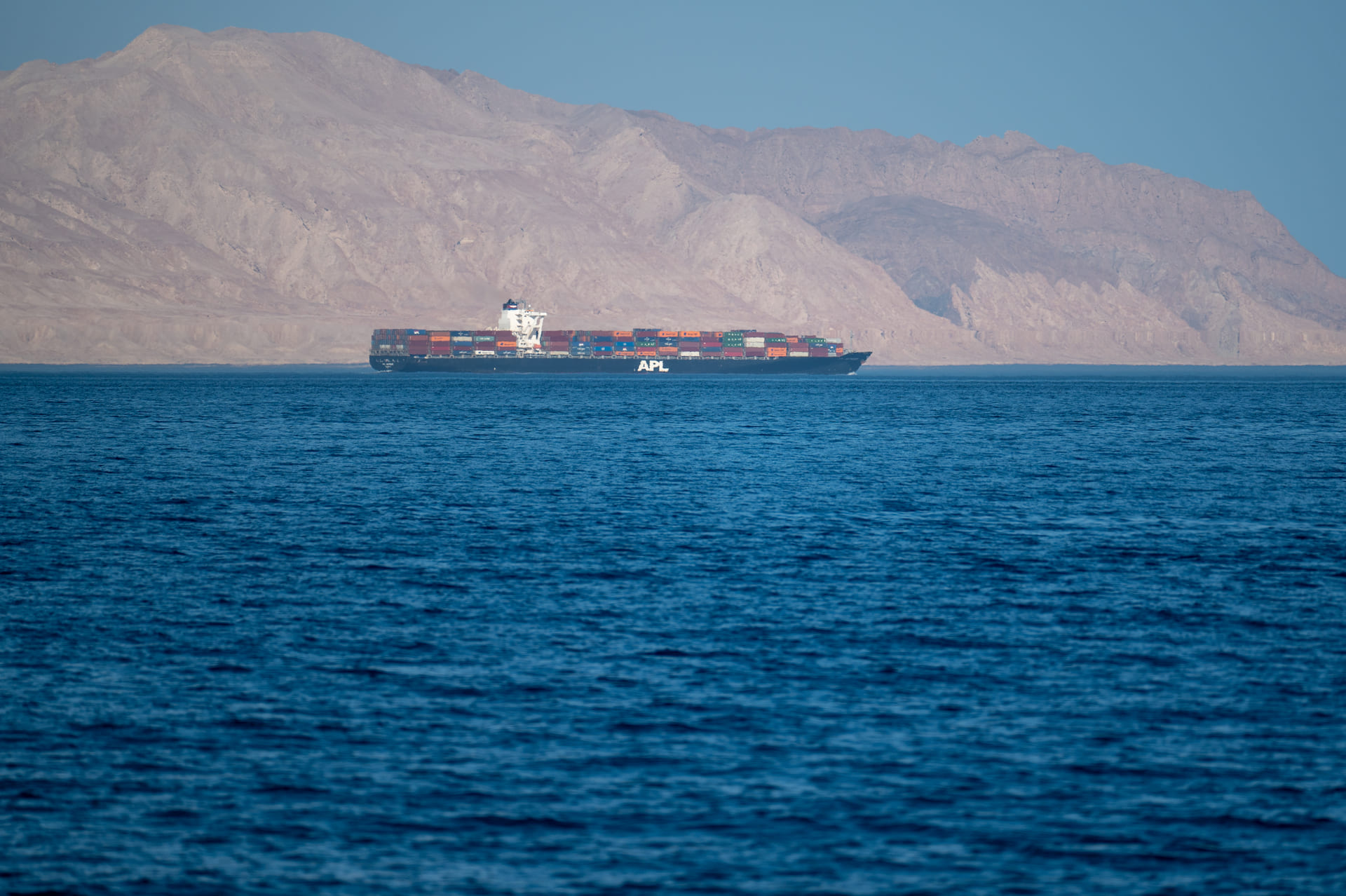 Cargo ship in the Strait of Hormuz
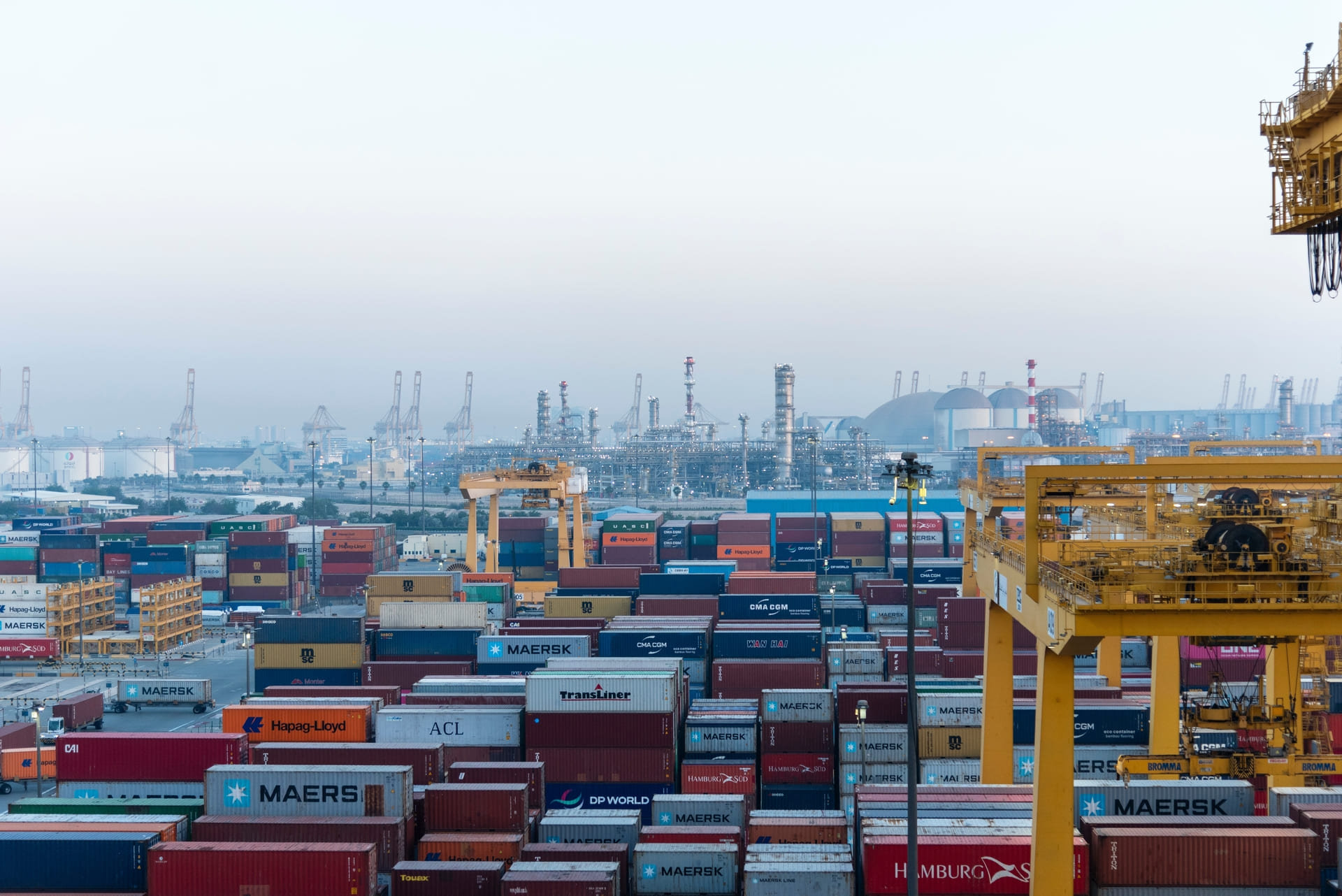 Jebel Ali Port container terminal, UAE
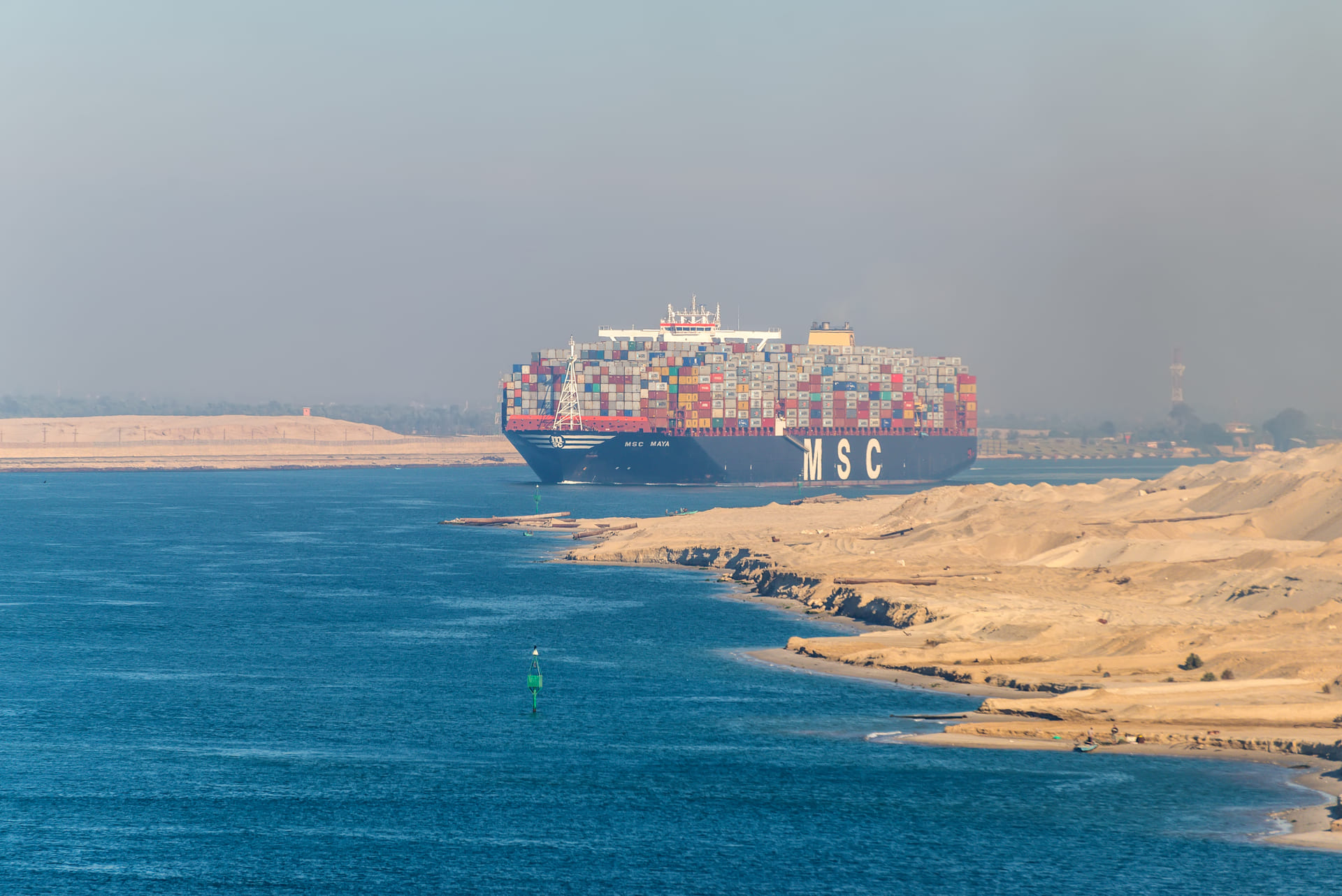 Cargo ship crossing the Suez Canal
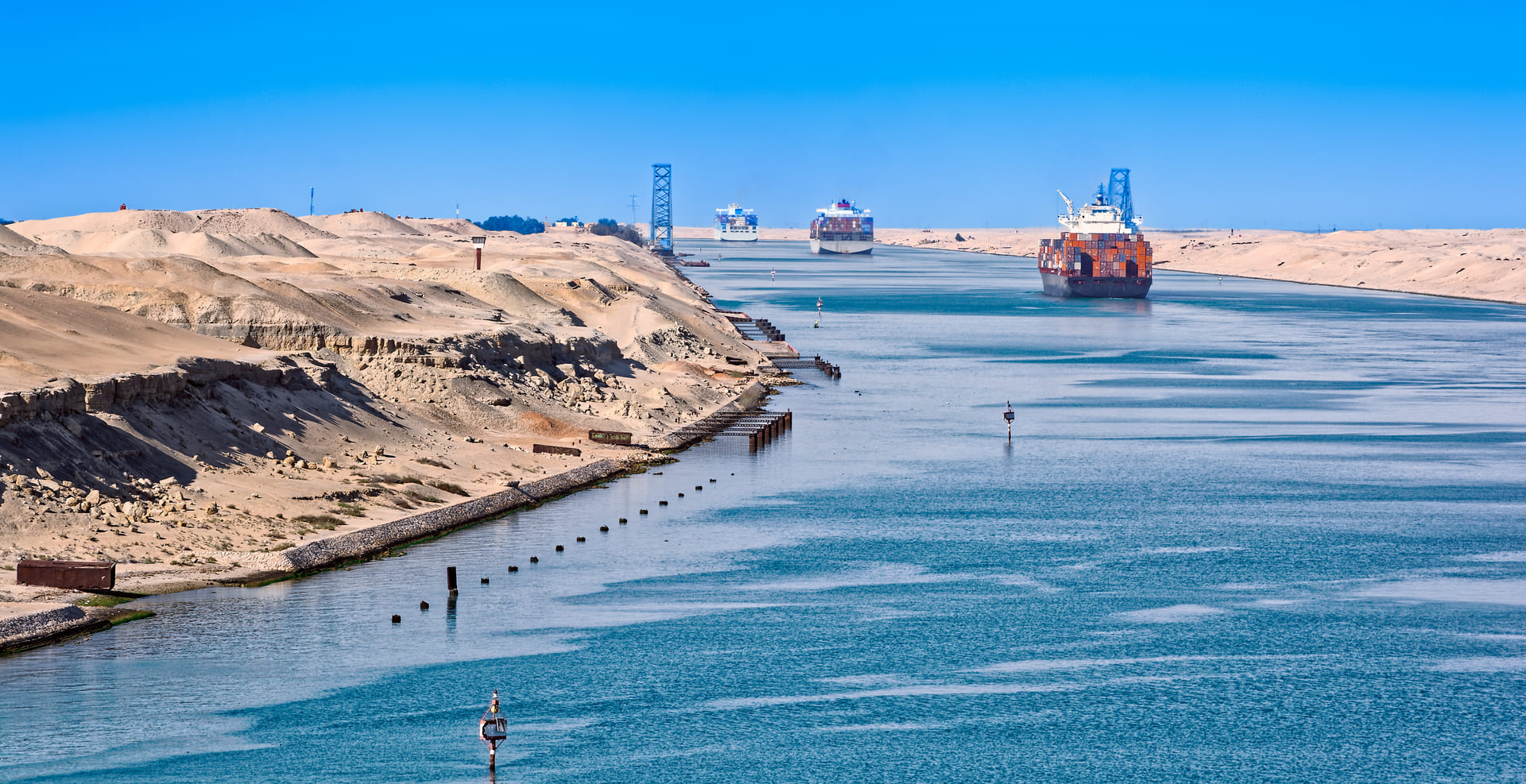 Suez Canal
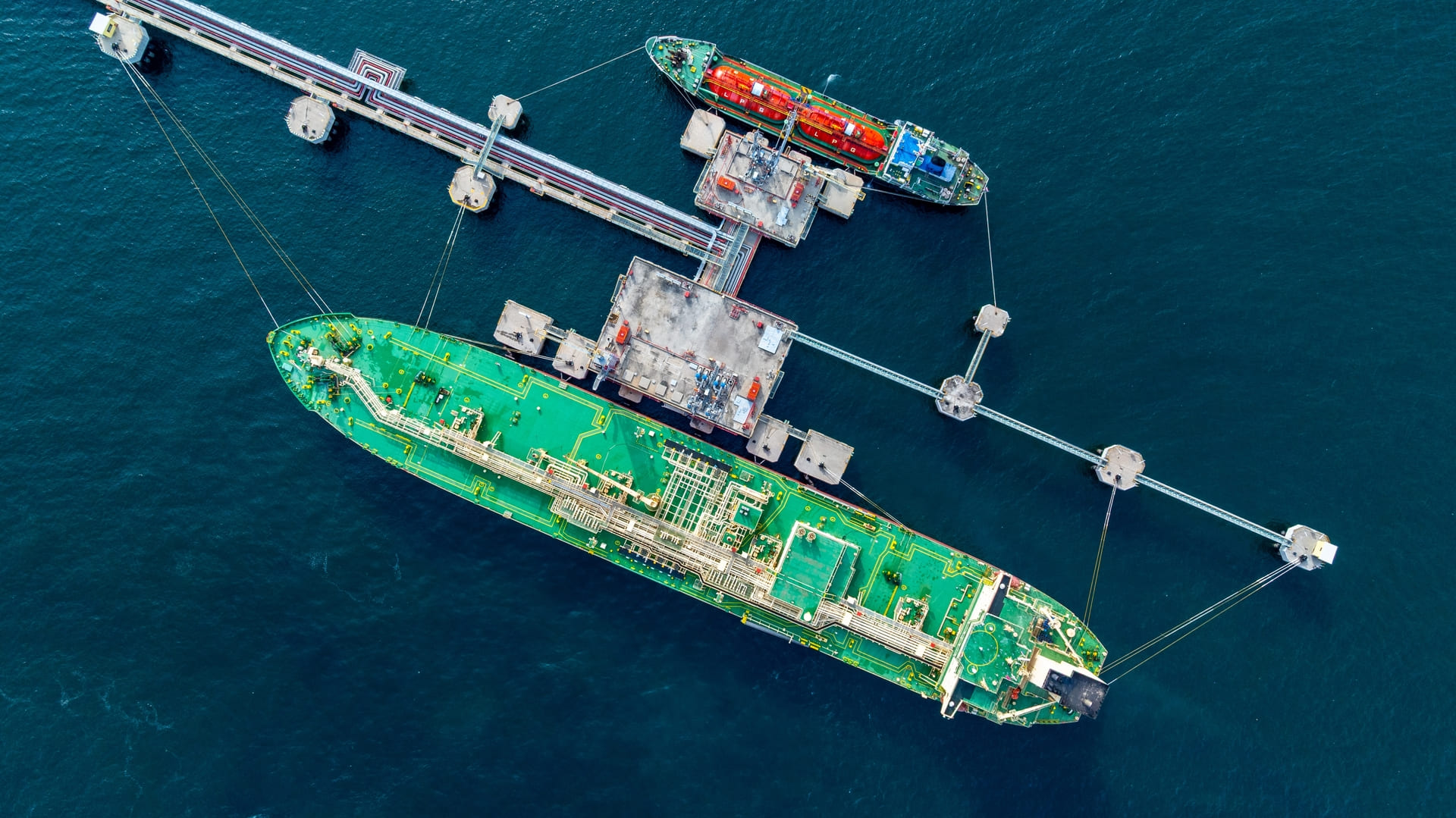 Oil tanker refueling
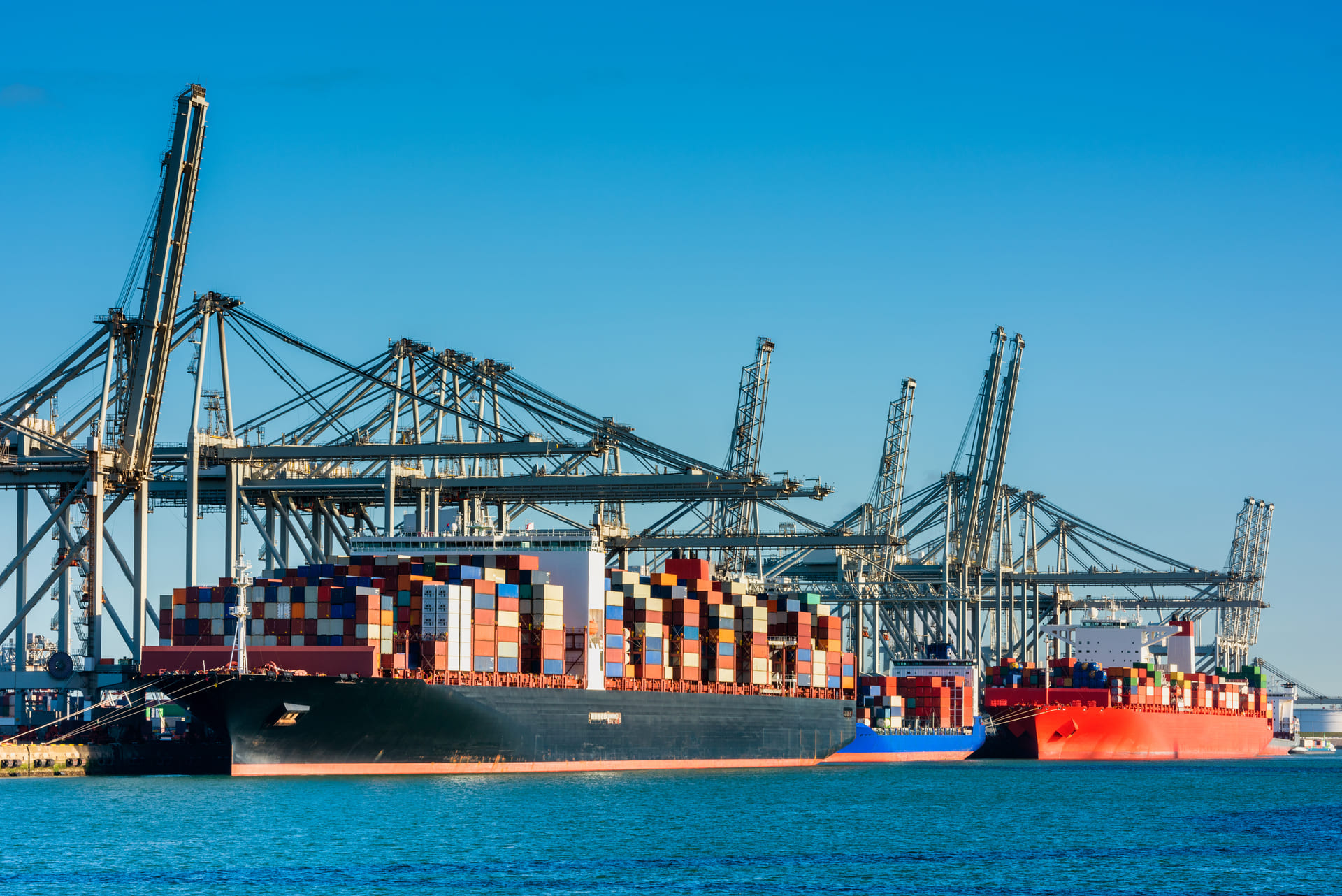 Port of Rotterdam terminal
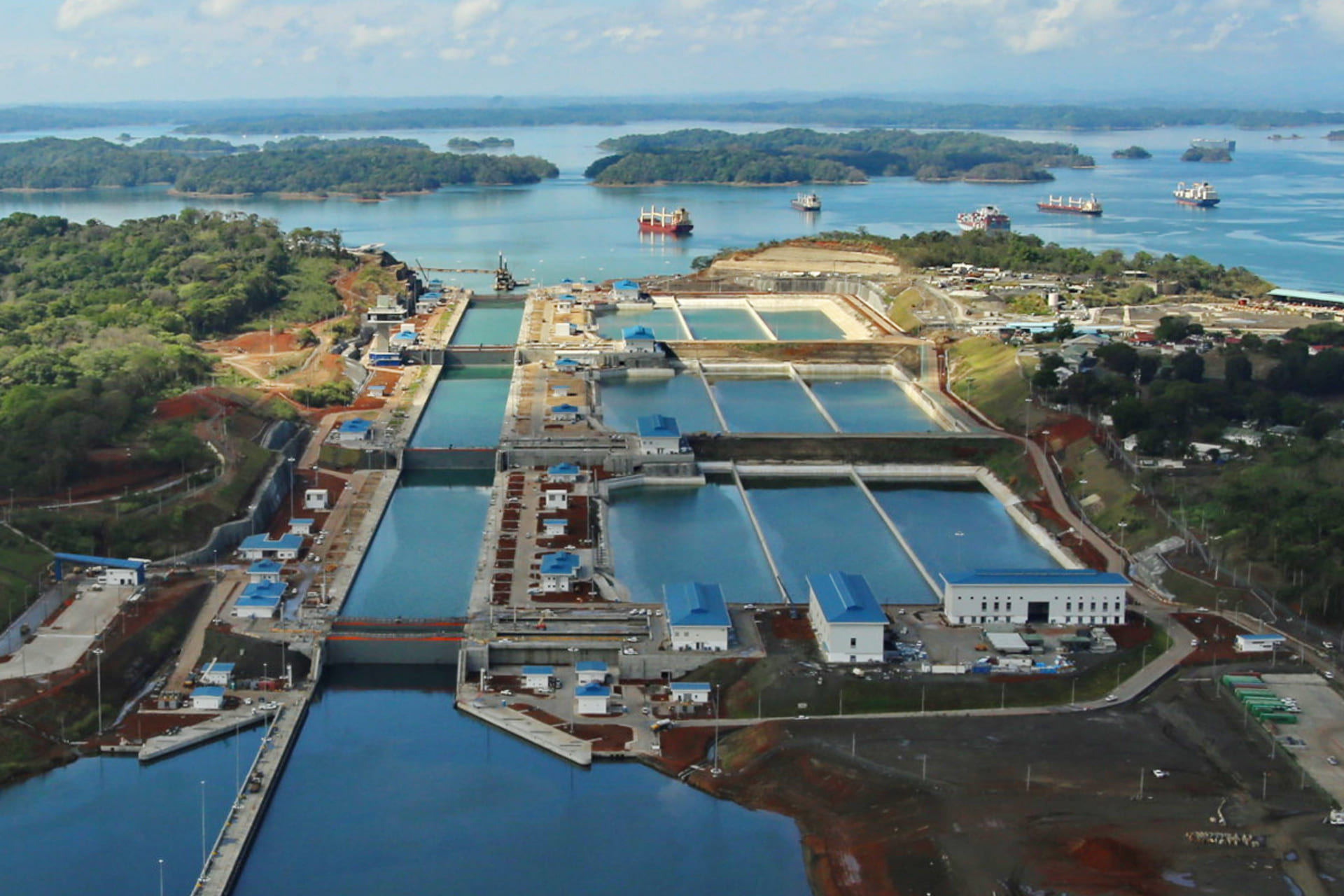 New Panama Canal
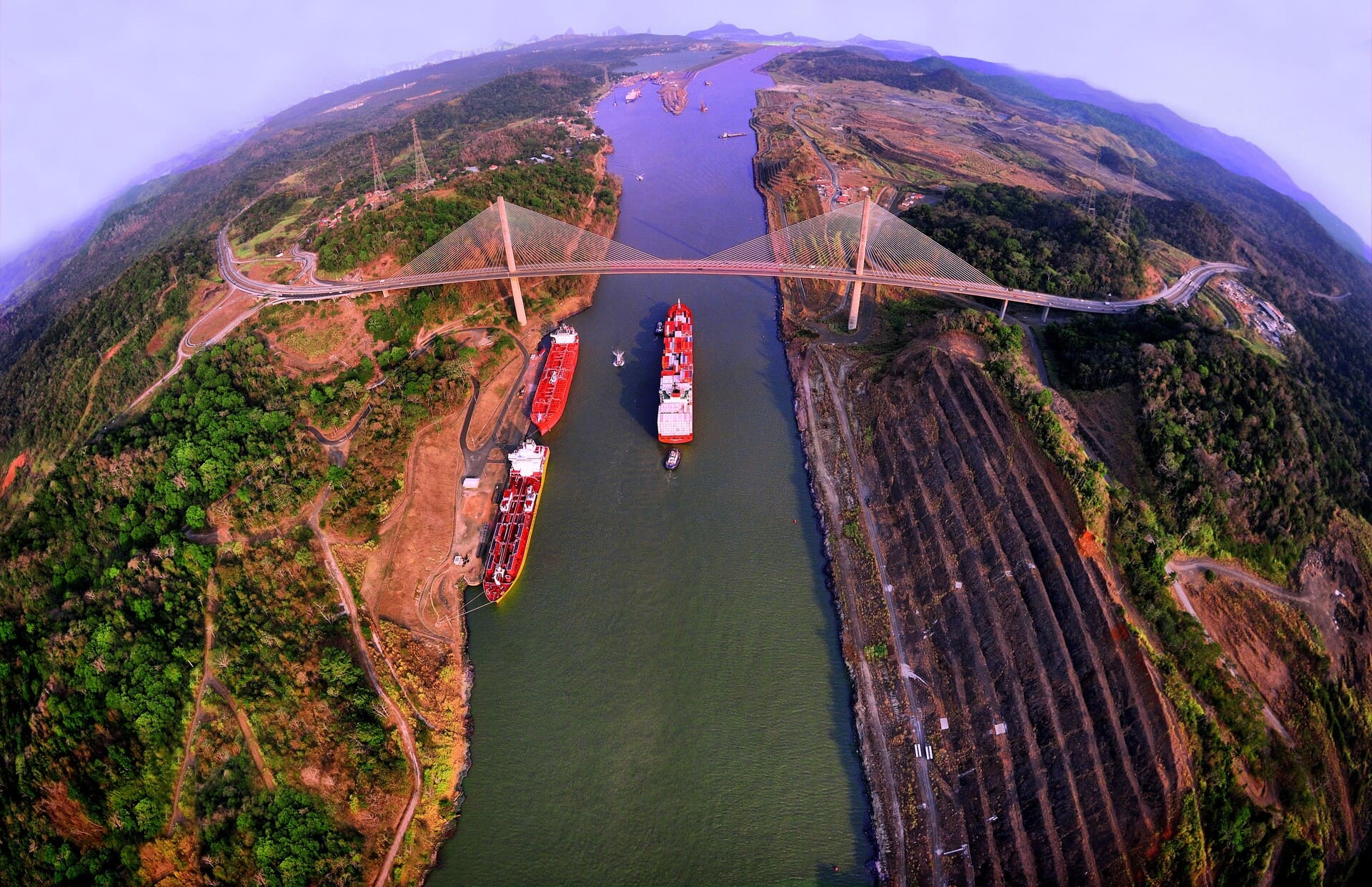 New Panama Canal
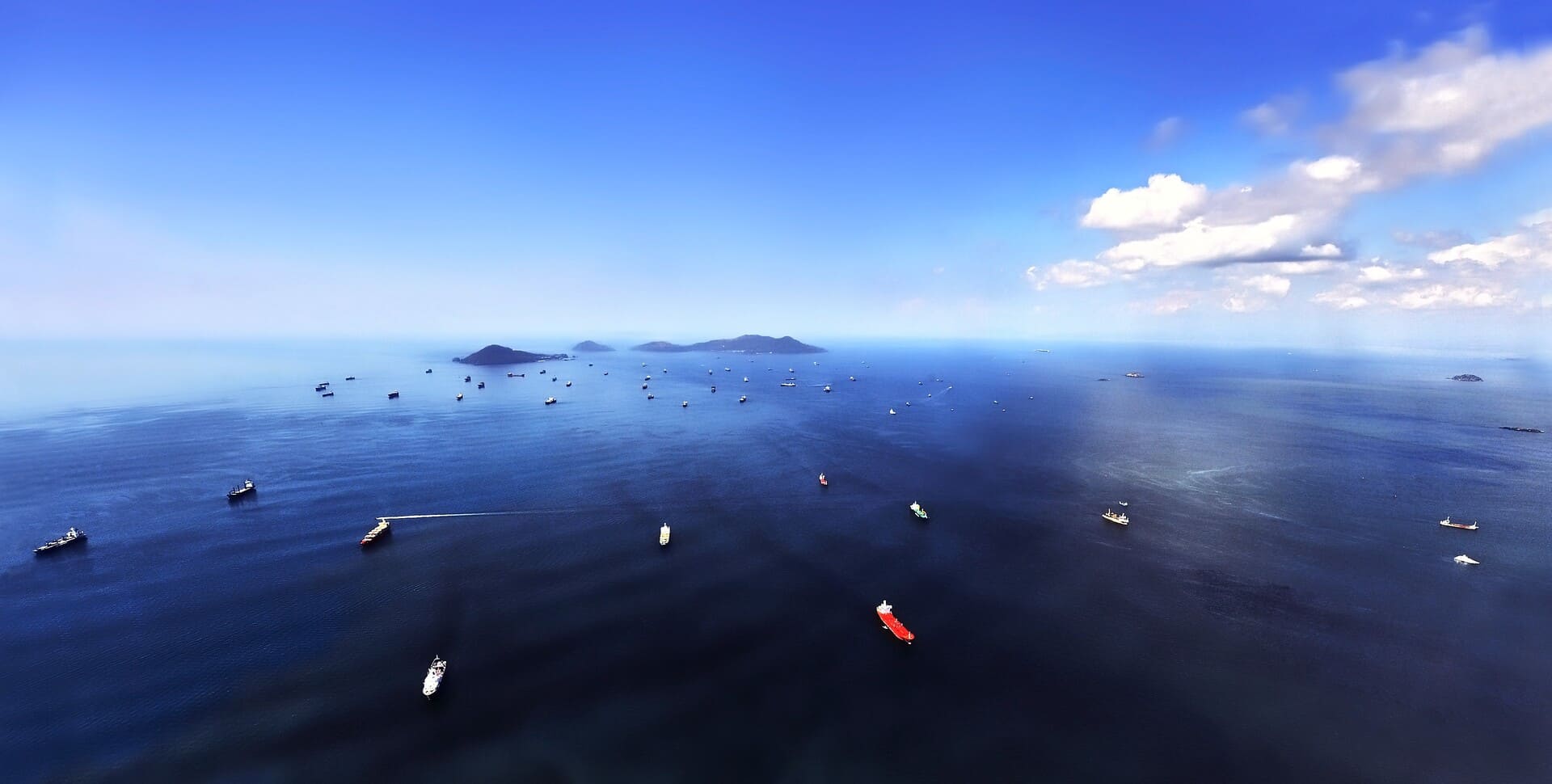 New Panama Canal
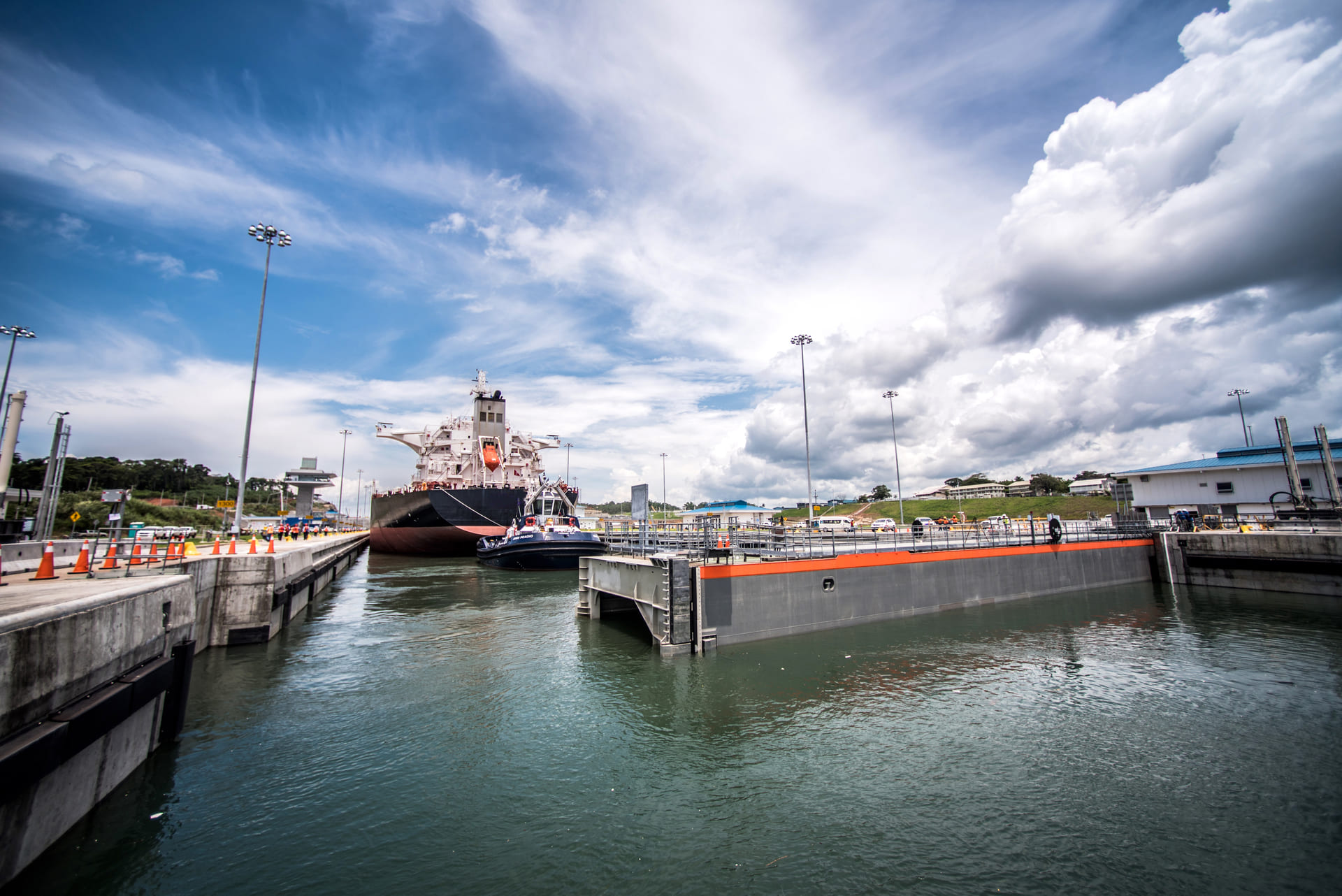 New Panama Canal
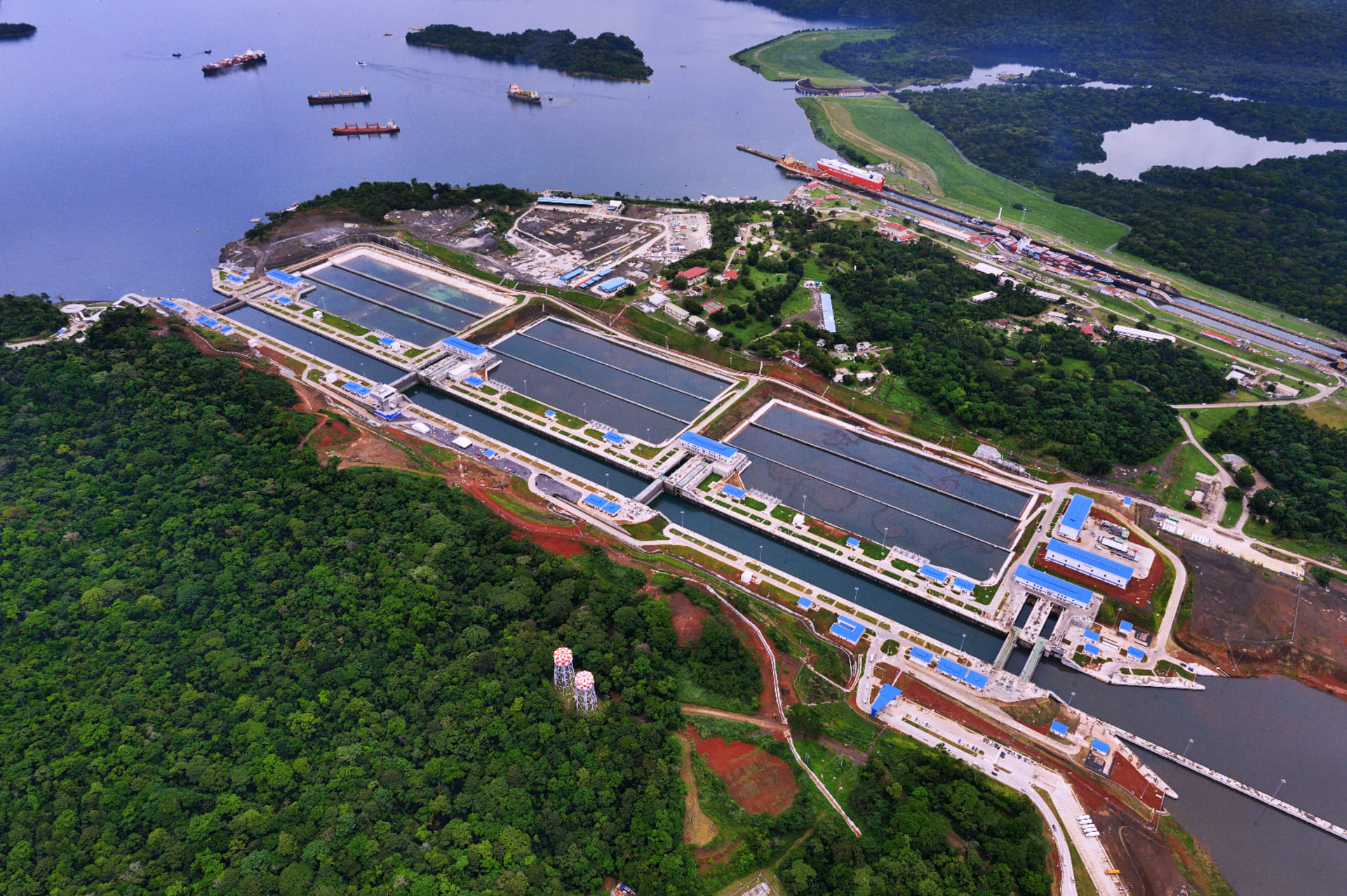 New Panama Canal
 New Panama Canal
 New Panama Canal
- Around 20 million barrels of oil — equal to one fifth of global consumption — pass through the Strait of Hormuz every day
- More than 80% of the world’s goods travel by sea, yet much of this traffic passes through just a few strategic corridors
- The Suez Canal shortens routes between Asia and Europe by more than 7,000 km and carries around 12% of global trade
- In 2016 the expansion of the Panama Canal, built by a consortium led by Webuild, opened the route to Neopanamax vessels
- The Panama Canal connects 1,900 ports in 170 countries and carries around 6% of global trade
read more

The geopolitical tensions running through the Middle East have brought one of the most sensitive points in the world’s economic geography back to centre stage: the Strait of Hormuz. It is here, between Iran and Oman, that a decisive share of the world’s energy supply passes.
According to the U.S. Energy Information Administration, around 20 million barrels of oil pass through the Hormuz strait every day, equal to roughly a fifth of global consumption and nearly a third of the world’s seaborne crude trade. The same passage also carries about 20% of global liquefied natural gas, much of it originating from Qatar.
It takes only a slowdown or a threat to marine traffic through the Strait of Hormuz (as is happening these days because of the conflict involving the United States and Israel and Iran) for energy markets to react immediately.
It is a sign of how globalisation depends on a very limited network of maritime passages: the so-called choke points, the bottlenecks of world logistics. More than 80% of goods traded worldwide travel by sea, and a significant portion of this traffic passes through a small number of strategic corridors where geography narrows and engineering becomes decisive.
Strait of Hormuz, Persian Gulf: Why It Is a Key Energy Hub
The Strait of Hormuz is the natural outlet of the Persian Gulf, from which the exports of the world’s leading oil producers depart: Saudi Arabia, Iraq, Iran, Kuwait, Qatar and the United Arab Emirates.
Geography makes this passage unavoidable because the shipping lanes are only about 3 kilometres wide in each direction, separated by a central safety zone, and every day dozens of supertankers must cross them to reach Asian markets, the destination for more than 70% of the crude exported from the Arab gulf.
Land-based alternatives do exist, but they are limited: pipelines and onshore infrastructure can bypass only part of the region’s energy traffic. For this reason, every crisis in the Hormuz strait has immediate consequences for the global energy system.
From Suez Canal to the Strait of Malacca: The Arteries of International Trade
If the Strait of Hormuz represents the planet’s most sensitive energy hub, other passages play an equally central role in global trade.
The Suez Canal, which connects the Mediterranean and the Red Sea, shortens the route between Europe and Asia by more than 7,000 kilometres compared with the journey around the Cape of Good Hope. Today around 12% of global trade passes through this corridor.
To the south lies the Bab el-Mandeb Strait, the southern gateway to the Red Sea. Here too, millions of barrels of oil pass every day, along with a significant share of container traffic between Asia and Europe.
Further east, the Strait of Malacca is one of the busiest maritime passages on the planet, the route linking the Indian and Pacific Ocean and through which a large share of goods destined for China, Japan and South Korea travels.
But not all of these corridors are natural. Some are the result of major engineering works that have transformed the planet’s economic geography.
The New Panama Canal: A Revolution in Marine Traffic with Mega-Ships
One of the most emblematic examples is the Panama Canal, the artificial waterway that since 1914 has connected the Atlantic Ocean and Pacific Oceans by cutting across the Central American isthmus. For more than a century this passage has reshaped international trade routes, but the growth of naval traffic and the increasing size of vessels have required a radical transformation of the infrastructure.
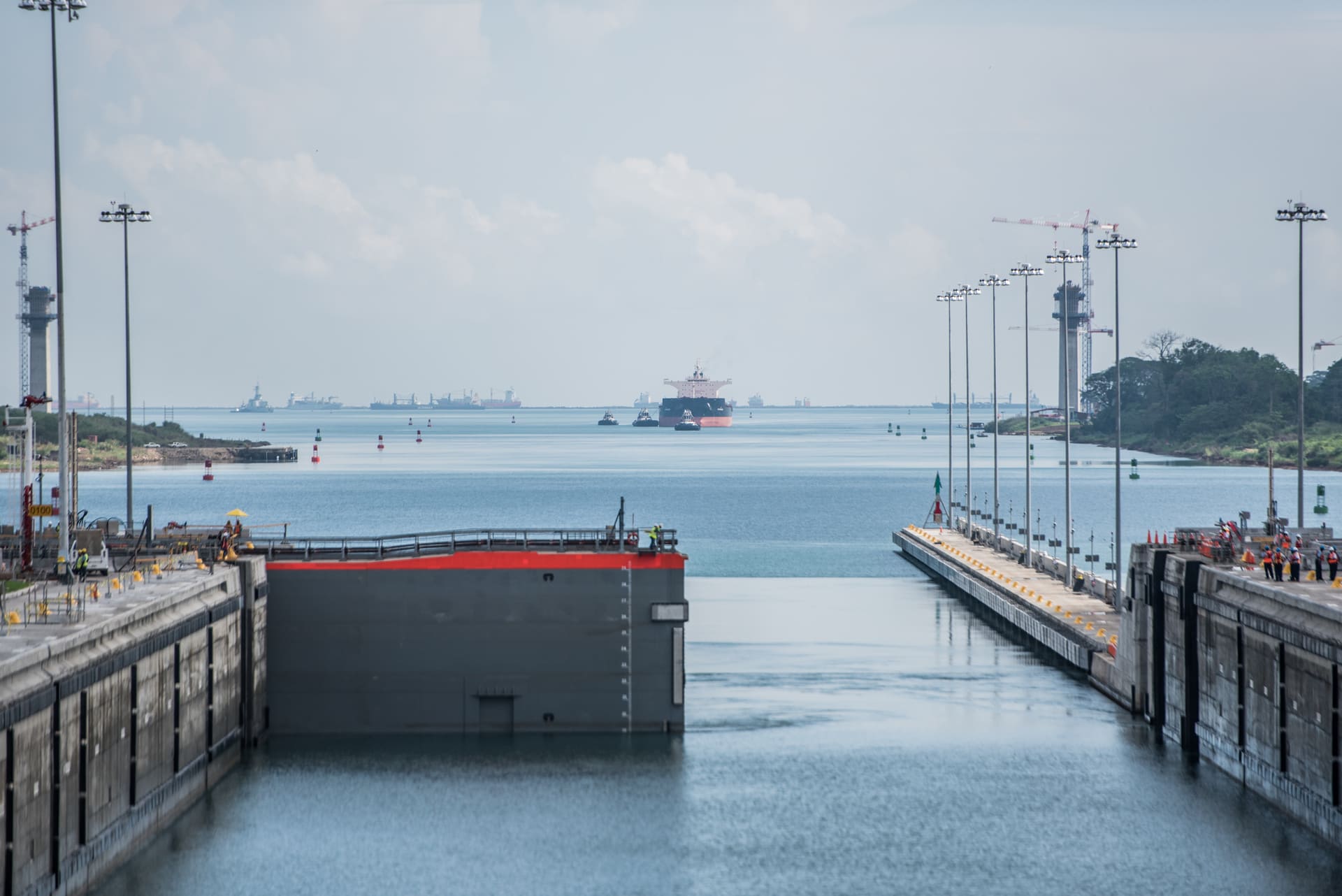
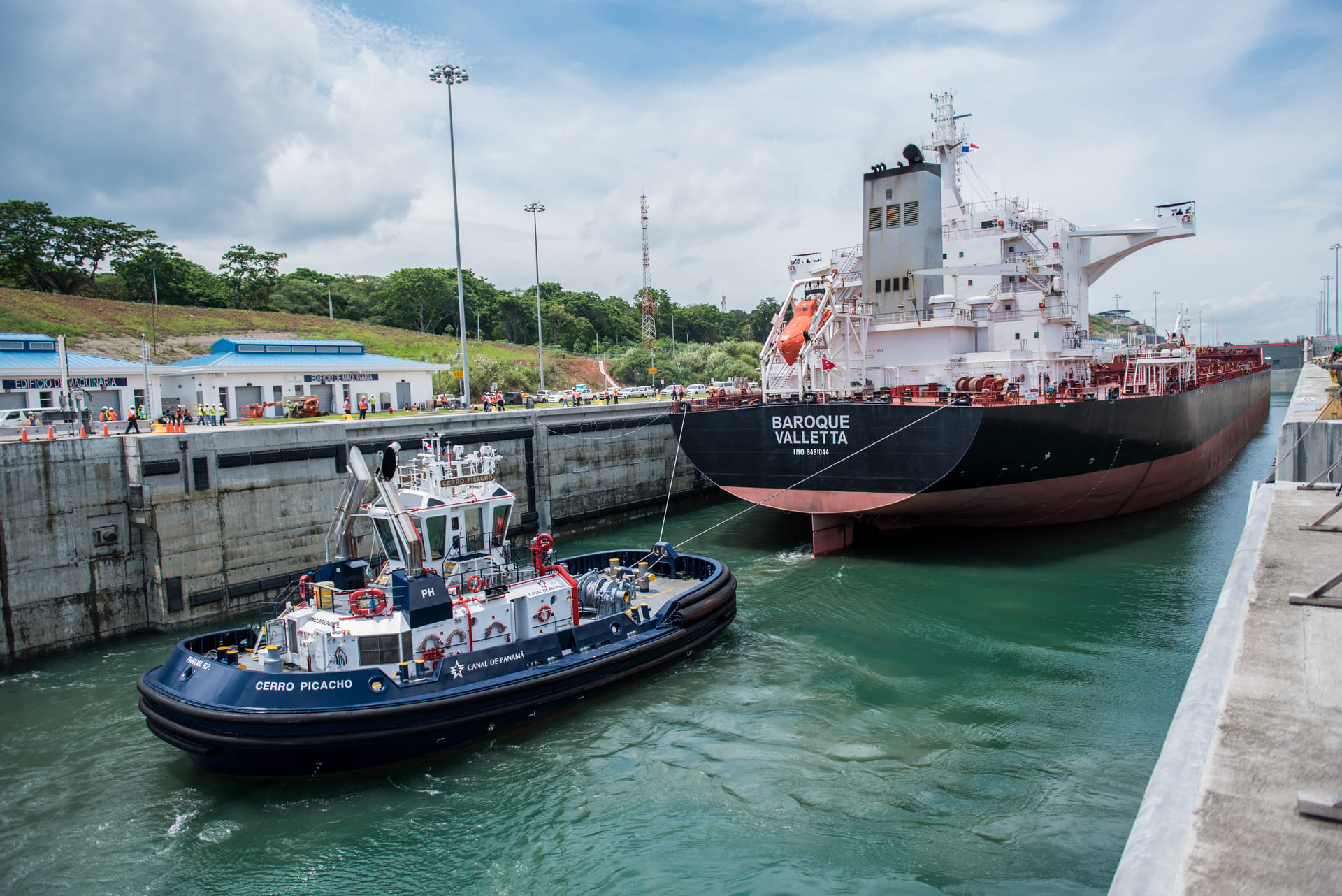
In 2016 the Panama Canal’s expansion came into operation, built by an international consortium led by Webuild, with the construction of the so-called “third set of Panama Canal locks”. The project effectively created a new maritime traffic lane parallel to the historic one, doubling the overall capacity of the infrastructure.
The new Panama Canal locks represent one of the largest hydraulic engineering projects ever undertaken. Each chamber measures 427 metres in length, 55 metres in width and more than 18 metres in depth.
Thanks to this expansion, the new Panama Canal can accommodate the so-called Neopanamax vessels, up to 366 metres long and about 49 metres wide and capable of carrying more than 12,600 containers — more than double the previous limit of around 5,000 TEU imposed by the old locks.
Today the Panama Canal connects around 1,900 ports in more than 170 countries, serving almost 180 maritime routes. Every year more than 14,000 vessels pass through this corridor, carrying goods with an estimated value of about 270 billion dollars, equal to roughly 6% of global trade.
It is therefore not merely an engineering work, but a genuine geopolitical infrastructure, a strategic junction that directly influences the costs of international trade and the competitiveness of global logistics chains.
From the Strait of Hormuz to the Panama Canal: When Engineering Meets Geopolitics
The global maritime transport system functions like a network of vital arteries. Some are natural — such as the Hormuz strait or the Malacca strait — while others have been created by human engineering, such as the Suez isthmus and the Panama Canal.
In all cases the principle is the same: to reduce distances, increase transport capacity and make international trade flows more secure. When one of these routes becomes clogged, as happened in 2021 when the Ever Given ran aground and caused the Suez Canal blockage, the entire global economic system feels the impact immediately.
That is why major maritime infrastructures — from interoceanic canals to port systems and the dredging of navigable corridors — today represent one of the pillars of global economic security.
In a world marked by geopolitical tensions and competition for resources, keeping these passages open and efficient means ensuring the continuity of supply chains and the stability of international trade.
And often the true line of balance between geopolitics and globalisation runs not only through diplomacy or military fleets, but through the ability of engineering to transform natural straits and artificial canals into the highways of the sea on which the world’s economy travels.