

Some civil engineering projects go far beyond the idea of infrastructure, becoming true acts of territorial transformation where scale, technical ambition, and construction capability reach almost unimaginable levels.
Dams, underground networks, artificial islands, and transport systems cut across mountains, seas, and major cities, reshaping the relationship between the natural environment and human presence.
In infrastructure projects like these, greatness is not simply a matter of size or numbers, but the result of an engineering complexity that demands time, advanced technologies, and the ability to coordinate materials, landscapes, and people on an extraordinary scale.
The outcome is a series of works that alter entire landscapes, redefine the infrastructure of whole nations, and push the boundaries of what contemporary engineering is capable of achieving.
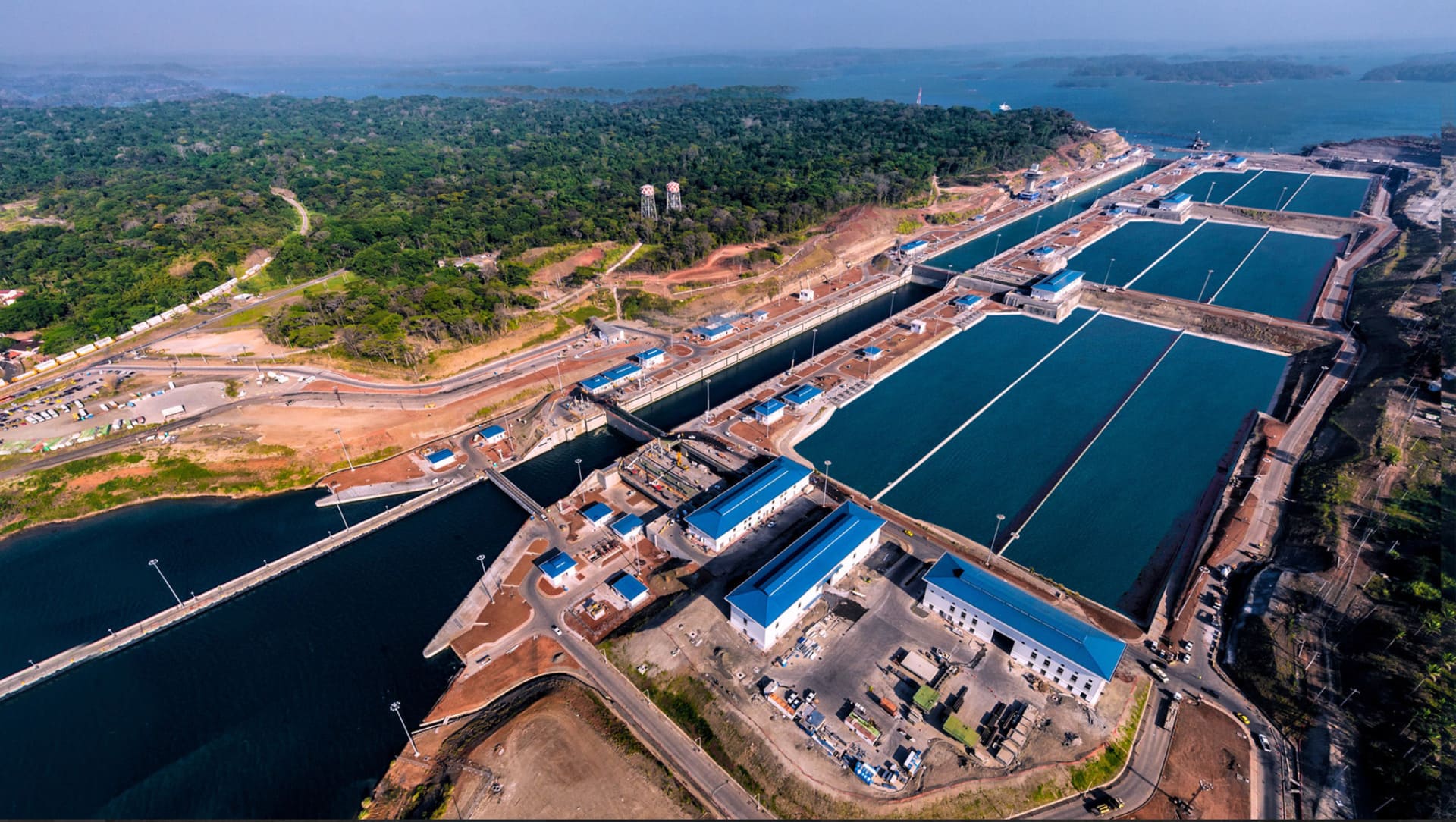
1 – Expansion of the Panama Canal
The expansion of the Panama Canal, carried out with the contribution of the Webuild Group through the construction of the third set of locks, stands as one of the largest contemporary infrastructure projects, designed to reshape global maritime trade routes.
The project introduced monumental new locks capable of accommodating ships far larger than before, significantly increasing transit capacity between the Atlantic Ocean and the Pacific Ocean.
In this system governed by water, gravity, and engineering precision, millions of liters are moved every day through water-saving basins and complex hydraulic mechanisms that allow vessels to cross the American continent.
More than a simple expansion, the Panama Canal project represents a transformation of global logistics and of the very scale of modern maritime infrastructure.
2 – Genoa San Giorgio Bridge, Italy
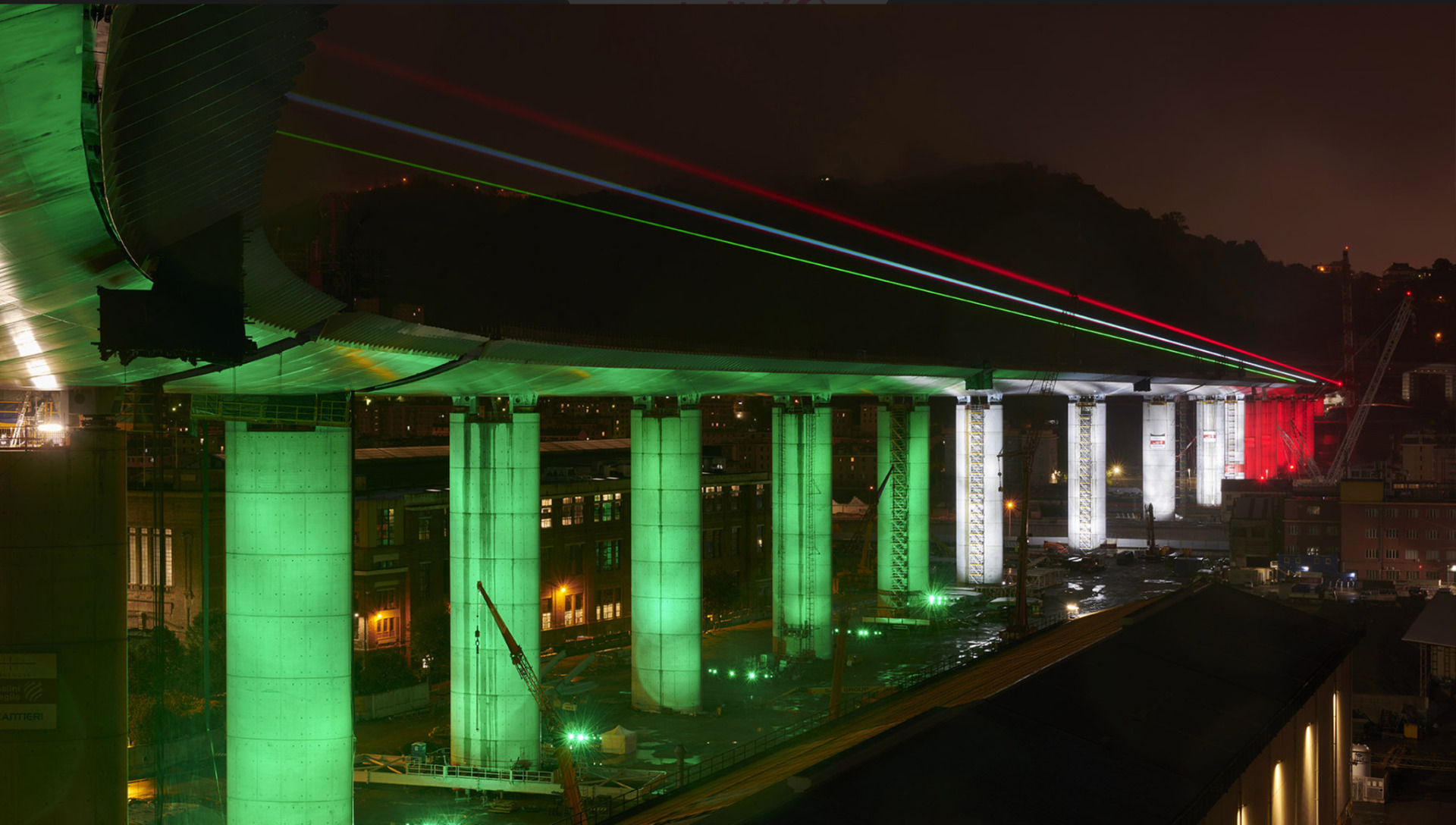
The new Genova San Giorgio Bridge, also built with the contribution of the Webuild Group, represents one of the defining symbols of contemporary civil engineering, where reconstruction on a massive scale was translated into a rapid and highly complex intervention capable of restoring continuity to a strategic hub of Italian mobility.
Stretching for more than one kilometer and featuring a steel structure supported by concrete piers, the bridge crosses the Polcevera Valley, reconnecting the Port of Genoa with the main transport routes toward Northern Italy and France.
Built in record time following the collapse of the Morandi Bridge thanks to a construction site operating around the clock, the new Genoa bridge required the coordination of thousands of workers and highly advanced engineering design, transforming an infrastructure project into a symbol of resilience, efficiency, and national construction expertise.
3 – Three Gorges Dam, China
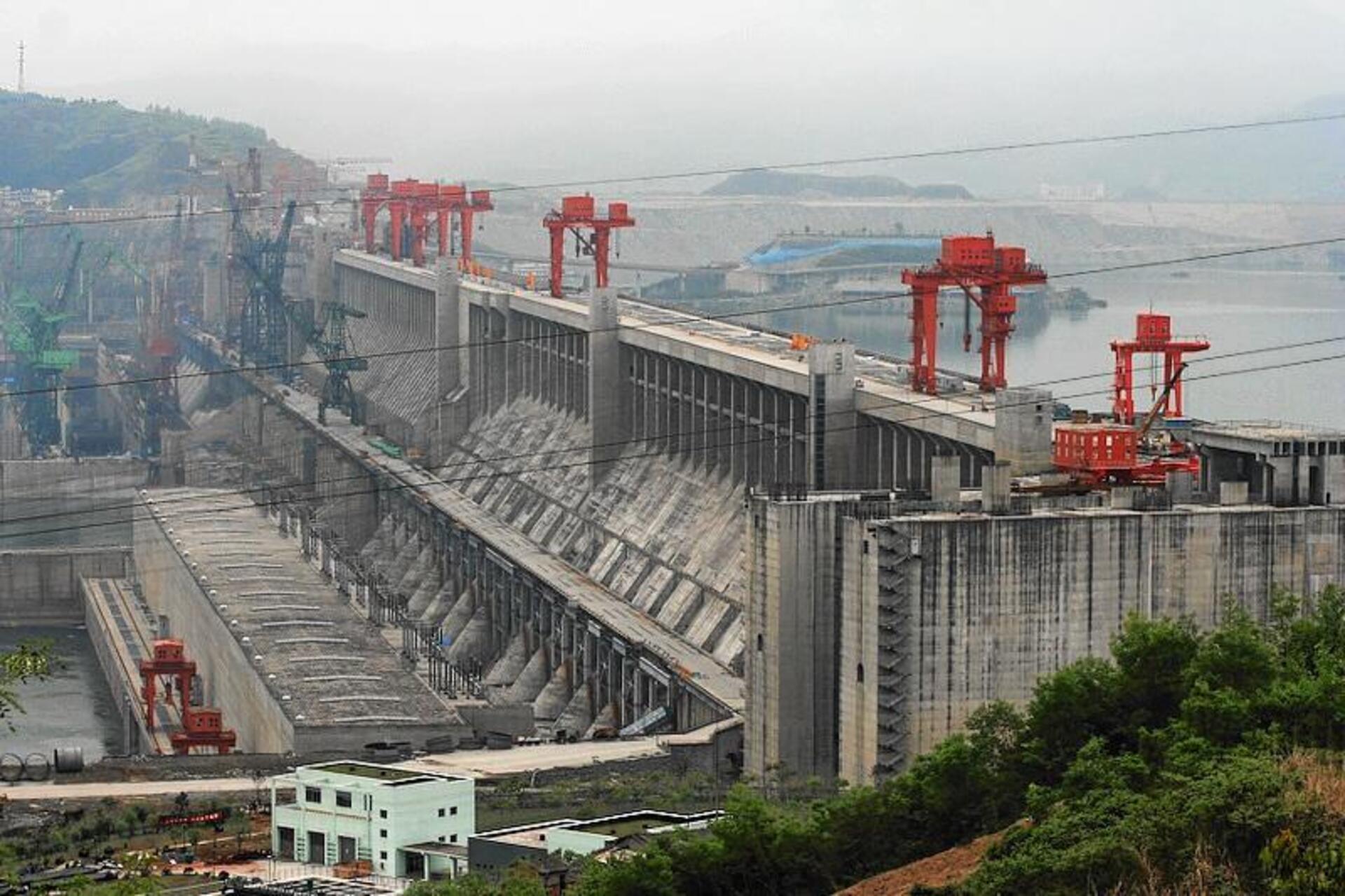
The Three Gorges Dam, built along China’s Yangtze River, is one of the biggest dams in the world, where scale, power, and territorial transformation reach almost unimaginable dimensions.
With a structure stretching over two kilometers and one of the highest energy production capacities in the world, the Three Gorges Dam not only generates enormous amounts of electricity but has also reshaped river navigation and the hydrological balance of an entire region.
In this continent-scale hydroelectric project, water is regulated, stored, and channeled through a highly complex system that has profoundly transformed the relationship between the great river and the communities living along its banks, turning the Yangtze into one of the planet’s most strategic hydropower and logistics infrastructure projects.
4 – Kansai International Airport, Osaka
Kansai International Airport, built in Osaka Bay on a fully man-made artificial island, represents one of the most extreme examples of civil engineering on a massive scale, where the sea itself becomes an operational surface rather than a geographical limit.
Designed to create a strategic airport hub for the Kansai region, the complex was constructed through enormous land reclamation and seabed consolidation works, transforming deep water into a stable platform capable of supporting runways, terminals, and supporting infrastructure.
In this delicate balance between engineering and the coastal environment, the Kansai airport not only challenges extreme geotechnical conditions and subsidence phenomena, but also redefines the very concept of airport infrastructure.

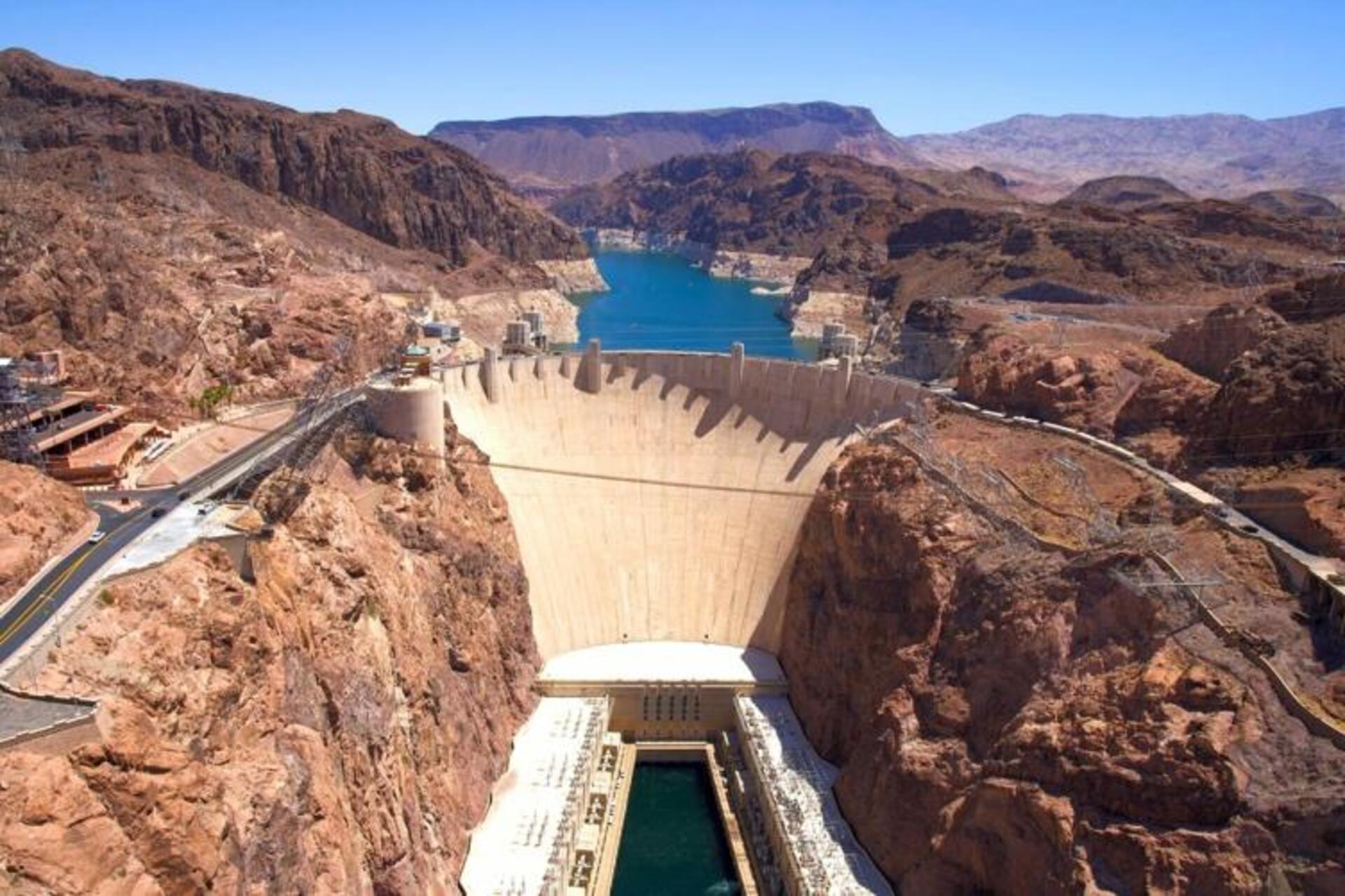
5 – The Hoover Dam, Nevada-Arizona
The Hoover Dam, built along the Colorado River on the border between Nevada and Arizona, stands as one of the most impressive hydraulic engineering achievements of the 20th century, where the scale of the intervention reaches an almost monumental dimension in the management of water and hydropower.
Constructed in the 1930s, the project gave shape to Lake Mead, one of the largest artificial reservoirs in the United States, transforming a stretch of canyon into a system capable of controlling floods, securing water supplies, and generating hydroelectric power for millions of people.
Around this immense man-made basin, an increasingly complex hydraulic infrastructure was later developed, including the Lake Mead Intake Hydraulic Tunnel, designed to guarantee water supply for the Las Vegas metropolitan area even during periods of extreme drought.