

When water becomes the protagonist, engineering does not simply contain or divert it, but learns to interpret its force, transforming it into renewable energy, protection and connection between territories and communities.
From ocean waters to tides, from urban rivers to the most ambitious coastal infrastructure projects, water ceases to be a natural constraint and becomes a design material capable of redefining the relationship between environment and human presence.
In this dynamic balance, projects emerge that range from hydropower generation to urban defence and the creation of new artificial geographies, where the boundary between nature and the built environment becomes increasingly subtle.
1 – Snowy 2.0 Hydropower Project, Australia
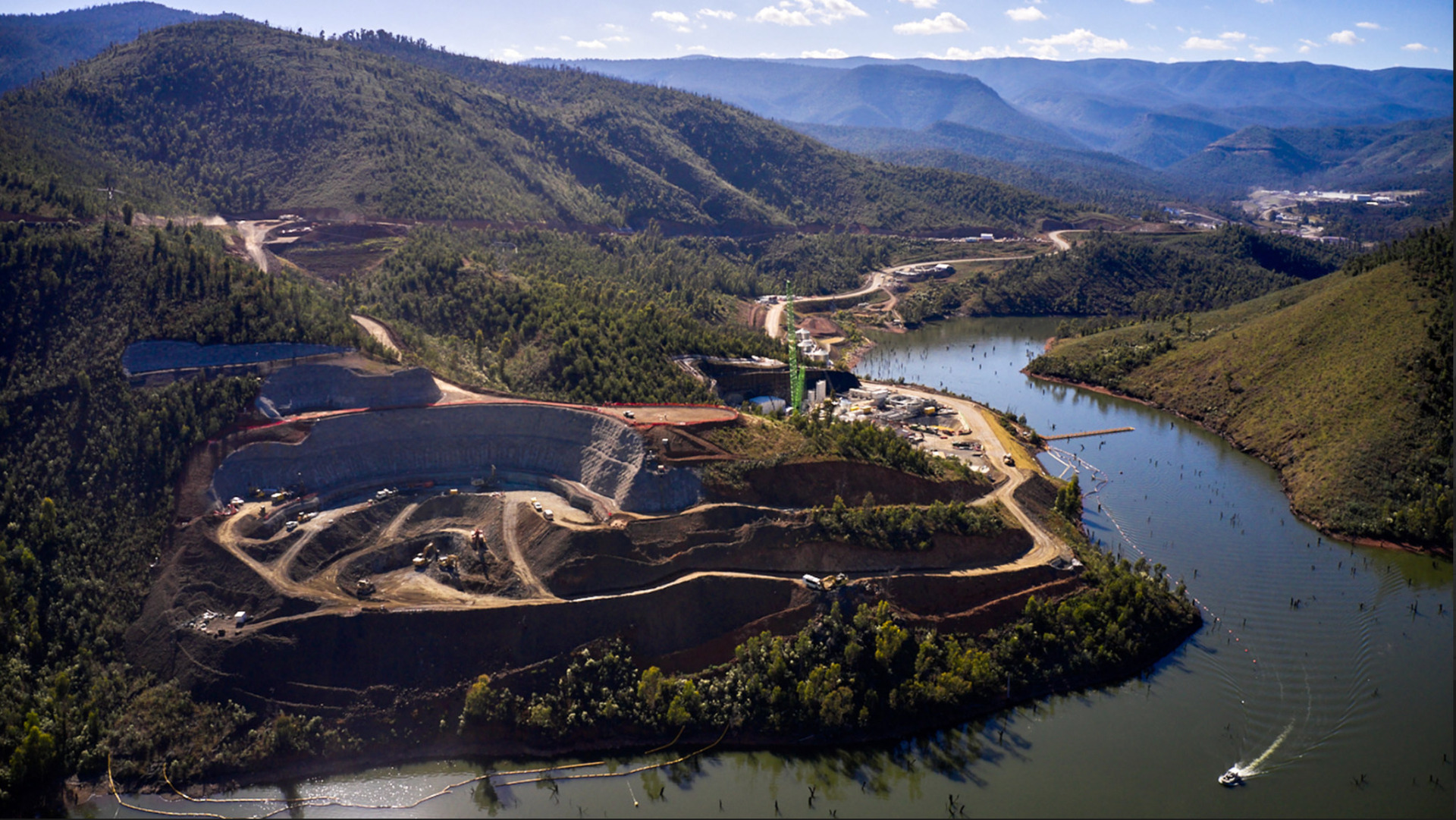
In the heart of Australia, the Snowy 2.0 Hydropower Project, developed with the contribution of the Webuild Group, represents the evolution of one of the world’s largest hydropower infrastructure projects, where water becomes a storage, transformation and energy production element within a pumped-storage system connecting reservoirs at different altitudes.
As part of the expansion of the wider Snowy Mountains Scheme, Snowy 2.0 is developed through a complex network of tunnels, underground power stations and water transfer systems that allow energy to be stored during surplus periods and released back to the grid when demand increases.
In this balance between water release and uplift, engineering and geography overlap, shaping an infrastructure designed not only to produce clean energy, but also to stabilise an entire national energy system increasingly reliant on renewable energy.
2 – Anacostia River Tunnel, Washington D.C.
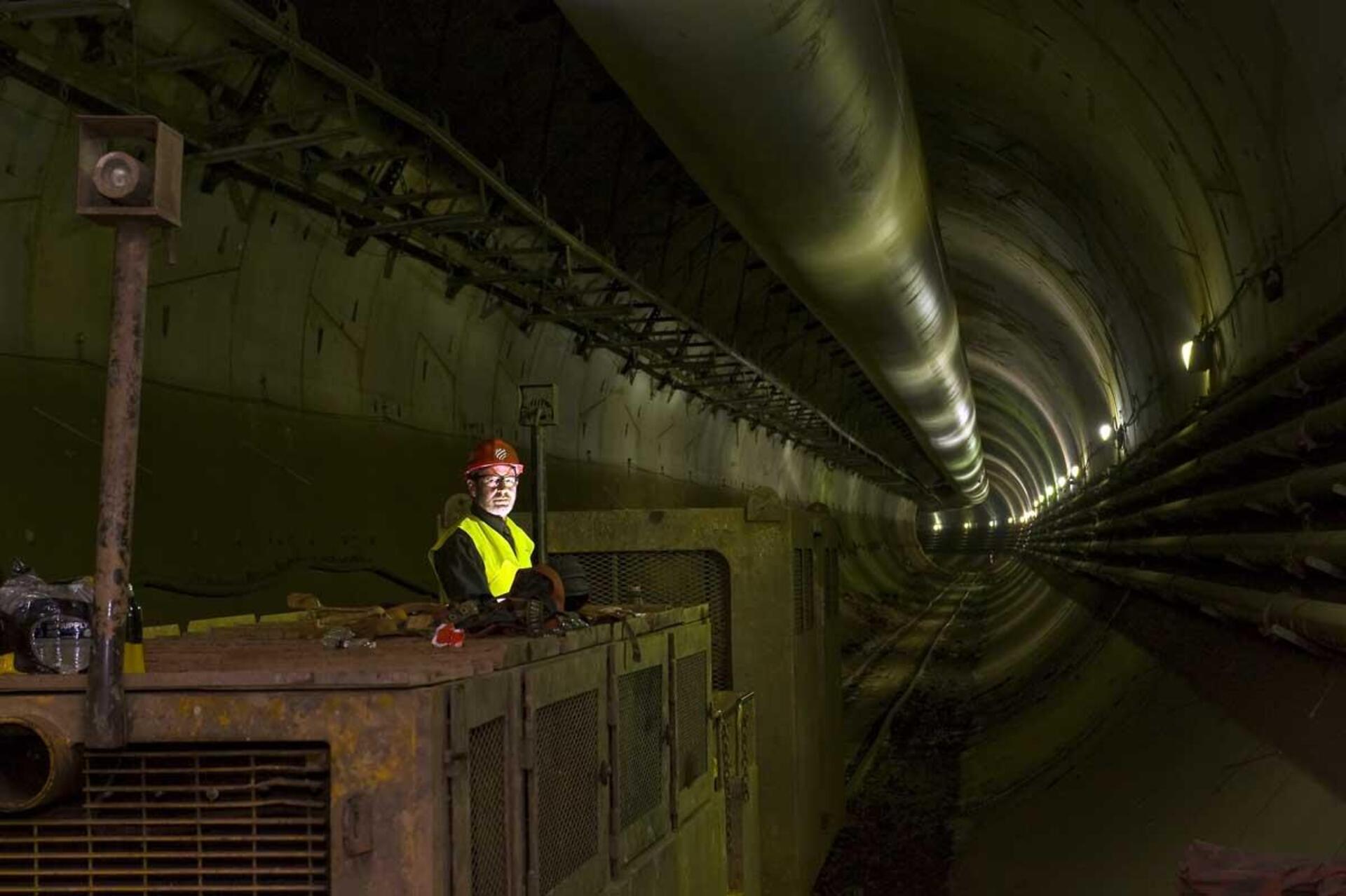
At the core of Washington D.C.’s water system, the Anacostia River Tunnel, built by the Webuild Group within the broader “Clean Rivers” programme, represents one of the most advanced responses to the relationship between cities and water, where underground engineering becomes a tool to intercept stormwater and wastewater flows before they reach the Anacostia River.
Approximately 3.8 kilometres long and located dozens of metres below ground, the Anacostia River Tunnel is part of a wider hydraulic network designed to significantly reduce discharges into the river system, capturing excess water and directing it to treatment plants.
In this balance between urban underground space and environmental sustainability, the infrastructure project not only improves water quality but also redefines how a metropolis can coexist with its waterways.
3 – La Rance Tidal Power Station, Brittany
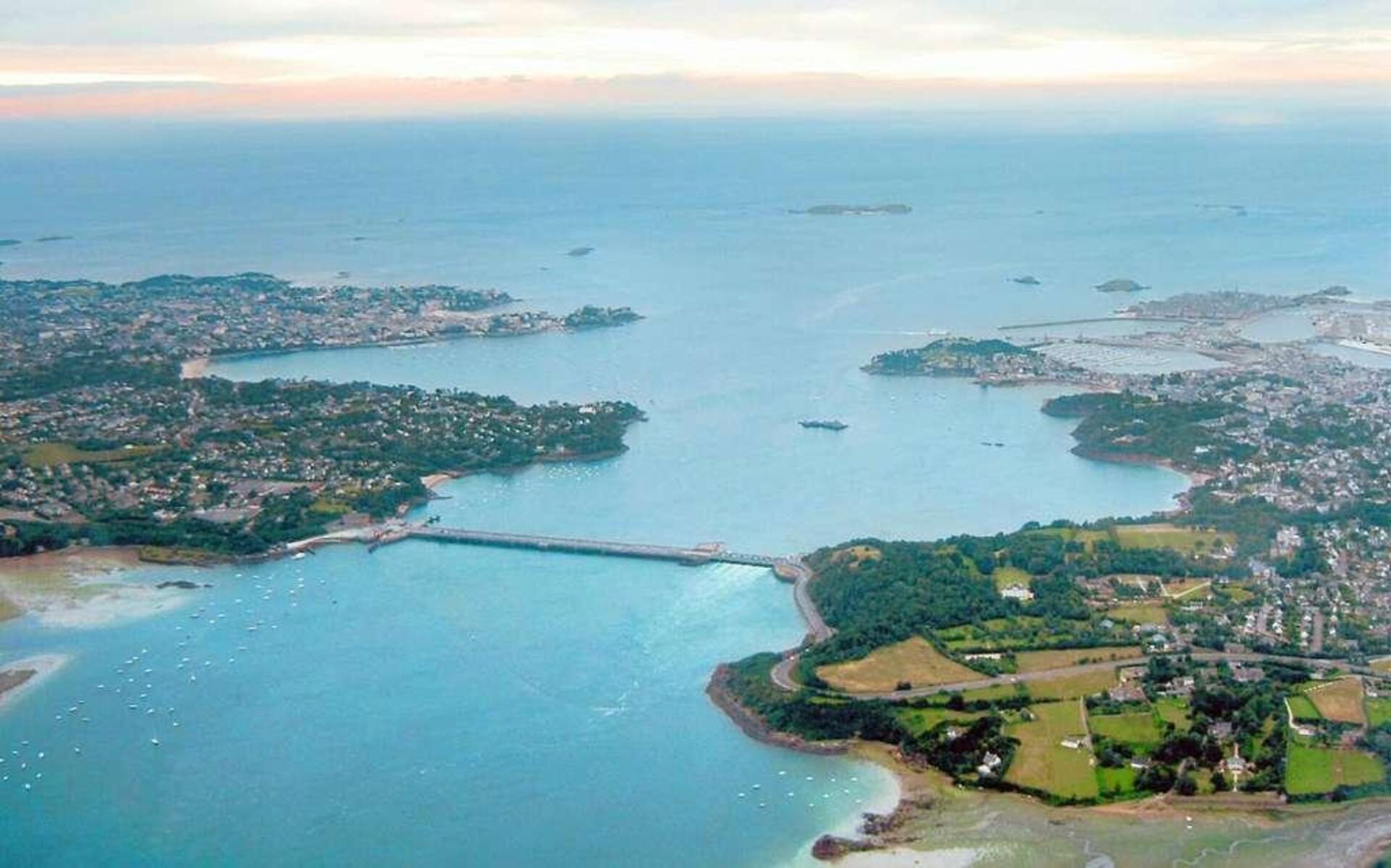
The La Rance Tidal Power Station, located along the estuary of the Rance River in Brittany, is one of the world’s first large tidal power plants, where seawater becomes a controlled driving force through the cycle of the tides.
Built by exploiting the natural difference between high and low tide, the facility transforms the ocean’s periodic movement into electricity, regulating water flow through a dam equipped with bidirectional turbines.
In this continuous dialogue between sea and infrastructure, engineering does not oppose nature but channels it, making an ancestral dynamic predictable and giving shape to a tidal energy system powered by the very rhythm of the Atlantic.
4 – Zuiderzee Works, Netherlands
The Zuiderzee Works system represents one of the most extensive hydraulic transformation projects ever undertaken, where seawater is progressively controlled, separated and reshaped through a complex system of dikes, polders and reclamation works that have redesigned the geography of the Netherlands.
Originally developed to protect the territory from flooding and create new agricultural land, the Zuiderzee Works led to the closure of the former Zuiderzee through the Afsluitdijk and its transformation into today’s IJsselmeer, initiating a process of controlled land reclamation from the sea.
In this balance between marine pressure and human control, water is not simply contained but reorganised at territorial scale, becoming the starting point for the creation of new cities.
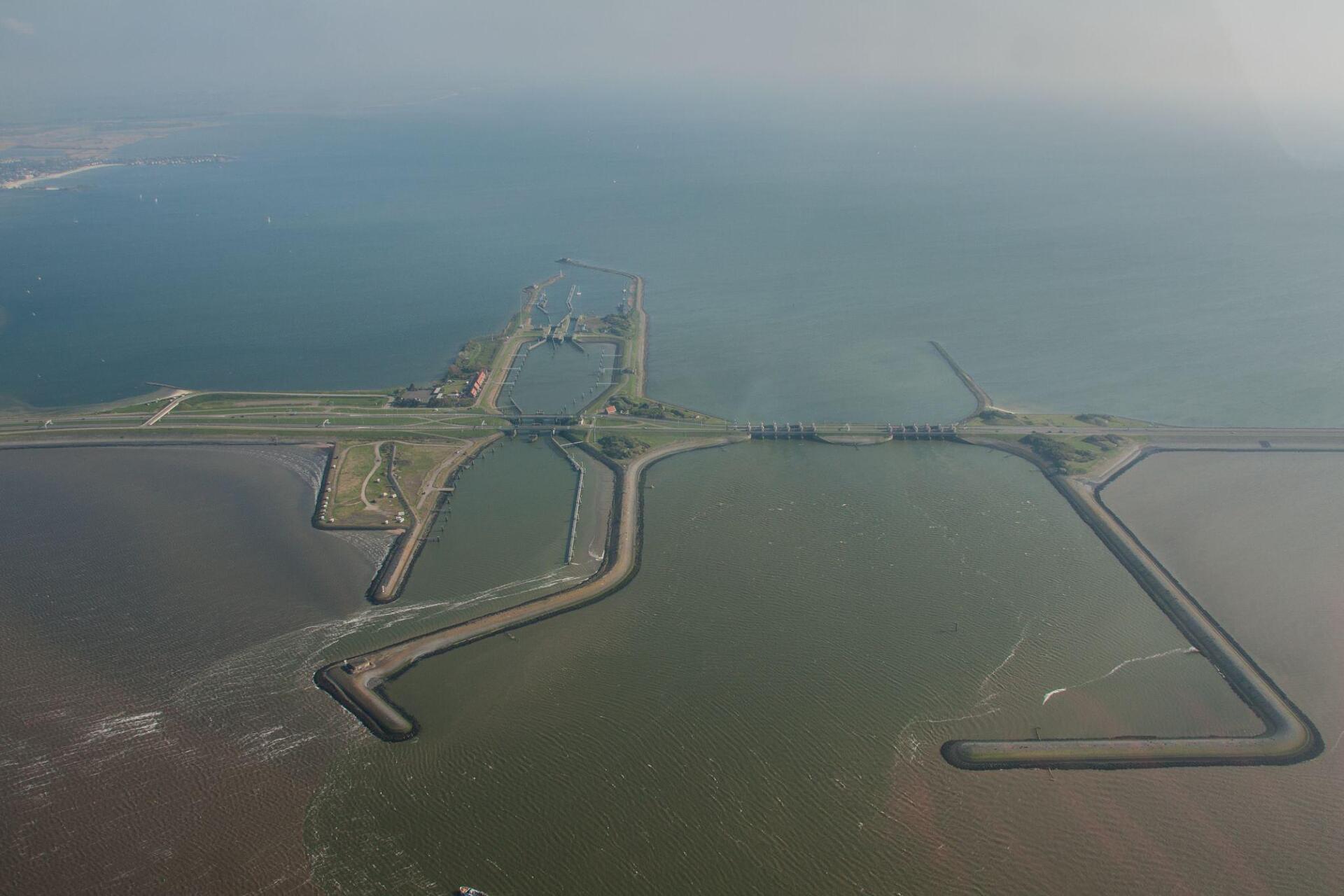
5 – Palm Jumeirah
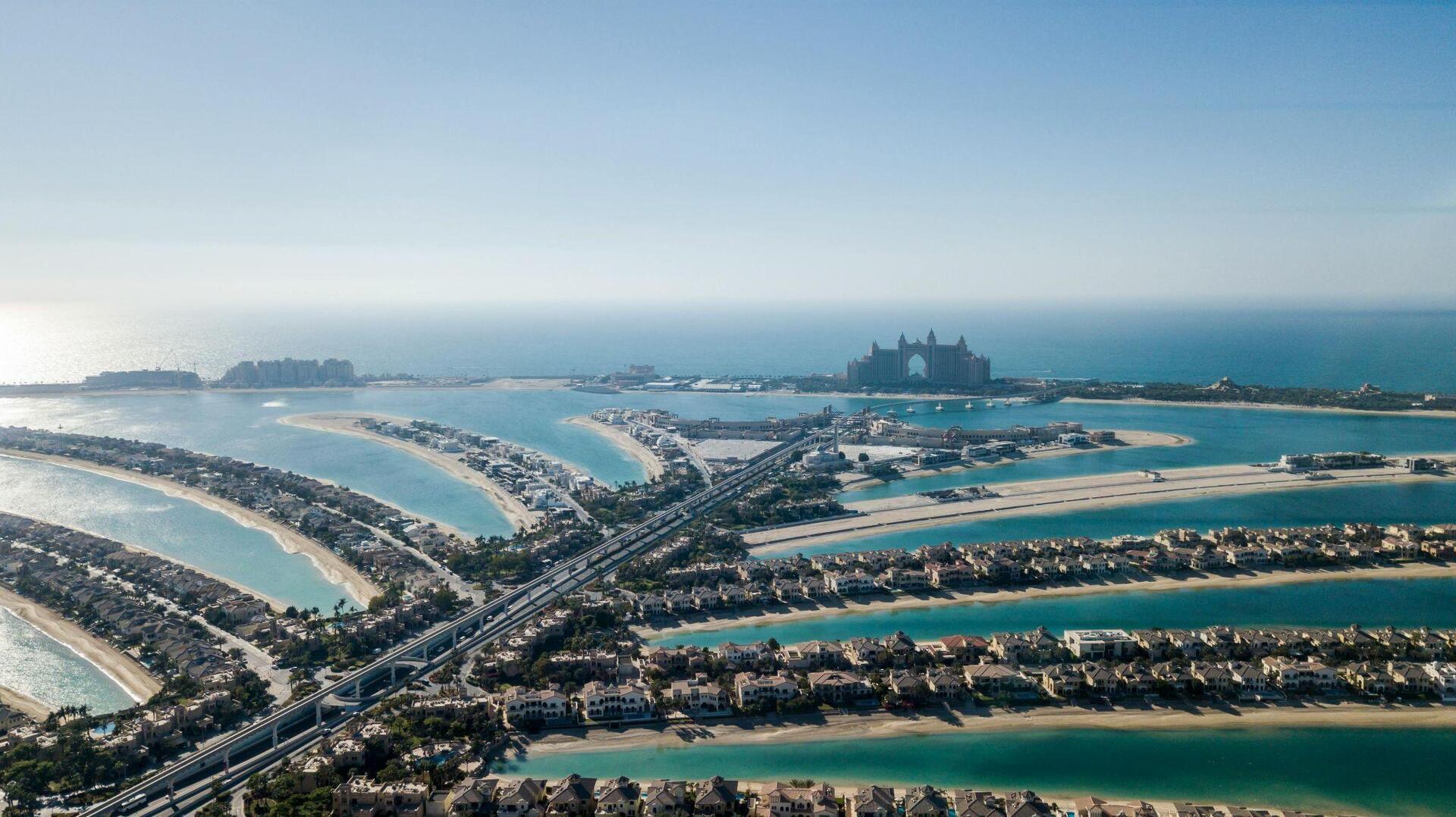
Palm Jumeirah in Dubai represents one of the most ambitious contemporary maritime engineering projects, where the waters of the Persian Gulf are reshaped through the creation of an artificial island extending the city into the sea.
Built through a vast land reclamation process, Palm Jumeirah project required millions of cubic metres of sand and rock to form a palm-shaped structure protected by a large breakwater and organised into a system of trunk, fronds and crescent.
In this balance between urban ambition and control of marine dynamics, water becomes the very context of the project, shaped to host residential, tourism and hospitality infrastructure that redefines the relationship between city and coastline, turning the sea into built space.