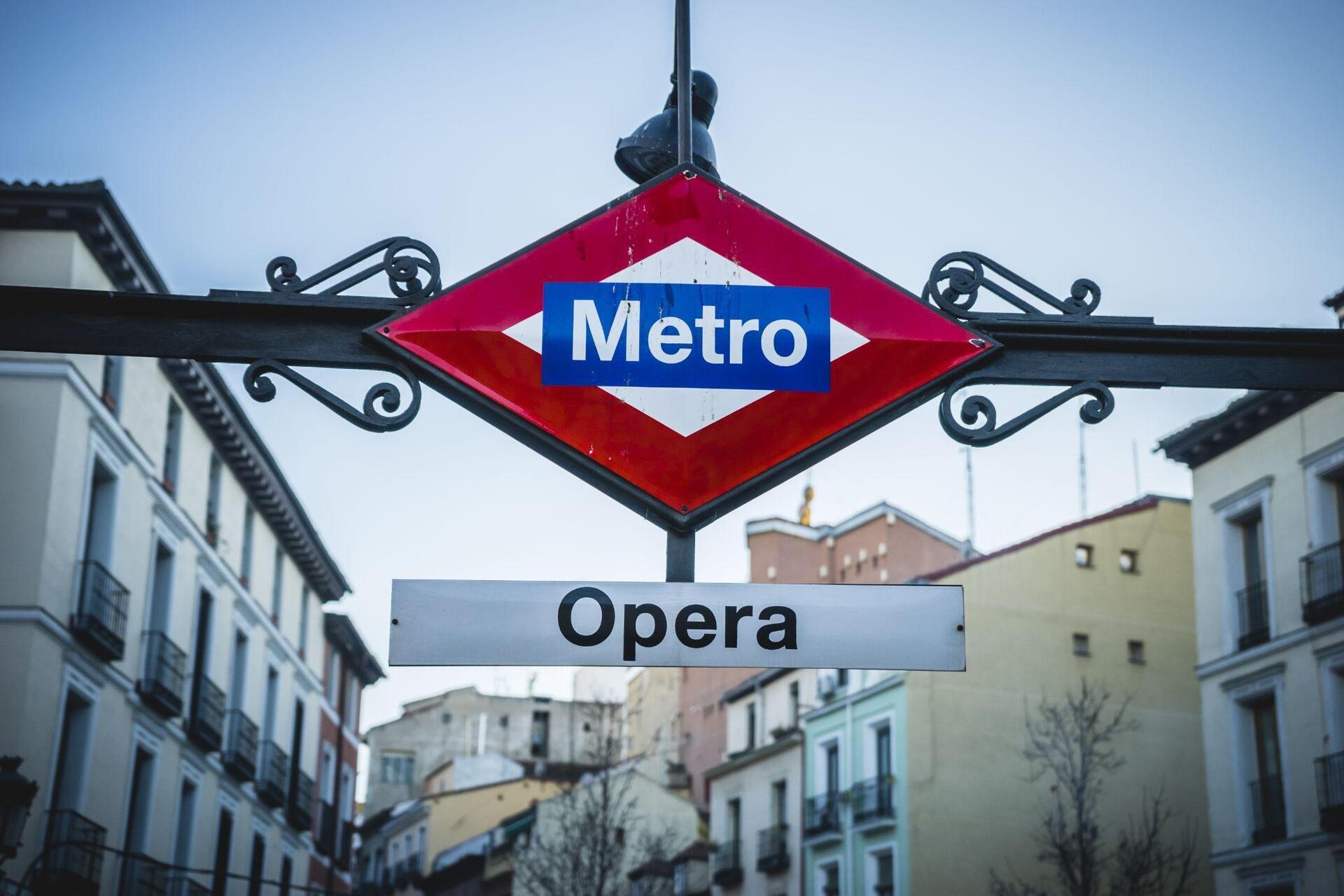


Metro stations can become much more than simple transit hubs. When underground lines run through ancient cities, the subsoil reveals itself as a layered archive, rich with artefacts, architectural remains, and traces of past civilizations.
In these contexts, engineering is entrusted with a delicate task: not only to build, but to interpret and enhance what emerges from excavation. Archaeology and urban transport thus converge in everyday spaces, transforming metro stations into true urban museums, where the journey unfolds not only through space, but also through time.
1 – Rome Metro, Metro C Line
Rome’s Metro C Line, built by the Metro C consortium led by Webuild and Vianini Lavori, represents one of the most complex challenges in contemporary urban mobility.
The Metro C route runs through archaeological sites of extraordinary sensitivity, including the Colosseum Archaeological Park. This calls for engineering solutions capable of coexisting with centuries of layered history.
Archaeological excavations were carried out using advanced ground-stabilisation techniques and continuous monitoring systems, designed to minimise vibrations and interference with emerging archaeological remains.
The result is an infrastructure that goes beyond improving the city’s connectivity, integrating Rome’s public transport with the protection and enhancement of historical heritage, and transforming the metro in Rome into a true space of dialogue between present and past.
2 – Thessaloniki Metro System
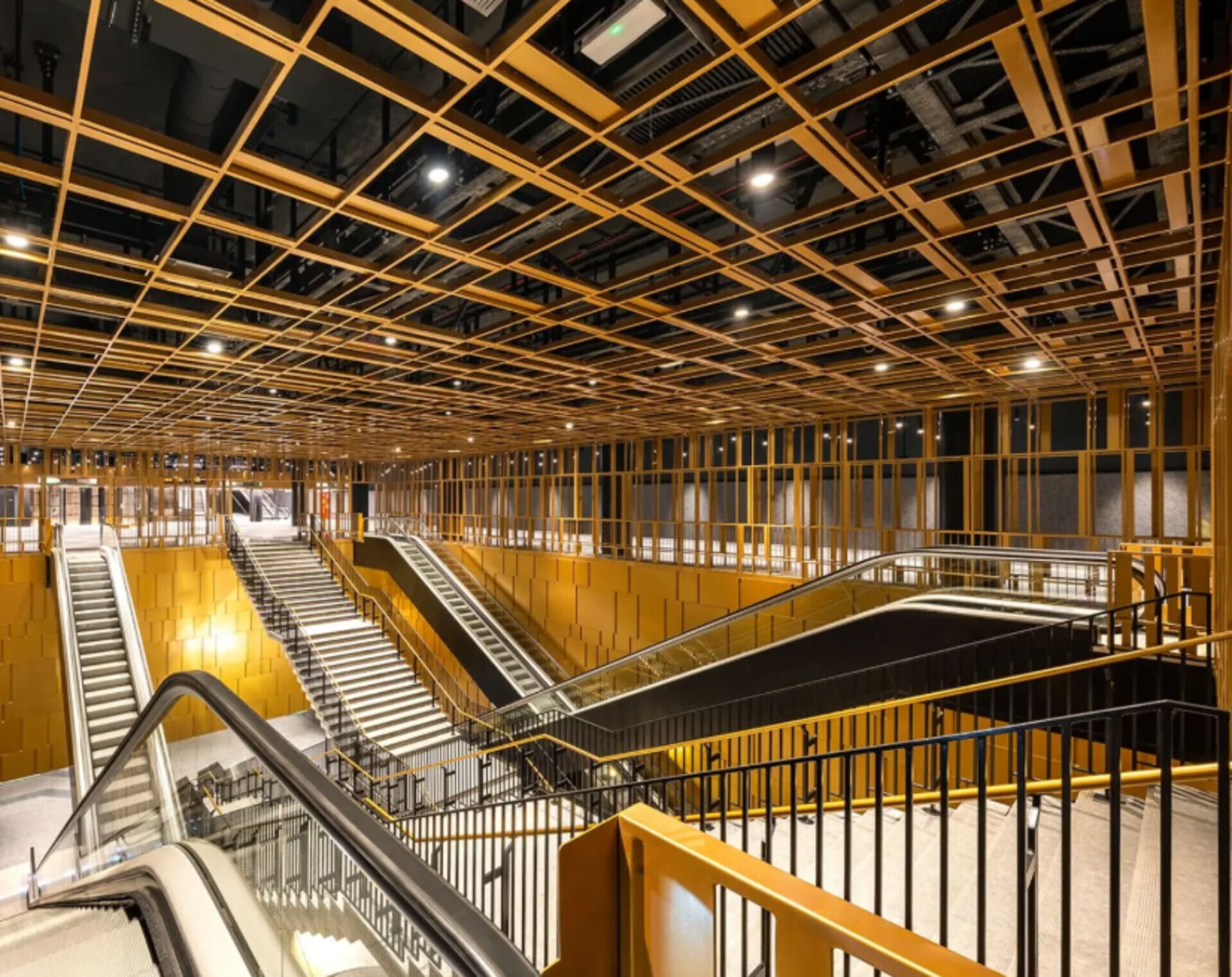
Thessaloniki’s metro, built by Webuild in a joint venture, is a powerful example of how a mobility project can engage in dialogue with a city’s millennia-old history.
The works, also representing the most extensive archaeological excavations ever undertaken in Thessaloniki, brought to light significant archaeological finds, including marble slabs from the Roman Decumanus Maximus and other ancient remains that bear witness to the city’s Greek, Roman and Byzantine eras.
To preserve and enhance these elements, the tunnels were constructed at greater depth and several metro stations were redesigned, while parts of the discoveries have been integrated into the network itself, serving as tangible evidence of the historical stratification beneath the urban fabric.
3 – Athens Metro
In Athens as well, the construction of the metro system brought to light an extraordinary historical heritage.
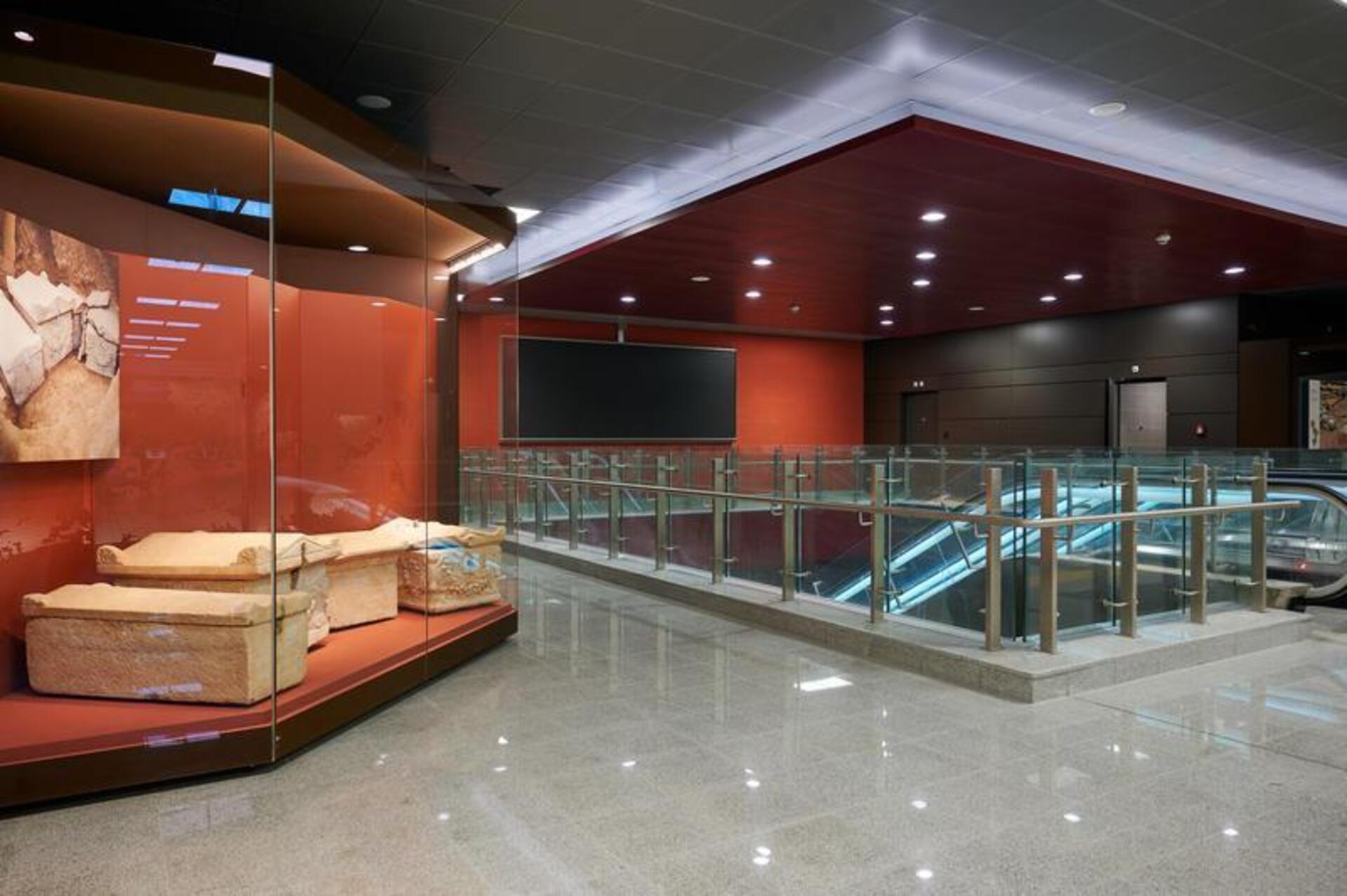
Archaeological excavations for the city’s lines uncovered remains from the Classical and Roman periods, including columns, mosaics, ceramic artefacts and ancient pavements, which are now visible inside several metro stations.
In many stops, these archaeological finds have been integrated into passengers’ routes through dedicated exhibition spaces and informational panels, transforming the Athens metro into an open-air underground museum that tells the long history of the Greek capital while accompanying travellers in their everyday journeys.
4 – Mexico City Metro
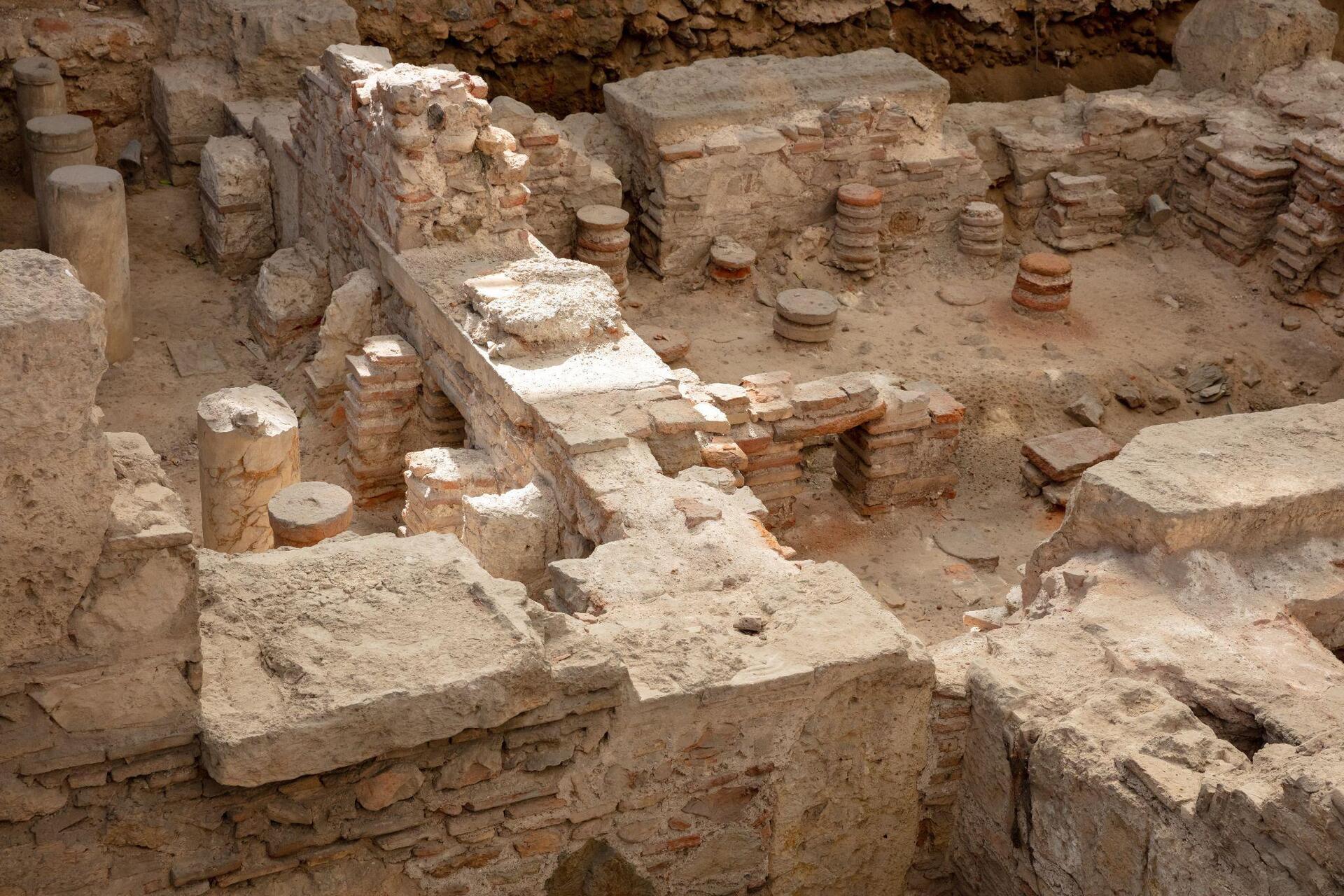
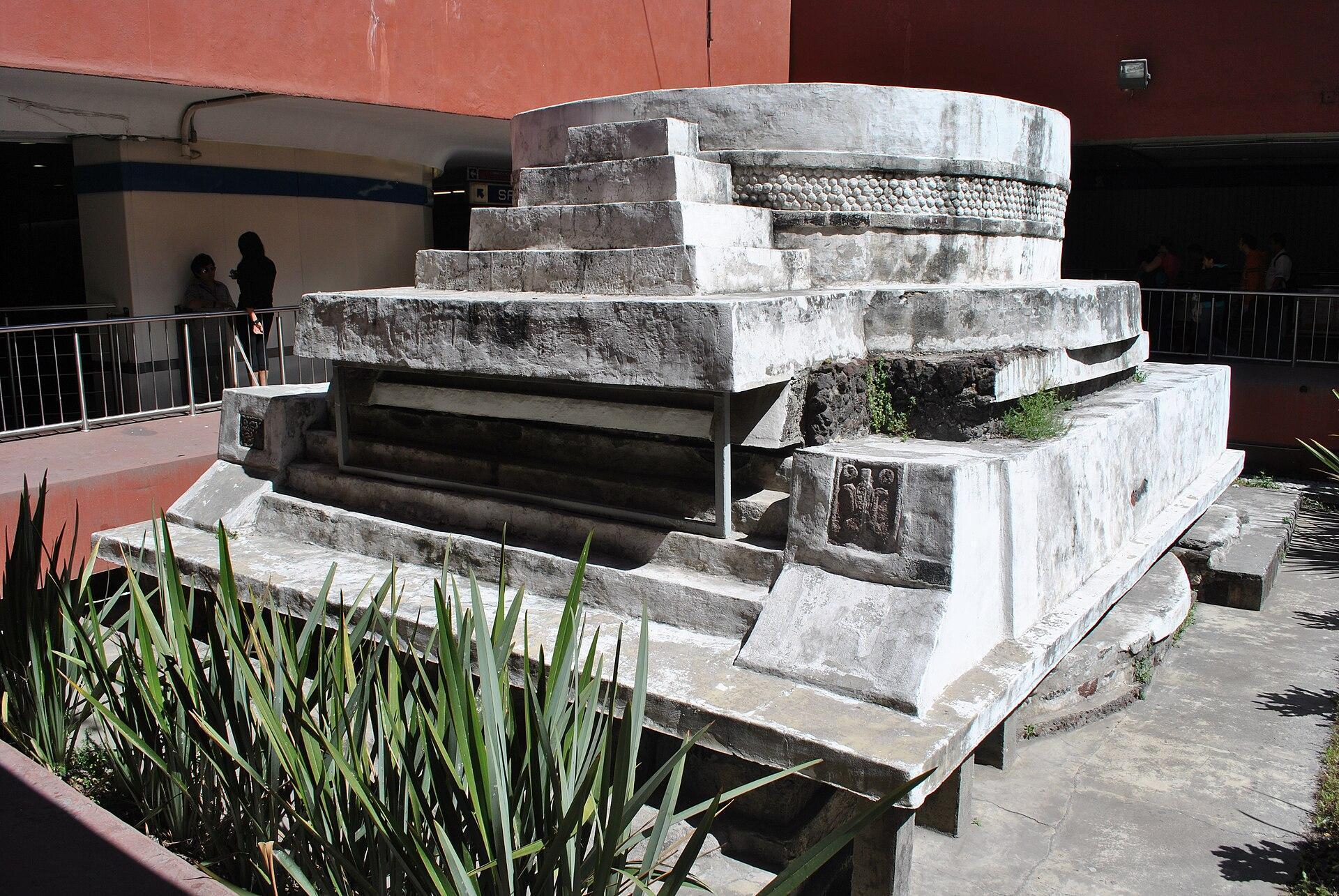
Pino Suárez station on Mexico City’s metro provides another example of how urban mobility can coexist with traces of pre-Hispanic history, specifically the Aztec civilization.
During the excavation works for the line, the remains of a shrine dedicated to Ehécatl, the Aztec god of wind, were uncovered.
This circular space has been preserved in situ and is now visible to passengers through a glass dome, transforming the metro station into a place where infrastructure coexists with a unique archaeological find, narrating the city’s roots in the Aztec Empire while continuing to support the daily life of its commuters.
5 – Madrid Metro
Beneath Ópera station on Madrid’s metro lies one of the most fascinating archaeological museums in the urban network: the Museo de los Caños del Peral.
During the station’s renovation works, archaeological excavations brought to light the remains of the historic Caños del Peral fountain, the Amaniel aqueduct, and the Arenal sewer, dating back to the 16th and 17th centuries and essential for the city’s water supply.
These archaeological finds have been integrated and displayed within the metro station, allowing passengers to observe firsthand, under their feet, deep traces of Madrid’s historical heritage while continuing their everyday journeys.