


Ports go far beyond simple places to dock ships: they are strategic hubs that regulate the flow of the global economy and directly influence the development of entire regions.
Beyond facilitating the exchange of goods and connecting distant markets, port infrastructure enables economies to grow, support global logistics, and foster access to new trade opportunities.
Designed to handle ever-increasing volumes and adapt to ever-evolving technologies, ports become true engines of innovation and growth, capable of transforming international trade and redefining connections between countries, continents, and communities.
1 – Port of Genoa
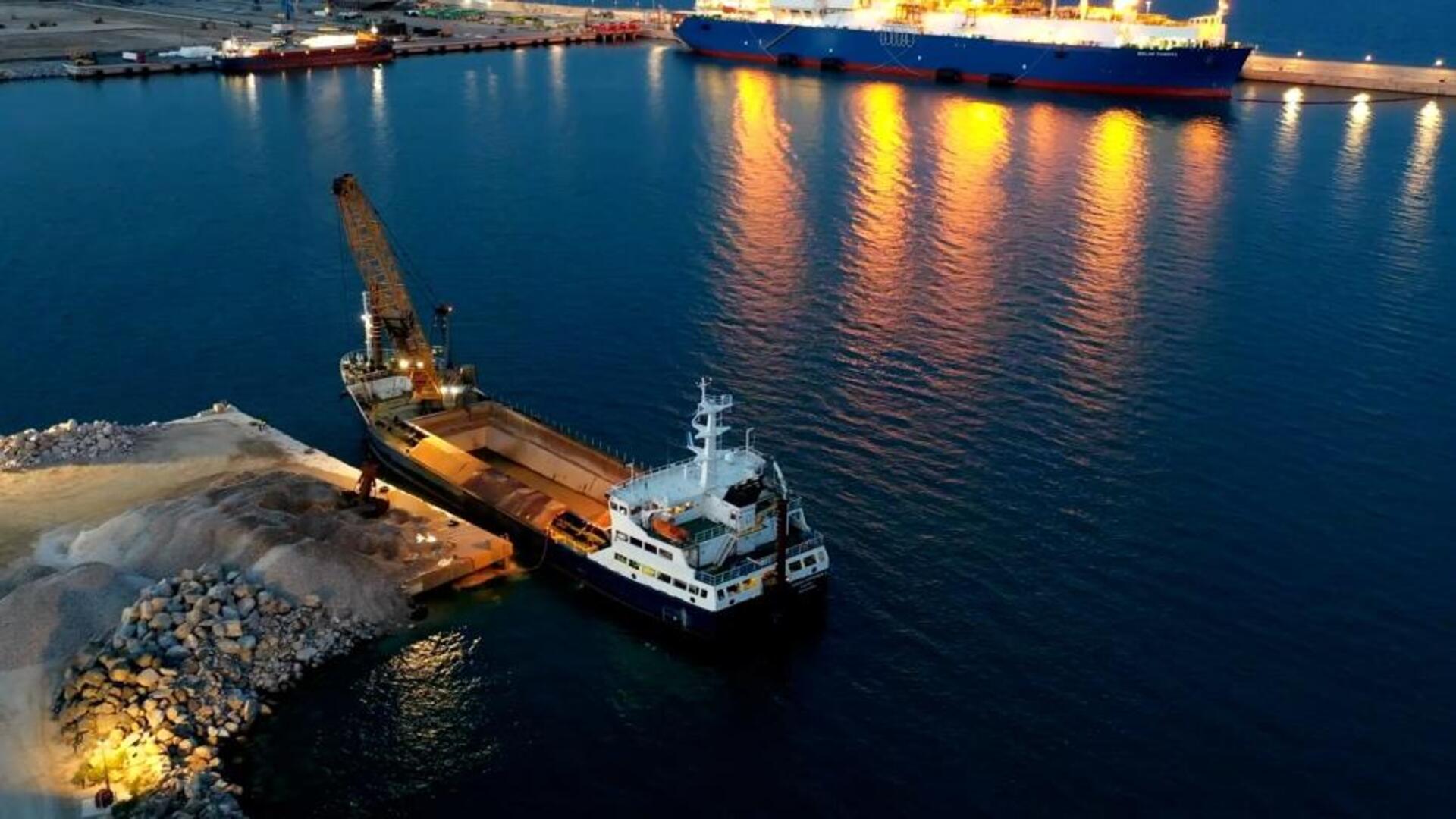
The Port of Genoa is the largest Italian port and one of the main ports in the Mediterranean. It is against this backdrop that the New Genoa Breakwater is being developed, a port infrastructure project of major importance for Italian and international maritime trade, designed to strengthen the protection and efficiency of the Port of Genoa.
The barrier extends into the Ligurian Gulf to protect the docks from the most intense sea and weather events, improve mooring conditions, and ensure safer and more reliable operations for large vessels.
Constructed thanks to the contribution of Webuild, the project integrates advanced engineering solutions, deep foundations, and highly resistant materials to withstand marine stresses and promote the resilience of the port infrastructure.
2 – Port of Los Angeles
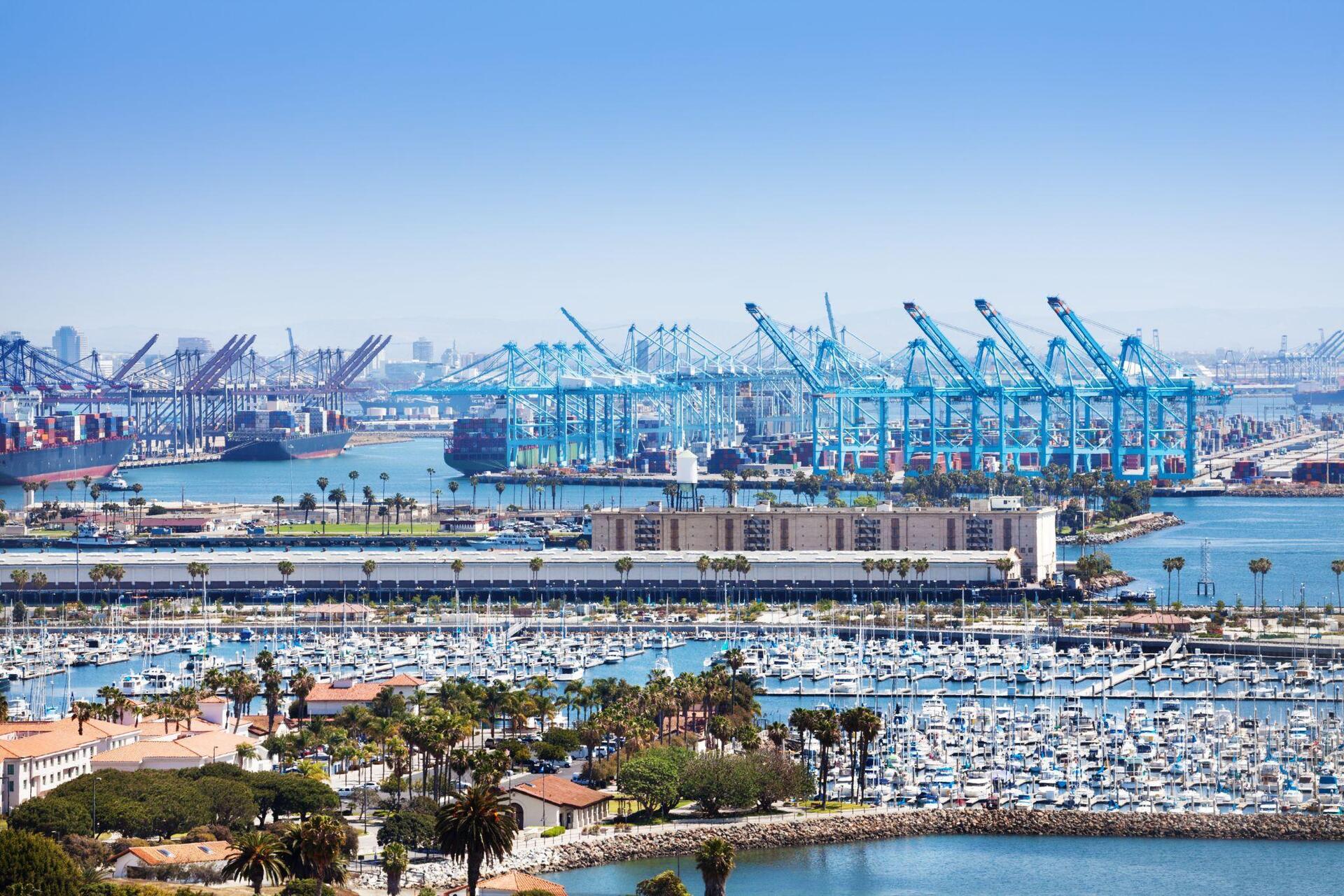
The Port of Los Angeles is one of the largest and most influential ports in the world, a key logistics hub for maritime trade between the United States and Asia.
Inaugurated in the early 20th century, it has grown steadily to become the leading commercial port in the United States, handling millions of containers annually and representing a crucial entry point for goods of all kinds.
The port‘s success is based on continuous infrastructure expansion, the adoption of advanced technologies, and ongoing terminal modernization, which have enabled it to meet the challenges of rapidly evolving global markets.
3 – Port of Colombo
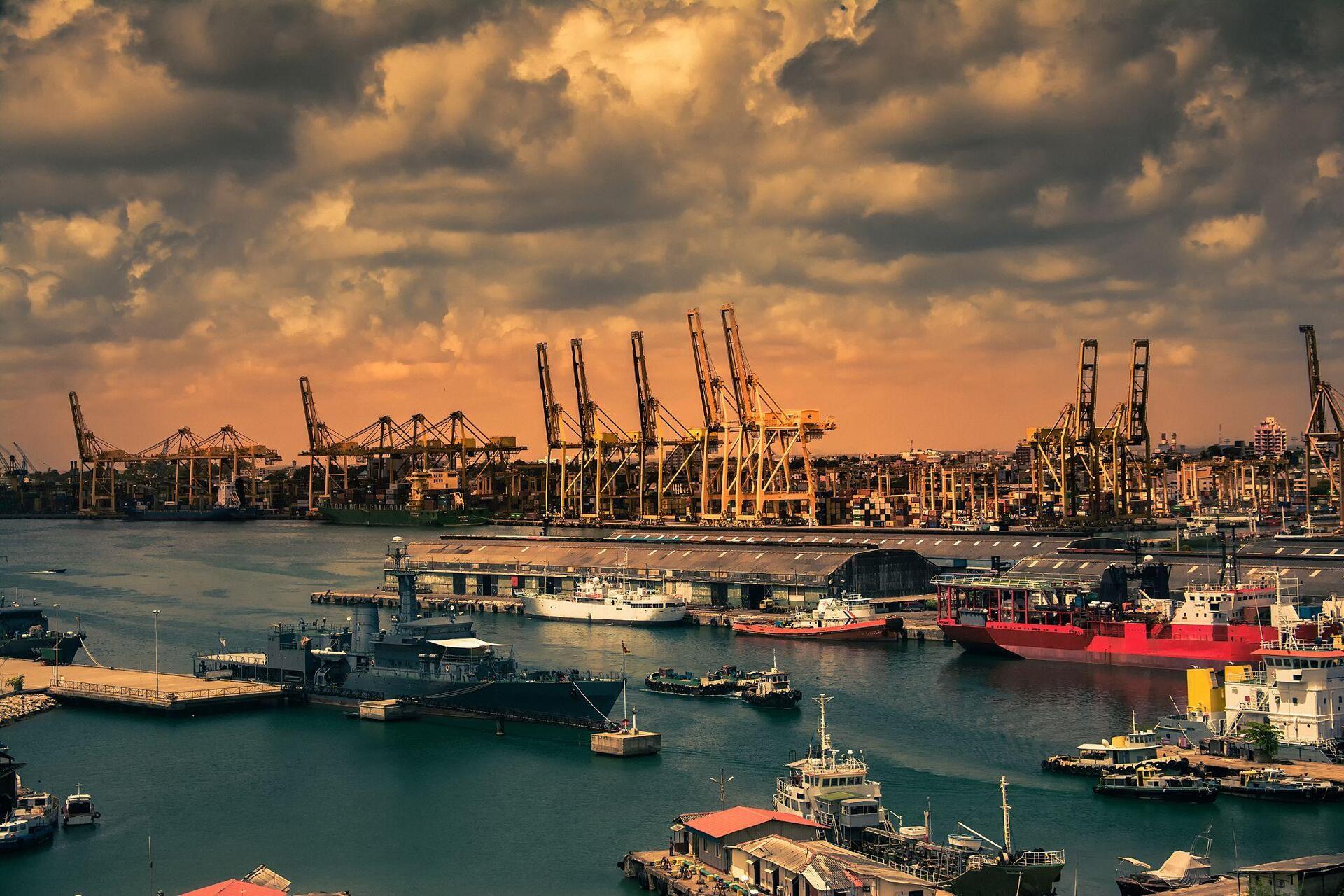
The Port of Colombo is Sri Lanka’s main commercial port and one of the most important logistics hubs in South Asia.
Its strategic location along the trade routes between Europe, the Middle East, and Oceania, combined with ongoing terminal expansions and modernizations, makes it a key hub for transhipment and global shipping, supporting the local economy and rapidly connecting regional markets.
4 – Port of Shanghai
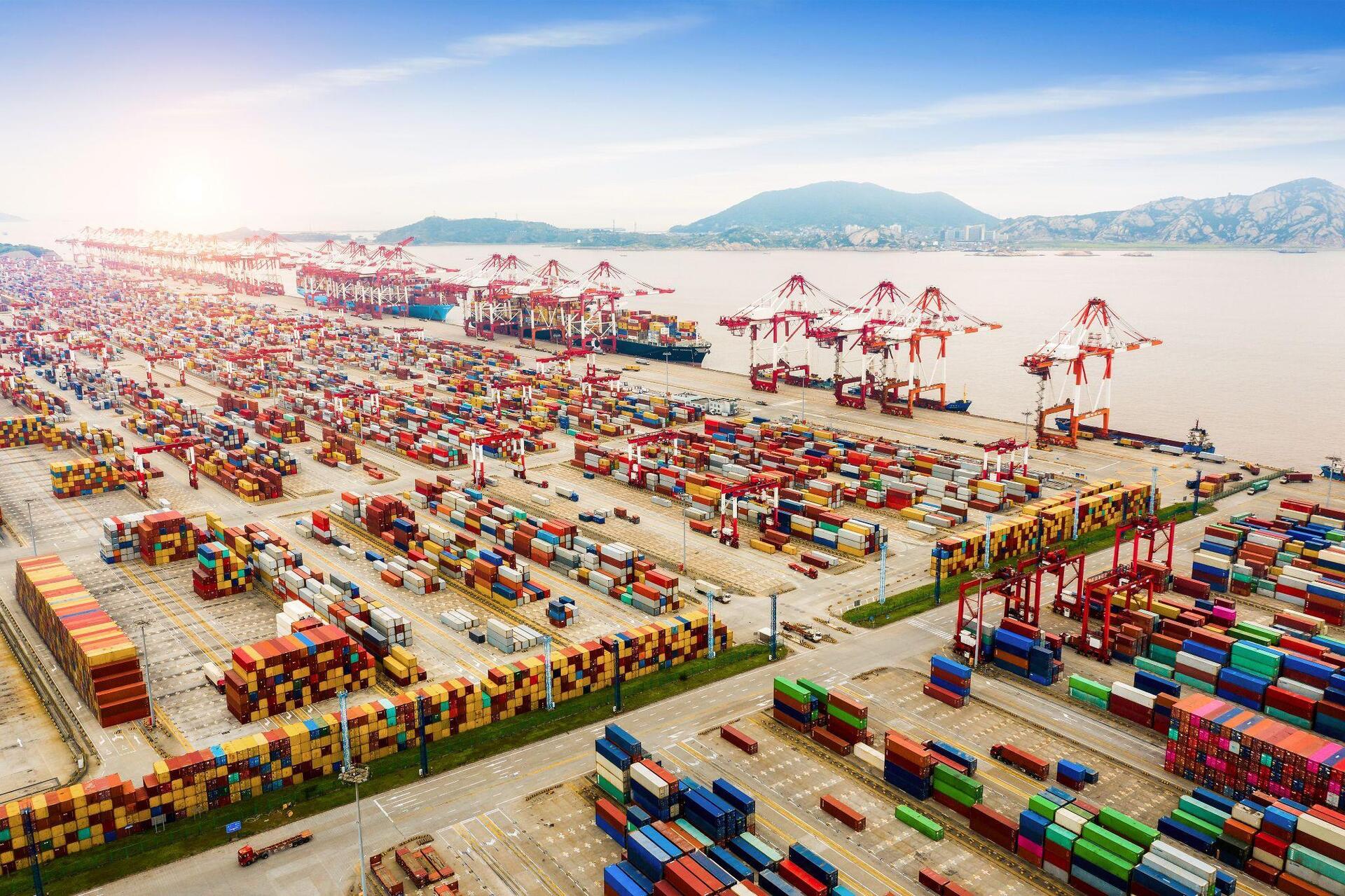
The Port of Shanghai is the world’s largest port in terms of container shipping volume, representing a crucial hub in global maritime logistics.
Located at the Yangtze River estuary, it serves as the main trade gateway to China and directly connects Asia with major international markets. Thanks to its vast expanse of modern terminals, advanced handling technologies, and deep quays, the port supports cargo transport on an unparalleled scale.
5 – Port of Rotterdam
The Port of Rotterdam is one of the largest and most important ports in Europe and a key logistics hub for global trade.
Located in the Netherlands at the mouth of the Rhine River, the port serves as the main gateway for goods to and from Central Europe, connecting numerous countries and markets by sea, rail, and inland waterway.
Thanks to its size, the depth of its canals, and its wide range of specialized terminals, Rotterdam handles hundreds of millions of tons of goods of all types every year.