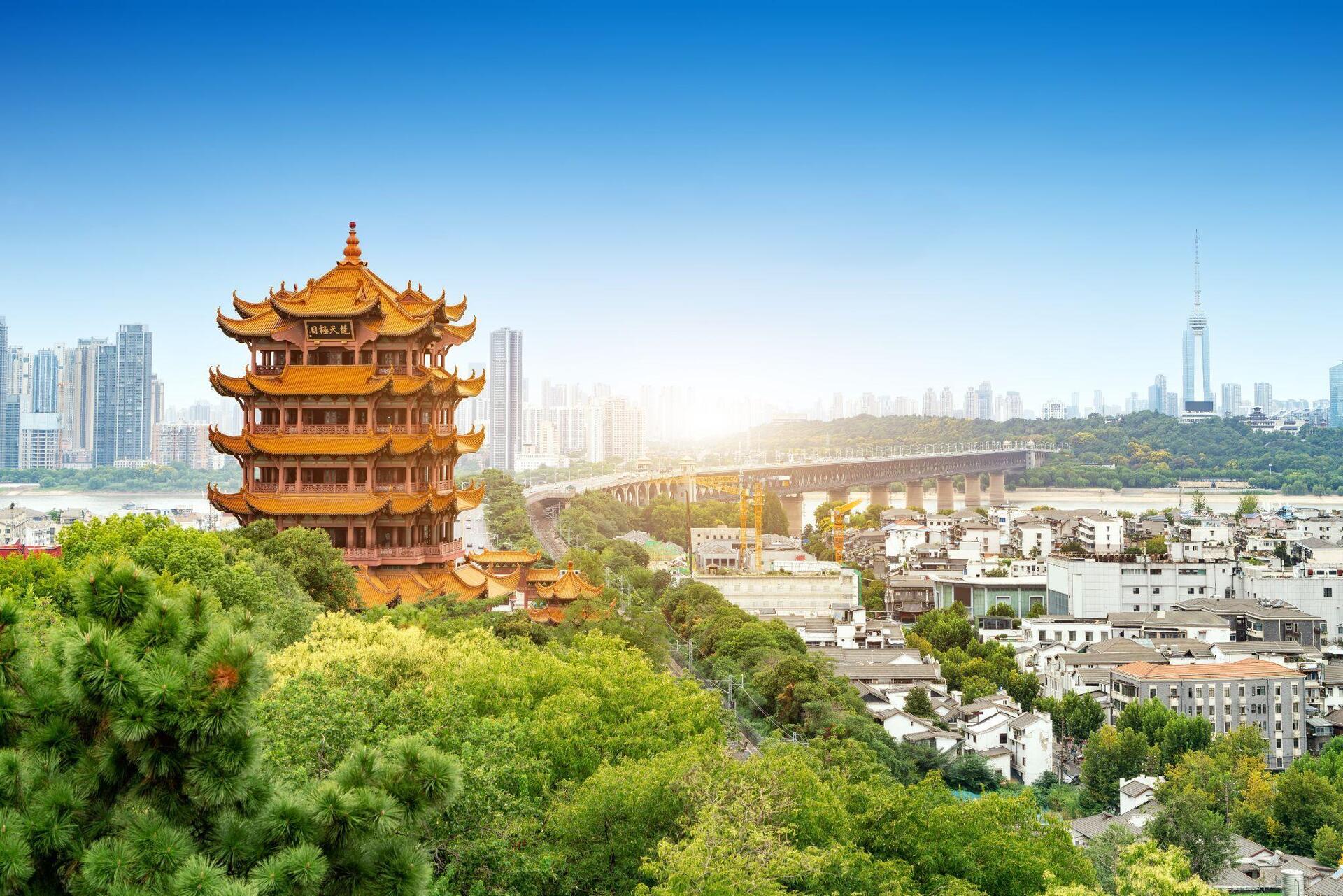


Water is an essential resource, but also a powerful force capable of shaping landscapes, economies, and development pathways. From power generation to water resource management, and the protection of territories from extreme events, water infrastructure projects are playing an increasingly central role in long-term strategies.
In a context marked by climate change and growing demand, dams, reservoirs, and hydroelectric plants are no longer just meeting immediate needs, they are helping redefine the balance between environment and development over time.
1 – Snowy 2.0 Hydropower Project
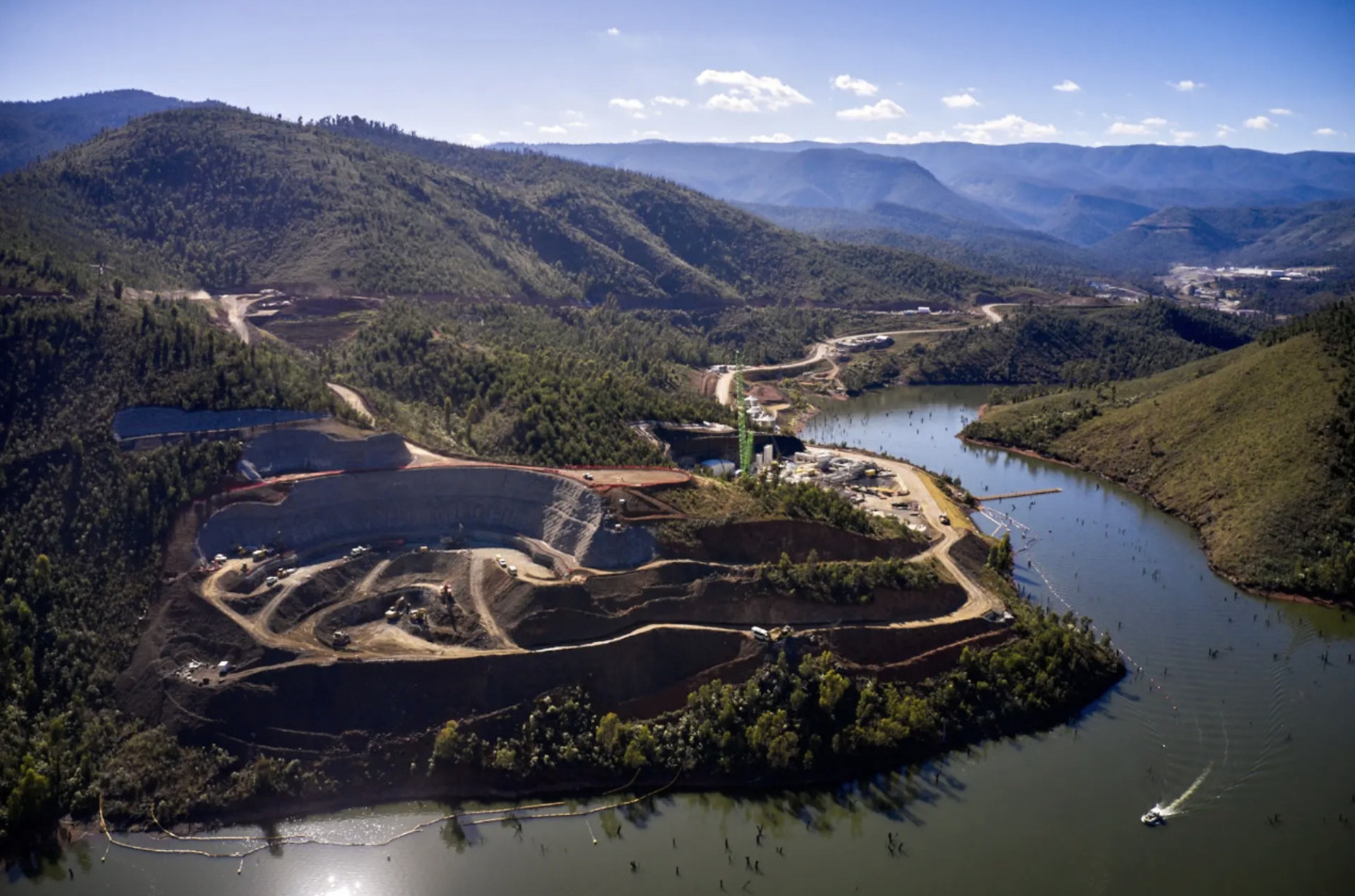
The Snowy 2.0 hydroelectric project is one of the most ambitious renewable energy infrastructure projects.
Located in the mountains of New South Wales, it expands the historic Snowy Mountains Hydro-electric Scheme by linking the Tantangara and Talbingo reservoirs through a network of tunnels and an underground power station.
With a capacity of around 2,200 MW, the hydropower plant operates like a giant natural “battery,” through energy storage and its release during periods of peak demand.
Built with the contribution of Webuild, the project demonstrates how hydroelectric engineering is evolving to support energy systems increasingly reliant on renewable and intermittent sources.
2 – Sogamoso Hydroelectric Project
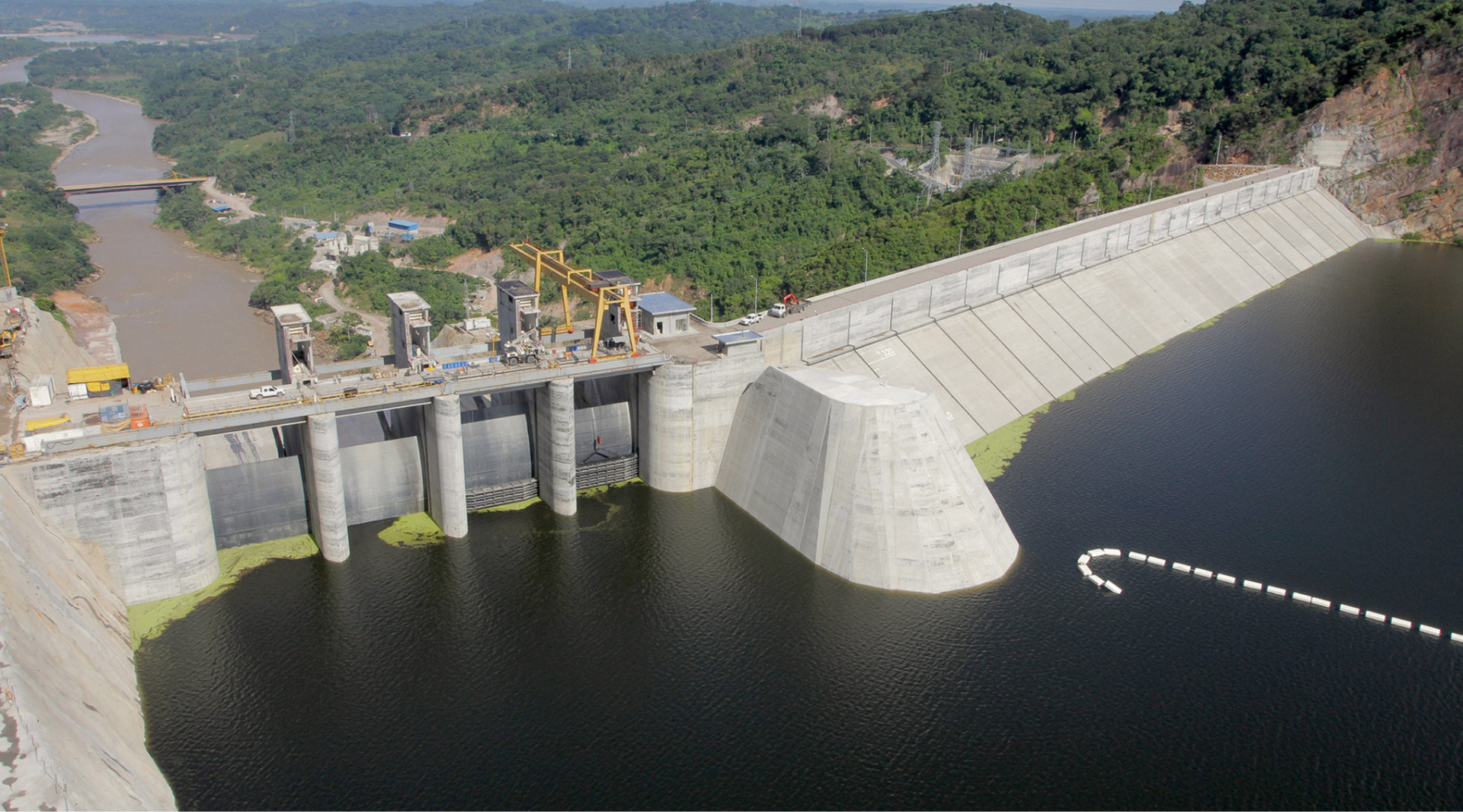
The Sogamoso hydropower project in Colombia is one of the most significant initiatives for the country’s energy security.
Built by Webuild on the river of the same name, it harnesses the region’s water resources to power an underground hydropower plant with an installed capacity of 820 MW, supplying around 10% of the nation’s energy needs.
Inaugurated in 2015, the infrastructure project is part of the broader Magdalena River basin system and shows how hydropower plants can support economic growth while improving the living conditions of local communities.
3 – NEWater Plants
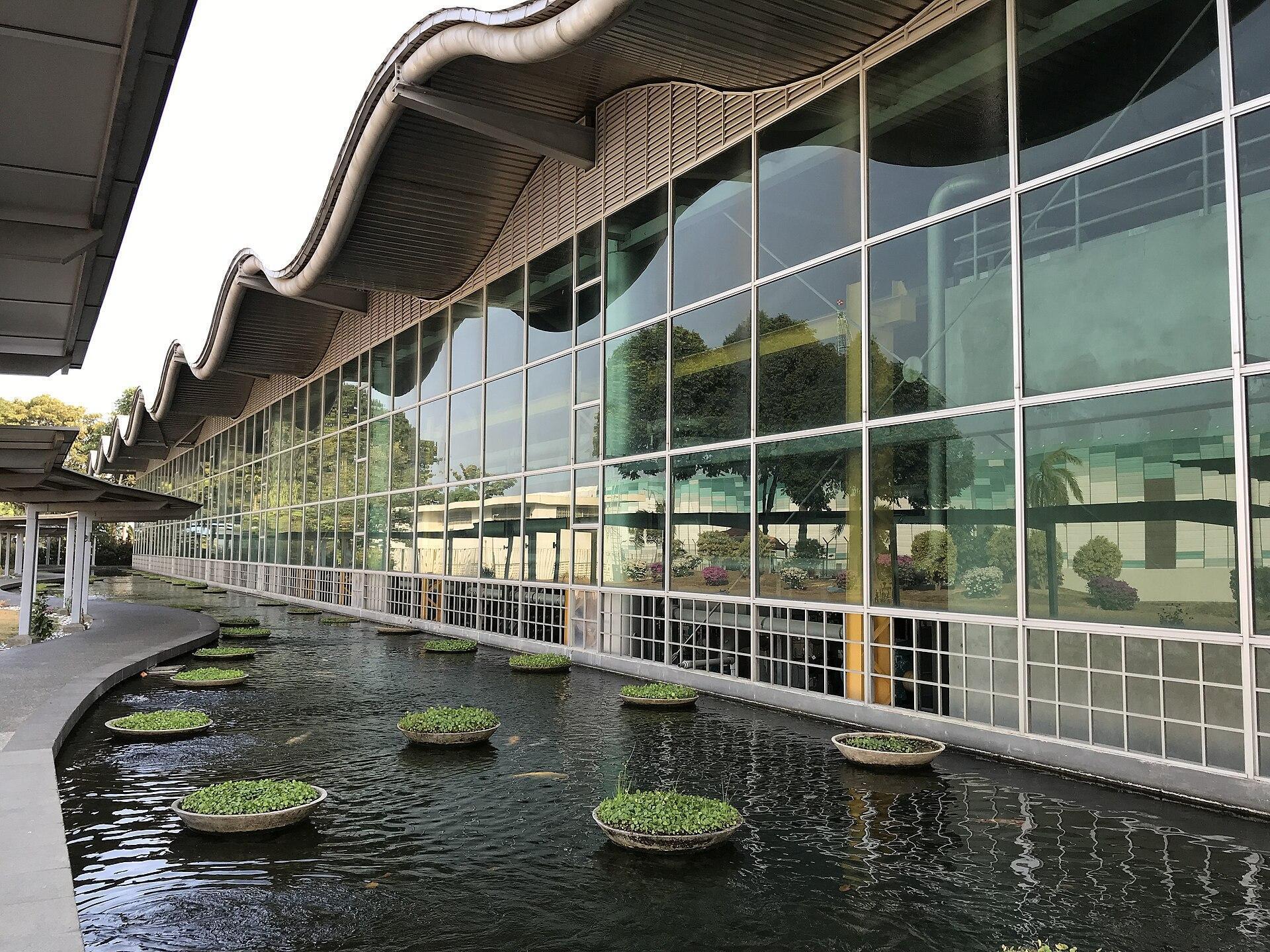
NEWater represents one of the most advanced models of sustainable water management in the world.
Developed in Singapore, the system is based on the reuse of treated wastewater, which is further purified through technologies such as microfiltration, reverse osmosis, and UV disinfection, achieving standards that exceed those of drinking water.
Originally created to reduce reliance on external water supplies, NEWater has become a cornerstone of the country’s water security.
4 – Cape Town Rainwater Harvesting Systems
During the water crisis that affected Cape Town between 2015 and 2018, the city was forced to quickly rethink its relationship with water resources, pushing both residents and businesses to seek alternatives to the public water supply system.
Among these, rainwater harvesting systems played an increasingly important role: simple yet effective, they allow rainwater to be collected and stored for domestic and non-potable uses, reducing dependence on traditional reserves.
In a context marked by extreme drought and limited water resources, these widespread solutions helped foster a new water culture, turning an emergency response into a structural element of urban resilience.

5 – Wuhan Sponge City Program
The Wuhan Sponge City Program is one of the most advanced examples of urban water management through nature-based solutions.
Selected as one of the pilot cities in China’s national program, Wuhan has undertaken a large-scale transformation of its urban fabric to address recurring flooding and water stress.
Through infrastructure projects such as permeable pavements, floodable parks, green roofs, and urban wetlands, the city can absorb, retain, and reuse rainwater, reducing flood risk while enhancing environmental quality.