


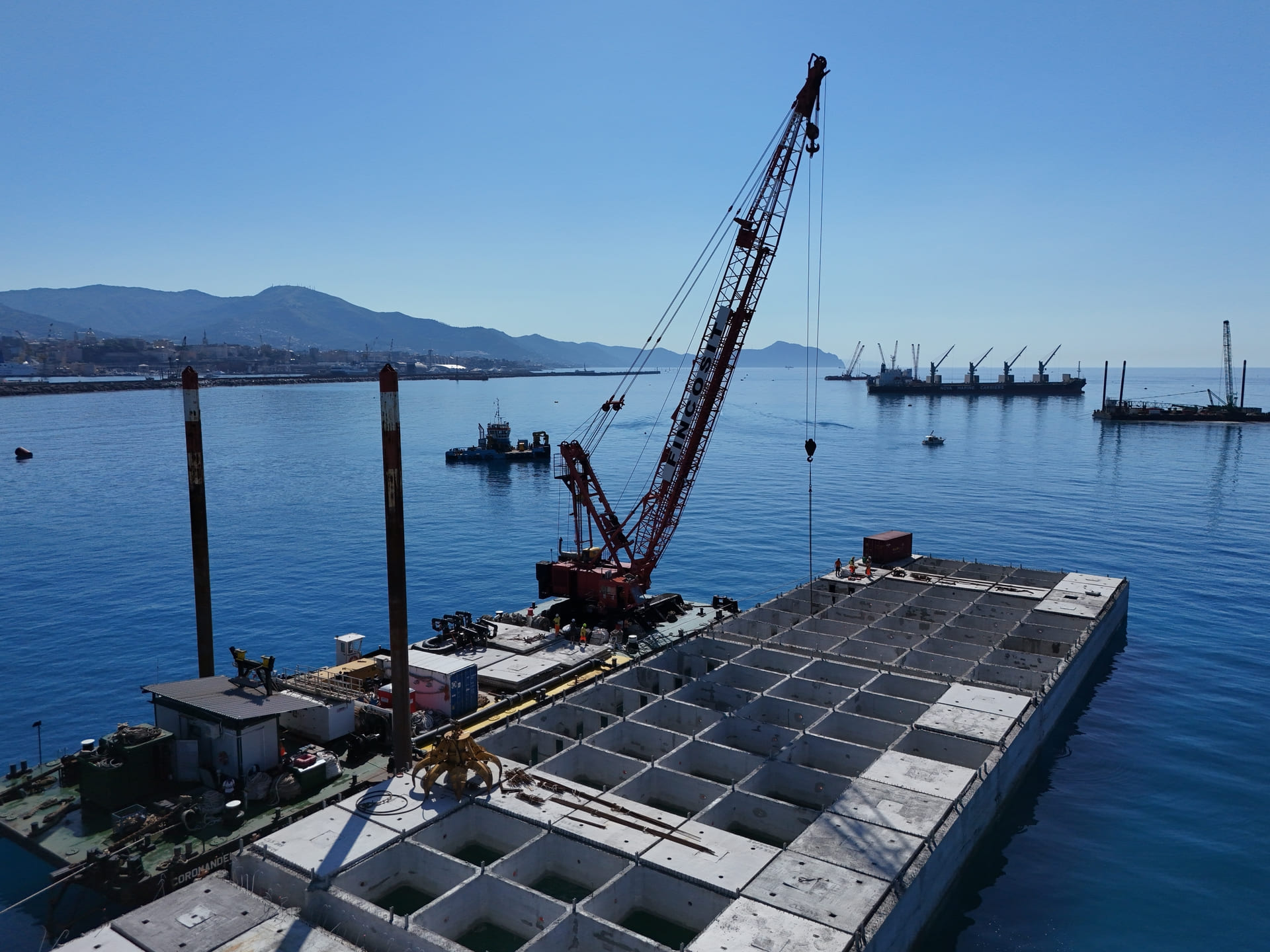
 Genoa New Breakwater
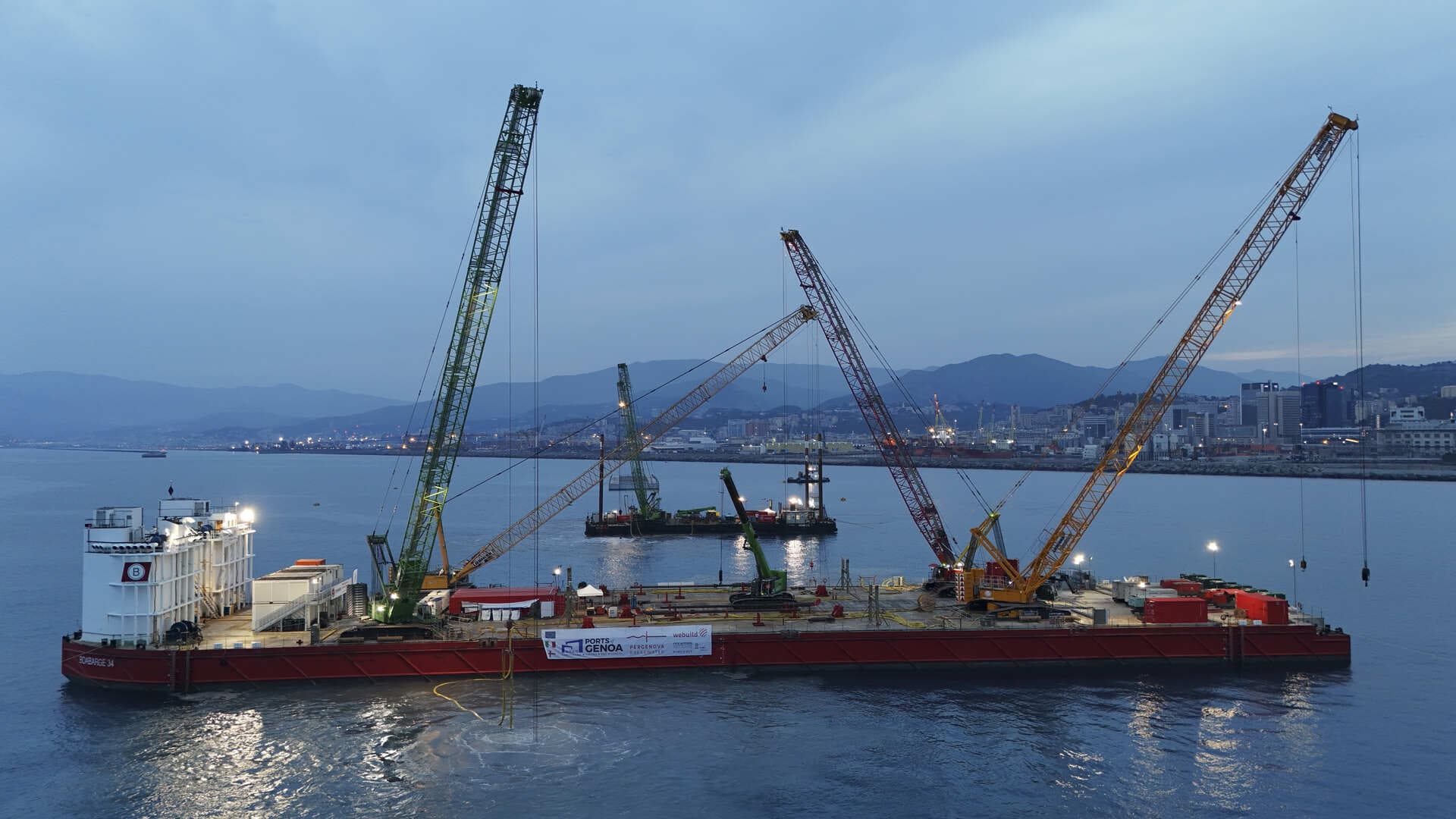 Genoa New Breakwater
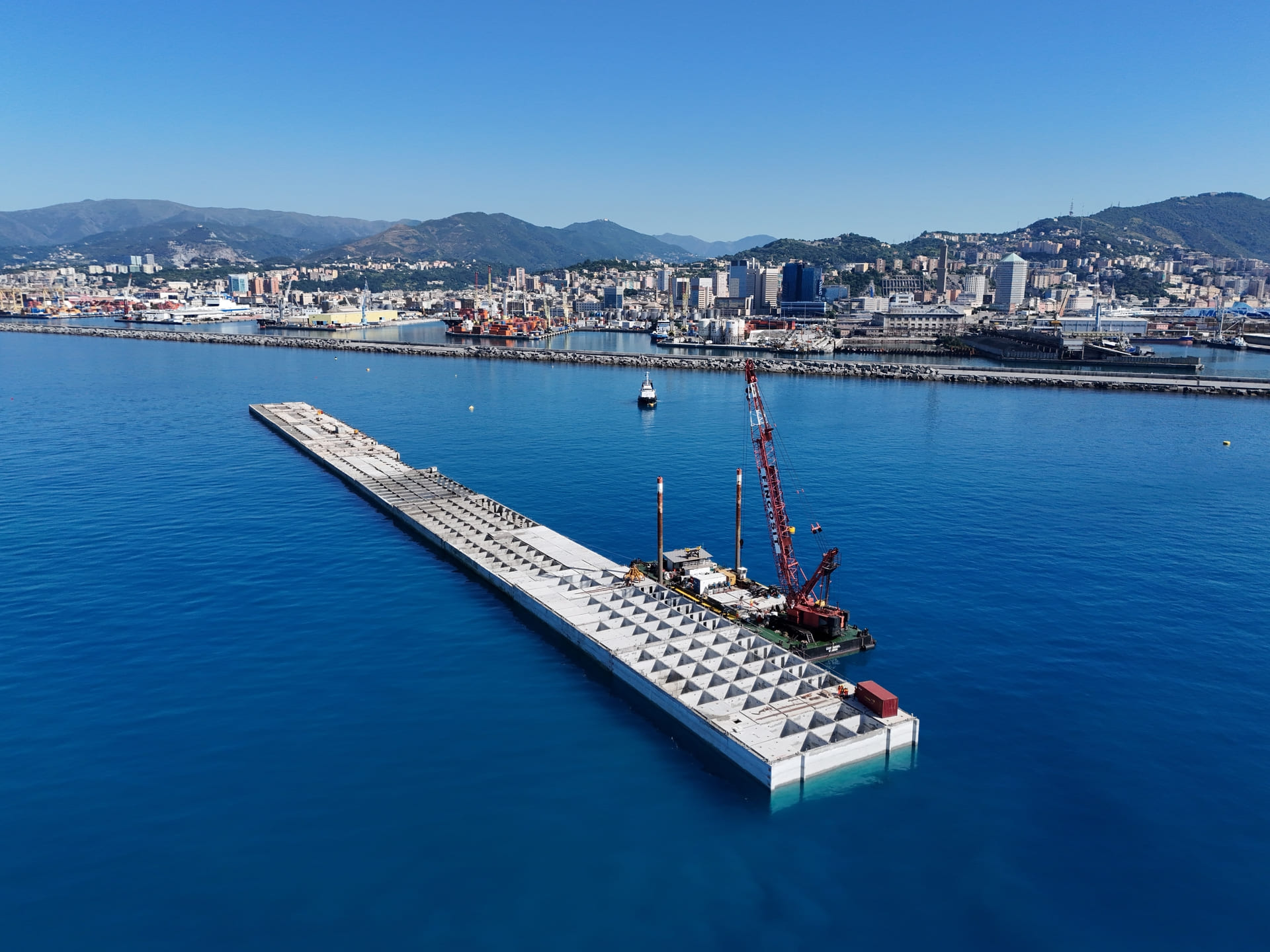 Genoa New Breakwater
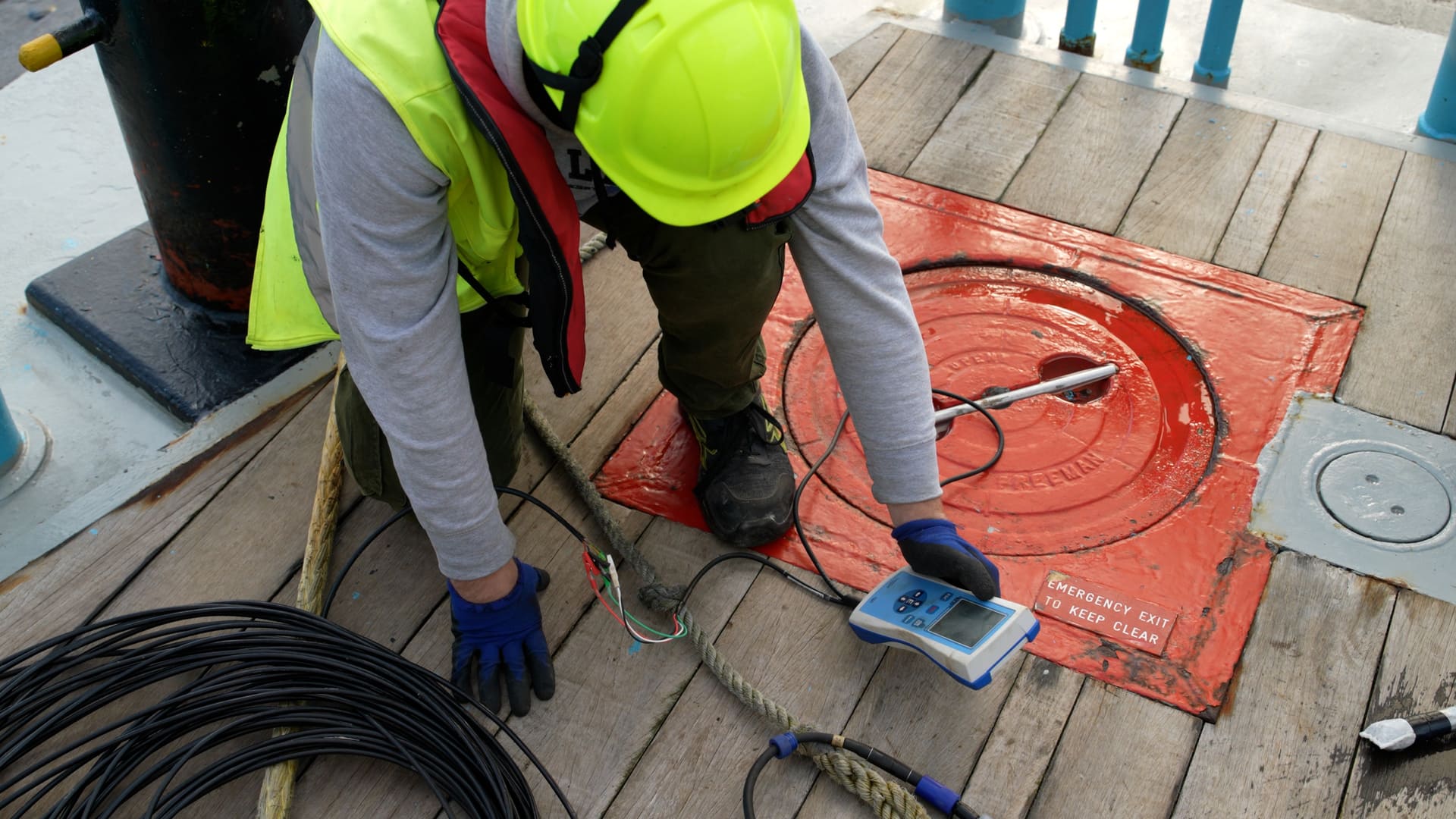 SOCOTEC experts engaged in the surveys and monitoring of the works of the Genoa Breakwater
 SOCOTEC experts engaged in the surveys and monitoring of the works of the Genoa Breakwater
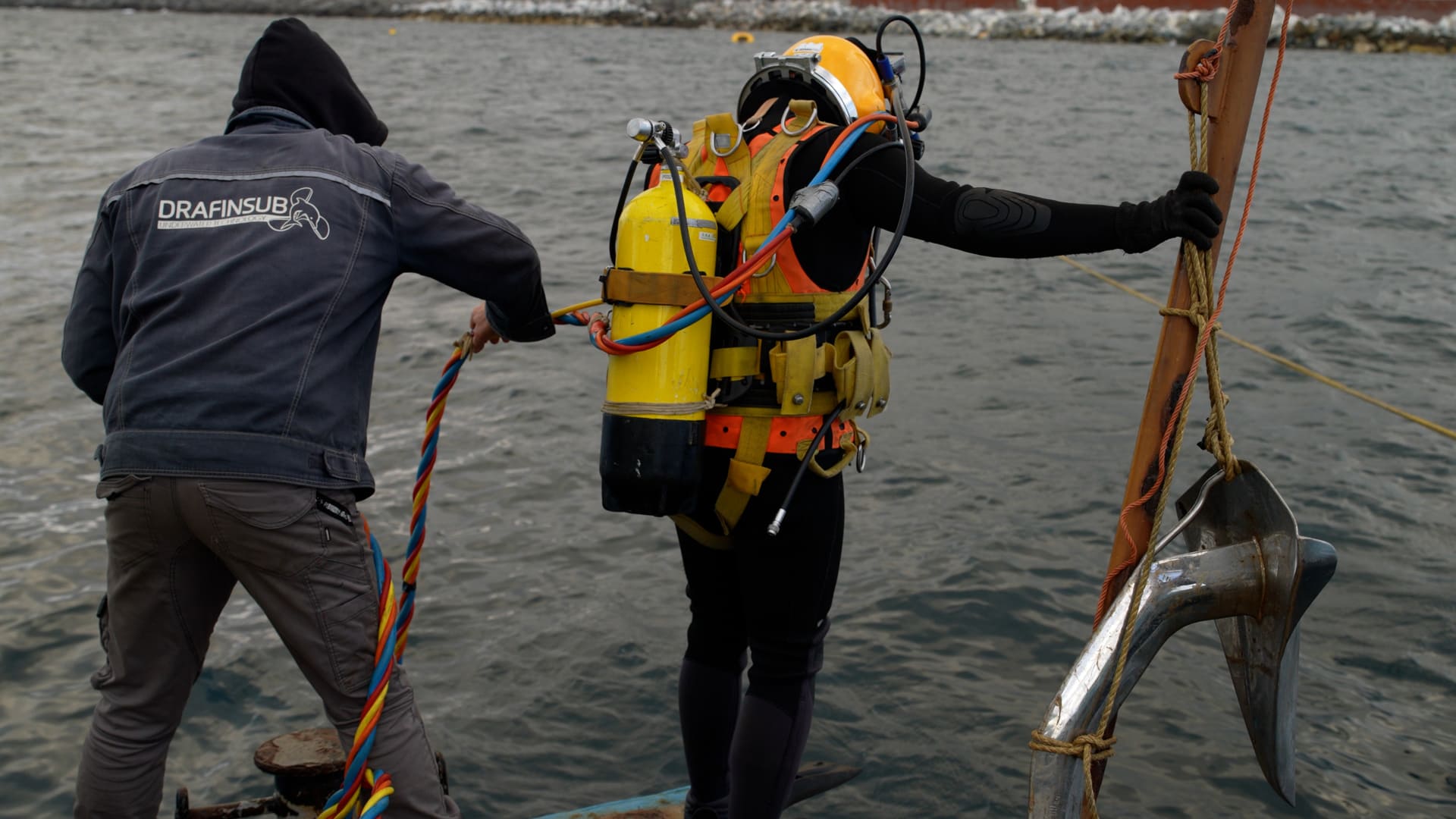 SOCOTEC experts engaged in the surveys and monitoring of the works of the Genoa Breakwater
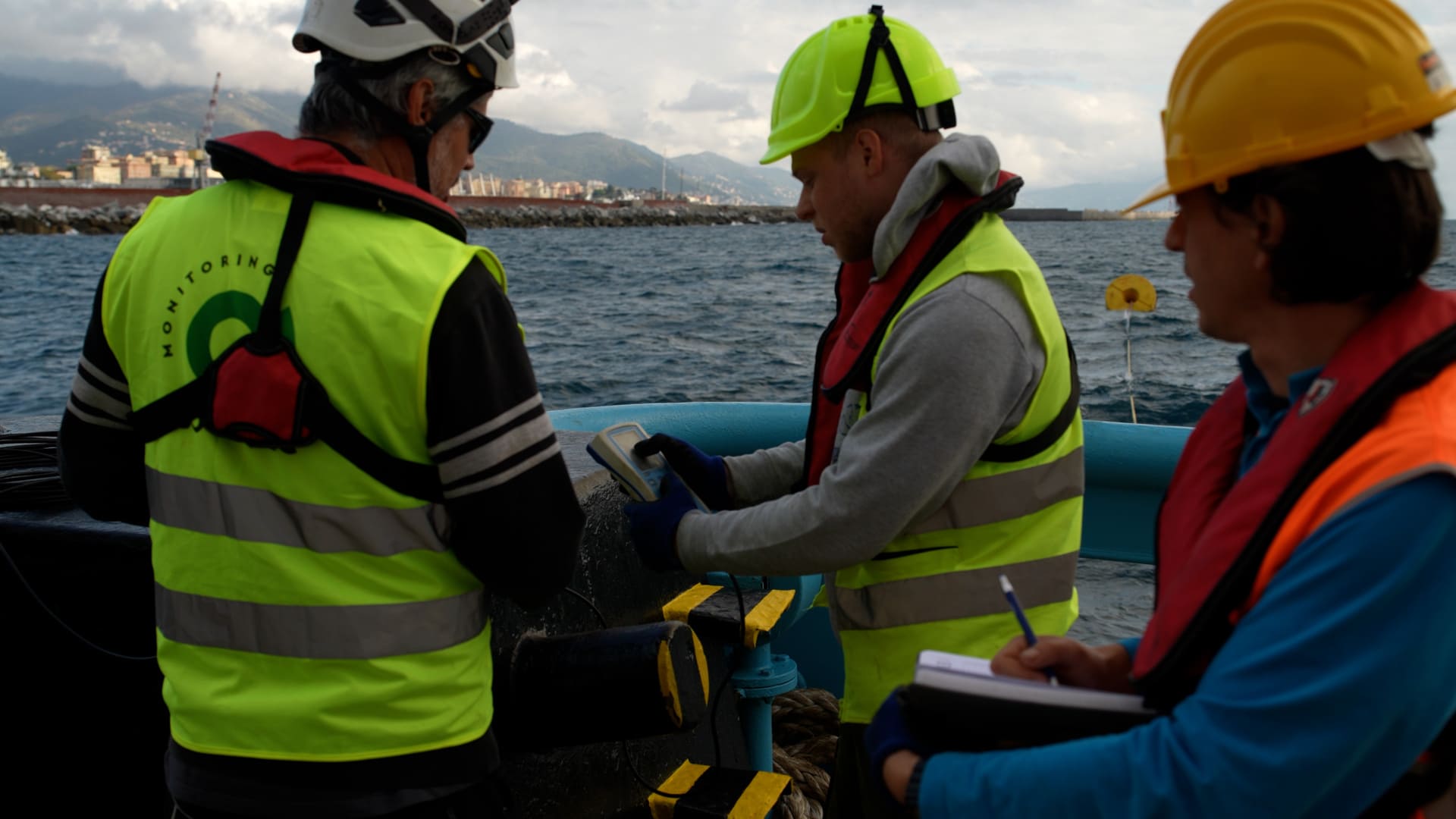 SOCOTEC experts engaged in the surveys and monitoring of the works of the Genoa Breakwater
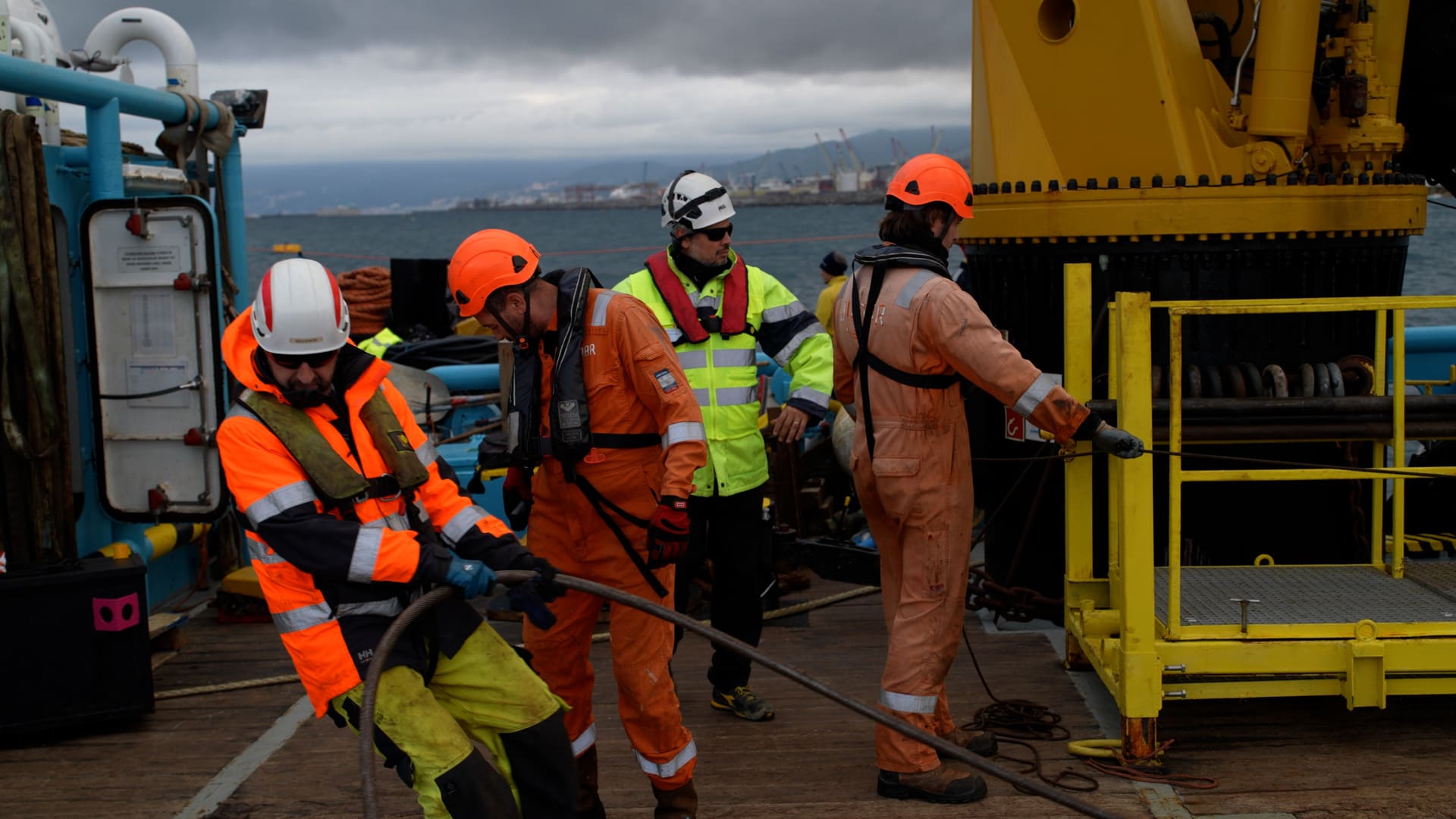 SOCOTEC experts engaged in the surveys and monitoring of the works of the Genoa Breakwater
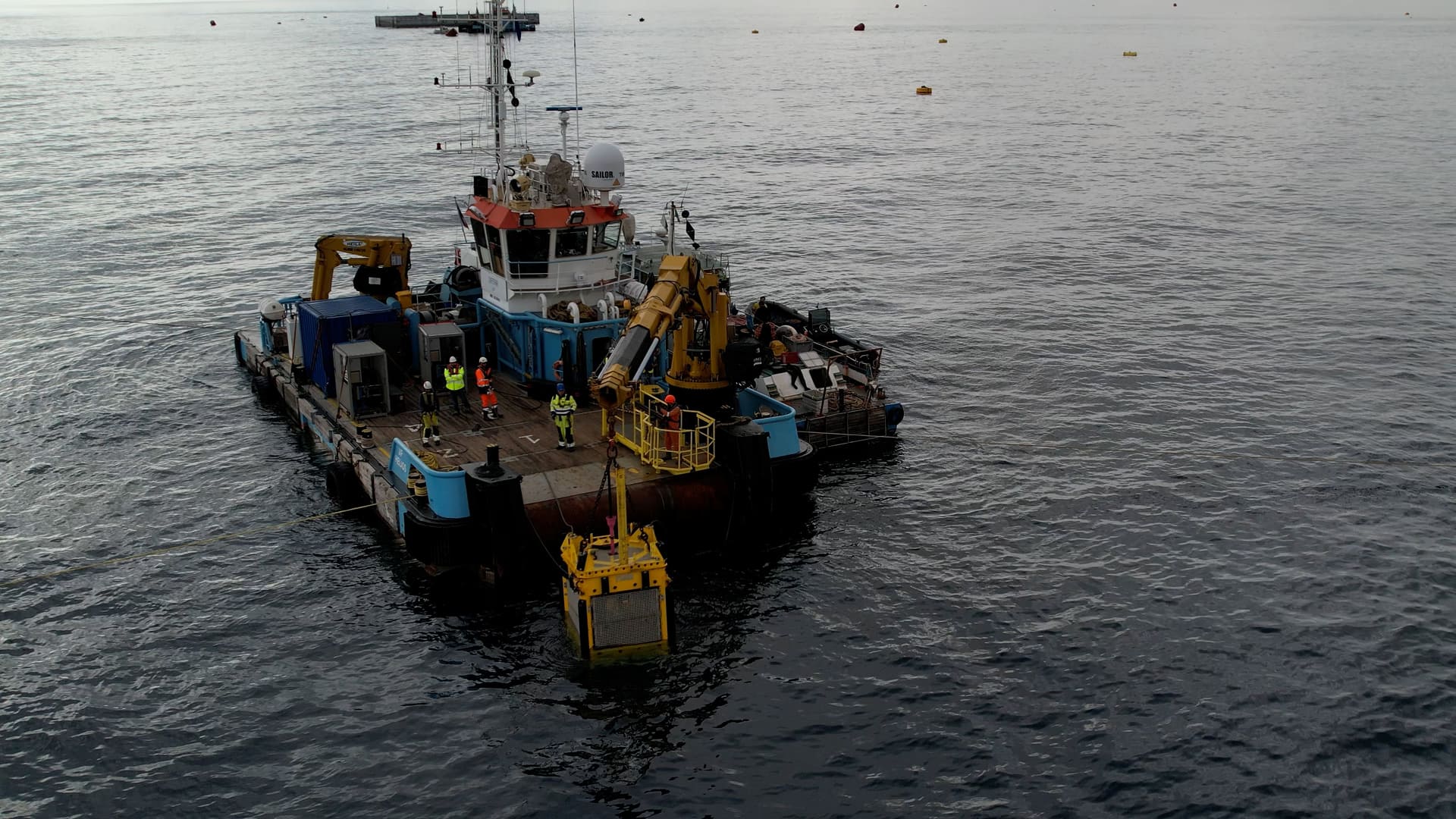 SOCOTEC experts engaged in the surveys and monitoring of the works of the Genoa Breakwater
 SOCOTEC experts engaged in the surveys and monitoring of the works of the Genoa Breakwater
 SOCOTEC experts engaged in the surveys and monitoring of the works of the Genoa Breakwater
 Genoa New Breakwater
 Genoa New Breakwater
- SOCOTEC is the company responsible for monitoring Genoa’s new Breakwater: a network of sensors and surveys that track every movement deep in sea
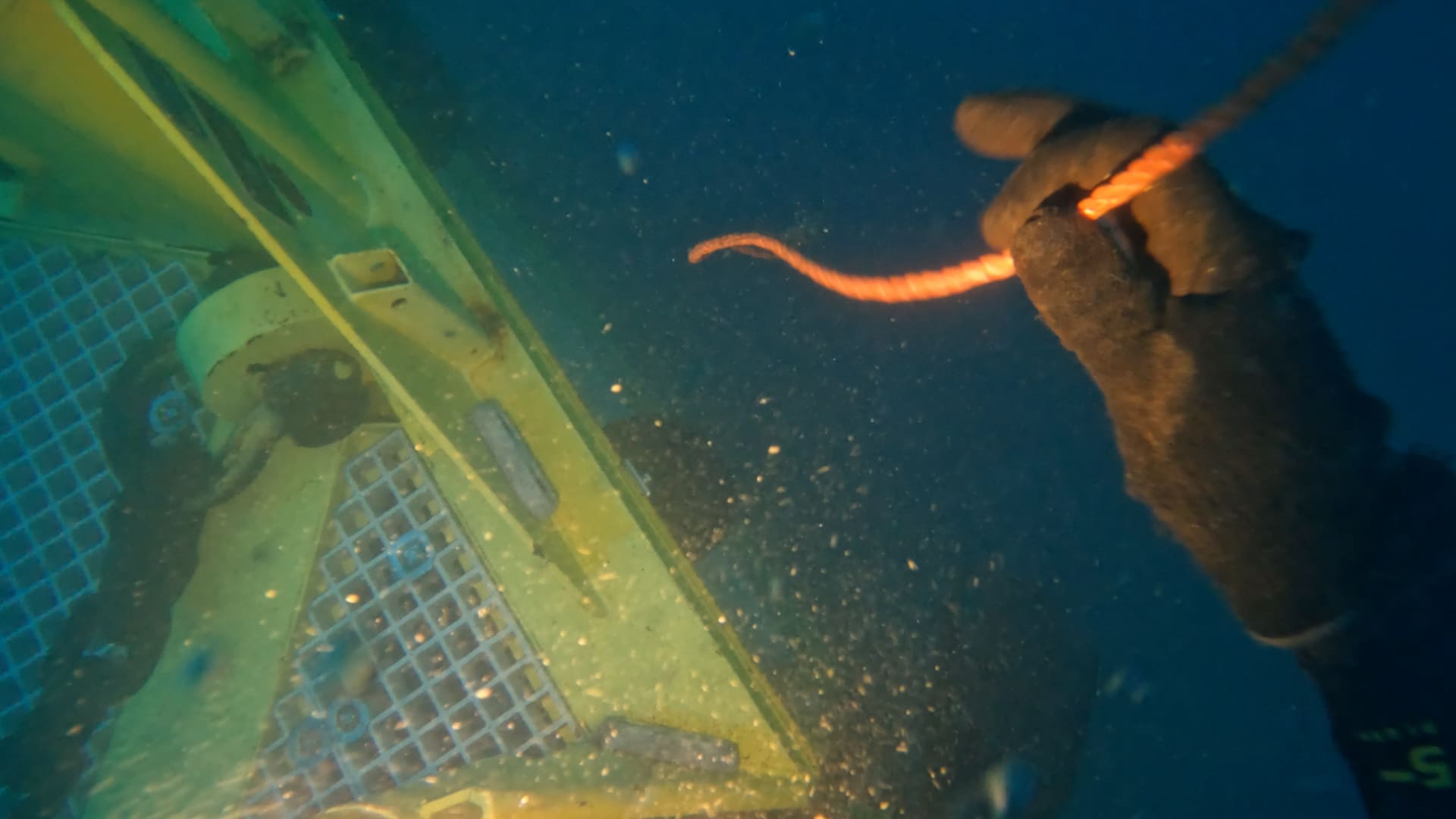
- Piezometers, inclinometers and profilometers show in real time how the ground responds to the immense loads of the breakwater’s gigantic caissons
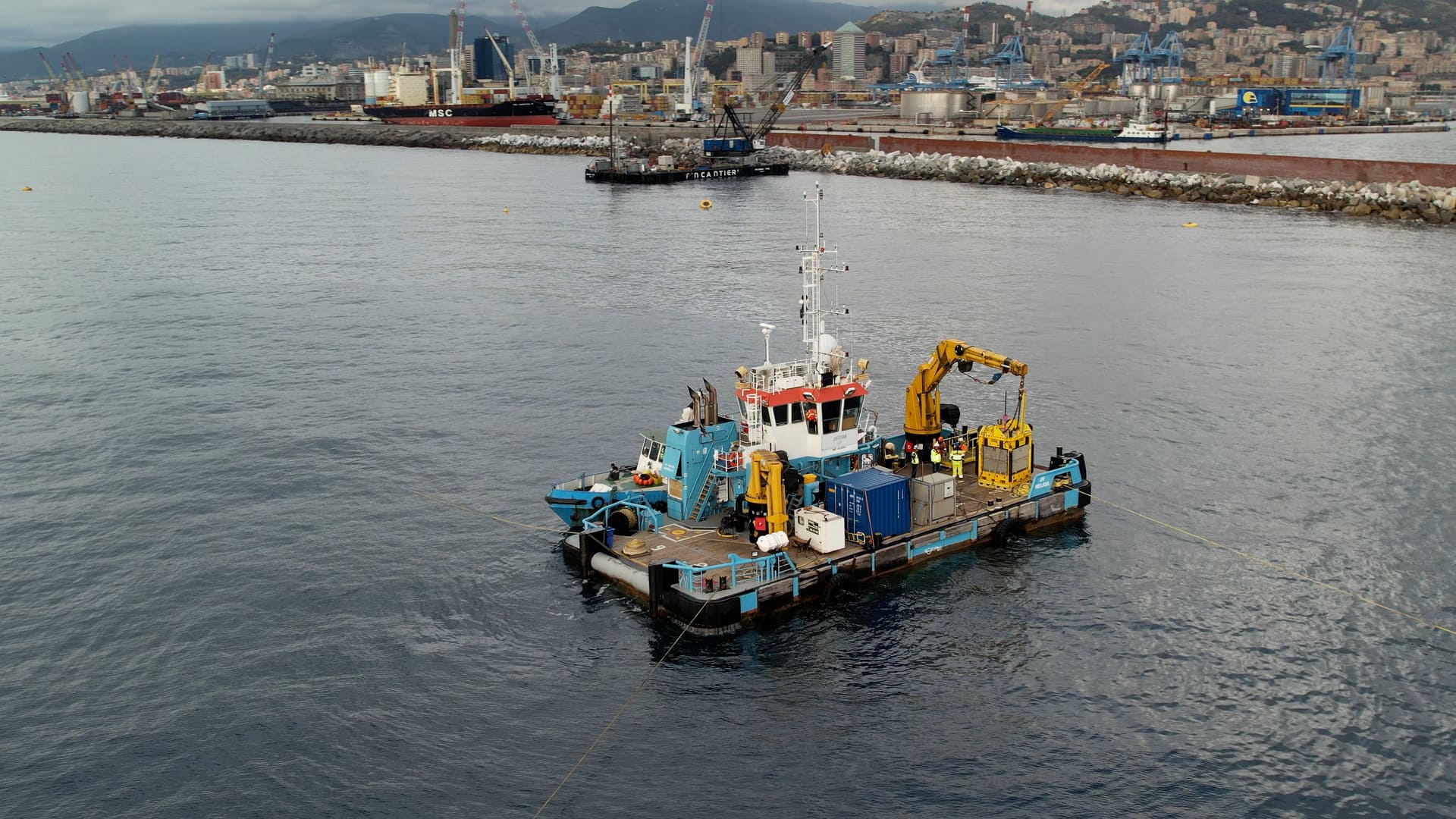
- On board the Implacabile, SOCOTEC’s experts map the seabed 12 hours a day, seven days a week
- Genoa’s new Breakwater is taking shape thanks to a supply chain of excellence coordinated by PerGenova Breakwater, the Consortium led by Webuild
- Monitoring marine operations is the invisible key that makes possible one of Europe’s most complex works
read more

Deep in the sea, where light cannot reach and work unfolds in silence, a network of instruments, technicians and data captures the daily story of the creation of Genoa’s new Breakwater. It is a digital infrastructure that cannot be seen, yet it provides an invaluable contribution to the construction of one of the most complex and ambitious engineering works ever undertaken in the country.
At the heart of this story is SOCOTEC, the company responsible for the surveys and monitoring of the marine works overseen by the PerGenova Breakwater Consortium, led by Webuild Group, which is reshaping the future of the Ligurian seaport.
As SOCOTEC’s technicians and engineers like to say, they themselves are the “eyes of the breakwater”. Eyes that scrutinise what happens beneath the surface, in the seabed sediments, in the deformations of the ground, in the millimetric shifts of caissons as big as tower blocks. Eyes that ensure each phase of this infrastructure construction proceeds exactly as planned, turning the sea from an unknown variable into a controlled environment.
Port of Genoa: A Network of Sensors on the Seabed That “Listens” to the Breakwater
In this first phase of the project, SOCOTEC’s task focuses primarily on monitoring the ground and how it reacts during the breakwater construction, particularly during the positioning of the caissons.
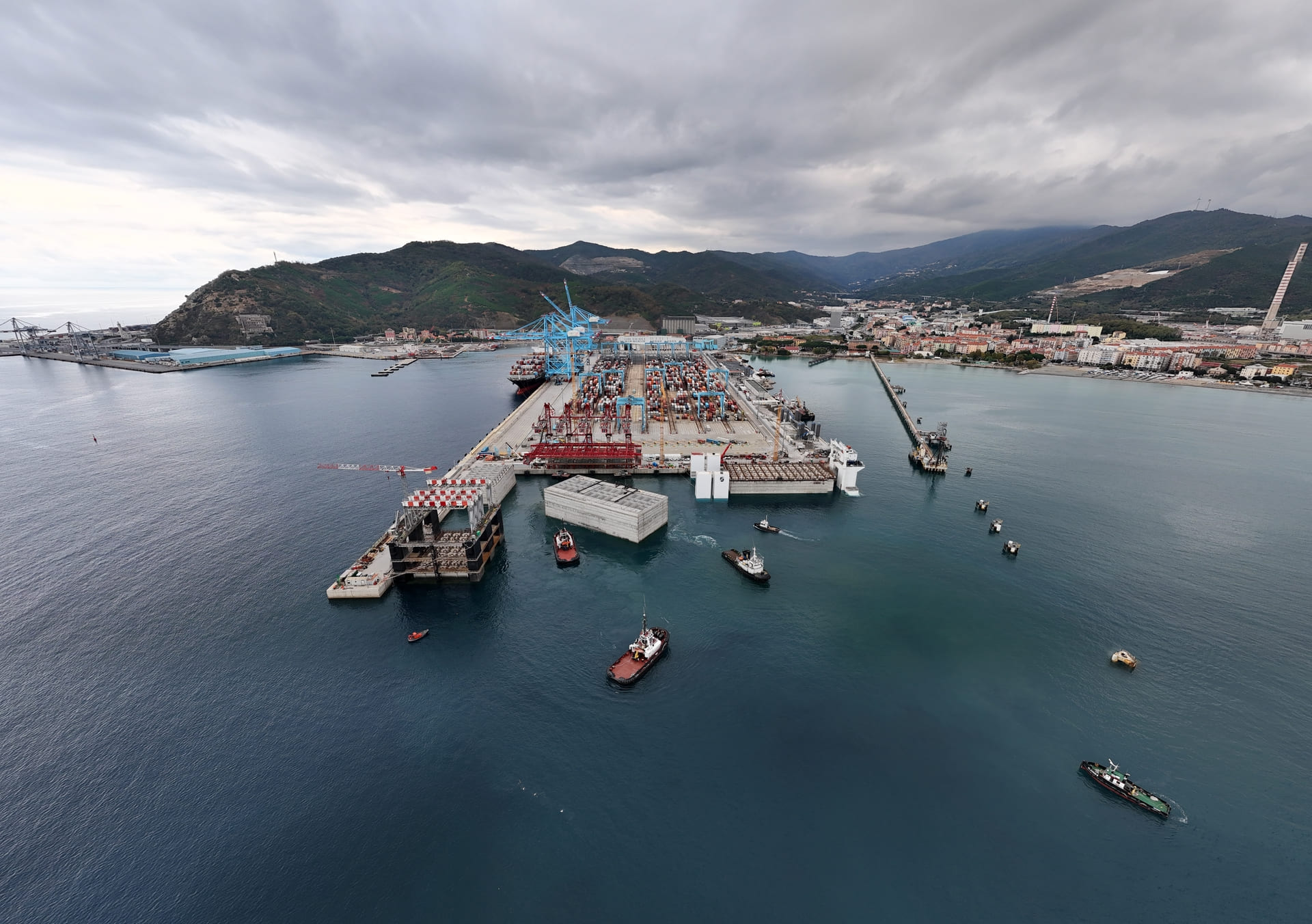
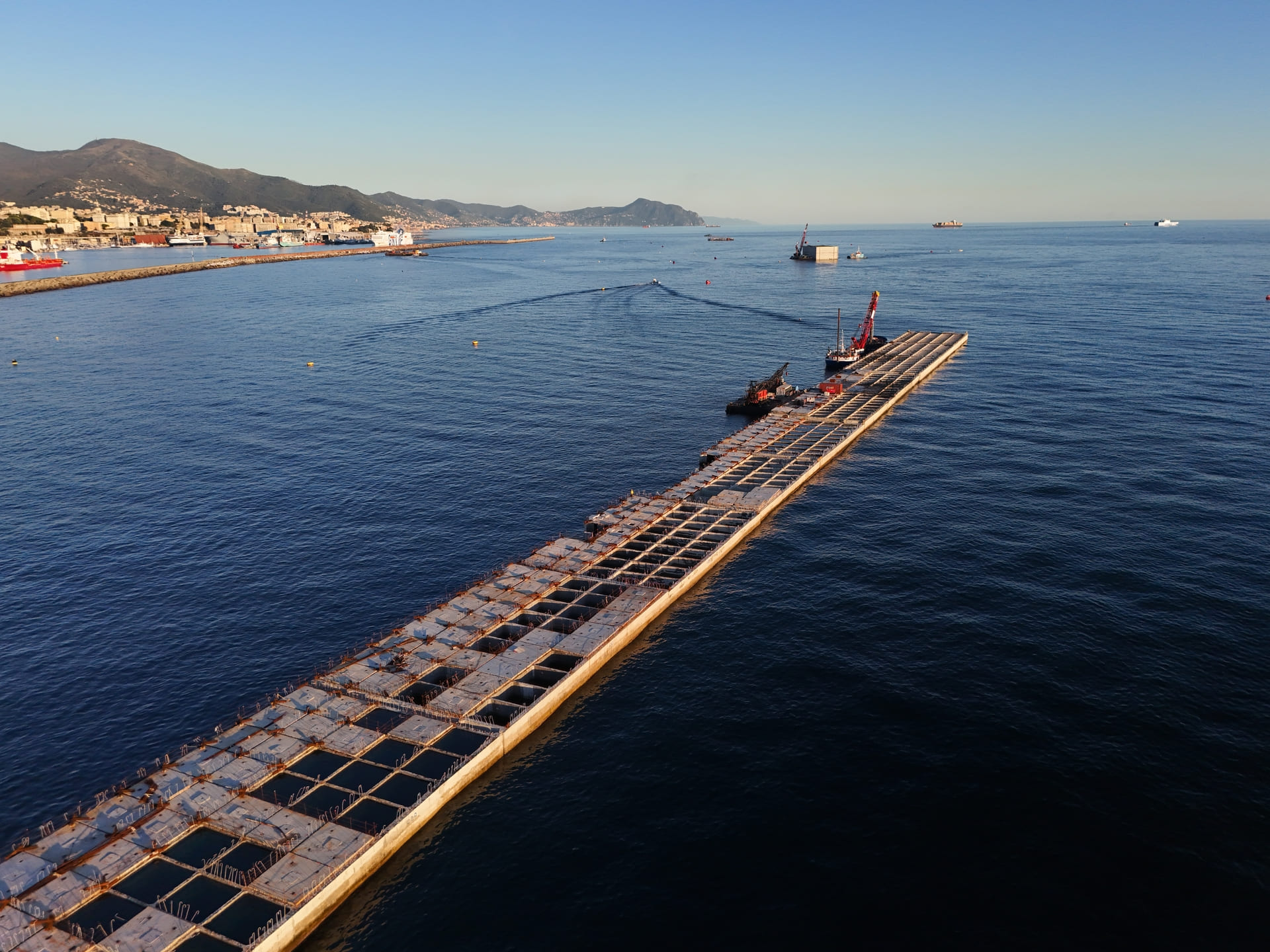
These caissons are giants of reinforced concrete, as tall as ten-storey buildings, transported from the port of Vado Ligure and then placed offshore to form the breakwater itself.
“It is not the sea that moves the caissons,” SOCOTEC’s experts explain, “but the deformation of the seabed, which must behave exactly as planned at the design stage.”
To analyse any movements occurring tens of metres below the surface, the company installs three key instruments:
- piezometers, which record the pore water pressure within the ground;
- inclinometers, which measure horizontal displacement and potential sliding phenomena;
- profilometers, placed directly on the seabed to detect even imperceptible settlement.
This dense network of nodes communicates with a central control unit that collects and transmits the data to the servers, where dedicated software transforms the information into three-dimensional maps, graphs and decision-making models. The result is a continuous snapshot of seabed behaviour—an essential tool for verifying that the loads of the caissons are being properly distributed and that the platform is not experiencing abnormal subsidence.
Between Waves and Currents, the Implacabile Is the Floating Laboratory for Hydrographic Surveys
SOCOTEC’s work does not take place solely on the seabed. A crucial part is carried out on board the Implacabile, the vessel dedicated to altimetric and bathymetric surveys.
For 12 hours a day, seven days a week, technicians navigate within the construction area monitoring a range of variables: from the quantity of gravel deposited, to the position and movement of the barges operating at sea, from the demolition works on the old structure to the positioning of moorings for operational vessels.
Thanks to high-resolution multibeam bathymetric surveys, it is possible to reconstruct extremely accurate three-dimensional models of the seabed, which are fundamental for continuously updating the geometry of the breakwater structure, verifying design elevations, and ensuring that every infrastructure construction phase proceeds with millimetric precision, even in a complex operational context like the maritime environment.
Genoa Breakwater: An Infrastructure Designed to Accommodate the Largest Ships in the World
SOCOTEC’s activities, like those of all the companies involved in this infrastructure development, provide an invaluable contribution to the construction of the new Breakwater: a unique work stretching roughly 6 kilometres and enabling the Genoa port to accommodate even the largest ships in the world, like major container ships.
This infrastructure will therefore deliver a strategic transformation for Genoa, poised to become a decisive asset for Italy’s entire port system.
Led by Webuild Group, the PerGenova Breakwater Consortium brings together a supply chain of excellence and highly specialised expertise working as a single organism. An ecosystem showcased in “Number Ten”, a series of short documentaries dedicated to the people building the Breakwater, the work that will transform the seaport and, even before that, is already transforming the way we build at sea: through data, technology and the ability to see where no one else can.