

Modern dams are not merely imposing feats of engineering: they are true shields that protect communities from water, or contain it as in the case of dams built in front of harbours. The latter are designed to safeguard historic cities and vulnerable territories or to ensure better access to the ports of major urban centres.
Behind their apparent immobility lies a complex process of design, material selection, and the use of advanced materials and innovative techniques, making coexistence between urban heritage and the forces of nature possible.
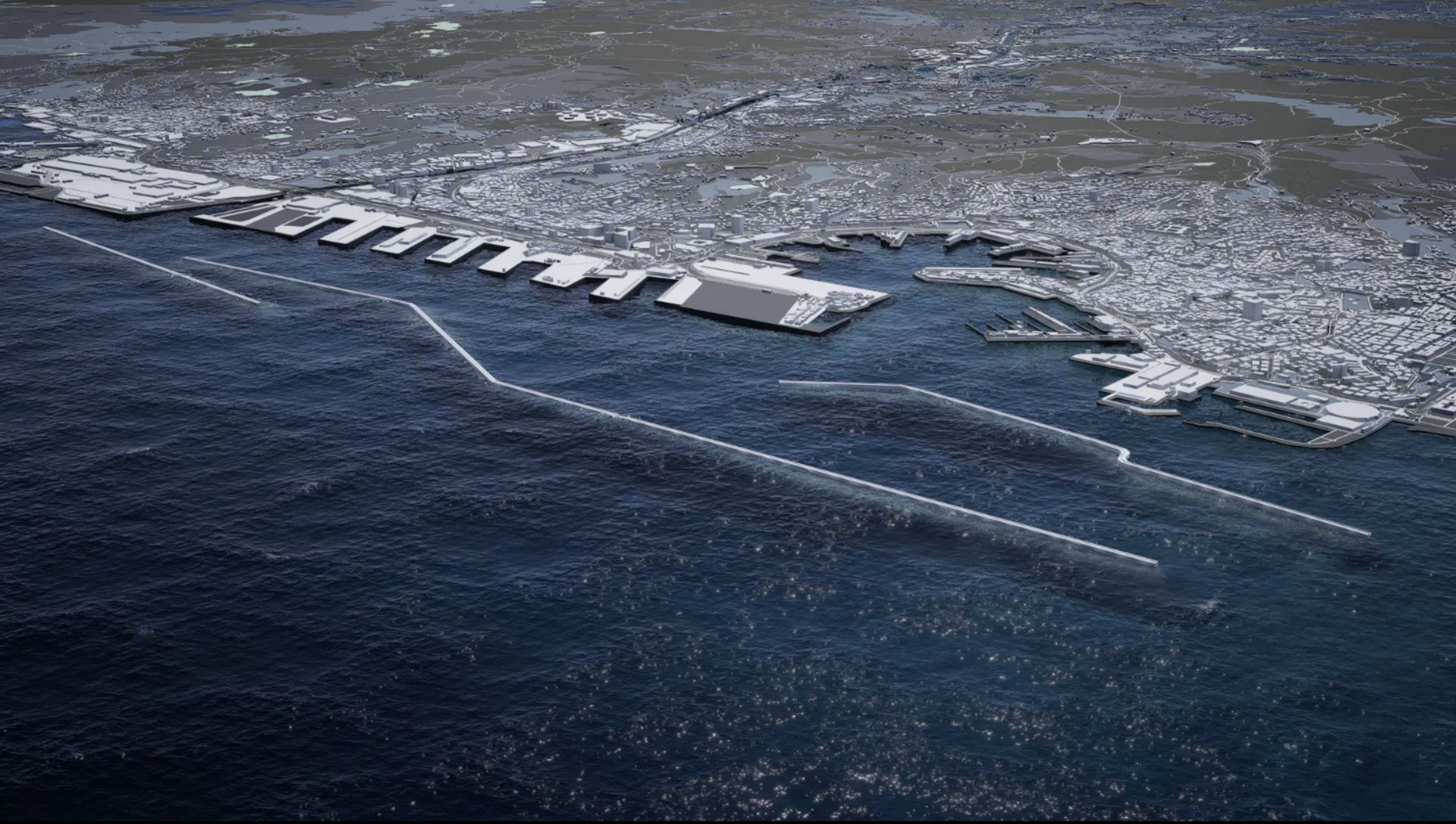
1 – Genoa New Breakwater, Italy
The New Genoa Breakwater, currently under construction by a consortium led by the Webuild Group, represents a contemporary example of coastal infrastructure capable of combining scale, innovation, and operational continuity.
Approximately 6 km long and reaching seabed depths of up to 50 metres, the breakwater will accommodate vessels up to 400 metres in length and will be built from prefabricated reinforced-concrete caissons, as large as massive buildings, placed side by side without interrupting port operations.
The project will strengthen the role of the Port of Genoa within the TEN-T Rhine–Alpine Corridor, reducing freight transport times across Europe.
2 – Saint-Malo, France
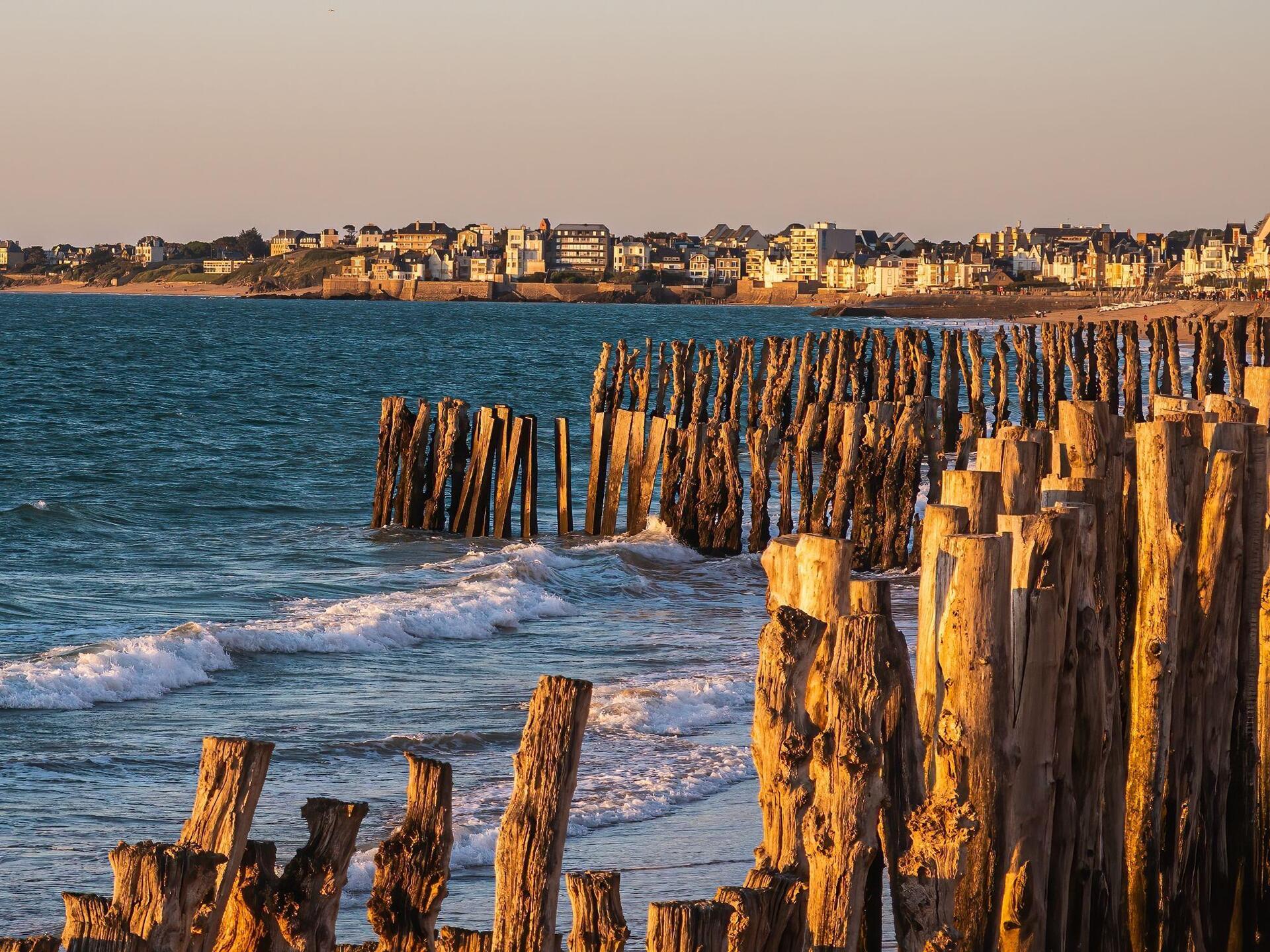
On the vast Sillon beach in Saint-Malo, along the historic seawall that shields the city from the fierce tides of the English Channel, stands a true “forest” of oak-wood brise-lames (wave-breaking elements) that have been softening the force of the waves for over two centuries before they strike the retaining wall.
First installed in the nineteenth century, these poles, around seven metres tall, are now the focus of an extensive restoration project. Approximately 1,000 replacements are being carried out while preserving their historical appearance and function, striking a balance between cultural heritage and coastline protection that continues to ensure the safety of the city and its inhabitants.
3 – Nou Passeig del Trencaones, Port of Barcelona, Spain
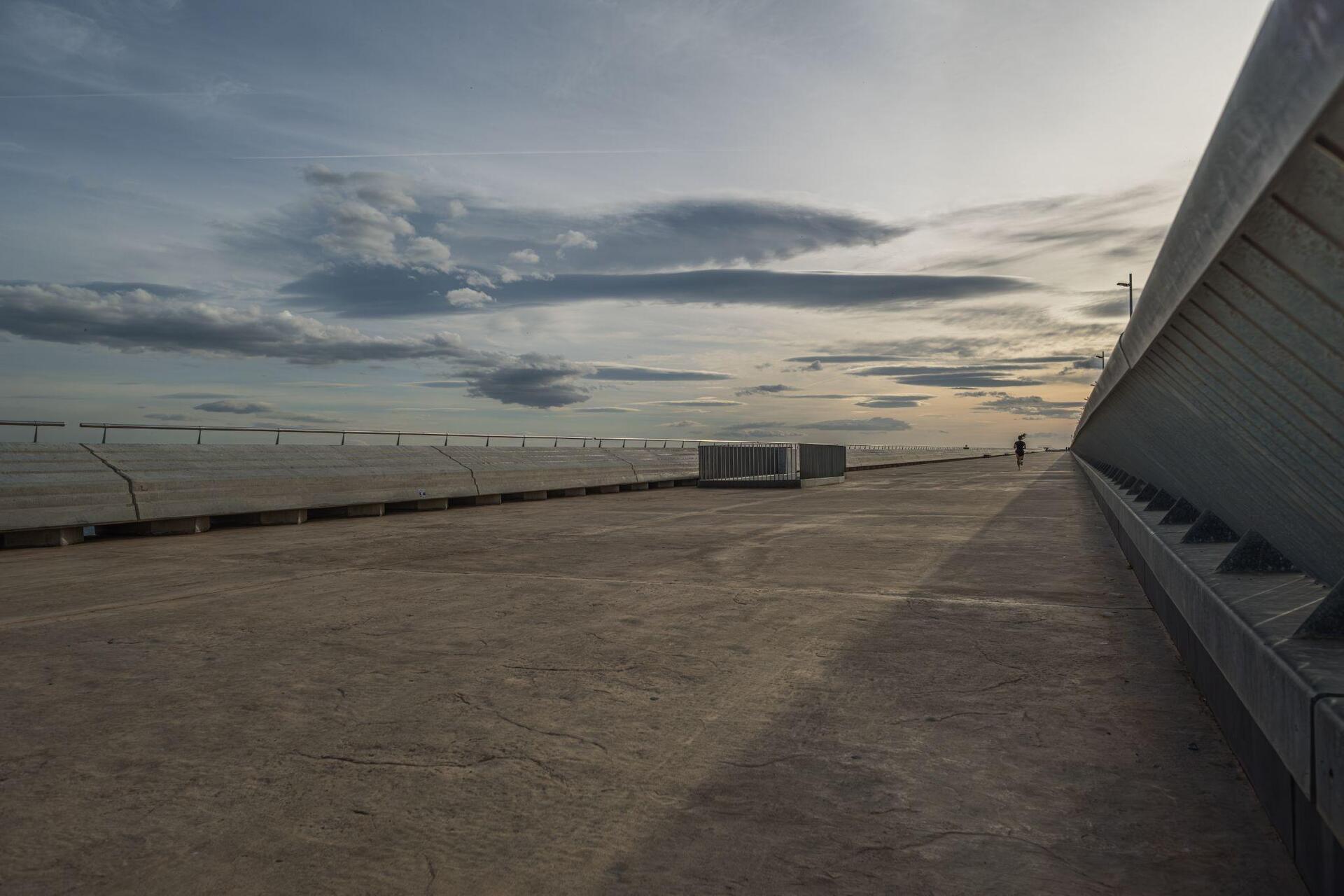
The Paseo del Trencaones section of Barcelona’s Port Vell offers an example of how coastal works can successfully combine protection, accessibility, and urban regeneration.
The project transformed a historic breakwater into a long pedestrian promenade stretching along the waterfront, strengthening the city’s defence against the waves while providing an accessible, scenic public space.
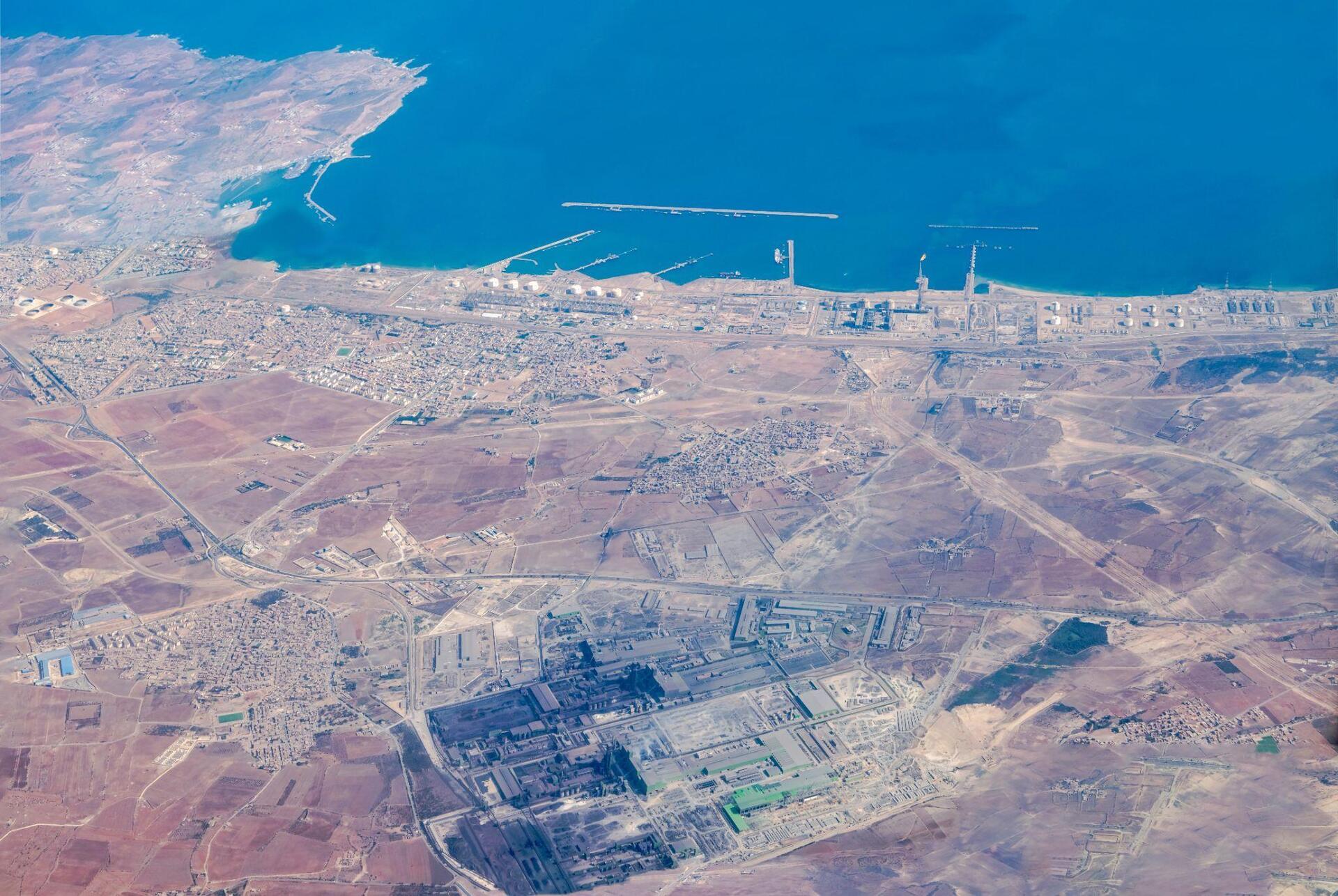
4 – Arzew Breakwaters, Algeria
Another example of infrastructure that combines coastline protection with advanced engineering is the reconstruction of the breakwater at the port of Arzew in Algeria. Extending over more than two kilometres, the structure protects one of the country’s main ports from waves and storms.
After a severe storm surge in the 1980s destroyed much of the barrier, the dam construction project required the handling and placement of millions of tonnes of rock and tens of thousands of large concrete blocks, involving underwater works, high-precision surveys, and laboratory testing to optimise the structure’s stability.
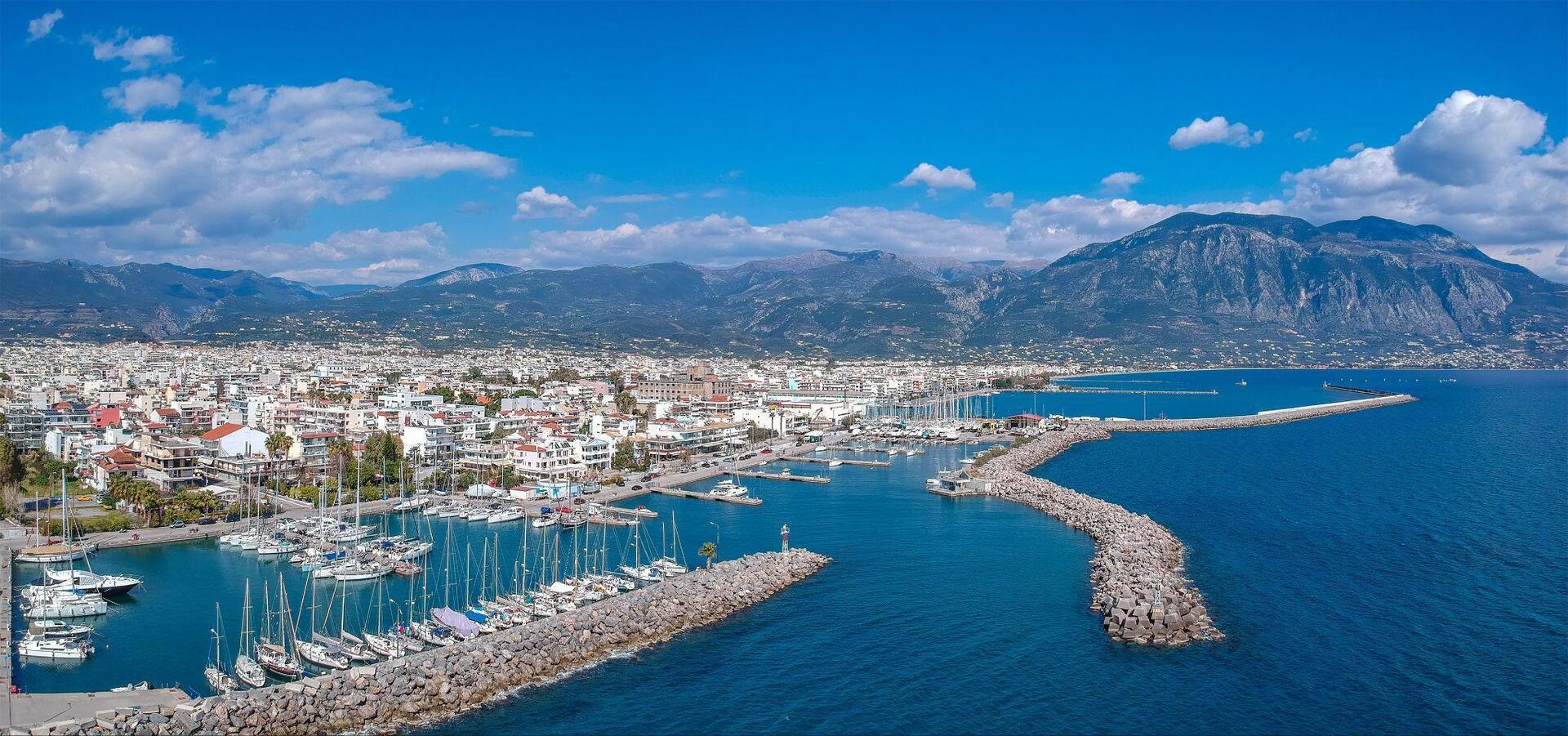
5 – Kalamata Port Breakwaters, Greece
The port of Kalamata, located on the southeastern coast of the Gulf of Messinia in Greece, features a breakwater system composed of an initial 300 m pier ending with a 920 m main breakwater, further protected by a secondary 400 m breakwater. This configuration safeguards the port basin from waves and Mediterranean sea conditions.
Not only does it provide a safe haven for commercial and leisure vessels, but it also serves as an urban protection element for the historic coastal city.