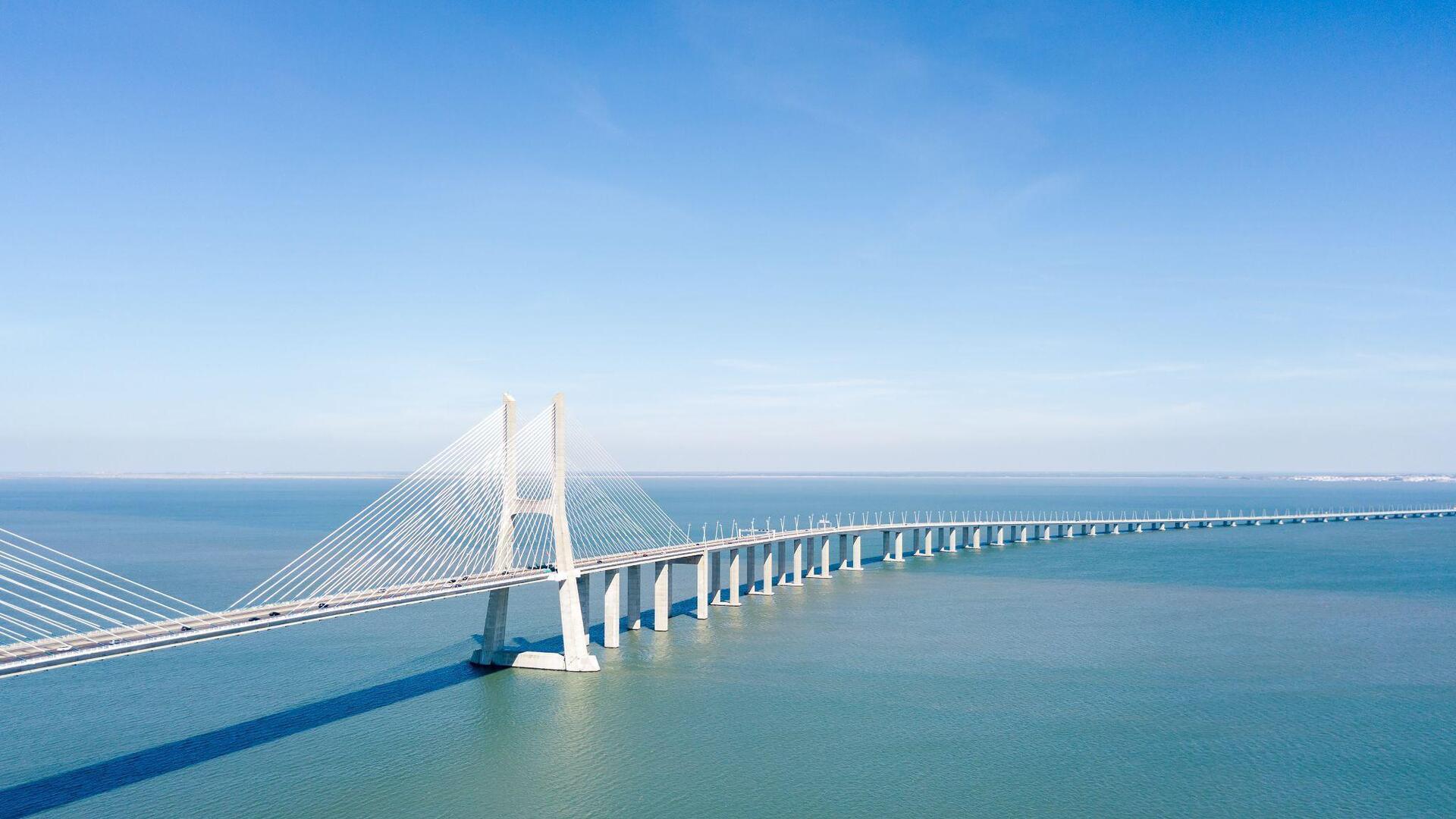


Great rivers have shaped the course of civilization, serving as transportation routes, sources of hydroelectric energy, and natural barriers to overcome. Today, they remain at the heart of some of the world’s most ambitious infrastructure projects. Bridges, dams, and flood protection systems are transforming the relationship between land and water, connecting communities and supporting more integrated development.
In these projects, engineering goes beyond overcoming the forces of nature. It seeks to work in harmony with them, recognizing the strategic role rivers play in bringing people together, powering economies, and shaping the landscape.
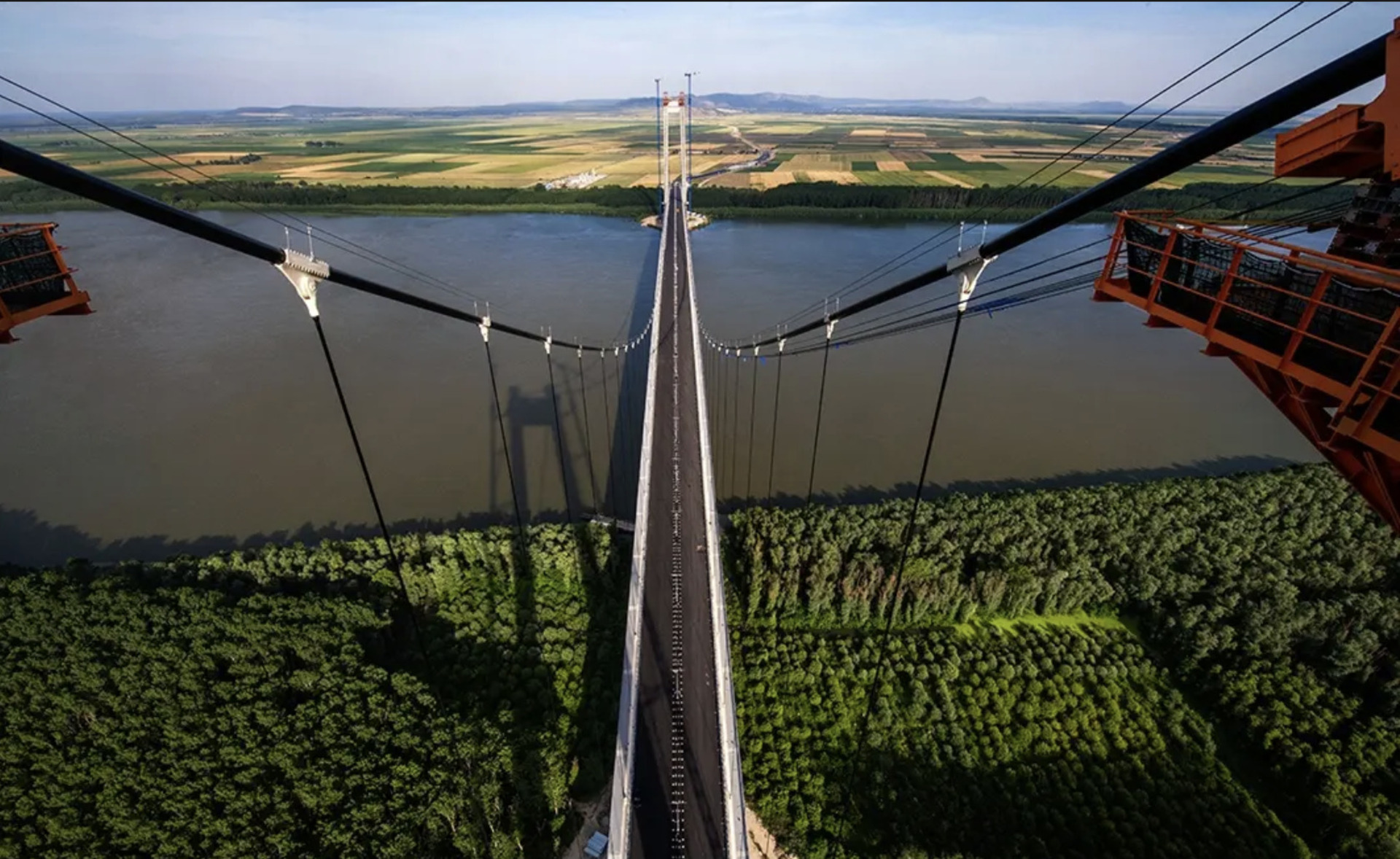
1 – Brăila Bridge Across the Danube, Romania
Along the Danube, one of Europe’s most important rivers, the Brăila Bridge has transformed a historic natural barrier into a new connection between regions and communities.
Built by a consortium led by Webuild, the suspension bridge links the two banks in southeastern Romania, replacing the previous ferry crossing and significantly reducing crossing times.
With a 1,120-meter main span and a total length of 1,975 meters, the Brăila Bridge is now the longest bridge in Romania and one of the largest suspension bridges in continental Europe.
But its value goes beyond its dimensions: the project has restored a central role to an area that remained separated by the river for years, creating new opportunities for mobility, economic development, and greater integration among local communities.
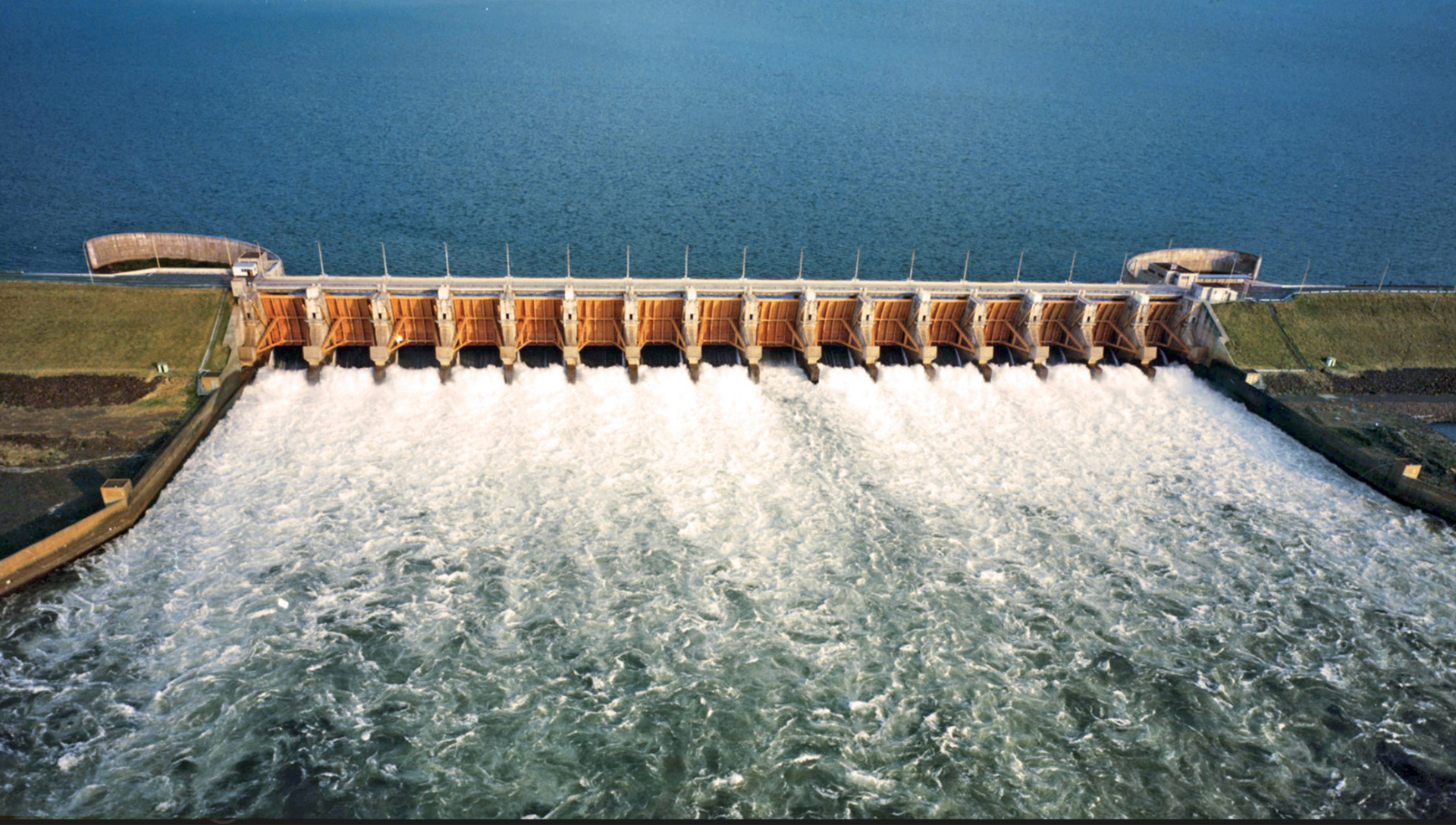
2 – Yacyretá Dam, Paraná, Argentina-Paraguay
On the Paraná River, along the border between Argentina and Paraguay, the Yacyretá Dam demonstrates how a great river can become a shared resource capable of bringing two countries together.
Built by a consortium led by Webuild, the project is one of the most important hydroelectric developments in Latin America, harnessing the power of the river to generate electricity for millions of people.
Stretching for nearly 70 kilometers, the Yacyretá Dam has transformed the relationship between the region and the Paraná River, contributing to the area’s energy development while creating new economic and infrastructure opportunities.
Beyond its engineering scale, the dam stands as an example of cooperation between two nations, where water becomes a resource capable of fostering growth and collaboration across borders.
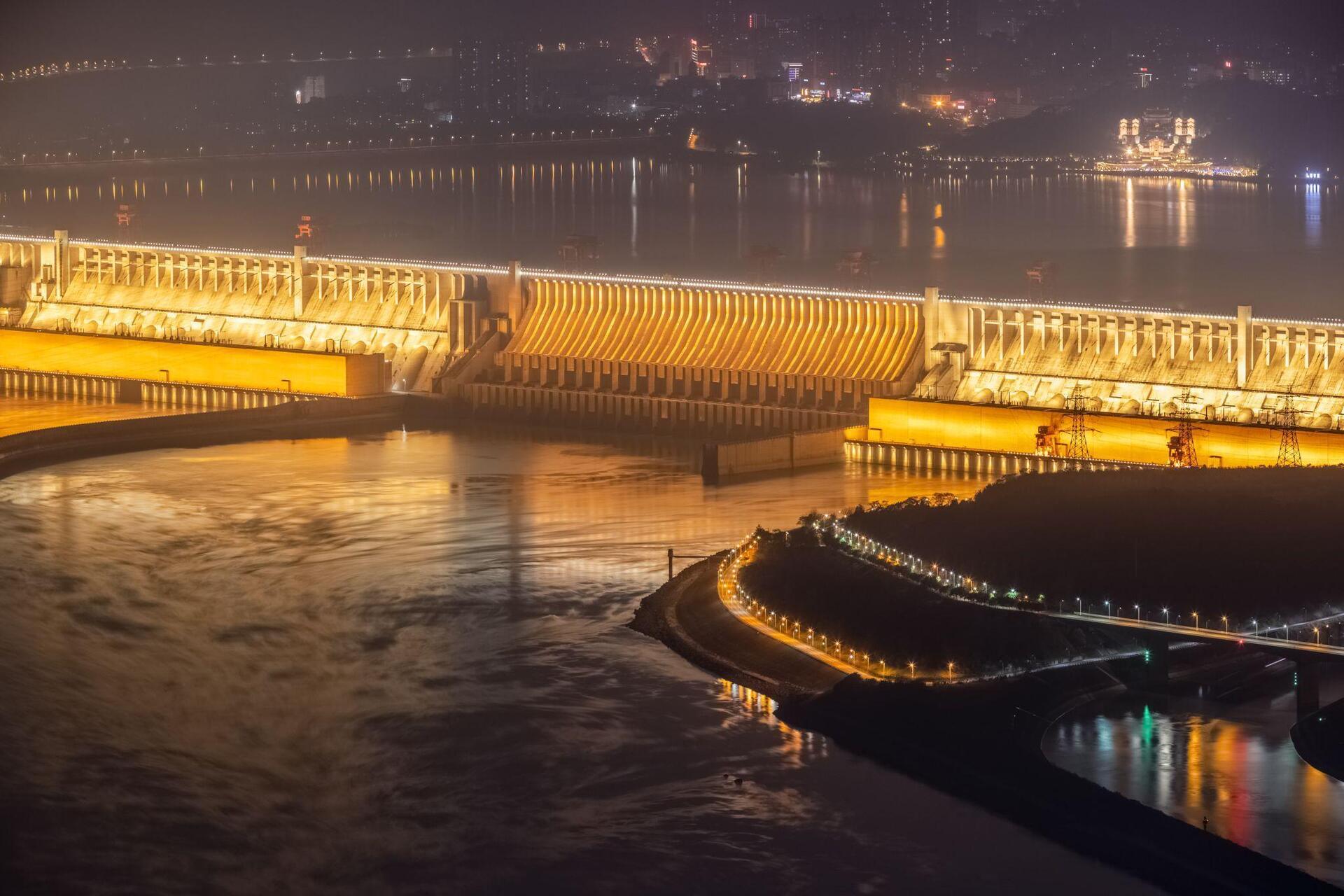
3. Three Gorges Dam, Yangtze, China
On the Yangtze River, the longest river in China, the Three Gorges Dam is one of the most impressive engineering achievements ever built. Constructed to generate electricity, improve river navigation, and support flood management, the dam has profoundly transformed the relationship between the surrounding region and one of the world’s greatest rivers.
With a structure stretching more than two kilometers and a reservoir extending for hundreds of kilometers along the Yangtze Valley, the Three Gorges Dam has become a symbol of engineering’s ability to address environmental and territorial challenges on a global scale.
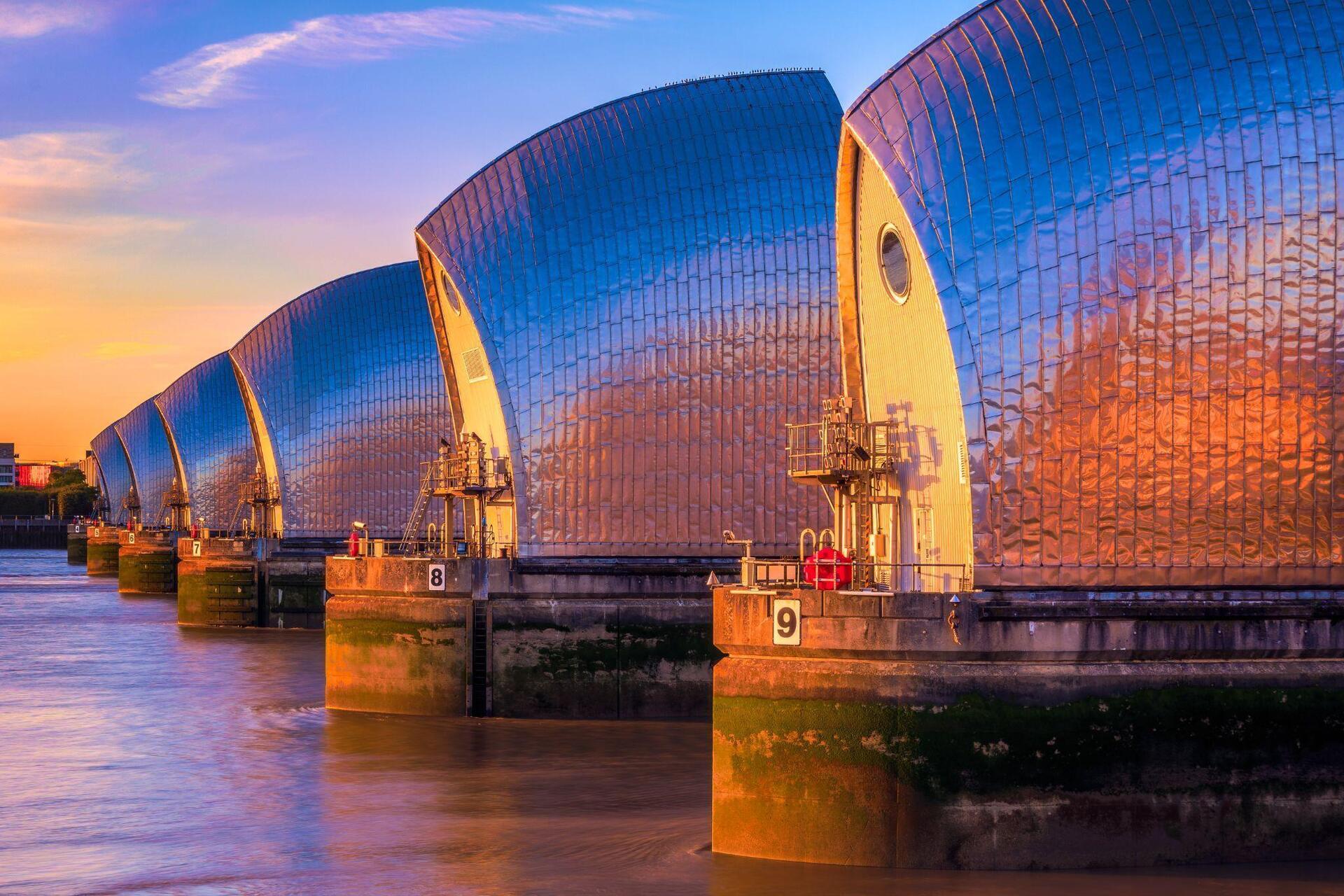
4. Thames Barrier, London
On the River Thames, in the heart of London, the Thames Barrier is an example of how engineering can transform a river from a potential threat into a protected and valued resource.
Opened in 1984, the movable flood barrier was designed to protect the British capital from exceptionally high tides and storm surges coming from the North Sea, safeguarding a vast urban area and millions of people from the risk of flooding.
With its massive steel gates that rise to block the flow of water during periods of greatest danger, the Thames Barrier has become one of the world’s most recognizable flood defense structures.
5. Vasco da Gama Bridge, Tagus, Lisbon
Over the Tagus River in Lisbon, Portugal, the Vasco da Gama Bridge has transformed a broad natural barrier into a new gateway to the city and its surrounding regions. Opened in 1998 for Expo ’98 in Lisbon, the bridge was built to ease traffic on the older 25 de Abril Bridge and provide a more efficient connection between the river’s two banks.
With a total length of more than 17 kilometers, the Vasco da Gama Bridge is one of the longest crossing structures in Europe and stands as an example of how major infrastructure can be integrated into a complex natural environment such as the Tagus Estuary.