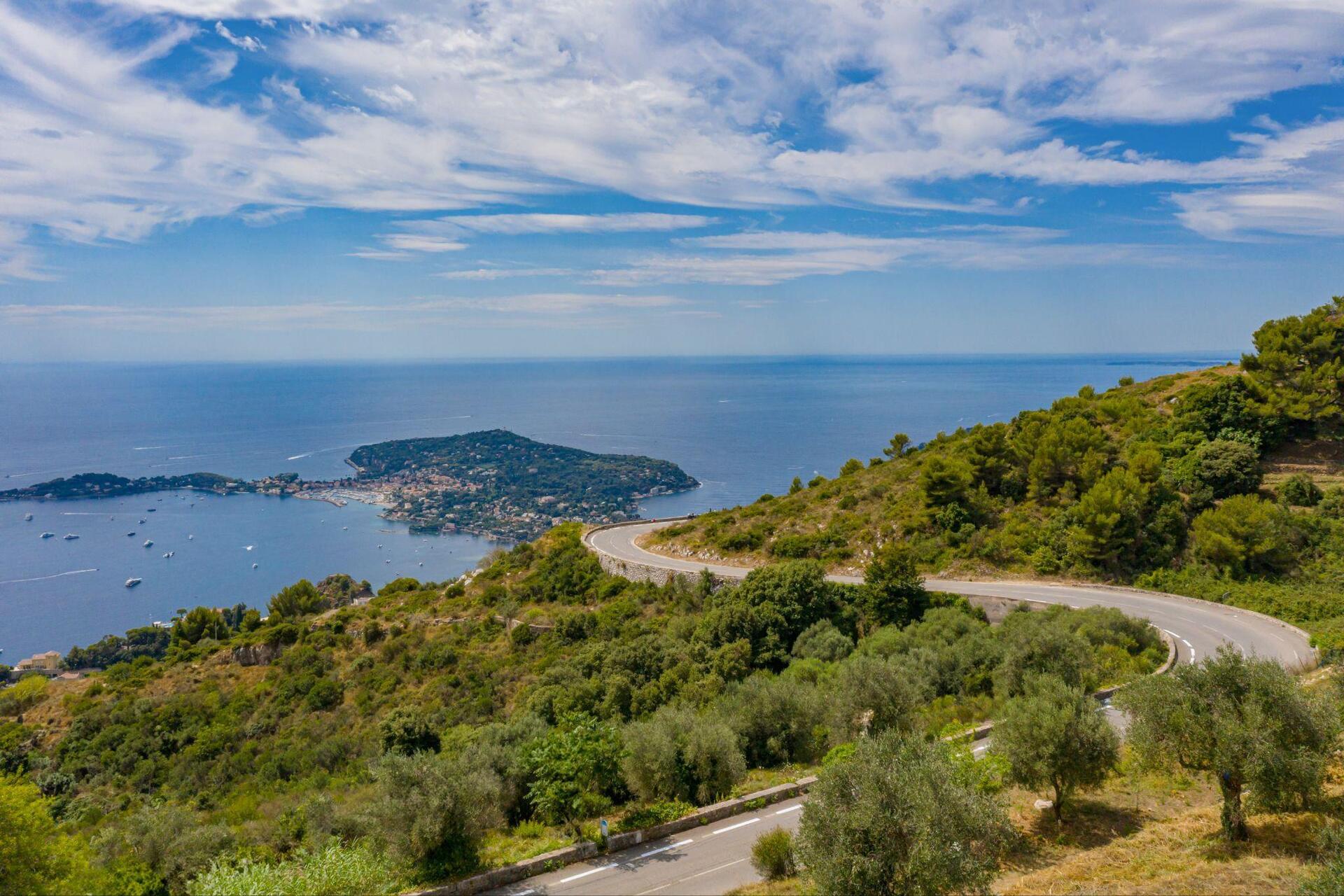


Some roads do more than simply connect one place to another, they turn the journey itself into a travel experience. They cut through breathtaking landscapes, climb across mountains, trace the edges of oceans, or wind through iconic urban settings, becoming part of the destination in their own right.
In these cases, transport infrastructure goes beyond function and becomes storytelling: a route that invites you to slow down, observe, and experience space differently, redefining the very meaning of mobility.
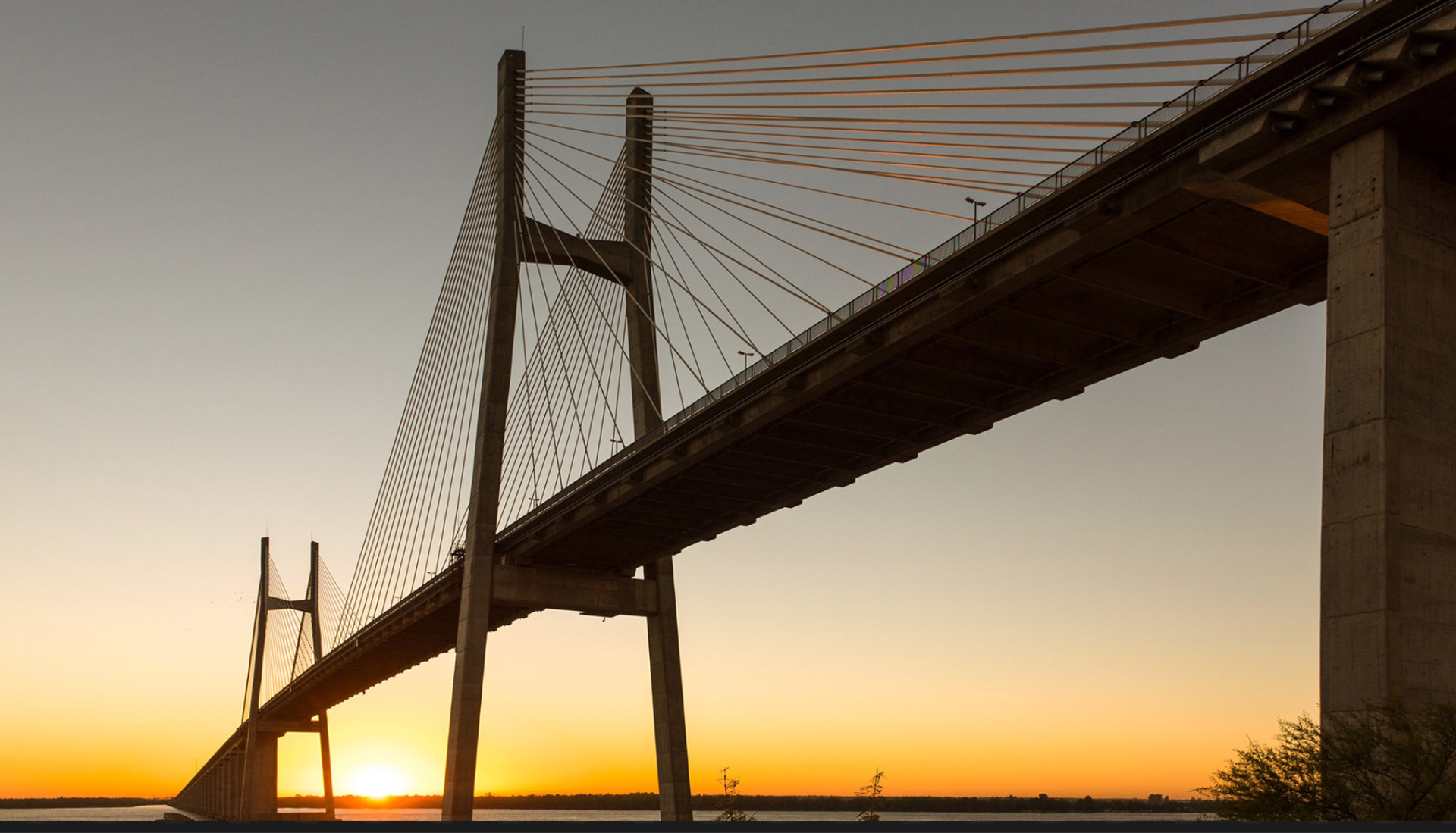
1 – Rosario-Victoria Motorway Bridge
The Rosario–Victoria highway connection in Argentina is one of those infrastructure projects where the roadway becomes an integral part of the landscape, crossing a territory shaped by water, islands, and open horizons.
Stretching for nearly 60 kilometers, the route runs across the Paraná River through a complex system of bridges and viaducts, including a cable-stayed bridge over 600 meters long that dominates the river scenery.
Built by Webuild, this transportation infrastructure has transformed a once-challenging crossing into a continuous route, drastically reducing travel times and creating a strategic link between key regions of South America.
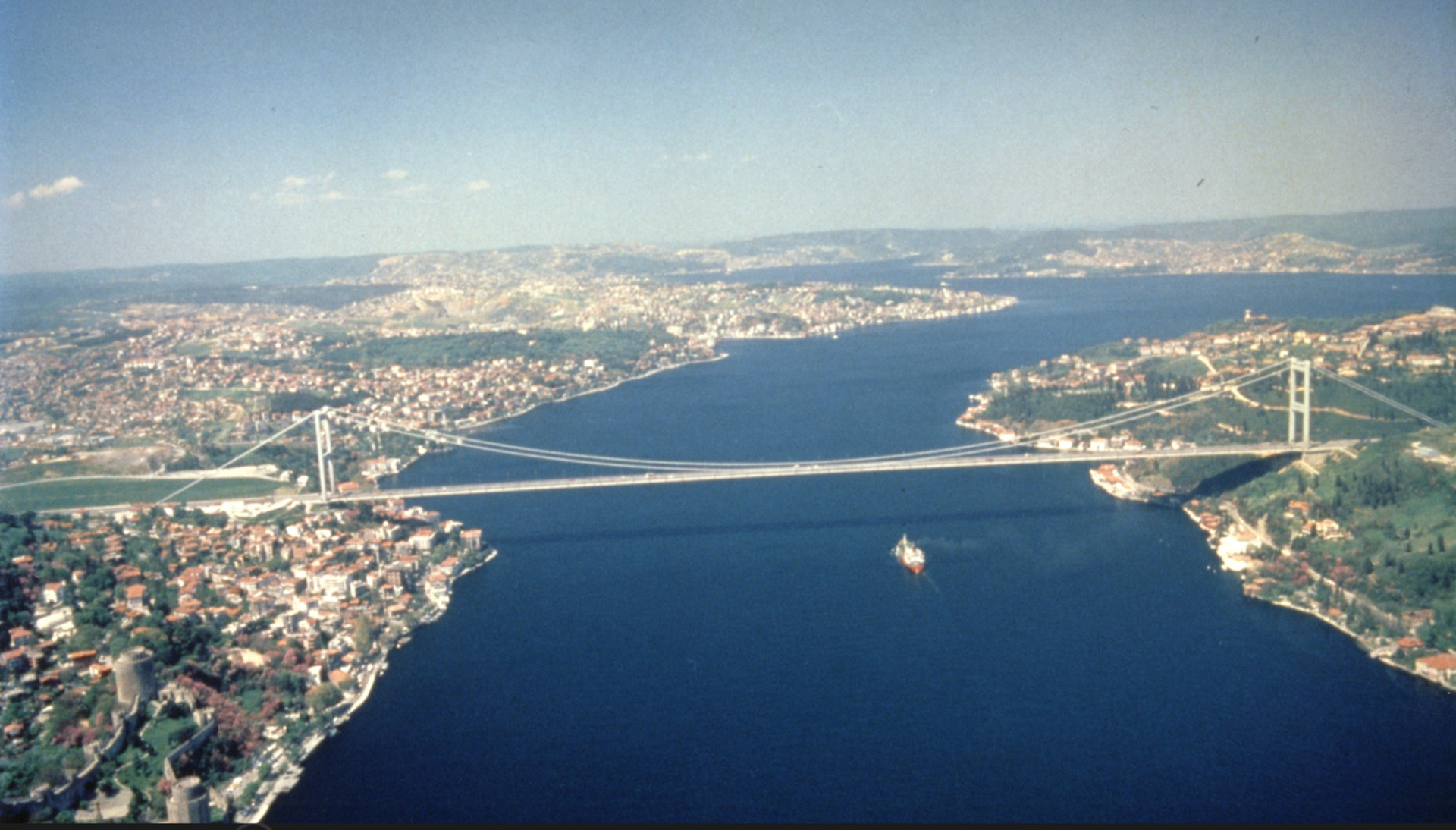
2 – Second Bridge over the Bosphorus
The Second Bosphorus Bridge in Turkey is one of the clearest examples of the meeting point between engineering and urban landscape.
Built to connect the European and Asian sides of Istanbul, the bridge stretches for more than 1.5 kilometers across the Bosphorus Strait, one of the busiest and most symbolic maritime passages in the world.
Inaugurated in 1988, the transportation infrastructure has helped ease urban congestion and strengthen the connection between two continents, becoming an iconic element of the city’s skyline. Constructed by Webuild, the project stands among the major works that have reshaped urban mobility on a global scale.
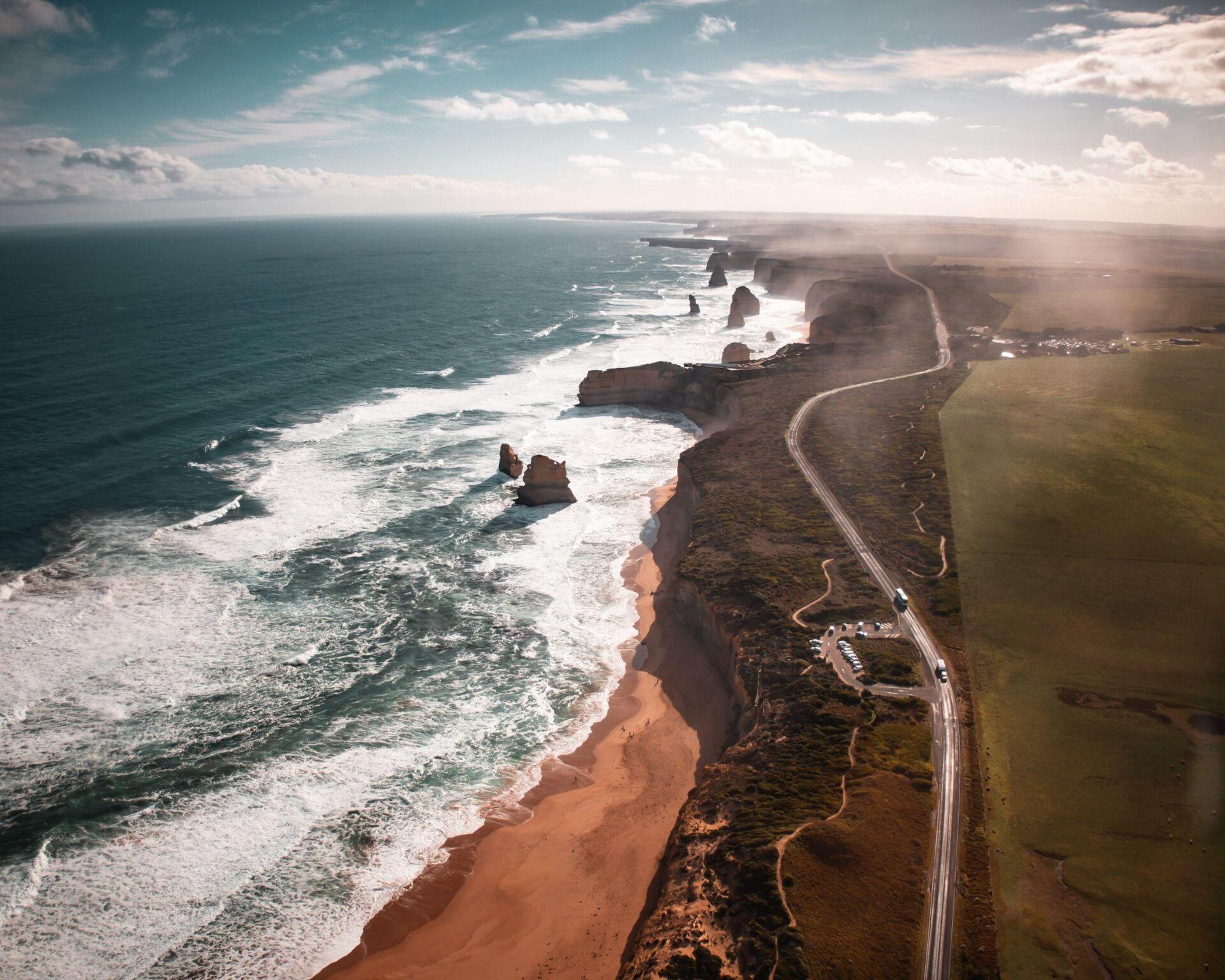
3 – Great Ocean Road
The Great Ocean Road in Australia is one of the world’s most iconic scenic drives, where the transport system becomes an integral part of the natural landscape.
Extending over 240 kilometers along the southeastern coast of Victoria, it winds past dramatic ocean cliffs, wild beaches, and rock formations such as the famous Twelve Apostles.
Built between 1919 and 1932, partly as a memorial to soldiers of the First World War, the infrastructure is now not just a roadway but a road trip that attracts millions of visitors each year, turning mobility into a form of landscape spectacle.
4 – Atlantic Ocean Road
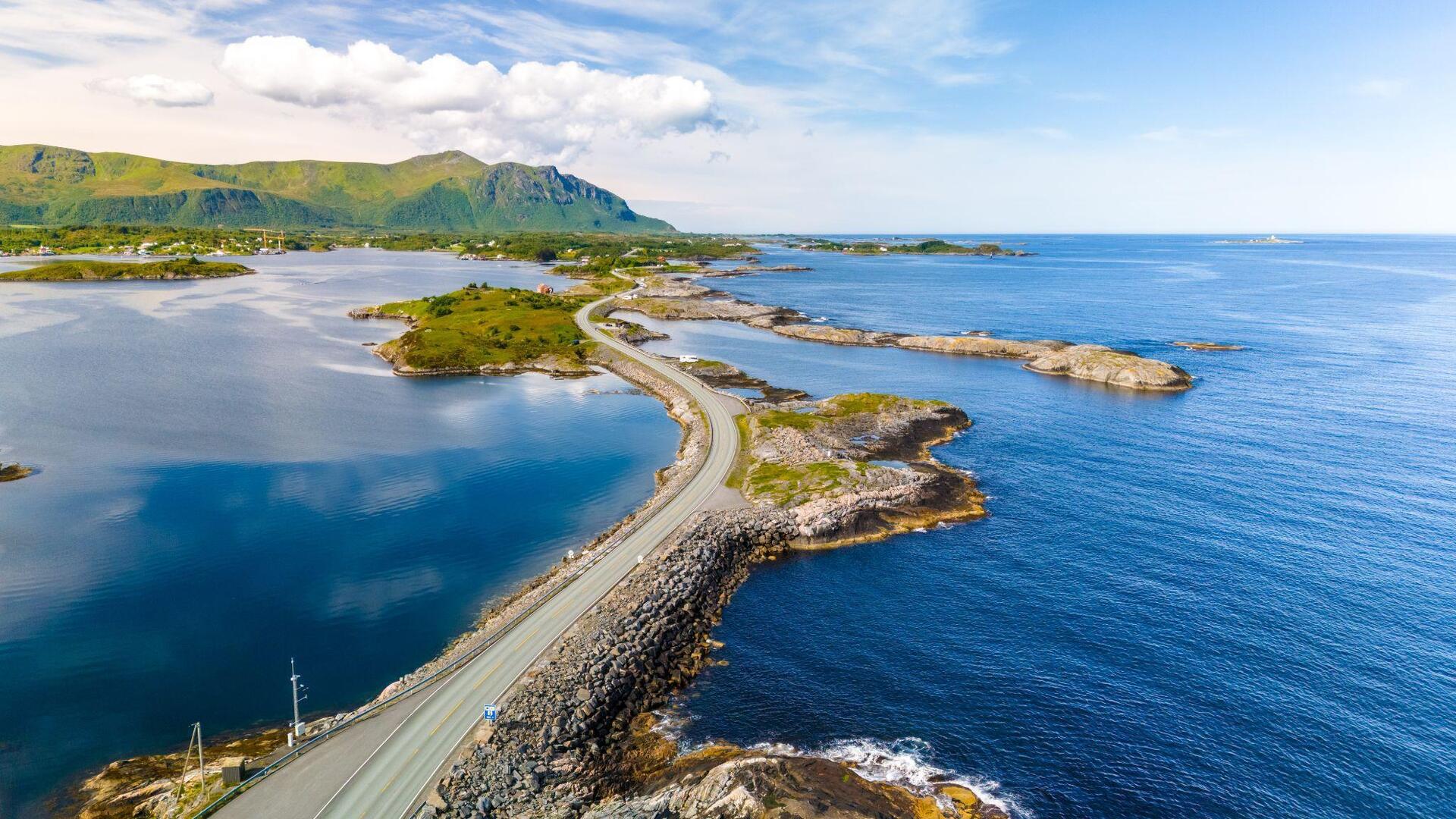
The Atlantic Ocean Road in Norway is one of the most spectacular road stretches in the world, where transport infrastructure blends seamlessly with the raw power of the natural landscape.
About 8 kilometers long, it consists of a series of bridges connecting small islands along the Atlantic coast, weaving through open sea, rugged cliffs, and often extreme weather conditions.
Opened in 1989, it has become an icon of Nordic road design, transforming a functional connection into an immersive travel experience, where the coastal road seems to float between water and sky.
5 – Corniche d’Or
The Corniche d’Or, along the French Riviera, is one of those routes where the journey becomes a continuous visual experience.
Between Fréjus and Mandelieu-la-Napoule, the road winds at the foot of the Estérel Massif, following a landscape defined by the striking contrast between red volcanic rocks and the deep blue of the Mediterranean.
Built in the early 20th century to enhance and make this stretch of coastline accessible, the infrastructure is now considered one of the most scenic drives in France, where winding curves, sudden viewpoints, and sweeping sea vistas turn driving into a true natural spectacle.