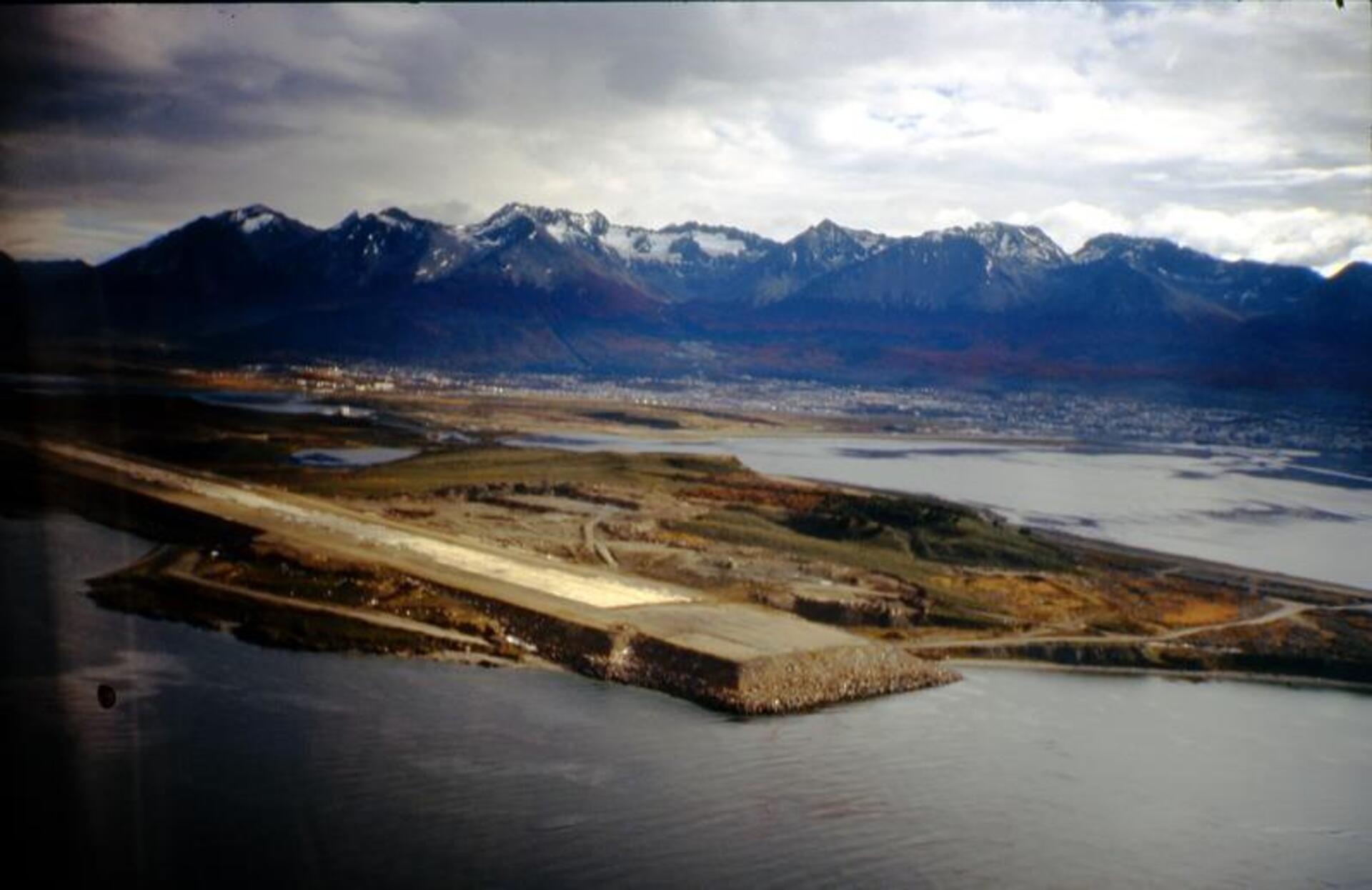


Some infrastructure projects arise in circumstances that are anything but ordinary, where the environment itself becomes the primary design challenge. Extreme weather conditions, remote geography or isolation demand civil engineering solutions on an unprecedented scale, capable of adapting to prohibitive temperatures, unstable ground, high altitudes or natural settings that are difficult to access.
In these places, building means first and foremost understanding and engaging with the environment, transforming seemingly insurmountable limitations into opportunities for innovation. The result is infrastructure that not only provides essential connections and services, but redefines what engineering can achieve.
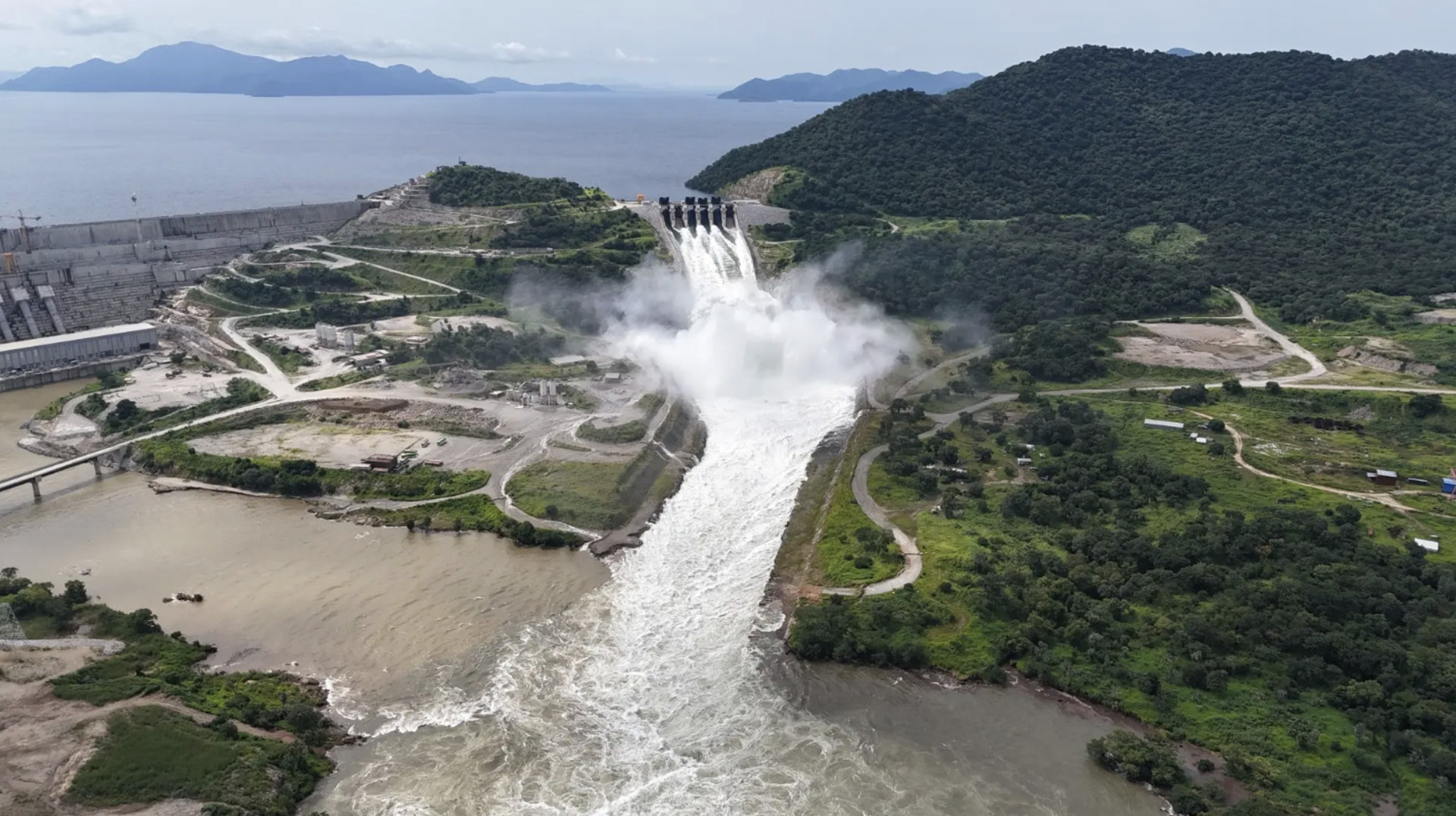
1 – GERD (Grand Ethiopian Renaissance Dam), Ethiopia
The Grand Ethiopian Renaissance Dam (GERD), built by the Webuild Group along the Blue Nile, is one of the clearest examples of infrastructure created in an extreme environment, where scale, geography and natural conditions converge into an unprecedented civil engineering challenge.
Located in a remote area of Ethiopia, far from major urban centres, the project required managing a river marked by powerful seasonal flows while developing a complex system in a difficult-to-access territory.
With a 170-meter-high and 1,800-meter-long main dam, and an installed capacity of 5,150 MW, the Grand Ethiopian Renaissance Dam is now the largest hydropower project in Africa, designed to double Ethiopia’s energy production and transform it into a regional energy hub.
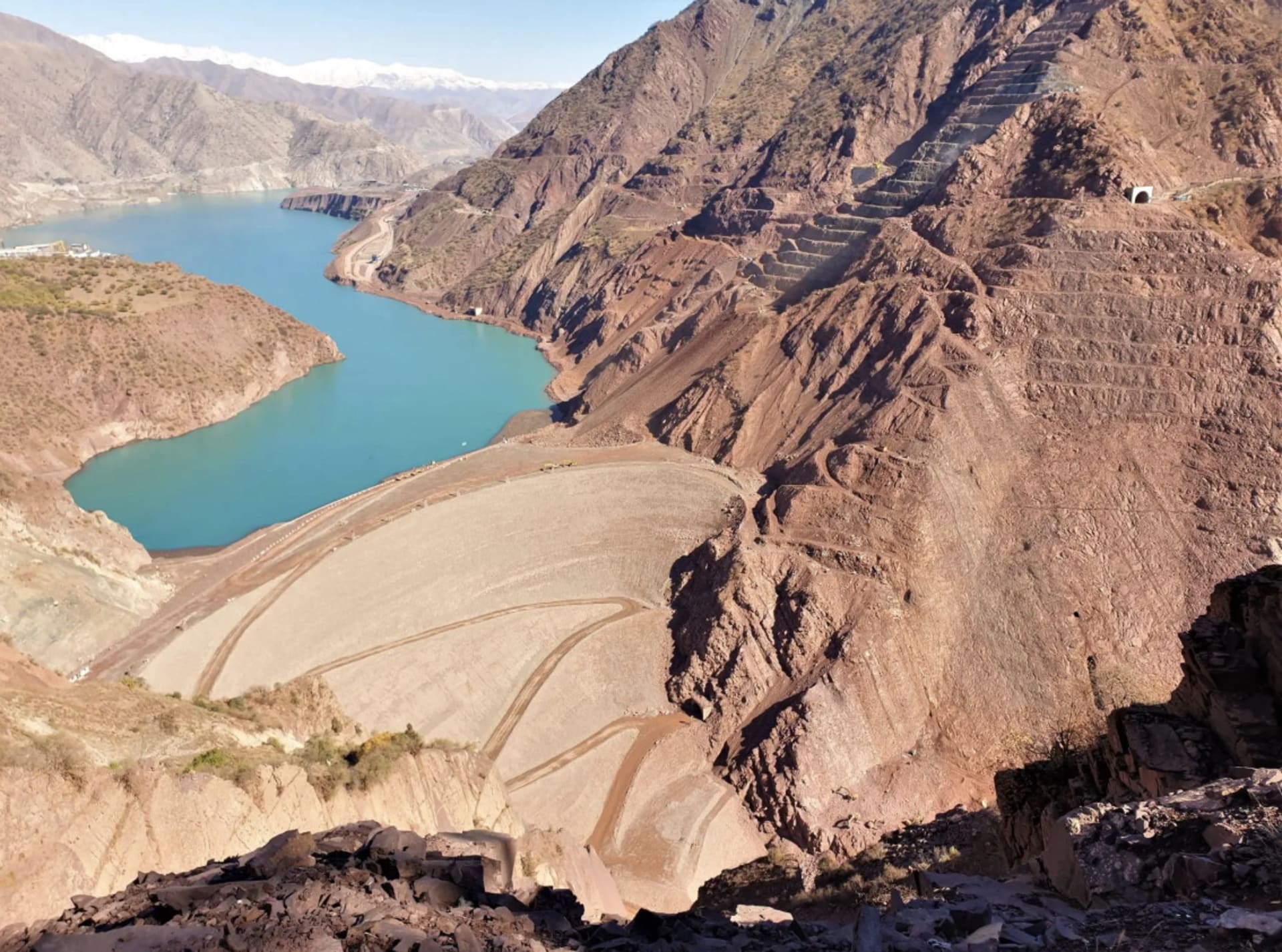
2 – Rogun Hydropower Project, Tajikistan
The Rogun Dam in Tajikistan is another iconic example of infrastructure built under extreme conditions. Rising in the Pamir Mountains, where altitude, harsh weather and isolation make every construction phase highly complex, the hydropower project is being developed by the Webuild Group on the Vakhsh River.
Once completed, at 335 meters high, the Rogun Dam will become the tallest dam in the world, transforming a challenging landscape into a strategic energy resource for the country.
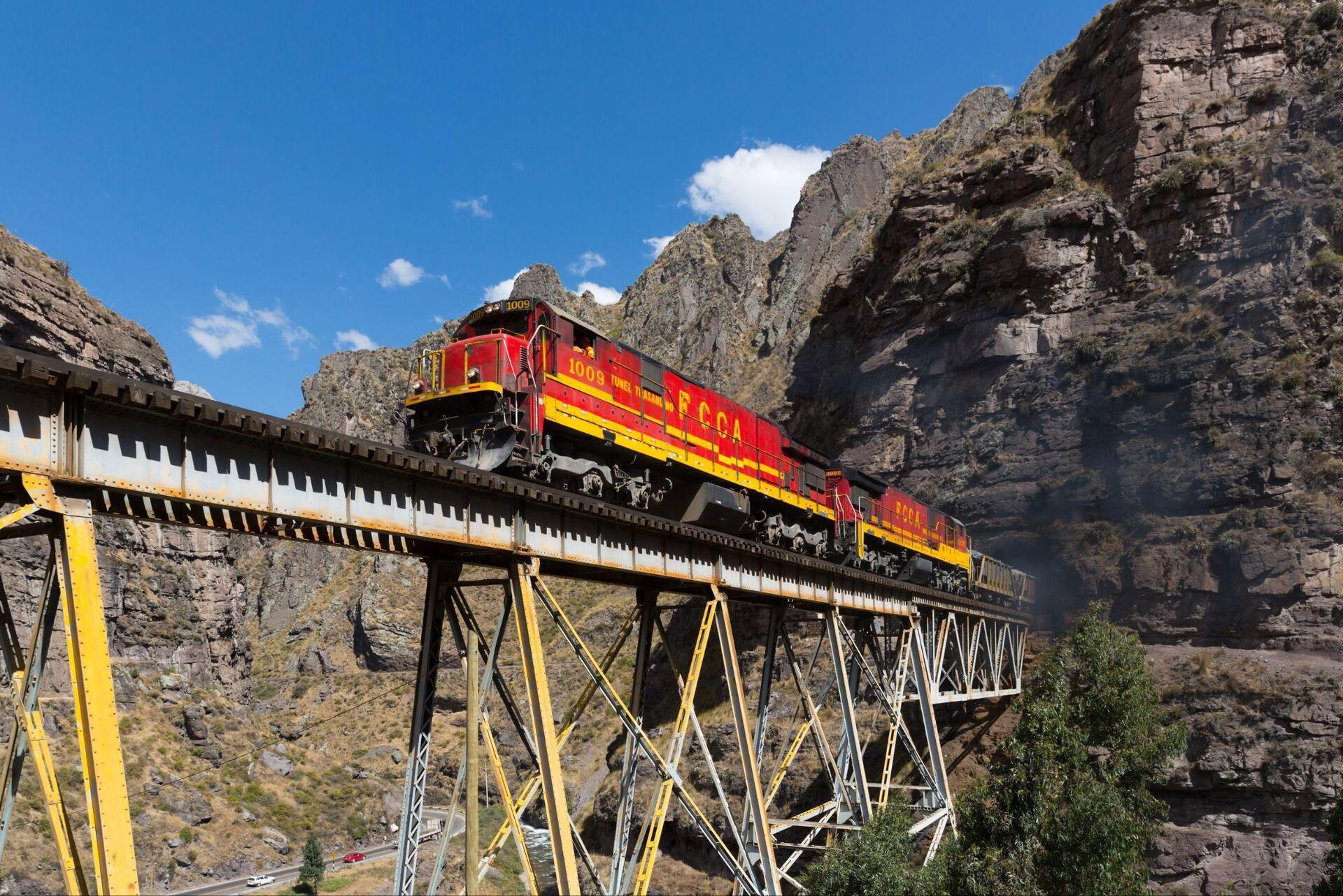
3 – Central Andes Railway, Andean Mountain Range, Peru
The Central Andes Railway in Peru is one of the world’s most extreme railway infrastructures, crossing the Andes at altitudes above 4,800 meters.
Built in the late nineteenth century to connect Lima with inland mining regions, the line winds through tunnels, suspended bridges and steep mountain slopes carved directly into the rock.
Even today, it remains both a strategic transport connection and a remarkable example of civil engineering overcoming one of the planet’s most hostile environments.
4 – Karakoram Highway, Pakistan-China
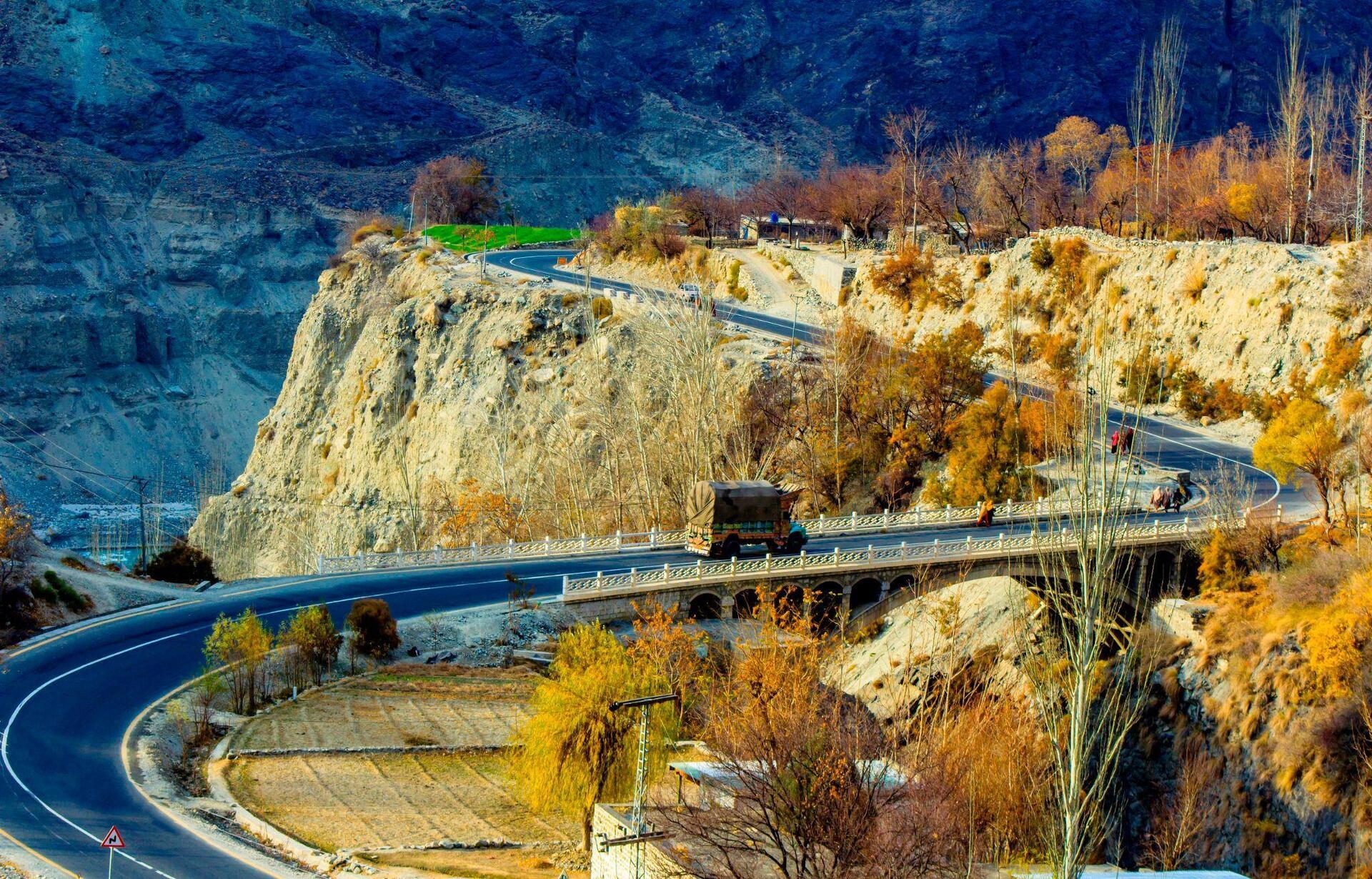
The Karakoram Highway is one of the most extreme roads ever built, linking Pakistan and China through some of the highest mountain ranges in the world.
Stretching over 1,300 kilometers, it crosses the Himalayas, Karakoram and Pamir mountain ranges, reaching elevations above 4,700 meters at the Khunjerab Pass, one of the highest paved border crossings on Earth.
Built over nearly twenty years in prohibitive conditions marked by landslides, avalanches and moving glaciers, the highway still requires constant maintenance today.
5 – Ushuaia International Airport, Tierra del Fuego, Argentina
The construction of Ushuaia International Airport presented major challenges due to its extreme location near the 55th parallel south, in Argentina’s Tierra del Fuego, often referred to as “the End of the World.”
The area is characterized by an unstable microclimate, extreme weather conditions and sudden climate changes. Strong winds, low temperatures and frequent snowfall complicated both construction works and engineering choices, requiring infrastructure capable of guaranteeing continuous operations.
Despite the environmental and logistical complexities, the Ushuaia airport was completed by the Webuild Group according to high safety standards and today stands as an example of infrastructure built in extreme natural conditions.