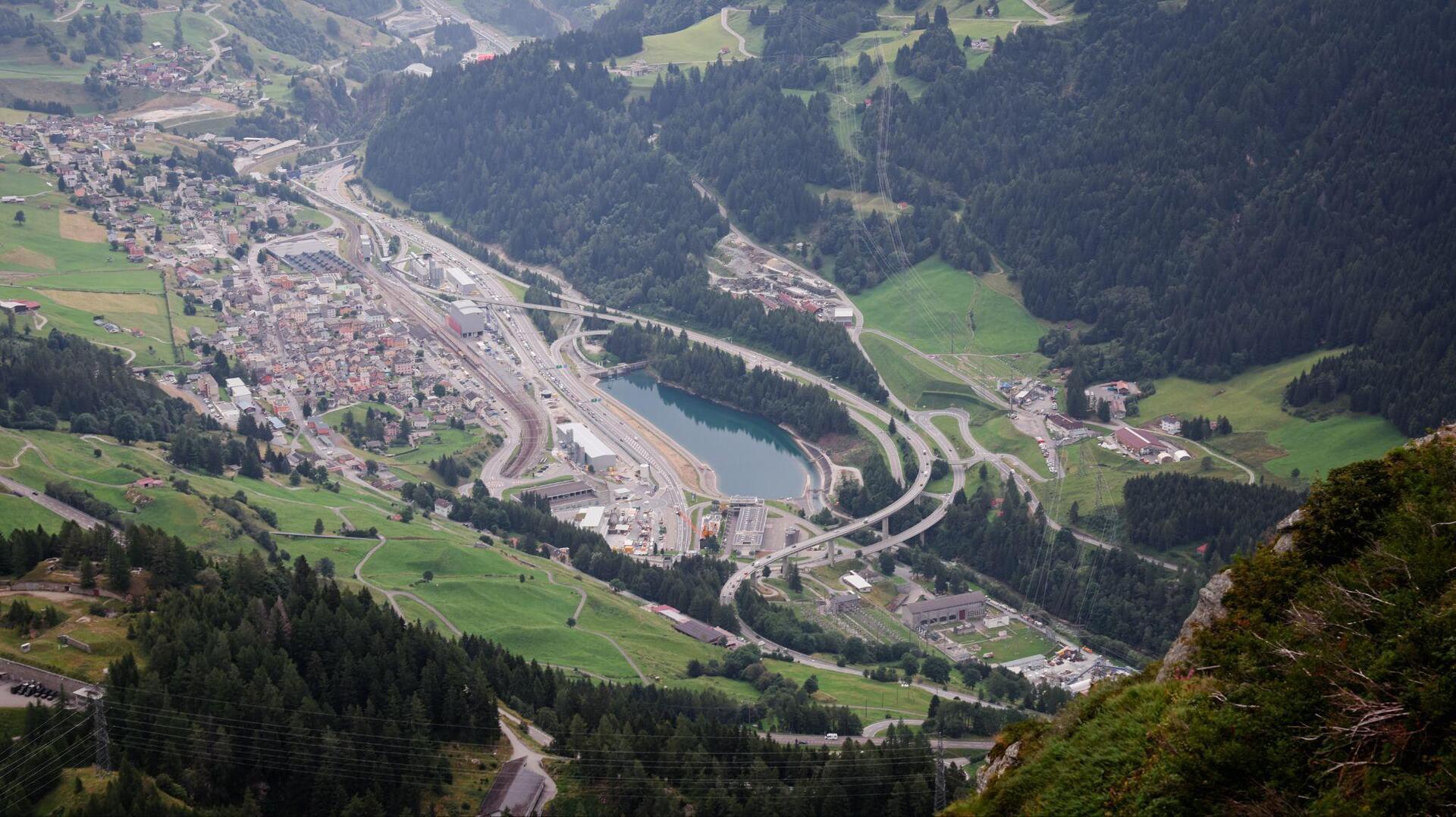


There are places that geography seems determined to keep apart: towering mountains, deep valleys, open seas and remote territories where every journey becomes a challenge. Yet it is precisely where nature sets its toughest obstacles that infrastructure can redefine the possibilities of connection.
Bridges suspended high above the ground, tunnels stretching for kilometres beneath mountains, roads winding along steep slopes: these are the engineering feats that turn difficult distances into accessible routes, bringing cities, people and economies closer together.
1 – Fréjus Tunnel, Bardonecchia-Modane
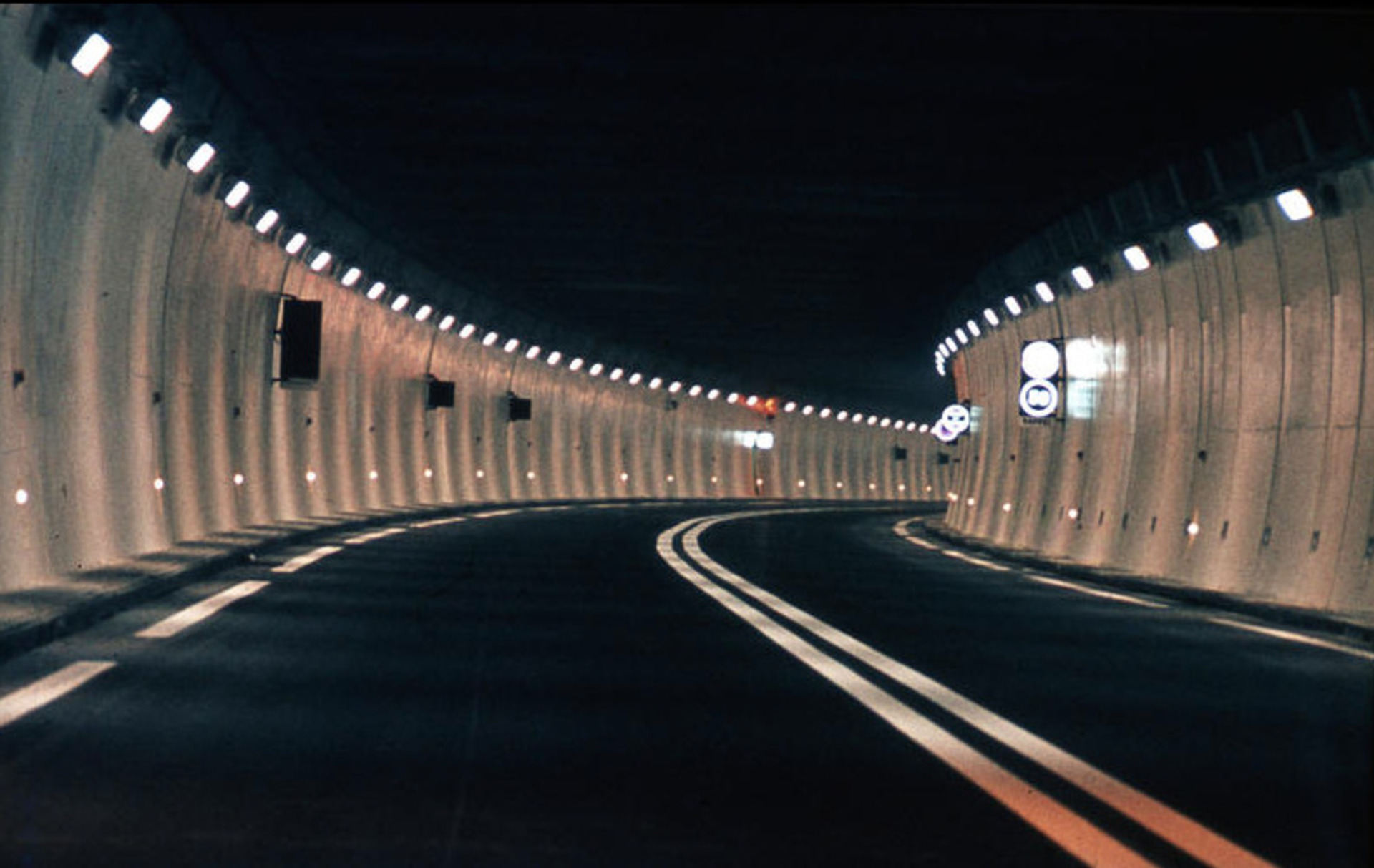
Between Italy and France, the Alps seem like a formidable natural barrier. Yet since 1980, driving through them has taken just over ten minutes, thanks to the Frejus Road Tunnel, a nearly 13-kilometre-long tunnel connecting Bardonecchia, in Piedmont, with Modane, in France.
Built between 1975 and 1980 by Cogefar, a company that later became part of the Webuild Group, the tunnel marked a major step forward in transalpine connections, making journeys for both people and goods faster while easing pressure on the railway network. Its construction required around 250 workers a day, 250,000 cubic metres of concrete and 5,000 tonnes of steel.
But the Fréjus Tunnel was also a testing ground for innovation: the drilling techniques and the solutions developed to organise the construction site and ensure safety helped set new standards for future projects.
2 – Brenner Tunnel, Fortezza-Innsbruck
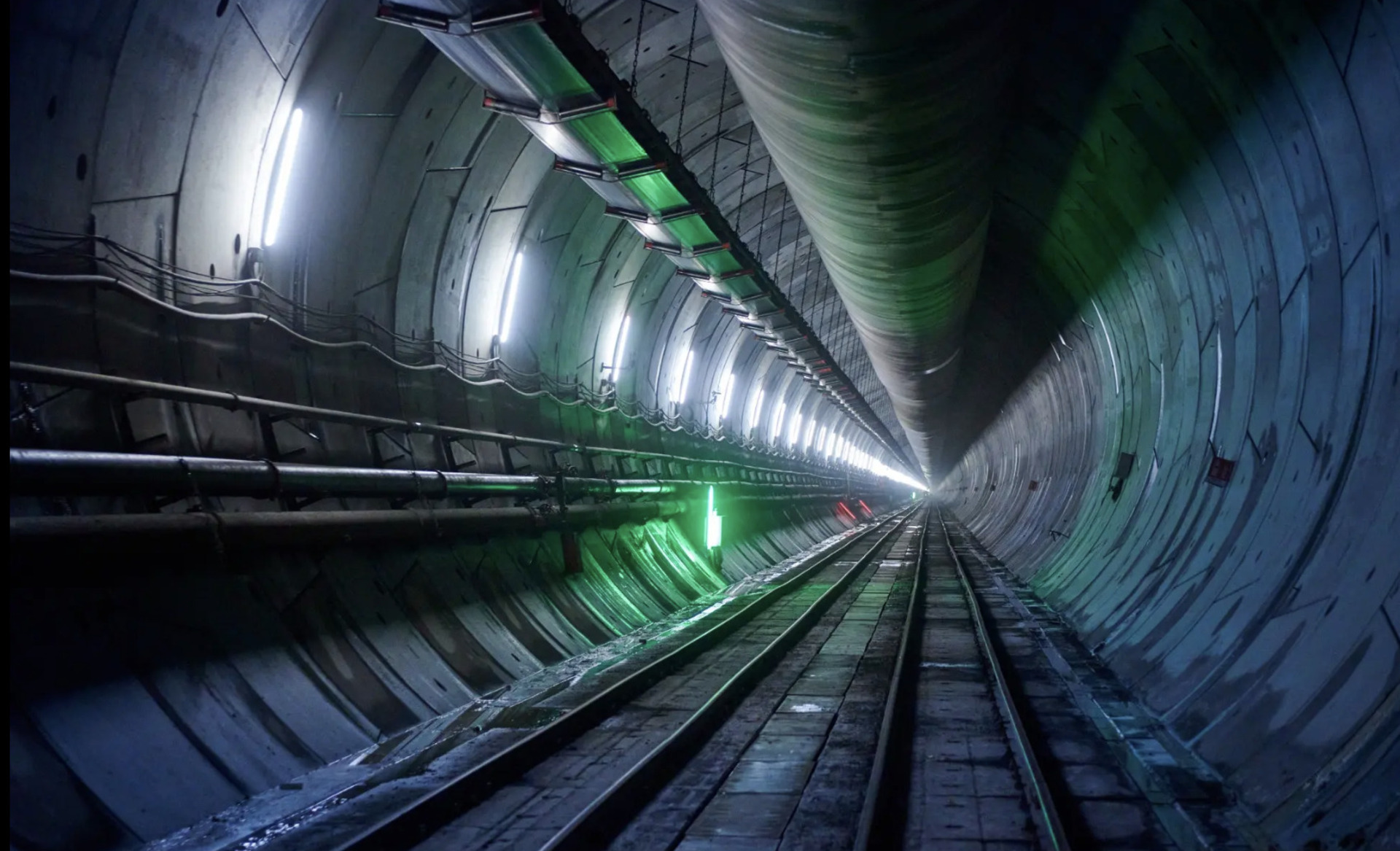
Beneath the Alps, Italy and Austria are moving closer thanks to a project set to transform European rail connections. The Brenner Base Tunnel, beneath the Brenner Pass, will stretch for 64 kilometres, including the Innsbruck bypass, making it the longest railway tunnel in the world.
The Brenner Tunnel will cut travel time between Fortezza and Innsbruck from around 80 to just 25 minutes, overcoming the natural barrier of the Alps and making connections between Northern and Southern Europe more efficient.
Webuild is involved in the construction of more than 50 kilometres of tunnels across four sections. A project that turns one of Europe’s greatest geographical challenges into a new route for connection.
3 – Channel Tunnel and Eurostar Trains, London to Paris
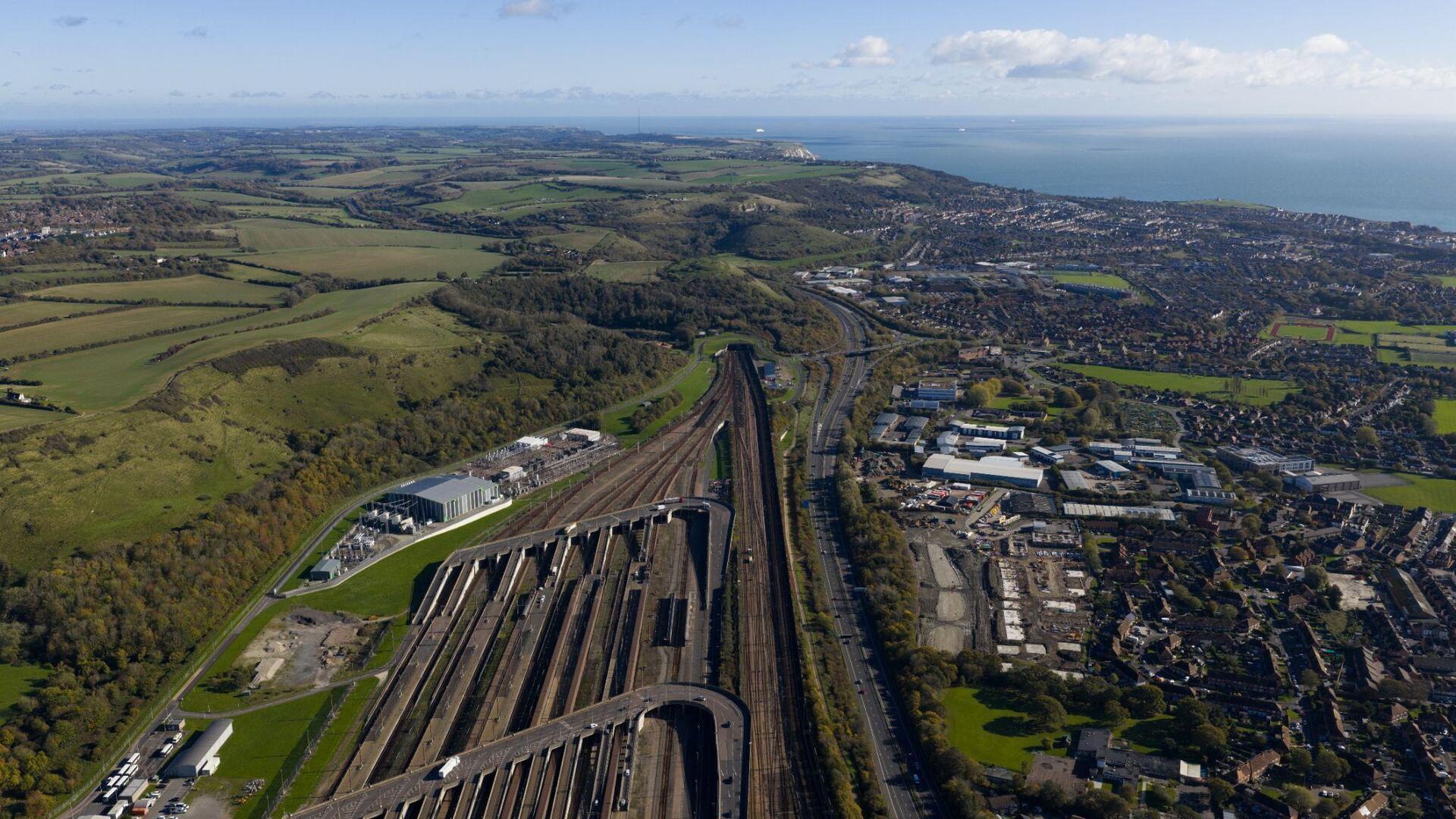
For decades, crossing the English Channel meant relying on ferries and sea connections. Since 1994, the Channel Tunnel — also known as Eurotunnel — has radically changed the way people travel between the United Kingdom and mainland Europe. Stretching for more than 50 kilometres, with almost 38 kilometres running beneath the seabed, it connects Folkestone in England with Coquelles, near Calais, in France.
It consists of two railway tunnels and a service tunnel, allowing passengers to cross the Channel without depending on sea conditions. Thanks to this infrastructure, Eurostar high-speed trains now connect London to Paris in just 2 hours and 16 minutes, reaching speeds of up to 300 km/h on high-speed lines and up to 160 km/h through the tunnel.
Since 1994, Eurostar has carried a total of 400 million passengers, a figure that shows just how much this connection has brought two capitals, historically separated by the sea, closer together.
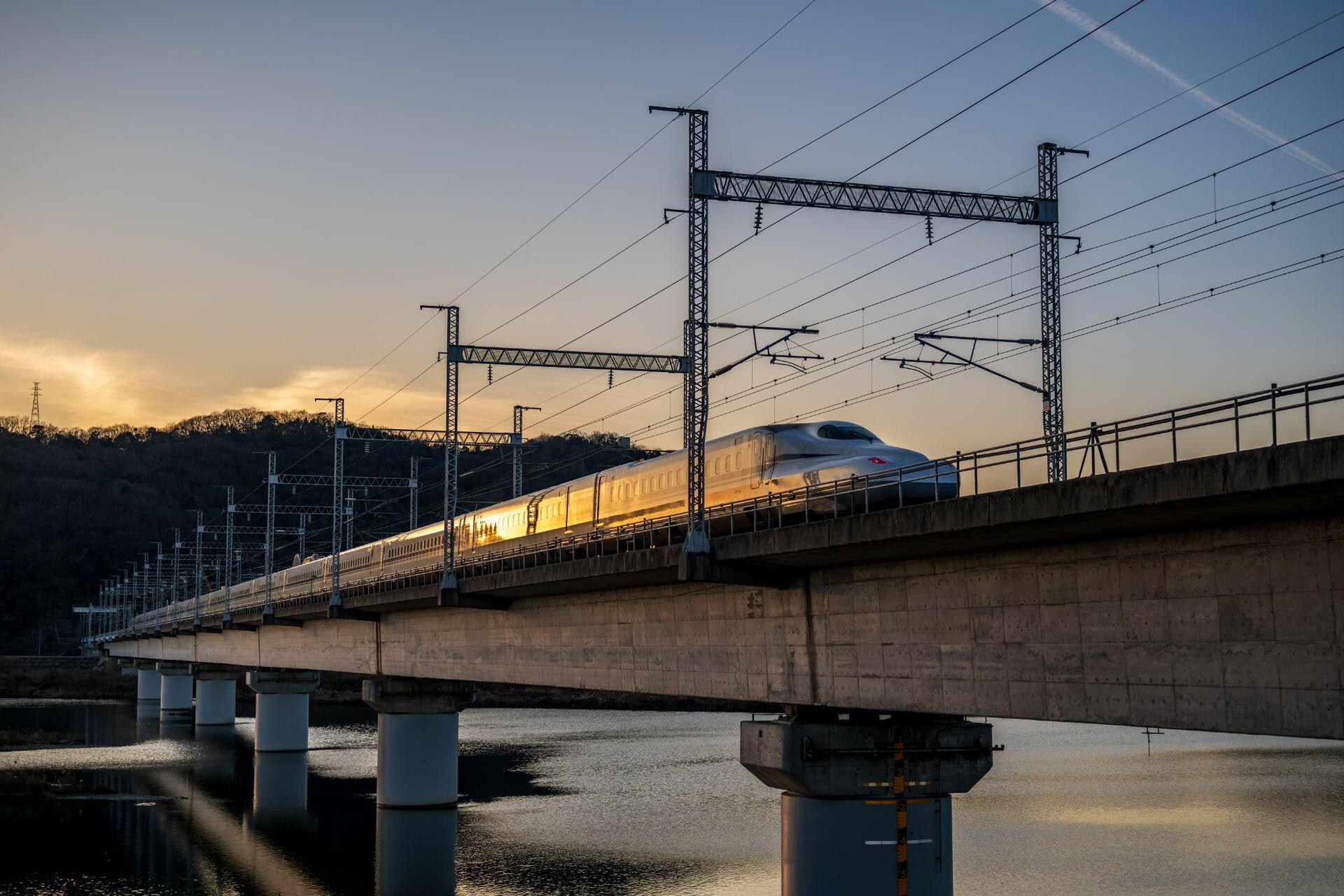
4 – Hokuriku Shinkansen (Bullet Train), Tokyo to Kanazawa
For many years, travelling from Tokyo to Kanazawa meant a journey of almost four hours. Since 2015, the Hokuriku Shinkansen — one of Japan’s bullet trains — has changed that, connecting the Japanese capital with the city overlooking the Sea of Japan in around two and a half hours.
The line crosses mountainous landscapes and remote areas of Honshu Island, using a network of viaducts and tunnels that allows trains to overcome natural obstacles without taking longer routes. Trains reach speeds of up to 260 km/h, turning a journey of several hundred kilometres into an easy option for both day trips and business travel.
The opening of the high-speed rail line from Tokyo to Kanazawa has made a region rich in history, craftsmanship and tradition more accessible, bringing it closer to Japan’s major tourism and economic hubs.
5 – Gotthard Tunnel, Swiss Alps
At the heart of the Swiss Alps, crossing a mountain means tunnelling for dozens of kilometres beneath its surface. Opened in 2016, the Gotthard Base Tunnel is approximately 57 kilometres long, and is currently the longest railway tunnel in the world.
Its almost level route allows trains to pass through the Alpine massif without having to tackle the steep gradients of the old mountain railway, reducing travel times from Zurich to Milan while making freight transport more efficient.
Webuild also contributed to the Gotthard Tunnel project, constructing the Bodio and Faido sections, covering a total of around 30 kilometres. An engineering achievement that has turned one of Europe’s most imposing natural barriers into a strategic connection between the north and south of the continent.