


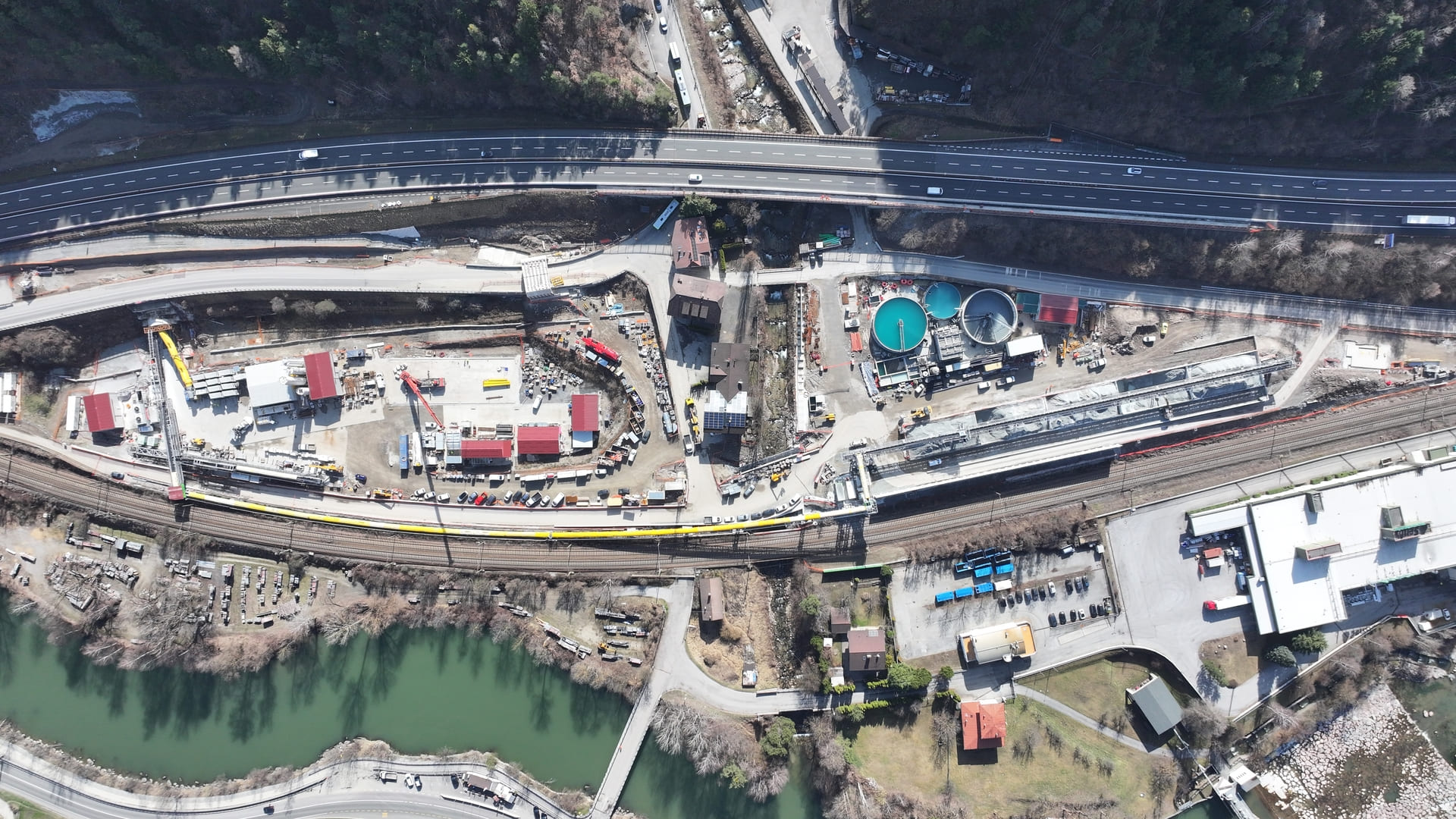
 Brenner Base Tunnel construction site
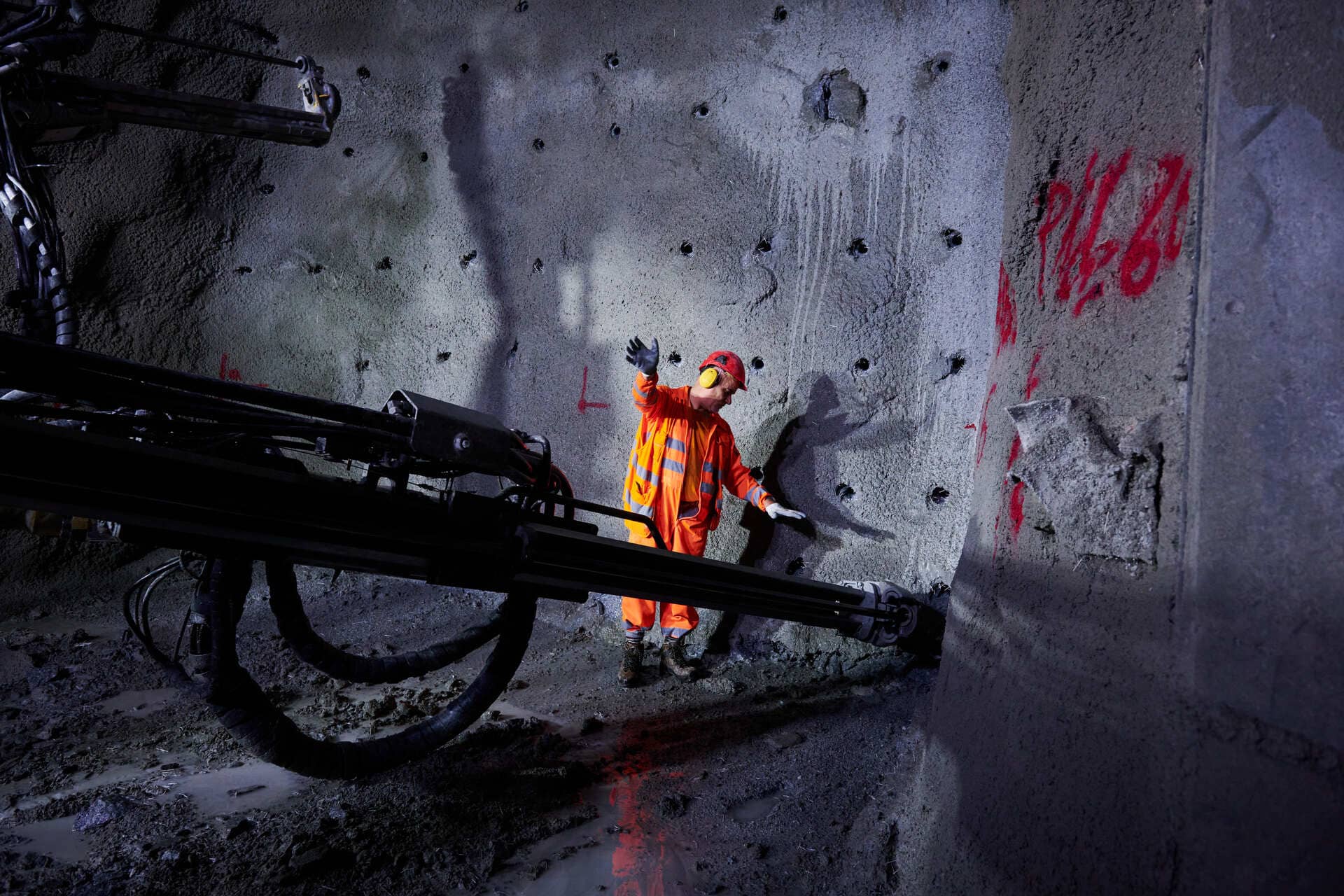 Brenner Base Tunnel construction site
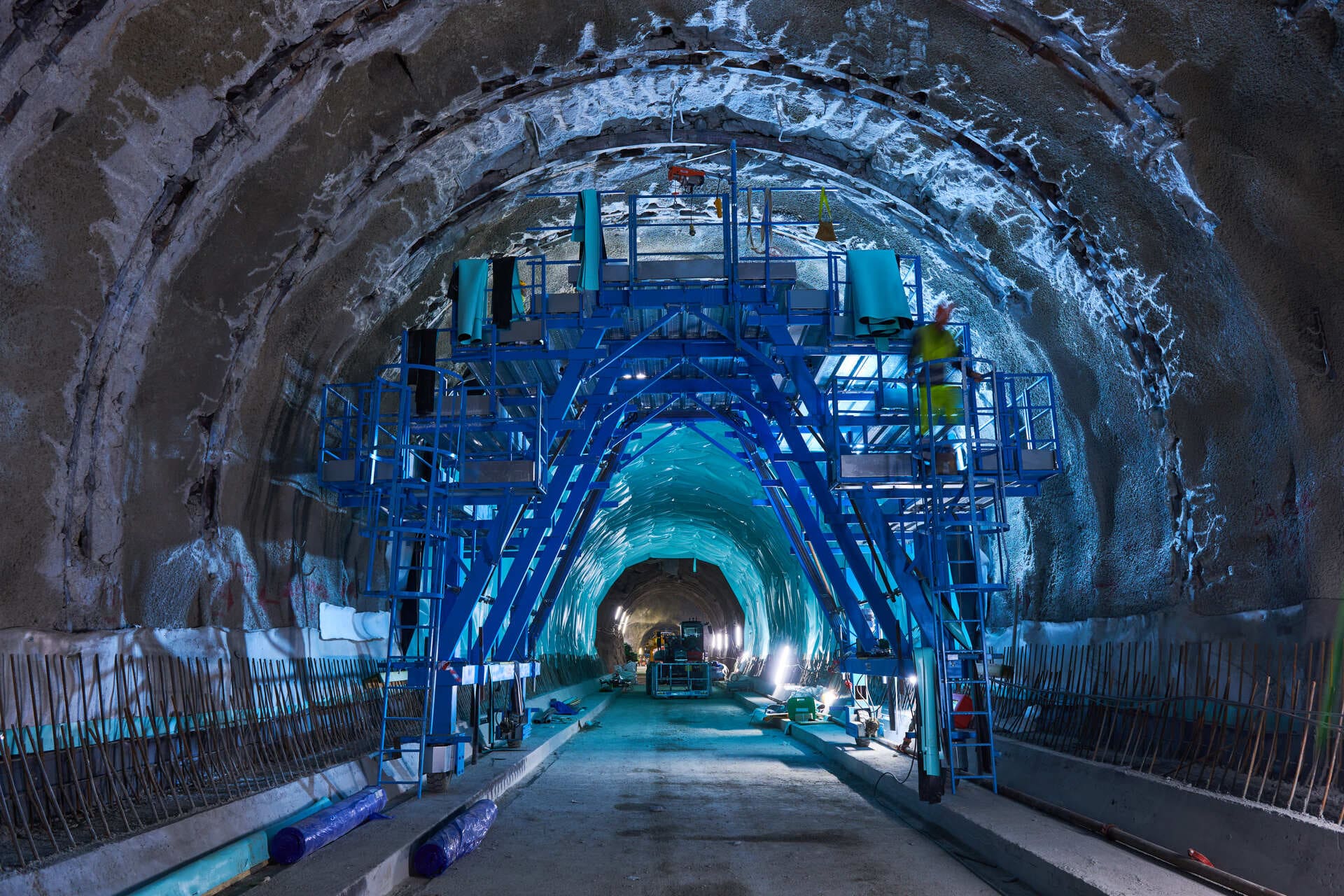 Brenner Base Tunnel construction site
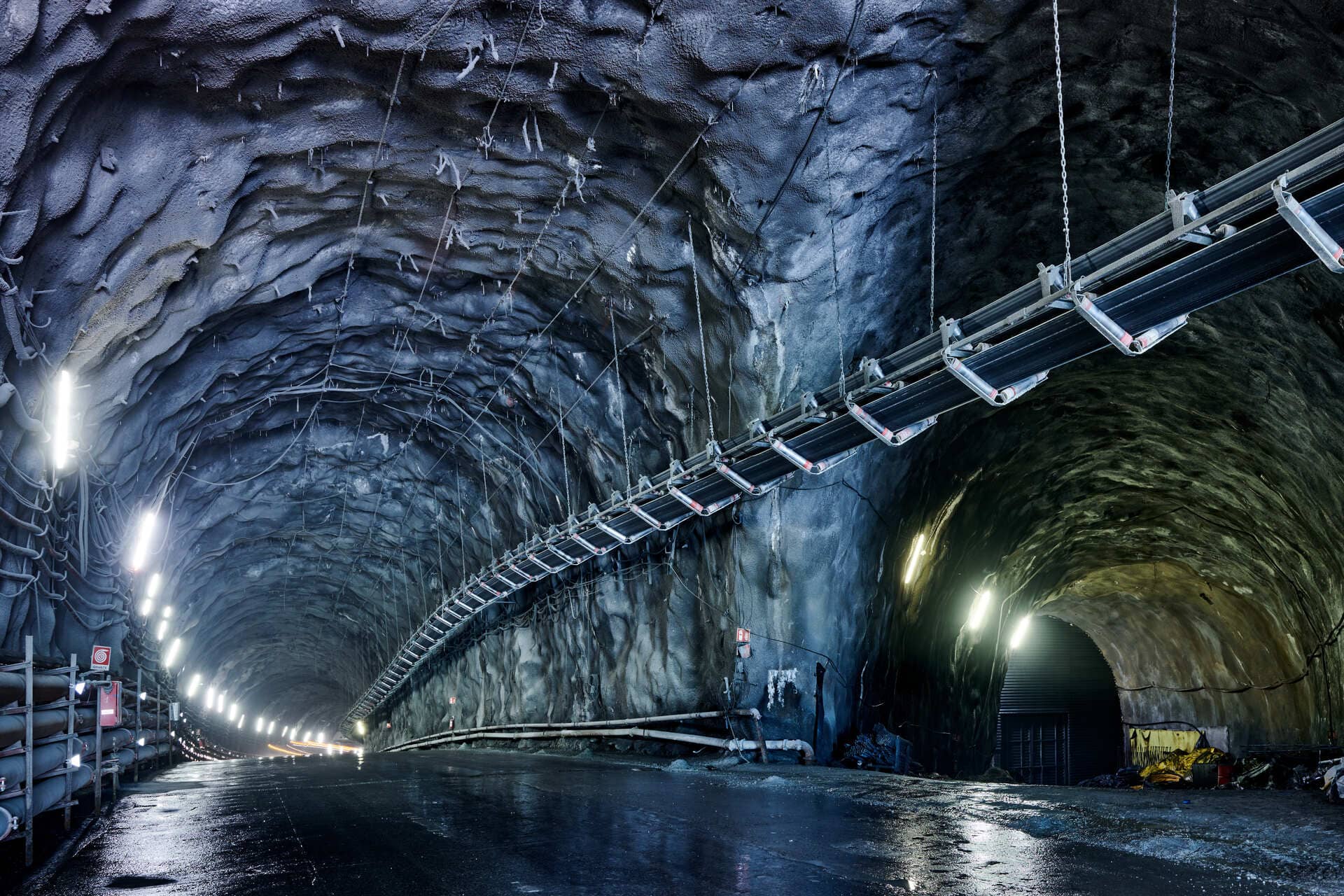 Brenner Base Tunnel construction site
 Brenner Base Tunnel construction site
 Brenner Base Tunnel construction site
 Brenner Base Tunnel construction site
 Breakthrough of the West Running Tunnel, Brenner construction site
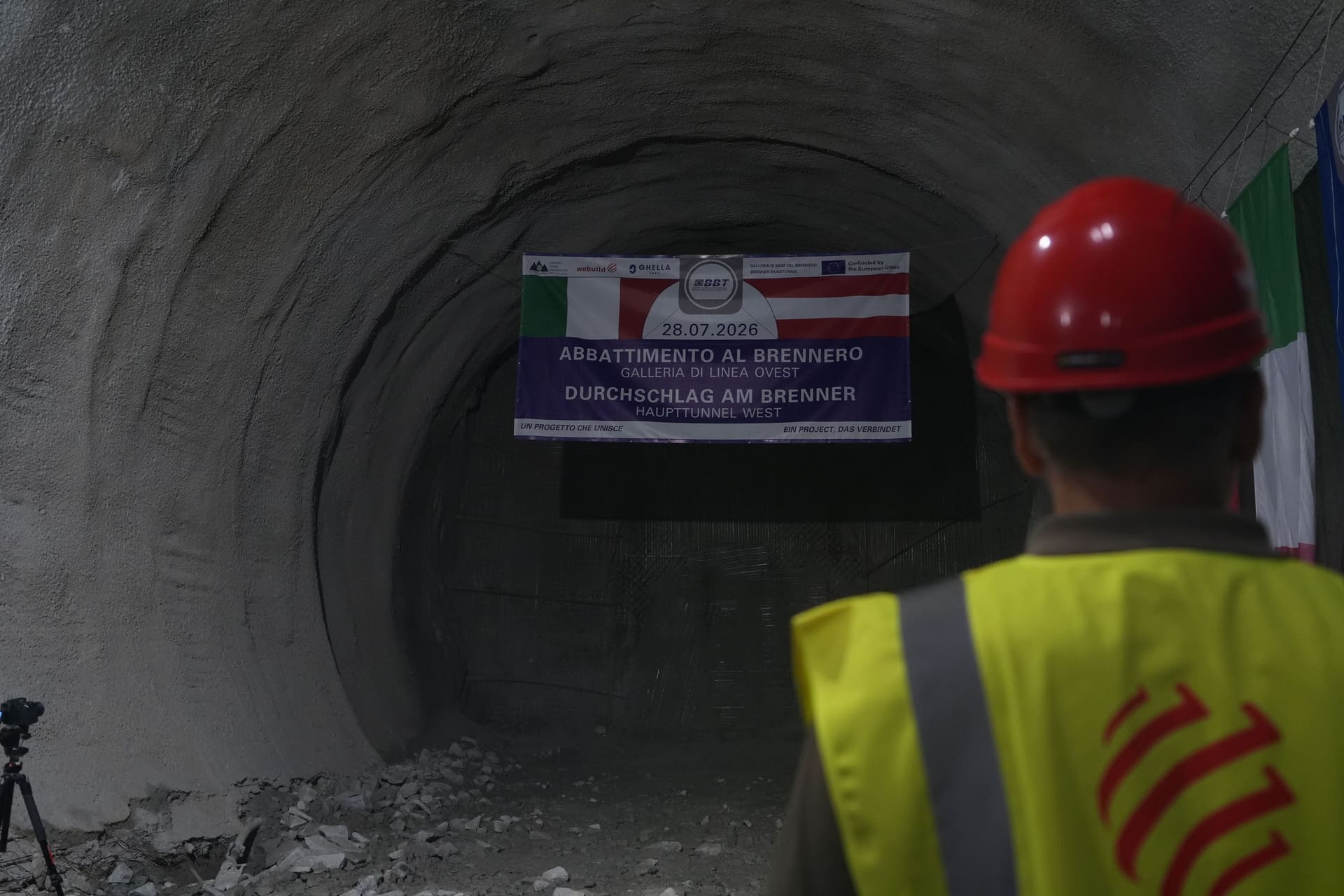 Breakthrough of the West Running Tunnel, Brenner construction site
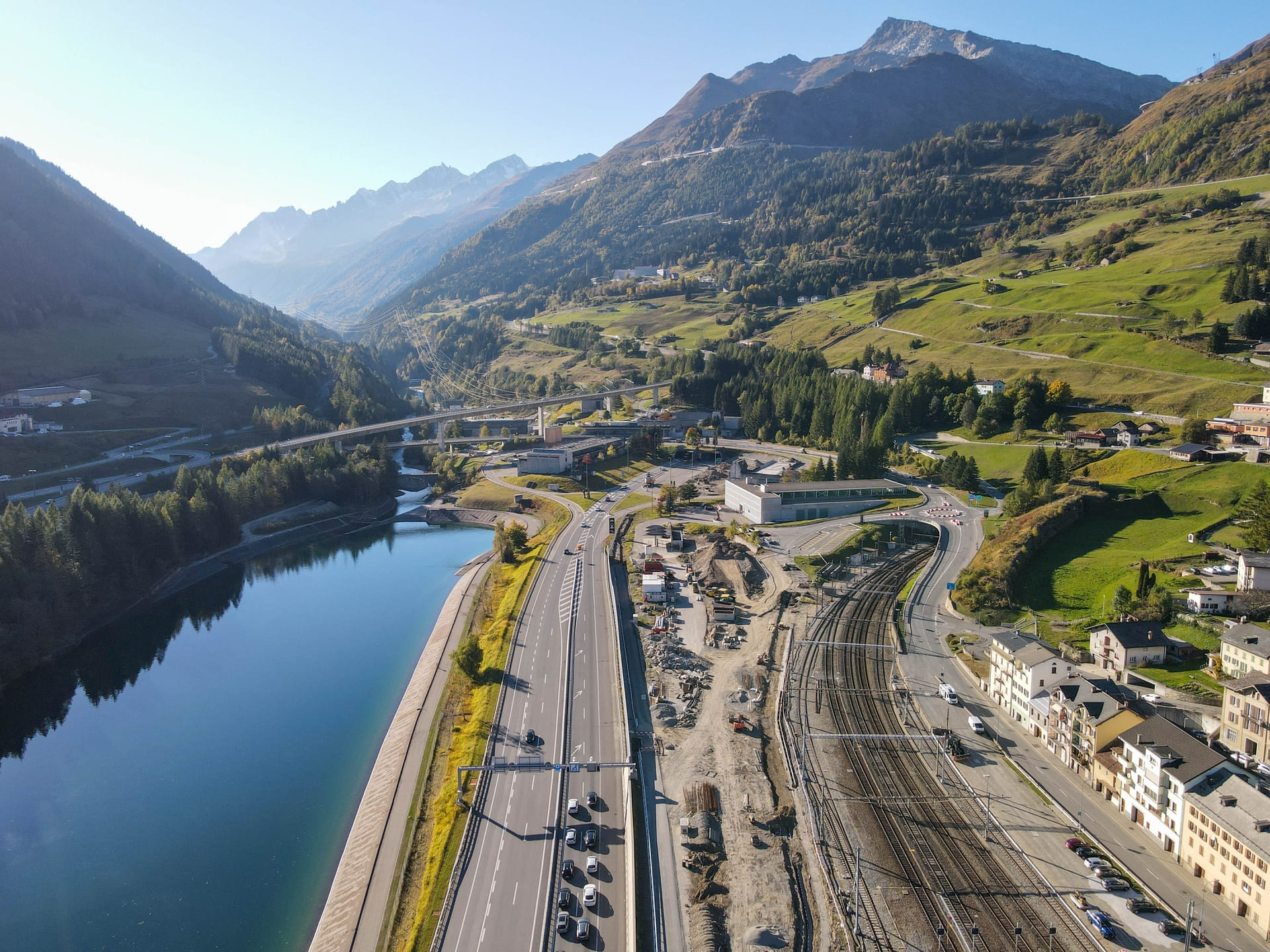 Gotthard entrance from Airolo, Swiss Alps
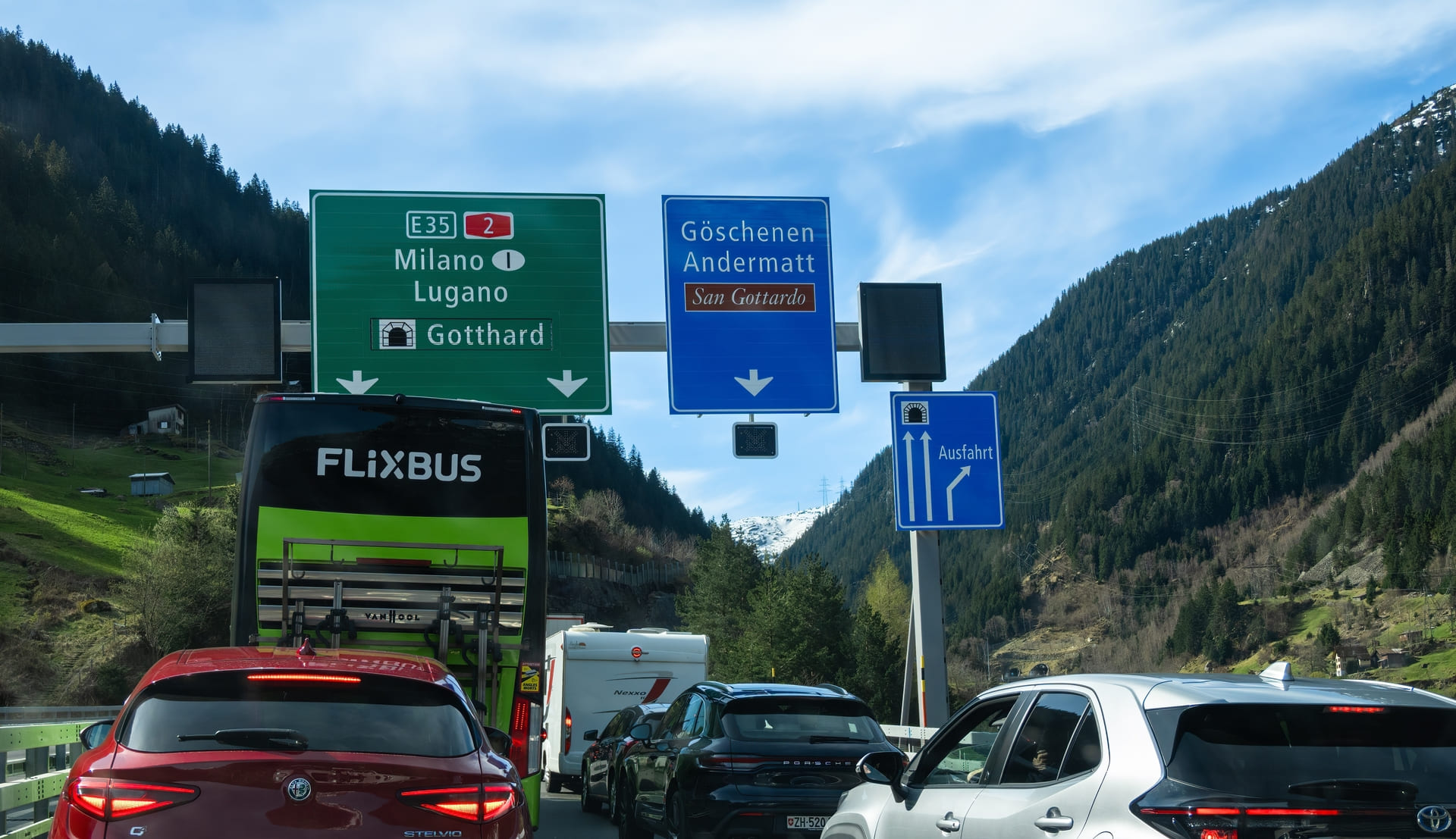 Traffic in front of the Gotthard motorway tunnel
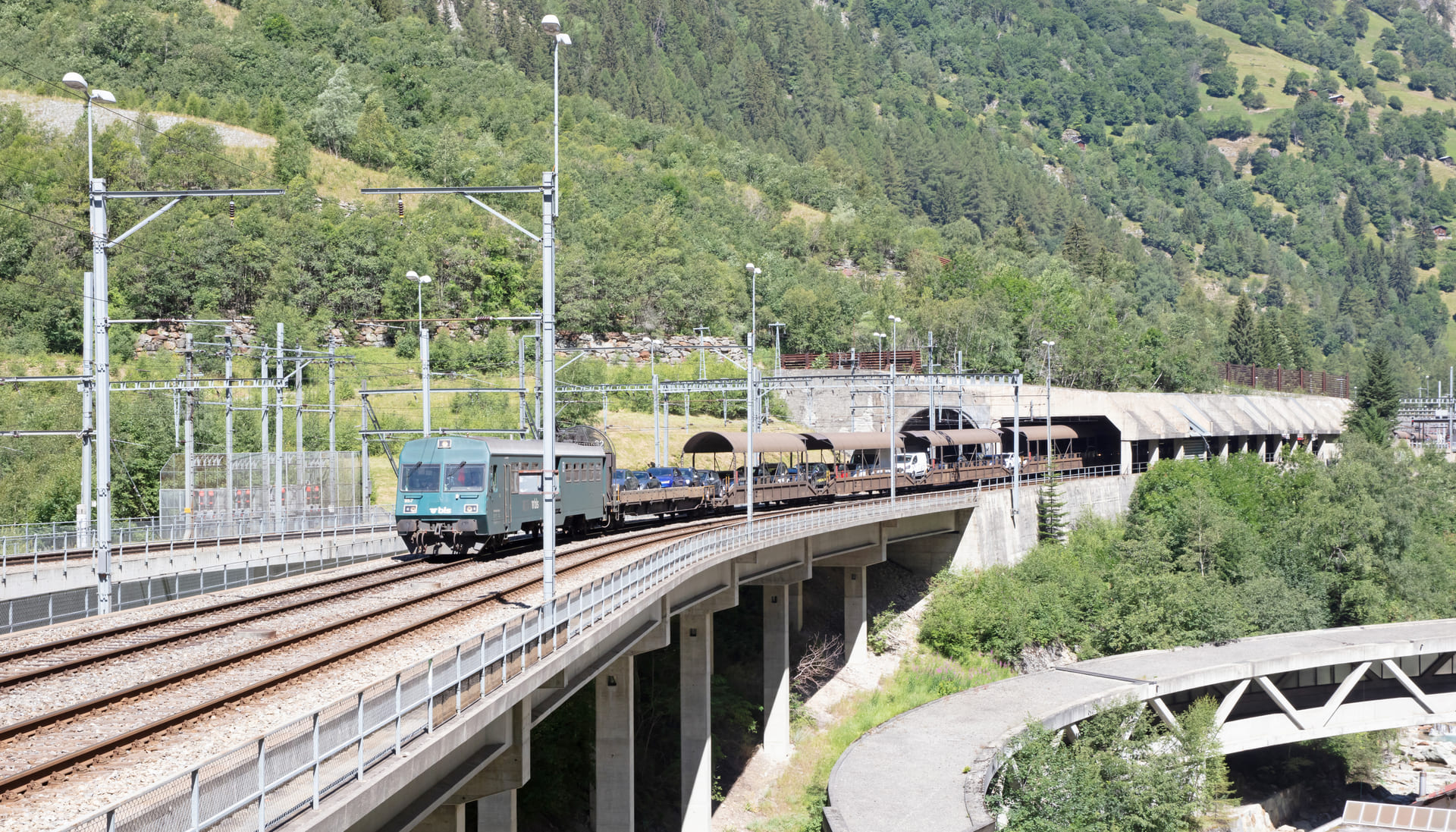 Car train arriving at Lötschberg
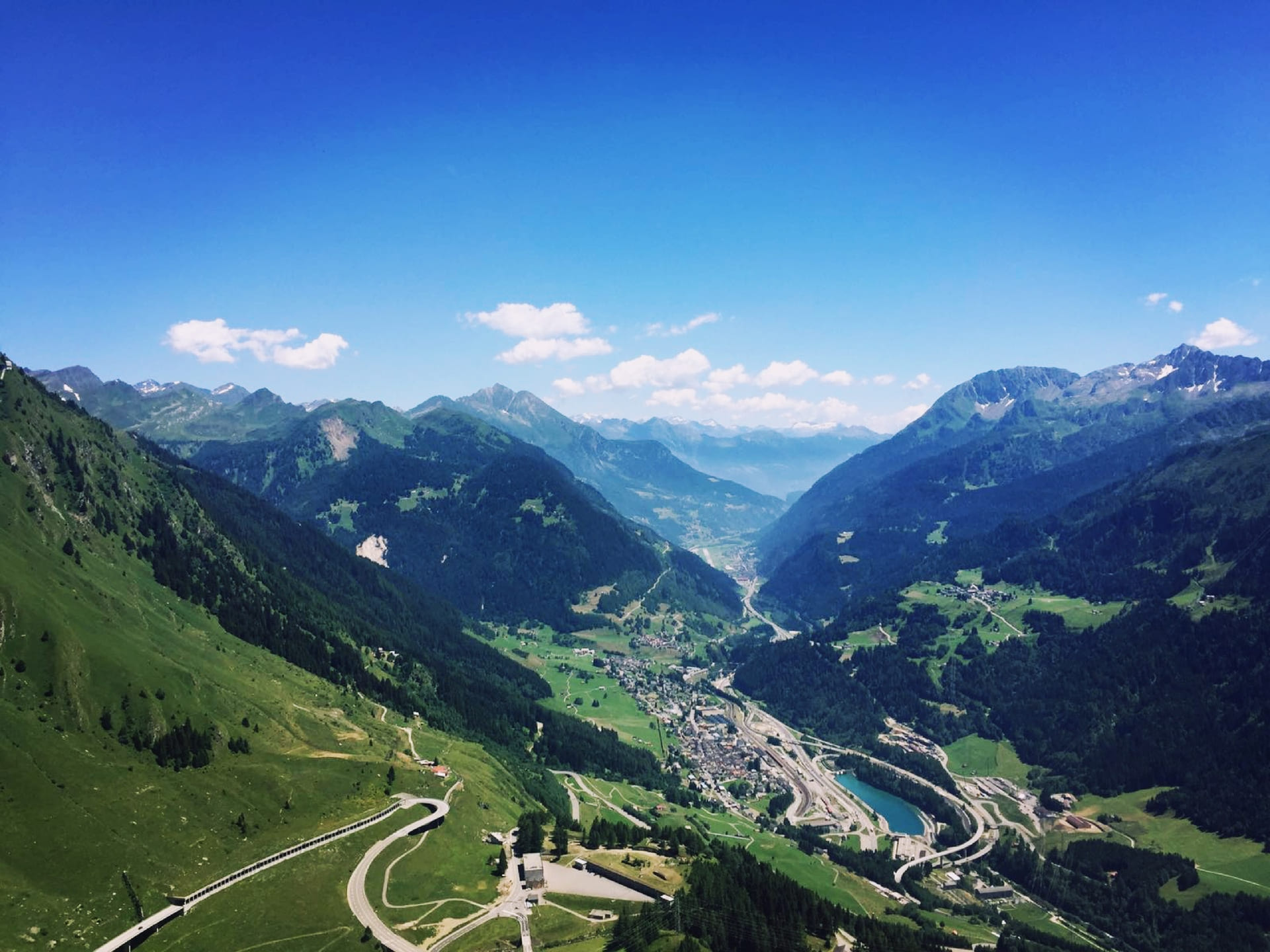 Panoramic view of an Alpine pass, Swiss Alps
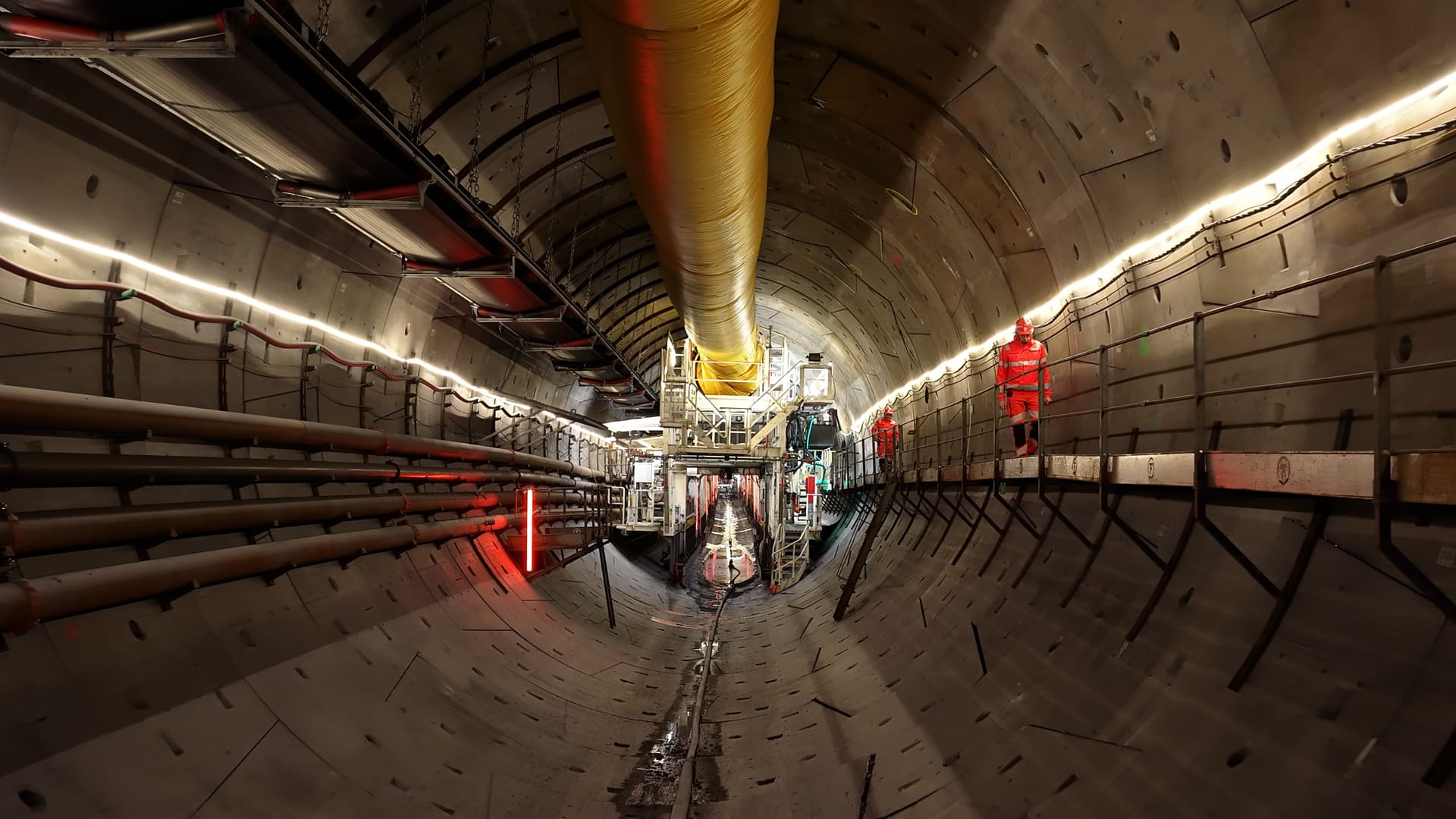 Turin-Lyon line construction site
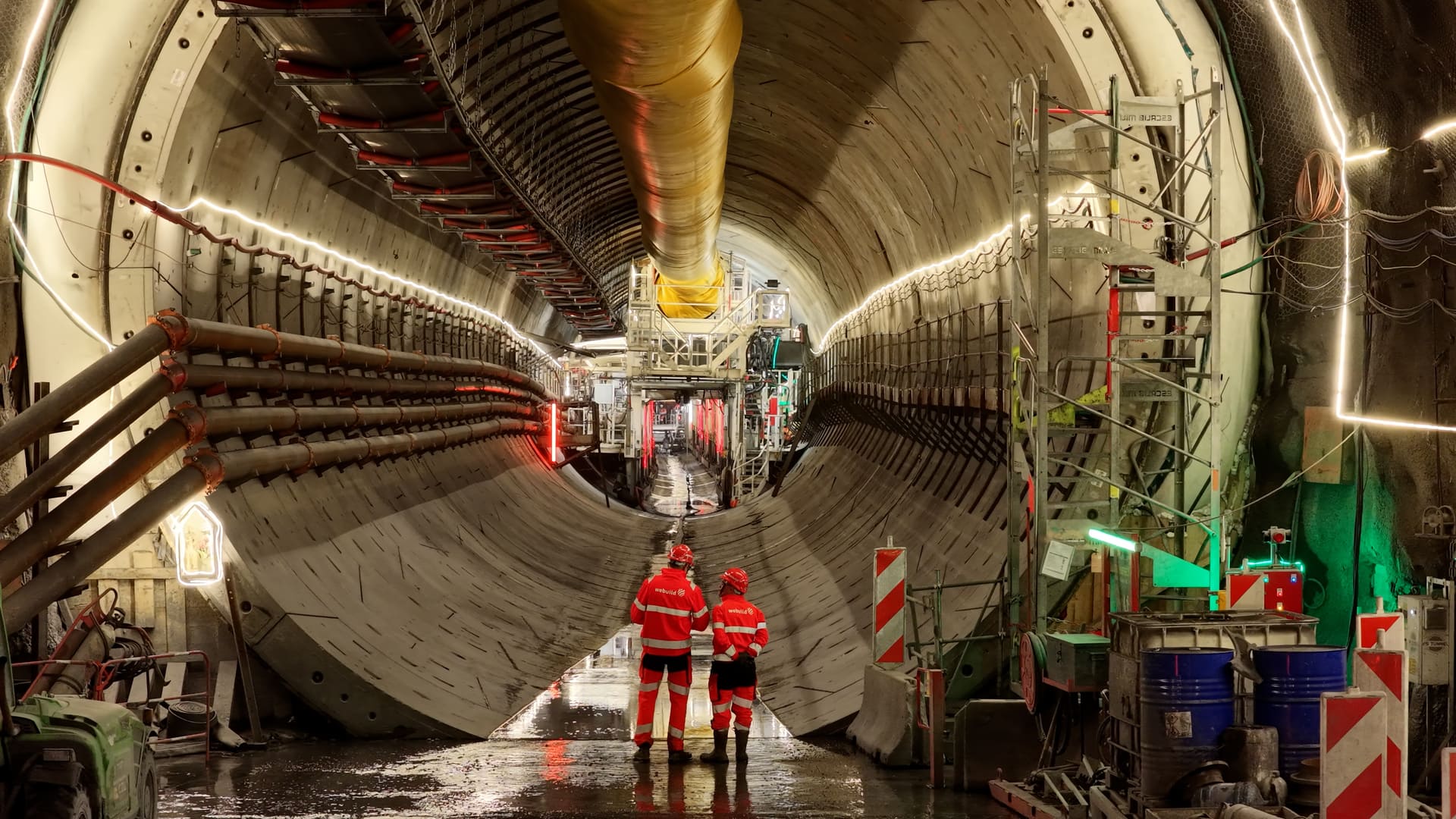 Turin-Lyon line construction site
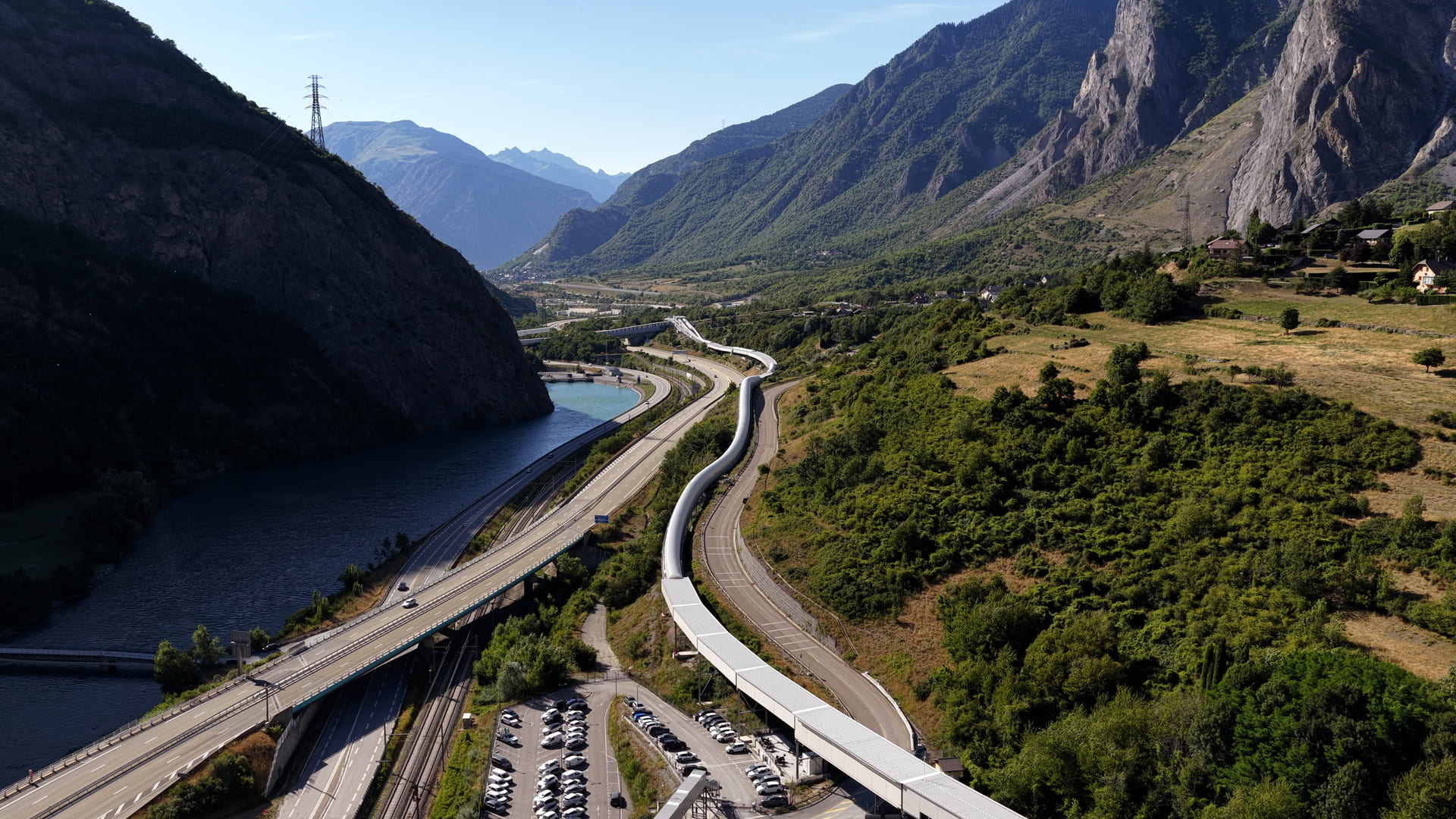 Turin-Lyon line construction site
- To date, over 96% of the 230 kilometers of tunnels that will form the Brenner Base Tunnel network has been excavated.
- With the new Brenner Base Tunnel, the rail journey between Fortezza and Innsbruck will drop from 80 to approximately 25 minutes.
- Approximately 50 million metric tons of freight cross the Brenner Pass each year, with 2.4 million trucks passing through in 2025 alone.
- In a decade, the Gotthard Base Tunnel increased freight transported along the axis from 17.8 to 24.2 million metric tons per year.
- The Mont Cenis Base Tunnel will cross the Alps to complete the high-speed rail line between Turin and Lyon.


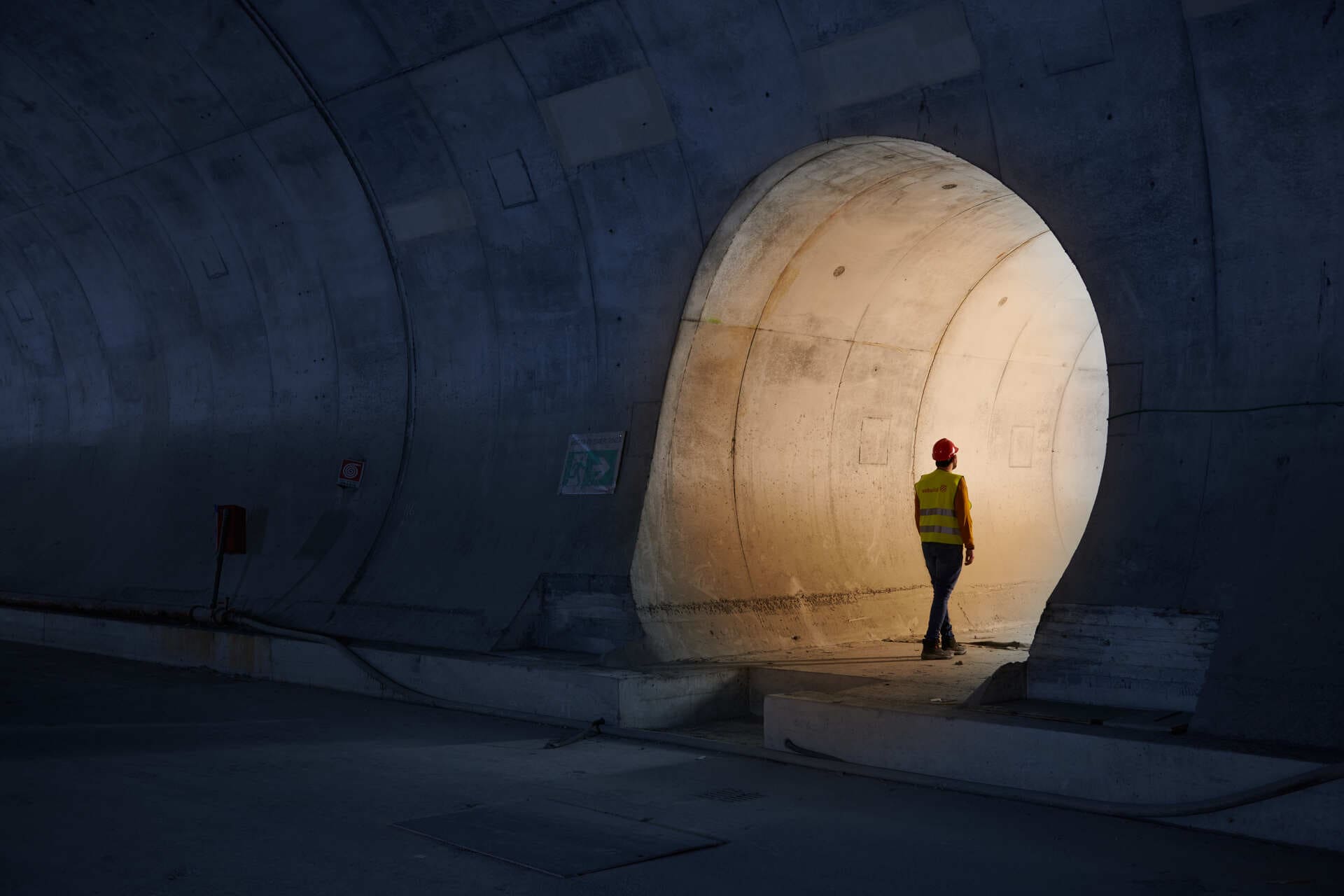
Deep beneath the Alps, at a depth of over one thousand meters, Italy and Austria are now connected by a new railway. It is the heart of the Brenner Base Tunnel, where in the summer of 2026 the final rock barrier separating the two countries in the main tunnels was breached and, a few weeks later, the first continuous rail tube between Innsbruck and Fortezza was completed.
A subterranean passage destined to change one of Europe’s most vital transport corridors, reflecting a far broader transformation.
This change is measured in kilometers of excavated rock, but above all in minutes saved, longer and heavier trains, and millions of metric tons of freight diverted from motorways. From the Brenner to the Gotthard, from the Lötschberg to Mont Cenis, all the way to Austria’s new rail axes, a European geography different from that of the past is taking shape: a geography in which distances are no longer determined by the height of mountains, but by the ability to cross them virtually on the level.
Brenner Base Tunnel: Italy and Austria Joined under 1,400 Meters of Mountain
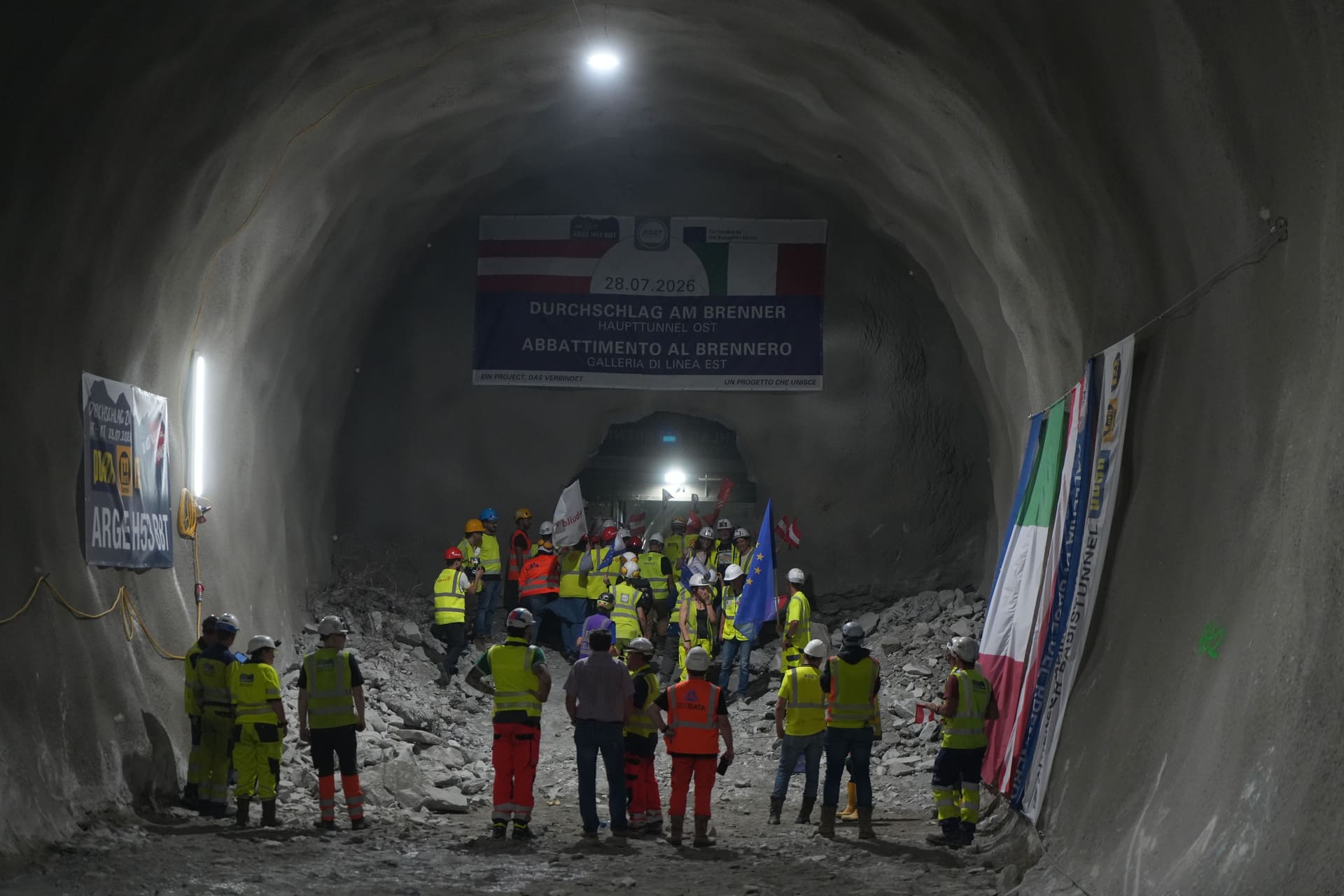
On July 28, 2026, approximately 1,400 meters beneath the Alps, the final rock barrier separating Italy and Austria in the two main tunnels of the Brenner Base Tunnel was breached. For the first time, the tunnels excavated from both sides met, creating subterranean continuity across the border.
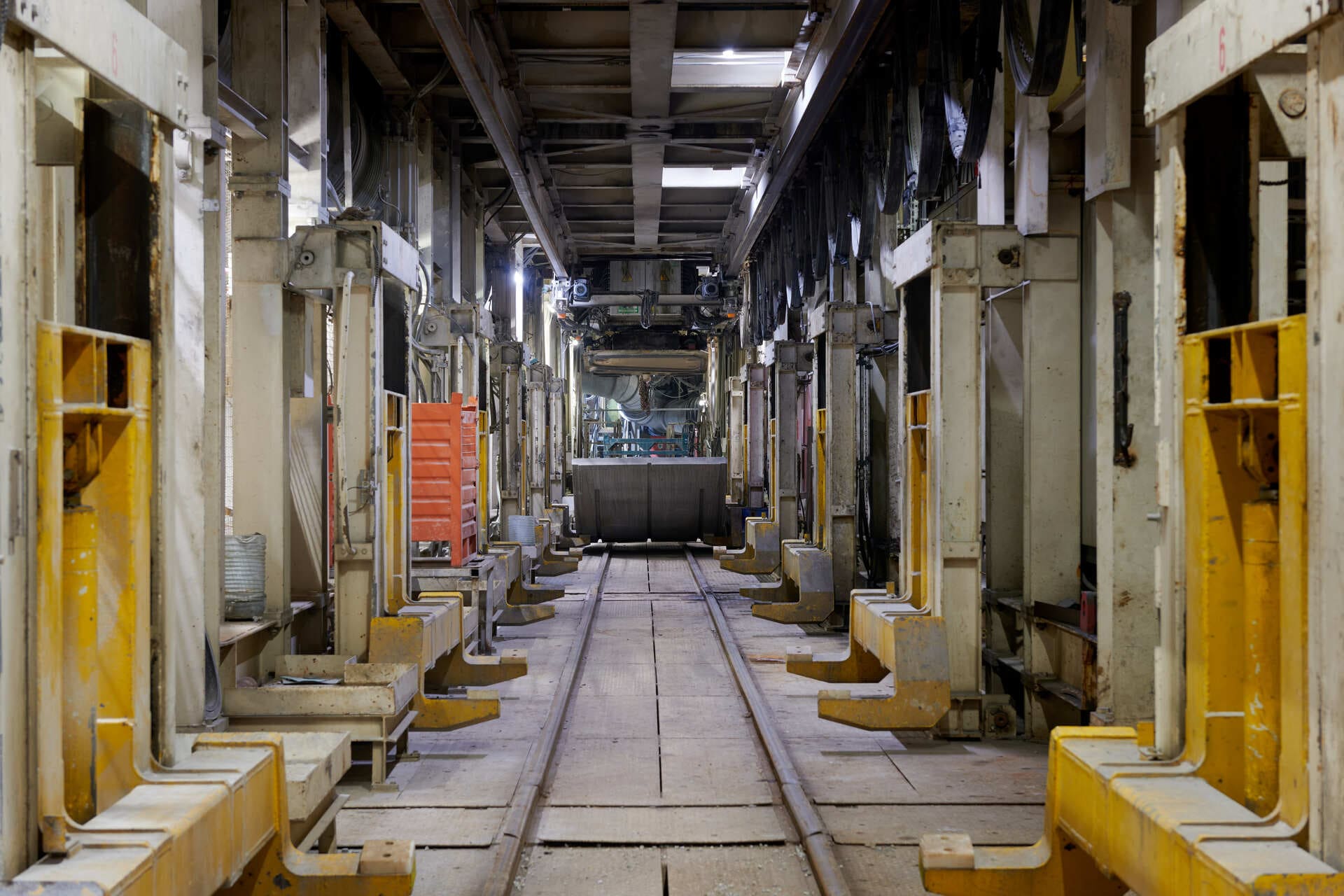
A few weeks later, on August 25, another symbolic milestone was achieved: TBM Wilma completed its drive, finalizing the full length of the first of the two main rail tubes—the western tube—which runs underground for approximately 55 kilometers from the Sill Gorge near Innsbruck to Fortezza in South Tyrol.
These mark the latest major milestones for a project where excavation has now surpassed 96%. Of the approximately 230 kilometers that comprise the entire railway tunnel system—including rail tubes, the exploratory tunnel, access adits, and cross-passages—221 kilometers have been excavated.
Webuild is a key player on the Italian side, overall engaged in the construction of over 50 kilometers of the main tunnels across four lots, two of which are already completed. However, the Group’s involvement extends beyond the base tunnel itself: along the Munich–Verona axis, Webuild is also working on the upgrade of the Fortezza–Ponte Gardena line and the Trento Railway Bypass, infrastructure projects designed to optimize the entire Brenner access corridor.
When it enters service, scheduled for 2032, the Brenner Base Tunnel will form—together with the Innsbruck railway bypass—a 64-kilometer underground rail link, the longest railway tunnel in the world.
The outcome will be a monumental shift compared to the historic railway, which currently climbs to an elevation of 1,371 meters at the Brenner Pass, tackling gradients that pose a structural bottleneck, especially for trains intended for freight transport.
The new railway line will instead run virtually on the level. For a freight train, this means operating with a single locomotive instead of the two or three required today, running trainsets up to 740 meters in length, and crossing the section between Fortezza and Innsbruck in roughly 35 minutes instead of one hour and 45 minutes.
For passengers, travel time will be reduced from 80 to about 25 minutes, with high-speed rail trains reaching speeds of up to 250 km/h.
Brenner Pass: The Alps Weigh on the European Economy
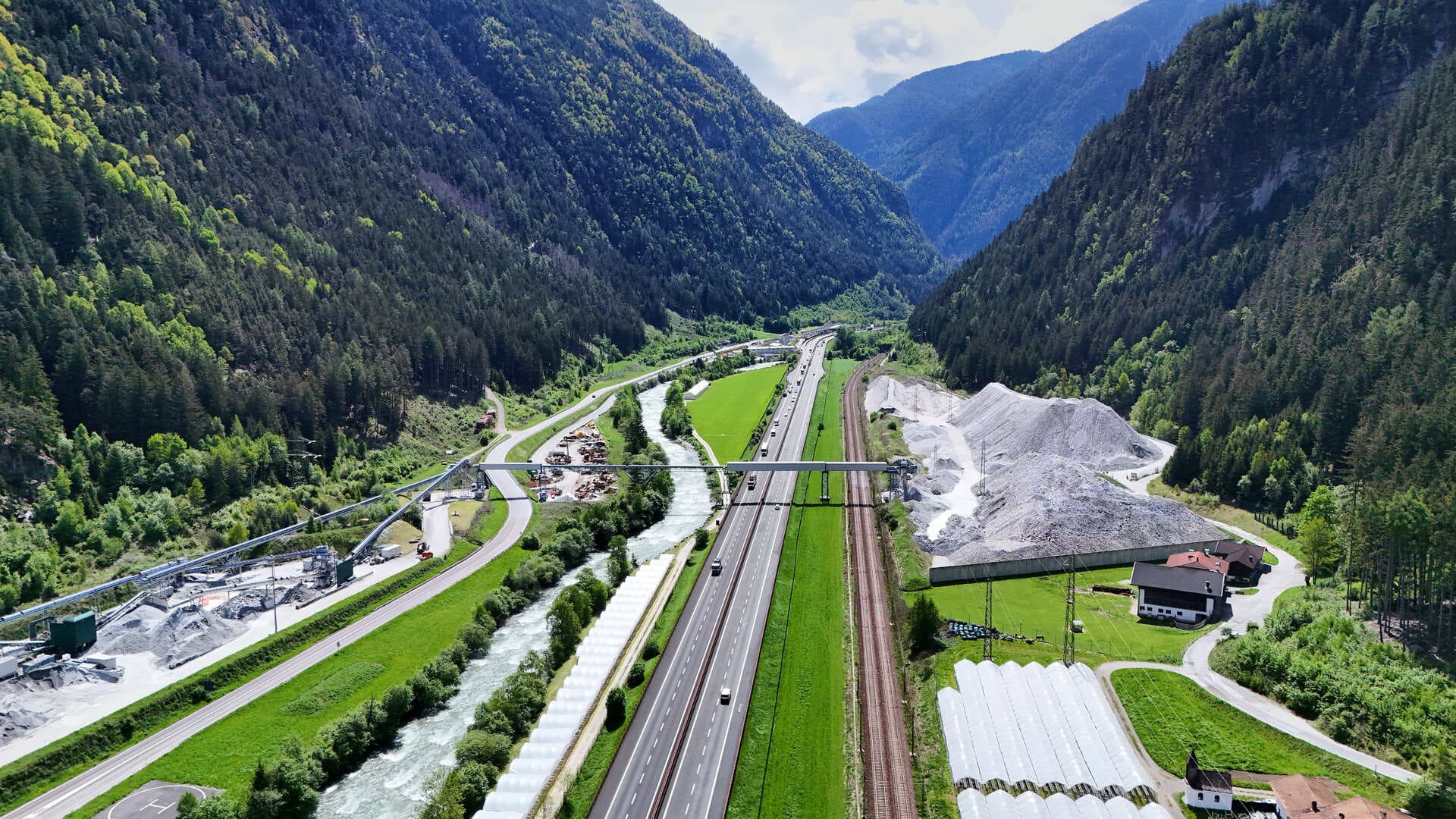
The Brenner Pass is not merely an Alpine pass. It is one of the highest-pressure choke points in the entire continental logistics system. In 2025, approximately 2.4 million trucks and 12 million passenger cars traveled along the corridor. Furthermore, the European Commission estimates the annual volume of freight crossing the pass at around 50 million metric tons.
These numbers explain why Brussels considers the cross-border Munich–Verona section to be one of the primary bottlenecks of the TEN-T Scandinavian–Mediterranean Corridor, the major transport axis spanning Europe from north to south and linking Scandinavia to the Mediterranean.
The Brenner Base Tunnel project was thus conceived with a mission extending far beyond shorter travel times: making rail transport competitive with road transport.
Its planned capacity reaches up to approximately 50 million metric tons of freight per year, with the objective of shifting a substantial portion of the heavy traffic currently taking Alpine motorways onto a faster, more energy-efficient railway line unhindered by gradient limitations. It is the very same principle that has already successfully transformed other rugged Alpine crossings.
Gotthard Base Tunnel, The Tunnel That Rewrote Switzerland's Future
To understand what the Brenner could mean, one only has to look roughly 250 kilometers further west.
The Gotthard Base Tunnel, inaugurated in June 2016, stands today as Europe’s primary example of the impact made by a flat-gradient railway through the Alps. Measuring 57 kilometers in length and excavated under a rock overburden reaching up to approximately 2,300 meters, it replaced the logic of a railway ascending the mountain with that of a railway running at its base.
Webuild also participated in the construction of the Gotthard through Group companies engaged in some of the project’s most complex lots.
Ten years after its inauguration, the figures allow for a precise measurement of its impact. Between 2016 and 2026, approximately 276,000 freight trains and 169,000 passenger trains traveled through the tunnel. In 2015, prior to the tunnel’s opening, roughly 9,000 passengers per day traveled along the axis; in 2025, that figure reached 16,400 via the base tunnel, with an additional 1,400 on the scenic line. Passenger demand along the Gotthard corridor has nearly doubled.
The effect on freight transport is even more pronounced. In 2015, 17.8 million net metric tons per year were transported along the corridor. In 2025, the volume through the base tunnel reached 24.2 million metric tons. Today, an average of 89 freight trains pass through the new tunnel daily, while the infrastructure features a theoretical capacity of up to 260 freight trainsets per day.
Here too, however, the transformation is measured above all in time. Zurich and Lugano are now separated by 1 hour and 53 minutes—roughly 50 minutes less than in 2015. Between Zurich and Milan, the journey takes about 3 hours and 17 minutes, yielding time savings of around 45 minutes. Nearly an hour erased from the map without moving either city by a single meter.
Lötschberg, the Railway Tunnel That Became Too Small
The first major steps in this infrastructure transformation were taken in 2007 when the Lötschberg Base Tunnel, approximately 35 kilometers long, was inaugurated.
The railway tunnel reduced travel times by up to an hour between key destinations in German-speaking Switzerland, Valais, and Northern Italy, but above all, it became one of the fundamental nodes of transalpine freight transport, capable of accommodating the daily passage of 110 freight trains.
To date, its success has also become its limitation. Indeed, the Lötschberg was opened in an incomplete configuration: only 14 kilometers are currently equipped with two operational rail tubes, while the second tube is still missing along the remainder of the line. This is why the railway line is now being exploited to the absolute limit of its capacity, leading Switzerland to proceed with its full double-track completion.
This stands as perhaps one of the clearest demonstrations of the transformation produced by major infrastructure: a tunnel built to eliminate a bottleneck has become, in less than twenty years, so central to European transit flows as to demand additional capacity.
From Mont Cenis to Austria, Railway Tunnel Network Continues
Brenner, Gotthard, and Lötschberg are not isolated incidents, but represent the core of a far broader transformation.
To the west, between Italy and France, progress continues on the Mont Cenis Base Tunnel, the heart of the new Turin–Lyon link—a cross-border rail connection set to reshape the axis connecting the Iberian Peninsula, France, Italy, and Eastern Europe.
As of August 2026, excavation across the entire system surpassed the 30% mark (approximately 49.5 kilometers of tunnels out of 164 in total), with 17 active excavation fronts simultaneously under construction. The Webuild Group is actively participating in this effort, currently engaged across several lots.
According to TELT (the binational public promoter responsible for constructing and managing the infrastructure), the new railway line will help remove approximately one million heavy vehicles from Alpine roads each year, with an estimated reduction on the order of one million metric tons of CO₂ equivalent.
Further east, Austria celebrated the commissioning of the new Koralmbahn rail line in December 2025, which features the 33-kilometer Koralm Tunnel at its core. The infrastructure cut travel times between Graz and Klagenfurt from roughly two hours to just 45 minutes, while passenger service along the new southern corridor is set to increase by approximately 30%.
Added to this will be the Semmering Base Tunnel, another strategic tunnel between Vienna and Graz where excavation has been completed and the first trains are expected to run by the end of 2029. With the completion of the new southern axis, Vienna–Graz travel times could drop from around 2 hours and 40 minutes to 1 hour and 50 minutes, while Vienna–Klagenfurt will be reduced from roughly 4 hours to 2 hours and 40 minutes.
A Continental Metro beneath the Alps
Viewed on a map, these projects form a sort of continental metro system.
To the west, Mont Cenis opens a new axis between France and Italy. In the center, the Lötschberg–Gotthard–Ceneri system has already created a flat-gradient railway through Switzerland. Further east, the Brenner Base Tunnel is eliminating the primary rail bottleneck between Italy, Austria, and Germany. Even further east, Koralm and Semmering are reshaping connections toward the Adriatic and Central-Eastern Europe.
It is a network that intersects the European Union’s major TEN-T corridors and addresses a strategic necessity: shifting an increasing share of mobility from road to rail.
The challenge remains monumental. Within the European Union, rail accounts for barely 0.3% of transport-sector greenhouse gas emissions, despite supporting a far more significant portion of mobility: in 2022, it represented 8.1% of passenger transport and approximately 17% of inland freight transport.
The paradox is clear. The mode of transport capable of moving massive volumes of people and freight with a vastly lower environmental footprint continues to compete against a road network that has benefited for decades from more direct and flexible connections. The base tunnels are designed specifically to change this balance.