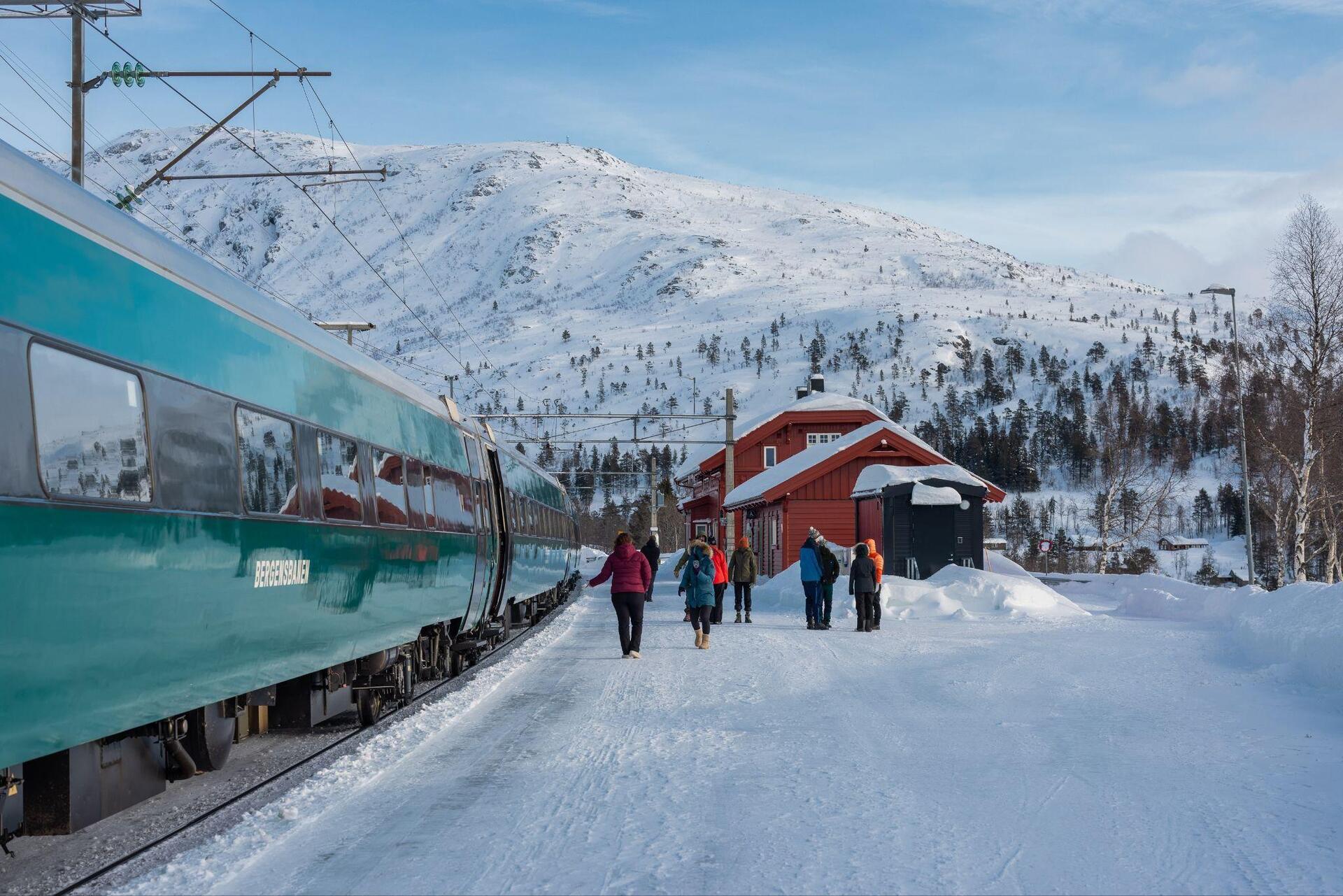


Travelling through the mountains by train means entering spectacular landscapes, but it also means confronting some of the most demanding challenges in engineering. Tight curves, steep gradients, deep valleys and sheer rock faces have pushed designers and builders to find ways of bringing railways into places that once seemed impossible to reach.
Throughout history, railways have made their way through the mountains using bridges suspended above valleys, tunnels carved through rock and routes that seem to merge seamlessly with the landscape. These projects may differ in age and technology, but they share the same ambition: to turn some of the world’s most challenging terrain into new routes connecting people and places.
1 – Brenner Base Tunnel, Alps, Italy-Austria
Deep in the heart of the Alps, a railway is taking shape hundreds of metres beneath the mountains. This is the Brenner Base Tunnel, the rail link between Italy and Austria that, once completed, will be the world’s longest underground railway tunnel.
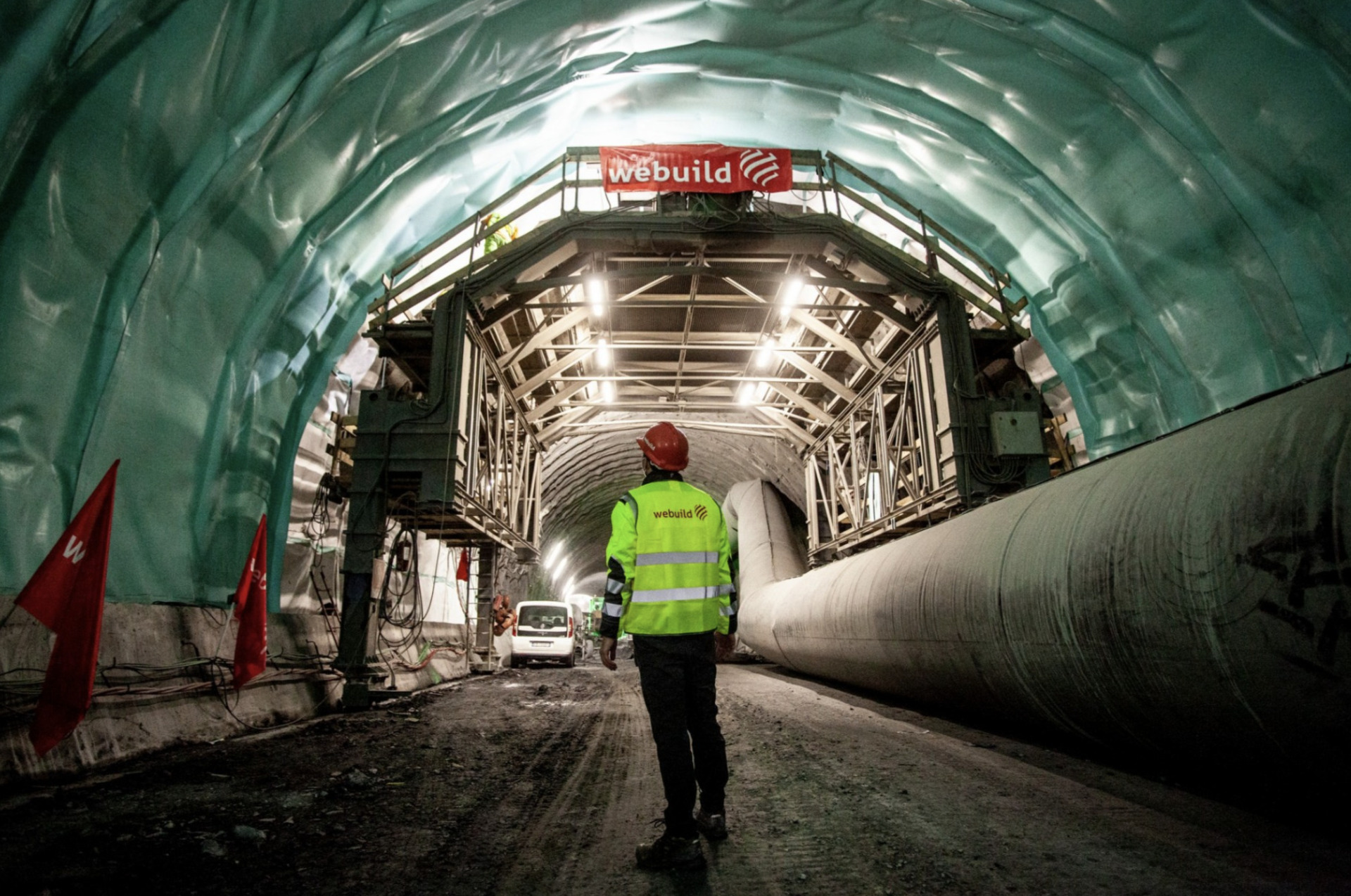
On the Italian side, Webuild is working on the Mules 2-3 Lot, where around 65 kilometres of tunnels are being excavated using both mechanised and conventional methods. Three giant TBMs have been boring through the rock to carve out the route of the new railway, while a network of shafts, access tunnels and service tunnels forms an integral part of the project.
This infrastructure is bringing the railway deep into the heart of the Alps, creating a more direct connection between Northern and Southern Europe and turning one of the continent’s great natural barriers into a new route for mobility.
2 – Terzo Valico dei Giovi, Apennines, Italy
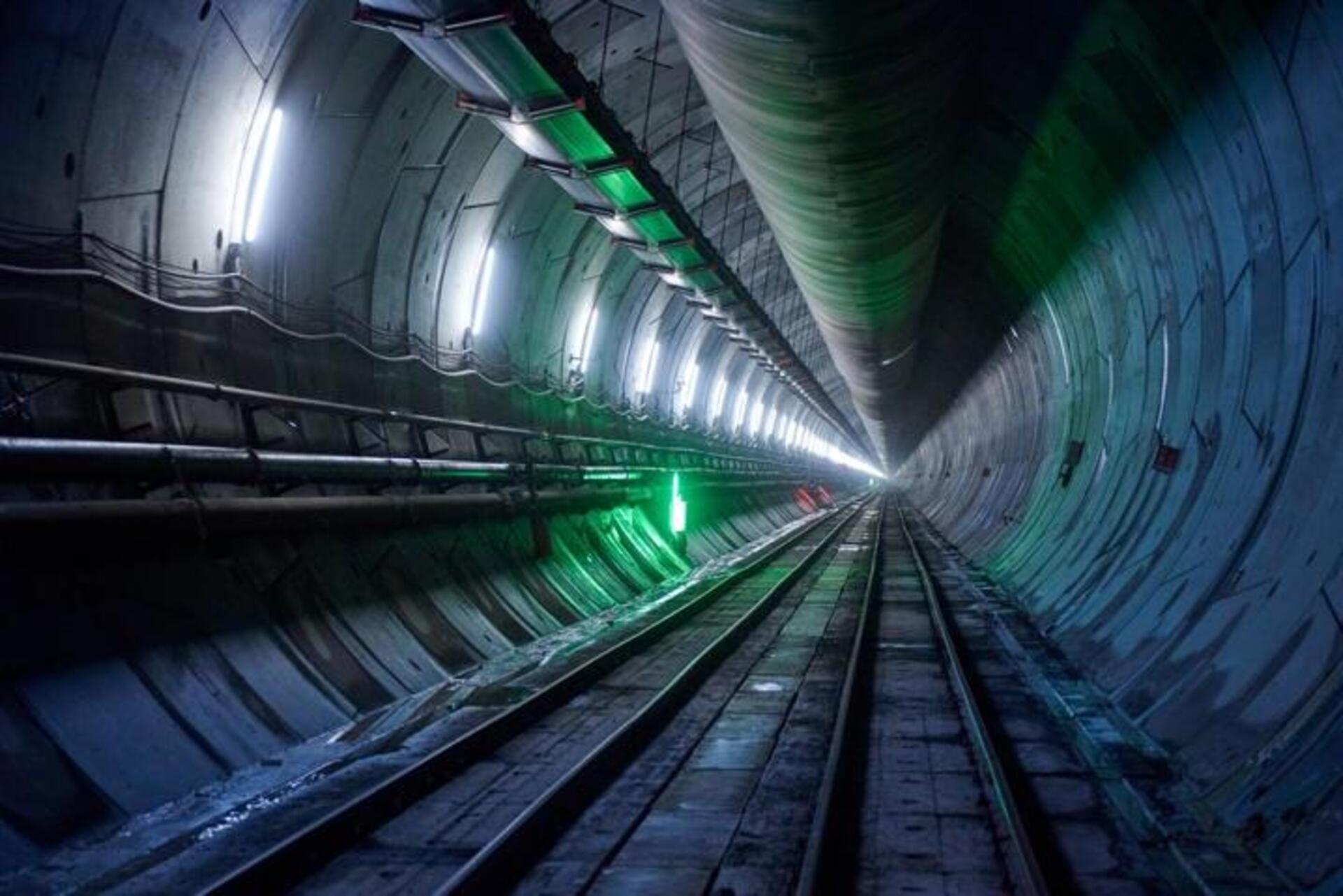
Between Genoa and Milan, trains cross the Apennines almost entirely underground. The Terzo Valico dei Giovi, built by Webuild, includes 54 kilometres of new railway, 37 of which run through tunnels.
Including the secondary tunnels, the system extends to a total of 90 kilometres of underground passages, excavated using both TBMs and conventional methods in particularly complex geological conditions.
The project takes railway engineering deep into the mountains, creating a more direct connection between the Port of Genoa and northern Italy while helping shift freight transport from road to rail. The material excavated during construction is also managed through dedicated solutions, including conveyor belts and measures to restore and regenerate the surrounding landscape.
3 – Albula and Bernina Railway, Grisons, Switzerland
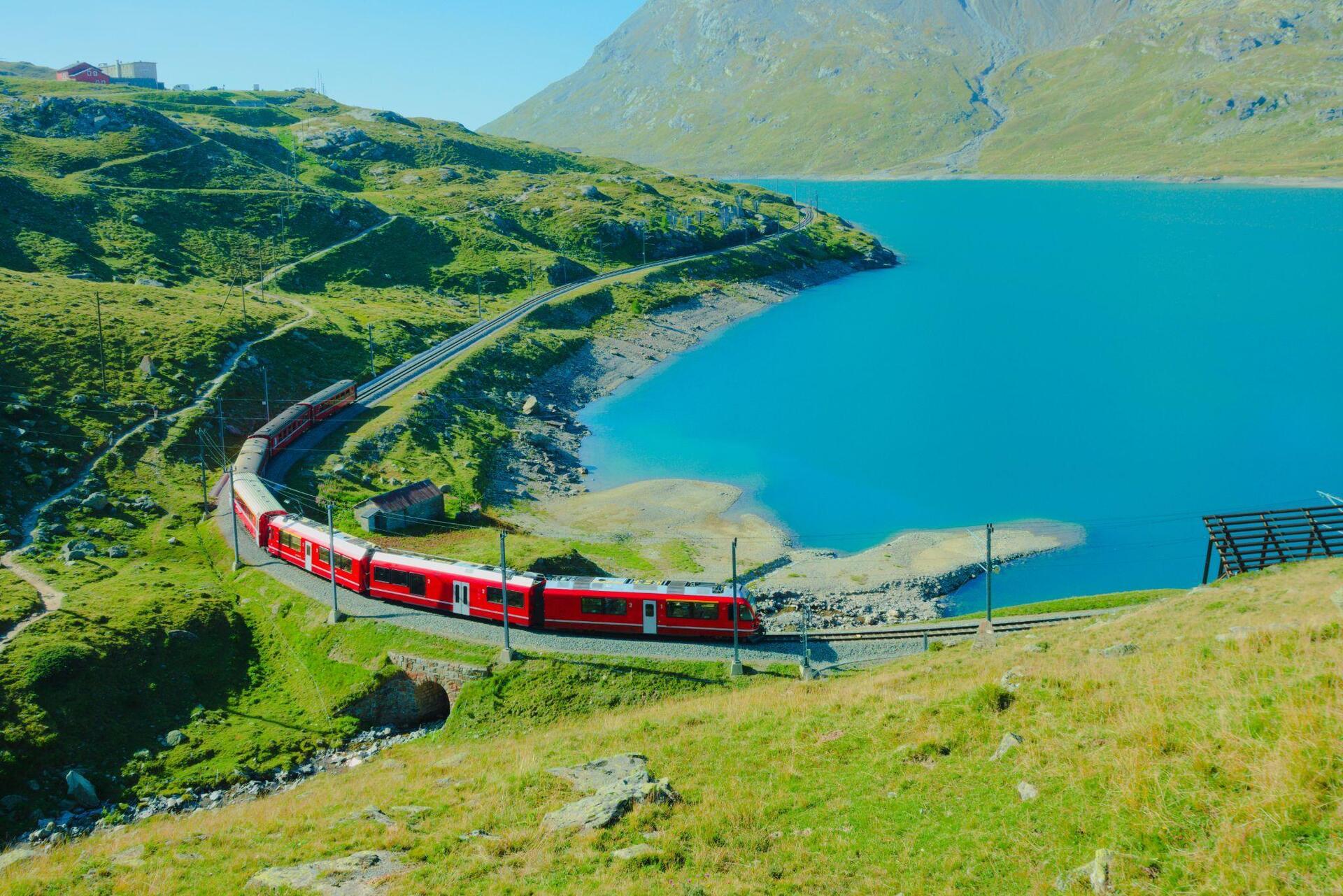
In the mountains of the Grisons, Switzerland, trains seem to follow the very contours of the Alps. Built between the late 19th and early 20th centuries, the Albula and Bernina lines of the Rhaetian Railway cross two Alpine passes through a succession of tunnels, bridges and viaducts that blend seamlessly into the landscape.
The Albula railway line features 42 tunnels and 144 bridges and viaducts, while the Bernina Railway has 13 tunnels and 52 bridges and viaducts. Today, both lines are part of the UNESCO World Heritage, recognised as examples of how railway engineering can overcome challenging mountain terrain without compromising the surrounding environment.
In the early 20th century, the two lines also helped break the isolation of communities in the Central Alps, turning a major engineering challenge into a new opportunity for the development of the region.
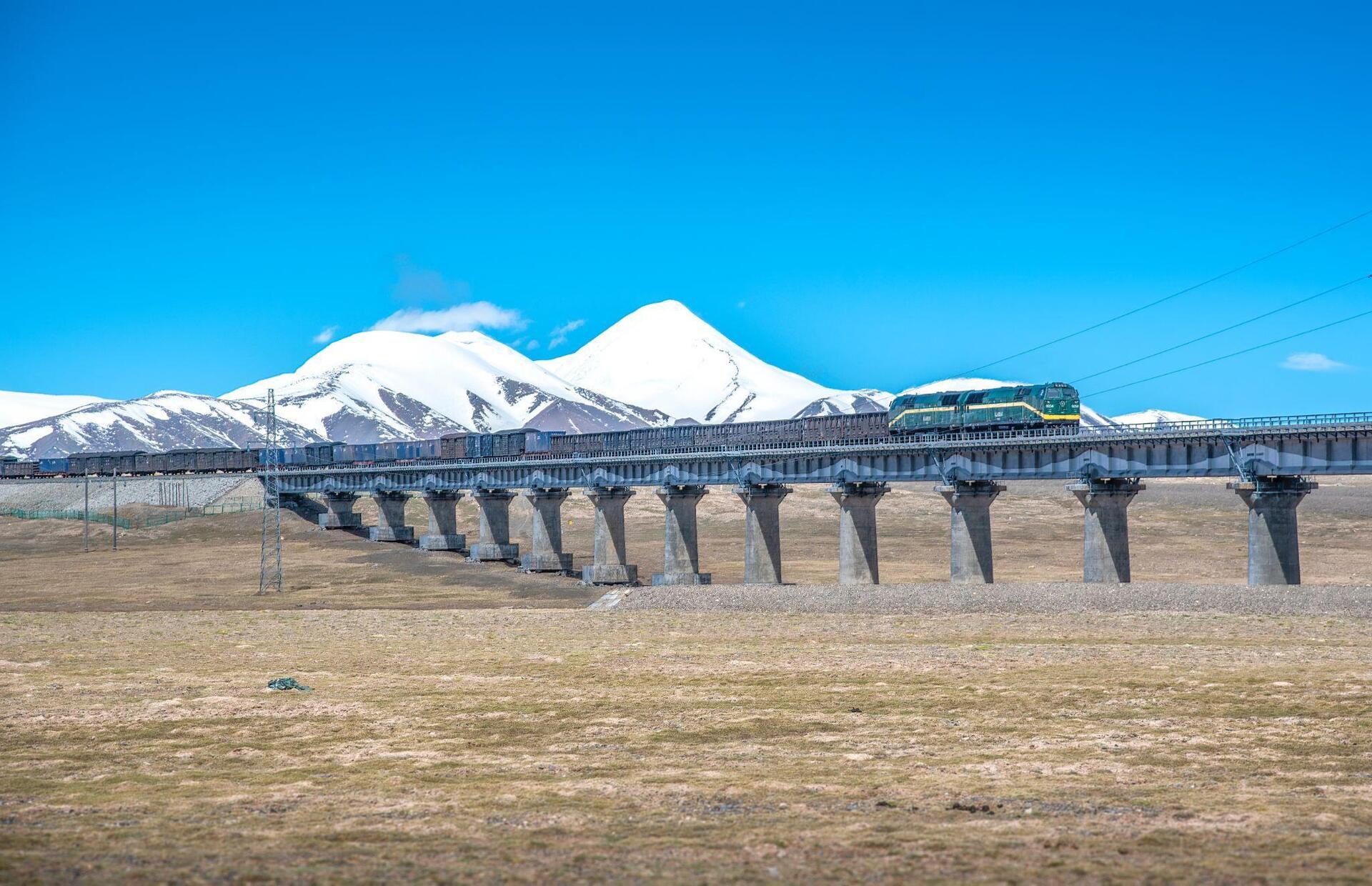
4 – Qinghai–Tibet Railway, Tibet
On the “roof of the world”, the railway reaches elevations that seem almost impossible for rail travel.
The Qinghai-Tibet Railway runs 1,142 kilometres from Golmud to Lhasa, reaching 5,072 metres above sea level at Tanggula Pass, the highest point on any railway in the world. Almost 1,000 kilometres of the line lie above 4,000 metres, while around 550 kilometres cross areas of permafrost.
Building in such an environment required specialised solutions to deal with frozen ground, active faults, steep gradients, snow and extreme weather conditions.
The line is a striking example of how railway engineering can reach some of the most challenging places on Earth, turning one of the planet’s most remote landscapes into a new route connecting people and places.
5 – Bergen Railway, Norway
Between Oslo and Bergen, one of Europe’s most spectacular railways crosses the heart of the Norwegian mountains. Opened in 1909, the Bergen Line runs for around 371 kilometres between Hønefoss and Bergen, reaching an elevation of 1,237 metres at the Finse Tunnel as it crosses the Hardangervidda plateau.
Along the route are almost 200 tunnels, as well as bridges and viaducts that allow the railway to navigate some of Norway’s most challenging terrain.
Building the high-mountain section was a formidable challenge for the technology of the time, and keeping the line running through the harshest winters remains a demanding task today. Large sections are protected by snow sheds, while specialised equipment is used to clear the tracks when heavy snowfall strikes.