

There are infrastructure projects that, from the very moment they were conceived, represented extreme challenges for engineering and construction management, to the point of initially seeming almost unfeasible on a practical scale.
Major hydraulic works, structures in remote or hostile environments, infrastructure works suspended between sea and land, and systems designed to operate beyond the usual limits of working conditions often arise from the need to respond to particularly complex environmental, geographical, or technical constraints.
In these projects, the scale of the undertaking is not measured only by the physical size of the structure, but by the ability to transform environmental and technological constraints into innovative solutions, giving shape to infrastructure works that become benchmarks for contemporary civil engineering.
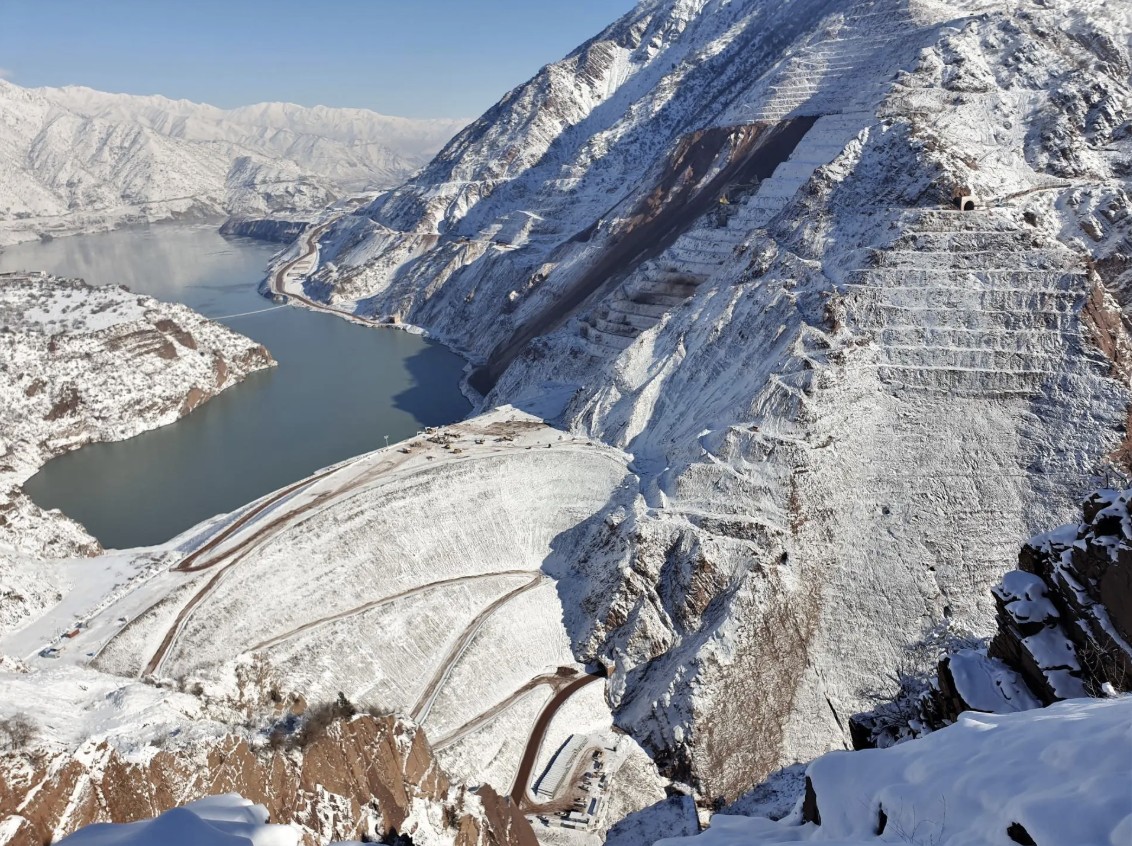
1 – Rogun Hydropower Project, Tajikistan
The Rogun Dam in Tajikistan is among the most ambitious and complex hydropower projects ever undertaken, designed to radically transform the country’s energy capacity through the construction of an exceptionally large dam in an extreme geographical and environmental context.
With a planned height of 335 meters, which would make it the tallest dam in the world, the hydroelectric structure is located along the Vakhsh River in the Pamir Mountains, where harsh climatic conditions, complex logistics, and challenging geological features have required advanced engineering solutions and a phased construction approach.
The Rogun Dam project, currently under development with the contribution of the Webuild Group, is intended to double national electricity production and strengthen the region’s energy security, transforming a remote area into a strategic hub for infrastructure and economic development in Central Asia.
2 – Lake Mead Intake Hydraulic Tunnel, Nevada
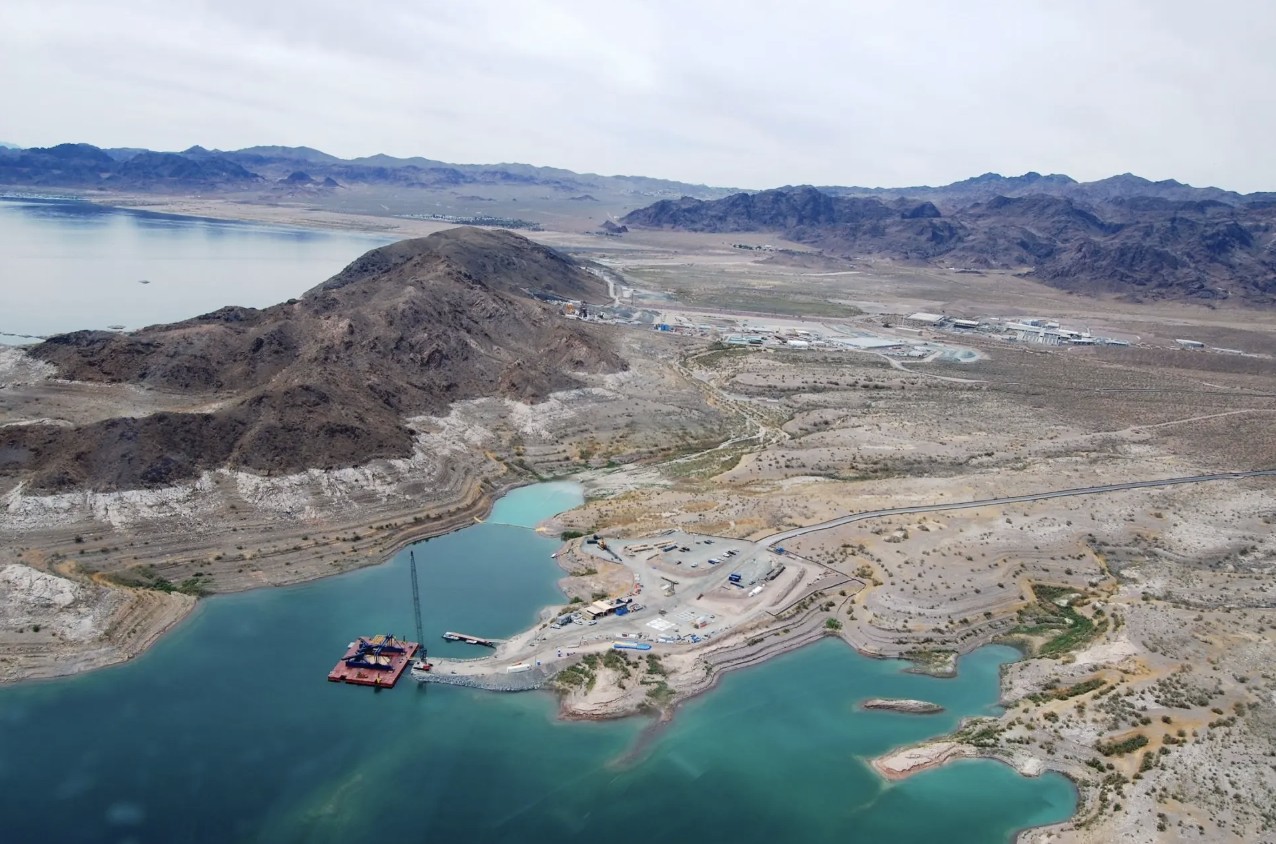
Within the water system supplying the Las Vegas area, the Lake Mead Intake Project, also developed with the contribution of the Webuild Group, introduces a strategic engineering solution to ensure continuity of water supply under increasingly critical environmental conditions due to climate change.
The project consists of a long underwater tunnel extending several kilometers beneath Lake Mead, designed to capture water at deeper and more stable levels compared to surface intakes subject to strong fluctuations.
The complexity of the project lies both in the lake environment and in deep-water operating conditions, which required advanced excavation techniques and highly specialized safety systems.
3 – International Space Station (ISS)
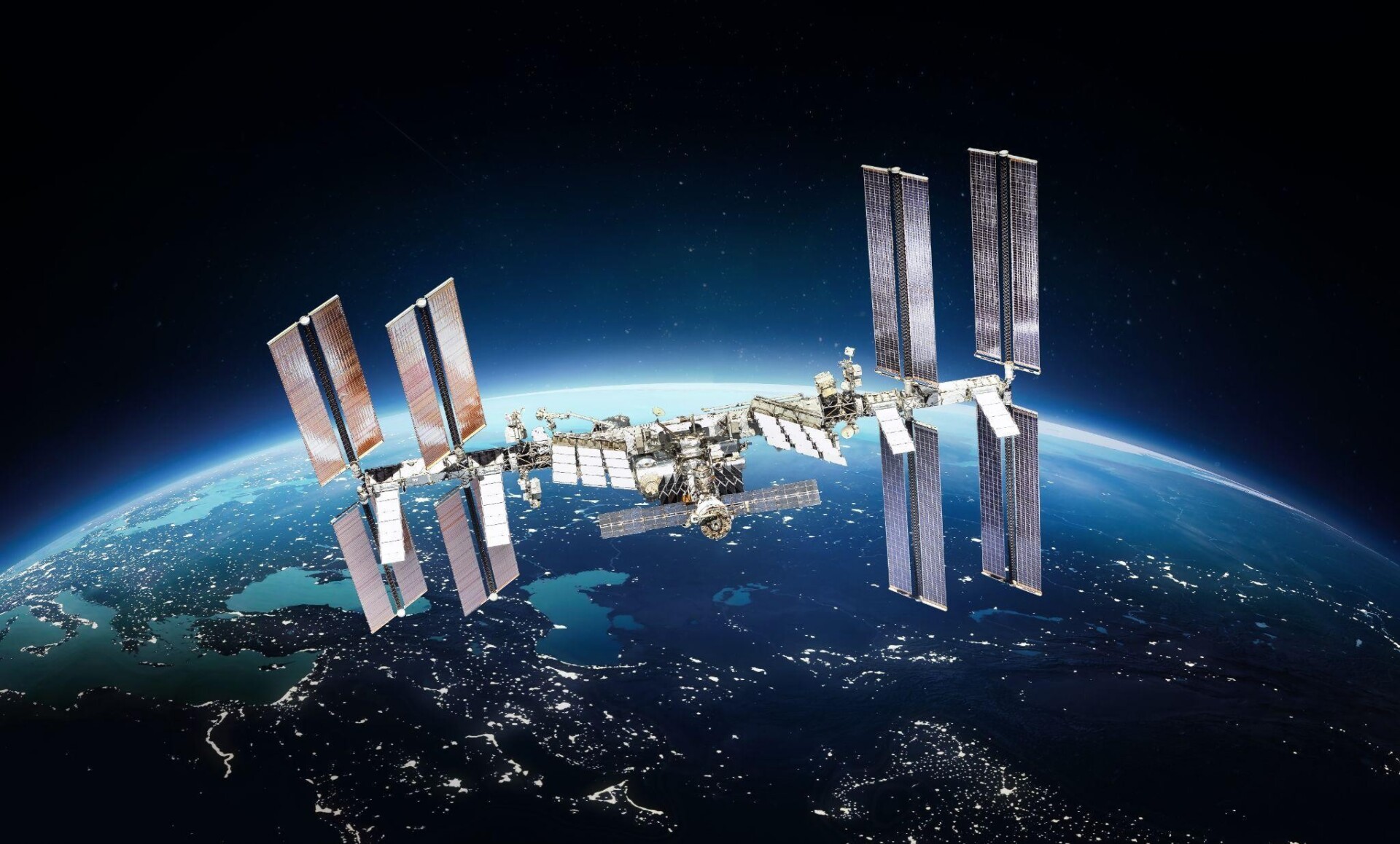
The construction of the International Space Station (ISS) represents one of the most complex and ambitious engineering achievements ever undertaken, conceived as a modular structure in low Earth orbit capable of being progressively assembled in space over several decades.
The project began in 1998 with the launch of the first module, Zarya, followed shortly by the integration of the Unity module via the STS-88 mission, marking the start of an unprecedented orbital construction process in both scale and duration.
In the following years, the International Space Station was expanded through the coordinated contribution of multiple international space agencies, from NASA to ESA, with habitation modules, scientific laboratories, and power systems added sequentially until forming a permanent complex capable of continuously hosting crews and supporting advanced research activities in microgravity conditions.
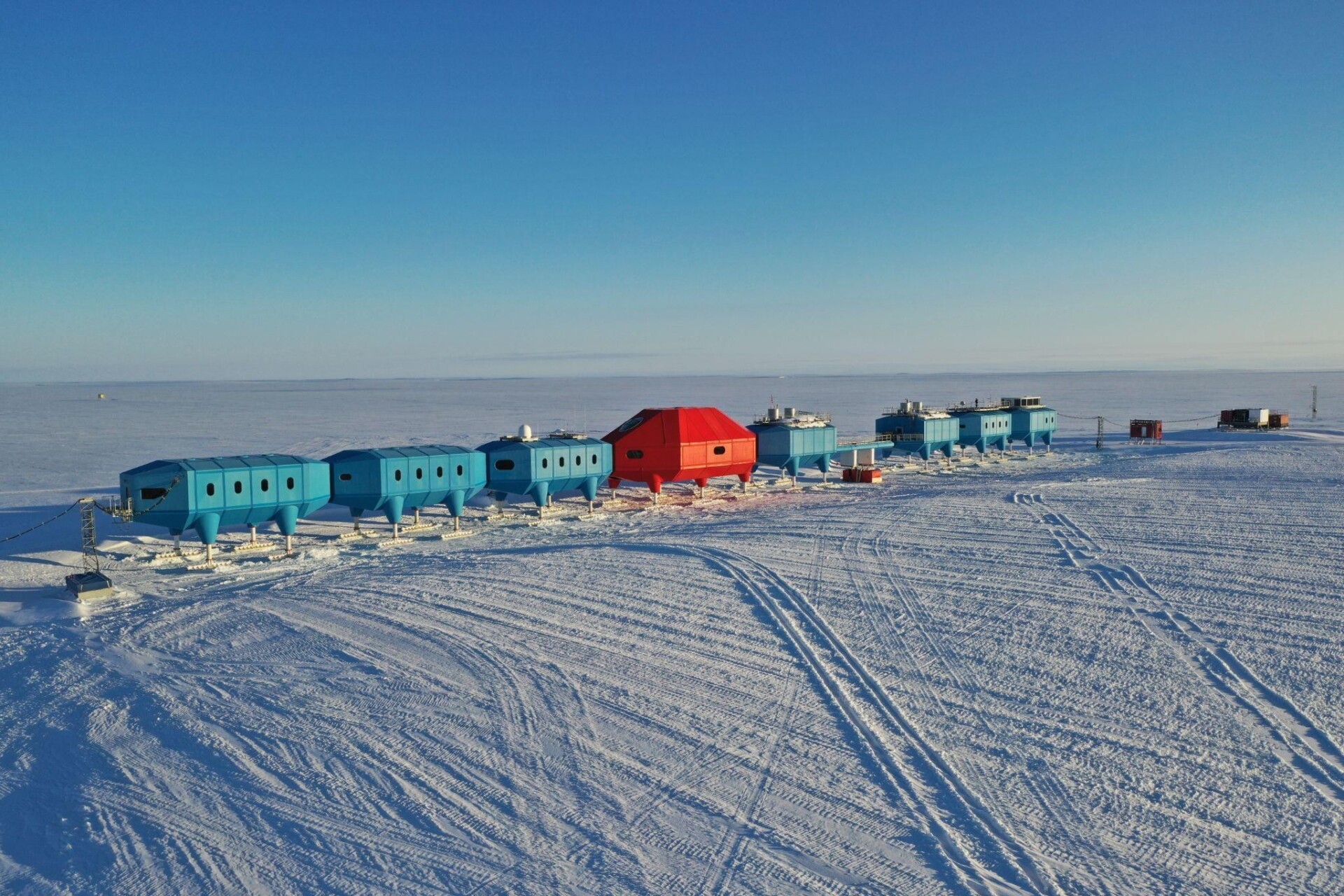
4 – Halley VI Research Station, Antarctica
The Halley VI Research Station in Antarctica is one of the most extreme contemporary engineering marvels, designed to operate in one of the harshest environments on Earth and to adapt to constantly shifting geological conditions.
Built on the floating Brunt Ice Shelf, the Halley Research Station is designed as a modular structure raised on hydraulic legs and skis, allowing it to be lifted above accumulating snow and periodically relocated to follow the movement of the ice sheet.
Composed of interconnected modules housing laboratories, living quarters, and scientific support systems, Halley VI Research Station is a unique example of a “mobile” infrastructure, designed to ensure operational continuity in a context where stability and permanence cannot be taken for granted.
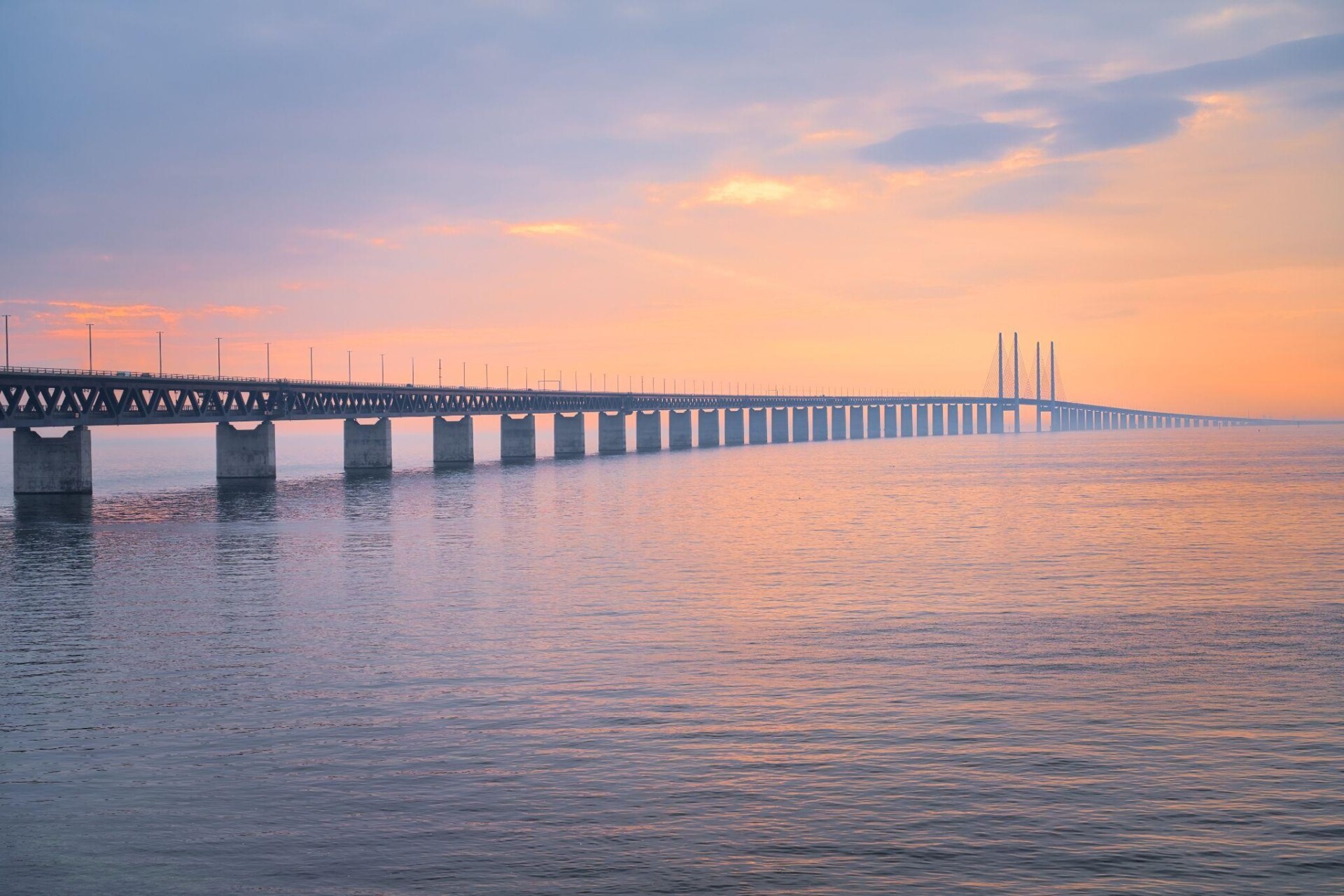
5 – Øresund Bridge, Copenhagen-Malmö, Denmark-Sweden
The Øresund Bridge, connecting Denmark and Sweden between Copenhagen and Malmö, is one of the most complex infrastructure projects built in Europe to ensure continuity of transport links between two national systems separated by a strait.
Extending for approximately 7.8 kilometers in its main section, the link is part of an integrated system that also includes an underwater tunnel and an artificial island, solutions designed to overcome challenges related to navigation, water depth, and maritime traffic in the Øresund Strait.
Completed in 2000, the Øresund Bridge was developed as a high-capacity road and rail infrastructure aimed at strengthening regional and international mobility flows and fostering greater economic and social integration between the metropolitan areas of Denmark and Sweden.