

Behind some of the world’s most iconic infrastructure and architectural landmarks lie extraordinary investments capable of mobilizing financial resources, technical expertise, and construction timelines on a global scale.
Major bridges and viaducts, railway networks, urban complexes, sports stadiums, and monumental buildings often emerge from development programs that aim not only to meet functional needs, but also to transform territories, redefine skylines, and leave a lasting imprint on the identity of entire cities or nations.
In these projects, the economic value of the work is not solely defined by the scale of the infrastructure investment, but also by the infrastructure’s ability to generate connections, drive innovation, and create long-term impact, turning construction itself into an element destined to become part of collective memory.
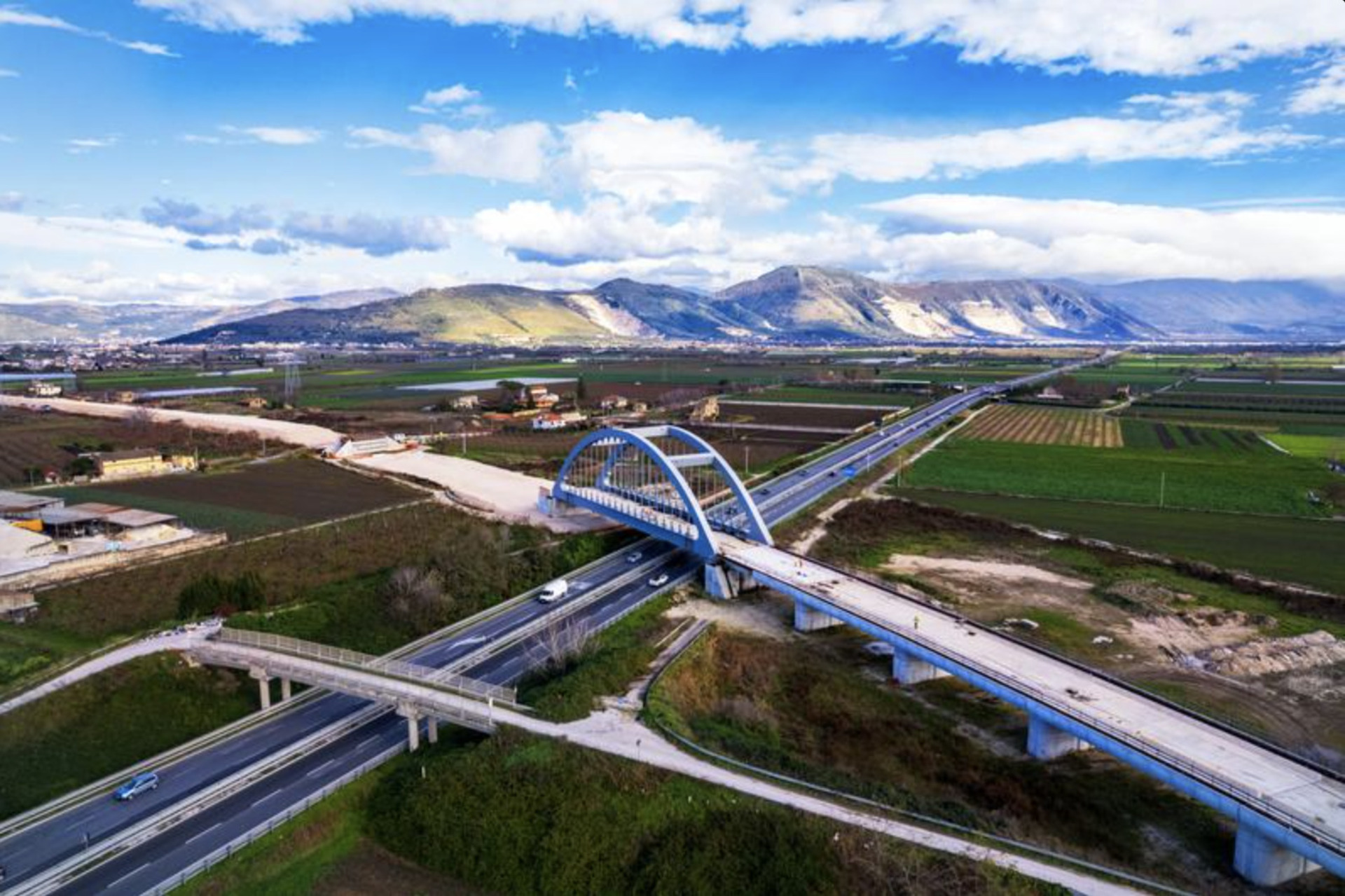
1 – Naples-Bari High-Speed Railway Line
The high-capacity/high-speed Naples–Bari railway line is among the most significant infrastructure investments in Southern Italy, designed to structurally transform connections between the Tyrrhenian and Adriatic coasts through a new high-capacity rail network.
Spanning a total of 145 kilometers, this railway infrastructure project includes new sections, tunnels, viaducts, and stations distributed along a strategic corridor of the European TEN-T program, with the aim of drastically reducing travel times between Campania, Apulia, and the rest of the country.
Webuild is involved in the construction of four lots of the project, commissioned by RFI (Italian State Railways Group), characterized by high technical complexity, including major underground excavations, state-of-the-art TBMs, and works in areas with dense urban and challenging geological conditions.
2 – Rome Metro – Line C
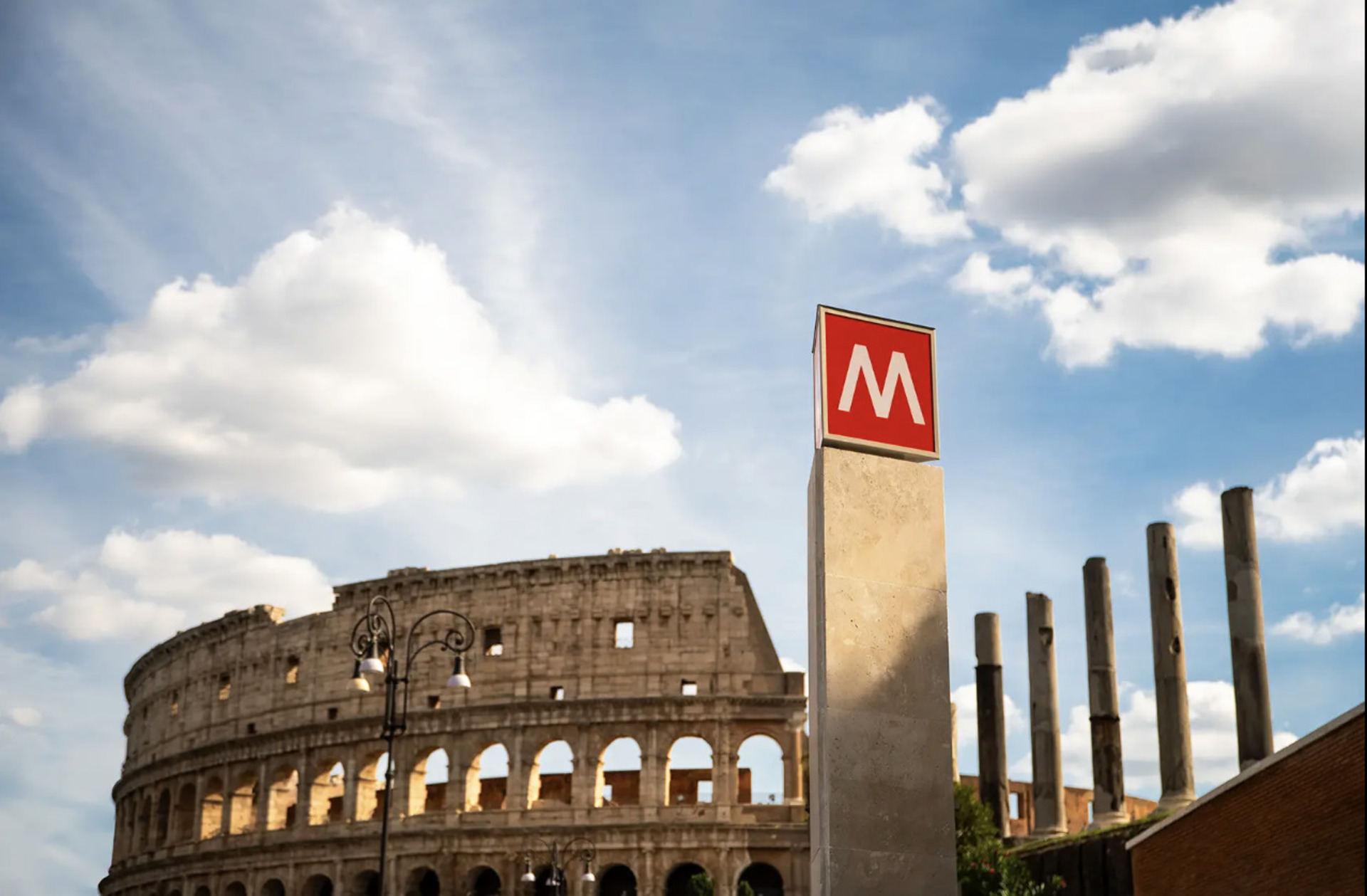
In the heart of one of the most historically and archaeologically complex cities in the world, Rome’s Metro Line C, delivered with the contribution of the Webuild Group, stands as one of the most ambitious infrastructure investments in contemporary urban mobility.
The project introduces a new automated, high-capacity metro line designed to strengthen the capital’s transport system, running through a subsoil marked by millennia of stratification, archaeological remains, and extremely delicate operating conditions.
With dozens of kilometers of track and new stations integrated into the existing network, Rome’s metro project combines advanced tunneling technologies, sustainability, and the protection of cultural heritage.
3 – SoFi Stadium, Inglewood, Los Angeles
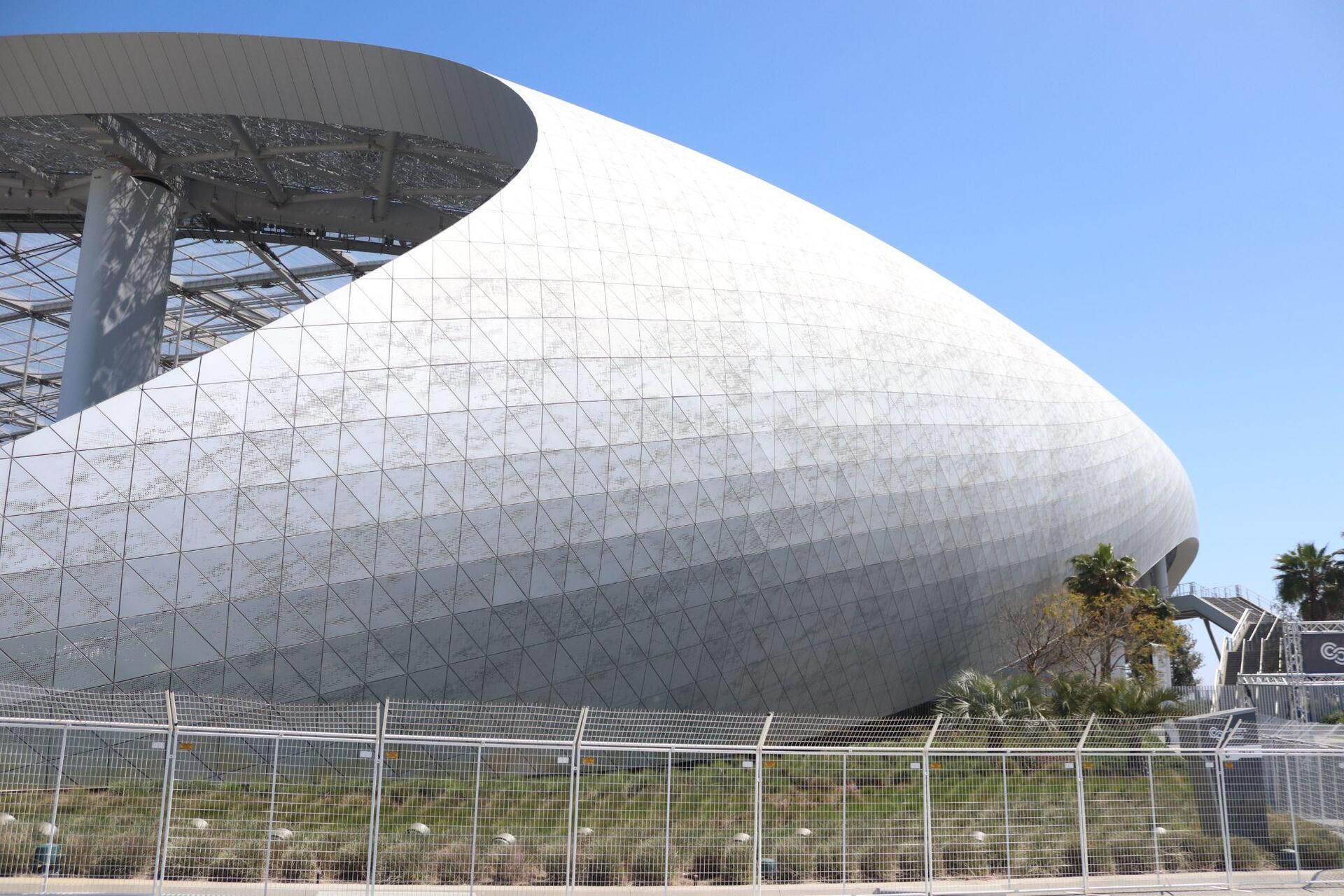
SoFi Stadium, located in Inglewood near Los Angeles, is among the largest sports infrastructure investments ever undertaken globally, conceived as a multifunctional complex combining a sports venue, entertainment hub, and urban development project on a large scale.
With a construction cost exceeding 5 billion dollars, this sports stadium was designed as one of the most advanced contemporary arenas, featuring a translucent ETFE roof and an independent structural system spanning both the field and surrounding public areas.
With a seating capacity of around 70,000 – expandable for major events – the SoFi Stadium is home to the NFL franchises Los Angeles Rams and Chargers and has quickly established itself as a global venue for sports and entertainment.
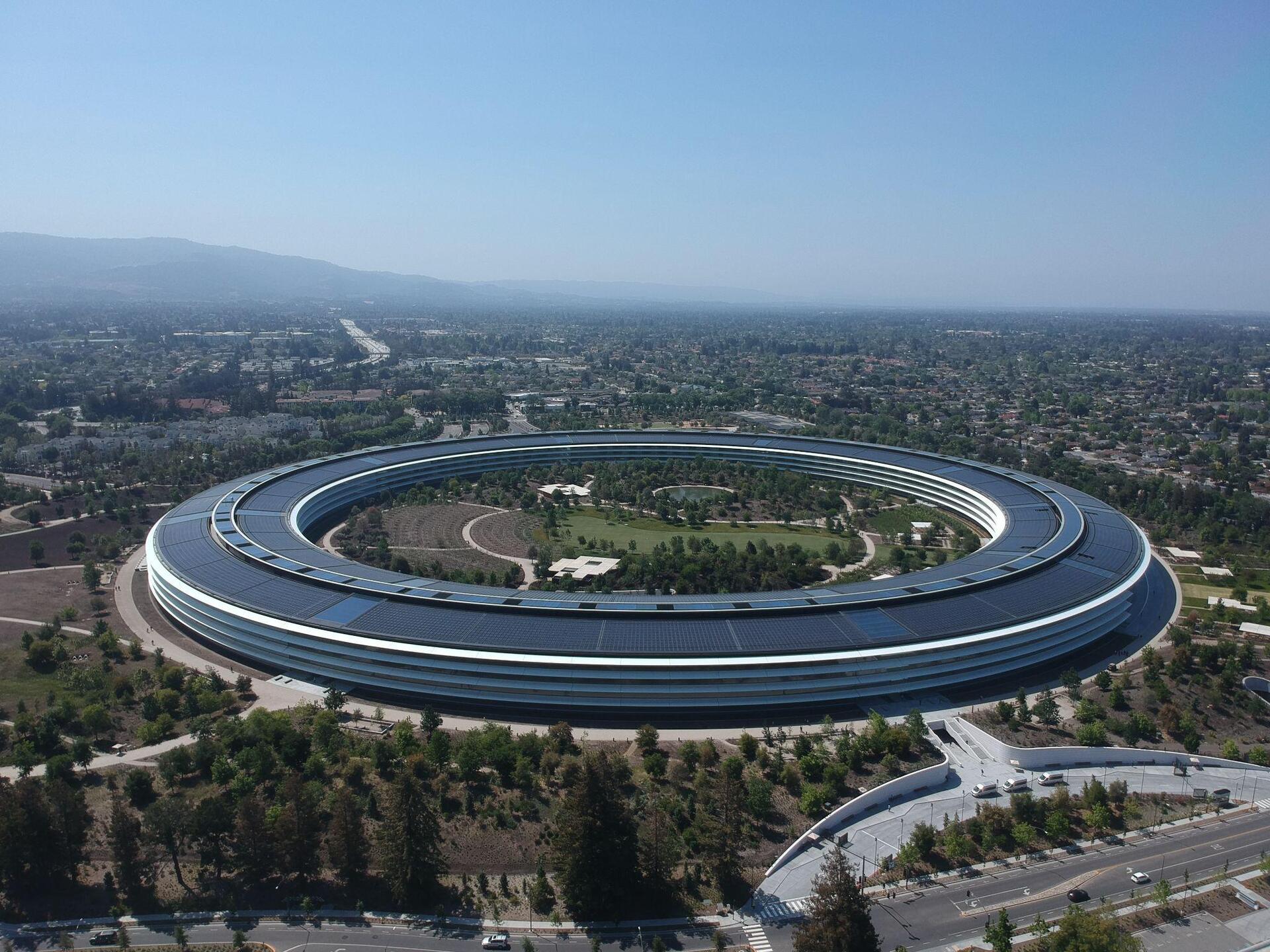
4 – Apple Park, Cupertino
Apple Park in Cupertino is one of the largest real estate and infrastructure investments ever undertaken by a technology company, designed as an integrated tech campus combining iconic architecture, sustainability, and large-scale operational functions.
Designed by Norman Foster and inaugurated in 2017, the Apple Park complex is centered around a circular main green building of approximately 260,000 m², capable of hosting over 12,000 employees within a highly unified architectural system.
The project stands out as a sustainable campus for its extensive use of renewable energy, vast internal green spaces, and a design approach aimed at reducing environmental impact through advanced construction and engineering solutions.
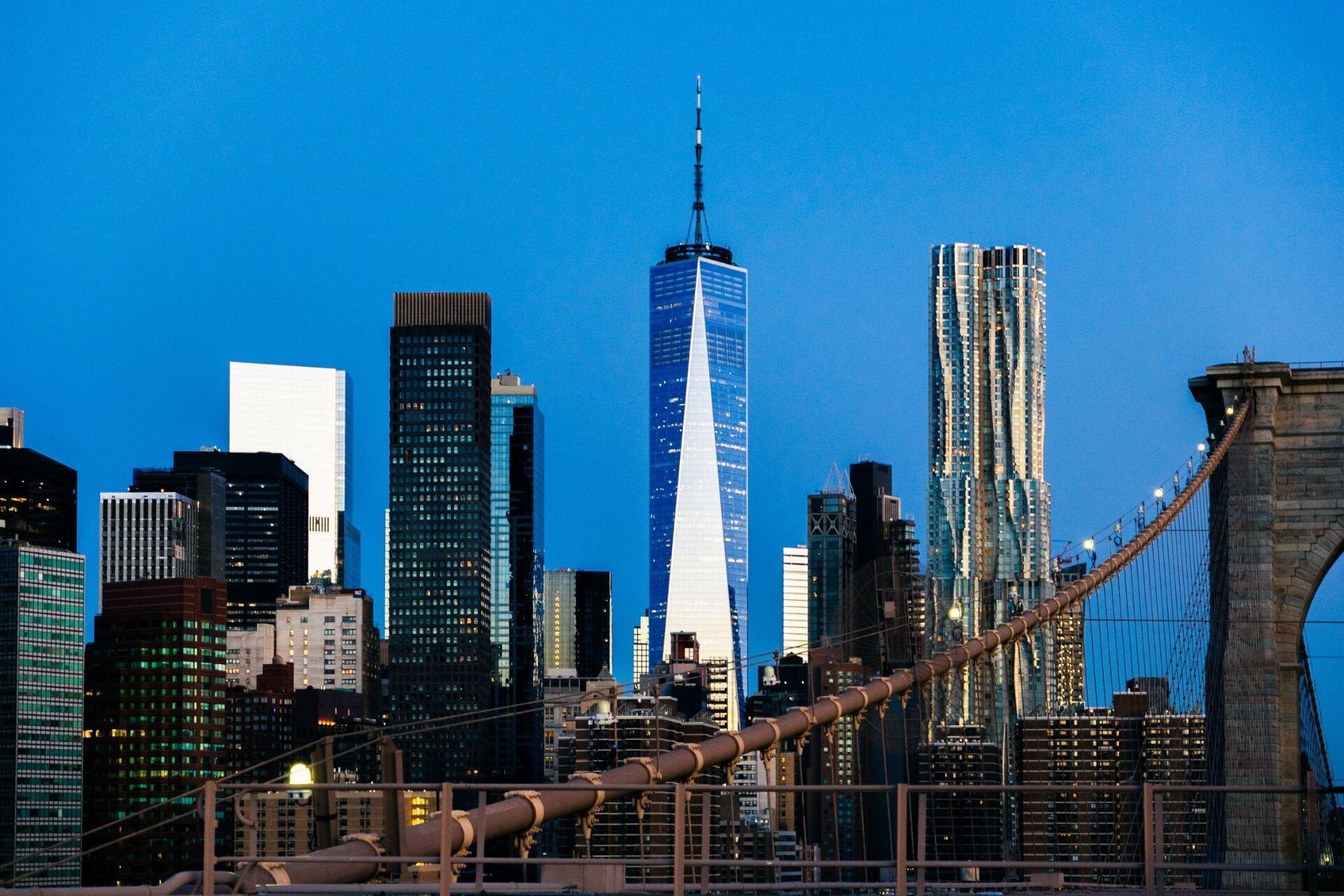
5 – One World Trade Center, Manhattan, New York
One World Trade Center, also known as the Freedom Tower and built in New York on the site of the Twin Towers, is among the most significant symbolic and infrastructure investments ever undertaken in the United States, conceived as a central element in the reconstruction of the World Trade Center and the redefinition of the Lower Manhattan skyline.
Standing at a total height of 541 meters, it is the tallest skyscraper in the Western Hemisphere and was designed as a highly complex engineering structure, built to ensure maximum safety, structural resilience, and advanced energy performance.