


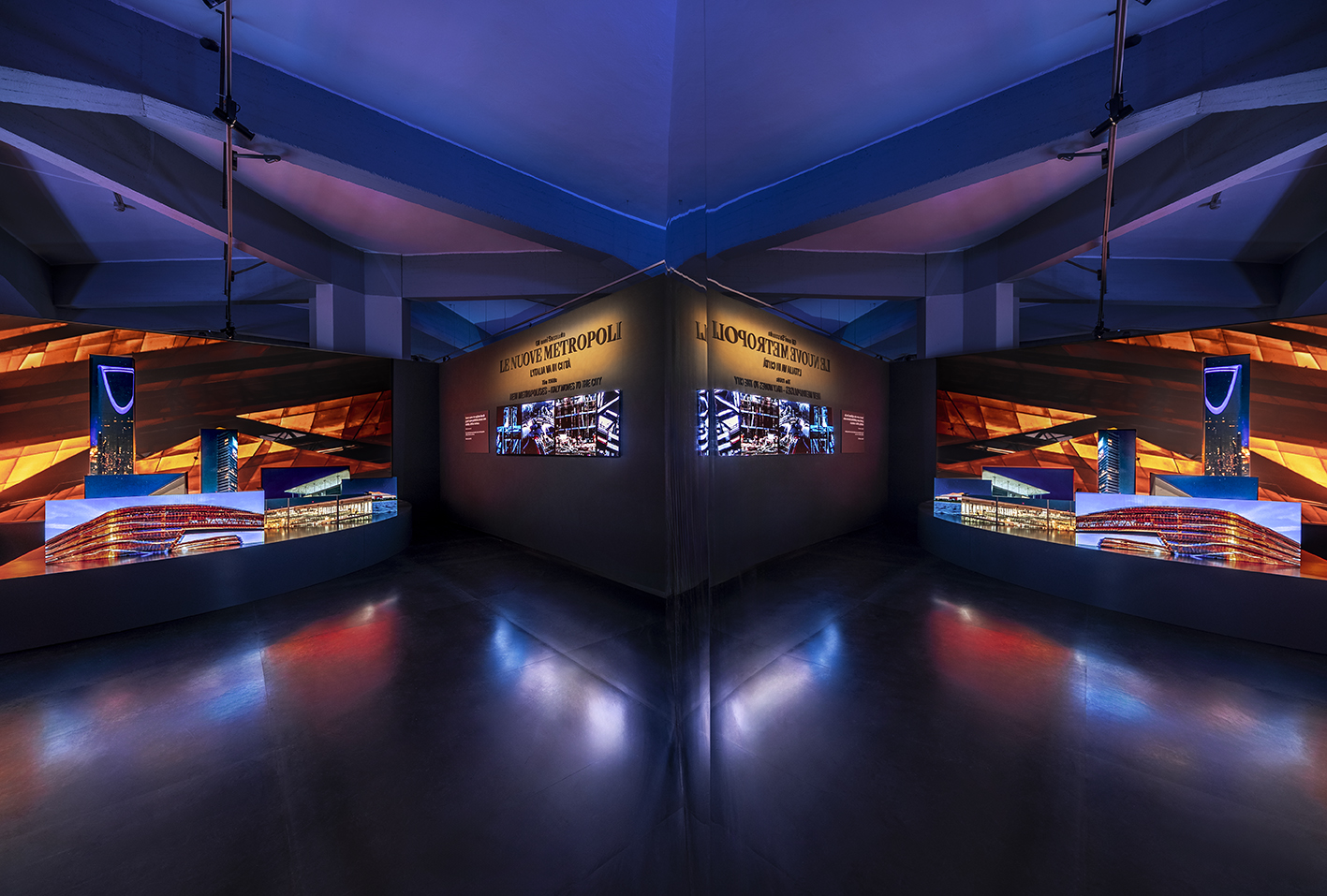
 Evolutio exhibition at the Museum of Science and Technology in Milan
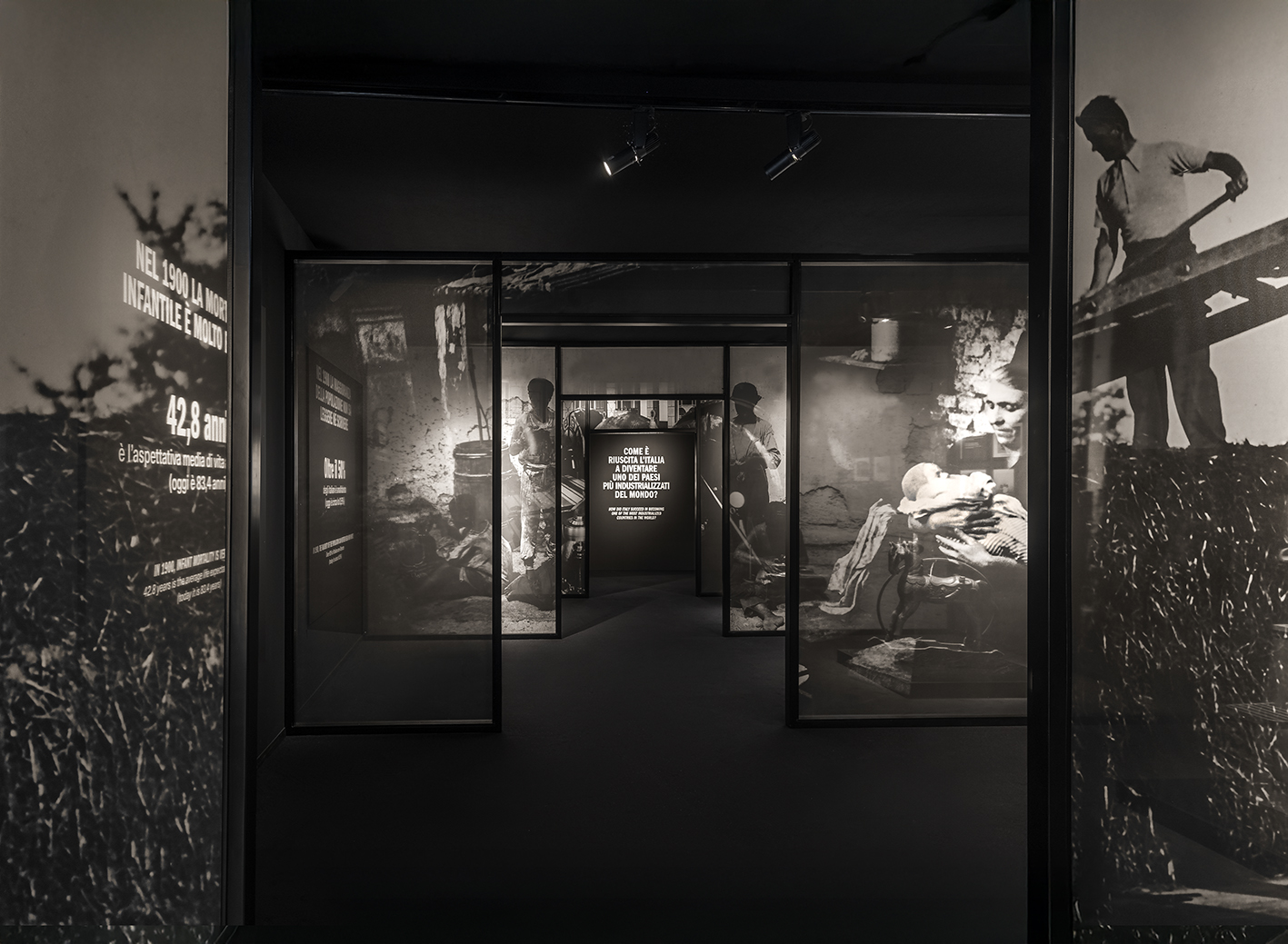 Evolutio exhibition at the Museum of Science and Technology in Milan
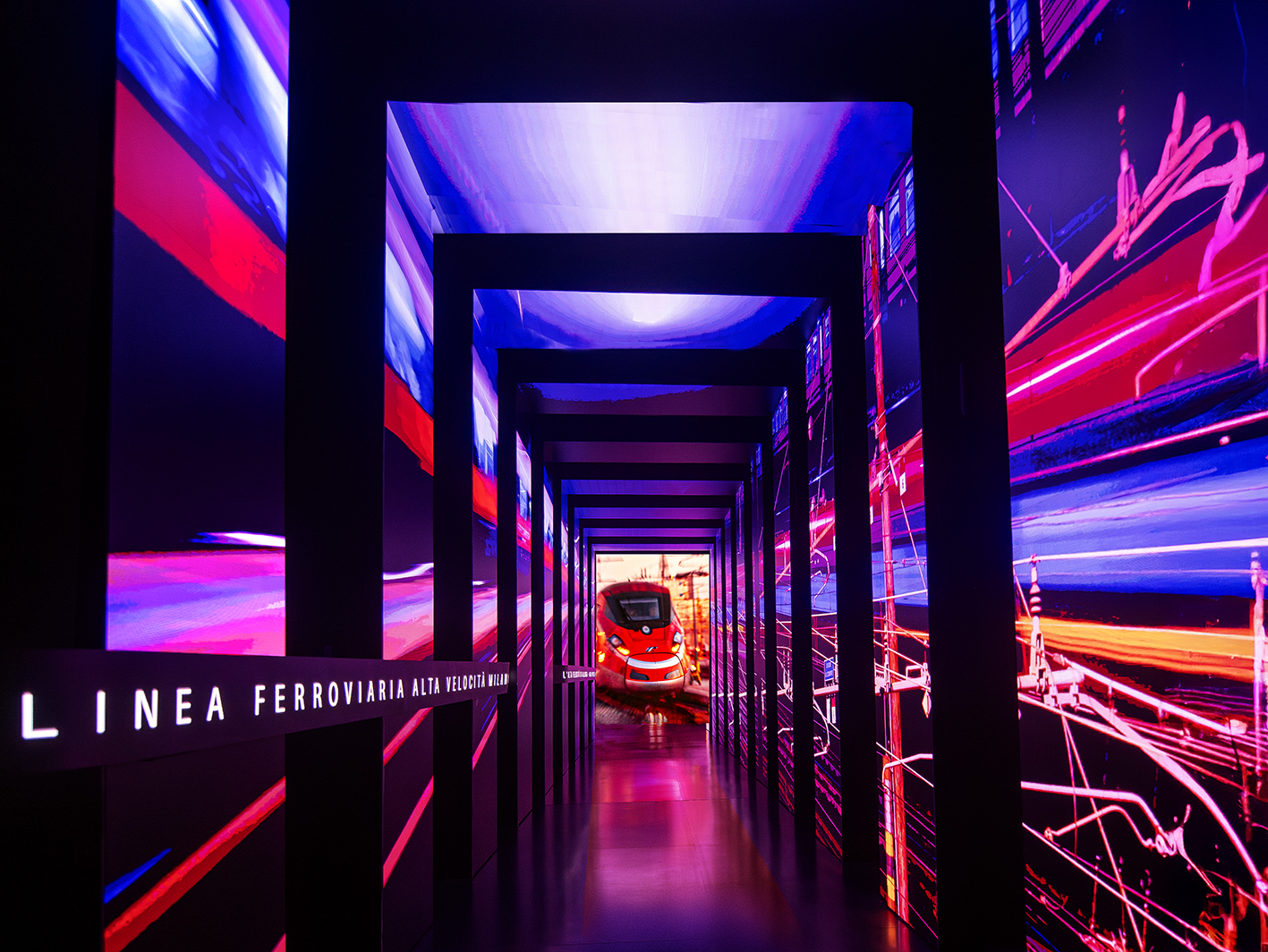 Evolutio exhibition at the Museum of Science and Technology in Milan
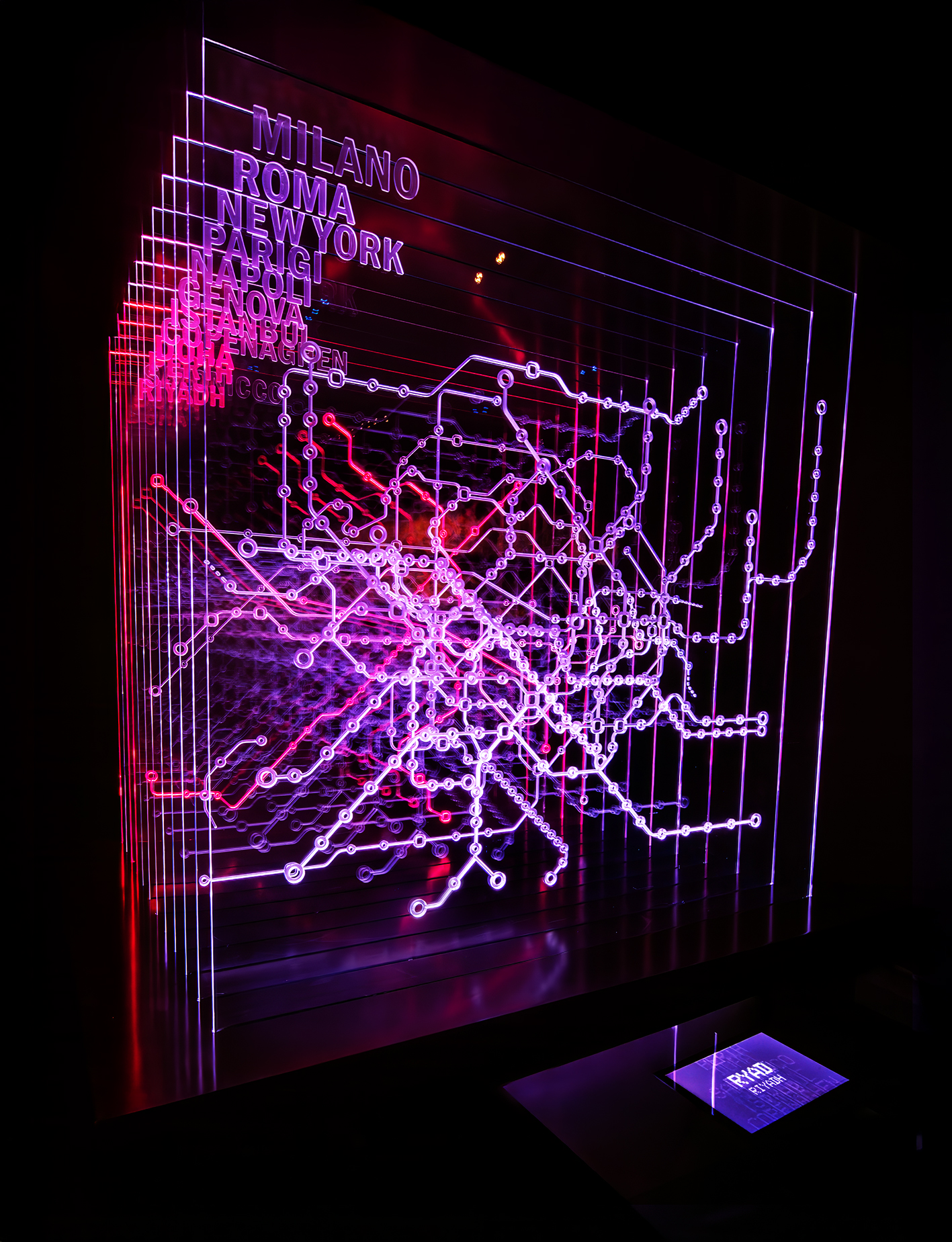 Evolutio exhibition at the Museum of Science and Technology in Milan
 Evolutio exhibition at the Museum of Science and Technology in Milan
 Evolutio exhibition at the Museum of Science and Technology in Milan
 Evolutio exhibition at the Museum of Science and Technology in Milan
 Evolutio exhibition at the Museum of Science and Technology in Milan
 Evolutio exhibition at the Museum of Science and Technology in Milan
 Evolutio exhibition at the Museum of Science and Technology in Milan
 Evolutio exhibition at the Museum of Science and Technology in Milan
- From 11 February to 7 April, the National Museum of Science and Technology Leonardo da Vinci hosts Evolutio.
- The exhibition, supported by the Webuild Group, tells 120 years of Italian progress through major works.
- The exhibition route spans dams, railways, underground systems, buildings and networks—decisive factors in raising the living standards of millions of people.
- Work is also a core component of the storytelling: the men and women of construction sites become protagonists of a collective story that restores a human dimension to infrastructure.
- From New York’s High Line to the London Transport Museum, there is a growing trend to transform infrastructure and industrial archaeology into cultural spaces capable of attracting audiences and redefining urban identity.
read more

A metro is not just a means of transport: it is what brings distant neighbourhoods closer together, expands the perimeter of everyday possibilities, and reshapes a city’s sense of time. Water supply and sewerage systems are not merely invisible utilities, but the very foundation of public health and urban growth. Motorways, railways and bridges do more than enable movement: they hold territories, economies and communities together.
This is how critical infrastructure works. When it is absent, development stalls. When it exists, it becomes a natural part of the landscape and almost disappears from view.
The Evolutio project launched by the Webuild Group stems from this awareness: to tell the story of infrastructure not as a technical object, but as an economic, social and cultural accelerator, capable of profoundly transforming the way people live, work and imagine the future.
It is from this perspective that the exhibition Evolutio – For 120 years we have been building infrastructure for the future takes shape. The exhibition opened on 11 February in Milan at the National Museum of Science and Technology Leonardo da Vinci and will be open to the public until 7 April.
In addition to the exhibition, Webuild’s initiative also features the launch of the Evolutio Virtual Museum (www.evolutio.museum). One of the world’s first virtual museums dedicated to the infrastructure sector, it offers access to the Webuild Group’s extensive historical archive, illustrating how major engineering projects have driven social development in Italy and across the globe.
Evolutio in Milan: A Country's Progress Thanks to Infrastructure Development
The Evolutio exhibition thus arrives in one of the symbolic venues of European technical culture: the National Museum of Science and Technology Leonardo da Vinci, an ideal setting for a narrative that weaves together 120 years of Italian history with the major infrastructural transformations that have accompanied the country’s progress.
This Milan museum represents a natural context for a story that places technical thinking, the ability to design the future and the value of applied knowledge at its centre—foundational elements of Webuild’s identity.
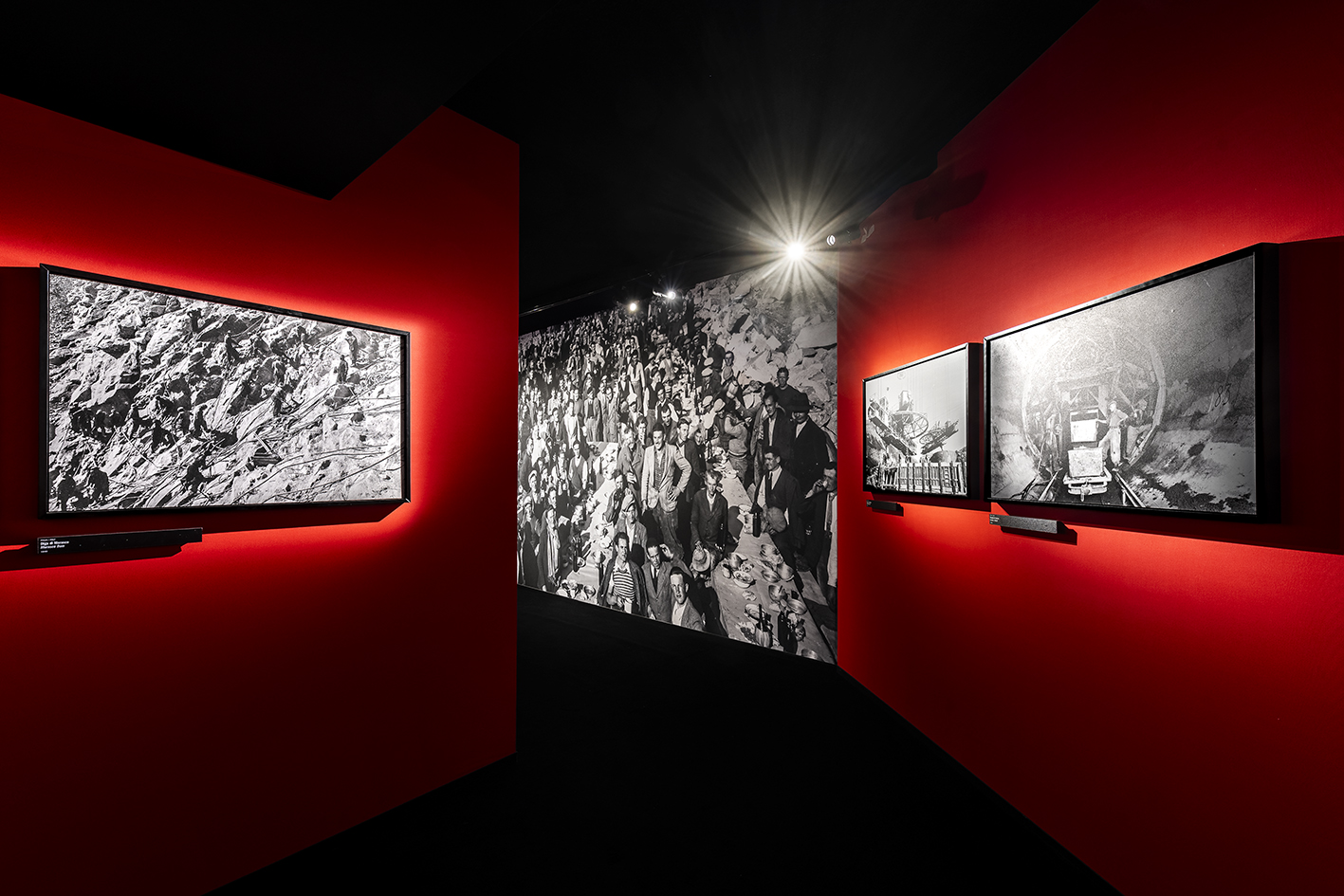
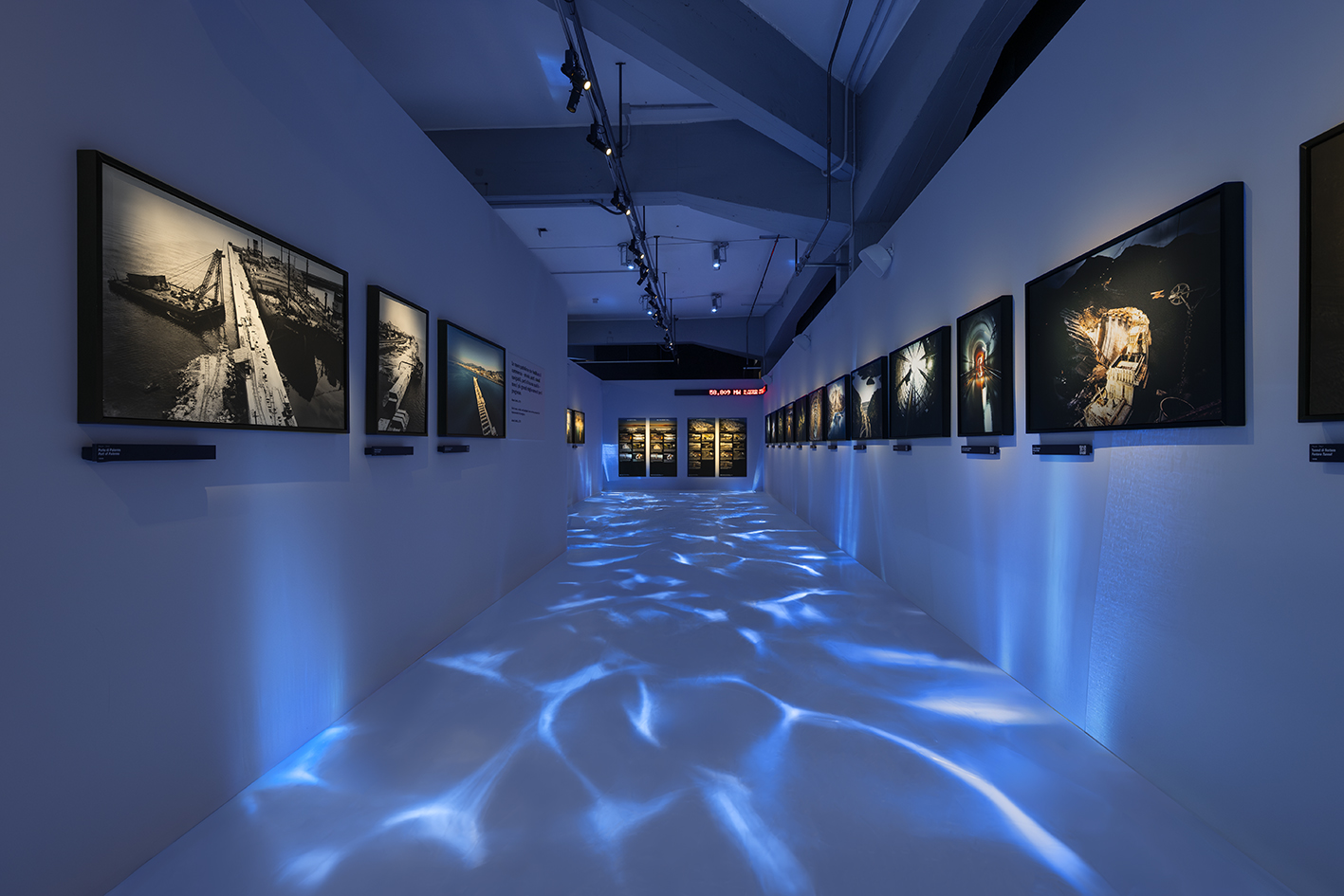
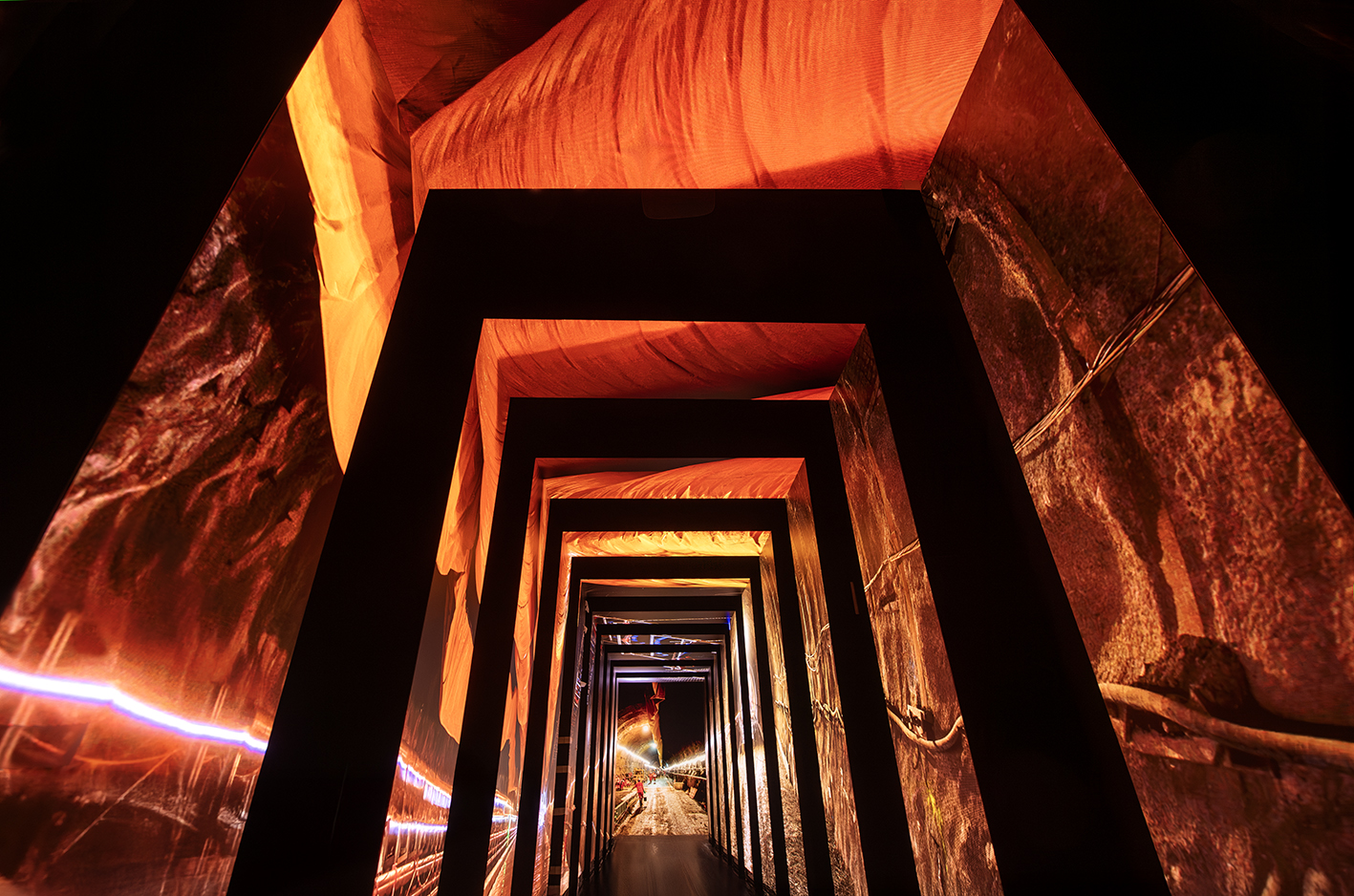
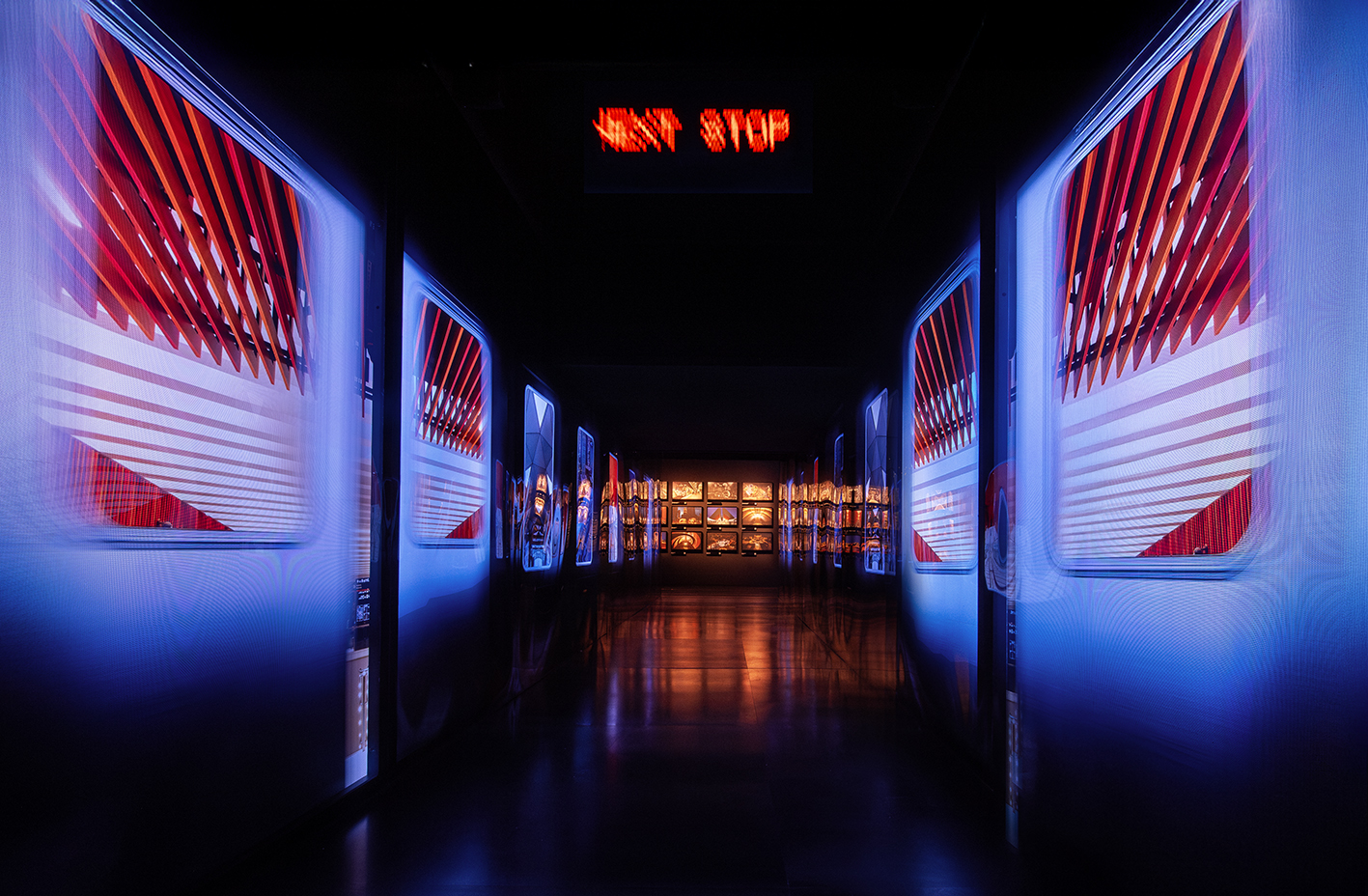
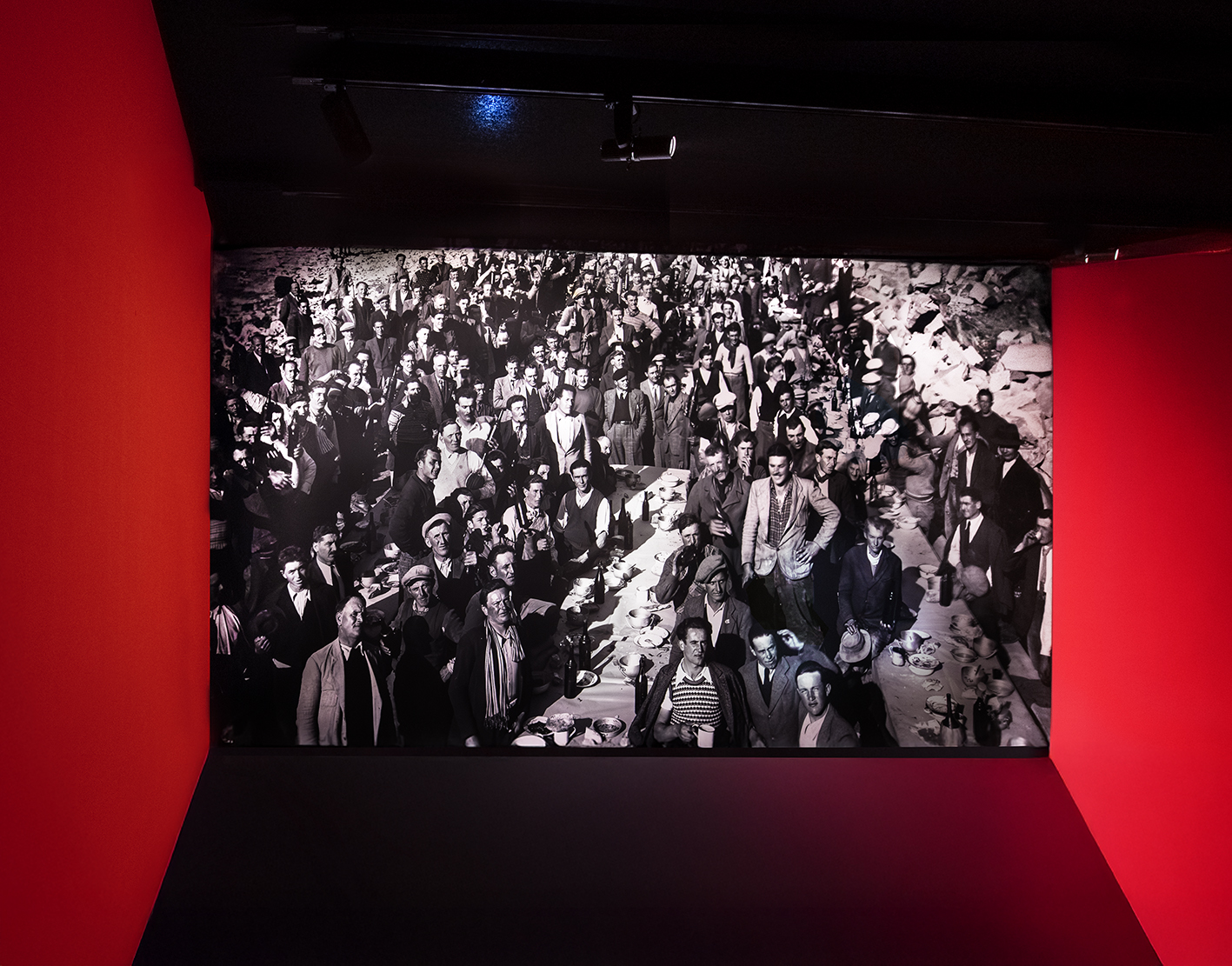
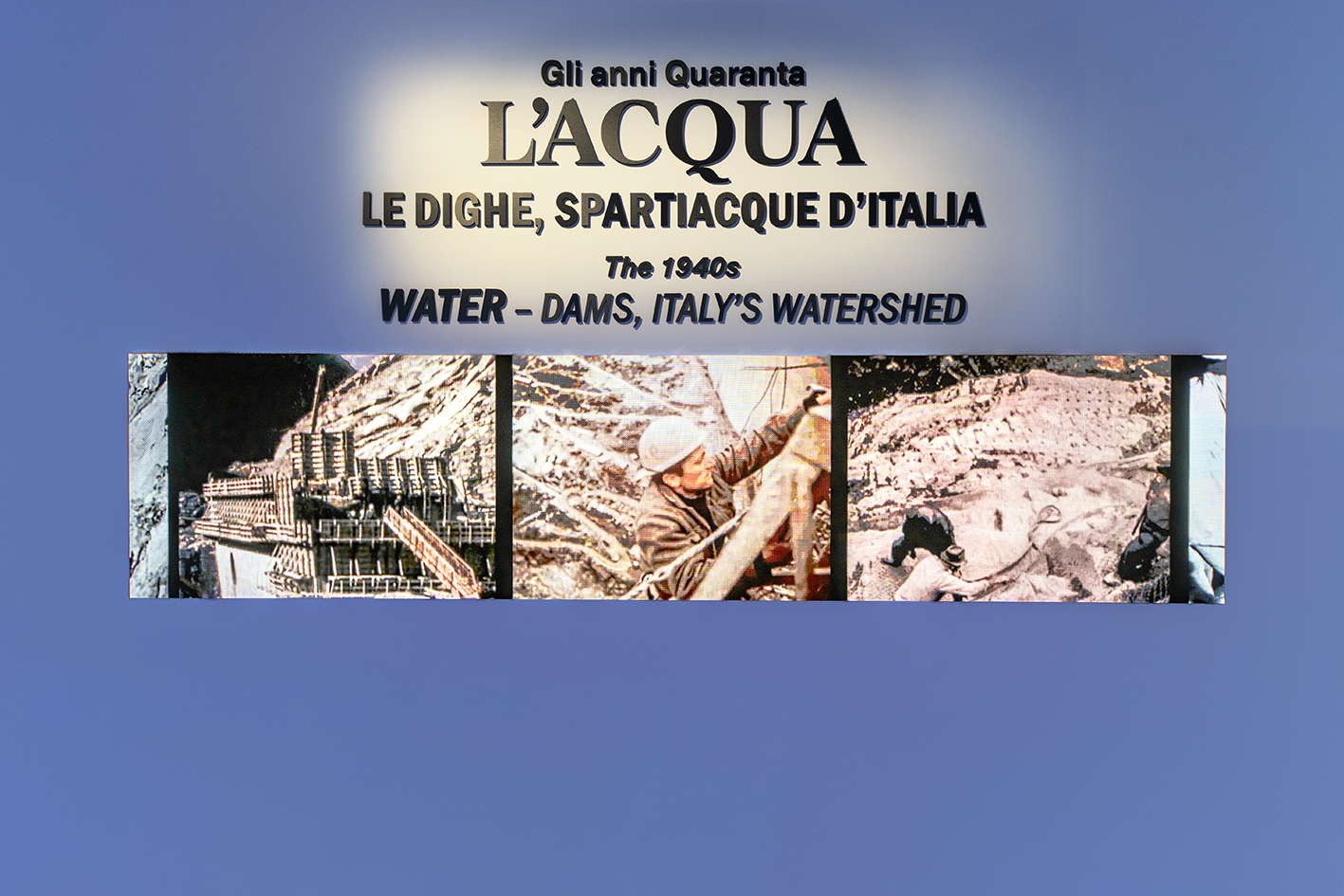
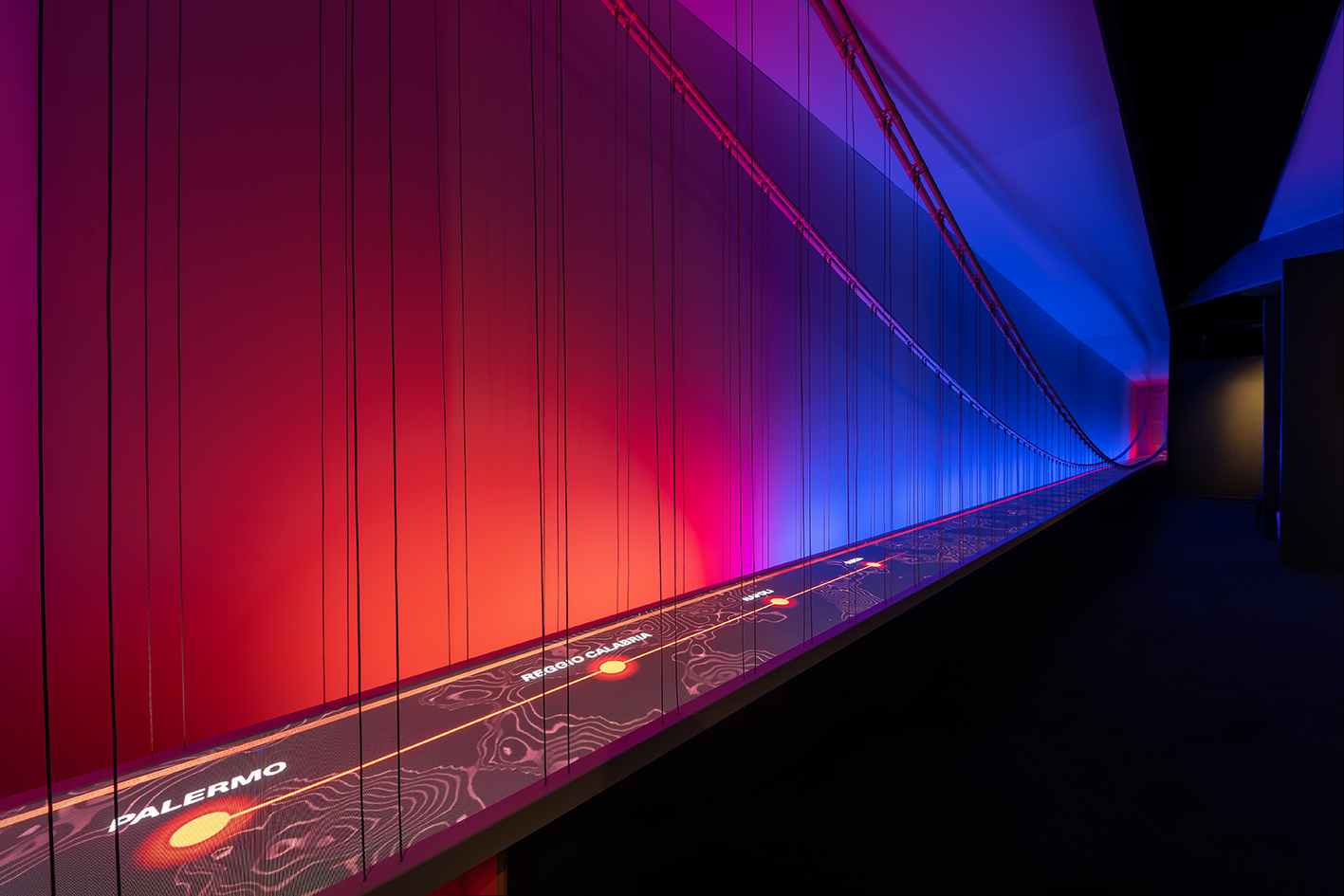
The exhibition route is conceived as an immersive, multimedia journey through the major works that have defined the country’s development, spanning from the last century to the first decades of the 2000s. Dams, water systems, underground networks and urban mobility, civic buildings, motorways, bridges and railways are not presented as isolated icons, but as elements of an ecosystem that has progressively raised living standards, reshaping the relationship between people and territory. Archive photographs, videos, multimedia installations and first-hand accounts accompany visitors along a narrative thread that brings together technology, society and collective memory.
In this journey through time, the protagonists are the major infrastructure projects carried out by Webuild, in Italy and abroad. Visitors’ attention is thus captured by the stories of bridges built across the Bosphorus, the expansion of the Panama Canal, the underground systems constructed in Doha and Riyadh, as well as the great dams built in Ethiopia.
Colossal infrastructures that tell not only the story of engineering achievements, but also of human skill. For this reason, an area of the exhibition is dedicated to work itself: to the men and women who built these projects, often far from the spotlight, on construction sites and in tunnels, under extreme conditions. These “hidden heroes” thus become an integral part of the narrative, restoring a human dimension to infrastructures that are too often perceived solely through figures, costs and construction timelines.
Infrastructure as Storytelling: From Urban Renewals to Industrial Archaeology, a Global Trend
The value of the Evolutio exhibition emerges even more clearly when viewed in an international context. In recent decades, in many of the world’s major cities, infrastructure has ceased to be merely a functional backdrop to urban development and has instead become a place of storytelling, culture and identity.
In New York, a former elevated railway slated for demolition has become one of the most powerful symbols of this transformation. The High Line now cuts across Manhattan as a suspended linear park, visited each year by millions of people. It is not just an urban regeneration project, but an infrastructure that has changed the way the city is experienced, telling—through the act of walking along it—a different idea of public space.
In the same city, the New York Transit Museum has transformed a disused underground station into a place where transport becomes social history, collective memory and everyday culture.
In London, the relationship between public infrastructure and culture has produced one of the most visited museums in the world. Tate Modern was created through the conversion of a power station on the Thames: a building originally designed to generate energy that has become a global cultural hub. This demonstrates how industrial archaeology can be reinterpreted as living heritage, capable of generating new forms of attraction and meaning.
Also in London, the London Transport Museum tells two centuries of mobility as the history of the city itself, intertwining design, labour, innovation and urban life.
In Paris, the link between critical infrastructure and quality of life is conveyed in an even more direct way. The Musée des Égouts de Paris takes visitors beneath the capital, showing how the sewer network radically transformed public health and urbanization. It is an experience that makes visible what normally remains hidden, restoring cultural dignity to one of the most decisive infrastructures of modernity.
A cultural narrative of major infrastructure in Italy and around the world
It is within this tradition that Evolutio finds its place. Not only as a celebration of great works, but also as a cultural operation that restores critical infrastructure to its original role: tools of collective transformation that generate value. To tell their story means making visible what has allowed cities to grow, economies to develop and societies to evolve.
Bringing Evolutio to a Milan museum that has always fostered dialogue between science, technology and society means reaffirming that infrastructural projects do not belong only to engineers or industry professionals, but to people. And when it is once again told—through an exhibition, in a public space, along a cultural route—it ceases to be invisible and begins to speak once more about the future.