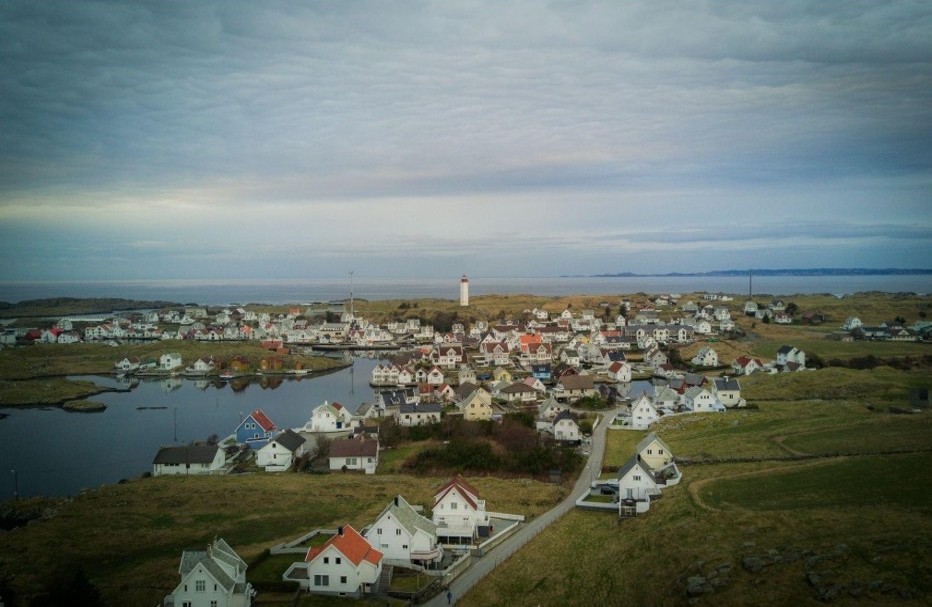


Tunnels are more than just passageways: they are infrastructures capable of transforming territories, connecting communities, and changing the everyday lives of those who use them. From simple road or rail links, they become tools for urban and social development, improving mobility, reducing travel times, and creating new economic opportunities.
The challenge is clear: designing tunnels that meet the needs of the community, combining safety, environmental sustainability, and innovation, and turning underground spaces into levers of progress for the cities and regions they traverse.
1 – Brenner Base Tunnel
The Brenner Base Tunnel, built by Webuild, is set to become the longest railway tunnel in the world, connecting Italy and Austria beneath the Alps. This infrastructure will reduce travel times between Fortezza and Innsbruck by 69%, radically transforming mobility between the two countries.
Thanks to innovative techniques such as ground freezing beneath the Isarco River, the Brenner Tunnel project ensures safety, efficiency, and minimal impact on the surrounding environment.
A strategic work that will not only improve daily travel but also strengthen ties between communities and territories, reaffirming Webuild’s commitment to sustainable and cutting-edge infrastructure development.
2 – Salerno-Reggio Calabria HS/HC Railway
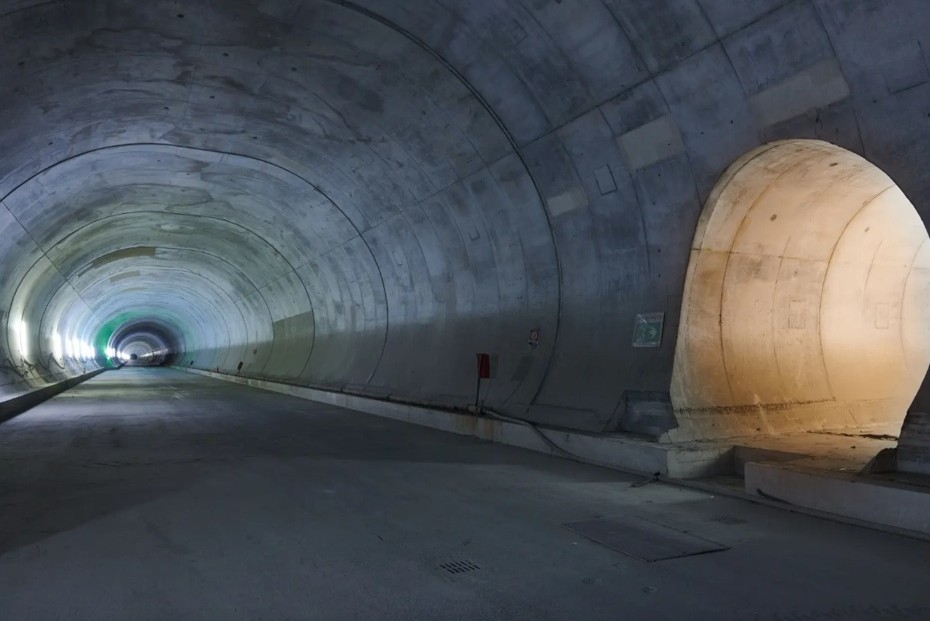
Part of the Scandinavian-Mediterranean corridor of the Trans-European Transport Network (TEN-T), Lot 1A of the Salerno–Reggio Calabria high-speed line represents a strategic project to connect Southern Italy with the North and with Europe.
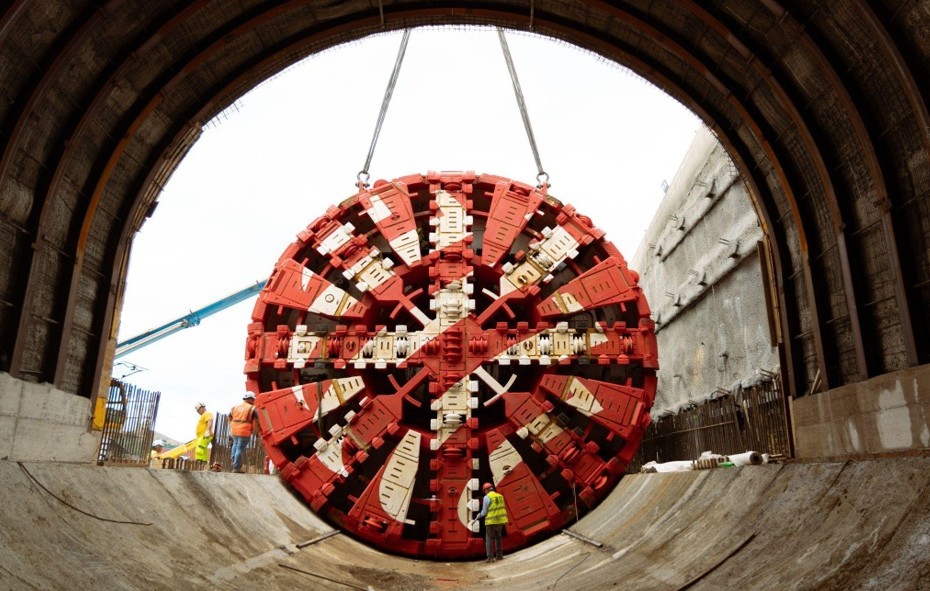
Webuild is leading the construction of three new tunnels, excavated with state-of-the-art tunnel boring machines designed to ensure reliability, technological innovation, and a controlled environmental impact.
These works will not only enhance mobility and reduce travel times, but also help strengthen the economic and social fabric of the region, providing modern infrastructure to serve local communities.
3 – Eysturoy Tunnel (Faroe Islands)
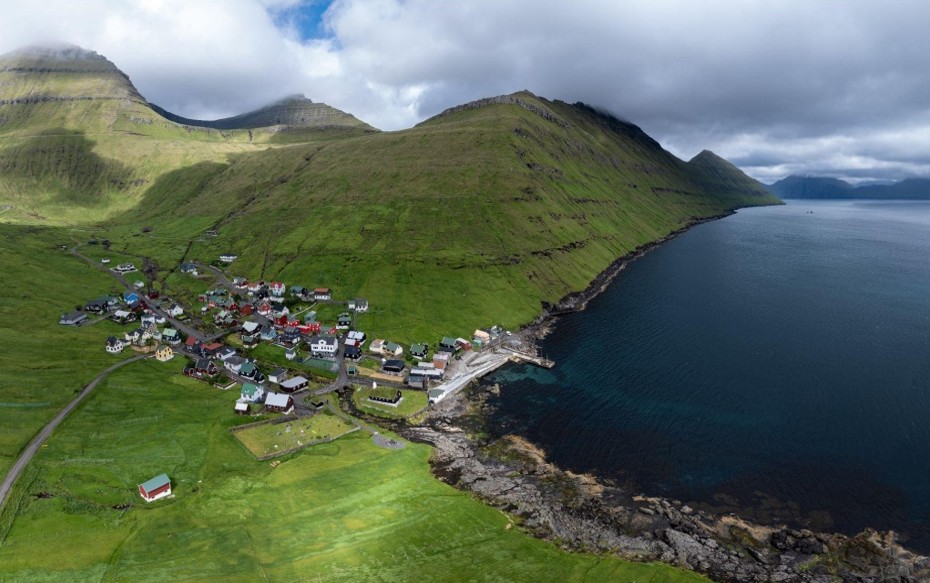
The Eysturoy Tunnel, recently inaugurated in the Faroe Islands, is much more than a simple underwater tunnel. Stretching 11 km with its deepest point 187 meters below sea level, it reduces travel times between the islands from over an hour to just 16 minutes.
Illuminated walls and artistically designed curves turn the crossing into a striking journey, while the three lanes ensure safety and a steady flow for around 6,000 users per day.
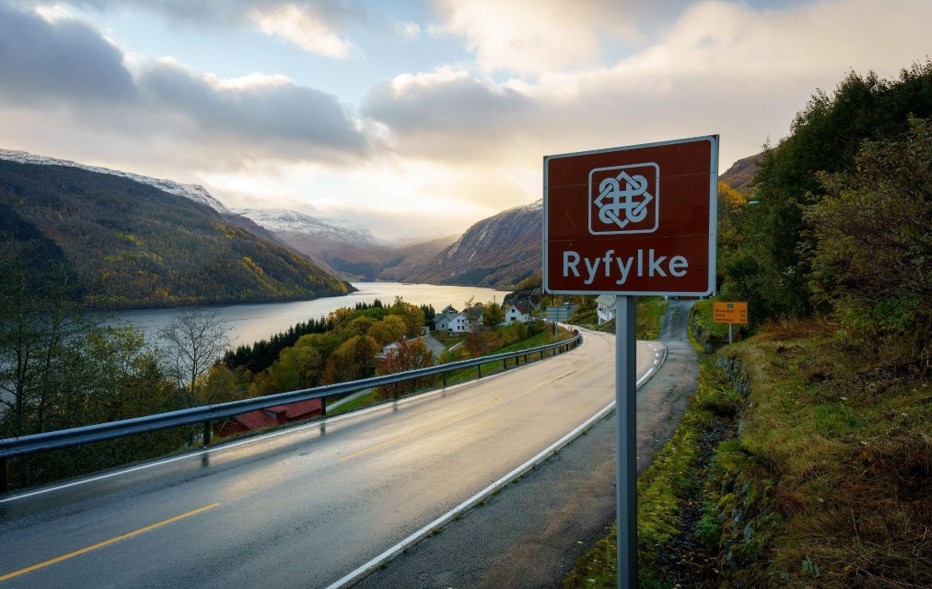
4 – Ryfylke Tunnel (Norway)
The Ryfylke Tunnel, inaugurated in December 2019, is the world’s longest and deepest subsea road tunnel, stretching 14.4 km and reaching a depth of 292 meters below sea level. It connects Strand and Stavanger, reducing travel times and significantly improving mobility in the Nord-Jæren region.
Designed with controlled gradients and advanced safety systems, this Norway tunnel ensures efficiency and reliability even in extreme weather conditions.
5 – Fehmarn Belt Tunnel (Denmark and Germany)
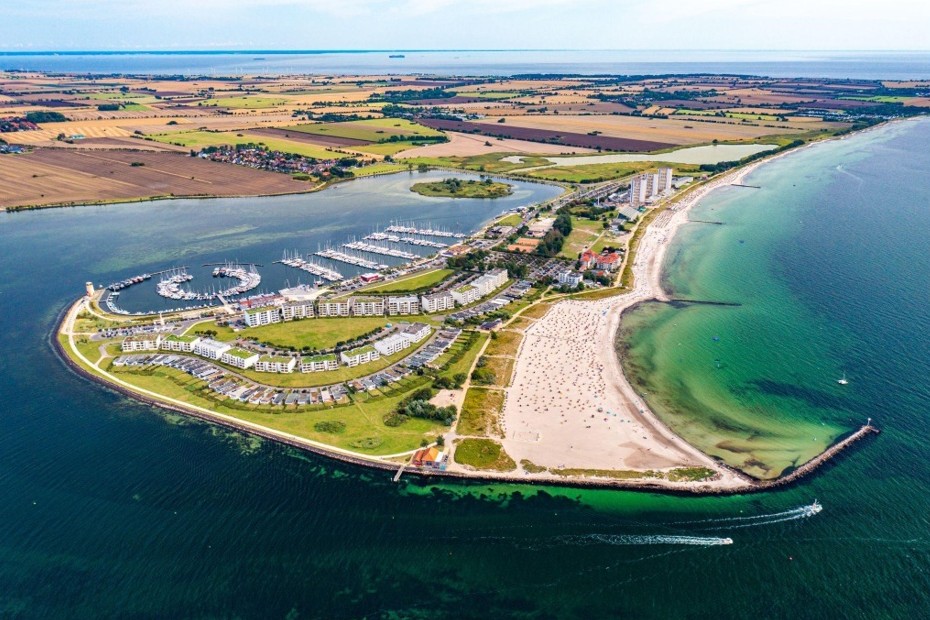
The Fehmarn Belt Tunnel, currently under construction between Denmark and Germany, is one of Europe’s largest infrastructure projects in recent decades.
Stretching 18 km underwater, it will connect the Danish island of Lolland with the German island of Fehmarn, reducing the crossing time from over an hour by ferry to just a few minutes by train or car.
Designed with five separate tubes — two for the highway and two for the railway — the undersea tunnel will ensure safety, capacity, and efficiency, becoming a strategic link for both people and goods.
6 – Rogfast (Norway)
The Rogfast Tunnel, currently under construction along the E39 in Norway, will be the world’s longest and deepest undersea tunnel, stretching 27 km and reaching a depth of 392 meters below sea level.
It will connect the cities of Kristiansand, Stavanger, Haugesund, and Bergen, eliminating the need for ferries and reducing travel time from 20 to 11 hours.
Designed with four lanes and an innovative underground interchange at Kvitsøy, this infrastructural project combines safety, efficiency, and environmental sustainability, lowering its climate impact by reducing CO₂ emissions.