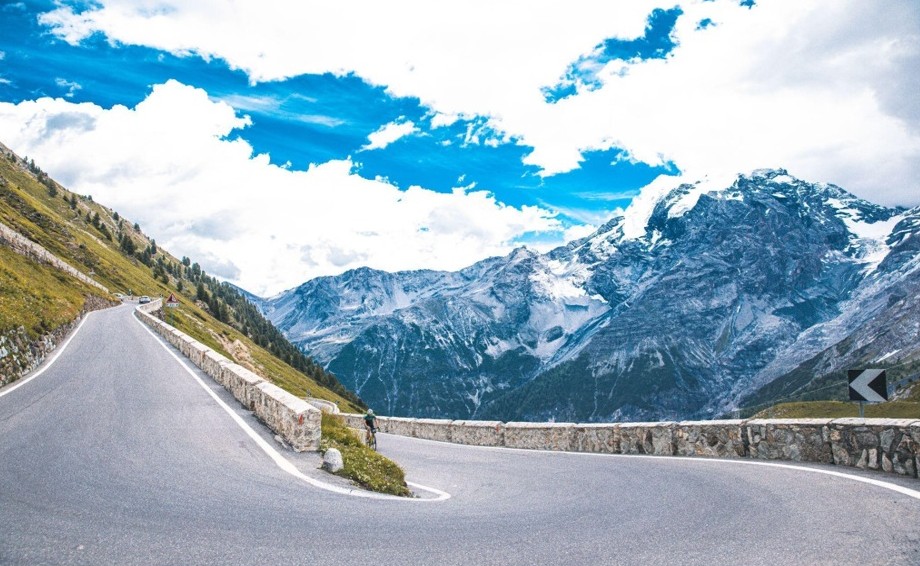


Across mountains, hills, and valleys, Italian tunnels tell stories of ingenuity and determination. Beyond facilitating passage, these infrastructural works reveal humanity’s ability to shape the environment and overcome natural obstacles, turning the underground into a stage for extraordinary technical and logistical solutions.
From excavation to completion, these infrastructures combine innovation and precision, becoming tangible tools to improve people’s lives and strengthen connections between territories.
1 – Terzo Valico dei Giovi
The Terzo Valico dei Giovi, built by the General Contractor led by Webuild, is Italy’s longest railway tunnel, with approximately 27 km for each track. Excavations have exceeded 50 km out of a total of 54 km, bringing the project closer to completion and cementing its role as a strategic infrastructure for Northern Italy.
By reducing travel times between Genoa and Milan to around one hour, the Terzo Valico will improve mobility, strengthen connections between Ligurian ports and the rest of Europe, and boost the economic and social development of the communities along its route.
2 – Frejus Tunnel
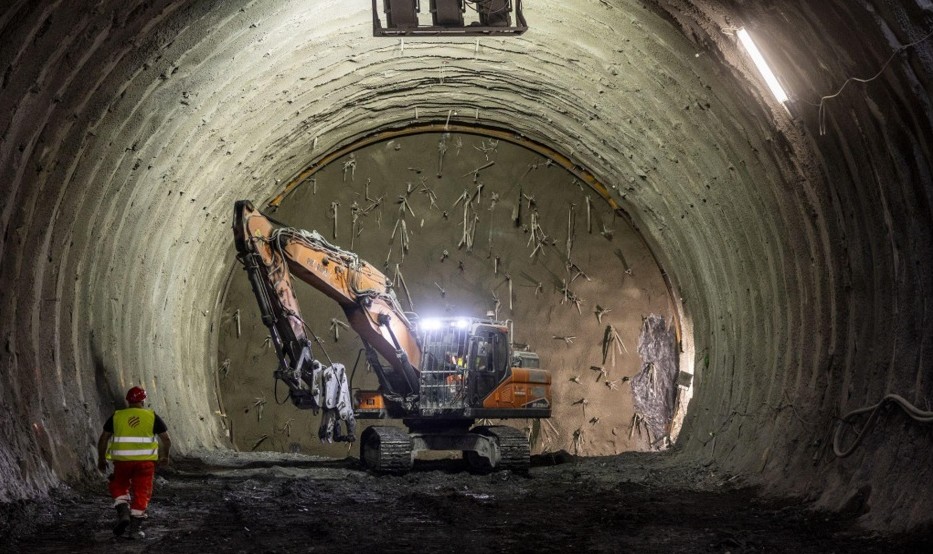
The Fréjus Tunnel, or T4, is Italy’s longest tunnel, stretching 12.87 km and connecting Italy with France. On the Italian side, the infrastructure is accessible via the Torino-Bardonecchia highway, while on the French side it connects to the Autoroute de la Maurienne.
Work is currently underway to open the second tube, which will make the Frejus Tunnel the longest twin-tube tunnel in Europe, further enhancing safety and traffic capacity.
3 – Mont Blanc Tunnel
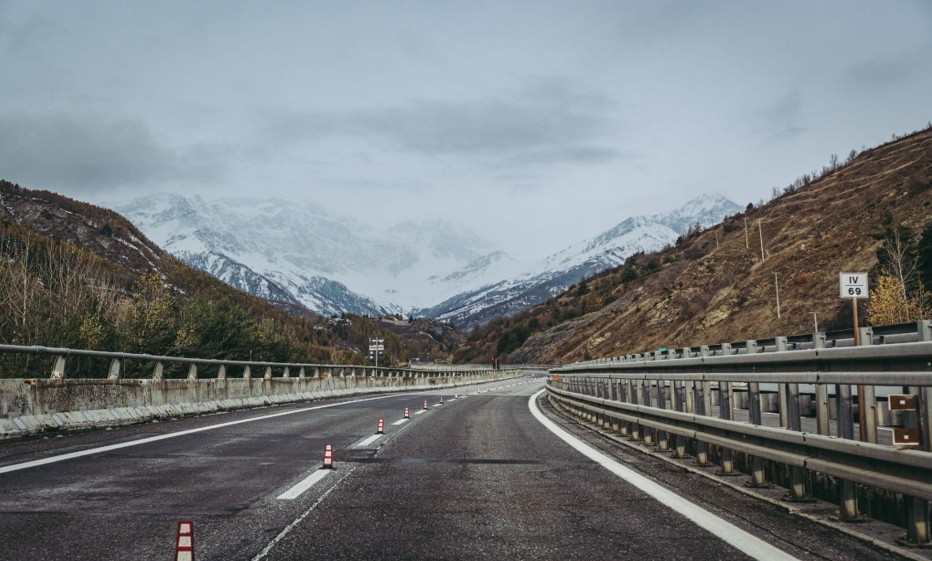
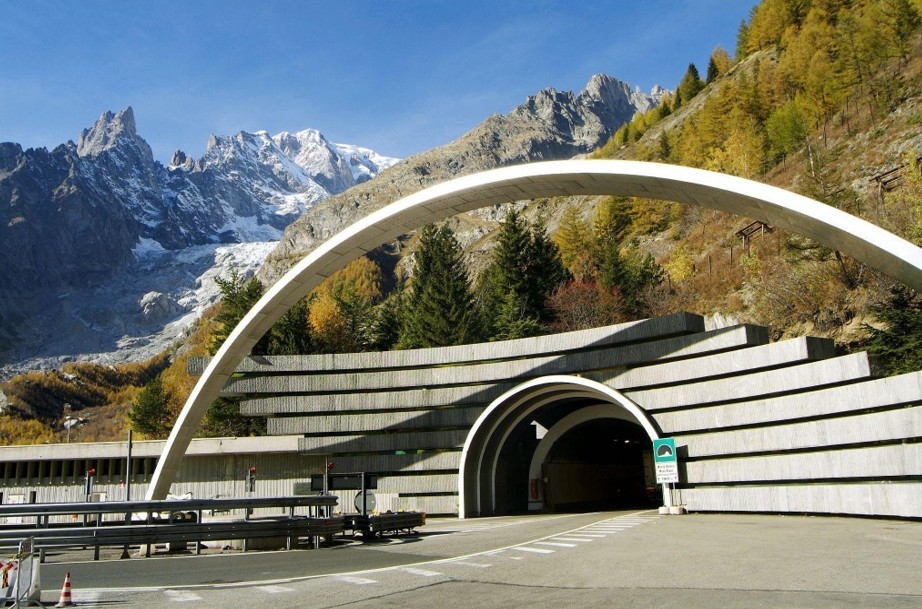
The Mont Blanc Tunnel (also known as Tunnel du Mont Blanc) stretches for 11.6 km, connecting Courmayeur in the Aosta Valley to Chamonix in France, and is Italy’s second-longest highway tunnel.
Built between 1957 and 1965 through collaboration between Italy and France, the tunnel road has a single tube with two-way traffic and serves as one of the main transit routes through the Alps.
With over 11 km in total length, including approximately 4 km on Italian territory, the Mont Blanc Tunnel combines safety, efficiency, and functionality, facilitating transalpine travel and reinforcing its strategic role in international mobility.
4 – Gran Sasso Tunnel
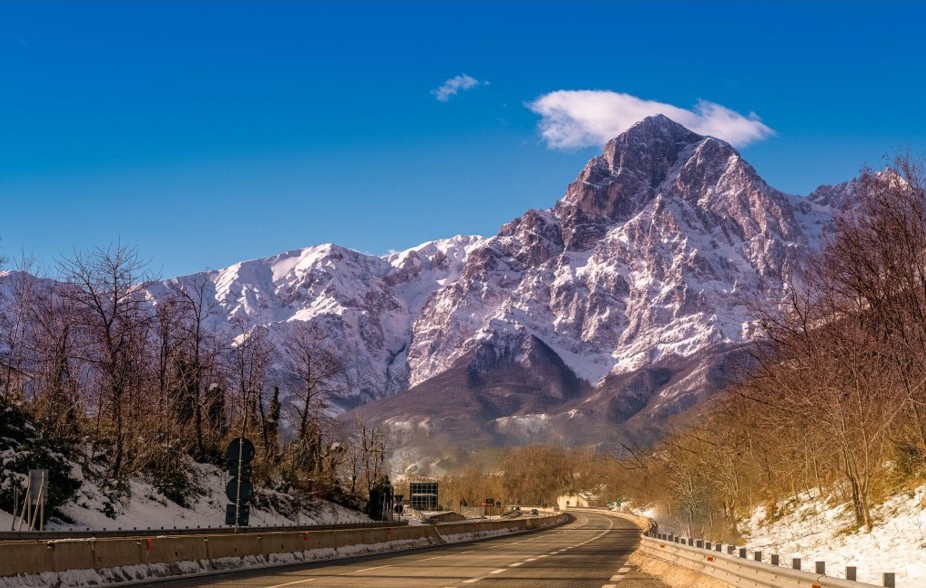
The Gran Sasso Tunnel stretches for 10.2 km beneath the Abruzzo Apennines, connecting Lazio and Abruzzo along the A24 highway.
While it is Italy’s third-longest tunnel, it is the longest entirely built on Italian territory and the widest twin-tube tunnel in Europe, with each tube carrying one-way traffic.
The first tube towards Teramo was inaugurated in 1984 and the second towards Rome in 1993. This infrastructure is not only an important tunnel road: it also houses the laboratories of the National Institute for Nuclear Physics, the largest underground laboratories in the world.
5 – Sant’Antonio-Cepina Tunnel
The Sant’Antonio-Cepina Tunnel, inaugurated in 2000, stretches for 7.9 km along State Road 38 of the Stelvio in Valtellina, Lombardy, and is Italy’s fifth-longest highway tunnel.
Comprised of three consecutive single-tube tunnels with two-way traffic, it overcomes an elevation difference of 105 meters, facilitating transit through the Alps.
This infrastructure construction addressed major mobility issues, particularly following the 1987 flood that disrupted key communication routes in the region, ensuring safe and rapid travel between valleys and strengthening both local and transalpine mobility.